
Bottom Mount Compressor Freezer
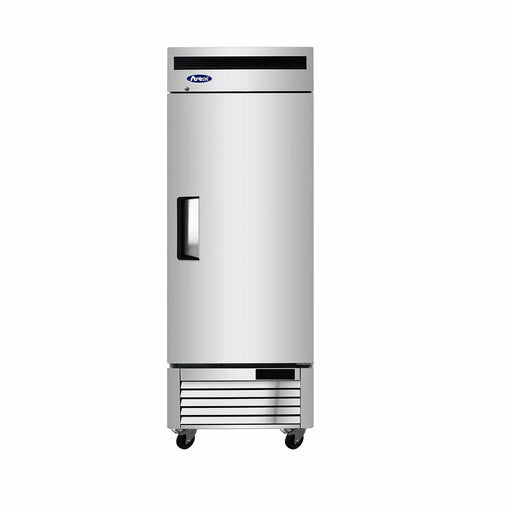
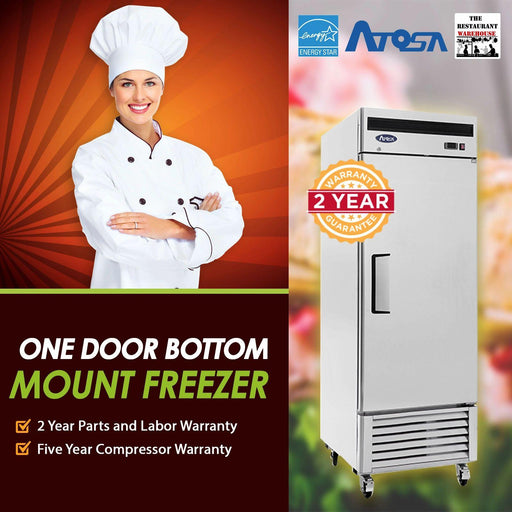
Atosa MBF8501GR 27-Inch One Door 19.1 cu. ft. Commercial Freezer
Atosa
Original price
$3,624.00
Original price
$3,624.00
-
Original price
$3,624.00
Original price
$3,624.00
Current price
$2,612.00
$2,612.00
-
$2,612.00
Current price
$2,612.00
Atosa MBF8501GR 27-Inch One Door Commercial Reach-In Freezer In Stock. Ships in 1 business day (same-day ...
View full details
Original price
$3,624.00
Original price
$3,624.00
-
Original price
$3,624.00
Original price
$3,624.00
Current price
$2,612.00
$2,612.00
-
$2,612.00
Current price
$2,612.00
Save 28%


Atosa MBF8501GRL 1 Door 27-inch 19.1 cu. ft. Commercial Freezer - Left Hinge
Atosa
Original price
$3,624.00
Original price
$3,624.00
-
Original price
$3,624.00
Original price
$3,624.00
Current price
$2,612.00
$2,612.00
-
$2,612.00
Current price
$2,612.00
Atosa MBF8501GRL 27-Inch One Door Commercial Reach-In Freezer (Left Hinge) In stock. Ships in 1 business day (same-day cutoff). Free frei...
View full details
Original price
$3,624.00
Original price
$3,624.00
-
Original price
$3,624.00
Original price
$3,624.00
Current price
$2,612.00
$2,612.00
-
$2,612.00
Current price
$2,612.00
Save 28%
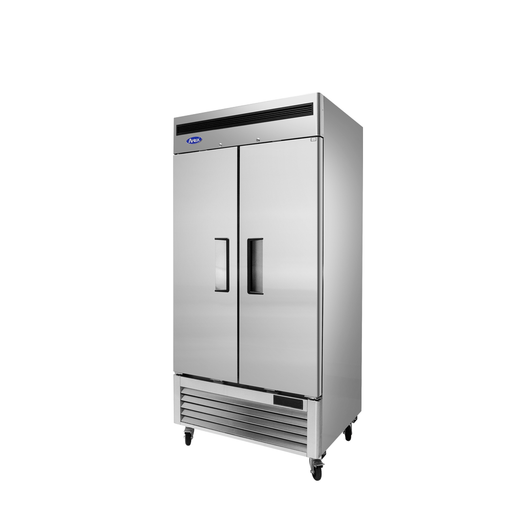
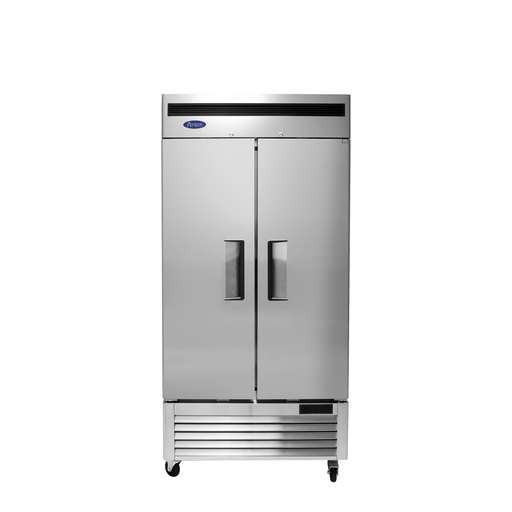
Atosa USA MBF8502GR Slim 40-Inch Two Door Upright Freezer
Atosa
Original price
$5,194.00
Original price
$5,194.00
-
Original price
$5,194.00
Original price
$5,194.00
Current price
$3,743.00
$3,743.00
-
$3,743.00
Current price
$3,743.00
Atosa MBF8502GR 40-Inch Two Door Commercial Reach-In Freezer – ENERGY STAR® The Atosa MBF8502GR is a 40-inch, two-door commercial re...
View full details
Original price
$5,194.00
Original price
$5,194.00
-
Original price
$5,194.00
Original price
$5,194.00
Current price
$3,743.00
$3,743.00
-
$3,743.00
Current price
$3,743.00
Save 28%
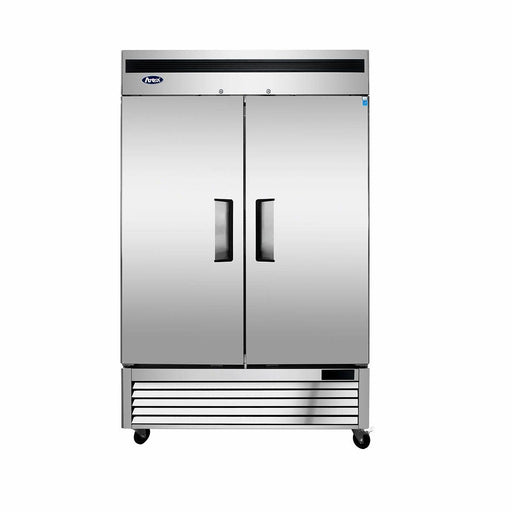
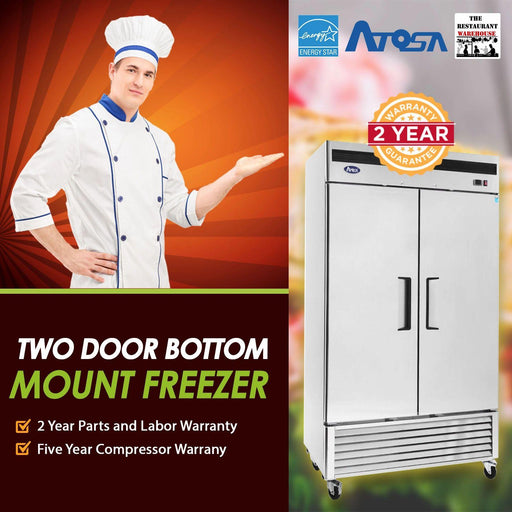
Atosa MBF8503GR 55-Inch Two Door 44.77 cu. ft. Commercial Freezer
Atosa
Original price
$5,434.00
Original price
$5,434.00
-
Original price
$5,434.00
Original price
$5,434.00
Current price
$3,916.00
$3,916.00
-
$3,916.00
Current price
$3,916.00
Atosa MBF8503GR 55-Inch Two Door Commercial Reach-In Freezer – ENERGY STAR® Purchase Highlights In stock Ships i...
View full details
Original price
$5,434.00
Original price
$5,434.00
-
Original price
$5,434.00
Original price
$5,434.00
Current price
$3,916.00
$3,916.00
-
$3,916.00
Current price
$3,916.00
Save 28%
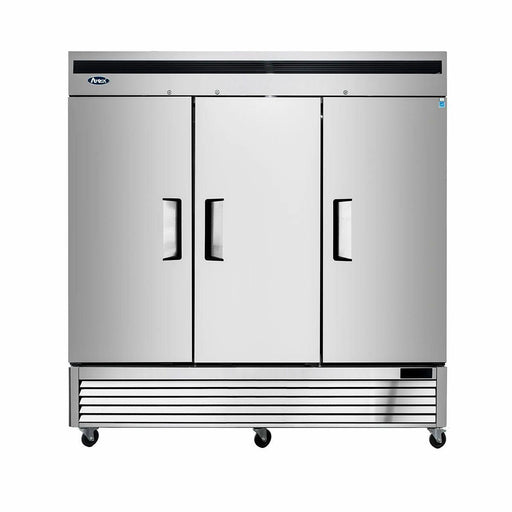
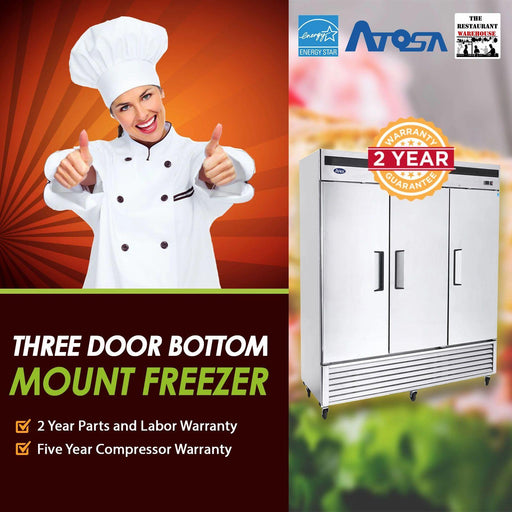
Atosa MBF8504GR 82-Inch Three Door 71 cu. ft. Commercial Freezer
Atosa
Original price
$7,751.00
Original price
$7,751.00
-
Original price
$7,751.00
Original price
$7,751.00
Current price
$5,585.00
$5,585.00
-
$5,585.00
Current price
$5,585.00
Atosa MBF8504GR 82-Inch Three Door Commercial Reach-In Freezer – 71.0 cu. ft. Purchase Highlights In stock ...
View full details
Original price
$7,751.00
Original price
$7,751.00
-
Original price
$7,751.00
Original price
$7,751.00
Current price
$5,585.00
$5,585.00
-
$5,585.00
Current price
$5,585.00
Save 28%
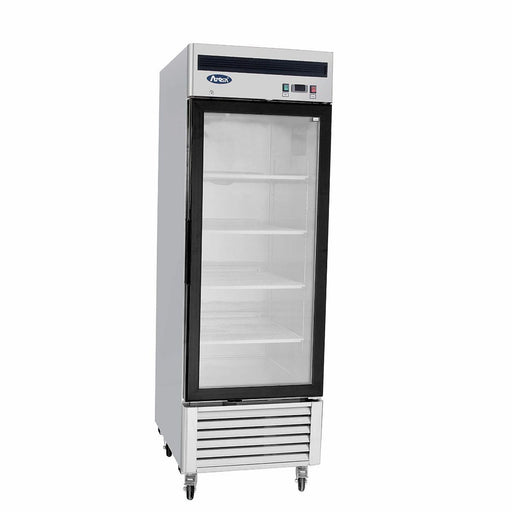
Atosa USA MCF8701GR 27-Inch Glass One Door Merchandiser Upright Freezer
Atosa
Original price
$3,962.00
Original price
$3,962.00
-
Original price
$3,962.00
Original price
$3,962.00
Current price
$2,855.00
$2,855.00
-
$2,855.00
Current price
$2,855.00
Atosa USA MCF8701GR 27-Inch Glass One Door Merchandiser Upright Freezer The Atosa USA MCF8701GR is a commercial-grade glass door merchandiser f...
View full details
Original price
$3,962.00
Original price
$3,962.00
-
Original price
$3,962.00
Original price
$3,962.00
Current price
$2,855.00
$2,855.00
-
$2,855.00
Current price
$2,855.00
Save 28%
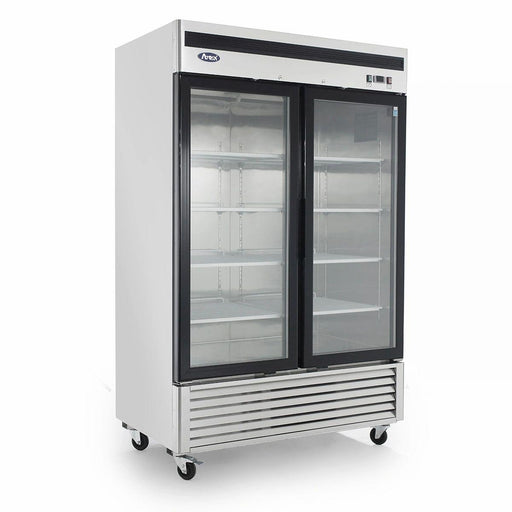
Atosa USA MCF8703ES 55-Inch Glass Two Door Merchandiser Upright Freezer
Atosa
Original price
$6,111.00
Original price
$6,111.00
-
Original price
$6,111.00
Original price
$6,111.00
Current price
$4,403.00
$4,403.00
-
$4,403.00
Current price
$4,403.00
Atosa USA MCF8703ES 55-Inch Glass Two Door Merchandiser Upright Freezer The Atosa USA MCF8703ES is a commercial two glass door merchandiser fre...
View full details
Original price
$6,111.00
Original price
$6,111.00
-
Original price
$6,111.00
Original price
$6,111.00
Current price
$4,403.00
$4,403.00
-
$4,403.00
Current price
$4,403.00
Save 28%
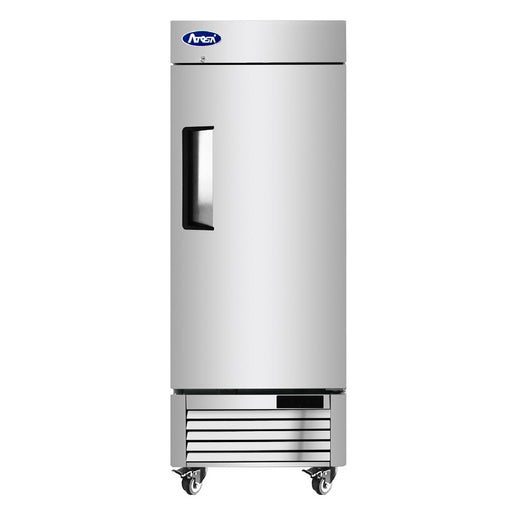
Atosa USA MBF8520GR 24-Inch One Door Low Height Freezer
Atosa
Original price
$3,422.00
Original price
$3,422.00
-
Original price
$3,422.00
Original price
$3,422.00
Current price
$2,466.00
$2,466.00
-
$2,466.00
Current price
$2,466.00
Atosa MBF8520GR Low Height Commercial Reach-In Freezer The Atosa MBF8520GR is a low-height commercial reach-in freezer built for operators who...
View full details
Original price
$3,422.00
Original price
$3,422.00
-
Original price
$3,422.00
Original price
$3,422.00
Current price
$2,466.00
$2,466.00
-
$2,466.00
Current price
$2,466.00
Save 28%


Atosa MBF8531GR 76-inch Low Height Bottom Mount 1 Door Freezer
Atosa
Original price
$4,000.00
Original price
$4,000.00
-
Original price
$4,000.00
Original price
$4,000.00
Current price
$2,882.00
$2,882.00
-
$2,882.00
Current price
$2,882.00
Atosa MBF8531GR 76-Inch Bottom-Mount Commercial Reach-In Freezer Why Buy This Freezer 1-Day Shipping available on this m...
View full details
Original price
$4,000.00
Original price
$4,000.00
-
Original price
$4,000.00
Original price
$4,000.00
Current price
$2,882.00
$2,882.00
-
$2,882.00
Current price
$2,882.00
Save 28%

Atosa MBF8021GR 29-inch Top Mount One-Section (1) Top Divided Door (2) Bottom Drawers Freezer
Atosa
Original price
$6,050.00
Original price
$6,050.00
-
Original price
$6,050.00
Original price
$6,050.00
Current price
$4,360.00
$4,360.00
-
$4,360.00
Current price
$4,360.00
Atosa MBF8021GR Reach-In Commercial Freezer with Door & Drawers Buy flexible frozen storage designed for fast-paced kitchens with t...
View full details
Original price
$6,050.00
Original price
$6,050.00
-
Original price
$6,050.00
Original price
$6,050.00
Current price
$4,360.00
$4,360.00
-
$4,360.00
Current price
$4,360.00
Save 28%
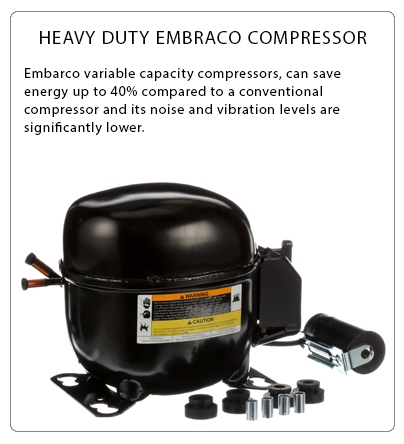
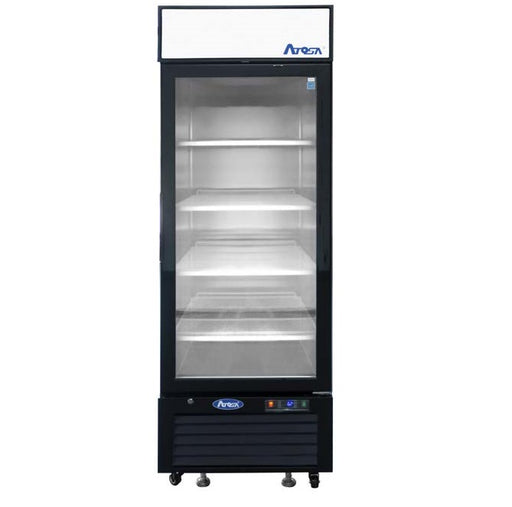
Atosa USA MCF8720GR 27-Inch Glass One Door Merchandiser Upright Freezer 19.4 cu. ft.
Atosa
Original price
$3,531.00
Original price
$3,531.00
-
Original price
$3,531.00
Original price
$3,531.00
Current price
$2,545.00
$2,545.00
-
$2,545.00
Current price
$2,545.00
Atosa USA MCF8720GR 27" Glass 1-Door Merchandiser Upright Freezer (19.4 Cu. Ft.) Ships fast. Free freight with lift gate deli...
View full details
Original price
$3,531.00
Original price
$3,531.00
-
Original price
$3,531.00
Original price
$3,531.00
Current price
$2,545.00
$2,545.00
-
$2,545.00
Current price
$2,545.00
Save 28%
Atosa USA MCF8720GRL Left Hinge 27-Inch Glass One Door Merchandiser Upright Freezer 19.4 cu. ft.
Atosa
Original price
$3,531.00
Original price
$3,531.00
-
Original price
$3,531.00
Original price
$3,531.00
Current price
$2,545.00
$2,545.00
-
$2,545.00
Current price
$2,545.00
Atosa USA MCF8720GRL 27" Glass 1-Door Merchandiser Upright Freezer (19.4 Cu. Ft.) — Left Hinge Ships fast. Free freight with ...
View full details
Original price
$3,531.00
Original price
$3,531.00
-
Original price
$3,531.00
Original price
$3,531.00
Current price
$2,545.00
$2,545.00
-
$2,545.00
Current price
$2,545.00
Save 28%
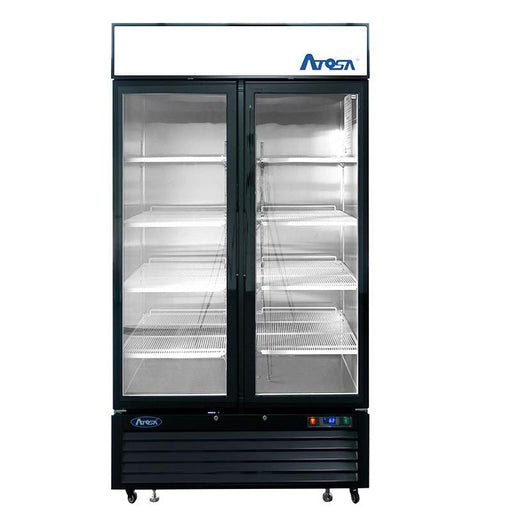
Atosa USA MCF8732GR 40-Inch Glass Two Door Merchandiser Upright Freezer
Atosa
Original price
$5,192.00
Original price
$5,192.00
-
Original price
$5,192.00
Original price
$5,192.00
Current price
$3,741.00
$3,741.00
-
$3,741.00
Current price
$3,741.00
Atosa USA MCF8732GR 40" Glass 2-Door Merchandiser Upright Freezer (28.5 Cu. Ft.) Ships fast: Ships in 1 business day ...
View full details
Original price
$5,192.00
Original price
$5,192.00
-
Original price
$5,192.00
Original price
$5,192.00
Current price
$3,741.00
$3,741.00
-
$3,741.00
Current price
$3,741.00
Save 28%
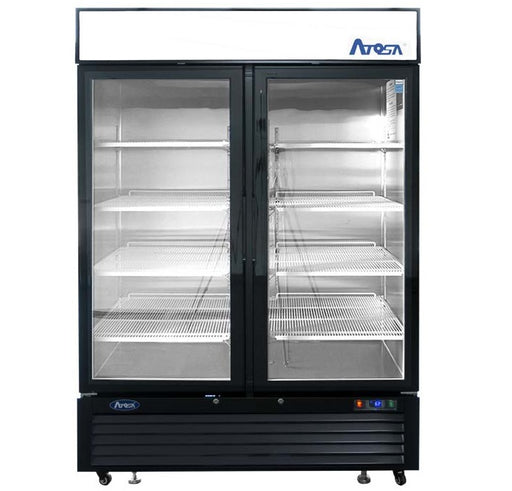
Atosa USA MCF8721ES 54-Inch Glass Two Door Merchandiser Upright Freezer
Atosa
Original price
$5,330.00
Original price
$5,330.00
-
Original price
$5,330.00
Original price
$5,330.00
Current price
$3,841.00
$3,841.00
-
$3,841.00
Current price
$3,841.00
Atosa USA MCF8721ES 54" Glass 2-Door Merchandiser Upright Freezer (43.8 Cu. Ft.) Ships fast: Ships in 1 business day ...
View full details
Original price
$5,330.00
Original price
$5,330.00
-
Original price
$5,330.00
Original price
$5,330.00
Current price
$3,841.00
$3,841.00
-
$3,841.00
Current price
$3,841.00
Save 28%
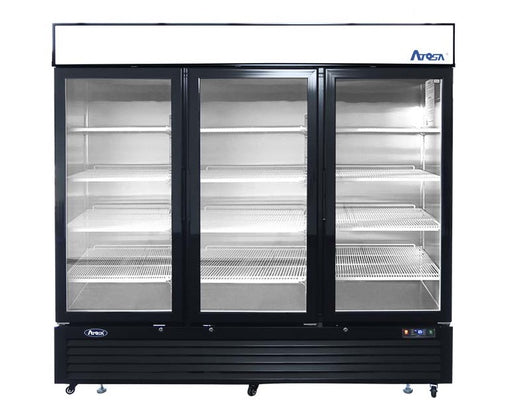
Atosa USA MCF8728GR 82-inch Three Door Glass Merchandiser Freezer
Atosa
Original price
$8,106.00
Original price
$8,106.00
-
Original price
$8,106.00
Original price
$8,106.00
Current price
$5,841.00
$5,841.00
-
$5,841.00
Current price
$5,841.00
Atosa USA MCF8728GR 81-Inch Glass 3-Door Merchandiser Upright Freezer (68 Cu. Ft.) The Atosa USA MCF8728GR glass 3-door merchandiser upright free...
View full details
Original price
$8,106.00
Original price
$8,106.00
-
Original price
$8,106.00
Original price
$8,106.00
Current price
$5,841.00
$5,841.00
-
$5,841.00
Current price
$5,841.00
Save 28%
Atosa USA MCF8701GRL 27-Inch Glass One Door Left Hinge Merchandiser Freezer
Atosa
Original price
$3,962.00
Original price
$3,962.00
-
Original price
$3,962.00
Original price
$3,962.00
Current price
$2,855.00
$2,855.00
-
$2,855.00
Current price
$2,855.00
Atosa USA MCF8701GRL 27-Inch Glass One Door Merchandiser Upright Freezer - Left Hinge The Atosa USA MCF8701GRL is a commercial glass door merchandi...
View full details
Original price
$3,962.00
Original price
$3,962.00
-
Original price
$3,962.00
Original price
$3,962.00
Current price
$2,855.00
$2,855.00
-
$2,855.00
Current price
$2,855.00
Save 28%
Bottom Mount Commercial Freezers: Choose the Right Fit for Your Kitchen
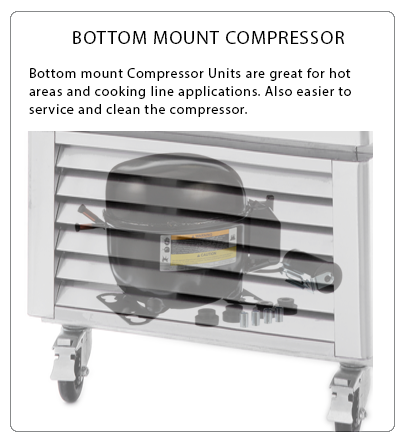
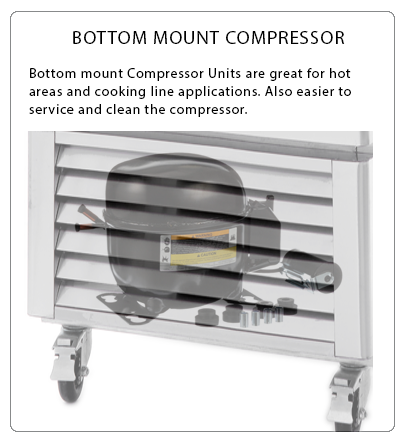
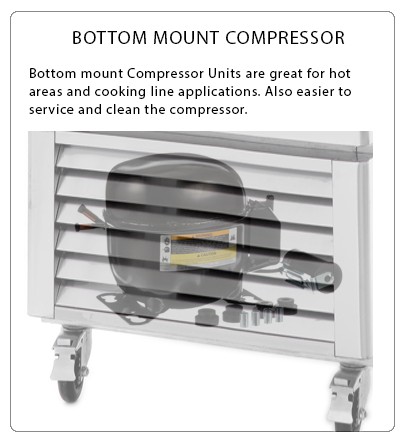
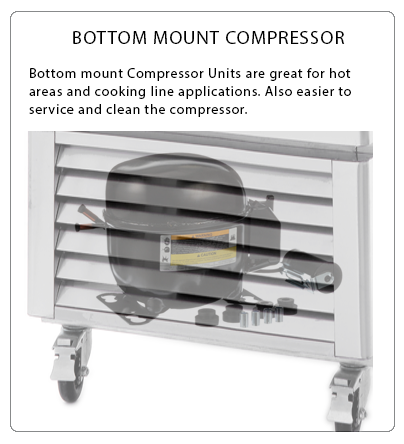
A bottom mount commercial freezer puts the refrigeration equipment beneath the storage cabinet. For restaurants comparing upright freezers, that layout offers accessible lower service components and a raised bottom shelf. The tradeoff is proximity to floor-level dust and debris, which makes condenser care an important part of the buying decision.
Start with the space you have, the frozen inventory you need to hold, and the way your staff moves through the kitchen. Then compare door count, electrical requirements and maintenance access. The right freezer should fit your daily operation, not just an empty spot against the wall.
What Does Bottom Mount Mean?
“Bottom mount” describes the location of the compressor and condensing equipment, not a freezer drawer below a refrigerator. These are commercial upright cabinets for frozen storage. If you are comparing different cabinet types rather than compressor placement, start with our commercial freezer collection.
Atosa’s MBF8501GR, MBF8501GRL, MBF8502GR, MBF8503GR and MBF8504GR belong to its bottom-mount reach-in freezer family. Atosa lists R290 refrigerant, electronic temperature control, interior lighting, door locks, magnetic gaskets, pre-installed casters and three shelves per section for these models in its bottom-mount freezer specification sheet.
Bottom Mount vs. Top Mount Freezers
Neither compressor location is best for every restaurant. Compare the conditions at the freezer’s actual installation point: heat, floor debris, overhead space and the access needed to keep the refrigeration system clean.
| Consideration | Bottom mount | Top mount |
|---|---|---|
| Surrounding heat | May draw cooler air near the floor, depending on the kitchen. | Can be exposed to warmer air higher in the room. |
| Floor dust and spilled ingredients | Lower air intake needs attention where dust, flour or debris collects. | Elevated equipment is farther from floor-level debris, but still requires cleaning. |
| Cleaning and service access | Lower components can be easier to reach without working above the cabinet. | Plan for access to components above the cabinet. |
| Lower shelf access | The raised cabinet floor can reduce how far staff bend to reach the lowest storage area. | Compare the actual shelf layout and usable interior dimensions of the model. |
A bottom-mount design is worth considering when convenient lower access is a priority and the floor area can be kept clean. Where flour or floor debris is difficult to control, compare top mount compressor freezers before choosing. Do not assume either design will use less electricity solely because of compressor location.
Bottom mounting does not make a freezer suitable for unlimited heat exposure. Avoid placing it directly against cooking equipment or blocking its ventilation, and follow the selected model’s installation instructions and ambient-temperature limits.
Choose One, Two or Three Doors Around Your Inventory
One-door freezers for a smaller footprint
Consider one door when a specific station needs frozen ingredients nearby or your available wall space is limited. Before selecting a cabinet, list the cases, containers and packages it must hold between deliveries. Check their dimensions against the usable shelf space rather than relying on a capacity figure alone.
Door swing matters in a narrow kitchen. Compare the Atosa MBF8501GR with the left-hinge MBF8501GRL if the adjacent wall, prep table or aisle affects how staff will open and load the freezer.
Two-door freezers for more organized storage
Two doors can be a useful choice when you want separate areas for different menu categories without moving to a three-section cabinet. Sketch a shelf plan for proteins, vegetables, desserts and backup stock. Leave the airflow space required by the manufacturer rather than treating every inch of the interior as storage.
Two-door does not mean one standard width. The Atosa MBF8502GR is the narrower option in the comparison below, while the MBF8503GR provides a wider cabinet. Measure the installation space and delivery route before deciding between them.
Three-door freezers for a larger stockholding plan
Consider a three-door cabinet when your delivery schedule or menu requires more frozen stock in one location. Plan which products belong in each section so staff can find ingredients without repeatedly opening every door. A larger freezer should solve a defined storage need rather than encourage overbuying.
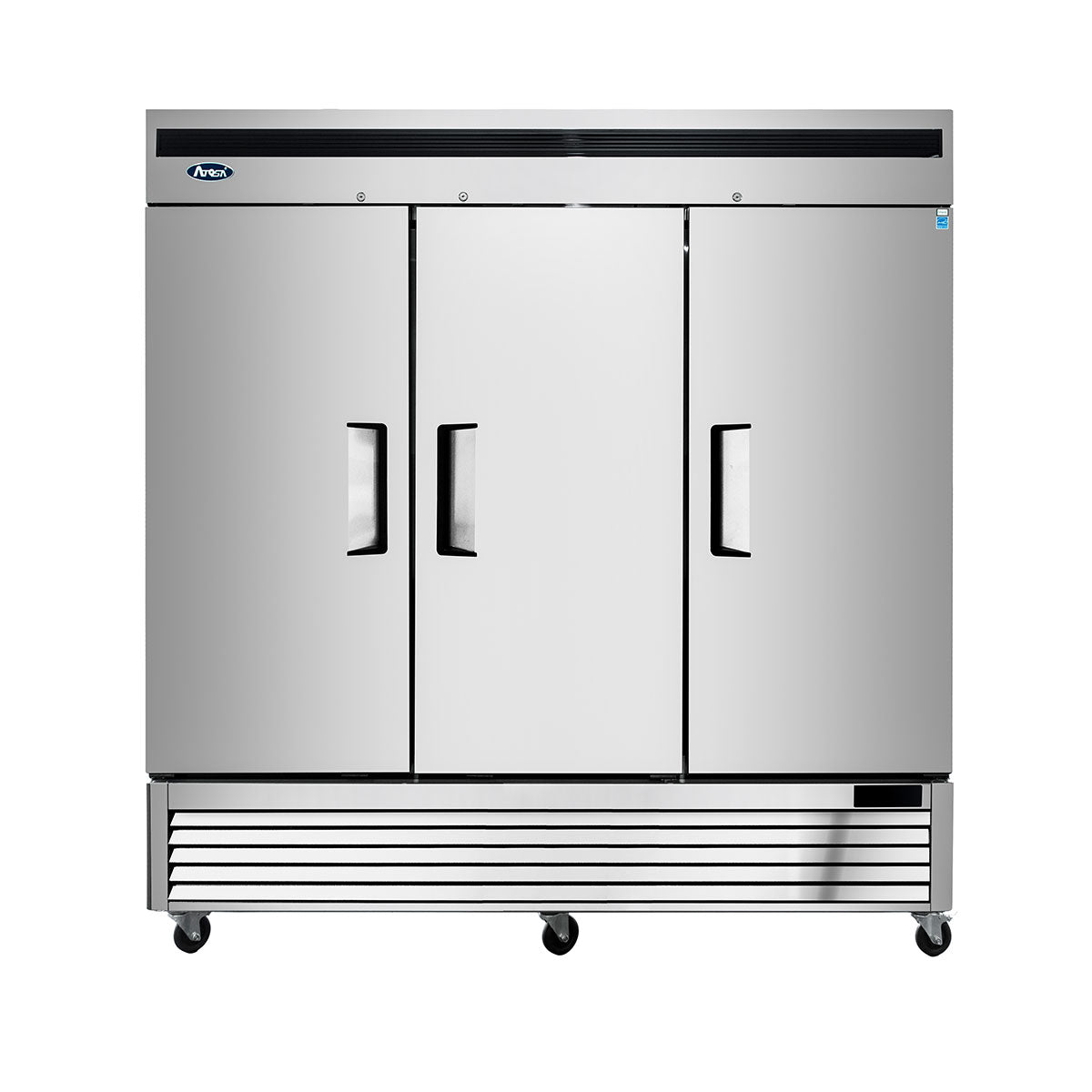
The Atosa MBF8504GR is the three-door option in this comparison. Its electrical requirements differ from the smaller models, so checking the available circuit is part of choosing the cabinet, not an after-delivery task.
Compare Atosa Bottom Mount Freezer Models
Use this table to build a shortlist by cabinet width, door configuration and power requirements. The measurements are equipment dimensions, not the complete installation space: allow for ventilation, door opening and service access as specified for the model.
| Model | Configuration | Exterior width | Power planning |
|---|---|---|---|
| MBF8501GR | One solid door, right hinge | 27 inches | 115V, 60Hz, single phase |
| MBF8501GRL | One solid door, left hinge | 27 inches | 115V, 60Hz, single phase |
| MBF8502GR | Two solid doors, narrower cabinet | 39.5 inches | 115V, 60Hz, single phase |
| MBF8503GR | Two solid doors, wider cabinet | 54.4 inches | 115V, 60Hz, single phase |
| MBF8504GR | Three solid doors | 81.9 inches | Different supply from the 115V models; have an electrician verify the model’s wiring and receptacle requirements. |
Widths and electrical planning information are based on Atosa’s model-family specification sheet. Confirm the current specification sheet and equipment data plate before ordering or arranging electrical work. Product pages provide the individual model details; ask us to confirm availability and delivery timing for your order.
If customers need to see packaged frozen products through the door, compare our merchandising freezers as well. A solid-door storage cabinet and a customer-facing display cabinet solve different operational needs.
Measure the Installation Space and the Delivery Route
Before ordering, measure more than the opening where the freezer will stand. Trace the route from the receiving area to the final location, including doorways, turns, ramps and overhead obstructions. Confirm how the unit will be moved inside and who is responsible for that work.
- Cabinet fit: Check width, depth and overall height with the specified casters or legs.
- Door clearance: Allow staff to open the doors and load shelves without blocking a critical aisle.
- Ventilation: Use the exact model’s clearance requirements; do not substitute a generic gap for the installation instructions.
- Service access: Keep the condenser area reachable and leave a practical way to move or service the cabinet.
- Electrical supply: Confirm voltage, phase, circuit capacity and receptacle configuration with a qualified electrician.
- Receiving arrangements: Confirm freight access, unloading needs and the move from the delivery point into the building.
A nominal “40-inch” or “55-inch” product description is a shopping reference, not an installation measurement. Use the exact dimensions on the selected model’s specification sheet and include all required clearances in your floor plan.
Temperature, Airflow and Everyday Use
Atosa lists a maintained temperature range of -8°F to 0°F for the MBF bottom-mount freezer family in its freezer specifications. Choose settings and monitoring procedures appropriate to your food, operating requirements and the manufacturer’s instructions. A cabinet display is not a substitute for your food-safety checks.
Plan for frozen holding rather than treating a reach-in cabinet as a blast chiller. Keep internal air outlets clear, organize stock so items are easy to find, and follow the operating manual’s loading and startup instructions. Do not assume a heavily loaded cabinet can quickly cool a large batch of warm food.
Make shelf organization part of the purchase decision. Check the containers your kitchen actually uses, label storage areas and plan stock rotation before the freezer arrives. This is more useful than buying the largest cabinet that fits and deciding how to fill it afterward.
Maintenance Access Is an Advantage Only If You Use It
A lower refrigeration compartment can make access more convenient, but it does not remove the need for maintenance. Floor dust, lint and spilled ingredients can collect around the condenser intake. Build inspections and cleaning into the kitchen routine using the manufacturer’s recommended methods and frequency.
- During daily checks: Review temperature records, confirm doors close properly and keep packages clear of internal airflow paths.
- During routine cleaning: Inspect gaskets, shelves and the area around the lower intake for debris or damage.
- For condenser care: Follow the model’s manual, disconnect power before permitted cleaning work and use qualified service personnel when required.
- When performance changes: Investigate abnormal temperatures, repeated icing or unusual noises rather than repeatedly lowering the setpoint.
Keep detailed service instructions separate from the buying decision. Our Atosa condenser-cleaning guide is a supporting resource; the manual for your exact freezer should govern the procedure.
Compare Purchase Cost, Running Cost and Payment Options
Build your equipment budget around the complete installation, not just the cabinet price. Include any electrical work, receiving arrangements, interior placement and removal of the old unit. Ask what delivery services are included in the quote so there are no assumptions about inside placement.
For ongoing costs, compare published energy-use information for the exact models under consideration and use your own utility rate. Also consider cleaning access, replacement parts and applicable warranty coverage. Compressor location alone is not enough to predict your electricity bill or the lifetime cost of the freezer.
If buying outright is not the right approach for your business, explore restaurant equipment rental or lease-to-own equipment financing. Tell us which freezer you are considering so we can help you compare the relevant options. Availability, approval and agreement terms should be confirmed before you commit.
Bottom Mount Freezer Buying Checklist
- Inventory: Know what you need to hold between deliveries, including peak-service and seasonal stock.
- Layout: Choose the door count and hinge arrangement around staff access, not width alone.
- Environment: Assess heat, floor debris and the space needed to keep the condenser area clear.
- Installation: Confirm the delivery route, exact dimensions, ventilation and electrical requirements.
- Ownership: Compare the complete quote, current warranty terms and maintenance needs.
Still comparing cabinet styles? Browse upright reach-in freezers for the broader category or Atosa freezers for the brand range. Keep the final choice tied to your floor plan, inventory and operating conditions.
Bottom Mount Commercial Freezer FAQs
Is a bottom mount freezer the same as a bottom-freezer refrigerator?
No. On this collection, bottom mount refers to the compressor and condensing equipment beneath the cabinet. These products are commercial freezers, not refrigerator-freezer combinations with a lower freezer drawer.
Is bottom mount always better for a hot kitchen?
No. Cooler air near the floor can be an advantage in some installations, but actual heat exposure, airflow and maintenance conditions matter. Follow the model’s ambient-temperature limits and keep the freezer away from direct cooking-equipment heat.
Should I choose a top mount freezer if my kitchen uses a lot of flour?
It is worth comparing because an elevated condenser is farther from flour and debris collecting at floor level. Neither design is maintenance-free, so consider where dust accumulates and how staff will access the condenser for cleaning.
Do all two-door bottom mount freezers have the same dimensions?
No. In the Atosa models compared above, the MBF8502GR is 39.5 inches wide and the MBF8503GR is 54.4 inches wide. Check the exact model dimensions, door-opening space and ventilation requirements before ordering.
Can I plug every bottom mount freezer into the same outlet?
No. The smaller Atosa models in the comparison use 115V power, while the MBF8504GR has different electrical requirements. Have an electrician verify the selected unit’s voltage, circuit and receptacle requirements before delivery.
Does bottom mounting mean less cleaning?
Not necessarily. Lower service access can be convenient, but floor-level dust and debris can collect at the condenser. Use the manufacturer’s maintenance schedule and adjust inspections to the conditions in your kitchen.
Can I rent or lease to own a commercial freezer?
Ask us about rental and lease-to-own options for the freezer you are considering. The available program, approval requirements and agreement terms need to be confirmed for your business and equipment selection.
Need Help Choosing Your Bottom Mount Freezer?
Tell us what you need to store and where the freezer will go. If you already have a model in mind, send it over; we can help you work through the fit, delivery questions and purchase, rental or lease-to-own options before you decide.