
Undercounter Refrigerator


Atosa AUR24SD 24" Undercounter Refrigerator
Atosa
Original price
$1,982.00
Original price
$1,982.00
-
Original price
$1,982.00
Original price
$1,982.00
Current price
$1,429.00
$1,429.00
-
$1,429.00
Current price
$1,429.00
Atosa AUR24SD 24" Undercounter Refrigerator — One-Section Reach-In The Atosa AUR24SD is a 24-inch one-section undercounter refrigerator built to d...
View full details
Original price
$1,982.00
Original price
$1,982.00
-
Original price
$1,982.00
Original price
$1,982.00
Current price
$1,429.00
$1,429.00
-
$1,429.00
Current price
$1,429.00
Save 28%


Atosa AUR27SD 27 inch Undercounter Refrigerator
Atosa
Original price
$1,982.00
Original price
$1,982.00
-
Original price
$1,982.00
Original price
$1,982.00
Current price
$1,429.00
$1,429.00
-
$1,429.00
Current price
$1,429.00
Atosa AUR27SD 27" Undercounter Refrigerator — One-Section Reach-In The Atosa AUR27SD is a 27-inch one-section undercounter refrigerator that gives...
View full details
Original price
$1,982.00
Original price
$1,982.00
-
Original price
$1,982.00
Original price
$1,982.00
Current price
$1,429.00
$1,429.00
-
$1,429.00
Current price
$1,429.00
Save 28%


Atosa AUR36SD 36 inch Undercounter Refrigerator
Atosa
Original price
$2,560.00
Original price
$2,560.00
-
Original price
$2,560.00
Original price
$2,560.00
Current price
$1,845.00
$1,845.00
-
$1,845.00
Current price
$1,845.00
Atosa AUR36SD 36" Undercounter Refrigerator — Two-Section Reach-In The Atosa AUR36SD is a 36-inch two-section undercounter refrigerator built for ...
View full details
Original price
$2,560.00
Original price
$2,560.00
-
Original price
$2,560.00
Original price
$2,560.00
Current price
$1,845.00
$1,845.00
-
$1,845.00
Current price
$1,845.00
Save 28%


Atosa AUR48SD 48 inch Undercounter Refrigerator
Atosa
Original price
$2,831.00
Original price
$2,831.00
-
Original price
$2,831.00
Original price
$2,831.00
Current price
$2,040.00
$2,040.00
-
$2,040.00
Current price
$2,040.00
Atosa AUR48SD 48" Undercounter Refrigerator — Two-Section Reach-In The Atosa AUR48SD is a 48-inch two-section undercounter refrigerator built for ...
View full details
Original price
$2,831.00
Original price
$2,831.00
-
Original price
$2,831.00
Original price
$2,831.00
Current price
$2,040.00
$2,040.00
-
$2,040.00
Current price
$2,040.00
Save 28%


Atosa AUR60SD 60 inch Undercounter Refrigerator
Atosa
Original price
$3,396.00
Original price
$3,396.00
-
Original price
$3,396.00
Original price
$3,396.00
Current price
$2,447.00
$2,447.00
-
$2,447.00
Current price
$2,447.00
Atosa AUR60SD 60" Undercounter Refrigerator — Two-Section Reach-In The Atosa AUR60SD is a 60-inch two-section undercounter refrigerator built for ...
View full details
Original price
$3,396.00
Original price
$3,396.00
-
Original price
$3,396.00
Original price
$3,396.00
Current price
$2,447.00
$2,447.00
-
$2,447.00
Current price
$2,447.00
Save 28%


Atosa AUR72SD 72 inch Undercounter Refrigerator
Atosa
Original price
$3,680.00
Original price
$3,680.00
-
Original price
$3,680.00
Original price
$3,680.00
Current price
$2,652.00
$2,652.00
-
$2,652.00
Current price
$2,652.00
Atosa AUR72SD 72" Undercounter Refrigerator — Three-Section Reach-In The Atosa AUR72SD is a 72-inch three-section undercounter refrigerator built ...
View full details
Original price
$3,680.00
Original price
$3,680.00
-
Original price
$3,680.00
Original price
$3,680.00
Current price
$2,652.00
$2,652.00
-
$2,652.00
Current price
$2,652.00
Save 28%


Atosa AUR27D2 27 inch Undercounter Refrigerator with Drawers
Atosa
Original price
$2,120.00
Original price
$2,120.00
-
Original price
$2,120.00
Original price
$2,120.00
Current price
$1,528.00
$1,528.00
-
$1,528.00
Current price
$1,528.00
Atosa AUR27D2 27" Undercounter Refrigerator with Drawers — 2-Drawer Base The Atosa AUR27D2 is a 27-inch two-drawer undercounter refrigerator engin...
View full details
Original price
$2,120.00
Original price
$2,120.00
-
Original price
$2,120.00
Original price
$2,120.00
Current price
$1,528.00
$1,528.00
-
$1,528.00
Current price
$1,528.00
Save 28%


Atosa AUR36D2 36 inch Undercounter Refrigerator with Drawers
Atosa
Original price
$3,434.00
Original price
$3,434.00
-
Original price
$3,434.00
Original price
$3,434.00
Current price
$2,475.00
$2,475.00
-
$2,475.00
Current price
$2,475.00
Atosa AUR36D2 36" Undercounter Refrigerator with Drawers — 2-Drawer Base The Atosa AUR36D2 is a 36-inch two-drawer undercounter refrigerator engin...
View full details
Original price
$3,434.00
Original price
$3,434.00
-
Original price
$3,434.00
Original price
$3,434.00
Current price
$2,475.00
$2,475.00
-
$2,475.00
Current price
$2,475.00
Save 28%


Atosa AUR48D4 48 inch Undercounter Refrigerator with Drawers
Atosa
Original price
$4,813.00
Original price
$4,813.00
-
Original price
$4,813.00
Original price
$4,813.00
Current price
$3,468.00
$3,468.00
-
$3,468.00
Current price
$3,468.00
Atosa AUR48D4 48" Undercounter Refrigerator with Drawers — 2-Section, 4-Drawer Base The Atosa AUR48D4 is a 48-inch two-section, four-drawer underc...
View full details
Original price
$4,813.00
Original price
$4,813.00
-
Original price
$4,813.00
Original price
$4,813.00
Current price
$3,468.00
$3,468.00
-
$3,468.00
Current price
$3,468.00
Save 28%


Atosa AUR60D4 60 inch Undercounter Refrigerator with Drawers
Atosa
Original price
$5,600.00
Original price
$5,600.00
-
Original price
$5,600.00
Original price
$5,600.00
Current price
$4,035.00
$4,035.00
-
$4,035.00
Current price
$4,035.00
Atosa AUR60D4 60" Undercounter Refrigerator with Drawers — 2-Section, 4-Drawer Base The Atosa AUR60D4 is a 60-inch two-section, four-drawer underc...
View full details
Original price
$5,600.00
Original price
$5,600.00
-
Original price
$5,600.00
Original price
$5,600.00
Current price
$4,035.00
$4,035.00
-
$4,035.00
Current price
$4,035.00
Save 28%


Atosa AUR72D6 72 inch Undercounter Refrigerator with Drawers
Atosa
Original price
$6,653.00
Original price
$6,653.00
-
Original price
$6,653.00
Original price
$6,653.00
Current price
$4,794.00
$4,794.00
-
$4,794.00
Current price
$4,794.00
Atosa AUR72D6 72" Undercounter Refrigerator with Drawers — 2-Section, 6-Drawer Base The Atosa AUR72D6 is a 72-inch two-section, six-drawer underco...
View full details
Original price
$6,653.00
Original price
$6,653.00
-
Original price
$6,653.00
Original price
$6,653.00
Current price
$4,794.00
$4,794.00
-
$4,794.00
Current price
$4,794.00
Save 28%
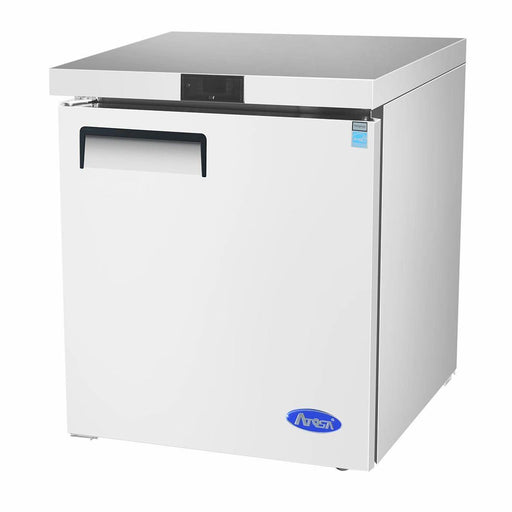
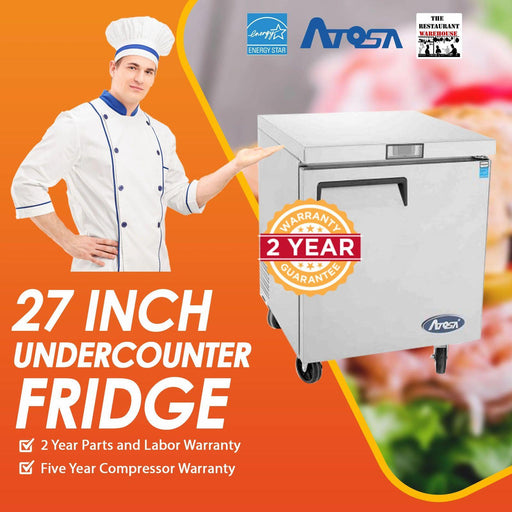
Atosa USA MGF8401GR Undercounter 27-Inch One Door Refrigerator - Energy Star Rated
Atosa
Original price
$1,982.00
Original price
$1,982.00
-
Original price
$1,982.00
Original price
$1,982.00
Current price
$1,429.00
$1,429.00
-
$1,429.00
Current price
$1,429.00
Product Update: The Atosa MGF8401GR has been replaced by the new Atosa AUR27SD - same 27-inch undercounter footprint, upgraded electronic controlle...
View full details
Original price
$1,982.00
Original price
$1,982.00
-
Original price
$1,982.00
Original price
$1,982.00
Current price
$1,429.00
$1,429.00
-
$1,429.00
Current price
$1,429.00
Save 28%
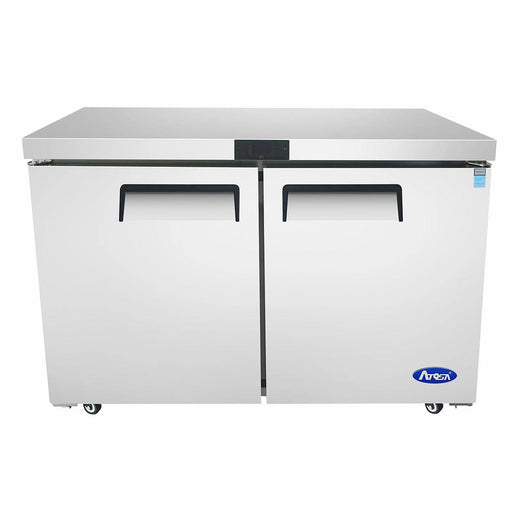
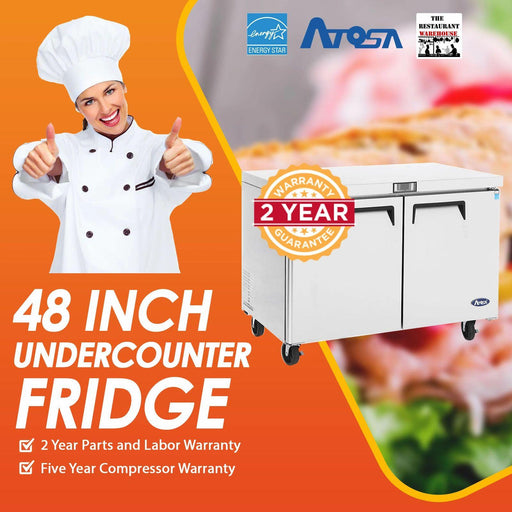
Atosa USA MGF8402GR Undercounter 48-Inch Two Door Refrigerator - Energy Star Rated
Atosa
Original price
$2,831.00
Original price
$2,831.00
-
Original price
$2,831.00
Original price
$2,831.00
Current price
$2,040.00
$2,040.00
-
$2,040.00
Current price
$2,040.00
Product Update: The Atosa MGF8402GR has been replaced by the new Atosa AUR48SD — same 48-inch undercounter footprint, upgraded electronic controlle...
View full details
Original price
$2,831.00
Original price
$2,831.00
-
Original price
$2,831.00
Original price
$2,831.00
Current price
$2,040.00
$2,040.00
-
$2,040.00
Current price
$2,040.00
Save 28%
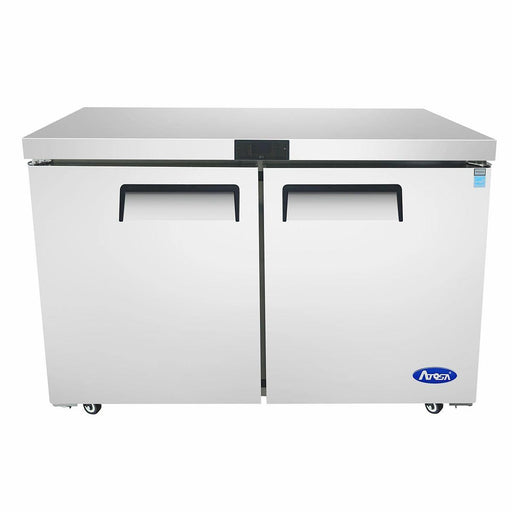
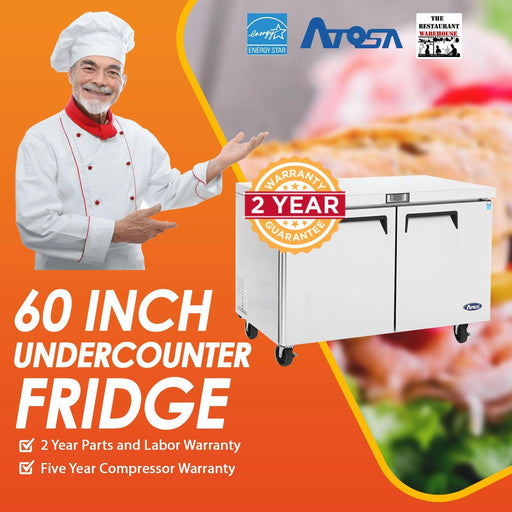
Atosa USA MGF8403GR Undercounter 60-Inch Two Door Refrigerator - Energy Star Rated
Atosa
Original price
$3,396.00
Original price
$3,396.00
-
Original price
$3,396.00
Original price
$3,396.00
Current price
$2,447.00
$2,447.00
-
$2,447.00
Current price
$2,447.00
Product Update: The Atosa MGF8403GR has been replaced by the new Atosa AUR60SD — same 60-inch undercounter footprint, upgraded electronic controlle...
View full details
Original price
$3,396.00
Original price
$3,396.00
-
Original price
$3,396.00
Original price
$3,396.00
Current price
$2,447.00
$2,447.00
-
$2,447.00
Current price
$2,447.00
Save 28%
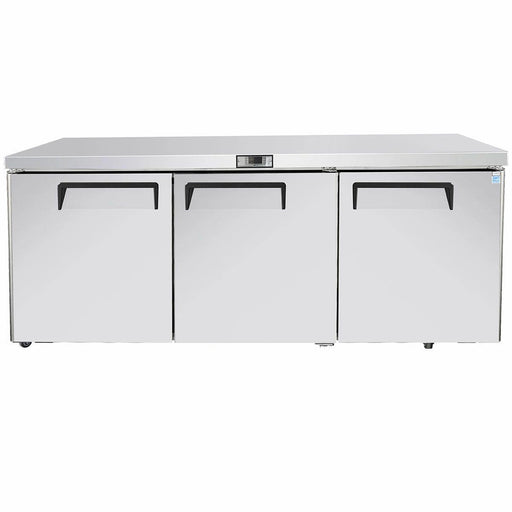
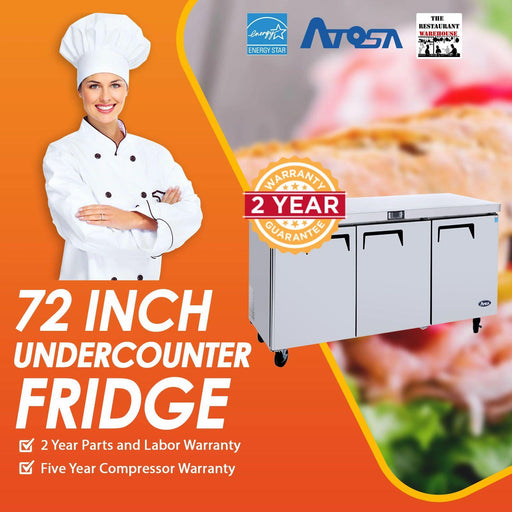
Atosa USA MGF8404GR Undercounter 72-Inch Three Door Refrigerator - Energy Star Rated
Atosa
Original price
$3,680.00
Original price
$3,680.00
-
Original price
$3,680.00
Original price
$3,680.00
Current price
$2,652.00
$2,652.00
-
$2,652.00
Current price
$2,652.00
Product Update: The Atosa MGF8404GR has been replaced by the new Atosa AUR72SD — same 72-inch undercounter footprint, upgraded electronic controlle...
View full details
Original price
$3,680.00
Original price
$3,680.00
-
Original price
$3,680.00
Original price
$3,680.00
Current price
$2,652.00
$2,652.00
-
$2,652.00
Current price
$2,652.00
Save 28%


Atosa MGF8401GRL 27-inch Undercounter Refrigerator Left Hinged
Atosa
Original price
$1,982.00
Original price
$1,982.00
-
Original price
$1,982.00
Original price
$1,982.00
Current price
$1,429.00
$1,429.00
-
$1,429.00
Current price
$1,429.00
Product Update: The Atosa MGF8401GR has been replaced by the new Atosa AUR27SD - same 27-inch undercounter footprint, upgraded electronic controlle...
View full details
Original price
$1,982.00
Original price
$1,982.00
-
Original price
$1,982.00
Original price
$1,982.00
Current price
$1,429.00
$1,429.00
-
$1,429.00
Current price
$1,429.00
Save 28%

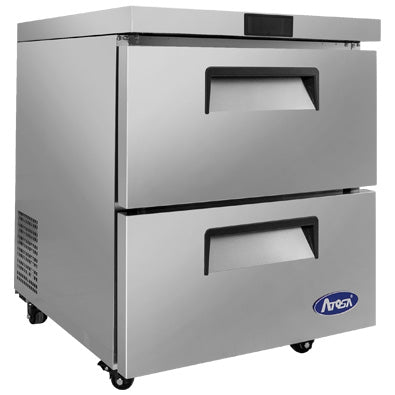
Atosa USA MGF8415GR Two Drawer Undercounter 27-Inch Refrigerator
Atosa
Original price
$2,120.00
Original price
$2,120.00
-
Original price
$2,120.00
Original price
$2,120.00
Current price
$1,528.00
$1,528.00
-
$1,528.00
Current price
$1,528.00
Product Update: The Atosa MGF8415GR has been replaced by the new Atosa AUR27D2 - same 27-inch undercounter footprint, upgraded electronic controlle...
View full details
Original price
$2,120.00
Original price
$2,120.00
-
Original price
$2,120.00
Original price
$2,120.00
Current price
$1,528.00
$1,528.00
-
$1,528.00
Current price
$1,528.00
Save 28%
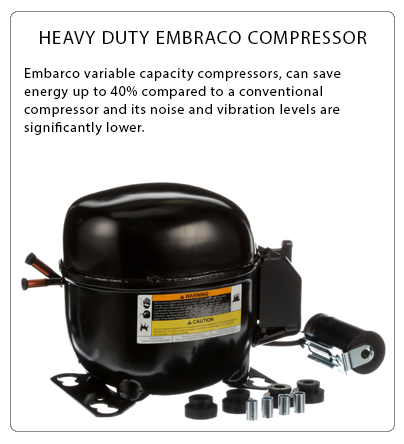
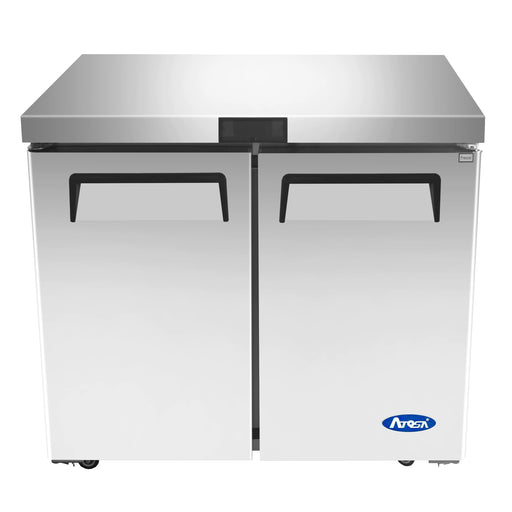
Atosa USA MGF36RGR Undercounter 36-Inch Two Door Refrigerator
Atosa
Original price
$2,560.00
Original price
$2,560.00
-
Original price
$2,560.00
Original price
$2,560.00
Current price
$1,845.00
$1,845.00
-
$1,845.00
Current price
$1,845.00
Product Update: The Atosa MGF36RGR has been replaced by the new Atosa AUR36SD — same 36-inch undercounter footprint, upgraded electronic controller...
View full details
Original price
$2,560.00
Original price
$2,560.00
-
Original price
$2,560.00
Original price
$2,560.00
Current price
$1,845.00
$1,845.00
-
$1,845.00
Current price
$1,845.00
Save 28%
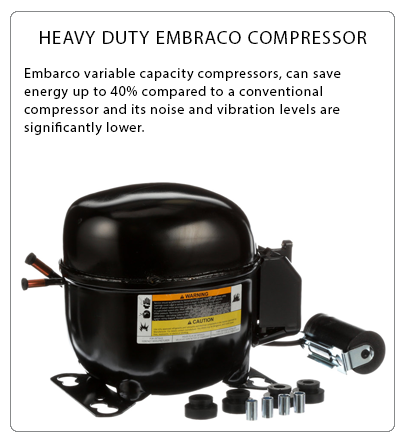
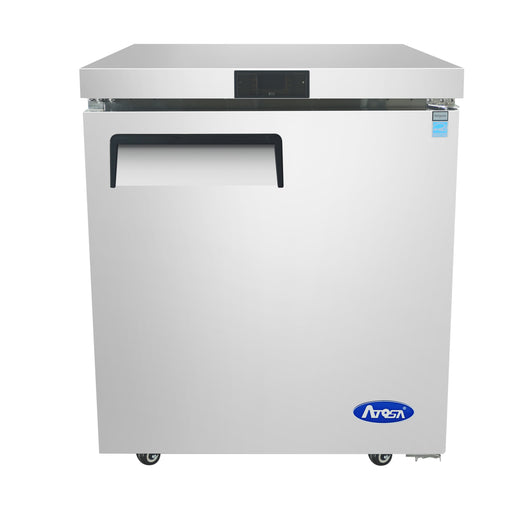
Atosa USA MGF24RGR Shallow Depth 24-Inch Undercounter Refrigerator
Atosa
Original price
$1,982.00
Original price
$1,982.00
-
Original price
$1,982.00
Original price
$1,982.00
Current price
$1,429.00
$1,429.00
-
$1,429.00
Current price
$1,429.00
Product Update: The Atosa MGF24RGR has been replaced by the new Atosa AUR24SD — same 24-inch undercounter footprint, upgraded electronic controller...
View full details
Original price
$1,982.00
Original price
$1,982.00
-
Original price
$1,982.00
Original price
$1,982.00
Current price
$1,429.00
$1,429.00
-
$1,429.00
Current price
$1,429.00
Save 28%

Atosa AUR48GD Glass Door Undercounter Refrigerator, 48-1/4"W, 2 Doors, 11.8 cu ft
Atosa
Original price
$4,302.00
Original price
$4,302.00
-
Original price
$4,302.00
Original price
$4,302.00
Current price
$3,100.00
$3,100.00
-
$3,100.00
Current price
$3,100.00
Atosa AUR48GD Glass Door Undercounter Refrigerator The Atosa AUR48GD is a commercial glass-door undercounter refrigerator designed for high-visibi...
View full details
Original price
$4,302.00
Original price
$4,302.00
-
Original price
$4,302.00
Original price
$4,302.00
Current price
$3,100.00
$3,100.00
-
$3,100.00
Current price
$3,100.00
Save 28%

Atosa AUR60GD Glass Door Undercounter Refrigerator, 60-1/4"W, 2 Doors, 15 cu ft
AtosaNot In Stock Yet — Available for Pre-Order. This item is currently not on-hand at our warehouse. Use the quote request form on this page to confir...
View full details

Atosa AUR27GD Glass Door Undercounter Refrigerator, 27-1/2"W, 1 Door, 6.4 cu ft
Atosa
Original price
$2,875.00
Original price
$2,875.00
-
Original price
$2,875.00
Original price
$2,875.00
Current price
$2,072.00
$2,072.00
-
$2,072.00
Current price
$2,072.00
Atosa AUR27GD Glass Door Undercounter Refrigerator The Atosa AUR27GD is a commercial glass-door undercounter refrigerator designed for high-visibi...
View full details
Original price
$2,875.00
Original price
$2,875.00
-
Original price
$2,875.00
Original price
$2,875.00
Current price
$2,072.00
$2,072.00
-
$2,072.00
Current price
$2,072.00
Save 28%

Atosa AUR72GD Glass Door Undercounter Refrigerator, 72-5/8"W, 3 Doors, 18.2 cu ft
AtosaNot In Stock Yet — Available for Pre-Order. This item is currently not on-hand at our warehouse. Use the quote request form on this page to confir...
View full details

Atosa AUR36GD Glass Door Undercounter Refrigerator, 36-3/8"W, 2 Doors, 8.6 cu ft
Atosa
Original price
$3,493.00
Original price
$3,493.00
-
Original price
$3,493.00
Original price
$3,493.00
Current price
$2,517.00
$2,517.00
-
$2,517.00
Current price
$2,517.00
Atosa AUR36GD Glass Door Undercounter Refrigerator The Atosa AUR36GD is a commercial glass-door undercounter refrigerator designed for high-visibi...
View full details
Original price
$3,493.00
Original price
$3,493.00
-
Original price
$3,493.00
Original price
$3,493.00
Current price
$2,517.00
$2,517.00
-
$2,517.00
Current price
$2,517.00
Save 28%
Commercial Undercounter Refrigerators
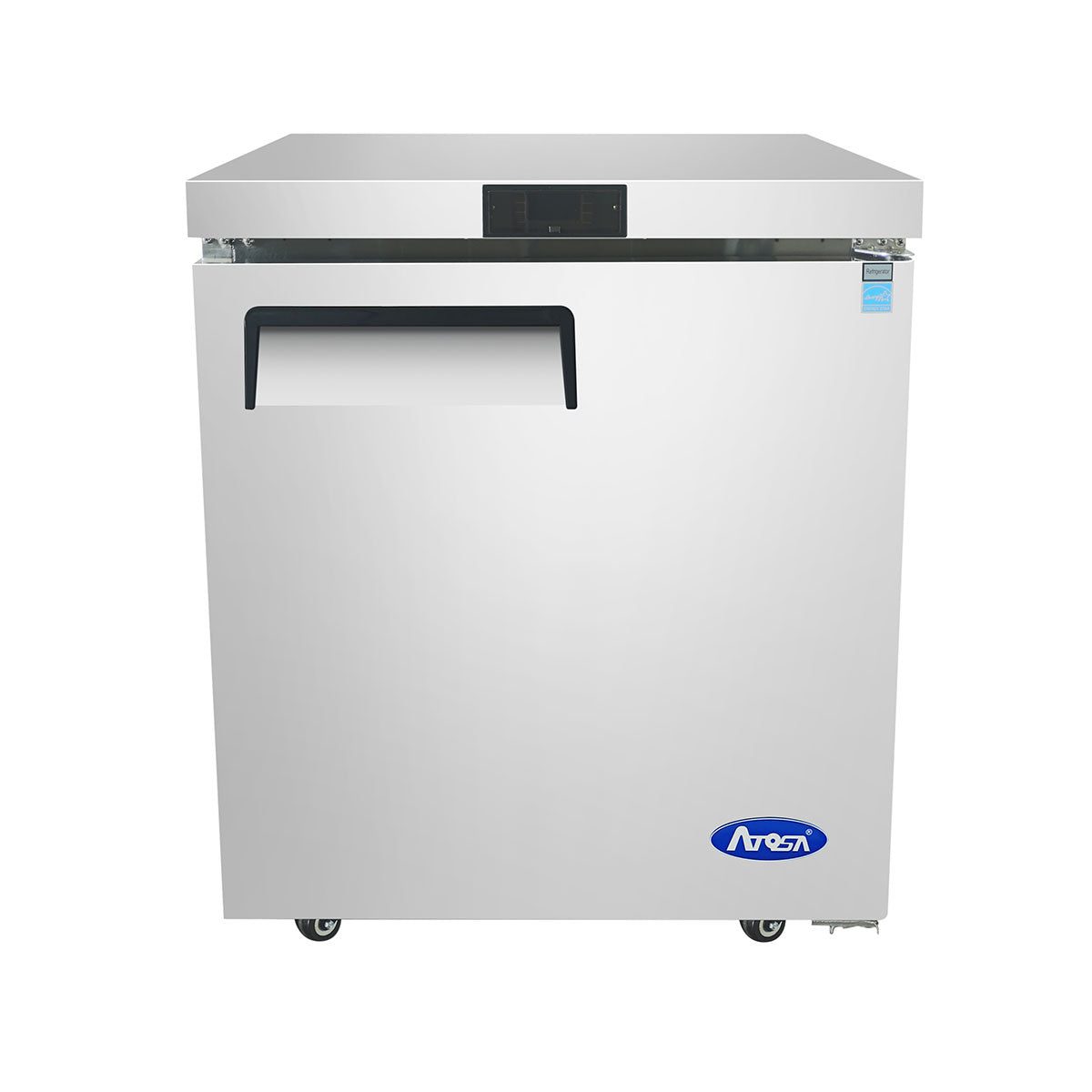
A commercial undercounter refrigerator, sometimes called an under-counter fridge, low-boy, or worktop-height cooler, is a compact NSF-certified refrigerated cabinet that fits directly beneath a work counter, prep table, or bar top. It gives line cooks and bartenders instant access to cold ingredients at the exact station where they are used, so nobody has to walk to the walk-in during a Friday night rush. The category covers solid-door, glass-door, and drawer configurations in widths from 24 inches up to 72 inches, all built for continuous restaurant duty and food-safe holding at 33°F to 41°F.
At The Restaurant Warehouse we offer Atosa undercounter refrigerators, spanning shallow 24-inch bar-depth units, standard 27, 36, 48, 60, and 72-inch cabinets, and drawer-style models sized for chef line, salad, and sushi stations. Most units ship free to the contiguous 48 states from one of our twelve US warehouses in 1 to 3 business days, run on a standard 115V outlet, and carry a 2-year parts and labor warranty plus 5 years on the compressor. Compare the full lineup by size and door style below.
Shop Undercounter Refrigerators by Size
| Size | Best For | Solid Door Example | Drawer Example |
|---|---|---|---|
| 24" | Very tight bars, coffee bars, food trucks, sushi lines | Atosa AUR24SD $1,429 | Shallow depth |
| 27" | Single-station prep, garnish rail, espresso bar | Atosa AUR27SD $1,429 | Atosa AUR27D2 $1,528 |
| 48" | The workhorse size for most sandwich, salad, and cocktail stations | Atosa AUR48SD $2,040 | Atosa AUR48D4 $3,468 |
| 60" | Higher-volume prep lines, two-station chef bases | Atosa AUR60SD $2,447 | Atosa AUR60D4 $4,035 |
| 72" | Three-door bulk cold storage under the pass or line | Atosa AUR72SD $2,652 | Atosa AUR72D6 $4,794 |
Shopping by brand? Browse the Atosa refrigerator collection for the full MGF and AUR undercounter lineup with spec sheets.
What an Undercounter Refrigerator Actually Does
An undercounter refrigerator is a compact refrigerated cabinet designed to fit beneath a compatible work counter or bar. Overall height, compressor location, ventilation, and installation clearances vary by model. The point of the format is workflow: instead of storing prepped proteins, sauces, dressings, garnishes, or bottles in a distant walk-in, you keep them close to the station where they are used.
In practice that decentralizes cold storage across the line. The sandwich prep cook grabs cheese and deli meats from the drawer under the cutting board. The bartender pulls bottled beer from the shallow undercounter cooler behind the bar. The salad line stores dressings and prepped greens in a two-door 48-inch cabinet directly beneath the prep counter. Every step saved is a second saved on ticket time, and that adds up to real dollars on a busy Saturday.
Solid Door vs Glass Door vs Drawer Undercounter Refrigerators
| Format | Best For | Trade-offs |
|---|---|---|
| Solid Door | Back-of-house prep, bulk cold storage, protein and dairy staging | Better insulation, lower energy use, no product visibility |
| Glass Door | Bar service, cafes, front-of-house merchandising | Faster inventory glance, higher energy draw, more careful lighting needed |
| Drawer | Sandwich, salad, sushi, and chef lines where pans are pulled repeatedly | Full-extension drawers organize 1/6 and 1/9 pans; more expensive per cubic foot |
Solid-door models are usually the right pick for pure back-of-house storage where you need maximum insulation and lowest energy draw. Glass-door undercounters work behind bars, in coffee shops, and at grab-and-go stations where a quick visual inventory saves time and drives sales. Drawer models are the premium option for chef lines and sandwich stations because full-extension drawers let cooks pull pans without bending or reaching past other product; two-drawer 27-inch and four-drawer 48-inch units are the two most-requested drawer sizes at TRW.
Sizing an Undercounter Refrigerator to Your Kitchen
1. Measure the Space and the Delivery Path
Undercounter cabinets are typically 32 to 34 inches tall (to fit under a 36-inch counter), 27 to 30 inches deep for standard depth, and as shallow as 22 inches for bar-depth units. Measure your opening in three dimensions, then measure every doorway, hallway, and corner on the delivery route. Also confirm the counter overhang and finished floor height, because a hair too tall means the unit will not slide underneath.
2. Choose Standard Depth or Shallow Depth
Standard-depth undercounter refrigerators are 28 to 30 inches deep and give you the most cubic feet per footprint. Shallow-depth units (like the Atosa MGF24RGR at 22 inches) are engineered for narrow bar tops or tight prep aisles where a standard cabinet sticks out too far. Shallow units hold less product but preserve the pass-through space in a cramped line.
3. Plan for Ventilation
Install the exact model according to its manufacturer's instructions. Front ventilation does not automatically mean zero rear or side clearance, and rear-ventilated units need their specified air space. Check approval for enclosed installation, keep intake and exhaust openings unobstructed, and leave access for cleaning and service.
4. Confirm the Electrical
Every Atosa AUR and MGF undercounter runs on 115V/60Hz with a standard NEMA 5-15P plug and should be on a dedicated 15-amp circuit. Sharing a circuit with a griddle, panini press, or high-draw appliance will trip the breaker mid-service. If the outlet under the counter is on the same circuit as anything else, add a dedicated line before install.
What to Look For on the Spec Sheet
- NSF/ANSI 7 certification for commercial food-safe cold storage. Non-NSF units will fail a health inspection.
- ENERGY STAR where available. Atosa MGF and AUR undercounters are ENERGY STAR rated and cut operating cost versus non-rated equivalents.
- R290 refrigerant (hydrocarbon) instead of legacy R404A. R290 has a Global Warming Potential of 3 versus 3,900+ for R404A, recovers faster after door openings, and is regulatory future-proof under the EPA SNAP rules.
- Digital thermostat with high-temp alarm for food-safety compliance and daily temperature logging.
- Self-closing hinges and magnetic gaskets so doors are not left open during service.
- Interior LED lighting for visibility without adding heat load.
- Field-reversible or left-hinged option (see the Atosa MGF8401GRL) for corner installs where door swing matters.
Undercounter Refrigerator Pricing
| Size | Solid Door Range | Drawer Range | Glass Door Range |
|---|---|---|---|
| 24 to 27" | $1,429 to $1,652 | $1,528 | $2,072 |
| 36" | $1,845 | $2,475 | $2,517 |
| 48" | $2,040 to $2,420 | $3,468 | $3,100 |
| 60" | $2,447 to $2,848 | $4,035 | Quote |
| 72" | $2,652 to $3,119 | $4,794 | Quote |
Prices reflect current TRW pricing for in-stock Atosa models and are subject to change. Financing is available on units $500 and up through TRW's restaurant equipment financing program, which lets operators spread the investment over 12 to 60 months.
Choosing an Atosa Undercounter Refrigerator
Choose your Atosa undercounter refrigerator around the station it will serve, not simply the largest cabinet that fits. A coffee bar storing milk, a sandwich station holding prepared ingredients, and a kitchen staging covered containers need different shelf layouts and access styles. Compare usable interior dimensions with the containers you actually use, and plan for replenishment during service without blocking the cabinet's internal airflow.
- 24- and 27-inch cabinets: start here for a compact single station, then check the exact depth and door swing. Nominal width does not tell you whether the refrigerator will fit beneath an existing counter.
- 36-inch cabinets: a useful middle option when a smaller cabinet is too restrictive but a 48-inch model would crowd the line. Compare the Atosa AUR36SD solid-door model with the AUR36D2 drawer configuration.
- 48-, 60-, and 72-inch cabinets: compare the number of staff using the station, the ingredients needed between restocking trips, and access to individual compartments. More storage is only useful if staff can reach it without interrupting neighboring stations.
For a corner installation, confirm the hinge side before ordering. A left-hinged model can solve an access problem, but do not assume a door can be reversed in the field. With drawers, check compatible pan sizes, depth, supports, and extension clearance; a drawer cabinet still needs working room in front of it. For glass-door models, check shelf spacing against the bottles or containers you intend to display.
Compare the specifications for the exact model number on the product page. Do not transfer dimensions, warranty terms, or accessories from a similar-looking Atosa model or an older buying guide. Confirm current availability, delivery requirements, and the warranty applicable to your intended use before ordering.
Undercounter, Worktop, Chef Base, or Prep Table?
An undercounter refrigerator provides cold storage beneath a separate work surface. If you want the refrigerator itself to provide a preparation surface, compare worktop refrigerators and check the top and backsplash configuration. If you intend to put cooking equipment above refrigerated drawers, compare a purpose-built chef base and verify its load rating and required heat protection. Do not assume an ordinary undercounter top can support a griddle or charbroiler.
For ingredients held in a top pan rail during sandwich, salad, or pizza assembly, compare sandwich prep tables or pizza prep tables. Refrigerated storage beneath a counter is not the same as a refrigerated ingredient rail. Door-and-drawer combinations also do not automatically provide separate refrigerator and freezer zones; verify the temperature capability of each compartment.
Check the Installation Before Ordering
Measure the opening at several points: width at the top, middle, and bottom; height at the left, middle, and right; and depth wherever pipes, outlets, baseboards, or counter supports intrude. Use the smallest usable measurement and allow the clearances specified in the manufacturer's instructions. Include installed casters or legs in the overall height, and check that a door or drawer can open without hitting a wall, handle, or neighboring appliance.
Confirm that the specific unit is approved for your proposed installation. Front ventilation alone is not permission to seal a refrigerator into cabinetry. Keep the required air paths and service access clear. For an accessible workstation, review the complete counter, approach space, and equipment arrangement with your installer rather than relying on cabinet height alone. Outdoor use and decorative panels also require explicit model approval.
Startup, Maintenance, and Running Costs
At delivery, check the model and visible condition before installation. Follow the manufacturer's positioning, electrical, cleaning, and startup instructions, including any required settling time after transport. Let the cabinet reach its specified holding temperature and verify operation before loading food. Arrange containers so they do not obstruct air circulation, and use a separate temperature-checking routine appropriate to your food-safety plan.
Assign responsibility for checking temperatures, wiping spills, inspecting door gaskets, and keeping ventilation openings clear. Follow the manual's condenser-cleaning procedure and schedule; grease and dust exposure can change maintenance needs. Report persistent temperature problems or damaged seals promptly. Refrigerant and electrical repairs belong with qualified service technicians, not improvised staff repairs.
When comparing operating costs, use the exact model's published daily energy consumption where available. Estimated annual electricity cost equals daily kWh multiplied by 365 and your electricity rate; actual use depends on room conditions, loading, and door openings. Compare warranty coverage, access to service and replacement parts, and the disruption a breakdown would cause alongside the purchase price. Check whether alarms or temperature-monitoring features are included rather than assuming every digital controller offers them.
Related Refrigeration Categories
Need more storage than an undercounter can provide? A reach-in refrigerator gives you full-height bulk cold storage; a walk-in cooler is the right move for high-volume operations. Building out a sandwich or salad line? See our sandwich prep table collection, which combines an undercounter refrigerated base with a top ingredient rail. Behind the bar? Compare back bar refrigerators, bottle coolers, and keg coolers. Merchandising bottled drinks or bakery? See glass-door merchandisers.
Undercounter Refrigerators Built for Real Kitchens
Every undercounter refrigerator The Restaurant Warehouse stocks is NSF/ANSI 7 certified for commercial foodservice, ships free to the contiguous 48 in 1 to 3 business days, and carries a real commercial warranty. If you need help choosing a size or door style for your specific line, call our team before you order and we will walk through your kitchen dimensions with you.
Frequently Asked Questions About Undercounter Refrigerators
What is a commercial undercounter refrigerator?
A commercial undercounter refrigerator is a compact NSF-certified refrigerated cabinet 32 to 34 inches tall that fits directly beneath a work counter, prep table, or bar top. It gives cooks and bartenders instant cold storage at the exact station where ingredients are used, holding food safely between 33°F and 41°F.
What size undercounter refrigerator do I need?
27-inch is the standard single-station size; 48-inch is the workhorse for sandwich, salad, and cocktail stations; 60 and 72-inch are for higher-volume lines that need bulk cold storage at the station. Measure your opening in three dimensions, then match cubic feet to your station's ingredient load with 20 percent headroom.
How much does a commercial undercounter refrigerator cost?
Expect roughly $1,429 for a 27-inch solid-door Atosa, $2,040 for a 48-inch solid-door, $2,447 for a 60-inch, and $2,652 for a 72-inch. Drawer models run $1,528 to $4,794 depending on size. Glass-door undercounters start at about $2,072 for a 27-inch.
Solid door, glass door, or drawer, which is best?
Solid door is best for pure back-of-house storage and lowest energy use. Glass door works behind bars and at grab-and-go stations where quick visual inventory drives sales. Drawer models are the premium pick for sandwich, salad, sushi, and chef lines where pans are pulled repeatedly and drawer organization saves seconds per ticket.
Do I need a dedicated electrical circuit?
Yes. Every Atosa AUR and MGF undercounter runs on 115V/60Hz with a NEMA 5-15P plug and should be on its own dedicated 15-amp circuit. Sharing with a griddle, panini press, or high-draw appliance will trip the breaker mid-service.
Is an undercounter refrigerator NSF certified?
Every undercounter refrigerator TRW stocks is NSF/ANSI 7 certified for commercial food-safe cold storage. Residential mini-fridges and beverage centers are almost never NSF-certified and will fail a health inspection in a licensed foodservice operation.
What refrigerant do undercounter refrigerators use?
Modern Atosa undercounter refrigerators use R290 hydrocarbon refrigerant, which carries a Global Warming Potential of 3 versus 3,900+ for legacy R404A. R290 units run more efficiently, recover faster after door openings, and are regulatory future-proof.
Can I install an undercounter fridge in a fully enclosed cabinet?
Only if the manufacturer approves that exact model for the proposed installation and all specified clearances and ventilation requirements are met. Front ventilation alone does not mean zero clearance. Keep air paths and service access open, and follow the installation manual.