
Draft Beer Coolers
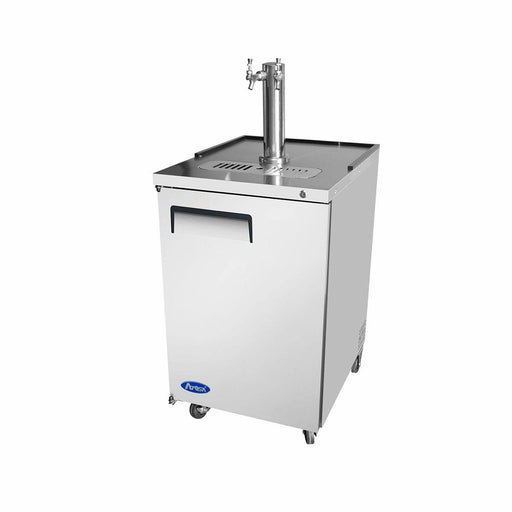
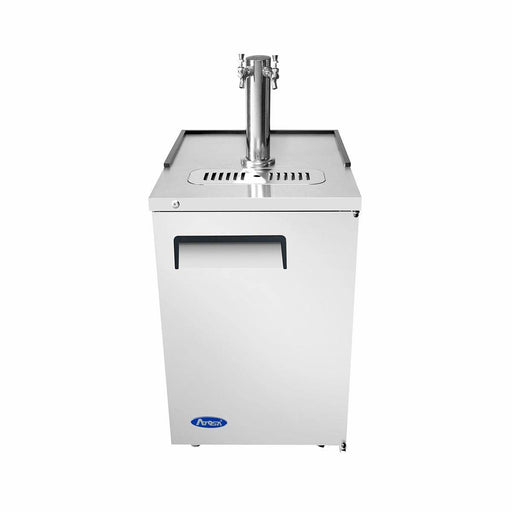
Atosa USA MKC23GR 23 inch Keg Cooler
Atosa
Original price
$2,031.00
Original price
$2,031.00
-
Original price
$2,031.00
Original price
$2,031.00
Current price
$1,464.00
$1,464.00
-
$1,464.00
Current price
$1,464.00
Atosa USA MKC23GR 23-Inch Commercial Keg Cooler Draft Beer Refrigerator Serve perfectly chilled draft beer with the Atosa MKC23GR Commercial Keg C...
View full details
Original price
$2,031.00
Original price
$2,031.00
-
Original price
$2,031.00
Original price
$2,031.00
Current price
$1,464.00
$1,464.00
-
$1,464.00
Current price
$1,464.00
Save 28%
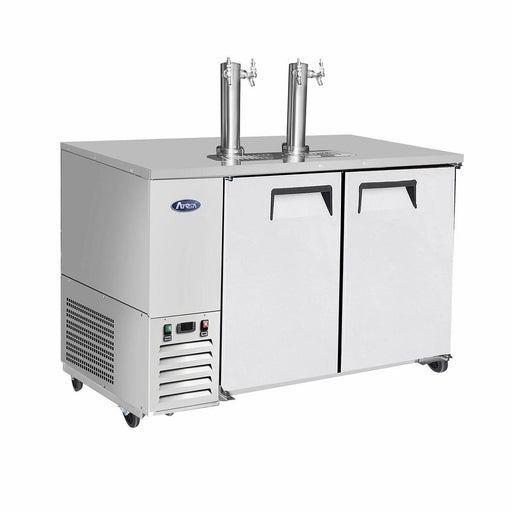
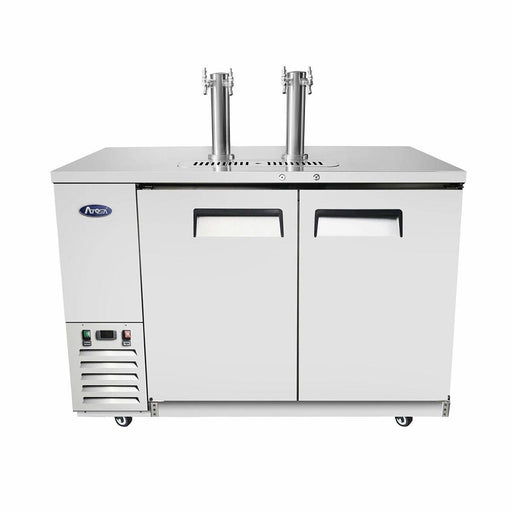
Atosa USA MKC58GR 58 inch Keg Cooler
Atosa
Original price
$3,520.00
Original price
$3,520.00
-
Original price
$3,520.00
Original price
$3,520.00
Current price
$2,537.00
$2,537.00
-
$2,537.00
Current price
$2,537.00
Atosa USA MKC58GR 58-Inch Commercial Keg Cooler Draft Beer Refrigerator Serve ice-cold draft beer with confidence using the Atosa MKC58GR 58-i...
View full details
Original price
$3,520.00
Original price
$3,520.00
-
Original price
$3,520.00
Original price
$3,520.00
Current price
$2,537.00
$2,537.00
-
$2,537.00
Current price
$2,537.00
Save 28%
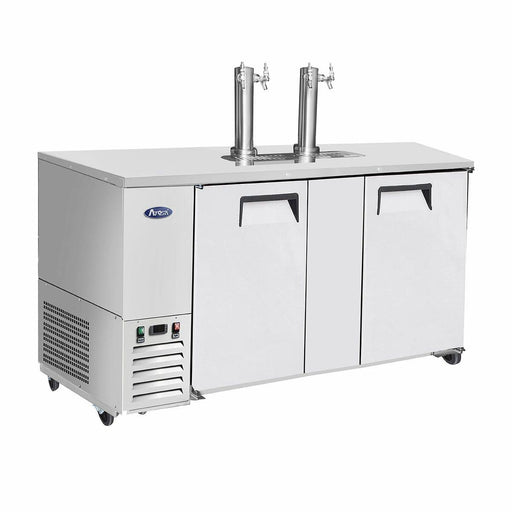
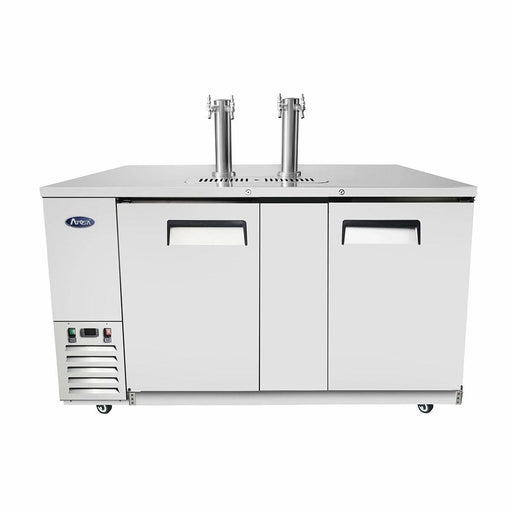
Atosa USA MKC68GR 68 inch Keg Cooler
Atosa
Original price
$3,960.00
Original price
$3,960.00
-
Original price
$3,960.00
Original price
$3,960.00
Current price
$2,854.00
$2,854.00
-
$2,854.00
Current price
$2,854.00
Atosa USA MKC68 68-Inch 21.5 cu. ft. Commercial Keg Cooler The Next Generation of commercial refrigerators offers a quality Under Counter - Bevera...
View full details
Original price
$3,960.00
Original price
$3,960.00
-
Original price
$3,960.00
Original price
$3,960.00
Current price
$2,854.00
$2,854.00
-
$2,854.00
Current price
$2,854.00
Save 28%
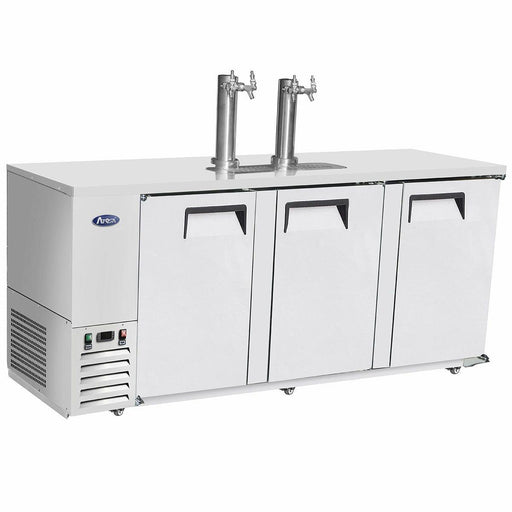
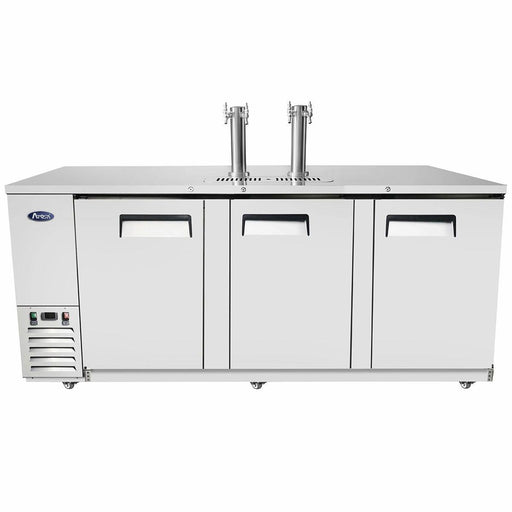
Atosa USA MKC90GR 90 inch Keg Cooler
Atosa
Original price
$4,556.00
Original price
$4,556.00
-
Original price
$4,556.00
Original price
$4,556.00
Current price
$3,283.00
$3,283.00
-
$3,283.00
Current price
$3,283.00
Atosa USA MKC90GR 90-Inch Commercial Keg Cooler Draft Beer Refrigerator Maximize draft beer sales with the Atosa MKC90GR 90-inch Commercial Keg...
View full details
Original price
$4,556.00
Original price
$4,556.00
-
Original price
$4,556.00
Original price
$4,556.00
Current price
$3,283.00
$3,283.00
-
$3,283.00
Current price
$3,283.00
Save 28%
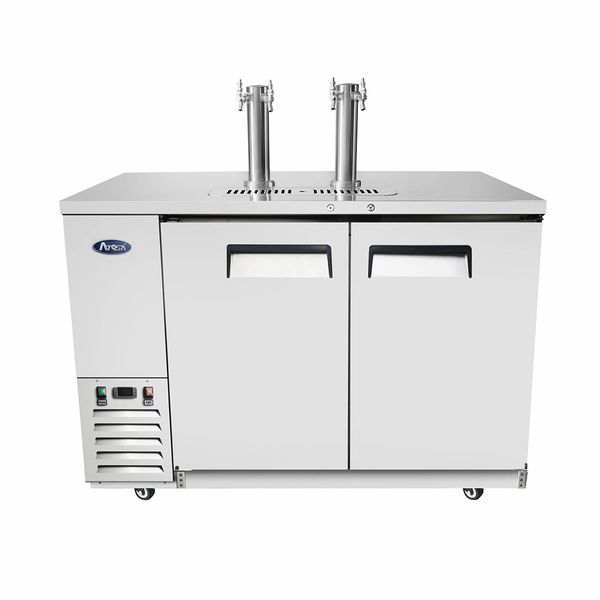
What Is a Direct Draw Keg Cooler?
A direct draw keg cooler combines refrigerated keg storage with a short dispensing route to a nearby faucet or tower. In the cabinet-style arrangement shown here, beer is served at the cooler rather than traveling from a distant keg room through a separate long-run installation.
This format can suit restaurants, pubs, taprooms, hotel bars, and other commercial beverage programs that need draft service near the keg storage position. The right choice depends on the planned beer selection, keg formats, available floor space, and complete dispensing setup.
The refrigeration cabinet is only part of the system. Kegs, couplers, beer lines, faucets, regulators, and gas equipment must work together and be appropriate for the beverages you intend to serve.
Direct Draw Versus a Remote Draft System
Compare the storage location with the point where staff will pour beer. A direct draw cabinet is different from a remote system serving taps some distance from the kegs.
| Arrangement | Main planning question | What needs attention |
|---|---|---|
| Direct draw cooler | Can the kegs sit at the dispensing position? | Cabinet fit, keg access, tower arrangement, and a properly configured short dispensing route |
| Remote draft system | Will the kegs be stored away from the taps? | Professionally designed line cooling, routing, insulation, pressure balance, and service access |
| Packaged beverage service | Are you serving bottles and cans instead of kegs? | Compare bottle coolers and back bar refrigerators rather than buying dispensing equipment |
Do not decide between systems from a generic distance cutoff alone. Ask a qualified draft-system installer to assess the actual route, temperature control, and pressure requirements before purchasing for a remote installation.
Compare Atosa Direct Draw Keg Cooler Models
The Atosa direct draw selection is consolidated into this collection. Compare the four MKC models below using their current product documentation and the exact keg mix you plan to carry.
| Model | Nominal width | Selection check |
|---|---|---|
| Atosa MKC23GR | 23 inches | Cabinet fit and the intended keg format |
| Atosa MKC58GR | 58 inches | Keg arrangement, access, and dispensing configuration |
| Atosa MKC68GR | 68 inches | Planned beer selection and usable keg storage |
| Atosa MKC90GR | 90 inches | Wider storage needs, loading access, and bar layout |
Nominal width is not a promise of keg count or faucet count. Confirm supported keg dimensions, the actual tower and faucet configuration, and the included parts for the model you intend to order.
Keg Capacity and Tap Count Are Different Decisions
Make a list of the beers you want available simultaneously, then confirm the keg sizes and fittings with your distributor. A cabinet may fit a particular combination of smaller kegs differently from a combination of larger ones.
Check more than the empty cabinet dimensions. Allow the space specified for couplers, tubing, gas equipment where applicable, and handling a keg into and out of position. Staff should be able to load and service the unit without improvised lifting or blocked access.
Tap count describes the available dispensing points, not automatically the number of full-size kegs that fit inside. Match the dispensing arrangement to the beverages you will actually sell and how quickly you expect to rotate each keg.
Confirm Couplers, Gas Equipment, and Included Parts
Different kegs can require different couplers. Confirm the correct fitting with your distributor before adding a new beer to the menu; do not assume that one coupler supplied with a cooler works with every domestic, imported, or specialty keg.
Ask for an itemized list of included equipment and anything required separately. Check towers, faucets, couplers, beer and gas lines, regulators, cylinders, fittings, and any installation components against the planned system.
Use the beverage supplier's and equipment manufacturer's specifications for gas type and pressure, with a qualified installer establishing the correct system balance. Do not use a blanket pressure setting for every beer or assume standard beer equipment is automatically suitable for nitrogenated drinks, cocktails, coffee, or other beverages.
Keep the Keg-to-Faucet Route in the Plan
A refrigerated cabinet does not eliminate the need to manage the beer's route to the glass. Compare the model's tower-cooling arrangement and the manufacturer's installation instructions, especially where part of the route sits outside the cabinet.
Foam, inconsistent pours, or loss of carbonation can have several causes. Check the actual beverage temperature, prescribed pressure, line condition, cleanliness, and dispensing setup with your supplier or qualified service provider rather than repeatedly increasing pressure or lowering the thermostat.
Keep the system configured for the beverages it serves. Changes to line length, tubing, fittings, or faucet equipment should be assessed as system changes, not treated as interchangeable replacements.
Plan Location, Utilities, and Safe Access
Measure the cabinet footprint and the working space needed to open doors and move kegs. Include the tower's overall height, nearby shelves, countertop edges, and clearance above the dispensing position.
Review the installation before ordering:
- Airflow: Follow the model's ventilation and clearance requirements, including access for maintenance.
- Electrical supply: Confirm voltage, plug, circuit requirements, and outlet location with a qualified installer.
- Drip and condensate handling: Verify the arrangements for the actual model and whether installation work or a drain is required.
- Gas-cylinder placement: Have the installer provide a secure, permitted location and follow the gas supplier's handling instructions.
- Ventilation and safety: Assess gas-leak risks, ventilation, and any detection requirements for the installation with qualified professionals.
- Delivery and keg handling: Check doorways, turns, final positioning, and a safe way to load and replace kegs.
For outdoor or mobile service, use equipment expressly suitable for the intended conditions. Casters or a stainless finish do not by themselves establish suitability for transport, weather exposure, or an enclosed built-in installation.
Plan for Cleaning, Rotation, and Service
A draft program needs an assigned cleaning routine for both the cabinet and the dispensing system. Wiping the faucet exterior is not the same as cleaning the internal beer-contact surfaces.
Follow the brewery, equipment, cleaning-product, and qualified service provider's instructions for beer lines, faucets, couplers, and required rinsing. Keep a dated cleaning record, and do not postpone internal cleaning until beer looks or tastes wrong.
Include drip-tray care, seal inspection, cabinet cleaning, condenser maintenance, and temperature checks in the appropriate routine. Leave refrigeration-system, electrical, and pressurized-gas work to qualified personnel.
Record keg receiving and tapping dates and rotate stock under the supplier's guidance. Plan a manageable draft selection around actual turnover instead of adding more taps than the operation can keep fresh and maintain.
Compare the Full Cost of Draft Service
Compare current equipment quotes together with installation, dispensing components, gas-cylinder arrangements, cleaning supplies or service, energy, and maintenance. Read warranty coverage and local service arrangements for the specific equipment.
Evaluate beverage economics using your actual keg cost, selling price, serving size, and measured usable yield. Include foam, spills, cleaning losses, and product left unsold rather than treating a theoretical serving count as guaranteed revenue.
Draft service does not guarantee higher profit than bottled or canned service. Compare both formats against demand, staffing, stock rotation, maintenance, and the space your bar can support.
If upfront cost is the constraint, review equipment financing and lease-to-own and rental options. Confirm availability and terms for the specific model and program.
Draft Beer Cooler Questions
Is a kegerator the same as a draft beer cooler?
The terms commonly describe equipment that refrigerates kegs and dispenses their contents through taps. Compare the actual cabinet and dispensing arrangement rather than choosing from the label alone.
What does direct draw mean?
Direct draw places the keg storage close to the dispensing point, using a short route rather than a remote long-run system. In the cabinet-style setup here, the tower is associated with the keg cooler itself.
Are the Atosa direct draw coolers included here?
Yes. This collection includes the Atosa MKC23GR, MKC58GR, MKC68GR, and MKC90GR. Compare current product specifications for dimensions, keg compatibility, and included dispensing components.
How many kegs will fit?
Capacity depends on the exact cabinet and the dimensions of the kegs you use. Confirm the supported arrangement with room for required fittings and access rather than assuming a fixed count from the exterior width.
Does more cabinet space mean more taps?
Not automatically. Confirm the actual faucet and tower configuration separately from keg-storage capacity, then match both to the beers you plan to serve simultaneously.
What pressure should I use?
Use the beverage supplier's requirements and the specifications for the complete dispensing system. A qualified installer should establish the appropriate gas type and pressure balance rather than applying one universal setting.
Why is my draft beer foamy?
Temperature, pressure balance, line condition, cleanliness, or dispensing technique can contribute to foam. Have the system checked rather than guessing at adjustments, and follow the equipment and beverage supplier's guidance.
Can I install a keg cooler outdoors?
Only if the exact equipment is approved for the environment and installation. Confirm exposure limits, ventilation, electrical arrangements, gas-cylinder location, and warranty conditions before ordering.
Match the Cooler to Your Draft Program
Tell us which keg sizes you use, how many beers you want on tap, and the space available for the cabinet and tower. We can help narrow the Atosa models and identify the equipment and installation details to confirm.
Complete the beverage-service layout with back bar coolers, bottle coolers, and glass frosters. Use the bar refrigeration collection for the wider comparison and commercial refrigerators for kitchen cold storage.