
Walk-In Coolers & Freezers
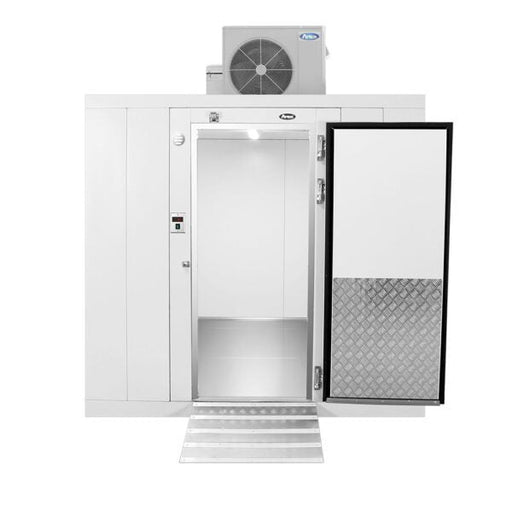
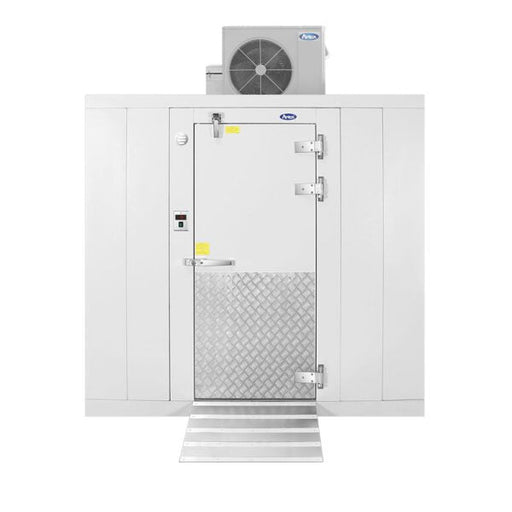
Atosa AWC1010-TF - Walk-in Cooler
AtosaWalk-In Cooler, indoor, 120"W x 120"L x 117"H, 33 °F - 38 °F temperature range, reinforced floor, 4" panels with cam locks, white interior & ex...
View full details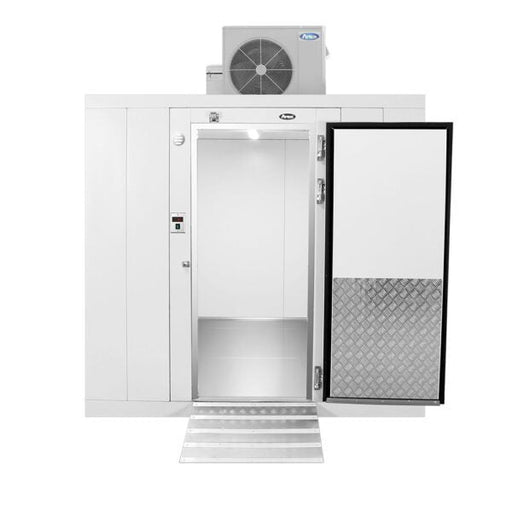
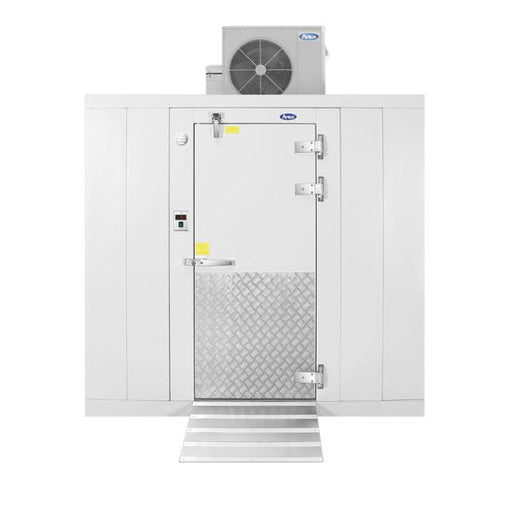
Atosa AWC0810-TF - 8' x 10' Walk-in Cooler
AtosaWalk-In Cooler, indoor, 96"W x 120"L x 117"H, 33 °F - 38 °F temperature range, reinforced floor, 4" panels with cam locks, white interior & ext...
View full details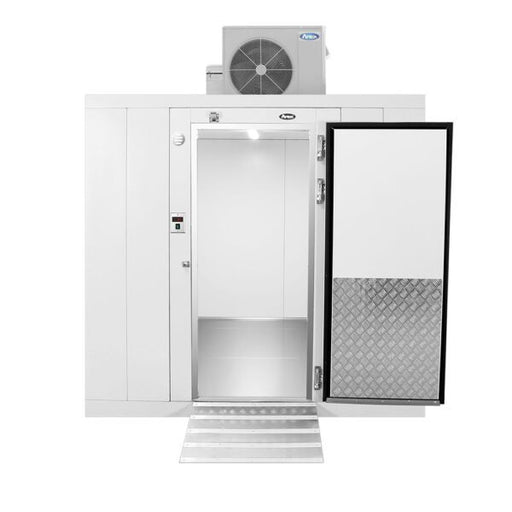
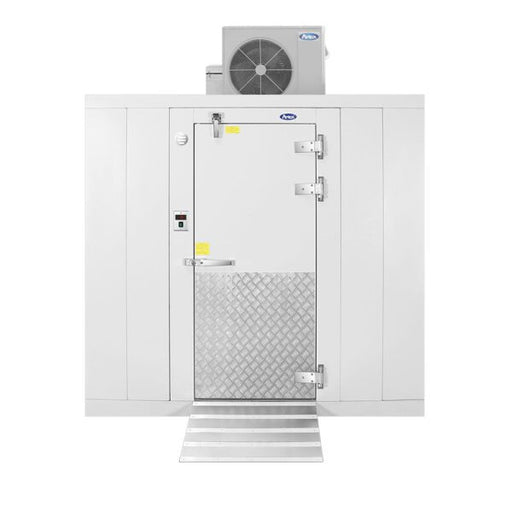
Atosa AWC0808-TF - Walk-in Cooler
AtosaWalk-In Cooler, indoor, 96"W x 96"L x 117"H, 33 °F - 38 °F temperature range, reinforced floor, 4" panels with cam locks, white interior & exte...
View full details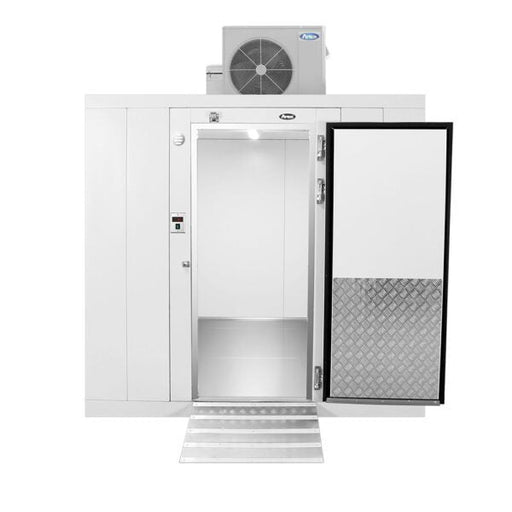
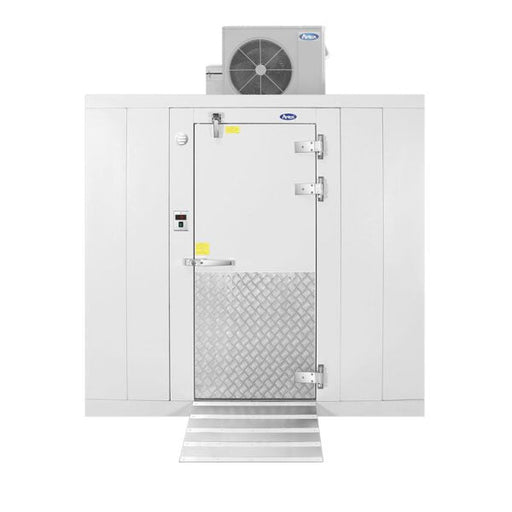
Atosa AWC0608-TF - Walk-in Cooler
AtosaWalk-In Cooler, indoor, 72"W x 96"L x 117"H, 33 °F - 38 °F temperature range, reinforced floor, 4" panels with cam locks, white interior & exte...
View full details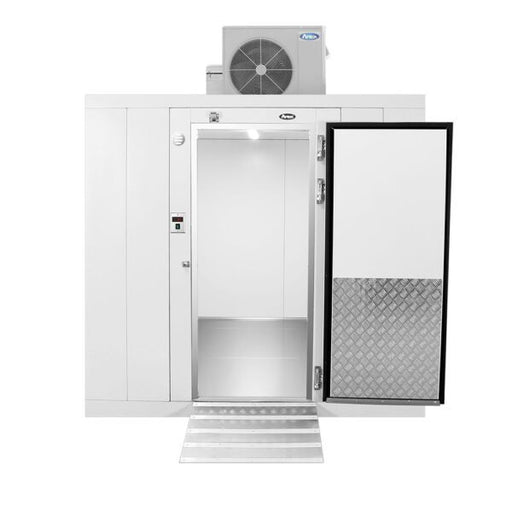
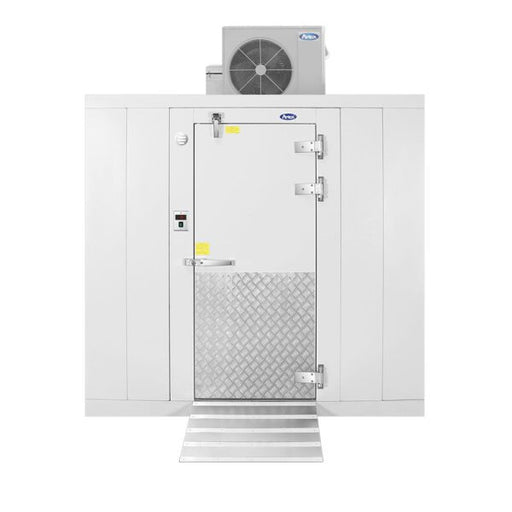
Atosa AWC1012-TF - Walk-in Cooler
AtosaWalk-In Cooler, indoor, 120"W x 144"L x 117"H, 33 °F - 38 °F temperature range, reinforced floor, 4" panels with cam locks, white interior & ex...
View full details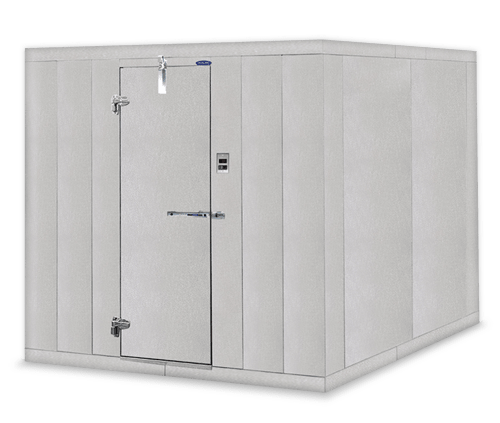
Commercial Walk-In Coolers, Freezers and Combo Systems
A commercial walk-in is an insulated room designed around a specified storage temperature, product load and installation environment. Coolers and freezers both provide bulk storage, but they are not interchangeable equipment. A freezer requires a suitable low-temperature system and construction details that a cooler-only package may not provide.
Begin with the food, packaging and delivery schedule. Separate the stock that must remain refrigerated from the stock that arrives frozen, then plan usable shelving and access for each. The aim is practical storage and reliable handling, not simply the largest box that fits the room.
The five Atosa AWC models listed in this collection are indoor cooler packages. The freezer and combination guidance on this page helps you plan the right project; it does not mean these AWC product listings include freezer compartments or that a custom combination package is automatically available.
Shop Walk-In Coolers by Size
Compare these nominal footprints with the current product specifications and a shelving plan. Exterior floor area is not the same as usable interior storage: wall thickness, door clearance, aisles and equipment all take space.
| Nominal footprint | Model | Listed storage application | Planning consideration |
|---|---|---|---|
| 6 × 8 feet | Atosa AWC0608-TF | Indoor walk-in cooler | A compact footprint; check shelving and access carefully |
| 8 × 8 feet | Atosa AWC0808-TF | Indoor walk-in cooler | A square layout for a measured chilled-inventory plan |
| 8 × 10 feet | Atosa AWC0810-TF | Indoor walk-in cooler | More length for shelving and stock organization |
| 10 × 10 feet | Atosa AWC1010-TF | Indoor walk-in cooler | Compare aisle, cart and shelving arrangements |
| 10 × 12 feet | Atosa AWC1012-TF | Indoor walk-in cooler | More floor area for a larger chilled-storage requirement |
Atosa’s AWC specification sheet lists four-inch cam-lock panels, a reinforced floor, top-mount drop-in refrigeration, a 36-inch door and an inside safety release. It lists a 33°F–38°F cooler operating range. Check the current package contents and site requirements before purchasing.
What a Walk-In Cooler Is and Is Not
A walk-in cooler holds refrigerated inventory; it is not a freezer with a higher thermostat setting. Likewise, a walk-in freezer is not simply a cooler turned down below freezing. The insulation, floor, refrigeration capacity, controls, door details and drainage must be suitable for the intended application.
Bulk storage and station storage also serve different purposes. Keep active service inventory in appropriate commercial refrigerators, undercounter refrigerators or prep tables where that improves the workflow. Use the walk-in to support receiving, organized reserve stock and planned replenishment.
Walk-In Cooler vs Walk-In Freezer vs Combo
Choose the equipment around the amount of chilled and frozen stock you need between deliveries. There is no universal cooler-to-freezer percentage that fits every restaurant.
| Configuration | What it provides | What to check |
|---|---|---|
| Walk-in cooler | A refrigerated room for suitable chilled inventory | Required food temperatures, usable shelving and delivery volume |
| Walk-in freezer | A dedicated room for frozen inventory | Low-temperature refrigeration, insulated floor, defrost and freezer-rated construction |
| Cooler-freezer combo | Two temperature zones in one divided structure | Partition, independent zone control, access arrangement and capacity on each side |
| Cooler plus reach-in freezer | Bulk chilled storage with a separate frozen cabinet | Whether the freezer can hold the actual frozen inventory between deliveries |
| Separate cooler and freezer rooms | Individually planned cold rooms | Available space, receiving routes, installation scope and service access |
A combo may simplify the layout by keeping both types of inventory together and sharing part of the enclosure. It is not automatically cheaper to buy, install or operate than two separate units. Compare quotations for equivalent usable capacity and the same site conditions.
Planning a Commercial Walk-In Freezer
Start with what arrives frozen, how much comes in each delivery and how long it must remain in storage. Bulk proteins, frozen prepared items, ingredients and desserts can have different packaging and temperature requirements. Select a system for the intended products rather than applying one freezer setpoint to every use.
Specify the low-temperature refrigeration system with the supplier or qualified designer. Cabinet volume is only one input: the room environment, door traffic, product load and intended holding conditions also affect the design. Do not assume a cooler refrigeration unit has enough capacity or suitable controls for freezer operation.
Pay particular attention to the floor. A freezer requires a properly designed insulated floor system, whether supplied as panels or engineered into the building construction. Have insulation, vapor control, structural support and any required frost-protection measures designed for the actual site. An ordinary uninsulated concrete slab is not a substitute.
Check the floor rating for the way you will load the room. Shelving creates a different load from a cart wheel or pallet jack, and a general distributed-load rating does not establish that every rolling load is acceptable. Plan thresholds and ramps around the equipment staff will actually use.
Include defrost, condensate drainage, door sealing and any required door-frame or drain protection in the freezer specification. These details help address moisture and ice; they should be selected for the system rather than added as afterthoughts. Confirm an inside safety release and the access provisions required for the installation.
How a Walk-In Cooler-Freezer Combo Works
A combo divides the enclosure into a refrigerated compartment and a frozen compartment with an insulated partition. Each zone needs refrigeration and controls designed to maintain its own conditions. Do not confuse a shared structure with one common thermostat or assume that a particular refrigeration arrangement suits every combination build.
Compare two access layouts. Separate exterior doors can allow direct entry to each compartment. An internal freezer door requires travel through the cooler first, which may suit some floor plans but changes traffic and inventory handling. Draw the route from receiving to shelving and from shelving to preparation before selecting the arrangement.
Size the zones independently. A business using frequent produce deliveries may need a different split from a bakery holding substantial frozen ingredients or a caterer preparing for large events. An arbitrary 60/40 split, a meal-count formula or a fixed food-weight-to-volume rule should not replace a measured inventory plan.
Ask for a drawing showing the clear interior dimensions, partition, door swings, shelving, refrigeration equipment and service access. A stated exterior footprint does not show how much of each temperature zone remains usable after those details are included.
Sizing Refrigerated and Frozen Storage
List the cases, containers, trays and carts you expect to hold at the busiest point between deliveries. Record their dimensions and identify whether they belong in the cooler or freezer. Include a realistic allowance for seasonal demand, but avoid buying extra volume solely because a generic guide recommends a percentage.
Lay out shelves, aisles and receiving space before choosing the box. Keep required food-storage clearances, employee access and refrigeration airflow in the plan. Confirm actual interior dimensions and load limits with the equipment supplier.
Check building height as carefully as floor space. The linked AWC sheet distinguishes the panel enclosure from the overall height with the top-mounted refrigeration installed and recommends an 11-foot ceiling. Verify the current unit drawing and service clearance rather than relying only on the height in a product title.
For modest frozen-storage needs, compare a walk-in cooler paired with a commercial freezer against a full combo project. A smaller operation may also consider a dual-temperature reach-in refrigerator/freezer when its actual capacity and access meet the requirement.
Indoor, Outdoor, Self-Contained and Remote Systems
The AWC products currently listed here are indoor cooler packages. Do not place an indoor package outdoors because another walk-in looks similar. Outdoor projects require construction, roofing or weather protection, site drainage and refrigeration selected for the local environment.
Indoor installations need suitable room conditions, heat rejection, ventilation and service access. Self-contained or drop-in equipment incorporates the refrigeration package at the box; remote systems place components elsewhere and require the appropriate connecting installation. Neither choice removes the need for a properly specified site and professional setup.
For either cooler or freezer projects, discuss electrical supply, equipment access, condensate handling and applicable permits with the installer before ordering. A combo is not automatically one circuit, one drain or one permit simply because the compartments share an enclosure.
Budget the Complete Walk-In Project
Use current product-page prices for the listed cooler packages and a project-specific quotation for a freezer or combo. Do not treat a general online price range as a turnkey installed price.
| Budget item | What to confirm |
|---|---|
| Enclosure | Panels, doors, partition, floor system, ramps and finishes included |
| Refrigeration | Correct equipment and controls for each temperature zone |
| Site preparation | Level support, structural capacity, drainage and freezer floor design |
| Installation | Assembly, refrigeration work, electrical work and commissioning responsibilities |
| Delivery | Freight, unloading, access route and movement to the final installation area |
| Approvals | Applicable permits, inspections and local requirements |
| Ongoing ownership | Cleaning, preventive service, energy use and product-protection procedures |
Confirm warranty coverage separately for the enclosure, refrigeration and hardware, including exclusions and installation requirements. Review equipment financing as part of the budget without assuming every configuration or agreement has the same terms.
Installation, Commissioning and Maintenance
Measure the entire delivery route, including turns and overhead restrictions. Panels may arrive separately from refrigeration equipment, and the installer needs suitable space to assemble and seal the enclosure. Have the site, utilities and required approvals ready before the shipment arrives.
Commission cooler and freezer zones for their intended conditions before loading food. Check temperature controls, doors and safety releases; for freezer systems, also confirm defrost and drainage operation. Arrange appropriate temperature monitoring and alarms where required by the project or operating procedures.
During operation, keep access doors closed when not in use and maintain seals, hinges and closures. Keep stock clear of airflow paths and clean spills before they create contamination or slip hazards. Investigate excessive frost rather than repeatedly removing it without addressing the cause.
Follow the manufacturer's cleaning and service instructions for each system. Move food into suitable backup storage when maintenance requires it, and avoid improvised hot-water cleaning or defrost procedures that could damage equipment or create ice. Establish a refrigeration-service contact and a product-protection plan before a breakdown.
Related Refrigeration Categories
Use commercial refrigerators for chilled storage options and commercial freezers for frozen-storage alternatives. Pair bulk storage with undercounter refrigeration or sandwich prep tables when the service line needs nearby ingredients.
To discuss a freezer or combination project, provide the available footprint, indoor or outdoor location, inventory requirements, delivery frequency and known utility details. Confirm available configurations and quotation scope before making site changes or ordering equipment.
Walk-In Cooler and Freezer Questions
Are the Atosa AWC products on this page walk-in freezers?
No. The five AWC listings in this collection are indoor walk-in cooler packages. Freezer and combo information is provided for project planning; availability and specifications for those configurations need separate confirmation.
Can I convert a walk-in cooler into a freezer by changing the thermostat?
No. A freezer requires suitable low-temperature refrigeration, insulation, flooring, controls, door details and defrost arrangements. Have the existing construction and equipment assessed by qualified professionals rather than attempting a thermostat-only conversion.
Does a walk-in freezer need an insulated floor?
Yes, plan a properly designed insulated freezer floor, whether it is supplied as panels or engineered into the building construction. Confirm vapor control, structural and rolling loads, thresholds and any necessary frost-protection provisions for the site.
What is a walk-in cooler-freezer combo?
It is an insulated structure divided into refrigerated and frozen compartments by a partition. Each zone needs refrigeration and controls suited to its own storage requirements, with doors and access arranged for the operation.
Is a combo always cheaper than two separate walk-ins?
No. Sharing part of the enclosure can affect material and layout requirements, but installed and operating costs depend on usable capacity, refrigeration, site preparation and access. Compare equivalent project quotations rather than assuming a fixed saving.
How should I divide cooler and freezer space?
Measure the refrigerated and frozen inventory separately at peak storage between deliveries. Plan shelves, aisles, door access and equipment space for each zone; a fixed percentage split is not appropriate for every menu or business.
What temperature should each section maintain?
Use the temperatures required for the stored products and the approved equipment application. Atosa's linked AWC sheet lists 33°F to 38°F for its coolers; freezer requirements depend on the product and specified system. Verify actual holding performance, not just the thermostat setting.
Can these listed cooler packages be installed outdoors?
The AWC products shown are indoor packages. An outdoor project needs equipment and enclosure details selected for weather exposure, local ambient conditions and the site; confirm that specification rather than relocating an indoor model outside.
What costs should a walk-in freezer or combo quotation include?
Check the enclosure, floor and partition, refrigeration for each zone, doors, freight, unloading, installation, electrical work, drainage, site preparation and applicable approvals. Ask which items are excluded before comparing total project prices.
How much overhead space does an Atosa AWC cooler need?
The linked AWC specification sheet recommends an 11-foot ceiling for the top-mounted system. Confirm the current model's full installed dimensions and service requirements with the installer before ordering.
Do I need a walk-in freezer or would a reach-in freezer work?
Compare actual frozen inventory, delivery frequency and usable cabinet capacity. A reach-in may meet a smaller requirement alongside a walk-in cooler, while a larger frozen-storage operation may justify a dedicated freezer room or combo.
How should I maintain a walk-in cooler-freezer combo?
Monitor each zone, maintain seals and door closures, keep airflow paths clear and follow the equipment-specific cleaning and service schedule. Check freezer defrost and drainage performance, investigate excessive ice and have a backup plan for protecting food during downtime.