
Undercounter Freezer


Atosa AUF24SD 24 inch Undercounter Freezer
Atosa
Original price
$2,265.00
Original price
$2,265.00
-
Original price
$2,265.00
Original price
$2,265.00
Current price
$1,632.00
$1,632.00
-
$1,632.00
Current price
$1,632.00
Atosa AUF24SD 24" Undercounter Freezer — One-Section Reach-In The Atosa AUF24SD is a 24-inch one-section undercounter freezer engineered to delive...
View full details
Original price
$2,265.00
Original price
$2,265.00
-
Original price
$2,265.00
Original price
$2,265.00
Current price
$1,632.00
$1,632.00
-
$1,632.00
Current price
$1,632.00
Save 28%


Atosa AUF27SD 27 inch Undercounter Freezer
Atosa
Original price
$2,265.00
Original price
$2,265.00
-
Original price
$2,265.00
Original price
$2,265.00
Current price
$1,632.00
$1,632.00
-
$1,632.00
Current price
$1,632.00
Atosa AUF27SD 27" Undercounter Freezer — One-Section Reach-In The Atosa AUF27SD is a 27-inch one-section undercounter freezer that delivers true c...
View full details
Original price
$2,265.00
Original price
$2,265.00
-
Original price
$2,265.00
Original price
$2,265.00
Current price
$1,632.00
$1,632.00
-
$1,632.00
Current price
$1,632.00
Save 28%


Atosa AUF36SD 36 inch Undercounter Freezer
Atosa
Original price
$2,884.00
Original price
$2,884.00
-
Original price
$2,884.00
Original price
$2,884.00
Current price
$2,078.00
$2,078.00
-
$2,078.00
Current price
$2,078.00
Atosa AUF36SD 36" Undercounter Freezer — Two-Section Reach-In The Atosa AUF36SD is a 36-inch two-section undercounter freezer that delivers 8.6 cu...
View full details
Original price
$2,884.00
Original price
$2,884.00
-
Original price
$2,884.00
Original price
$2,884.00
Current price
$2,078.00
$2,078.00
-
$2,078.00
Current price
$2,078.00
Save 28%


Atosa AUF48SD 48 inch Undercounter Freezer
Atosa
Original price
$3,285.00
Original price
$3,285.00
-
Original price
$3,285.00
Original price
$3,285.00
Current price
$2,367.00
$2,367.00
-
$2,367.00
Current price
$2,367.00
Atosa AUF48SD 48" Undercounter Freezer — Two-Section Reach-In The Atosa AUF48SD is a 48-inch two-section undercounter freezer that delivers 11.8 c...
View full details
Original price
$3,285.00
Original price
$3,285.00
-
Original price
$3,285.00
Original price
$3,285.00
Current price
$2,367.00
$2,367.00
-
$2,367.00
Current price
$2,367.00
Save 28%


Atosa AUF60SD 60 inch Undercounter Freezer
Atosa
Original price
$3,285.00
Original price
$3,285.00
-
Original price
$3,285.00
Original price
$3,285.00
Current price
$2,674.00
$2,674.00
-
$2,674.00
Current price
$2,674.00
Atosa AUF60SD 60" Undercounter Freezer — Two-Section Reach-In The Atosa AUF60SD is a 60-inch two-section undercounter freezer that delivers 15 cub...
View full details
Original price
$3,285.00
Original price
$3,285.00
-
Original price
$3,285.00
Original price
$3,285.00
Current price
$2,674.00
$2,674.00
-
$2,674.00
Current price
$2,674.00
Save 19%
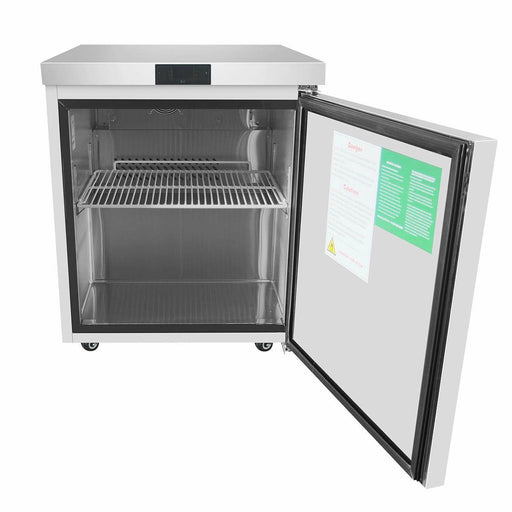
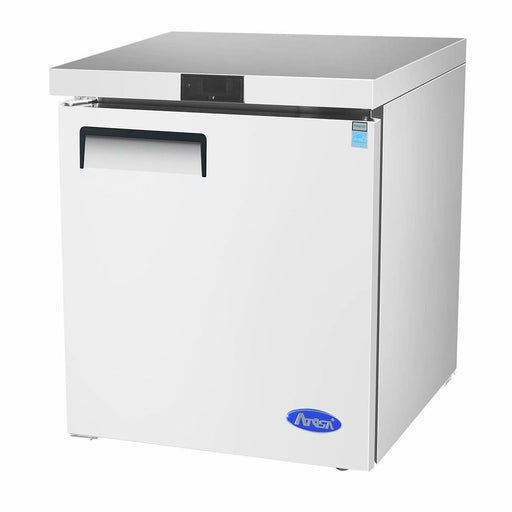
Atosa USA MGF24FGR Shallow Depth 24-Inch Undercounter Freezer
Atosa
Original price
$2,265.00
Original price
$2,265.00
-
Original price
$2,265.00
Original price
$2,265.00
Current price
$1,632.00
$1,632.00
-
$1,632.00
Current price
$1,632.00
Product Update: The Atosa MGF24FGR has been replaced by the new Atosa AUF24SD — same 24-inch undercounter freezer footprint, upgraded electronic co...
View full details
Original price
$2,265.00
Original price
$2,265.00
-
Original price
$2,265.00
Original price
$2,265.00
Current price
$1,632.00
$1,632.00
-
$1,632.00
Current price
$1,632.00
Save 28%
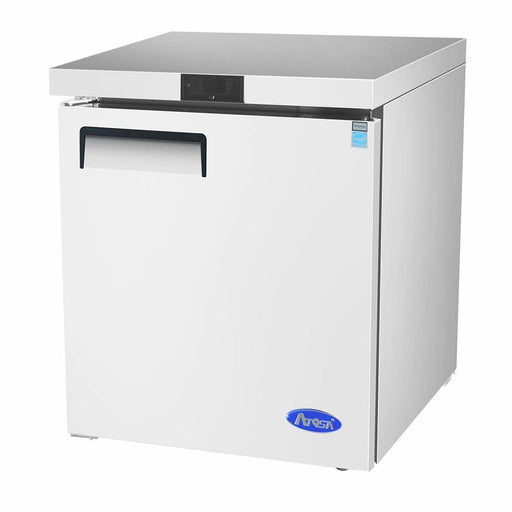
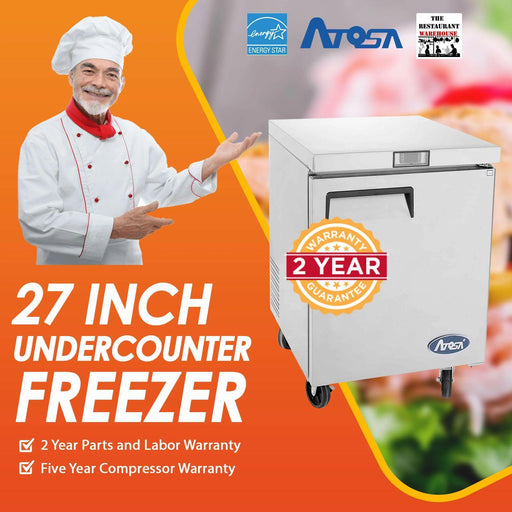
Atosa USA MGF8405GR Undercounter 27-Inch One Door Freezer
Atosa
Original price
$2,265.00
Original price
$2,265.00
-
Original price
$2,265.00
Original price
$2,265.00
Current price
$1,632.00
$1,632.00
-
$1,632.00
Current price
$1,632.00
Product Update: The Atosa MGF8405GR has been replaced by the new Atosa AUF27SD — same 27-inch undercounter freezer footprint, upgraded electronic c...
View full details
Original price
$2,265.00
Original price
$2,265.00
-
Original price
$2,265.00
Original price
$2,265.00
Current price
$1,632.00
$1,632.00
-
$1,632.00
Current price
$1,632.00
Save 28%

Atosa MGF8405GRL 27-inch Undercounter Freezer Left Hinged
Atosa
Original price
$2,265.00
Original price
$2,265.00
-
Original price
$2,265.00
Original price
$2,265.00
Current price
$1,632.00
$1,632.00
-
$1,632.00
Current price
$1,632.00
Product Update: The Atosa MGF8405GR has been replaced by the new Atosa AUF27SD — same 27-inch undercounter freezer footprint, upgraded electronic c...
View full details
Original price
$2,265.00
Original price
$2,265.00
-
Original price
$2,265.00
Original price
$2,265.00
Current price
$1,632.00
$1,632.00
-
$1,632.00
Current price
$1,632.00
Save 28%
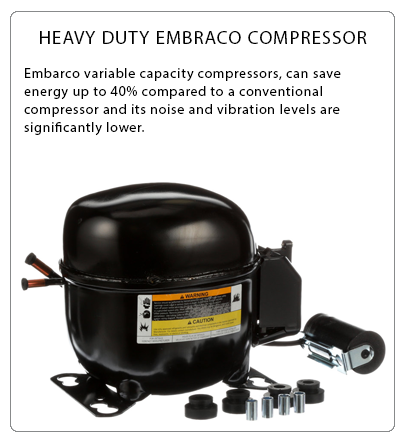
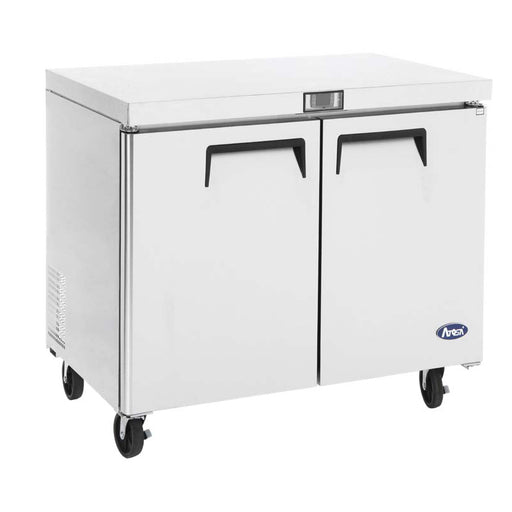
Atosa USA MGF36FGR Undercounter 36-Inch Two Door Freezer
Atosa
Original price
$2,884.00
Original price
$2,884.00
-
Original price
$2,884.00
Original price
$2,884.00
Current price
$2,078.00
$2,078.00
-
$2,078.00
Current price
$2,078.00
Product Update: The Atosa MGF36FGR has been replaced by the new Atosa AUF36SD — same 36-inch undercounter freezer footprint, upgraded electronic co...
View full details
Original price
$2,884.00
Original price
$2,884.00
-
Original price
$2,884.00
Original price
$2,884.00
Current price
$2,078.00
$2,078.00
-
$2,078.00
Current price
$2,078.00
Save 28%
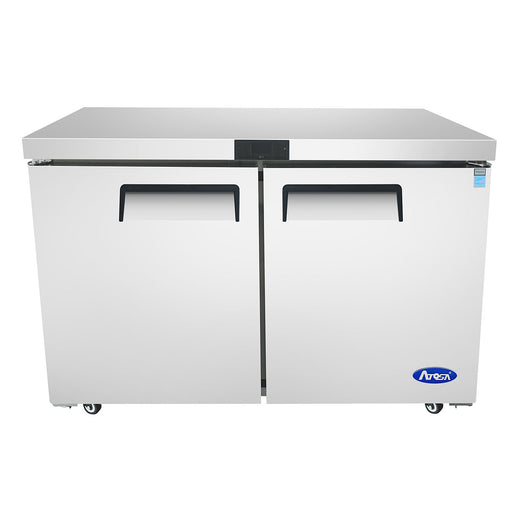
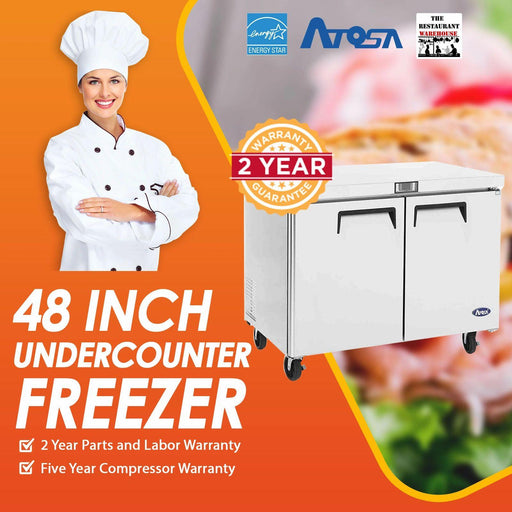
Atosa USA MGF8406GR Undercounter 48-Inch Two Door Freezer
Atosa
Original price
$3,285.00
Original price
$3,285.00
-
Original price
$3,285.00
Original price
$3,285.00
Current price
$2,367.00
$2,367.00
-
$2,367.00
Current price
$2,367.00
Product Update: The Atosa MGF8406GR has been replaced by the new Atosa AUF48SD — same 48-inch undercounter freezer footprint, upgraded electronic c...
View full details
Original price
$3,285.00
Original price
$3,285.00
-
Original price
$3,285.00
Original price
$3,285.00
Current price
$2,367.00
$2,367.00
-
$2,367.00
Current price
$2,367.00
Save 28%
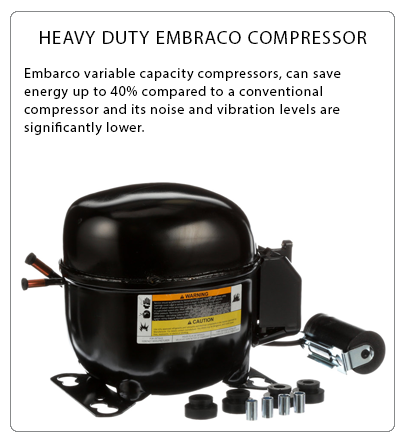
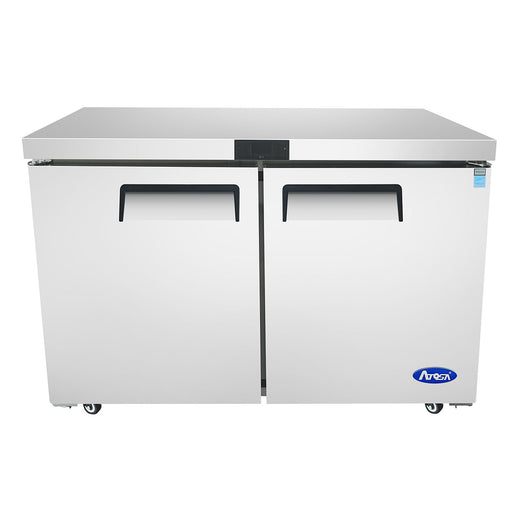
Atosa USA MGF8407GR Undercounter 60-Inch Two Door Freezer 17.9 cu. ft.
Atosa
Original price
$3,710.00
Original price
$3,710.00
-
Original price
$3,710.00
Original price
$3,710.00
Current price
$2,674.00
$2,674.00
-
$2,674.00
Current price
$2,674.00
Product Update: The Atosa MGF8407GR has been replaced by the new Atosa AUF60SD — same 60-inch undercounter freezer footprint, upgraded electronic c...
View full details
Original price
$3,710.00
Original price
$3,710.00
-
Original price
$3,710.00
Original price
$3,710.00
Current price
$2,674.00
$2,674.00
-
$2,674.00
Current price
$2,674.00
Save 28%
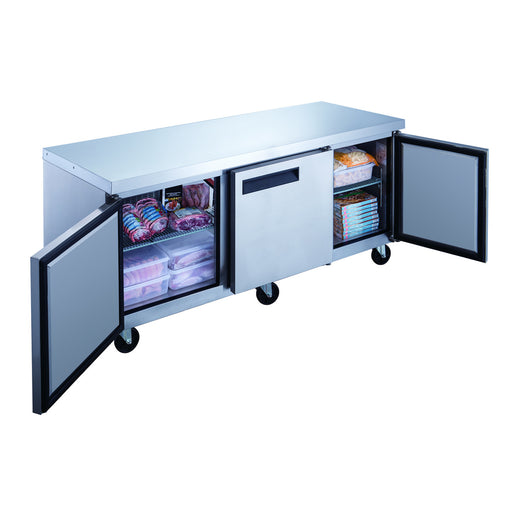
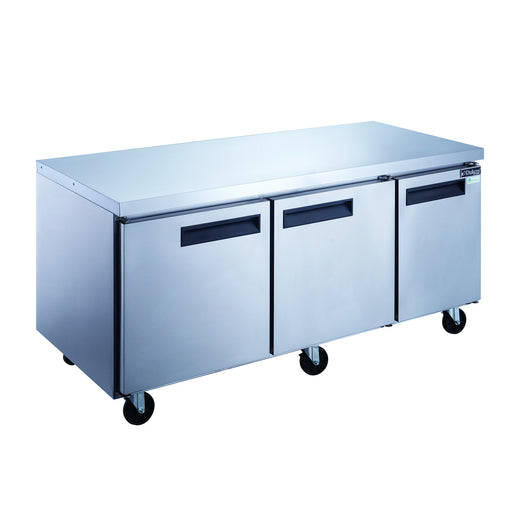
Dukers DUC72F 72-inch Under-counter Freezer
Dukers
Original price
$4,784.00
Original price
$4,784.00
-
Original price
$4,784.00
Original price
$4,784.00
Current price
$3,349.00
$3,349.00
-
$3,349.00
Current price
$3,349.00
Dukers DUC72F 72-inch Under-counter Freezer Undercounter Freezer, reach-in, three-section, 72"W, bottom mount self-contained refrigeration, digital...
View full details
Original price
$4,784.00
Original price
$4,784.00
-
Original price
$4,784.00
Original price
$4,784.00
Current price
$3,349.00
$3,349.00
-
$3,349.00
Current price
$3,349.00
Save 30%


Atosa USA MGF8420GR 27-inch Two-Drawer Undercounter Freezer
Atosa
Original price
$3,265.00
Original price
$3,265.00
-
Original price
$3,265.00
Original price
$3,265.00
Current price
$2,353.00
$2,353.00
-
$2,353.00
Current price
$2,353.00
Atosa USA MGF8420GR 27-Inch Two-Drawer Undercounter Freezer The Atosa USA MGF8420GR two-drawer undercounter freezer is engineered for professiona...
View full details
Original price
$3,265.00
Original price
$3,265.00
-
Original price
$3,265.00
Original price
$3,265.00
Current price
$2,353.00
$2,353.00
-
$2,353.00
Current price
$2,353.00
Save 28%


Atosa AUF27D2 27 inch Undercounter Freezer with Drawers
Atosa
Original price
$3,265.00
Original price
$3,265.00
-
Original price
$3,265.00
Original price
$3,265.00
Current price
$2,353.00
$2,353.00
-
$2,353.00
Current price
$2,353.00
Atosa AUF27D2 27" Undercounter Freezer with Drawers - 2-Drawer Base The Atosa AUF27D2 is a 27-inch two-drawer undercounter freezer engineered for ...
View full details
Original price
$3,265.00
Original price
$3,265.00
-
Original price
$3,265.00
Original price
$3,265.00
Current price
$2,353.00
$2,353.00
-
$2,353.00
Current price
$2,353.00
Save 28%


Atosa AUF36D2 Undercounter Freezer, 39"W, 2 Drawers, 9.0 cu ft
Atosa
Original price
$3,758.00
Original price
$3,758.00
-
Original price
$3,758.00
Original price
$3,758.00
Current price
$2,708.00
$2,708.00
-
$2,708.00
Current price
$2,708.00
Atosa AUF36D2 Undercounter Freezer with Drawers The Atosa AUF36D2 is a commercial drawer-style undercounter freezer built for prep lines, sandwich...
View full details
Original price
$3,758.00
Original price
$3,758.00
-
Original price
$3,758.00
Original price
$3,758.00
Current price
$2,708.00
$2,708.00
-
$2,708.00
Current price
$2,708.00
Save 28%


Atosa AUF48D4 Undercounter Freezer, 51"W, 4 Drawers, 12.2 cu ft
Atosa
Original price
$5,267.00
Original price
$5,267.00
-
Original price
$5,267.00
Original price
$5,267.00
Current price
$3,795.00
$3,795.00
-
$3,795.00
Current price
$3,795.00
Atosa AUF48D4 Undercounter Freezer with Drawers The Atosa AUF48D4 is a commercial drawer-style undercounter freezer built for prep lines, sandwich...
View full details
Original price
$5,267.00
Original price
$5,267.00
-
Original price
$5,267.00
Original price
$5,267.00
Current price
$3,795.00
$3,795.00
-
$3,795.00
Current price
$3,795.00
Save 28%


Atosa AUF60D4 Undercounter Freezer, 63"W, 4 Drawers, 15.5 cu ft
Atosa
Original price
$4,262.00
-
Original price
$4,262.00
Original price
$4,262.00
$4,262.00
$4,262.00
-
$4,262.00
Current price
$4,262.00
Atosa AUF60D4 Undercounter Freezer with Drawers The Atosa AUF60D4 is a commercial drawer-style undercounter freezer built for prep lines, sandwich...
View full details
Original price
$4,262.00
-
Original price
$4,262.00
Original price
$4,262.00
$4,262.00
$4,262.00
-
$4,262.00
Current price
$4,262.00
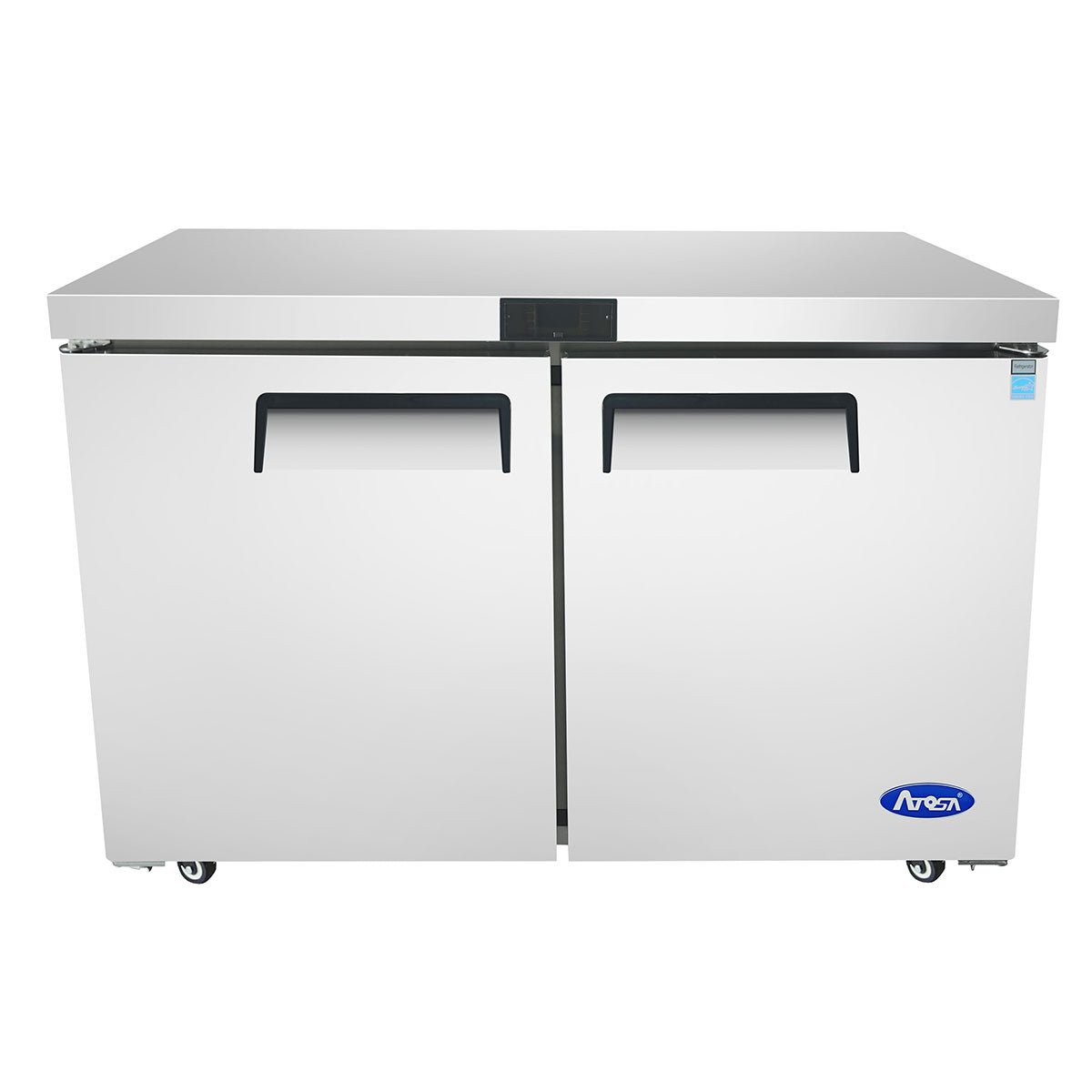
Commercial Undercounter Freezers: Frozen Storage Where You Work
A commercial undercounter freezer keeps frequently used frozen ingredients close to the station that needs them. Instead of sending staff across the kitchen for every bag of fries, portioned protein, or frozen dessert, you can keep a working supply beneath a suitable counter. The right unit complements your bulk storage without taking over the service aisle.
Start with the food you need during a busy shift, then match the cabinet to your available opening, container sizes, and ventilation requirements. Browse the products above, or use this guide to compare doors and drawers, plan installation, and decide whether an undercounter model is the right format for your kitchen.
Choose Working Storage, Not Just More Cubic Feet
An undercounter freezer works best when it has a defined job. A fry station might need fries and appetizers; a café might need frozen pastries or smoothie ingredients; a dessert station might need a small rotation of packaged portions. Stocking the ingredients used at that station makes the cabinet easier to organize than treating it as overflow for every frozen item in the restaurant.
Estimate how much inventory the station uses between replenishment opportunities. Consider peak service, delivery frequency, and the size of your packages, not just an average day's sales. Leave room for air circulation and practical access rather than planning to fill every visible gap.
- Service-line inventory: Keep the most frequently retrieved items within reach and replenish from larger storage between rushes.
- Bulk cases and reserve stock: Compare commercial reach-in freezers or chest freezers when case storage matters more than undercounter placement.
- Multiple workstations: Compare one larger cabinet with smaller units at separate stations, including the installation and operating costs of each arrangement.
For a broader comparison of capacity and footprint, read our commercial freezer sizing guide. A useful capacity is one your team can load, organize, and access without blocking airflow.
What Size Undercounter Freezer Do You Need?
Use nominal width to narrow your search, not to approve the installation. A model marketed as a 27-inch or 48-inch freezer may measure more than that across its actual cabinet. Height, depth, hinges, handles, ventilation space, and caster configuration all affect whether it will work beneath your counter.
- Compact 24- and 27-inch classes: Start here for a narrow opening or a focused selection of station ingredients. Check whether your largest container fits through the opening and onto the usable shelf or drawer.
- Mid-size 36- and 48-inch classes: Consider these when you need more ingredient separation or access across a wider workstation. Compare internal layout rather than assuming equal usable storage in every cabinet of similar width.
- Wider 60-inch class: Consider a wider unit for a larger working inventory, but make sure it does not crowd the aisle or make replenishment awkward.
Measure a representative tray, carton, or covered container before ordering. Published cubic feet do not tell you whether a particular pan will fit, whether a shelf can be adjusted to the needed height, or whether the drawer supports your preferred pan arrangement.
Doors or Drawers: Match the Cabinet to Your Inventory
Solid-Door Undercounter Freezers
A door-and-shelf layout is worth considering for bags, cartons, and containers of different heights. Check shelf dimensions, adjustment positions, load limits, and the space taken up by the refrigeration compartment. Confirm the hinge orientation and whether door reversal is permitted on the exact model rather than assuming all doors are reversible.
Undercounter Freezers With Drawers
Drawers can organize a defined selection of ingredients close to a prep or service station. Before choosing one, check the supported pan sizes, pan depths, required dividers, and what is included. Allow enough aisle space to extend the drawer fully, and follow the manufacturer's loading and anti-tip instructions.
For the current AUF door and drawer lineup, use our Atosa undercounter freezer comparison. It separates model dimensions and configurations so you can compare specific equipment after deciding which layout suits your workflow.
Plan Counter Fit, Airflow, and Installation Before Delivery
Being short enough to slide below a countertop does not make a freezer suitable for a sealed cabinet opening. Some installations need rear or side clearance, and ventilation direction varies by model. Keep intake and exhaust openings unobstructed and use the exact installation manual as the final authority.
- Measure the opening: Record the narrowest width, usable depth, and floor-to-counter clearance, including trim, pipes, outlets, and any obstruction beneath the counter.
- Check the installed height: Compare the specified height with the supplied casters or legs. Do not remove or substitute them simply to make the unit fit without manufacturer approval.
- Allow operating space: Account for door swing, drawer extension, staff traffic, and access for cleaning or service.
- Review heat exposure: Check the permitted ambient conditions and separation from cooking equipment. An opening next to a fryer or range needs more thought than an empty floor-plan rectangle.
- Confirm electrical requirements: Verify voltage, frequency, amperage, plug, grounding, and circuit requirements on the model documentation. Have electrical work completed by a qualified professional.
- Check the delivery route: Measure doors, corners, steps, and access to the installation area. Confirm unloading and inside-placement arrangements before delivery.
Follow the manufacturer's instructions for positioning, leveling, startup, and temperature stabilization before loading food. If accessibility requirements or mobile-kitchen use are part of your project, confirm the exact equipment and installation requirements before purchasing; a low cabinet height alone is not proof of compliance.
Temperature Controls and Defrost: Compare the Actual Features
Read the specified operating range and choose equipment suitable for the products you will store. Follow your food-safety procedures for temperature checks and inventory handling. A digital controller is useful, but it does not automatically mean the freezer includes a door alarm, remote monitoring, or every other feature mentioned in a general buying guide.
Check whether the model uses automatic or manual defrost and what the manufacturer requires for routine care. Automatic defrost does not eliminate cleaning, gasket checks, or the need to investigate unusual frost buildup. Keep food clear of air passages and avoid overloading the cabinet during replenishment.
Do not treat a storage freezer as a substitute for equipment designed to rapidly cool or freeze freshly prepared food. A fast-freeze setting, if offered, is not by itself proof that a unit is suitable for your production-cooling process.
Undercounter, Worktop, or Reach-In?
Choose the format around the job rather than treating every low-profile freezer as interchangeable. An undercounter model is intended for a suitable under-counter location; a worktop freezer combines refrigerated storage with a model-specific work surface and may include a backsplash. Check the design before ordering either format for an existing counter opening.
A stainless top is not permission to place a griddle, charbroiler, or other heavy or hot appliance on the freezer. Cooking-equipment support requires equipment expressly designed for that load and heat exposure. When your priority is larger frozen inventory rather than station access, compare the broader commercial freezer selection before committing to a low-profile cabinet.
Compare Ownership Costs and Keep the Freezer Serviceable
Compare more than the purchase price. Include delivery requirements, electrical preparation, energy use where model-specific data is available, maintenance access, and warranty coverage. Do not assume a smaller freezer automatically has lower operating costs than every larger unit, or that every model within a brand carries the same certifications and warranty terms.
Build basic care into your kitchen routine. Label and date covered containers, rotate inventory, keep vents clear, wipe up spills, and inspect door or drawer seals. Use cleaning products and methods permitted by the manufacturer, and follow its condenser-cleaning schedule for the conditions in your kitchen.
Our commercial freezer maintenance guide provides a separate maintenance reference. If temperatures do not recover normally, frost repeatedly returns, or the equipment makes unfamiliar noises, protect the inventory and arrange qualified service rather than attempting electrical or refrigerant-system repairs.
Buy, Rent, or Explore Lease-to-Own
Once you know the required size and configuration, compare purchasing with restaurant equipment rental and equipment financing and lease-to-own. Availability, eligibility, payments, and agreement terms depend on the equipment and provider. Review the proposed agreement and total cost before choosing an option.
Not sure which freezer fits? Request an undercounter freezer quote and tell us about your available space, the ingredients you plan to store, and when you need the equipment. We can help you narrow the options and check the details before you order.
Undercounter Freezer Questions
What is a commercial undercounter freezer used for?
It provides frozen storage beneath a suitable counter, close to a prep, bar, or service station. It is useful for working inventory, while a larger freezer can hold reserve stock and bulk cases.
Will an undercounter freezer fit beneath any standard counter?
No. Compare the exact installed height, width, depth, ventilation clearances, and door or drawer operating space with your opening. Nominal size and the word undercounter are not enough to confirm a fit.
Should I choose doors or drawers?
Doors and adjustable shelves can suit mixed containers, bags, and cartons. Drawers can suit organized station ingredients, but their pan sizes, depths, load limits, and required opening space must match your needs.
Can I enclose an undercounter freezer in cabinetry?
Only if the specific model's installation instructions permit that arrangement. Do not assume every unit is front-breathing or suitable for a sealed opening; preserve all required ventilation and service access.
Is a worktop freezer the same as an undercounter freezer?
No. A worktop model is designed around a work surface and may include a backsplash, while an undercounter model must suit the available counter opening. Neither should support hot or heavy cooking equipment unless expressly approved for that use.
Does automatic defrost eliminate maintenance?
No. Follow the manufacturer's cleaning and service instructions, keep airflow paths clear, inspect seals, and monitor temperatures. Repeated frost buildup or poor temperature recovery still needs investigation.
Can I rent or finance an undercounter freezer?
Ask about rental and lease-to-own options for the equipment you select. Availability and approval depend on the provider and application, and the agreement determines payments, responsibilities, and ownership terms.