
Top Mount Compressor Refrigerator


Atosa MBF8004GR 29-Inch One Door Commercial Reach-In Refrigerator, Top Mount, 21.4 cu. ft.
Atosa
Original price
$2,943.00
Original price
$2,943.00
-
Original price
$2,943.00
Original price
$2,943.00
Current price
$2,121.00
$2,121.00
-
$2,121.00
Current price
$2,121.00
Atosa MBF8004GR 29-Inch One Door Commercial Reach-In Refrigerator, Top Mount, 21.4 cu. ft. The Atosa MBF8004GR is a 29-inch single-door reach-in r...
View full details
Original price
$2,943.00
Original price
$2,943.00
-
Original price
$2,943.00
Original price
$2,943.00
Current price
$2,121.00
$2,121.00
-
$2,121.00
Current price
$2,121.00
Save 28%


Atosa MBF8005GR 52-Inch Two Door Commercial Reach-In Refrigerator, Top Mount, 43.2 cu. ft.
Atosa
Original price
$4,154.00
Original price
$4,154.00
-
Original price
$4,154.00
Original price
$4,154.00
Current price
$2,993.00
$2,993.00
-
$2,993.00
Current price
$2,993.00
Atosa MBF8005GR 52-Inch Two Door Commercial Reach-In Refrigerator, Top Mount, 43.2 cu. ft. The Atosa MBF8005GR is a 52-inch two-door commercial re...
View full details
Original price
$4,154.00
Original price
$4,154.00
-
Original price
$4,154.00
Original price
$4,154.00
Current price
$2,993.00
$2,993.00
-
$2,993.00
Current price
$2,993.00
Save 28%
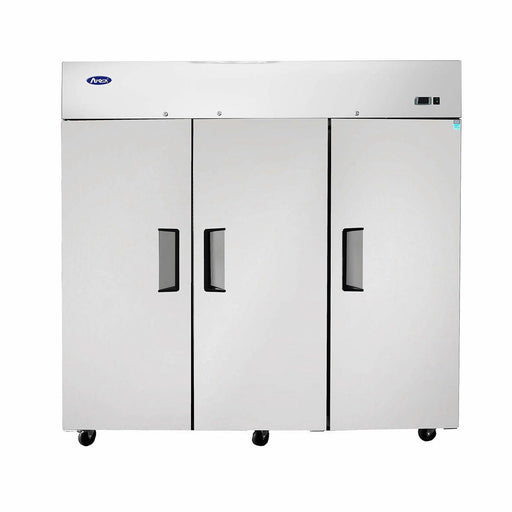

Atosa MBF8006GR 78-Inch Three Door Commercial Reach-In Refrigerator, Top Mount, 64.9 cu. ft.
Atosa
Original price
$6,393.00
Original price
$6,393.00
-
Original price
$6,393.00
Original price
$6,393.00
Current price
$4,607.00
$4,607.00
-
$4,607.00
Current price
$4,607.00
Atosa MBF8006GR 78-Inch Three Door Commercial Reach-In Refrigerator, Top Mount, 64.9 cu. ft. The Atosa MBF8006GR is a 78-inch three-door commercia...
View full details
Original price
$6,393.00
Original price
$6,393.00
-
Original price
$6,393.00
Original price
$6,393.00
Current price
$4,607.00
$4,607.00
-
$4,607.00
Current price
$4,607.00
Save 28%

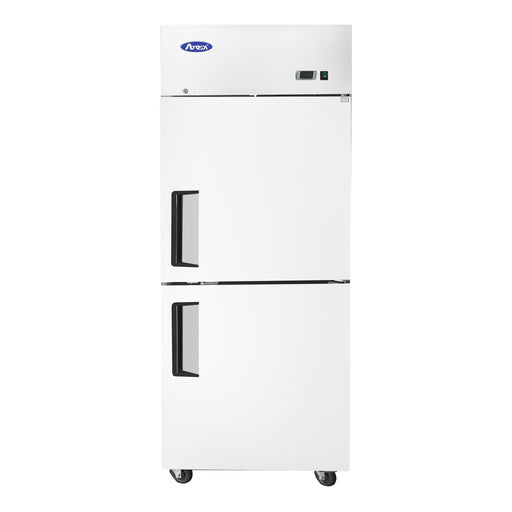
Atosa MBF8010GR 29-Inch Two Half Door Commercial Reach-In Refrigerator, Top Mount, 21.4 cu. ft.
Atosa
Original price
$3,172.00
Original price
$3,172.00
-
Original price
$3,172.00
Original price
$3,172.00
Current price
$2,286.00
$2,286.00
-
$2,286.00
Current price
$2,286.00
Atosa MBF8010GR 29-Inch Two Half Door Commercial Reach-In Refrigerator, Top Mount, 21.4 cu. ft. The Atosa MBF8010GR is a 29-inch two-half-door rea...
View full details
Original price
$3,172.00
Original price
$3,172.00
-
Original price
$3,172.00
Original price
$3,172.00
Current price
$2,286.00
$2,286.00
-
$2,286.00
Current price
$2,286.00
Save 28%


Atosa MBF8010GRL 29-Inch Two Half Door Commercial Reach-In Refrigerator, Left Hinge, 21.4 cu. ft.
Atosa
Original price
$3,172.00
Original price
$3,172.00
-
Original price
$3,172.00
Original price
$3,172.00
Current price
$2,286.00
$2,286.00
-
$2,286.00
Current price
$2,286.00
Atosa MBF8010GRL 29-Inch Two Half Door Commercial Reach-In Refrigerator, Left Hinge, 21.4 cu. ft. The Atosa MBF8010GRL is a 29-inch left-hinge two...
View full details
Original price
$3,172.00
Original price
$3,172.00
-
Original price
$3,172.00
Original price
$3,172.00
Current price
$2,286.00
$2,286.00
-
$2,286.00
Current price
$2,286.00
Save 28%


Atosa MBF15RSGR 18-Inch Slim Commercial Reach-In Refrigerator, Top Mount, 13 cu. ft.
Atosa
Original price
$5,000.00
Original price
$5,000.00
-
Original price
$5,000.00
Original price
$5,000.00
Current price
$3,603.00
$3,603.00
-
$3,603.00
Current price
$3,603.00
Atosa MBF15RSGR 18-Inch Slim Commercial Reach-In Refrigerator, Top Mount, 13 cu. ft. The Atosa MBF15RSGR is an 18-inch slimline reach-in refrigera...
View full details
Original price
$5,000.00
Original price
$5,000.00
-
Original price
$5,000.00
Original price
$5,000.00
Current price
$3,603.00
$3,603.00
-
$3,603.00
Current price
$3,603.00
Save 28%


Atosa MBF8011GR 52-Inch Four Half Door Commercial Reach-In Refrigerator, Top Mount, 43.2 cu. ft.
Atosa
Original price
$5,100.00
Original price
$5,100.00
-
Original price
$5,100.00
Original price
$5,100.00
Current price
$3,675.00
$3,675.00
-
$3,675.00
Current price
$3,675.00
Atosa MBF8011GR 52-Inch Four Half Door Commercial Reach-In Refrigerator, Top Mount, 43.2 cu. ft. The Atosa MBF8011GR is a 52-inch four-half-door c...
View full details
Original price
$5,100.00
Original price
$5,100.00
-
Original price
$5,100.00
Original price
$5,100.00
Current price
$3,675.00
$3,675.00
-
$3,675.00
Current price
$3,675.00
Save 28%

Atosa MBF15RSGRL 18-Inch Slim Commercial Reach-In Refrigerator, Left Hinge, Top Mount, 13 cu. ft.
Atosa
Original price
$5,000.00
Original price
$5,000.00
-
Original price
$5,000.00
Original price
$5,000.00
Current price
$3,603.00
$3,603.00
-
$3,603.00
Current price
$3,603.00
Atosa MBF15RSGRL 18-Inch Slim Commercial Reach-In Refrigerator, Left Hinge, Top Mount, 13 cu. ft. The Atosa MBF15RSGRL is an 18-inch slimline left...
View full details
Original price
$5,000.00
Original price
$5,000.00
-
Original price
$5,000.00
Original price
$5,000.00
Current price
$3,603.00
$3,603.00
-
$3,603.00
Current price
$3,603.00
Save 28%


Atosa MBF8004GRL 29-Inch One Door Commercial Reach-In Refrigerator, Left Hinge, Top Mount, 21.4 cu. ft.
Atosa
Original price
$2,943.00
Original price
$2,943.00
-
Original price
$2,943.00
Original price
$2,943.00
Current price
$2,121.00
$2,121.00
-
$2,121.00
Current price
$2,121.00
Atosa MBF8004GRL 29-Inch One Door Commercial Reach-In Refrigerator, Left Hinge, Top Mount, 21.4 cu. ft. The Atosa MBF8004GRL is a 29-inch left-hin...
View full details
Original price
$2,943.00
Original price
$2,943.00
-
Original price
$2,943.00
Original price
$2,943.00
Current price
$2,121.00
$2,121.00
-
$2,121.00
Current price
$2,121.00
Save 28%

Top Mount vs Bottom Mount Compressor Refrigerators
A top mount refrigerator places its compressor and condenser above the refrigerated storage cabinet. A bottom mount design puts that equipment at the base. Choosing between them is about more than where the machinery sits: compare the proposed location, available height, exposure to debris, and the way the equipment will be cleaned and serviced.
Start with the kitchen you have, not a blanket rule that one layout is always better. A top mount cabinet may be worth considering where floor-level debris is a concern, but it still needs the right operating conditions and ventilation. Check the exact model's installation requirements before placing it near cooking equipment, beneath shelving, or in a space with limited overhead access.
Why Choose a Top Mount Refrigerator?
Consider a top mount model when you want to evaluate an alternative to a floor-level refrigeration compartment. The useful questions are practical:
- Where does debris collect? Look at the environment around the proposed installation, including flour handling, dry ingredients, packaging, and cleaning routines.
- Can the refrigeration equipment be reached? Check how the upper service panels are accessed and whether nearby shelving or equipment will obstruct maintenance.
- Does the interior fit your containers? Compare the actual shelf dimensions, door openings, and internal layout rather than assuming that compressor location guarantees more usable space.
- Will it fit the room and the route? Include the full installed height, the manufacturer's ventilation requirements, and every restriction between receiving and final placement.
These checks are more useful than choosing on appearance alone. Two refrigerators with similar exterior widths can have different loading arrangements, access requirements, and installation restrictions.
Best Uses for Top Mount Refrigerators
Bakeries and Flour-Handling Prep Areas
In a bakery or dough-prep area, consider where flour is handled and where dust accumulates during a normal shift. Positioning refrigeration equipment above floor level changes its exposure, but does not make the condenser immune to airborne flour or eliminate the need for cleaning.
Before choosing the location, review the model's operating instructions and how staff will maintain it. Avoid treating “suitable for a bakery” as permission to position any refrigerator wherever flour is mixed or stored. The placement must still allow the required airflow and service access.
Restaurant Prep and Back-of-House Storage
For a prep station, start with ingredient access. The right cabinet should let staff retrieve the containers they use most without blocking an aisle or making another employee move away from a workstation.
For reserve storage, focus on the quantity and packaging of inventory held between deliveries. A larger cabinet is not automatically a better purchase if it is difficult to load, makes stock rotation awkward, or cannot fit through the delivery route. Compare your working inventory with the actual shelf layout.
Locations Near Cooking Equipment
Compressor position alone does not tell you whether a refrigerator is suitable beside a fryer, oven, or range. Check the exact unit's permitted operating conditions, the heat around the installation, and the clearances required by its manufacturer.
If the proposed spot is crowded or exposed to cooking heat, review another location or cabinet configuration before ordering. Neither “top mount” nor “bottom mount” should substitute for checking the model's instructions.
Plan Overhead Space and Service Access
For a top mount refrigerator, the area above the cabinet is part of the installation decision. Measure from the finished floor to the lowest overhead obstruction at the actual placement point, not just to the room's highest ceiling.
Check for shelves, pipes, light fixtures, soffits, and other obstacles. Compare the complete installed height, including casters or legs, with the clearance and service-access requirements in the current installation manual. Do not assume that a cabinet which physically fits beneath a shelf has enough space to operate or be serviced there.
Ask where service panels open and what access a technician will need. A fixed shelf or tightly packed equipment line can make maintenance awkward even when the refrigerator fits its footprint. Plan access before the unit arrives rather than discovering the obstruction during the first service visit.
Use the model's specified clearances instead of a universal number taken from a general buying guide. The right measurement depends on the equipment and its documented installation requirements.
Match Storage Space to Your Actual Containers
Write down what the refrigerator must hold during your busiest inventory period. Include covered food boxes, ingredient tubs, pans, and any bulky items that occupy more room than their contents suggest.
Compare usable shelf width and depth, vertical spacing, and door-opening dimensions. Measure containers with lids and handles attached. Ask about adjustable shelving, shelf load limits, and compatible accessories for the exact model rather than assuming an extra shelf will fit any refrigerator in the same brand.
Plan room for stock rotation and the manufacturer-required airflow around the load. Staff should be able to identify an item and remove it without unpacking the cabinet or pushing containers against air openings.
One, Two, or Three Doors?
A one-door refrigerator can provide focused storage for a smaller operation or an individual station. A two-door layout offers more ways to separate working inventory, while a three-door unit may suit a larger quantity of ingredients or several storage groups.
Make that choice against your inventory list, delivery frequency, and available floor space. Door count is a useful filter, but it does not replace checking container fit or planning where the doors will open. For broader sizing and door-style guidance, see our reach-in refrigerator collection.
Measure the Complete Delivery Route
A refrigerator must fit every part of its journey into the kitchen. Measure the receiving entrance, intermediate doorways, hallways, turns, thresholds, and any overhead restrictions along the route.
Check the tightest point, not only the final destination. A wide enough doorway does not guarantee enough turning space immediately before or after it. If the route includes an elevator, ramp, or unusual handling requirement, discuss it with the supplier and delivery provider before ordering.
Confirm shipping dimensions and weight as well as the installed measurements. Do not assume that doors, casters, or other components can be removed to make a difficult delivery work; ask whether the manufacturer permits that approach and who will perform it.
At the final location, allow for a fully open door and space to remove shelves for cleaning. Keep staff movement, adjacent equipment, and service access in the layout rather than considering only the closed cabinet's footprint.
Confirm Delivery, Setup, and Operating Costs
Compare quotes on the services actually included. Ask about unloading, liftgate service, inside placement, setup, and removal of existing equipment. Free freight does not necessarily include moving a refrigerator through the building or installing it.
Before delivery, confirm who is responsible for preparing the location and checking the exact model's electrical requirements. Agree on the handling plan so the receiving team knows what to expect.
For ongoing electricity costs, use the selected model's published energy data and your utility rate rather than assuming top mount always costs less or more to operate. Check certification and rebate eligibility for the exact model when those factors affect your purchase. Our ENERGY STAR collection provides a separate guide to energy-use comparisons.
Atosa Top Mount Refrigerators
Compare the models in this collection by the storage job they need to perform. Start with the door arrangement and usable capacity, then check the current specification sheet for overall dimensions, electrical requirements, and the details needed to plan delivery and placement.
For a starting comparison, review the Atosa MBF8004GR, MBF8005GR, and MBF8006GR. Check each product's current specifications rather than carrying measurements from one model over to another. Our Atosa refrigerator collection also covers other cabinet configurations and model-selection considerations.
Top Mount vs Bottom Mount Comparison
Use this comparison to decide what to inspect, not to assign one configuration to every bakery or every hot kitchen.
| Buying question | Top mount | Bottom mount |
|---|---|---|
| Where is the refrigeration equipment? | Above the storage cabinet | At the base of the cabinet |
| What placement conditions should I inspect? | Overhead space, nearby heat, and access to upper components | Floor-level debris, nearby heat, and access to lower components |
| How should I check service access? | Confirm how upper panels are reached and whether shelves or other obstructions interfere | Confirm access around the base and whether carts, boxes, or adjacent equipment block it |
| Which layout gives me more usable storage? | Compare the actual interior and shelf dimensions | Compare the actual interior and shelf dimensions |
| What ventilation clearance applies? | The exact model's installation instructions determine it | The exact model's installation instructions determine it |
| Which costs less to operate? | Compare model-specific energy data and operating conditions | Compare model-specific energy data and operating conditions |
Compare Commercial Refrigeration Options
- Bottom Mount Refrigerators
- Reach-In Refrigerators
- Worktop Refrigerators
- Chef Bases
- Undercounter Refrigerators
- Commercial Refrigerators
Refrigerator Buying Resources
- Commercial Refrigerator Guide
- Commercial Refrigerator Buying Guide
- Atosa Refrigerator Models and Buying Guide
Frequently Asked Questions
What is a top mount refrigerator?
A top mount refrigerator places its compressor and condenser above the refrigerated storage cabinet. Compare the model's overall height, internal layout, and access requirements when deciding whether that arrangement suits your kitchen.
Are top mount refrigerators better for bakeries?
They are worth comparing where floor-level debris is a concern, but airborne flour still matters. Check the actual placement, permitted operating conditions, and cleaning access rather than assuming every top mount model is automatically the best bakery choice.
How much clearance does a top mount refrigerator need?
Use the current installation manual for the exact model. Check clearance above, behind, and beside the unit, as well as room to reach service panels. Do not substitute a general clearance number for the manufacturer's requirements.
Can I install one beneath a shelf?
Only if the installed arrangement meets the model's ventilation and service-access requirements. Measure the complete cabinet height with casters or legs and check whether the shelf would obstruct airflow, panel access, or maintenance.
Are top mount refrigerators more energy-efficient than bottom mount models?
Compressor location alone is not enough to answer that question. Compare the specific models' published energy consumption and suitability for the proposed operating conditions, then use your electricity rate to estimate running costs.
Will a full-size sheet pan fit?
Confirm usable shelf dimensions, spacing, and the door opening for the exact refrigerator. Advertised cubic feet and external width do not guarantee pan or rack compatibility, and any required supports should be checked before ordering.
What measurements matter most before delivery?
Check the entire delivery route, including every doorway, hallway, turn, and overhead restriction. Then confirm installed height, door swing, ventilation clearances, and shelf-removal space at the final position. Discuss shipping dimensions and handling requirements with the supplier.
What is the main drawback of a top mount layout?
Upper refrigeration components can make overhead space and service access important constraints. Whether that is a disadvantage depends on the exact cabinet and installation; compare both layouts against your kitchen rather than choosing from a blanket rule.