
Chest Freezer
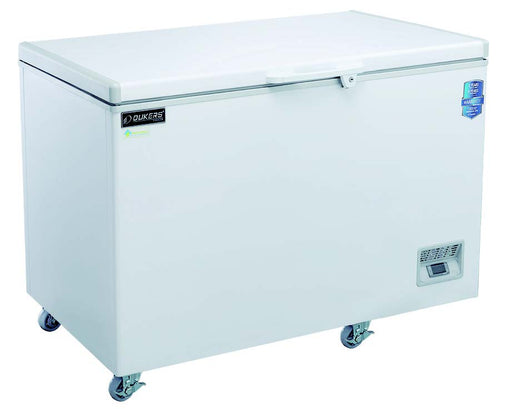
Dukers BD/BG420 12 cu ft Chest Freezer 50 inch
Dukers
Original price
$1,610.00
-
Original price
$1,610.00
Original price
$1,610.00
$1,610.00
-
$1,610.00
Current price
$1,610.00
Are you in the market for a reliable and efficient chest freezer? Look no further than the Dukers 12 cu ft Chest Freezer, a top-of-the-line applian...
View full details
Original price
$1,610.00
-
Original price
$1,610.00
Original price
$1,610.00
$1,610.00
-
$1,610.00
Current price
$1,610.00
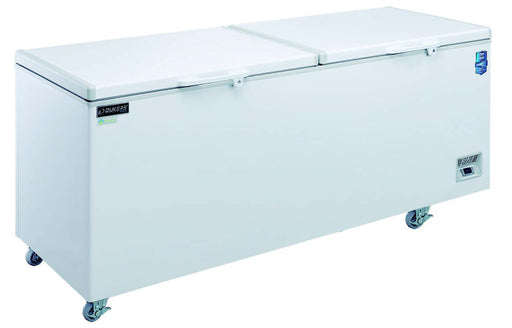
Dukers BD/BG520 15 cu ft Chest Freezer 60 inch
Dukers
Original price
$1,840.00
-
Original price
$1,840.00
Original price
$1,840.00
$1,840.00
-
$1,840.00
Current price
$1,840.00
Are you in the market for a reliable and efficient chest freezer? Look no further than the 15 cu ft chest freezer from Dukers. This chest freezer i...
View full details
Original price
$1,840.00
-
Original price
$1,840.00
Original price
$1,840.00
$1,840.00
-
$1,840.00
Current price
$1,840.00
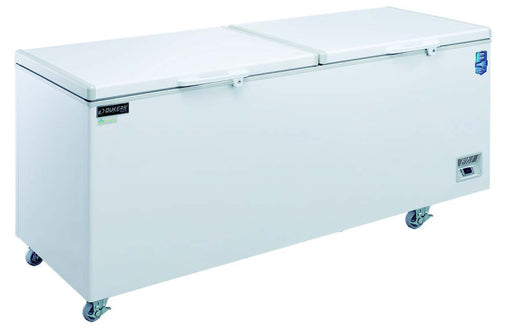
Dukers BD/BG620 20 cu ft Chest Freezer 72 inch
Dukers
Original price
$2,070.00
-
Original price
$2,070.00
Original price
$2,070.00
$2,070.00
-
$2,070.00
Current price
$2,070.00
Are you in the market for a reliable and spacious chest freezer? Look no further than the Dukers 20 cu ft Chest Freezer, a top-of-the-line applianc...
View full details
Original price
$2,070.00
-
Original price
$2,070.00
Original price
$2,070.00
$2,070.00
-
$2,070.00
Current price
$2,070.00
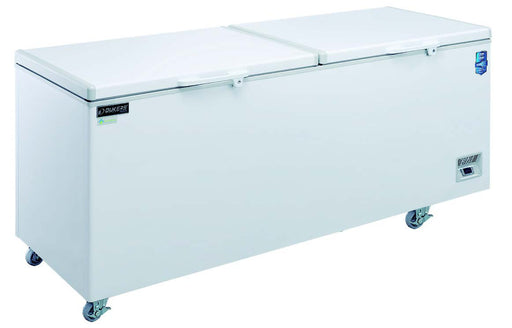
Dukers BD/BG760 24 cu ft Chest Freezer 84 inch
Dukers
Original price
$2,438.00
-
Original price
$2,438.00
Original price
$2,438.00
$2,438.00
-
$2,438.00
Current price
$2,438.00
Dukers Chest Freezer 84 inch Product description Chest Freezer, 83-5/8"W, bottom mount self-contained refrigeration, (2) solid hinged lid, (2) epox...
View full details
Original price
$2,438.00
-
Original price
$2,438.00
Original price
$2,438.00
$2,438.00
-
$2,438.00
Current price
$2,438.00
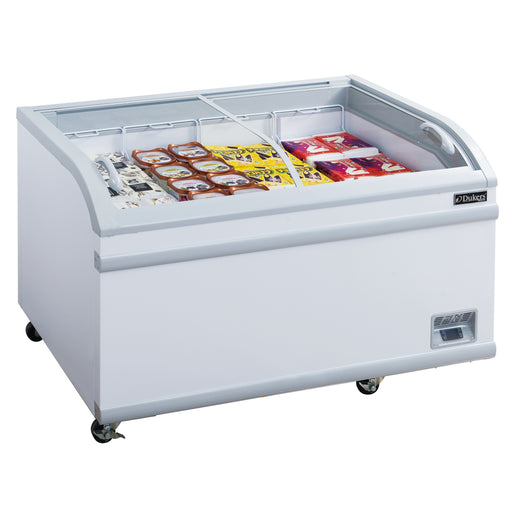
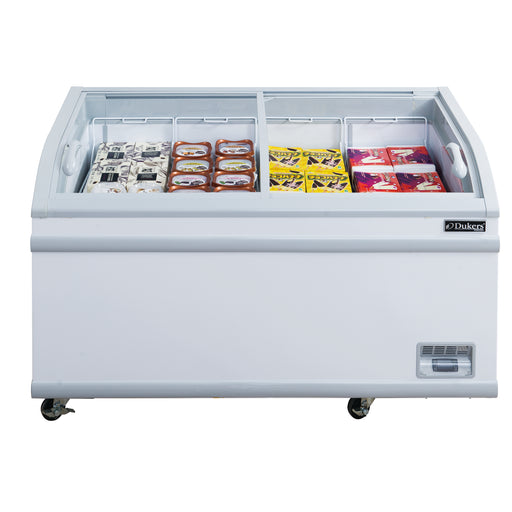
Dukers WD-500Y 18 cu ft Chest Freezer Curved Sliding Lid
Dukers
Original price
$3,174.00
Original price
$3,174.00
-
Original price
$3,174.00
Original price
$3,174.00
Current price
$2,222.00
$2,222.00
-
$2,222.00
Current price
$2,222.00
Dukers WD-500Y Curved Sliding Lid Chest Freezer Chest Freezer, 56-5/8"W, 17.66 cu. ft. capacity, bottom mount self-contained refrigeration, (2) cur...
View full details
Original price
$3,174.00
Original price
$3,174.00
-
Original price
$3,174.00
Original price
$3,174.00
Current price
$2,222.00
$2,222.00
-
$2,222.00
Current price
$2,222.00
Save 30%
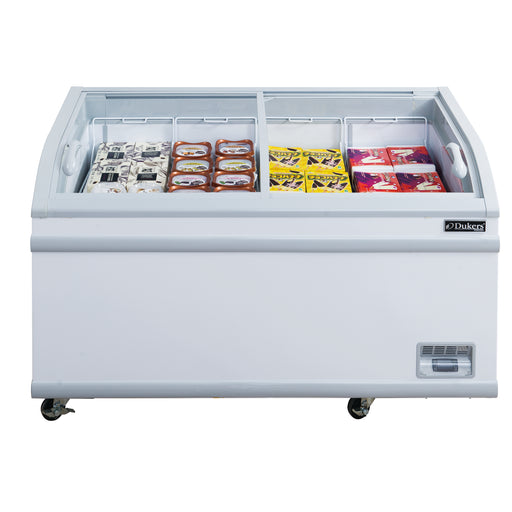
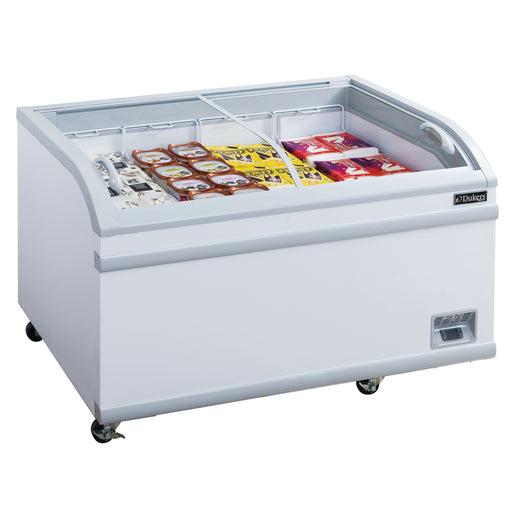
Dukers WD-700Y 24 cu ft Chest Freezer Curved Sliding Lid
Dukers
Original price
$3,174.00
Original price
$3,174.00
-
Original price
$3,174.00
Original price
$3,174.00
Current price
$2,958.00
$2,958.00
-
$2,958.00
Current price
$2,958.00
Dukers WD-700Y Curved Sliding Lid Chest Freezer Chest Freezer, 79-3/8"W, 24.72 cu. ft. capacity, bottom mount self-contained refrigeration, (2) cur...
View full details
Original price
$3,174.00
Original price
$3,174.00
-
Original price
$3,174.00
Original price
$3,174.00
Current price
$2,958.00
$2,958.00
-
$2,958.00
Current price
$2,958.00
Save 7%
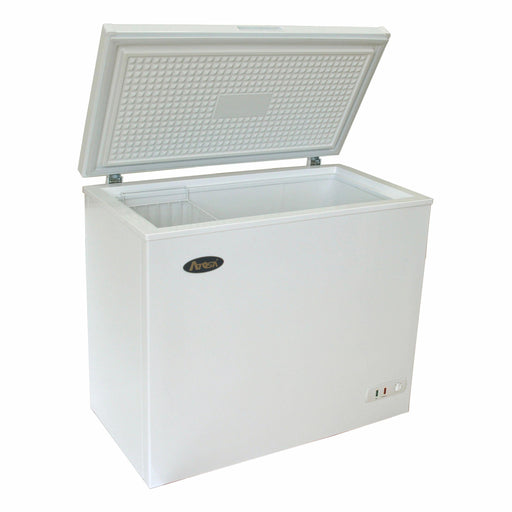
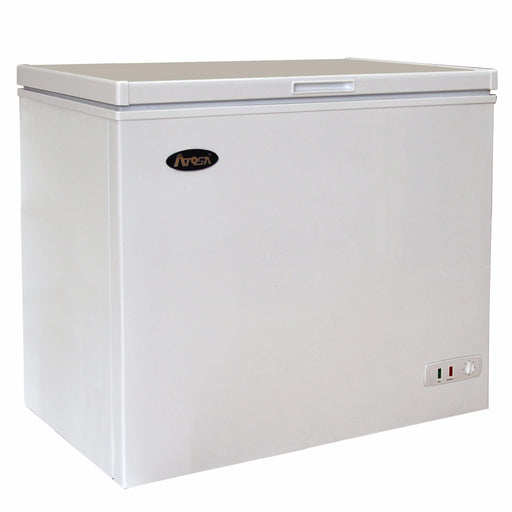
Atosa USA MWF9007 Commercial Chest Freezer - 7 Cubic Feet
AtosaAtosa USA MWF9007 Solid Top Ice Chest Freezer – 7 Cubic Feet The Atosa MWF9007 7 cu. ft. Chest Freezer delivers dependable commercial-grade f...
View full details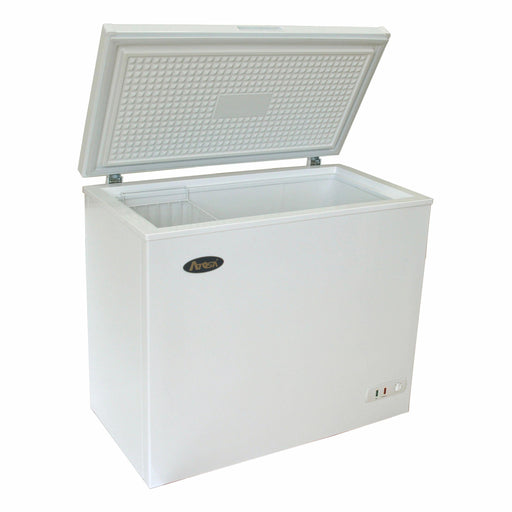
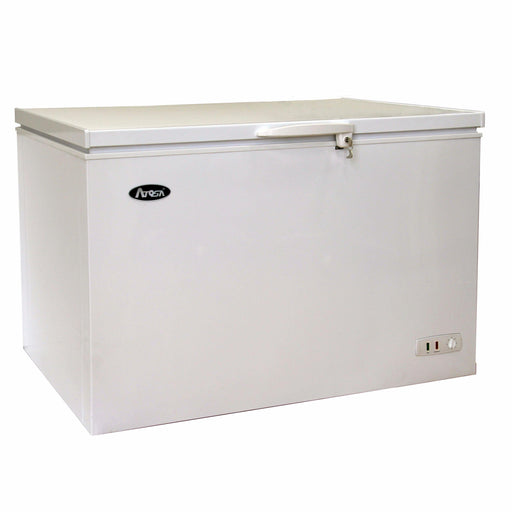
Atosa USA MWF9010GR Commercial Chest Freezer - 10 Cubic Feet
AtosaAtosa USA MWF9010 Solid Top Ice Chest Freezer – 10 Cubic Feet The Atosa MWF9010 10 cu ft Chest Freezer is a reliable, commercial-grade freezin...
View full details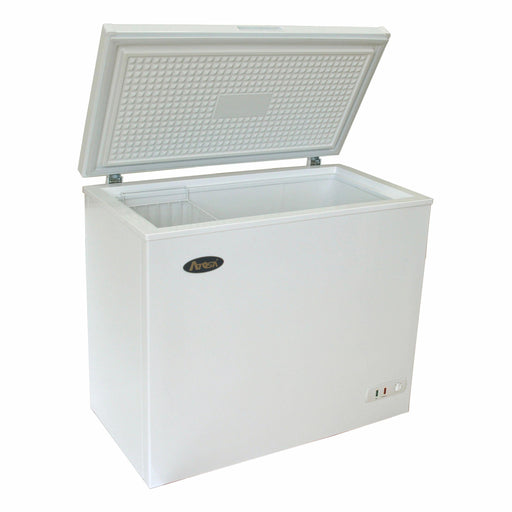
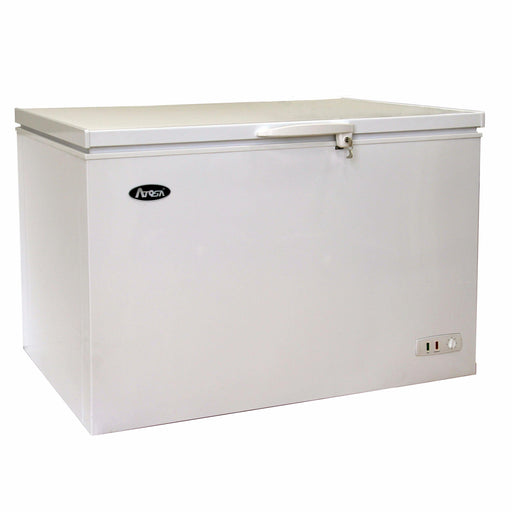
Atosa USA MWF9016GR Commercial Chest Freezer - 16 Cubic Feet
AtosaAtosa USA MWF9016 Solid Top Ice Chest Freezer – 16 Cubic Feet The Atosa MWF9016 16 cu. ft. Chest Freezer delivers high-capacity, commercial-g...
View full details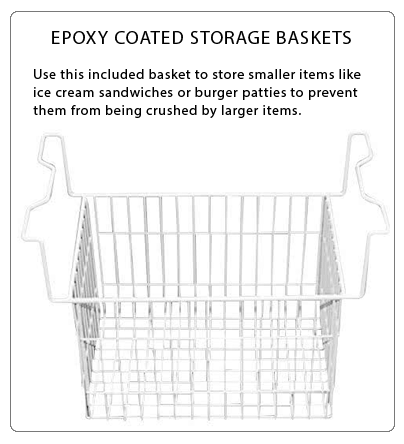
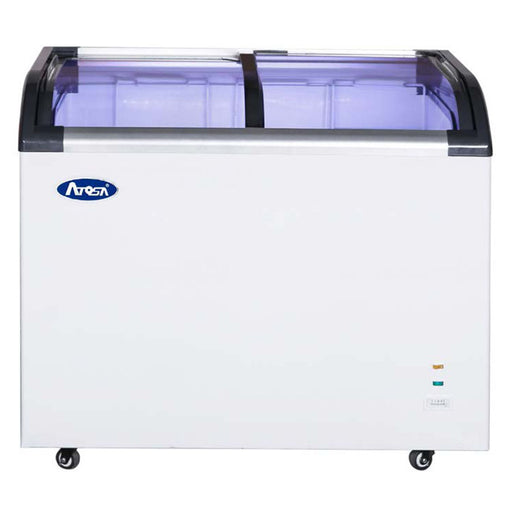
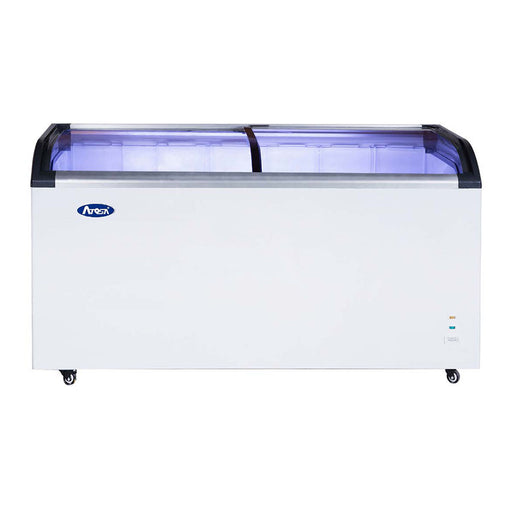
Atosa USA MMF9110 Angled Curve Top Ice Cream Freezer - 9 Cubic Feet
AtosaAtosa USA MMF9110 Angled Curve Top Ice Cream Freezer – 9 Cubic Feet The Atosa MMF9110 Glass Top Ice Cream Chest Freezer is built for business...
View full details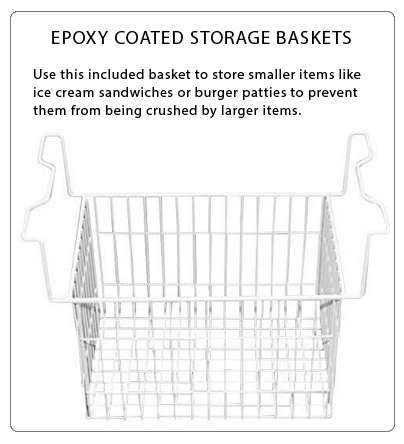
Atosa USA MMF9113 Angled Curve Top Ice Cream Freezer - 13 Cubic Feet
AtosaAtosa USA MMF9113 Angled Curve Top Ice Cream Freezer – 13 Cubic Feet The Atosa MMF9113 Glass Top Ice Cream Freezer is designed to maximize pr...
View full details
Omcan 44588 50 inch Ice Cream Dipping Cabinet
OmcanThis 49.6" ice cream dipping and display case offers a 290-liter capacity, accommodating eight tubs for display and six for storage, each holding t...
View full details
Omcan 44589 60 inch Ice Cream Dipping Cabinet
OmcanThe Omcan 44589 60-inch Ice Cream Dipping Cabinet offers a spacious 370-liter capacity, accommodating 10 display and 8 storage 3-gallon tubs. Featu...
View full details
Omcan 44590 26 inch Ice Cream Dipping Cabinet
OmcanThe Omcan 44590 26-inch Ice Cream Dipping Cabinet offers a 120-liter capacity designed to display four and store two 3-gallon tubs of ice cream eff...
View full details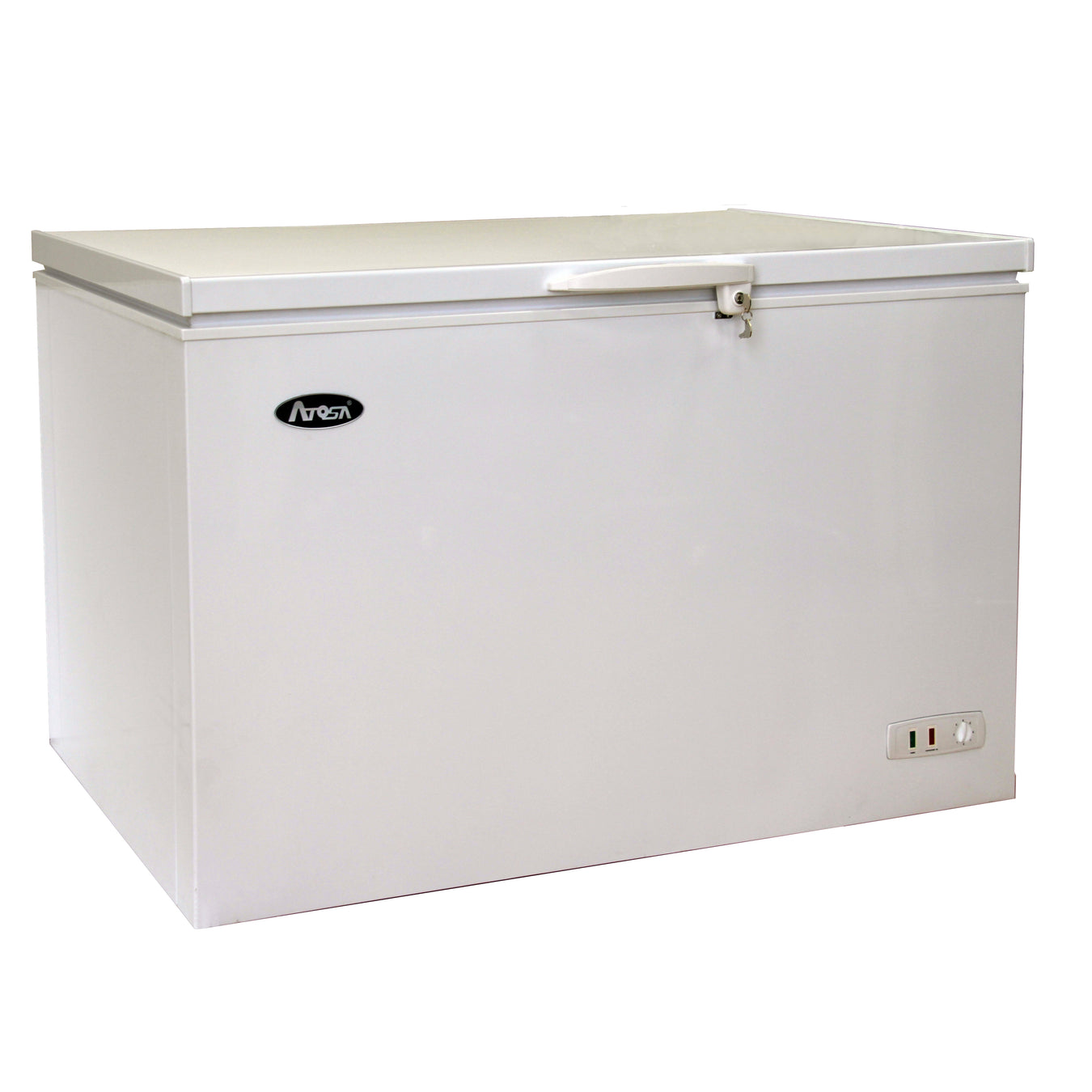
How to Choose the Right Commercial Chest Freezer
A commercial chest freezer is a horizontal, top-loading unit built for bulk frozen storage in restaurants, cafés, bars, convenience stores, catering operations, and food trucks. Unlike an upright reach-in freezer, a chest freezer prioritizes deep storage capacity and energy efficiency over shelf-based organization. The right size, defrost style, and construction can protect thousands of dollars in inventory and keep your kitchen running when the power goes out.
At The Restaurant Warehouse, every chest freezer in this collection is NSF-certified, built for continuous 24/7 operation, and holds product safely at 0°F (-18°C) or below when properly loaded and installed. Below is what to compare before you buy.
Chest Freezer Sizes and Capacity
Chest freezer capacity is measured in cubic feet, but what actually matters is how many pounds of packaged product you can fit inside. A useful rule of thumb: plan on 1 cubic foot per 35 to 40 pounds of packaged meat — for example, 200 lbs of chicken needs roughly 5 to 6 cubic feet of freezer space.
- Small (5 to 7 cu ft): Holds 50 to 100 lbs. Suited to tight spaces, backup storage, or a single frozen dessert category.
- Medium (8 to 14 cu ft): Holds 100 to 250 lbs. Fits most café and small-restaurant needs. A typical 10 cu ft chest freezer measures around 33 inches tall × 44 inches wide × 25 inches deep and holds about 350 pounds of food (roughly 288 liters).
- Large (15 to 25 cu ft): Holds 250 to 500 lbs. Handles high-volume restaurant operations. A 16 cu ft unit runs approximately 55 to 56 inches wide × 32 to 36 inches tall × 28 to 29 inches deep and holds around 560 pounds total (or 350 to 500 pounds of packaged meat depending on bone-in vs boneless cuts).
- Extra-Large (26+ cu ft): Holds 500+ lbs. Ideal for catering, commissaries, grocers, and operators buying whole animals or bulk seafood.
Take a tape measure to both your intended installation spot and the doorways, hallways, and corners the freezer needs to travel through to reach it. A perfect freezer that cannot fit through the delivery door is just a very large cold box.
Chest Freezer vs Upright Reach-In Freezer
The single most-asked freezer question in commercial kitchens is chest vs upright. The right answer depends on how often you pull product, how much floor space you have, and whether ceiling clearance is a limiting factor.
- Cold air retention. Cold air is denser than warm air, so it sinks. When you open the lid of a chest freezer, the cold air tends to stay inside the basin instead of spilling out. Upright reach-in freezers lose cold air every time the door swings open. This makes chest freezers inherently more energy-efficient for the same cubic foot of storage.
- Emergency holding. A well-stocked chest freezer can keep food safely frozen for two to three days during a power outage, provided the lid stays closed. Uprights typically lose safe temperature in 4 to 24 hours depending on load.
- Footprint. Upright reach-in freezers typically run 60 to 73 inches tall × 23 to 30 inches wide × 27 to 30 inches deep — a taller, narrower footprint that trades floor space for vertical access. Chest freezers are wider and shorter — better if you have ceiling clearance limitations, and the flat top doubles as extra staging or light prep space during service.
- Access speed. Uprights win here. If your team pulls frozen product constantly during service, an upright on the line and a chest freezer in the back for overflow is the standard pairing most operators land on.
Manual vs Auto Defrost
Defrost style is the second big decision. Most commercial chest freezers ship as manual defrost, which is generally the right choice for bulk frozen storage.
- Manual defrost models are more energy-efficient and maintain a more consistent, colder internal temperature. That stability is better for preventing freezer burn on long-term stored items like frozen meats and proteins. The trade-off is you need to empty the freezer, melt the ice, and drain it periodically. Look for a front-mounted drain plug — it lets you attach a hose or place a catch pan without tipping or moving the entire unit, turning a major chore into a 20-minute task.
- Auto-defrost (frost-free) models handle this for you, but the cycles that prevent ice buildup cause minor temperature fluctuations. Better for convenience, worse for long-term product quality.
Rule of thumb: do not let ice build up more than a quarter-inch thick on a manual model — it forces the compressor to work harder and drives up energy costs.
Construction, Compressor, and Warranty
A commercial kitchen chews up equipment. When comparing chest freezers, look for these build-quality signals:
- Stainless steel lid and interior liner — easier to clean and resists corrosion better than painted steel.
- Heavy-duty hinges that can withstand constant opening and closing throughout service.
- Magnetic door gaskets in good condition — a poor seal is the single most common cause of frost buildup and premature compressor wear.
- 3 inches of insulation or more — thicker insulation holds temperature better and reduces compressor cycling.
- Certifications. Confirm the unit is NSF-certified (food safety and cleanability), UL 471 listed (electrical and mechanical safety for commercial refrigeration), and CSA approved. A residential freezer used in a commercial kitchen fails all three of those standards and can trigger health-code violations.
- Compressor warranty. The compressor is the most expensive component to replace. A long compressor warranty is one of the best signals of build quality you can look for. Industry standard is 2 years parts and labor plus a 5-year compressor warranty. Atosa units in this collection carry that coverage and use R-290 refrigerant — a low-GWP natural refrigerant that is both environmentally compliant and highly efficient.
Energy Efficiency and Operating Cost
A freezer runs 24 hours a day, 7 days a week — its energy consumption will be a constant line on your utility bill. When comparing models:
- Look for the ENERGY STAR label. Certified models use approximately 20% less energy than standard non-certified units.
- Check the EnergyGuide label for estimated annual kWh consumption. Multiply by your local electricity rate to get a real-world dollar figure to compare across models.
- Keep the freezer away from heat-producing equipment (fryers, ovens, grills, dish machines). Ambient heat forces the compressor to work harder and shortens its life.
- Leave 3 to 6 inches of clearance on all sides for proper air circulation to the compressor.
Installation and Electrical Requirements
Most small and mid-size chest freezers (roughly 10 cu ft and under) run on a standard grounded 115V outlet. Larger commercial units may require dedicated 20-amp service. Confirm the specific product page before you order.
One detail that catches people off guard on delivery day: if the freezer was tilted during transport, let it stand upright for at least 4 hours before plugging it in. Tilting can cause compressor oil to shift into the refrigerant lines, and running the unit immediately can cause permanent compressor damage. After you plug it in, wait another 24 hours before loading product — this gives the refrigerant time to settle and the cabinet to reach setpoint.
Temperature Settings and Food Safety
The commercial freezer standard is to keep the internal temperature at or below 0°F (-18°C). Set your thermostat to -10°F as a working target — it gives you a buffer against door traffic and ambient heat, keeping food safely below 0°F at all times.
Don't rely solely on the built-in thermostat. Place a separate NSF-listed appliance thermometer inside the unit, and log the temperature at the start of every shift. The easiest way to make sure this actually happens: fold freezer checks into your existing line check or opening duty list rather than treating it as a separate task. If it lives on the same sheet your team already signs off on, it gets done.
Chest Freezer Organization That Actually Works
A giant open freezer becomes a frozen abyss without a system. The most effective approach:
- Labeled, stackable clear bins grouped by category — one for poultry, one for vegetables, one for prepped sauces. Clear sides let staff identify contents without digging.
- Vertical dividers for vacuum-sealed packages and flat-packed proteins.
- Sliding baskets or hanging baskets at the top for frequently accessed items so they do not get lost at the bottom.
- Zone by access frequency — daily-use items in the top layer, weekly-use in the middle, long-term backup at the bottom.
- FIFO labels on every item — item name, date frozen, use-by date, and initials of the person who packed it. Color coding by category or week makes FIFO visible at a glance.
- Laminated freezer map or inventory list taped to the inside of the lid — chest freezers make FIFO harder than uprights because newer items naturally end up on top, burying older stock. A visible map counters that.
Chest Freezer Maintenance Schedule
A consistent maintenance routine is your best defense against unexpected breakdowns. Build these into your existing line-check habits:
- Daily: Check that the lid gasket is clean and sealing tightly. Log the temperature at the start of each shift.
- Weekly: Wipe down interior and exterior surfaces with a food-safe cleaner. Clean gaskets with warm, soapy water to remove grime.
- Monthly: Inspect and clean the condenser coils every 30 to 90 days depending on how greasy or dusty your kitchen is. Dust buildup on the coils is the #1 preventable cause of compressor failure.
- Quarterly: Full defrost on manual models. Deep-clean the interior with a solution of warm water and baking soda. Check hinges, casters, and drain plug operation.
Match Lid Access to Your Storage Routine
Choose the lid arrangement around where the freezer will sit and how your team retrieves stock. For back-of-house bulk storage, compare suitable solid-lid models. If customers need to see packaged frozen products, a glass-top display may serve a different purpose; compare the ice cream display freezers and dipping cabinets rather than choosing by cabinet shape alone.
Check the clearance needed to open a hinged lid fully, the reach to the bottom of the cabinet, and access to baskets or dividers. Where a model offers split lids, consider whether your inventory can be organized into separate sections. Verify the exact configuration and any lid lock on the selected model rather than assuming every chest freezer includes them.
Plan for Seasonal Stock Without Oversizing by Guesswork
Base capacity on the packages you actually receive, the time between deliveries, and your busiest realistic stockholding period. A catering order, holiday menu, or seasonal promotion may need temporary reserve space that your normal weekly inventory does not. Make a simple inventory plan before deciding how much additional capacity is justified.
- Normal stock: List the cases, cartons, and prepared items you usually hold between deliveries.
- Peak stock: Add the specific reserve quantities needed for known busy periods or booked events.
- Usable layout: Allow for package shape, approved baskets, access, and the manufacturer's loading instructions.
- Purchase trade-off: Compare the additional capacity with available space, model-specific energy use, and how often you expect to need it.
More cubic feet are not automatically a better investment. Compare the complete cost of getting the freezer into service, including delivery access, electrical preparation, required accessories, and the actual warranty and service arrangements.
Give Staff a Retrieval and Fault-Response Plan
Make the inventory map part of staff training so employees can locate stock before opening the freezer. Where practical, group planned retrievals instead of repeatedly searching during a rush. Keep packages clear of the closing path and return stock to its assigned position so the next employee can find it.
Decide in advance who responds to an abnormal temperature reading or a lid that no longer closes properly. Protect affected inventory using your food-safety procedures and suitable backup storage, then follow the manual's troubleshooting guidance. Persistent temperature problems, damaged electrical components, or suspected refrigeration faults require qualified service rather than repeated adjustments or improvised repairs.
Chest Freezer Buying Checklist
Before you buy, run through this checklist:
- Measure your space. Confirm floor footprint and delivery path (doorways, hallways, corners).
- Confirm capacity. Match cubic feet to your weekly frozen inventory volume. Under-buying forces you to overfill, which kills airflow. Over-buying wastes energy running empty space.
- Check defrost style. Manual for long-term storage stability. Auto for convenience with slightly warmer averages.
- Verify electrical requirements. 115V standard vs 208-230V dedicated. Match to your available outlet before ordering.
- Look for ENERGY STAR. Roughly 20% lower annual electricity cost.
- Confirm warranty terms. 2 years parts and labor plus 5 years on the compressor is the commercial standard.
- Read the return policy. Many freezer sales carry restocking fees up to 35% if you refuse delivery or return without authorization. Know the terms before you sign.
Compare Other Commercial Freezer Types
Chest freezers are one type of commercial freezer. Depending on your operation, you may also want to compare them against these formats:
- Upright Reach-In Freezers — vertical shelving for line-level access
- Undercounter Freezers — under-line freezer storage in smaller footprints
- Glass Door Freezers — product visibility for merchandising
- Ice Cream Freezers — dedicated display-oriented frozen storage
- Merchandising Freezers — customer-facing frozen display
- Atosa Freezers — the brand-specific lineup we stock most heavily
- Commercial Freezers — full parent category
Related Buying Guides
- Commercial Freezer Temperature Guide
- Commercial Freezer Troubleshooting Guide
- Commercial Freezer Maintenance
- Atosa Refrigerator and Freezer Operating Instructions
Frequently Asked Questions
What is a commercial chest freezer?
A commercial chest freezer is a horizontal, top-loading freezer engineered for continuous 24/7 operation, holding product safely at 0°F or below. It is NSF-certified and built with heavier insulation, stronger compressors, and more durable materials than a residential chest freezer.
What size chest freezer do I need for a restaurant?
Plan on roughly 1 cubic foot of freezer space per 35 to 40 pounds of packaged frozen product. A small café can typically get by with a 10 cu ft unit (about 350 lbs of storage). A busy full-service restaurant usually needs 15 to 25 cu ft. Catering operations and commissaries often need 26+ cu ft.
What is the difference between a chest freezer and an upright reach-in freezer?
Chest freezers store more product per dollar, use less energy, and hold temperature longer during power outages (2 to 3 days with the lid closed). Upright reach-in freezers offer faster access, vertical shelf organization, and a smaller floor footprint. Most restaurants use both: an upright on the line and a chest freezer in the back for overflow.
Manual defrost or auto-defrost for a commercial chest freezer?
Manual defrost for most commercial applications. It maintains more consistent cold temperatures, is more energy-efficient, and better preserves long-term frozen product. Auto-defrost is more convenient but causes minor temperature fluctuations. Look for a front-mounted drain plug either way.
What temperature should a commercial chest freezer be set to?
Set the thermostat to -10°F. This gives you a buffer against door traffic and ambient heat, keeping product safely below the 0°F food-safety threshold at all times. Log the temperature at the start of every shift.
Can I use a residential chest freezer in my restaurant?
No. Residential freezers fail NSF, UL 471, and CSA certification requirements for commercial foodservice. They are built for a few dozen door openings per day, not commercial-kitchen traffic. Running one in a restaurant typically kills the compressor in 12 to 24 months, voids the warranty, and can trigger health-code violations.
How long can a chest freezer keep food frozen during a power outage?
A well-stocked commercial chest freezer keeps food safely frozen for 2 to 3 days during a power outage, provided the lid stays closed. This is significantly longer than upright reach-in freezers, which typically lose safe temperature in 4 to 24 hours.
What warranty should I expect on a commercial chest freezer?
Industry standard is 2 years parts and labor plus a 5-year compressor warranty. The compressor is the most expensive component to replace, so a long compressor warranty is one of the best signals of build quality.
Do you rent commercial chest freezers?
Yes. The Restaurant Warehouse rents commercial freezers to pop-ups, catering operators, seasonal businesses, and any operator who wants freezer capacity without a long-term commitment. Rental terms are flexible and include maintenance. See our restaurant equipment rental page.