
Atosa Freezers

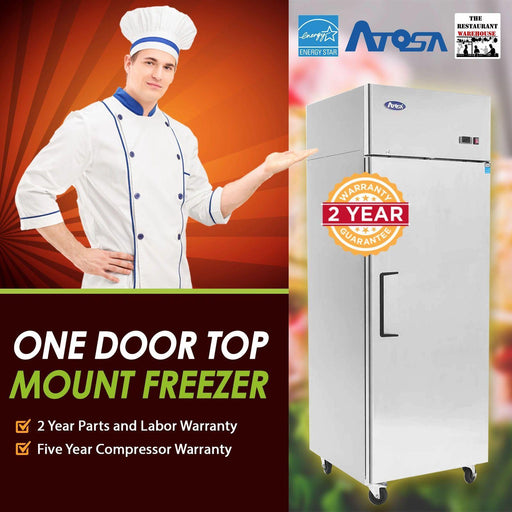
Atosa MBF8001GR 29-Inch 21.4 cu. ft. Commercial Freezer
Atosa
Original price
$3,396.00
Original price
$3,396.00
-
Original price
$3,396.00
Original price
$3,396.00
Current price
$2,447.00
$2,447.00
-
$2,447.00
Current price
$2,447.00
Atosa MBF8001GR Commercial Reach-In Freezer for Sale – Solid Door Atosa MBF8001GR commercial reach-in freezer for sale is designe...
View full details
Original price
$3,396.00
Original price
$3,396.00
-
Original price
$3,396.00
Original price
$3,396.00
Current price
$2,447.00
$2,447.00
-
$2,447.00
Current price
$2,447.00
Save 28%
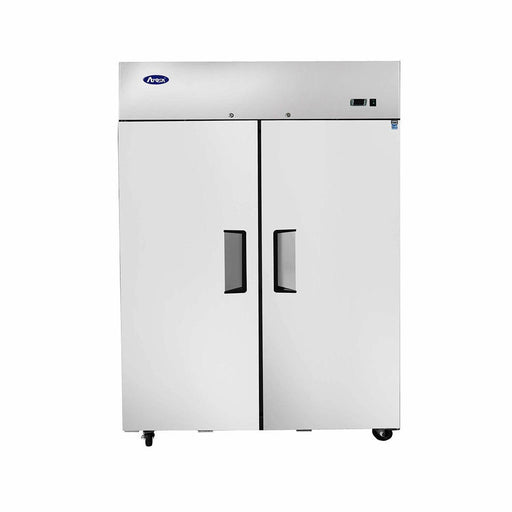
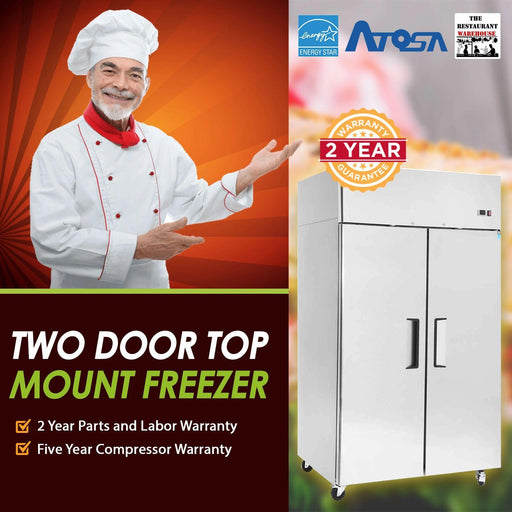
Atosa MBF8002GR 52-Inch Two Door 43.2 cu. ft. Commercial Freezer
Atosa
Original price
$5,206.00
Original price
$5,206.00
-
Original price
$5,206.00
Original price
$5,206.00
Current price
$3,751.00
$3,751.00
-
$3,751.00
Current price
$3,751.00
Atosa MBF8002GR 52-Inch Two-Door Commercial Reach-In Freezer In stock and built for daily commercial use. The Atosa MBF8002GR co...
View full details
Original price
$5,206.00
Original price
$5,206.00
-
Original price
$5,206.00
Original price
$5,206.00
Current price
$3,751.00
$3,751.00
-
$3,751.00
Current price
$3,751.00
Save 28%
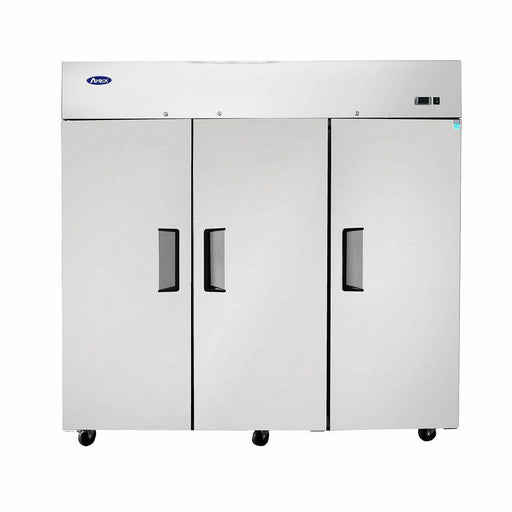
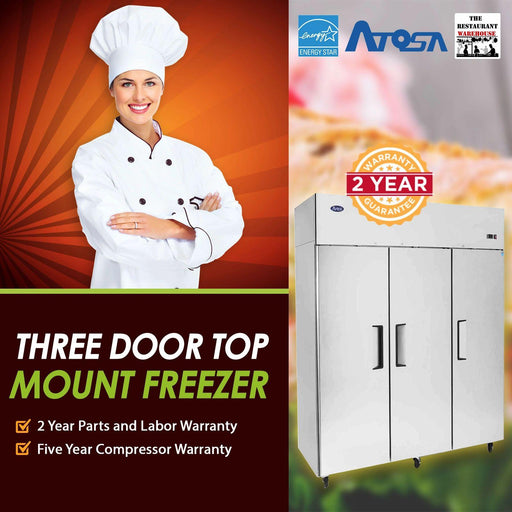
Atosa MBF8003GR 78-Inch Three Door 64.9 cu. ft. Commercial Freezer
Atosa
Original price
$7,356.00
Original price
$7,356.00
-
Original price
$7,356.00
Original price
$7,356.00
Current price
$5,300.00
$5,300.00
-
$5,300.00
Current price
$5,300.00
Atosa MBF8003GR 3-Door Commercial Reach-In Freezer – 64.9 Cu Ft Built for high-volume commercial kitchens that need maximum frozen storage an...
View full details
Original price
$7,356.00
Original price
$7,356.00
-
Original price
$7,356.00
Original price
$7,356.00
Current price
$5,300.00
$5,300.00
-
$5,300.00
Current price
$5,300.00
Save 28%
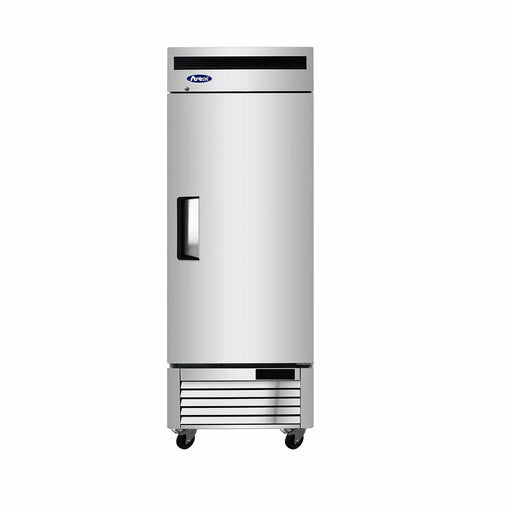
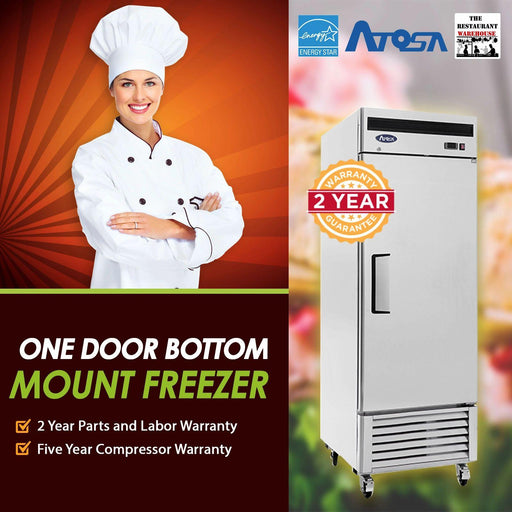
Atosa MBF8501GR 27-Inch One Door 19.1 cu. ft. Commercial Freezer
Atosa
Original price
$3,624.00
Original price
$3,624.00
-
Original price
$3,624.00
Original price
$3,624.00
Current price
$2,612.00
$2,612.00
-
$2,612.00
Current price
$2,612.00
Atosa MBF8501GR 27-Inch One Door Commercial Reach-In Freezer In Stock. Ships in 1 business day (same-day ...
View full details
Original price
$3,624.00
Original price
$3,624.00
-
Original price
$3,624.00
Original price
$3,624.00
Current price
$2,612.00
$2,612.00
-
$2,612.00
Current price
$2,612.00
Save 28%
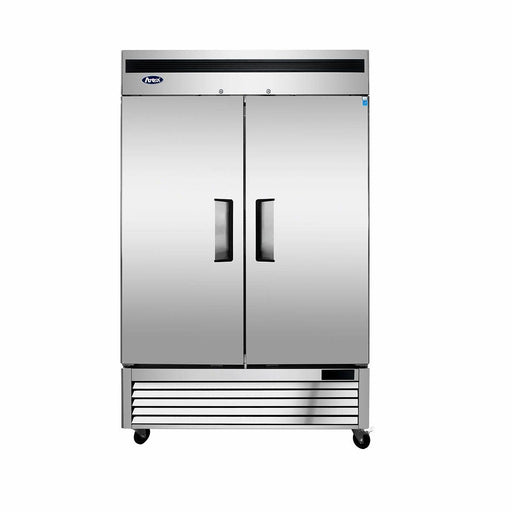
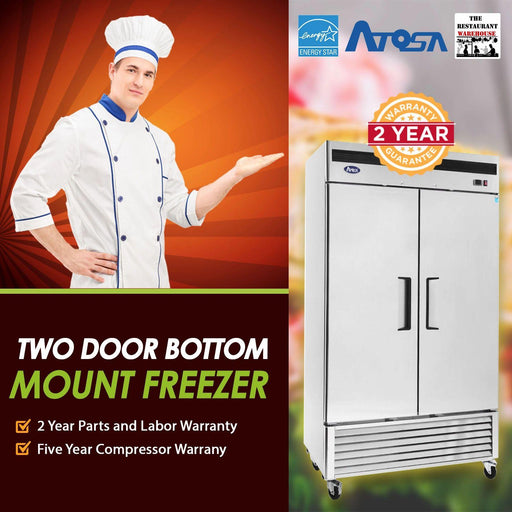
Atosa MBF8503GR 55-Inch Two Door 44.77 cu. ft. Commercial Freezer
Atosa
Original price
$5,434.00
Original price
$5,434.00
-
Original price
$5,434.00
Original price
$5,434.00
Current price
$3,916.00
$3,916.00
-
$3,916.00
Current price
$3,916.00
Atosa MBF8503GR 55-Inch Two Door Commercial Reach-In Freezer – ENERGY STAR® Purchase Highlights In stock Ships i...
View full details
Original price
$5,434.00
Original price
$5,434.00
-
Original price
$5,434.00
Original price
$5,434.00
Current price
$3,916.00
$3,916.00
-
$3,916.00
Current price
$3,916.00
Save 28%
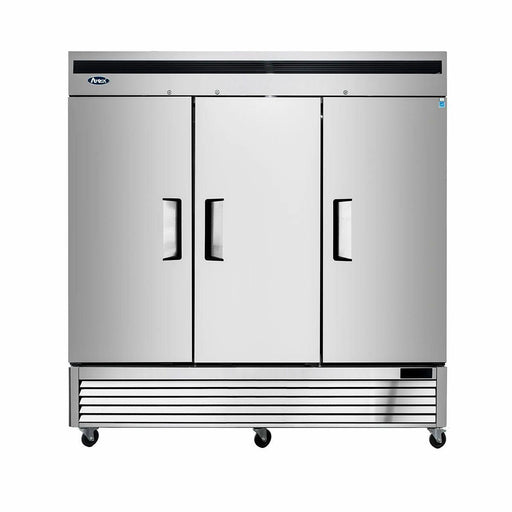
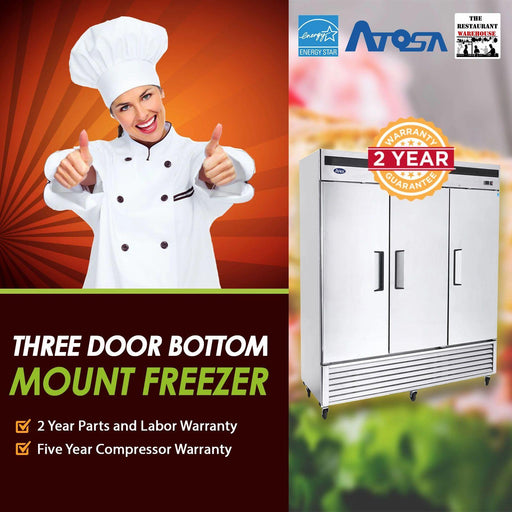
Atosa MBF8504GR 82-Inch Three Door 71 cu. ft. Commercial Freezer
Atosa
Original price
$7,751.00
Original price
$7,751.00
-
Original price
$7,751.00
Original price
$7,751.00
Current price
$5,585.00
$5,585.00
-
$5,585.00
Current price
$5,585.00
Atosa MBF8504GR 82-Inch Three Door Commercial Reach-In Freezer – 71.0 cu. ft. Purchase Highlights In stock ...
View full details
Original price
$7,751.00
Original price
$7,751.00
-
Original price
$7,751.00
Original price
$7,751.00
Current price
$5,585.00
$5,585.00
-
$5,585.00
Current price
$5,585.00
Save 28%
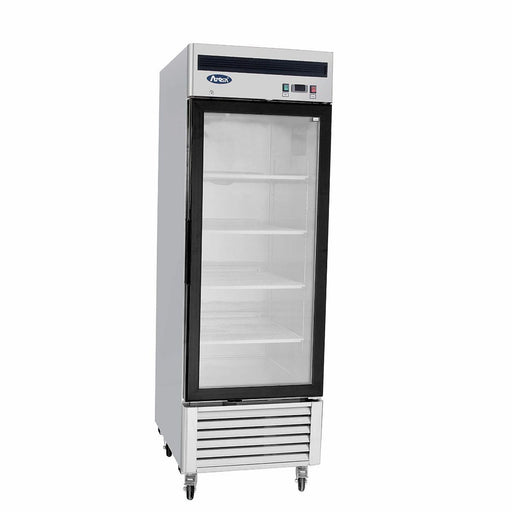
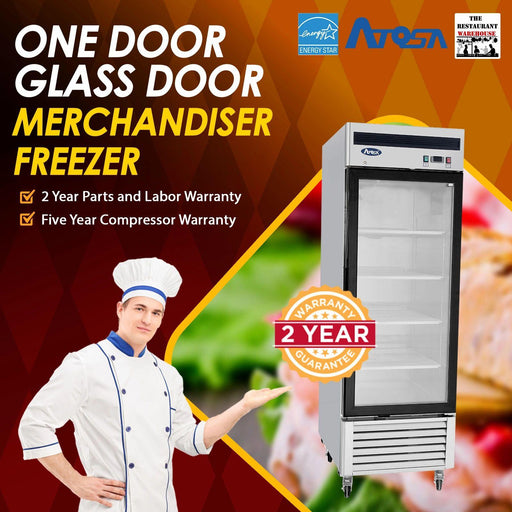
Atosa USA MCF8701GR 27-Inch Glass One Door Merchandiser Upright Freezer
Atosa
Original price
$3,962.00
Original price
$3,962.00
-
Original price
$3,962.00
Original price
$3,962.00
Current price
$2,855.00
$2,855.00
-
$2,855.00
Current price
$2,855.00
Atosa USA MCF8701GR 27-Inch Glass One Door Merchandiser Upright Freezer The Atosa USA MCF8701GR is a commercial-grade glass door merchandiser f...
View full details
Original price
$3,962.00
Original price
$3,962.00
-
Original price
$3,962.00
Original price
$3,962.00
Current price
$2,855.00
$2,855.00
-
$2,855.00
Current price
$2,855.00
Save 28%
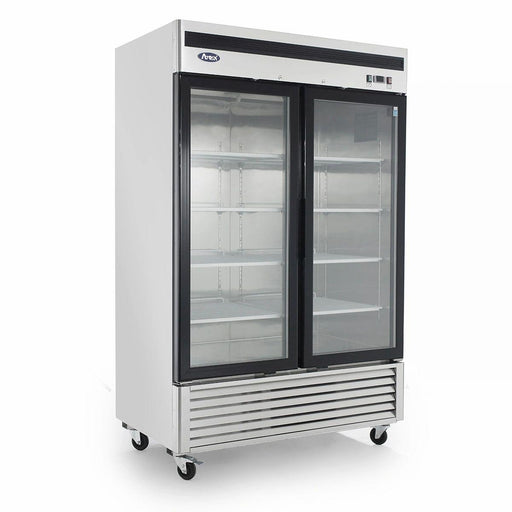
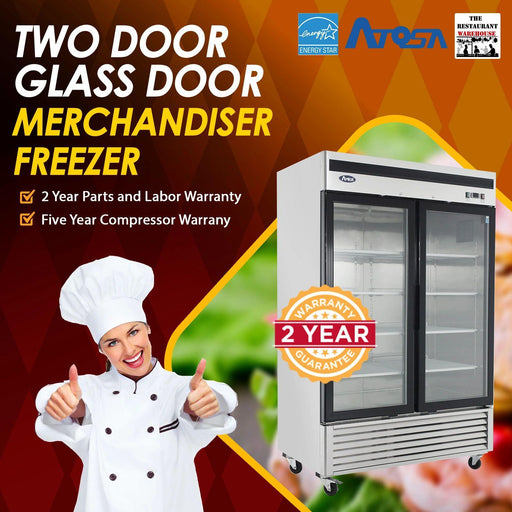
Atosa USA MCF8703ES 55-Inch Glass Two Door Merchandiser Upright Freezer
Atosa
Original price
$6,111.00
Original price
$6,111.00
-
Original price
$6,111.00
Original price
$6,111.00
Current price
$4,403.00
$4,403.00
-
$4,403.00
Current price
$4,403.00
Atosa USA MCF8703ES 55-Inch Glass Two Door Merchandiser Upright Freezer The Atosa USA MCF8703ES is a commercial two glass door merchandiser fre...
View full details
Original price
$6,111.00
Original price
$6,111.00
-
Original price
$6,111.00
Original price
$6,111.00
Current price
$4,403.00
$4,403.00
-
$4,403.00
Current price
$4,403.00
Save 28%
Atosa USA MCF8701GRL 27-Inch Glass One Door Left Hinge Merchandiser Freezer
Atosa
Original price
$3,962.00
Original price
$3,962.00
-
Original price
$3,962.00
Original price
$3,962.00
Current price
$2,855.00
$2,855.00
-
$2,855.00
Current price
$2,855.00
Atosa USA MCF8701GRL 27-Inch Glass One Door Merchandiser Upright Freezer - Left Hinge The Atosa USA MCF8701GRL is a commercial glass door merchandi...
View full details
Original price
$3,962.00
Original price
$3,962.00
-
Original price
$3,962.00
Original price
$3,962.00
Current price
$2,855.00
$2,855.00
-
$2,855.00
Current price
$2,855.00
Save 28%


Atosa USA MGF8420GR 27-inch Two-Drawer Undercounter Freezer
Atosa
Original price
$3,265.00
Original price
$3,265.00
-
Original price
$3,265.00
Original price
$3,265.00
Current price
$2,353.00
$2,353.00
-
$2,353.00
Current price
$2,353.00
Atosa USA MGF8420GR 27-Inch Two-Drawer Undercounter Freezer The Atosa USA MGF8420GR two-drawer undercounter freezer is engineered for professiona...
View full details
Original price
$3,265.00
Original price
$3,265.00
-
Original price
$3,265.00
Original price
$3,265.00
Current price
$2,353.00
$2,353.00
-
$2,353.00
Current price
$2,353.00
Save 28%


Atosa AUF24SD 24 inch Undercounter Freezer
Atosa
Original price
$2,265.00
Original price
$2,265.00
-
Original price
$2,265.00
Original price
$2,265.00
Current price
$1,632.00
$1,632.00
-
$1,632.00
Current price
$1,632.00
Atosa AUF24SD 24" Undercounter Freezer — One-Section Reach-In The Atosa AUF24SD is a 24-inch one-section undercounter freezer engineered to delive...
View full details
Original price
$2,265.00
Original price
$2,265.00
-
Original price
$2,265.00
Original price
$2,265.00
Current price
$1,632.00
$1,632.00
-
$1,632.00
Current price
$1,632.00
Save 28%


Atosa AUF27SD 27 inch Undercounter Freezer
Atosa
Original price
$2,265.00
Original price
$2,265.00
-
Original price
$2,265.00
Original price
$2,265.00
Current price
$1,632.00
$1,632.00
-
$1,632.00
Current price
$1,632.00
Atosa AUF27SD 27" Undercounter Freezer — One-Section Reach-In The Atosa AUF27SD is a 27-inch one-section undercounter freezer that delivers true c...
View full details
Original price
$2,265.00
Original price
$2,265.00
-
Original price
$2,265.00
Original price
$2,265.00
Current price
$1,632.00
$1,632.00
-
$1,632.00
Current price
$1,632.00
Save 28%


Atosa AUF36SD 36 inch Undercounter Freezer
Atosa
Original price
$2,884.00
Original price
$2,884.00
-
Original price
$2,884.00
Original price
$2,884.00
Current price
$2,078.00
$2,078.00
-
$2,078.00
Current price
$2,078.00
Atosa AUF36SD 36" Undercounter Freezer — Two-Section Reach-In The Atosa AUF36SD is a 36-inch two-section undercounter freezer that delivers 8.6 cu...
View full details
Original price
$2,884.00
Original price
$2,884.00
-
Original price
$2,884.00
Original price
$2,884.00
Current price
$2,078.00
$2,078.00
-
$2,078.00
Current price
$2,078.00
Save 28%


Atosa AUF48SD 48 inch Undercounter Freezer
Atosa
Original price
$3,285.00
Original price
$3,285.00
-
Original price
$3,285.00
Original price
$3,285.00
Current price
$2,367.00
$2,367.00
-
$2,367.00
Current price
$2,367.00
Atosa AUF48SD 48" Undercounter Freezer — Two-Section Reach-In The Atosa AUF48SD is a 48-inch two-section undercounter freezer that delivers 11.8 c...
View full details
Original price
$3,285.00
Original price
$3,285.00
-
Original price
$3,285.00
Original price
$3,285.00
Current price
$2,367.00
$2,367.00
-
$2,367.00
Current price
$2,367.00
Save 28%


Atosa AUF60SD 60 inch Undercounter Freezer
Atosa
Original price
$3,285.00
Original price
$3,285.00
-
Original price
$3,285.00
Original price
$3,285.00
Current price
$2,674.00
$2,674.00
-
$2,674.00
Current price
$2,674.00
Atosa AUF60SD 60" Undercounter Freezer — Two-Section Reach-In The Atosa AUF60SD is a 60-inch two-section undercounter freezer that delivers 15 cub...
View full details
Original price
$3,285.00
Original price
$3,285.00
-
Original price
$3,285.00
Original price
$3,285.00
Current price
$2,674.00
$2,674.00
-
$2,674.00
Current price
$2,674.00
Save 19%
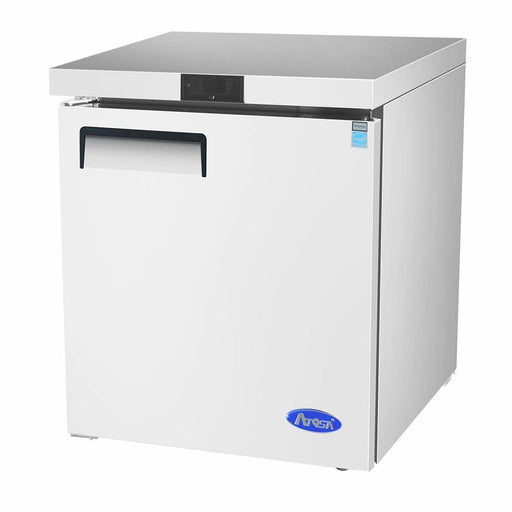
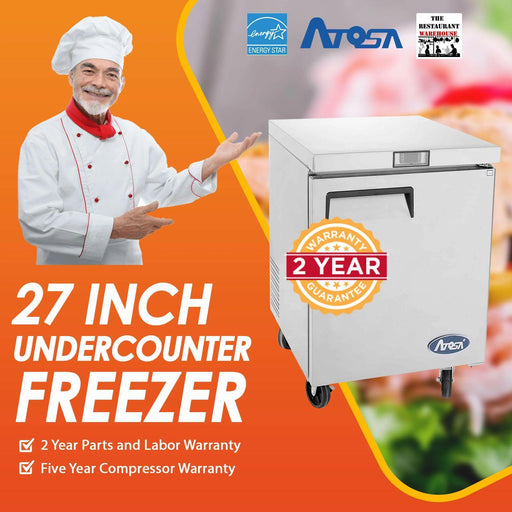
Atosa USA MGF8405GR Undercounter 27-Inch One Door Freezer
Atosa
Original price
$2,265.00
Original price
$2,265.00
-
Original price
$2,265.00
Original price
$2,265.00
Current price
$1,632.00
$1,632.00
-
$1,632.00
Current price
$1,632.00
Product Update: The Atosa MGF8405GR has been replaced by the new Atosa AUF27SD — same 27-inch undercounter freezer footprint, upgraded electronic c...
View full details
Original price
$2,265.00
Original price
$2,265.00
-
Original price
$2,265.00
Original price
$2,265.00
Current price
$1,632.00
$1,632.00
-
$1,632.00
Current price
$1,632.00
Save 28%
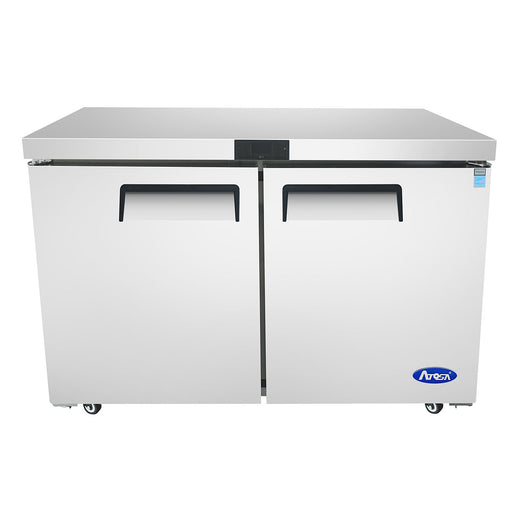
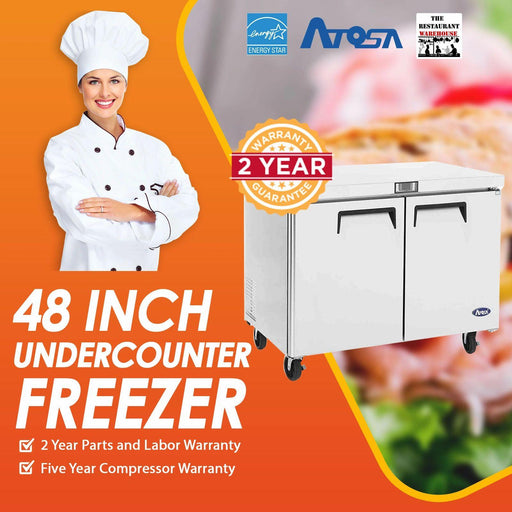
Atosa USA MGF8406GR Undercounter 48-Inch Two Door Freezer
Atosa
Original price
$3,285.00
Original price
$3,285.00
-
Original price
$3,285.00
Original price
$3,285.00
Current price
$2,367.00
$2,367.00
-
$2,367.00
Current price
$2,367.00
Product Update: The Atosa MGF8406GR has been replaced by the new Atosa AUF48SD — same 48-inch undercounter freezer footprint, upgraded electronic c...
View full details
Original price
$3,285.00
Original price
$3,285.00
-
Original price
$3,285.00
Original price
$3,285.00
Current price
$2,367.00
$2,367.00
-
$2,367.00
Current price
$2,367.00
Save 28%


Atosa AUF27D2 27 inch Undercounter Freezer with Drawers
Atosa
Original price
$3,265.00
Original price
$3,265.00
-
Original price
$3,265.00
Original price
$3,265.00
Current price
$2,353.00
$2,353.00
-
$2,353.00
Current price
$2,353.00
Atosa AUF27D2 27" Undercounter Freezer with Drawers - 2-Drawer Base The Atosa AUF27D2 is a 27-inch two-drawer undercounter freezer engineered for ...
View full details
Original price
$3,265.00
Original price
$3,265.00
-
Original price
$3,265.00
Original price
$3,265.00
Current price
$2,353.00
$2,353.00
-
$2,353.00
Current price
$2,353.00
Save 28%
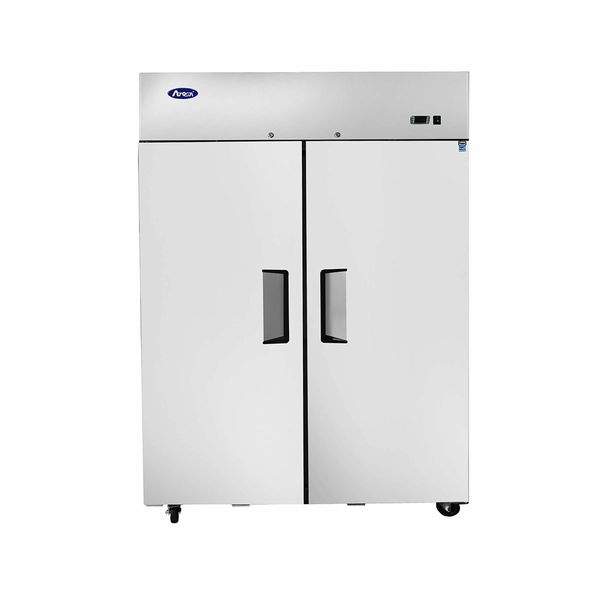
The Complete Atosa Freezer Guide
Atosa is one of the most requested Atosa freezer brands in independent restaurants, and for good reason. Atosa freezers hit the sweet spot between price, warranty coverage, and build quality that operators need for a workhorse piece of back-of-house equipment. Every Atosa freezer sold here is brand new, sourced through the manufacturer's authorized US channel, backed by Atosa's factory warranty, and ships with full support.
This guide walks through the full Atosa freezer lineup, model by model, and helps you match the right unit to your kitchen. It covers top-mount vs bottom-mount reach-ins, undercounter drawer and door configurations, glass-door merchandisers, sizing by door count, energy and NSF certifications, warranty coverage, service parts, and the Atosa freezer manual.
Why Atosa Freezers
Atosa builds foodservice refrigeration for high-volume kitchens. Every Atosa freezer in this collection features stainless steel exterior and interior walls, self-closing doors with stay-open at 90 degrees, magnetic gaskets, digital temperature displays, LED interior lighting, ENERGY STAR certification, and NSF listing for food contact and sanitation. The compressors are heavy-duty and covered by a 5-year parts warranty on top of the standard 2-year parts and labor coverage on the rest of the unit.
For operators comparing an Atosa freezer to legacy premium brands, the value equation is straightforward. Atosa delivers heavy-duty construction, digital controls, and full parts availability at roughly two-thirds the cost of premium tier equipment, with the warranty package to back it up. That is why Atosa upright freezers show up in caterers, food trucks, bars, delis, coffee shops, pizzerias, ghost kitchens, and full-service restaurants across the country.
Atosa Reach-In Freezer Models
Atosa reach-in freezers come in two families based on where the compressor sits. Top-mount reach-ins (the MBF8001GR, MBF8002GR, and MBF8003GR series) pull cleaner air from above the cabinet, which extends compressor life in hot kitchens with fryers or charbroilers nearby. Bottom-mount reach-ins (the MBF8501GR, MBF8503GR, and MBF8504GR series) run quieter, put shelving at a more ergonomic height, and are easier to service because the condenser sits at floor level for cleaning.
Top-Mount Atosa Freezers
The top-mount lineup is the most common choice for hot-line kitchens.
- Atosa MBF8001GR, 29-inch single door, 21.4 cubic feet, three adjustable epoxy-coated shelves, self-contained top-mount refrigeration. The MBF8001GR is the go-to single door Atosa freezer for smaller kitchens and prep stations.
- Atosa MBF8002GR, 52-inch two door, 43.2 cubic feet, six adjustable shelves. The MBF8002GR is the two door Atosa freezer most operators default to when they need real capacity in a compact footprint.
- Atosa MBF8003GR, 78-inch three door, 64.9 cubic feet, nine adjustable shelves. The MBF8003GR is the three door Atosa freezer for volume operators, catering kitchens, and centralized commissaries.
Bottom-Mount Atosa Freezers
Bottom-mount reach-ins are quieter and easier to keep clean.
- Atosa MBF8501GR, 27-inch single door, 19.1 cubic feet, three shelves. The MBF8501GR is the one door Atosa freezer for tight kitchens where floor space is at a premium and you want the condenser at the bottom.
- Atosa MBF8503GR, 55-inch two door, 44.77 cubic feet, six shelves. The MBF8503GR is the bottom-mount two door Atosa freezer that competes head-to-head with premium tier brands at a fraction of the cost.
- Atosa MBF8504GR, 82-inch three door, 71 cubic feet, nine shelves. The MBF8504GR is the largest three door Atosa freezer, sized for high-volume kitchens that turn frozen inventory daily.
Atosa Undercounter Freezers
Undercounter Atosa freezers give you frozen storage right at the cook line or bar without eating floor space. Two families here: the classic MGF series and the newer AUF series that swaps in improved digital controls and updated cabinet construction.
- Atosa AUF24SD, 24-inch one door undercounter freezer, the smallest single door Atosa freezer for tight prep stations.
- Atosa AUF27SD, 27-inch one door undercounter freezer, the most common footprint for cook lines.
- Atosa AUF36SD, 36-inch one door undercounter freezer with extra internal capacity.
- Atosa AUF48SD, 48-inch two door undercounter freezer for higher volume prep.
- Atosa AUF60SD, 60-inch two door undercounter freezer with maximum capacity in the AUF undercounter class.
- Atosa AUF27D2, 27-inch two-drawer undercounter freezer, ideal for cook lines that need bin storage instead of a swing door.
- Atosa MGF8405GR, 27-inch one door undercounter freezer from the legacy MGF line.
- Atosa MGF8406GR, 48-inch two door undercounter freezer from the legacy MGF line.
- Atosa MGF8420GR, 27-inch two-drawer undercounter freezer from the legacy MGF line.
For operators asking about the older MGF8402GR (a discontinued 48-inch undercounter that still generates search traffic), the current-generation replacement is the MGF8406GR or the newer AUF48SD.
Atosa Glass Door Freezers and Display Freezers
Atosa glass door merchandiser freezers are the answer for grab-and-go retail, ice cream shops, gas station coolers, delis, and grocery displays. All three glass door models use bottom-mount refrigeration, LED interior lighting, and low-E double-pane glass to hold 0°F while showcasing frozen product.
- Atosa MCF8701GR, 27-inch one door glass merchandiser freezer, right-hinge.
- Atosa MCF8701GRL, 27-inch one door glass merchandiser freezer, left-hinge, for merchandising layouts where the door needs to open the other direction.
- Atosa MCF8703ES, 55-inch two door glass merchandiser freezer, the go-to Atosa two door glass freezer for higher volume grab-and-go.
How to Choose the Right Atosa Freezer
Four questions decide which Atosa freezer fits your kitchen.
- How much frozen inventory do you turn per week? Under 40 cubic feet of frozen product on hand at any time points to a one door Atosa freezer or an undercounter. Between 40 and 60 cubic feet points to a two door. Over 60 cubic feet points to a three door.
- Where does the unit sit in the workflow? On the hot cook line next to fryers or a griddle, top-mount is the safer choice because it pulls cleaner air from above. Along a back wall, in a walk-in support area, or in a quiet prep space, bottom-mount is quieter and easier to service.
- Is the freezer back-of-house or customer-facing? Back-of-house means an MBF reach-in or an AUF or MGF undercounter. Customer-facing grab-and-go means an MCF glass door merchandiser.
- Do you want a solid door or drawers? Solid swing doors give you the most usable cubic feet per dollar. Drawer models (AUF27D2, MGF8420GR) hold organized bins at cook-line height and speed up service.
Atosa Freezer Sizing at a Glance
| Configuration | Width | Capacity | Best Atosa Model |
|---|---|---|---|
| 1-door reach-in, top mount | 29" | 21.4 cu ft | MBF8001GR |
| 1-door reach-in, bottom mount | 27" | 19.1 cu ft | MBF8501GR |
| 2-door reach-in, top mount | 52" | 43.2 cu ft | MBF8002GR |
| 2-door reach-in, bottom mount | 55" | 44.77 cu ft | MBF8503GR |
| 3-door reach-in, top mount | 78" | 64.9 cu ft | MBF8003GR |
| 3-door reach-in, bottom mount | 82" | 71 cu ft | MBF8504GR |
| Undercounter, 1 door | 24" to 36" | varies | AUF24SD, AUF27SD, AUF36SD |
| Undercounter, 2 door | 48" to 60" | varies | AUF48SD, AUF60SD |
| Undercounter, drawers | 27" | varies | AUF27D2, MGF8420GR |
| Glass door merchandiser, 1 door | 27" | varies | MCF8701GR, MCF8701GRL |
| Glass door merchandiser, 2 door | 55" | varies | MCF8703ES |
Atosa Freezer Warranty and Support
Every new Atosa freezer sold at The Restaurant Warehouse ships with the full manufacturer warranty. Coverage is 2 years parts and labor on the whole unit, plus 5 years parts on the compressor, from the date of delivery. Because we sell through Atosa's authorized US channel, warranty claims and parts are handled directly through Atosa's national service network with no gray-market issues.
For setup, temperature settings, and troubleshooting, the Atosa freezer manual and operating instructions cover initial startup, temperature calibration, condenser cleaning, gasket replacement, and error codes.
Atosa Freezer vs. Atosa Refrigerator
Operators shopping for cold storage often need both a freezer and a fridge. The Atosa reach-in refrigerator lineup mirrors the freezer lineup almost model-for-model. Sizing, door configurations, and dimensions are directly comparable, which means you can pair a matched Atosa freezer and refrigerator on the same wall for a clean, consistent kitchen build. Shop the full Atosa refrigerators collection if you need both.
Atosa Freezer Placement and Installation
Freezer performance depends on placement. Keep the following in mind when installing any Atosa freezer.
- Leave at least 3 inches of airflow clearance behind and above the cabinet.
- Position away from direct sunlight and hot equipment where possible. Top-mount models tolerate heat better than bottom-mount.
- Ensure the floor is level. Adjust the leveling legs so the doors self-close.
- Plug into a dedicated 115V circuit for undercounters and single-door reach-ins. Larger reach-ins may need a 115V/20A dedicated circuit. Check the model spec sheet.
- Let the unit sit upright for 24 hours before plugging in on delivery. This lets the refrigerant oil settle in the compressor.
Financing and Rental
Every Atosa freezer here is eligible for equipment financing with fixed monthly payments and quick approval for established businesses. If you are opening a pop-up, doing seasonal service, or catering an event and need a freezer for less than 12 months, ask about the Atosa freezer rental program.
Related Collections
- All Atosa freezers
- Reach-in freezers
- Undercounter freezers
- Chest freezers
- Atosa refrigerators
- All refrigerators
Atosa Freezer Buying Guides
Atosa Freezer FAQ
Are Atosa freezers good?
Yes. Atosa freezers are built for continuous foodservice use with stainless steel construction, NSF listing, ENERGY STAR certification, and heavy-duty compressors. They come with a 2-year parts and labor warranty plus 5 years on the compressor, which is competitive with premium tier brands at roughly two-thirds the price.
What is the difference between a top-mount and bottom-mount Atosa freezer?
Top-mount Atosa freezers (MBF8001GR, MBF8002GR, MBF8003GR) pull cooler, cleaner air from above the cabinet, which extends compressor life in hot kitchens. Bottom-mount Atosa freezers (MBF8501GR, MBF8503GR, MBF8504GR) run quieter and put shelving at a more ergonomic height, and the condenser is easier to clean at floor level.
What is the best Atosa 2 door freezer?
The MBF8002GR (top-mount) and MBF8503GR (bottom-mount) are the two most popular Atosa two door freezers. Choose the MBF8002GR if the unit sits on a hot cook line, and the MBF8503GR if it sits along a back wall or in a quieter prep area where noise and ergonomics matter more.
What is the best Atosa 3 door freezer?
The MBF8003GR is the 78-inch top-mount three door Atosa freezer with 64.9 cubic feet. The MBF8504GR is the 82-inch bottom-mount three door with 71 cubic feet. Both are workhorses for volume operators and catering kitchens.
What is the best Atosa single door freezer?
The MBF8001GR is the 29-inch top-mount one door Atosa freezer at 21.4 cubic feet. The MBF8501GR is the 27-inch bottom-mount one door at 19.1 cubic feet. Both are commonly used as line freezers in smaller kitchens.
Does Atosa make a chest freezer?
Atosa does not currently offer a chest freezer under the Atosa brand in the US. For chest freezer configurations, shop the broader chest freezer collection.
Does Atosa make an undercounter freezer?
Yes. Atosa offers a full range of undercounter freezers in the AUF and MGF series, including 24-inch, 27-inch, 36-inch, 48-inch, and 60-inch widths, plus two-drawer configurations (AUF27D2, MGF8420GR). See the Atosa undercounter freezer section above.
Does Atosa make a glass door freezer?
Yes. The MCF8701GR (27-inch, one door, right-hinge), MCF8701GRL (27-inch, one door, left-hinge), and MCF8703ES (55-inch, two door) are the current Atosa glass door merchandiser freezers.
What temperature do Atosa freezers hold?
Atosa freezers are engineered to hold 0°F or below, which meets NSF and FDA food safety standards for frozen storage. Digital temperature displays on the front of the cabinet let staff verify the temperature at a glance.
How long do Atosa freezers last?
With proper installation, regular condenser cleaning, and gasket maintenance, an Atosa freezer typically lasts 10 to 15 years in a busy restaurant environment. The 5-year compressor warranty covers the most expensive potential repair for the first half of that lifespan.
What warranty comes with an Atosa freezer?
Every new Atosa freezer sold here includes a 2-year parts and labor warranty on the full unit, plus an additional 5-year parts warranty on the compressor, backed by Atosa's authorized US service network.
Where can I get the Atosa freezer manual?
The Atosa freezer operating instructions, temperature setup, and troubleshooting information are available in our Atosa refrigerator and freezer operating instructions guide. Each product page also links to the individual model spec sheet.
Where are Atosa freezers made?
Atosa Catering Equipment designs its refrigeration in the US and manufactures at its own factories, with US-based warehousing, service, and parts distribution supporting the North American market.
Can I finance an Atosa freezer?
Yes. Every Atosa freezer here is eligible for equipment financing with fixed monthly payments and quick approval for established businesses.
How fast does an Atosa freezer ship?
Every in-stock Atosa freezer ships from our US warehouse in 1 to 3 business days, with free freight to the contiguous 48 states.