
Chef Base Refrigerators & Freezers
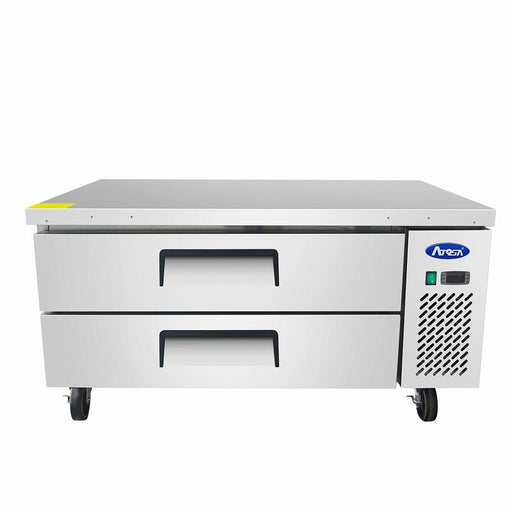
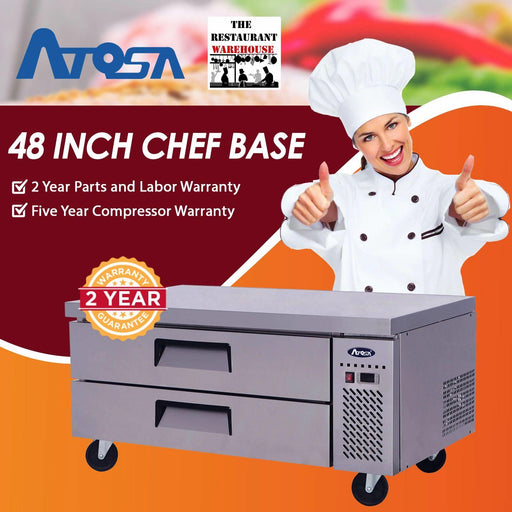
Atosa USA MGF8450GR 48-Inch Chef Base Refrigerated Equipment Stand
Atosa
Original price
$3,172.00
Original price
$3,172.00
-
Original price
$3,172.00
Original price
$3,172.00
Current price
$2,286.00
$2,286.00
-
$2,286.00
Current price
$2,286.00
Atosa MGF8450GR 48-Inch Chef Base Refrigerator Equipment Stand The Atosa MGF8450 48-inch chef base refrigerator is designed for high-volume commerc...
View full details
Original price
$3,172.00
Original price
$3,172.00
-
Original price
$3,172.00
Original price
$3,172.00
Current price
$2,286.00
$2,286.00
-
$2,286.00
Current price
$2,286.00
Save 28%
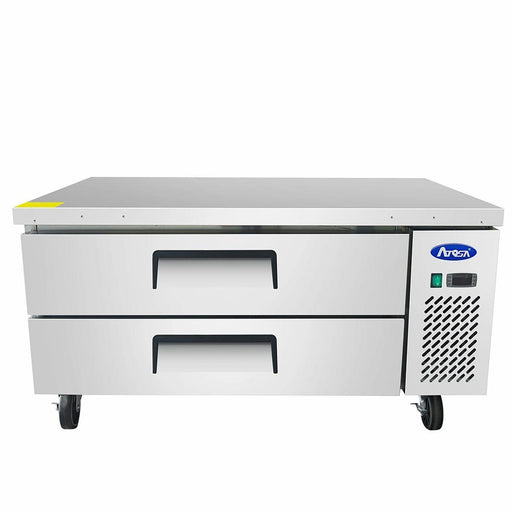
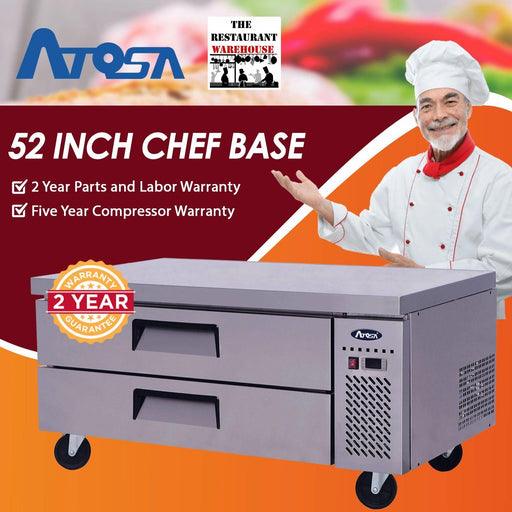
Atosa USA MGF8451 52-Inch Chef Base Refrigerated Equipment Stand
Atosa
Original price
$3,396.00
Original price
$3,396.00
-
Original price
$3,396.00
Original price
$3,396.00
Current price
$2,447.00
$2,447.00
-
$2,447.00
Current price
$2,447.00
Atosa USA MGF8451GR 52-Inch Chef Base Refrigerated Equipment Stand The Atosa MGF8451GR 52-inch chef base refrigerator is designed for professiona...
View full details
Original price
$3,396.00
Original price
$3,396.00
-
Original price
$3,396.00
Original price
$3,396.00
Current price
$2,447.00
$2,447.00
-
$2,447.00
Current price
$2,447.00
Save 28%
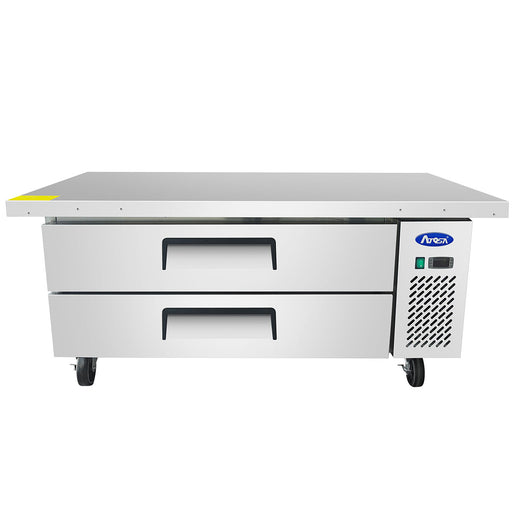
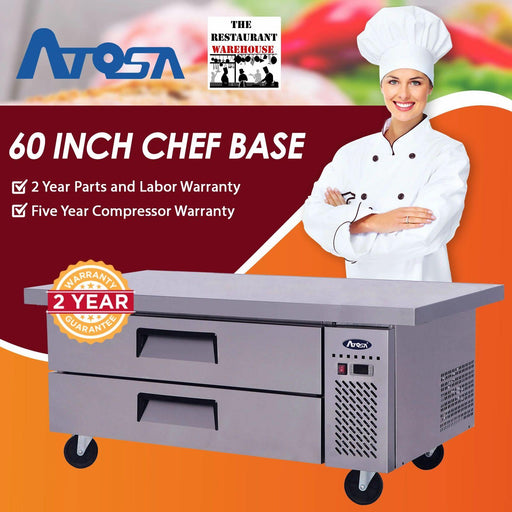
Atosa USA MGF8452GR 60-Inch Chef Base Refrigerated Equipment Stand
Atosa
Original price
$3,455.00
Original price
$3,455.00
-
Original price
$3,455.00
Original price
$3,455.00
Current price
$2,490.00
$2,490.00
-
$2,490.00
Current price
$2,490.00
Atosa USA MGF8452GR 60-Inch Chef Base Refrigerated Equipment Stand with Extended Top The Atosa MGF8452GR 60-inch chef base with extended top is...
View full details
Original price
$3,455.00
Original price
$3,455.00
-
Original price
$3,455.00
Original price
$3,455.00
Current price
$2,490.00
$2,490.00
-
$2,490.00
Current price
$2,490.00
Save 28%
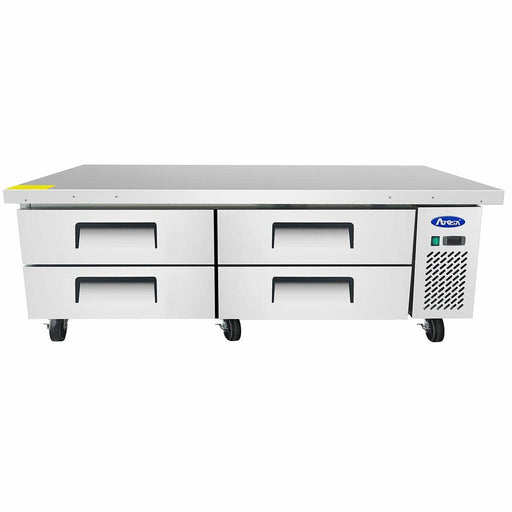
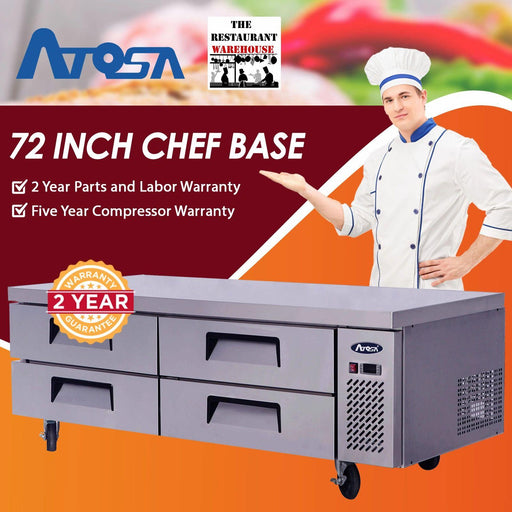
Atosa USA MGF8453 72-Inch Chef Base Refrigerated Equipment Stand
Atosa
Original price
$4,585.00
Original price
$4,585.00
-
Original price
$4,585.00
Original price
$4,585.00
Current price
$3,304.00
$3,304.00
-
$3,304.00
Current price
$3,304.00
Atosa MGF8453GR 72-Inch Chef Base Refrigerated Equipment Stand The Atosa MGF8453GR 72-inch chef base is designed for high-volume commercial kitch...
View full details
Original price
$4,585.00
Original price
$4,585.00
-
Original price
$4,585.00
Original price
$4,585.00
Current price
$3,304.00
$3,304.00
-
$3,304.00
Current price
$3,304.00
Save 28%
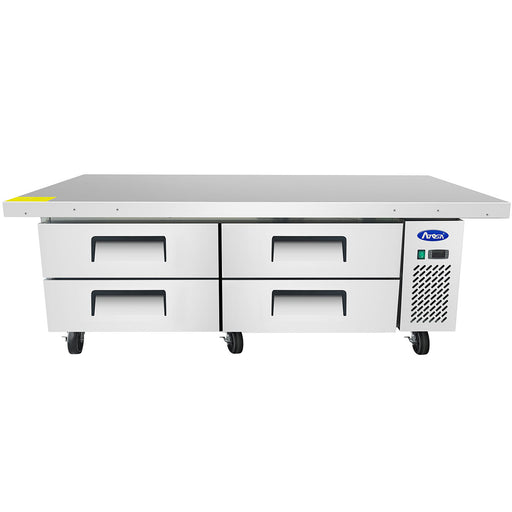
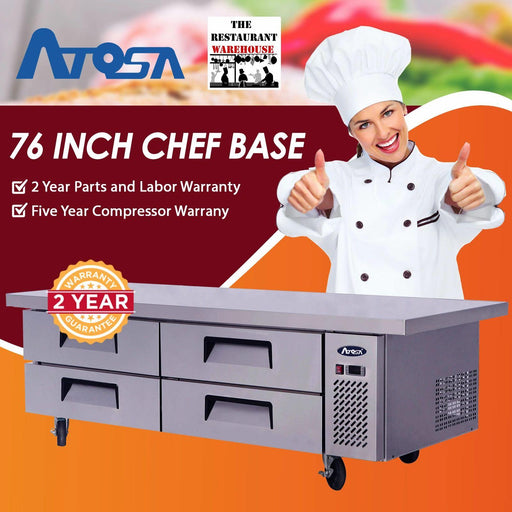
Atosa USA MGF8454GR 76-Inch Chef Base Refrigerated Equipment Stand
Atosa
Original price
$4,696.00
Original price
$4,696.00
-
Original price
$4,696.00
Original price
$4,696.00
Current price
$3,384.00
$3,384.00
-
$3,384.00
Current price
$3,384.00
Atosa USA MGF8454GR 76-Inch Chef Base Refrigerated Equipment Stand The Atosa MGF8454GR 76-inch chef base with extended top is built for high-outp...
View full details
Original price
$4,696.00
Original price
$4,696.00
-
Original price
$4,696.00
Original price
$4,696.00
Current price
$3,384.00
$3,384.00
-
$3,384.00
Current price
$3,384.00
Save 28%
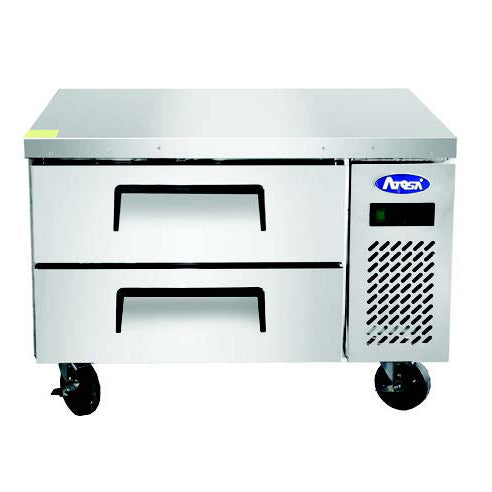
Atosa USA MGF8448GR 36-Inch Chef Base Refrigerated Equipment Stand
Atosa
Original price
$2,912.00
Original price
$2,912.00
-
Original price
$2,912.00
Original price
$2,912.00
Current price
$2,099.00
$2,099.00
-
$2,099.00
Current price
$2,099.00
Atosa MGF8448GR 36-Inch Chef Base Refrigerator Equipment Stand Ships Fast Quick shipping from U.S. distribution centers Fre...
View full details
Original price
$2,912.00
Original price
$2,912.00
-
Original price
$2,912.00
Original price
$2,912.00
Current price
$2,099.00
$2,099.00
-
$2,099.00
Current price
$2,099.00
Save 28%

Atosa MGF8458GR 36" Chef Base Freezer, 2 Drawers
Atosa
Original price
$3,880.00
Original price
$3,880.00
-
Original price
$3,880.00
Original price
$3,880.00
Current price
$2,796.00
$2,796.00
-
$2,796.00
Current price
$2,796.00
The Atosa MGF8458GR is a 36" commercial chef base freezer designed to slide beneath countertop cooking equipment — griddles, charbroilers, salamand...
View full details
Original price
$3,880.00
Original price
$3,880.00
-
Original price
$3,880.00
Original price
$3,880.00
Current price
$2,796.00
$2,796.00
-
$2,796.00
Current price
$2,796.00
Save 28%

Atosa MGF8460GR 48" Chef Base Freezer, 2 Drawers
Atosa
Original price
$4,360.00
Original price
$4,360.00
-
Original price
$4,360.00
Original price
$4,360.00
Current price
$3,142.00
$3,142.00
-
$3,142.00
Current price
$3,142.00
The Atosa MGF8460GR is a 48" commercial chef base freezer designed to slide beneath countertop cooking equipment — griddles, charbroilers, salamand...
View full details
Original price
$4,360.00
Original price
$4,360.00
-
Original price
$4,360.00
Original price
$4,360.00
Current price
$3,142.00
$3,142.00
-
$3,142.00
Current price
$3,142.00
Save 28%

Atosa MGF8461GR 52" Chef Base Freezer, 2 Drawers
Atosa
Original price
$4,500.00
Original price
$4,500.00
-
Original price
$4,500.00
Original price
$4,500.00
Current price
$3,243.00
$3,243.00
-
$3,243.00
Current price
$3,243.00
The Atosa MGF8461GR is a 52" commercial chef base freezer designed to slide beneath countertop cooking equipment — griddles, charbroilers, salamand...
View full details
Original price
$4,500.00
Original price
$4,500.00
-
Original price
$4,500.00
Original price
$4,500.00
Current price
$3,243.00
$3,243.00
-
$3,243.00
Current price
$3,243.00
Save 28%

Atosa MGF8462GR 60" Chef Base Freezer, 2 Drawers
Atosa
Original price
$4,750.00
Original price
$4,750.00
-
Original price
$4,750.00
Original price
$4,750.00
Current price
$3,423.00
$3,423.00
-
$3,423.00
Current price
$3,423.00
The Atosa MGF8462GR is a 60" commercial chef base freezer designed to slide beneath countertop cooking equipment — griddles, charbroilers, salamand...
View full details
Original price
$4,750.00
Original price
$4,750.00
-
Original price
$4,750.00
Original price
$4,750.00
Current price
$3,423.00
$3,423.00
-
$3,423.00
Current price
$3,423.00
Save 28%

Atosa MGF8463GR 72" Chef Base Freezer, 4 Drawers
Atosa
Original price
$5,900.00
Original price
$5,900.00
-
Original price
$5,900.00
Original price
$5,900.00
Current price
$4,251.00
$4,251.00
-
$4,251.00
Current price
$4,251.00
The Atosa MGF8463GR is a 72" commercial chef base freezer designed to slide beneath countertop cooking equipment — griddles, charbroilers, salamand...
View full details
Original price
$5,900.00
Original price
$5,900.00
-
Original price
$5,900.00
Original price
$5,900.00
Current price
$4,251.00
$4,251.00
-
$4,251.00
Current price
$4,251.00
Save 28%

Atosa MGF8464GR 72" Chef Base Freezer with 76" Extended Top, 4 Drawers
Atosa
Original price
$6,000.00
Original price
$6,000.00
-
Original price
$6,000.00
Original price
$6,000.00
Current price
$4,323.00
$4,323.00
-
$4,323.00
Current price
$4,323.00
The Atosa MGF8464GR is a 76" commercial chef base freezer designed to slide beneath countertop cooking equipment — griddles, charbroilers, salamand...
View full details
Original price
$6,000.00
Original price
$6,000.00
-
Original price
$6,000.00
Original price
$6,000.00
Current price
$4,323.00
$4,323.00
-
$4,323.00
Current price
$4,323.00
Save 28%
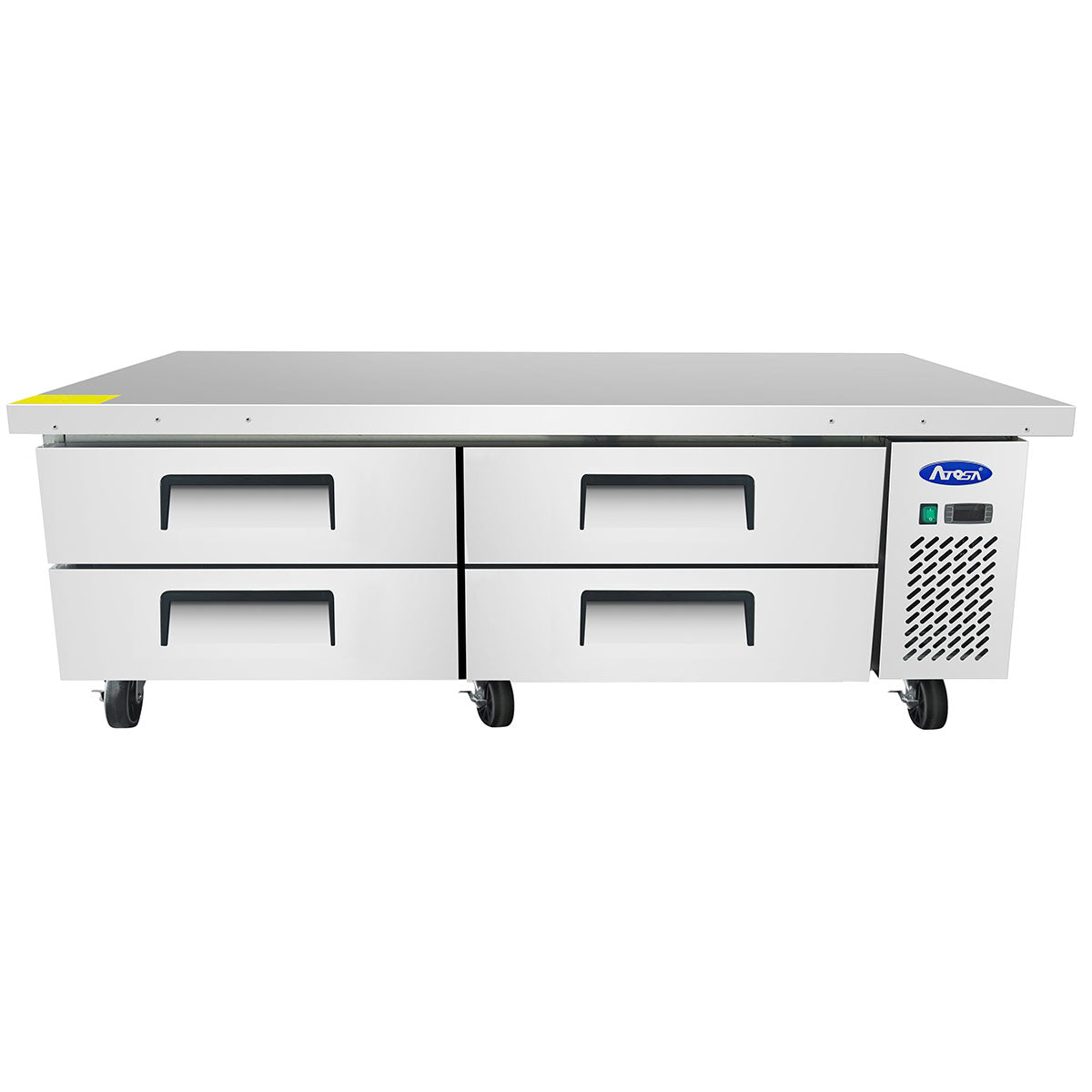
Chef Base Buying Guide: Build Storage Around Your Cookline
Choosing a chef base starts with a practical question: what does the cook need within reach during service? Think about the ingredients that repeatedly send someone away from the station, the equipment already occupying the line, and how much room remains for drawers to open.
A chef base brings two functions into one location: support for compatible countertop equipment and cold storage beneath it. For a burger station, breakfast line, or sandwich operation, that can mean keeping frequently used ingredients near the point of cooking rather than across the kitchen. Plan the layout around your menu and equipment, not just the largest cabinet that fits.
Chef Base Refrigerator vs Chef Base Freezer
Choose the storage type before comparing cabinet widths. Refrigerator and freezer models serve different ingredient needs, even when they look similar from the outside.
- Chef base refrigerator: Consider this for ingredients that need chilled storage at the station, such as cheese, vegetables, and appropriately separated proteins. Plan covered containers and drawer assignments around your food-safety procedures.
- Chef base freezer: Consider this when the station needs access to ingredients that must remain frozen until use. Match the freezer to your storage needs and the manufacturer’s intended operating conditions.
- A station using both: List the chilled and frozen items separately before deciding which storage belongs beneath the cooking equipment. You may need separate units rather than one larger base.
Do not assume a chef base refrigerator can become a freezer by changing its temperature setting. Select a model sold for the required storage application, and verify its operating range on the current specification sheet.
Chef Base vs Equipment Stand
An equipment stand makes sense when you need a suitable support surface but already have convenient cold storage. A chef base is worth considering when combining those functions would make the station easier to work.
Compare the complete station, not just the purchase price of the stand. If a separate refrigerator would occupy another section of the line, a chef base may offer a more useful layout. If the nearby refrigeration already meets your needs, an equipment stand may be the simpler choice. In either case, verify the stand or base is approved for the equipment it will support.
Chef Base vs Undercounter or Worktop Refrigerator
Choose an undercounter refrigerator when your main goal is cold storage beneath a suitable existing counter. Compare worktop refrigerators when you want refrigerated storage with a usable preparation surface.
A chef base answers a different question: how can you place cold-storage drawers beneath compatible cooking equipment? Do not treat every stainless-steel refrigerator top as an equipment stand. The cabinet’s intended use, load rating, and heat requirements matter more than whether its dimensions appear to fit.
If you primarily need bulk storage rather than storage at the cooking station, compare the broader commercial refrigerator selection before committing valuable cookline space.
What Equipment Can You Put on a Chef Base?
Start with the exact model number of the cooking appliance. A countertop griddle, charbroiler, or another appliance should be considered only after checking the installation requirements for both that appliance and the chef base.
Use this compatibility checklist before ordering:
- Supported load: Confirm the permitted load for the chef base and how that load must be distributed. Include the appliance and its normal operating contents.
- Footprint and contact points: Check the appliance’s depth, width, feet, and required support locations. Similar advertised widths do not establish compatibility.
- Heat protection: Confirm any required separation, approved legs, insulation, or heat shield. Do not assume a stainless-steel top eliminates the need for protection.
- Ventilation: Preserve the required air openings and clearances for both appliances. Account for adjacent equipment and the actual installation location.
- Connections and servicing: Allow appropriate access to electrical connections, gas connections where applicable, and refrigeration service areas.
Do not assume a fryer or range can be installed on a chef base simply because its weight appears acceptable. Obtain confirmation for the specific combination before purchase, especially when replacing an existing stand or changing the cooking appliance.
Chef Base Size Guide
Measure the entire installation area, including the delivery route, the space needed to open drawers, and the clearances specified by the manufacturer. Then compare that space with the cooking equipment’s required support footprint.
The model links below organize the Atosa options by their listed size or top format. Use them to shortlist products, then check the current specification sheet for exact cabinet dimensions and installation requirements.
| Listed size or top format | Refrigerator model | Freezer model |
|---|---|---|
| 36-inch | Atosa MGF8448GR | Atosa MGF8458GR |
| 48-inch | Atosa MGF8450GR | Atosa MGF8460GR |
| 52-inch | Atosa MGF8451 | Atosa MGF8461GR |
| 60-inch | Atosa MGF8452GR | Atosa MGF8462GR |
| 72-inch | Atosa MGF8453 | Atosa MGF8463GR |
| 76-inch top option | Atosa MGF8454GR, listed as 76-inch | Atosa MGF8464GR, 72-inch base with 76-inch extended top |
An extended top should not be read as permission to leave equipment unsupported or exceed the approved load. Confirm where the cooking appliance’s feet must sit and whether that particular extended-top configuration is approved for it.
Top width and refrigerated storage capacity are also different measurements. Compare the cabinet and drawer specifications directly rather than assuming a wider top automatically means more ingredient storage.
Plan Drawer Storage Around the Menu
Before choosing a base, list what each drawer will hold during a busy service. Include container sizes, the quantity needed at the station, and how often staff will replenish them.
- Burger station: Plan appropriate separate storage for patties, cheese, and toppings rather than mixing everything in one drawer.
- Breakfast station: Organize chilled ingredients according to the items prepared at that station, with a clear replenishment routine.
- Frozen-food station: Compare freezer drawer dimensions with the actual containers or packages you intend to store.
- Multi-cook line: Decide who needs access to each drawer and whether opening it will interrupt the neighboring station.
Ask about the supported pan arrangement, usable drawer depth, drawer load limits, and included accessories for the exact model. Do not assume pans are included or that every chef base accepts the same configuration. A layout that fits your containers and service routine is more useful than a capacity figure alone.
Installation, Delivery, and Service Access
Check the installation requirements before the equipment arrives. Record the required electrical supply and receptacle, confirm the planned location meets the manufacturer’s conditions, and arrange qualified installation assistance where needed.
Measure doorways, turns, and the route to the cookline. Review the delivery arrangements and any unloading or inside-placement needs before ordering, rather than assuming freight service includes moving the base into position.
Leave access for cleaning and servicing. If the selected model has casters, follow the installation instructions for securing the unit and for any permitted movement. Do not plan to roll an assembled cooking station without accounting for the equipment above it and every connected utility.
Cleaning and Day-to-Day Care
Use the manufacturer’s cleaning and maintenance instructions for the selected model. Build drawer surfaces, food-container areas, gaskets, and accessible air openings into your kitchen’s routine rather than waiting for a performance problem.
Keep drawers organized so staff can retrieve ingredients without searching through crowded containers. Report damaged seals, drawers that do not close correctly, or unusual temperature behavior promptly, and follow your food-safety procedures when equipment is not maintaining the required conditions.
Confirm which drawers, gaskets, or components are designed for removal before taking them apart. Features such as removable gaskets or tool-free drawer access should be checked model by model, not assumed across the entire collection.
Compare the Complete Purchase
Once you have narrowed the selection, compare the full installed cost and the support included with the purchase. Check freight terms, installation needs, any required heat-protection accessories, and the current warranty for the exact model.
If you are considering alternatives to paying the full equipment cost at purchase, review our restaurant equipment financing and lease-to-own information or restaurant equipment rental options. Ask about equipment eligibility and current terms before choosing a payment option.
Chef Base Questions
What is a chef base?
A chef base combines cold-storage drawers with a top designed to support compatible equipment. Choose a refrigerator or freezer model according to the ingredients you need to store, then verify compatibility with the appliance above it.
Should I buy a chef base refrigerator or freezer?
Choose according to whether the ingredients at that station need chilled or frozen storage. Compare the model’s specified operating range with your requirements rather than assuming refrigerator and freezer models are interchangeable.
What is the difference between a chef base and an equipment stand?
A chef base includes cold storage beneath its equipment-supporting top. An equipment stand does not provide refrigeration, so it may suit a station that already has convenient access to the cold storage it needs.
Can I use an undercounter refrigerator instead of a chef base?
An undercounter refrigerator may meet your storage needs beneath a suitable existing counter. Do not use it to support cooking equipment unless the manufacturer expressly approves that application.
Can I put a griddle or charbroiler on a chef base?
Consider the combination only after checking both manufacturers’ requirements. Confirm the supported load, appliance footprint, contact points, heat protection, ventilation, and installation clearances before ordering.
Does an extended top mean more refrigerated storage?
Do not assume it does. Compare the cabinet and drawer specifications separately from the top dimensions, and verify the approved equipment-support arrangement.
Are food pans included with every chef base?
Check the exact product listing and current specifications before ordering. Confirm the supported pan sizes and arrangement as well as which pans or accessories are included.
What information should I have ready when choosing a chef base?
Have your cooking equipment’s model number, the available space, and your chilled or frozen storage needs ready. Include the delivery route, utility requirements, and any questions about drawer layout so the equipment can be checked as a complete installation.
Need Help Choosing Your Chef Base?
Tell us what you plan to put on top and what you need to keep underneath. We can help narrow the refrigerator or freezer options and identify the fit questions to resolve before you order.
Browse the chef bases above, or email The Restaurant Warehouse with your equipment model and available space. If you already have a specification sheet for the cooking appliance, include it with your question.