
Open Merchandiser
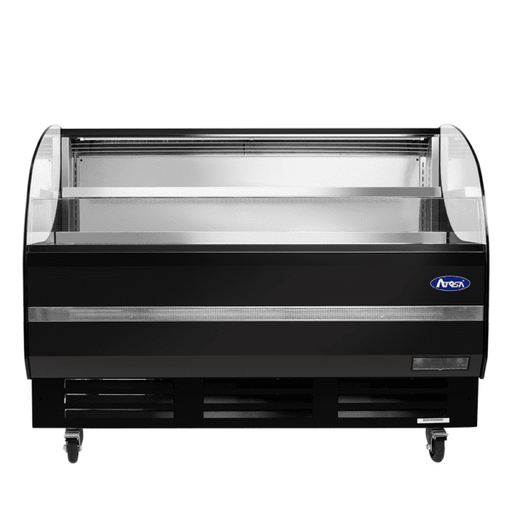
Atosa ATHOM-60 60-inch Horizontal Open Merchandiser
Atosa
Original price
$10,500.00
Original price
$10,500.00
-
Original price
$10,500.00
Original price
$10,500.00
Current price
$7,566.00
$7,566.00
-
$7,566.00
Current price
$7,566.00
Atosa ATHOM-60 60-Inch Horizontal Open Air Merchandiser The Atosa ATHOM-60 Horizontal Open Air Merchandiser is built for grocery stores, cafés...
View full details
Original price
$10,500.00
Original price
$10,500.00
-
Original price
$10,500.00
Original price
$10,500.00
Current price
$7,566.00
$7,566.00
-
$7,566.00
Current price
$7,566.00
Save 28%


Atosa ATHOM-39 39-inch Horizontal Open Merchandiser
Atosa
Original price
$8,200.00
Original price
$8,200.00
-
Original price
$8,200.00
Original price
$8,200.00
Current price
$5,909.00
$5,909.00
-
$5,909.00
Current price
$5,909.00
Atosa ATHOM-39 39-Inch Horizontal Open Air Merchandiser The Atosa ATHOM-39 Horizontal Open Air Merchandiser is designed to increase impulse s...
View full details
Original price
$8,200.00
Original price
$8,200.00
-
Original price
$8,200.00
Original price
$8,200.00
Current price
$5,909.00
$5,909.00
-
$5,909.00
Current price
$5,909.00
Save 28%

Atosa ATHOM-28 28-inch Horizontal Open Merchandiser
Atosa
Original price
$7,000.00
Original price
$7,000.00
-
Original price
$7,000.00
Original price
$7,000.00
Current price
$5,044.00
$5,044.00
-
$5,044.00
Current price
$5,044.00
Atosa ATHOM-28 28-Inch Horizontal Open Air Merchandiser The Atosa ATHOM-28 Horizontal Open Air Merchandiser is a compact, high-visibility ref...
View full details
Original price
$7,000.00
Original price
$7,000.00
-
Original price
$7,000.00
Original price
$7,000.00
Current price
$5,044.00
$5,044.00
-
$5,044.00
Current price
$5,044.00
Save 28%
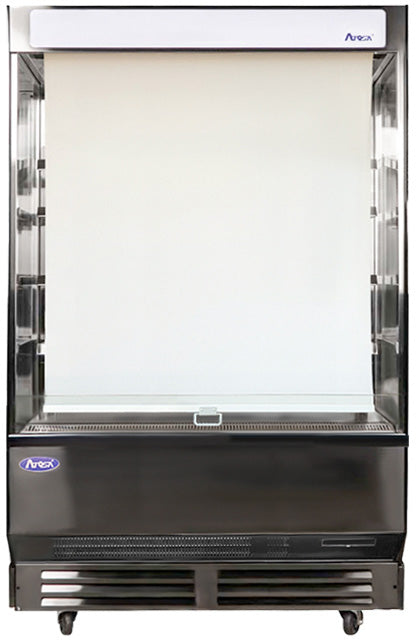
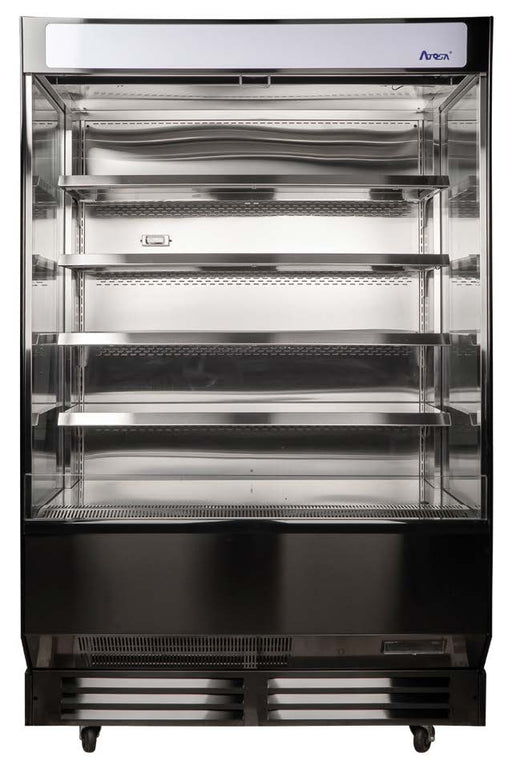
Atosa AOM-50B 50 inch Open Air Merchandiser
Atosa
Original price
$11,500.00
Original price
$11,500.00
-
Original price
$11,500.00
Original price
$11,500.00
Current price
$8,286.00
$8,286.00
-
$8,286.00
Current price
$8,286.00
Atosa AOM-50B 50-Inch Open Air Merchandiser The Atosa AOM-50B 50-inch Open Air Merchandiser is designed to increase impulse sales while keepi...
View full details
Original price
$11,500.00
Original price
$11,500.00
-
Original price
$11,500.00
Original price
$11,500.00
Current price
$8,286.00
$8,286.00
-
$8,286.00
Current price
$8,286.00
Save 28%
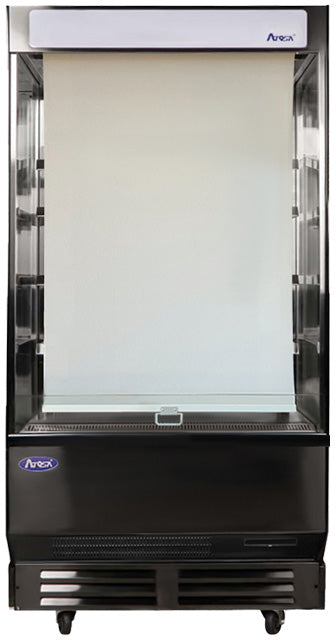
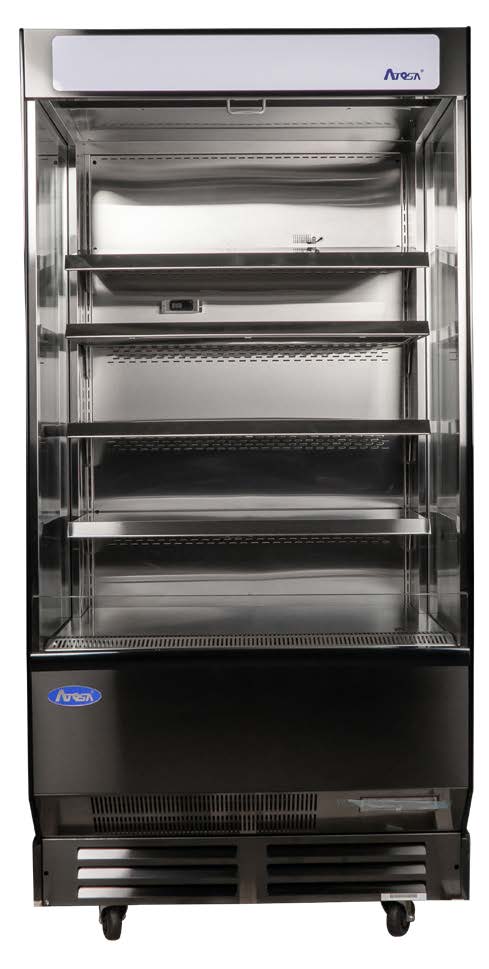
Atosa AOM-40B 40 inch Open Air Merchandiser
Atosa
Original price
$9,000.00
Original price
$9,000.00
-
Original price
$9,000.00
Original price
$9,000.00
Current price
$6,485.00
$6,485.00
-
$6,485.00
Current price
$6,485.00
Atosa AOM-40B 40-Inch Open Air Merchandiser The Atosa AOM-40B Open Air Merchandiser is designed to increase impulse sales while keeping bever...
View full details
Original price
$9,000.00
Original price
$9,000.00
-
Original price
$9,000.00
Original price
$9,000.00
Current price
$6,485.00
$6,485.00
-
$6,485.00
Current price
$6,485.00
Save 28%
What Is an Open Air Merchandiser?
An open air merchandiser is a refrigerated display that allows customers to reach products without opening a door. It uses controlled airflow across the display opening to help hold chilled products. That air curtain is part of a working refrigeration system, not a solid barrier that makes the cabinet independent of the room around it.
The attraction is straightforward: customers can see the selection and pick up an item directly. In a busy café, cafeteria or convenience store, that access can support an efficient self-service station. Good lighting, clear labels and an organized assortment help customers choose, but the equipment alone does not guarantee additional sales.
Choose this format when the room conditions, product mix and operating routine suit open refrigerated display. If you mainly need reserve stock storage, use a commercial refrigerator rather than paying for a customer-facing display that will not be seen.
Compare the Atosa Open Merchandiser Models
This collection includes two vertical AOM models and three horizontal ATHOM models. Their actual dimensions differ from the nominal size in the product names, which matters when fitting a cabinet into an existing space.
| Model | Format | Actual width × depth × height | Listed capacity | Display arrangement |
|---|---|---|---|---|
| AOM-40B | Vertical | 39.6 × 28 × 78.7 inches | 20.6 cu. ft. | Four shelves; lighted header; night curtain |
| AOM-50B | Vertical | 51.4 × 28 × 78.7 inches | 27.5 cu. ft. | Four shelves; lighted header; night curtain |
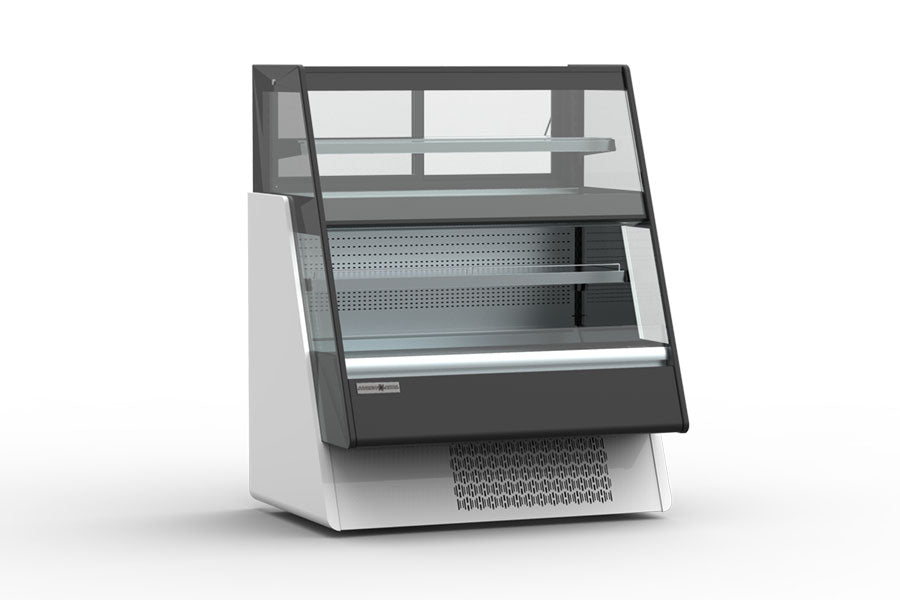
| ATHOM-28 | Horizontal | 26 13/16 × 34 9/16 × 44⅜ inches | 4.1 cu. ft. | One stainless shelf and one floor shelf |
| ATHOM-39 | Horizontal | 38⅝ × 34 9/16 × 44⅜ inches | 6.18 cu. ft. | One stainless shelf and one floor shelf |
| ATHOM-60 | Horizontal | 62¼ × 34 9/16 × 44⅜ inches | 10.27 cu. ft. | One stainless shelf and one floor shelf |
The comparison follows the AOM specification sheet and ATHOM specification sheet. Confirm current dimensions and installation requirements before ordering. Capacity is not a promise that a particular number of sandwiches or bottles will fit; packaging dimensions and permitted loading still matter.
Vertical or Horizontal: Match the Display to the Location
Vertical merchandisers put several shelf levels into a taller cabinet. The AOM models are 78.7 inches high and 28 inches deep, with four shelves and a lighted header panel. Consider them when you want to show several product groups without spreading the display across a low, wide counter area. Check visibility, reach and access to the upper shelves in your actual customer setting.
Horizontal merchandisers have a lower profile. The ATHOM models are 44⅜ inches high and include glass front and side panels, one stainless steel shelf and one floor shelf. They can suit a focused display near a café counter or prepared-food station where maintaining sightlines is important.
Lower does not mean shallower: the ATHOM models are deeper than the AOM models in the comparison above. Measure the complete footprint and customer circulation space. An ATHOM-60 is also 62¼ inches wide, so a nominal 60-inch opening is not sufficient.
Do not treat a horizontal cabinet as an all-sided island display just because it is low. Confirm the intended access face, ventilation, service access and placement requirements for the exact model.
Open Air Versus Glass Door Refrigeration
Both formats display chilled merchandise, but they make different compromises. An open display removes the door-opening step; a glass door creates a physical barrier between the refrigerated space and the room when it is closed.
| Buying consideration | Open air merchandiser | Glass door merchandiser |
|---|---|---|
| Customer access | Direct reach into the display | Customer opens and closes a door |
| Room conditions | Air curtain needs suitable placement and undisturbed airflow | Closed door limits direct exposure, though installation conditions still matter |
| Merchandising | Unobstructed selection from the access side | Products remain visible through the glass |
| Energy comparison | Compare model-specific daily consumption and operating conditions | Compare equivalent capacity and display area, not just cabinet width |
| After-hours routine | Use an approved night curtain where supplied | Keep doors closed and maintain refrigeration as required |
Do not select solely on appearance or assume a fixed energy-saving percentage applies to every comparison. Review the exact models and how they will operate in your store. Browse glass door merchandisers when a closed display better suits the location or operating priorities.
Open Merchandiser Versus Grab-and-Go Cooler
“Open merchandiser” describes the equipment format: customers access the refrigerated display without a door. “Grab-and-go” describes the way food and drinks are packaged and sold for quick selection.
An open merchandiser can therefore be part of a grab-and-go station, but not every grab-and-go refrigerator is open-front. A station may use closed-door refrigeration or another approved display format depending on its products and layout.
This collection brings open-air equipment and grab-and-go shopping intent together. Compare the five models above for your self-service food and beverage station, or choose a closed-door display when that format better suits the location.
Grab-and-Go Cooler Setup for Cafés, Stores and Cafeterias
A grab-and-go station works best when customers can recognize the products, understand the price and reach their selection without interrupting the next person. Plan the display around the food you sell and the space available for browsing, payment and replenishment. The open merchandisers in this collection provide door-free access for that setup.
- Cafés and coffee shops: Group chilled sandwiches, packaged snacks and bottled drinks where customers can review the selection before ordering or paying. Keep the display out of the working space needed for drink preparation.
- Convenience stores and grocery stores: Use clear product groupings and readable prices to make a quick-stop purchase straightforward. Keep the surrounding aisle usable rather than placing the cabinet wherever spare floor space happens to remain.
- Delis and prepared-food counters: Separate the self-service packaged-food display from staff-served or uncovered food. Make the stocking route practical so replenishment does not block customer access.
- Cafeterias and institutional foodservice: Plan for the busiest service period and the intended users' reach. Check how the line moves past the cooler and how staff will replenish it without creating crossing traffic.
A visible location is valuable only if it also meets the refrigeration requirements. Do not automatically place the cooler beside an entrance, hot equipment or a strong air-conditioning discharge. Check room conditions, access and ventilation before settling on the layout.
Decide which products belong in the display and which remain in refrigerated reserve storage. This keeps the selection organized without exceeding loading limits or treating display capacity as a substitute for a replenishment plan.
What Can You Display in an Open Merchandiser?
Plan around properly chilled, packaged products that are approved for the chosen model and your foodservice operation. Typical options include bottled or canned drinks, packaged sandwiches, sealed salads, yogurt, fruit cups and other refrigerated snack packs.
Confirm the required holding conditions for each item before combining products. Do not assume an open cooler is suitable for exposed bakery goods, uncovered ready-to-eat food, raw meat or seafood. Ask about a purpose-built display when the menu needs a different food environment.
Load products at their required chilled temperature. A holding display is not a substitute for approved cooling equipment, and adding warm stock can affect the rest of the display. Maintain stock rotation, readable date labels and a manageable replenishment routine rather than overfilling the cabinet to avoid restocking.
Food safety depends on the product temperature and operating conditions, not simply on the appearance of a cold cabinet. Follow current manufacturer instructions and the requirements of your local food authority.
Placement and Loading Protect the Air Curtain
Evaluate the proposed location before buying. Entrance doors, nearby fans, HVAC discharge, sunlight and heat-producing equipment can affect an open refrigerated display. A location with strong customer visibility is not automatically a suitable refrigeration environment.
Ask for the exact model’s permitted room-temperature and humidity conditions and its ventilation clearances. Do not use a general guideline from another cabinet as an installation specification. Leave access for maintenance as well as normal customer use.
Arrange containers within the loading limits and keep discharge and return-air openings unobstructed. Packaging, promotional signs and decorative risers must not extend into the air path. Check that price labels and product dividers do not interfere with the intended airflow.
Review the cabinet under real service conditions after setup. A display that looks orderly at opening can become blocked or overloaded as staff replenish it. Give employees a simple loading plan and make temperature checks part of the routine.
Temperature Controls and Food Holding
The ATHOM specification sheet lists a 33°F to 40°F operating range, while both linked series sheets recommend a refrigerator setting between 33°F and 38°F for food preservation. Do not confuse a recommended setpoint with proof that all food in the cabinet is at its required temperature.
Verify the current instructions for the unit supplied and monitor holding performance with an appropriate method. Account for room conditions, stocking and service activity. If the display cannot maintain the required food conditions, follow your food-safety procedure and have the equipment assessed.
The models include electronic temperature control, but changing the setting is not the answer to every cooling problem. Blocked airflow, unsuitable placement or a maintenance issue can require a different correction.
Energy Use, Night Curtains and Operating Cost
The AOM-40B and AOM-50B specification sheet lists a night curtain as standard. Use it according to the manufacturer’s instructions when the display is not serving customers. Do not assume the same accessory is included with the ATHOM models: their linked sheet does not list a night curtain as a standard feature.
For a useful energy-cost estimate, use tested or measured daily kilowatt-hours for the exact model and multiply by your electricity rate and days of operation. Nameplate watts multiplied by 24 hours is not automatically an accurate consumption estimate because actual operating behavior can differ.
Include the room’s conditioning requirements, hours of service and the staff routine when comparing options. Keep airflow paths and condensers maintained, and verify any energy certification or rebate eligibility for the specific model rather than relying on a general brand claim. No guaranteed energy savings or sales increase is assumed in choosing these units.
Check Electrical Supply Before Ordering
Do not assume all five cabinets can use the same outlet. The AOM sheet lists 120V, 60Hz, single-phase power, with 16.5 amps for AOM-40B and 18.5 amps for AOM-50B. Have the required circuit and connection confirmed against the current unit specifications.
The ATHOM sheet lists 115V, 60Hz, single-phase power and a NEMA 5-20P plug. That plug specification matters when planning the installation; do not substitute an assumed 15-amp connection based on another refrigerator.
Have a qualified installer check the available supply and current nameplate before delivery. The built-in refrigeration system does not remove electrical, ventilation or setup requirements. Confirm unloading arrangements and check the packed shipment dimensions as well as the cabinet dimensions.
Merchandising and Maintenance
Group similar products, make prices easy to read and place frequently selected items where the intended customers can comfortably reach them. Consider complementary packaged items, such as sandwiches and drinks, without mixing foods that need incompatible holding conditions.
Keep glass, shelves and access surfaces clean. Address spills promptly, protect food during cleaning and use the cleaning products and shutdown procedures specified for the equipment. Inspect intake and discharge areas for wrappers, dust or misplaced containers.
Maintain the condenser and other serviceable components on the schedule appropriate to the manual and site conditions. Do not assume a cabinet has a self-cleaning condenser or that a night curtain removes the need for routine care. Leave refrigeration-system repairs to qualified technicians.
For service components, confirm the exact model and serial number through our Atosa parts collection. When planning the purchase, review equipment financing or ask about rental options, with availability and terms confirmed for the selected equipment.
Open Air Merchandiser Questions
Where should I place a grab-and-go cooler?
Choose a visible location with enough room for customers to browse and staff to replenish, while keeping aisles clear. Check the exact model's room-condition, ventilation and access requirements; do not automatically put an open-air unit beside an entrance, HVAC discharge or heat source.
How does an open air merchandiser keep products cold without a door?
It uses a refrigeration system and controlled airflow across the display opening to help hold chilled products. The air curtain depends on suitable room conditions, correct loading and unobstructed airflow; it is not a solid seal.
Which Atosa models are vertical and which are horizontal?
AOM-40B and AOM-50B are the vertical models in this collection. ATHOM-28, ATHOM-39 and ATHOM-60 are lower-profile horizontal models, with different depths, display arrangements and capacities.
Are the model numbers the exact cabinet widths?
No. For example, AOM-50B is listed at 51.4 inches wide, ATHOM-28 at 26 13/16 inches and ATHOM-60 at 62¼ inches. Use the current actual dimensions, shipment dimensions and clearance requirements when planning the installation.
Is an open merchandiser the same as a grab-and-go cooler?
Not exactly. Open merchandiser describes a door-free refrigerated display, while grab-and-go describes quick customer selection of packaged products. An open cabinet can serve a grab-and-go operation, but that operation can also use other refrigerator formats.
Can I load warm sandwiches or uncovered food into the display?
Do not use these displays as a substitute for approved cooling equipment or assume they are suitable for exposed food. Plan around properly chilled, packaged products approved for the selected model and follow applicable food-handling requirements.
Do all these models include night curtains?
The linked AOM-40B and AOM-50B specification sheet lists a night curtain as standard. The linked ATHOM sheet does not list one as a standard feature, so confirm accessories for the exact model rather than assuming they are included.
Can an open merchandiser sit beside an entrance or HVAC vent?
Do not choose that location without checking how drafts, heat and humidity will affect the air curtain. Follow the current model’s environmental and clearance requirements and confirm that the installed unit can maintain the required holding conditions.
What power connection do the horizontal models use?
The ATHOM specification sheet lists 115V, 60Hz, single-phase power with a NEMA 5-20P plug. Confirm the current unit’s nameplate and required circuit with a qualified installer before ordering.