
Bottom Mount Compressor Refrigerator
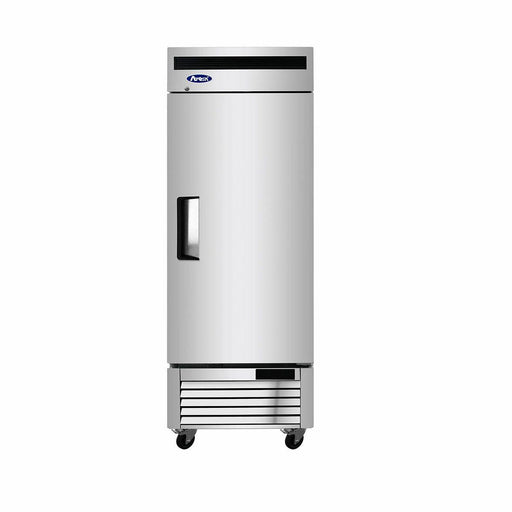
Atosa MBF8505GR 27-Inch One Door 19.1 cu. ft. Commercial Refrigerator
Atosa
Original price
$3,058.00
Original price
$3,058.00
-
Original price
$3,058.00
Original price
$3,058.00
Current price
$2,204.00
$2,204.00
-
$2,204.00
Current price
$2,204.00
Atosa MBF8505GR 27-Inch One Door Commercial Reach-In Refrigerator – ENERGY STAR® Need a compact, ENERGY STAR® commercial refrigerato...
View full details
Original price
$3,058.00
Original price
$3,058.00
-
Original price
$3,058.00
Original price
$3,058.00
Current price
$2,204.00
$2,204.00
-
$2,204.00
Current price
$2,204.00
Save 28%


Atosa MBF8505GRL 27-Inch One Door 19.1 cu. ft. Left Hinge Commercial Refrigerator
Atosa
Original price
$3,058.00
Original price
$3,058.00
-
Original price
$3,058.00
Original price
$3,058.00
Current price
$2,204.00
$2,204.00
-
$2,204.00
Current price
$2,204.00
Atosa MBF8505GRL 27-Inch Left-Hinged Commercial Reach-In Refrigerator (ENERGY STAR®) Buy the Atosa MBF8505GRL 27-inch commercial reach-in ref...
View full details
Original price
$3,058.00
Original price
$3,058.00
-
Original price
$3,058.00
Original price
$3,058.00
Current price
$2,204.00
$2,204.00
-
$2,204.00
Current price
$2,204.00
Save 28%
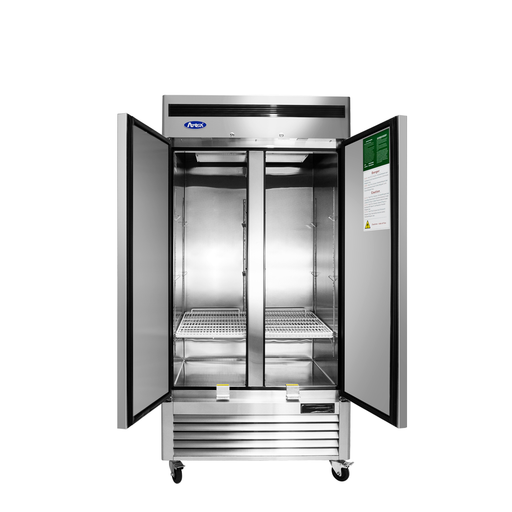
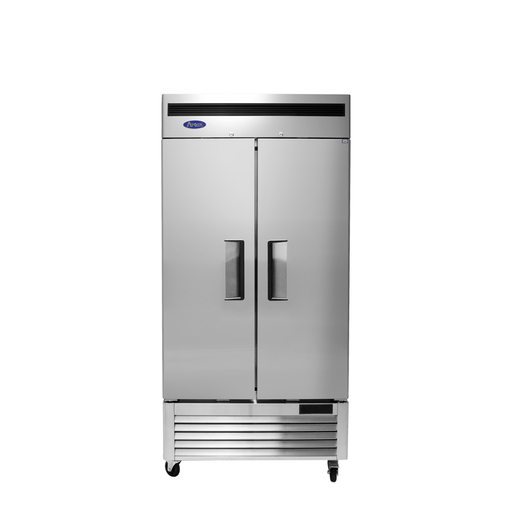
Atosa USA MBF8506GR Slim 40-Inch Two Door Refrigerator
Atosa
Original price
$4,134.00
Original price
$4,134.00
-
Original price
$4,134.00
Original price
$4,134.00
Current price
$2,979.00
$2,979.00
-
$2,979.00
Current price
$2,979.00
Atosa MBF8506GR 40" Two-Door Commercial Reach-In Refrigerator – ENERGY STAR Buy the Atosa MBF8506GR commercial refrigerator when you need maximum...
View full details
Original price
$4,134.00
Original price
$4,134.00
-
Original price
$4,134.00
Original price
$4,134.00
Current price
$2,979.00
$2,979.00
-
$2,979.00
Current price
$2,979.00
Save 28%
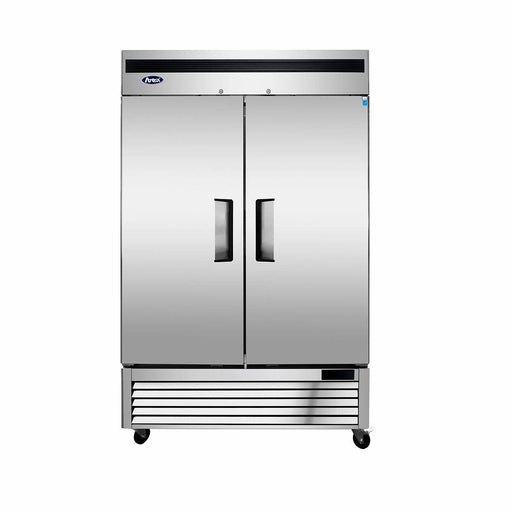
Atosa MBF8507GR 54-Inch Two Door 47.77 cu. ft. Commercial Refrigerator
Atosa
Original price
$4,325.00
Original price
$4,325.00
-
Original price
$4,325.00
Original price
$4,325.00
Current price
$3,117.00
$3,117.00
-
$3,117.00
Current price
$3,117.00
Atosa MBF8507GR 54-Inch Two Door Commercial Upright Refrigerator – ENERGY STAR Rated The Atosa MBF8507GR is a 54-inch, two-door c...
View full details
Original price
$4,325.00
Original price
$4,325.00
-
Original price
$4,325.00
Original price
$4,325.00
Current price
$3,117.00
$3,117.00
-
$3,117.00
Current price
$3,117.00
Save 28%
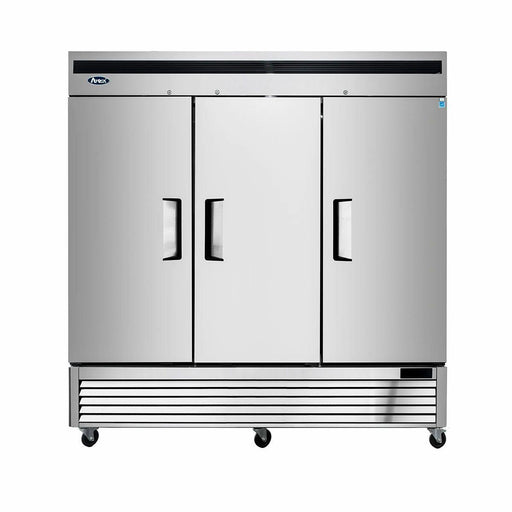
Atosa MBF8508GR 82-Inch Three Door 67.99 cu. ft. Commercial Refrigerator
Atosa
Original price
$6,734.00
Original price
$6,734.00
-
Original price
$6,734.00
Original price
$6,734.00
Current price
$4,852.00
$4,852.00
-
$4,852.00
Current price
$4,852.00
Atosa MBF8508GR 82" 3-Door Commercial Reach-In Refrigerator (ENERGY STAR®) – 67.99 Cu. Ft. Need high-capacity refrigerated storage...
View full details
Original price
$6,734.00
Original price
$6,734.00
-
Original price
$6,734.00
Original price
$6,734.00
Current price
$4,852.00
$4,852.00
-
$4,852.00
Current price
$4,852.00
Save 28%


Atosa MBF8532GR Low Height Commercial Refrigerator – 76 Inch
Atosa
Original price
$3,260.00
Original price
$3,260.00
-
Original price
$3,260.00
Original price
$3,260.00
Current price
$2,349.00
$2,349.00
-
$2,349.00
Current price
$2,349.00
Atosa MBF8532GR 76-inch Low Height Bottom Mount 1 Door Refrigerator The Atosa MBF8532GR is a low-height, one-door commercial refri...
View full details
Original price
$3,260.00
Original price
$3,260.00
-
Original price
$3,260.00
Original price
$3,260.00
Current price
$2,349.00
$2,349.00
-
$2,349.00
Current price
$2,349.00
Save 28%

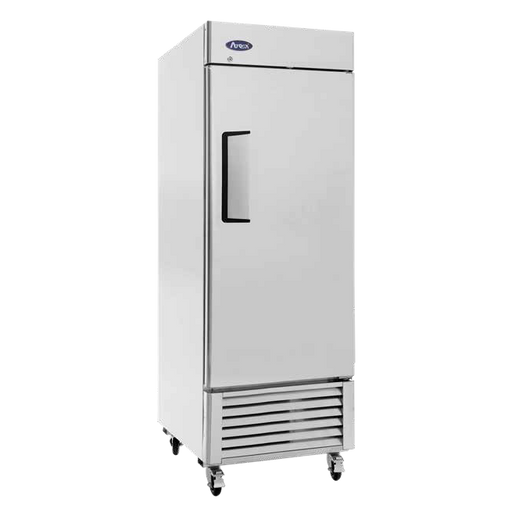
Atosa MBF8519GR Low Height Commercial Refrigerator for Food Truck
Atosa
Original price
$2,479.00
Original price
$2,479.00
-
Original price
$2,479.00
Original price
$2,479.00
Current price
$1,787.00
$1,787.00
-
$1,787.00
Current price
$1,787.00
The Atosa MBF8519GR is a compact, low-height commercial refrigerator designed specifically for food trucks and mobile kitchens. With a space-savin...
View full details
Original price
$2,479.00
Original price
$2,479.00
-
Original price
$2,479.00
Original price
$2,479.00
Current price
$1,787.00
$1,787.00
-
$1,787.00
Current price
$1,787.00
Save 28%
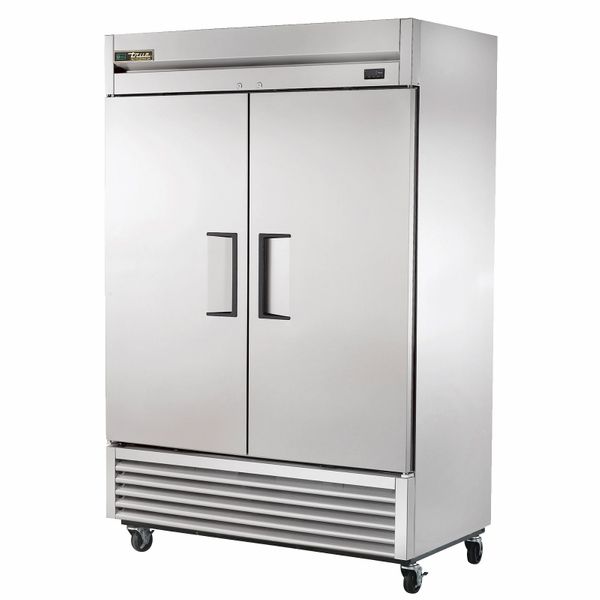
Bottom Mount Refrigerators for Commercial Kitchens
A bottom mount refrigerator places its refrigeration equipment at the base of the cabinet. Compare shelf access, usable storage, cleaning access, and installation requirements to choose a model for your restaurant or foodservice kitchen.
Browse related categories: reach-in refrigerators and commercial freezers.
Why Buyers Choose Bottom Mount Refrigeration
- Practical access to stored ingredients, depending on the cabinet layout
- Refrigeration equipment located at the base for model-specific service access
- One-, two-, and three-door options for different storage needs
Where Bottom Mount Refrigerators Work Best
Evaluate the proposed location for ventilation, nearby heat, floor-level debris, and cleaning access. Check the exact model’s installation requirements instead of assuming bottom mount is always best for hot kitchens. Compare top mount refrigerators when considering alternative layouts.
Atosa Bottom Mount Refrigerator Models
- Atosa MBF8505GR
- Atosa MBF8505GRL
- Atosa MBF8506GR
- Atosa MBF8507GR
- Atosa MBF8508GR
- Atosa MBF8532GR
- Atosa MBF8519GR
For full cold storage systems, pair with commercial freezers.
Is a Bottom Mount Refrigerator Right for Your Kitchen?
A bottom mount refrigerator places its refrigeration equipment at the base of the cabinet. That layout is worth considering when access to frequently used ingredients and access for routine service are important parts of your buying decision.
Start with the place where the refrigerator will actually operate. Think about nearby cooking equipment, the condition of the floor around the cabinet, and how staff will reach the condenser for cleaning. Compressor location is one selection factor, not a promise that a refrigerator will perform better in every hot kitchen.
Check the exact model's permitted operating conditions and installation instructions before positioning it near a cook line. A prep area with enough ventilation and room for service may be a better fit than squeezing a cabinet into the only open space beside a fryer or range.
Check Shelf Height and Everyday Access
On designs where the refrigeration compartment raises the lowest storage level, frequently used containers may be easier to reach. Check the actual interior layout, however, rather than assuming that every bottom mount refrigerator has the same shelf heights or storage arrangement.
Picture the cabinet during a busy service. Can staff retrieve a covered ingredient tub without moving two other containers? Will a heavy container sit at a practical lifting height? Can someone open the door and restock while another employee moves past with a cart?
Adjustable shelves can help organize the space, but the usable dimensions and supported loads still matter. Ask about shelf spacing, load limits, and compatible extra shelves for the exact model. Compare these details with the containers your kitchen already uses.
Compare Usable Storage, Not Just Cubic Feet
Advertised capacity does not show every detail of the cabinet interior. Look at the shelf dimensions, door openings, and any internal obstructions before deciding whether a refrigerator will hold your pans, food boxes, and bulk ingredients.
Use your busiest inventory period as the starting point. List what must be held between deliveries, then plan shelf zones that allow staff to identify stock and rotate it without unpacking the cabinet. Leave the manufacturer-required space around airflow openings rather than treating every empty gap as storage.
A one-door refrigerator may suit a smaller station or provide dedicated storage near a specific prep area. Two- and three-door configurations offer more ways to organize a larger working inventory, but they also require more installation and door-opening space. Compare your actual loading plan instead of choosing solely by door count.
For the broader buying comparison, see our reach-in refrigerators. For Atosa model options across different cabinet styles, visit Atosa refrigerators.
Plan for Floor-Level Debris and Cleaning Access
Because the refrigeration equipment is at the base, pay attention to the conditions around the lower part of the cabinet. Flour, dust, packaging scraps, and other debris can make access and cleaning more important when you choose its location.
Before ordering, ask where the condenser access panel is located and what space is required to service it. Keep the access area clear of stored boxes, carts, and other equipment. Follow the model's cleaning and maintenance instructions rather than assuming one cleaning interval works for every kitchen.
If the proposed location is exposed to flour or persistent floor-level debris, compare a top mount refrigerator as well. Check overhead conditions and maintenance access for that alternative; moving the compressor to the top does not remove the need to evaluate the installation.
Measure the Delivery Route and Installed Footprint
Measure the complete path from unloading to final placement, not just the opening where the refrigerator will sit. Check every doorway, hallway, turn, threshold, and overhead restriction along that route.
Confirm the unit's shipping dimensions and weight, then compare its installed dimensions with casters or legs fitted. If the route is tight, discuss the handling plan with the supplier before delivery. Do not assume doors or other components can be removed without checking the manufacturer's instructions.
At the final position, allow the ventilation and service clearances specified for that exact model. Include the fully open door in your layout and check that shelves can be removed for cleaning. A bottom-mounted compressor does not automatically mean a refrigerator can sit flush against a wall or fit beneath an overhead shelf.
Confirm What Your Delivery Includes
Freight delivery, inside placement, and installation are not interchangeable terms. Ask which services are included in the quote and which arrangements remain your responsibility.
- Unloading: Is liftgate service needed, and is it included?
- Placement: Will the carrier leave the refrigerator curbside, at a receiving area, or inside the building?
- Site preparation: Who will confirm the electrical supply and prepare the final location?
- Setup and replacement: Who will position the unit, complete any required installation, and remove the old refrigerator?
Confirm these details before placing the order. Clear delivery arrangements help you compare the actual installed cost rather than choosing between quotes that include different services.
Top Mount vs Bottom Mount Comparison
| Feature | Bottom Mount | Top Mount |
|---|---|---|
| Equipment location | At the base of the cabinet | Above the storage cabinet |
| Placement checks | Floor-level debris, nearby heat, and access to lower service panels | Overhead conditions, total installed height, and access to upper service panels |
| Storage layout | Check shelf heights, usable dimensions, and any internal obstructions | Check shelf heights, usable dimensions, and any internal obstructions |
| Ventilation and efficiency | Use the exact model’s installation instructions and published energy data | Use the exact model’s installation instructions and published energy data |
Compare Commercial Refrigeration Options
- Top Mount Refrigerators
- Reach-In Refrigerators
- Worktop Refrigerators
- Chef Bases
- Undercounter Refrigerators
- Commercial Refrigerators
Refrigerator Buying Resources
- Commercial Refrigerator Guide
- Commercial Refrigerators Guide
- Atosa Refrigerator Models and Buying Guide
Bottom Mount Refrigerator FAQs
What is a bottom mount refrigerator?
A bottom mount refrigerator places its refrigeration equipment at the base of the cabinet. Check the exact model’s interior layout, usable storage, and access requirements when comparing it with a top mount unit.
Are bottom mount refrigerators good for restaurants?
They can be a suitable choice when the model matches the kitchen’s storage needs and installation conditions. Check nearby heat sources, ventilation, floor-level debris, and service access rather than assuming the compressor location alone makes it suitable.
What size bottom mount refrigerator should I choose?
Start with the containers and ingredients you need to hold between deliveries. Compare shelf dimensions, door openings, peak inventory, and aisle space, then choose the door count and capacity that fit that plan. Leave the manufacturer-required space for internal airflow.
Which is better: top mount or bottom mount?
Neither is automatically better for every kitchen. Compare the specific models for installed dimensions, storage layout, cleaning and service access, operating conditions, and published energy consumption.
Can a bottom mount refrigerator sit flush against a wall?
Only if the exact model’s installation instructions permit that placement. Check required ventilation and service clearances, plus door swing and shelf-removal access, before deciding where to put the refrigerator.
What should I measure before delivery?
Measure every doorway, hallway, turn, and overhead restriction along the delivery route. Confirm shipping dimensions and handling needs as well as the installed footprint, including casters or legs, ventilation clearances, and fully open doors.