

The Complete Guide to the 20 ft Food Trailer
From the outside, a food trailer is a simple metal box. But inside, it’s a complex, high-performance kitchen where every square inch matters. The 20 ft food trailer excels at maximizing that space, transforming a compact footprint into a fully capable culinary workspace. What can you actually fit inside? How do you power a commercial refrigerator, a six-burner range, and an air conditioner all at once? We’re pulling back the curtain to show you the anatomy of a well-designed 20 ft food trailer, from its robust frame and V-nose storage to the turnkey electrical and plumbing systems that make it all work.
Why is the 20 ft Food Trailer So Popular?
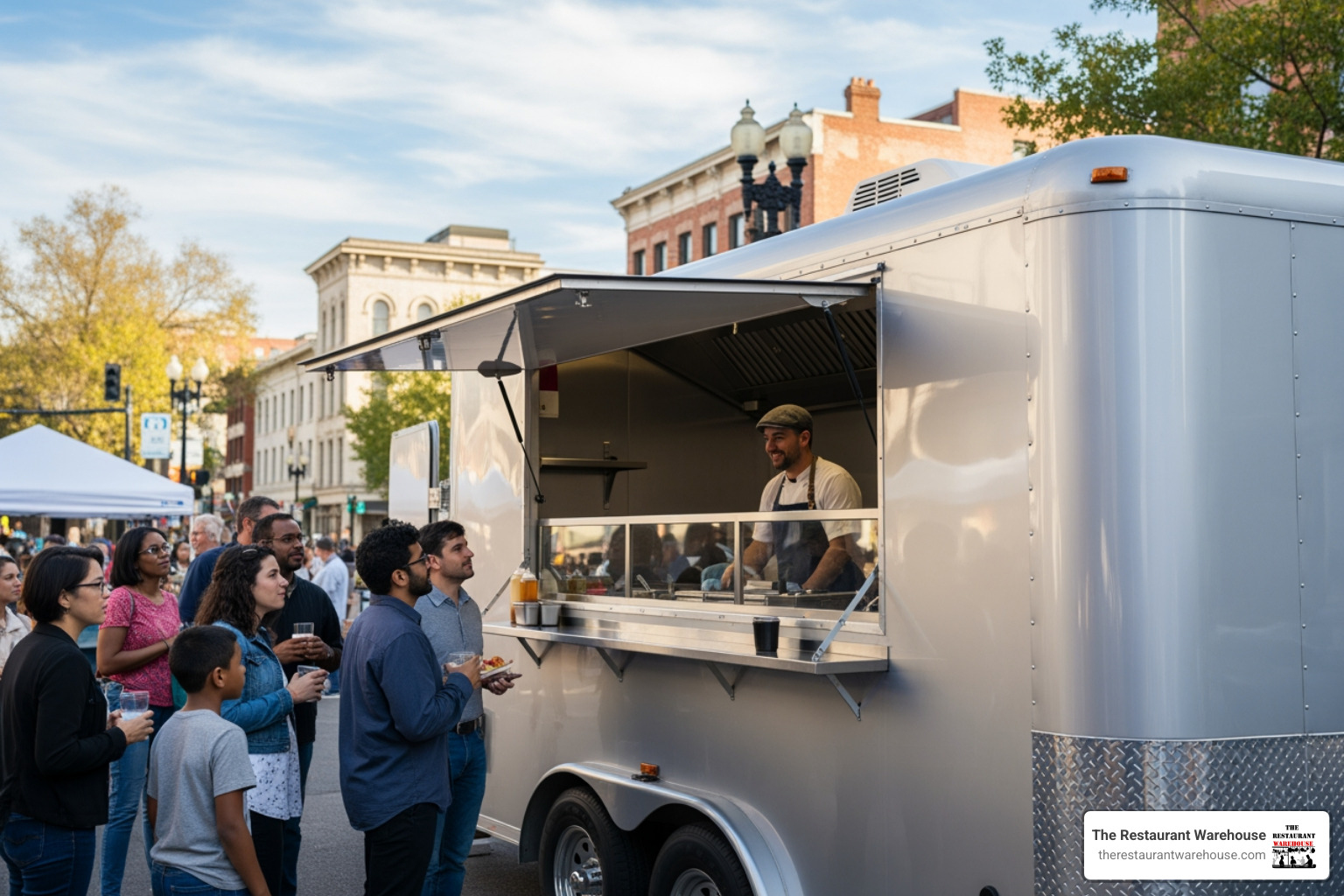
A 20 ft food trailer is a mobile food service unit measuring approximately 20 feet in length (typically 24-25 feet bumper-to-bumper), offering a balance of workspace, equipment capacity, and maneuverability. Here's what you need to know:
Key Features of a 20 ft Food Trailer:
- Interior dimensions: 8.5' wide x 20' long with 7'6" interior height (typical)
- Weight capacity: 10,000-12,000 lbs GVWR on dual axles
- Kitchen space: Sufficient for 2-3 staff members working simultaneously
- Equipment capacity: Can accommodate a full suite of professional-grade cooking, refrigeration, and prep stations under a 7-10 ft exhaust hood.
- Price range: $50,000-$85,000 new; $23,000-$60,000 used (varies by equipment and features)
- Towing requirements: Requires 3/4-ton or 1-ton truck for safe transport
- Menu versatility: Suitable for most food concepts from simple to complex
The 20-foot size has emerged as the "Goldilocks zone" of food trailers—not too small to limit your menu, and not too large to create parking and permit headaches. These versatile units are a common sight at festival grounds, food truck parks, and catering events across the country because they deliver professional kitchen functionality without the operational complexity of larger vehicles.
Whether you're launching your first mobile food venture or expanding an existing operation, understanding what a 20 ft food trailer can do is essential. The size allows you to serve ambitious menus, maintain food safety protocols with adequate sink and storage space, and still steer urban streets and event venues with relative ease. Unlike smaller 14-16 ft trailers that can feel cramped, or 24+ ft units that may require special permits and limit location options, the 20-footer offers maximum flexibility for most food entrepreneurs.
My experience in the food service supply industry has shown me that choosing the right 20 ft food trailer is about matching your business vision with practical operational requirements. We've worked with countless food entrepreneurs to identify the equipment and layout that transforms a metal box into a profitable mobile kitchen.
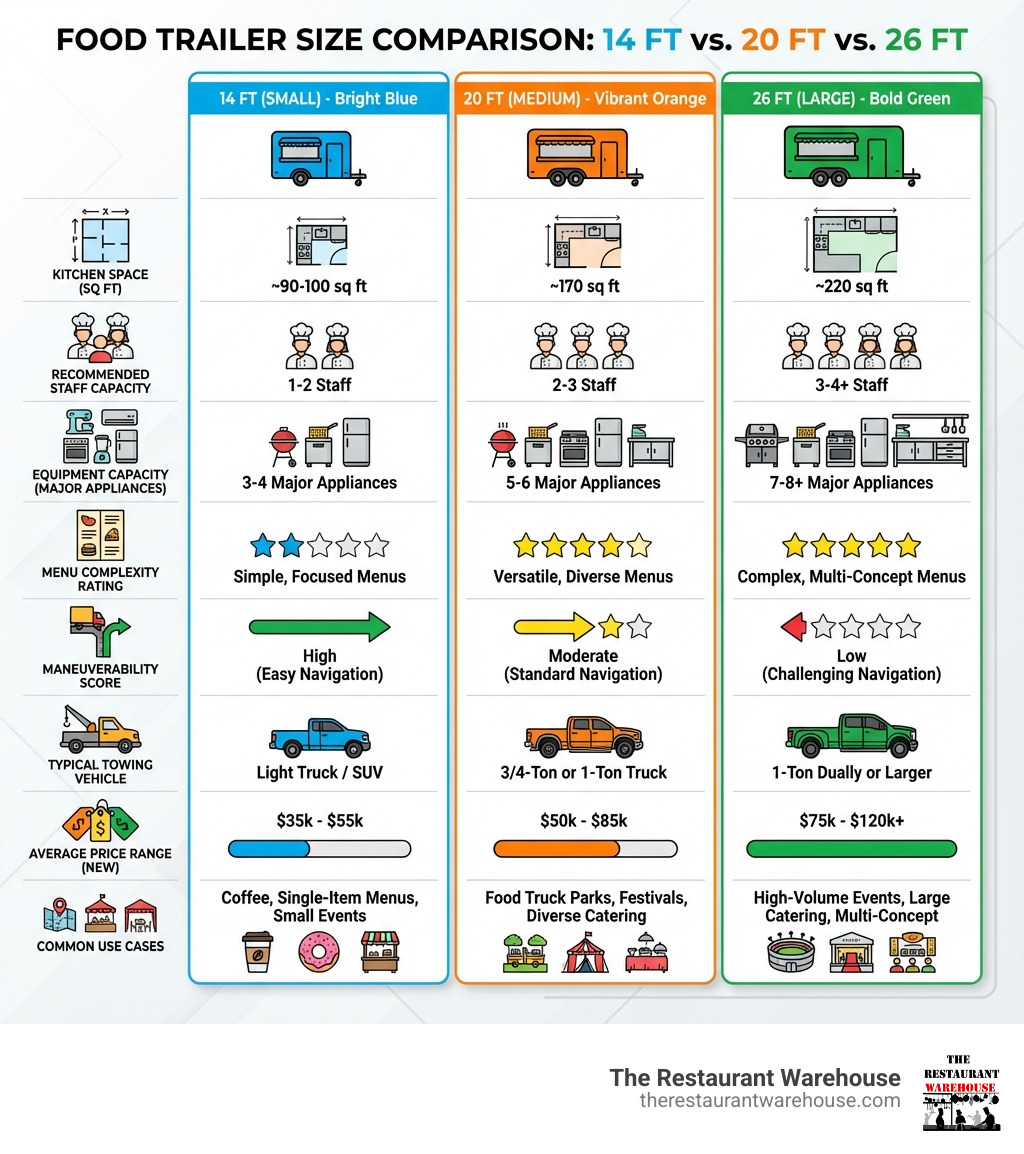
Terms related to 20 ft food trailer:
What's Inside a 20 ft Food Trailer?
When we talk about a 20 ft food trailer, we're often describing a unit that measures 8.5 feet wide by 20 feet long in its base structure, with an interior height typically around 7 feet 6 inches. This provides a generous 170 square feet of usable kitchen space, which is ample room for complex culinary operations. The overall bumper-to-bumper length can extend to about 24.5 feet, accounting for the tongue. This length is a sweet spot, offering substantial workspace without becoming unwieldy on the road or in tight event spaces.
The construction is robust, often featuring a frame rated for 12,000 pounds, with tandem 5,500-pound axles, providing a total Gross Vehicle Weight Rating (GVWR) of 10,000-12,000 pounds. The tare weight (empty trailer) can be around 3,000 pounds, leaving plenty of capacity for all your equipment, supplies, and staff. Stability is ensured with features like 7,000-pound drop-leg landing jacks and 12,000-pound safety chains.
A unique feature often found in these trailers is the V-nose design. This isn't just for aesthetics; the V-nose compartment is cleverly used to house essential components like your generator and inverter system with batteries, keeping them safely tucked away and optimizing the main kitchen space. This design impacts functionality by providing a dedicated, secure, and weatherproof area for power management, which is crucial for a mobile operation. Propane tanks, typically two 100-pound cylinders, are usually stored in lockable cages on the exterior, ensuring safety and easy access for refills.
Inside, durability and hygiene are paramount. We often see anodized aluminum or stainless steel walls, which are easy to clean and maintain, meeting health department standards. The flooring is commonly aluminum tread diamond plate or rubber coin flooring, offering excellent grip and longevity in a busy kitchen environment. FRP (fiber-reinforced plastic) ceilings are also popular for their moisture resistance and ease of cleaning. Thoughtful storage solutions, such as overhead and base cabinets, and drawers, are essential to maximize the efficiency of every square inch. To explore smart storage ideas for your mobile kitchen, check out our guide on Unlock Your Truck's Potential: Essential Storage Cabinets for Food Trucks.
Planning Your 20 ft Food Trailer
The beauty of a 20 ft food trailer lies in its adaptability. This size allows for diverse kitchen layouts, custom to specific menu concepts and designed for optimal workflow efficiency. Whether you're slinging BBQ, crafting gourmet tacos, or whipping up sweet desserts, a 20-foot unit provides the space to make it happen.
The layout is custom to the menu. For example, a BBQ concept will prioritize space for slow-cooking and holding units, while a taco or burger business might focus on high-speed cooking surfaces and refrigerated prep stations. A dessert trailer could dedicate more space to cold storage, display cases, and specialized finishing equipment. The key is to design a floor plan that supports a smooth kitchen operation, allowing 2-3 staff members to work comfortably without tripping over each other.
Customer interaction is also a critical consideration. Most 20 ft food trailer designs include a generous customer service window, often measuring 3x5 feet, 60x48 inches, or even 74x40 inches, sometimes with glass and screens, and an exterior fold-down shelf for serving. This ensures a clear line of communication and efficient order delivery. Regardless of your culinary vision, the 20-foot footprint provides the canvas for a highly functional and profitable mobile kitchen. For a deeper dive into the gear that can power your menu, take a look at our guide to Appliances for Food Truck.
Choosing Your Kitchen Equipment
Equipping your 20 ft food trailer is where your culinary dreams truly take shape. This size allows for a comprehensive suite of professional-grade gear, moving beyond the bare essentials to a fully functional kitchen. Here's a rundown of what you'll commonly find:
- Ventilation: A crucial component for safety and comfort is the exhaust hood. A 7-foot to 10-foot exhaust hood system, complete with an exhaust fan and makeup air fan, is standard to efficiently remove smoke, grease, and heat.
- Refrigeration & Freezing: Keeping ingredients fresh and safe is non-negotiable. A single-door reach-in refrigerator (often 19-22 cubic feet) and a reach-in or 7-cubic-foot chest freezer are common. For prep work, a 27-inch sandwich prep cooler is invaluable, allowing easy access to chilled ingredients.
- Climate Control: Working in a mobile kitchen can get toasty! That's why a 13,500 BTU or 15,000 BTU roof-mounted air conditioner, sometimes with a heat strip, is a popular feature to keep your staff cool and comfortable.
- Work Surfaces: Stainless steel work tables and counters are ubiquitous. They're durable, hygienic, and easy to clean, providing ample space for food preparation.
- Flooring: As mentioned, aluminum tread diamond plate or rubber coin flooring provides a safe, non-slip, and easy-to-maintain surface.
- Lighting: Interior LED lighting ensures a bright and efficient workspace.
- Awnings: A 14-foot electric awning with lights is a fantastic addition, providing shade and shelter for your customers, enhancing their experience.
The range of equipment available allows for incredible versatility. Whether you're building a new unit or upgrading an existing one, choosing the right gear can significantly impact your efficiency and menu potential. Dive deeper into selecting the best appliances for your mobile venture with our resource on Cookin' on Wheels: Top Food Truck Appliances for Culinary Success.
Is a 20 ft Trailer the Right Size for You?
Choosing the right size for your food trailer is a bit like choosing the right shoes—it has to fit your needs perfectly. For many, the 20 ft food trailer hits that sweet spot, offering significant advantages over both smaller and larger mobile kitchen options. It provides an optimal balance between ample workspace and practical mobility, making it a favorite for entrepreneurs across the country.
One of the primary benefits is maneuverability and parking flexibility. While a 20-foot trailer offers substantial kitchen space, it's still manageable enough to steer urban streets, fit into standard parking spots at events, and access a wider range of venues compared to its larger siblings (24 feet and up). This means less stress on event days and more opportunities for prime locations. Towing requirements, while still significant, are also more accessible; a robust 3/4-ton or 1-ton pickup truck is typically sufficient, whereas much larger trailers might demand specialized towing vehicles.
The 20 ft food trailer truly shines in its menu versatility. Unlike smaller 14-foot or 16-foot trailers that often force a more limited menu due to space constraints, a 20-foot unit can comfortably accommodate multiple work zones, refrigeration, and prep areas. This allows for a more ambitious menu, catering to a broader customer base and increasing your revenue potential. You can easily switch between different cuisines or expand your offerings without needing a complete overhaul.
Operational efficiency is another key advantage. The space allows 2-3 staff members to work efficiently without getting in each other's way, which is crucial during peak hours. This leads to faster service, happier customers, and a more productive work environment. The balance of space also means you can maintain proper hygiene and safety standards more easily, with dedicated areas for different tasks. For a broader perspective on the mobile vs. brick-and-mortar debate, you might find our article on The Great Debate: Unpacking the Pros and Cons of Restaurant vs. Food Truck insightful.
A Quick Guide to Food Trailer Sizes
Understanding where the 20 ft food trailer fits in the spectrum of mobile kitchens is crucial for making an informed decision. It's often seen as the ideal compromise, balancing the limitations of smaller trailers with the complexities of larger ones.
Compared to smaller 14-foot or 16 ft food trailers, a 20-foot unit offers substantial advantages. Smaller trailers are excellent for single-operator concepts or very simple menus, but they quickly become cramped with more than one person or a complex operation. A 20-foot trailer provides the necessary breathing room for all your gear, dedicated prep areas, and more storage, allowing for a higher volume of sales. This extra space also contributes to a more comfortable and less stressful working environment for your staff.
On the other hand, while larger trailers (24 feet and above) offer even more space, they come with their own set of challenges. They are harder to maneuver, can be difficult to park in urban settings or crowded events, and often require specialized permits and heavier-duty tow vehicles. This can limit your location options and increase operational costs. The 20 ft food trailer largely avoids these limitations, providing ample space without sacrificing crucial mobility.
From a cost-effectiveness standpoint, the 20-foot size often provides the best value. While the initial investment is higher than for smaller units, the increased capacity for staff, equipment, and menu complexity means a higher earning potential, leading to a faster return on investment. It's a sweet spot for a startup budget that wants to maximize operational capabilities. It also offers good scalability; you can start with a core menu and gradually expand your offerings or staff as your business grows, without immediately needing to upgrade to a larger unit. If you're still exploring options, our guide on Trailer Tales: Finding Your Perfect 14 Ft Food Trailer offers insights into smaller models.
Comparing Costs for Different Sizes
Let's talk numbers, because the initial price tag is a huge part of this decision. A new, fully-equipped 20 ft food trailer typically costs between $50,000 and $85,000. While smaller 14 or 16-foot trailers are less expensive upfront, their limited space can cap your earning potential. Conversely, larger trailers (24+ feet) not only cost more to buy but also come with higher operational expenses for towing, permits, and parking. The 20-foot model strikes an ideal balance, offering the best value for long-term growth. The investment supports a more complex menu and efficient staff, leading to a faster return. If you're mapping out your budget, options like restaurant equipment financing can help make the ideal trailer an attainable goal from day one.
Where to Find Your Food Trailer
Once you’ve settled on the perfect size for your mobile kitchen, the next big step is actually finding it. This is where your vision starts to become a reality, but it can also feel a little overwhelming with so many options out there. You can go the custom route and have a trailer built from the ground up, browse online marketplaces for new or pre-owned units, or even keep an eye on local listings for a hidden gem. Each path has its own set of benefits, whether you prioritize total creative control, speed, or budget. The key is to find the right source that aligns with your business plan and timeline.
Think of it as finding the perfect home for your business—the structure that will hold all your hard work and delicious food. Before you start your search, it’s a good idea to have a clear picture of your finances. Securing funding early on can help you move quickly when you find the right trailer. Exploring options like restaurant equipment financing can give you the flexibility to choose a trailer based on your needs, not just its price tag. Let’s look at two of the most popular places to find your future food trailer: custom builders and online marketplaces.
Custom Food Trailer Builders
If you have a specific vision for your mobile kitchen and want every detail tailored to your menu and workflow, working with a custom food trailer builder is an excellent choice. These specialists work with you from the initial concept to the final product, helping you design a layout that maximizes efficiency. You get to choose where every piece of equipment goes, from the deep fryers to the prep tables, ensuring the space works perfectly for your team. Some builders also offer "ready to work" models, which are pre-designed but still offer a high level of quality and functionality, providing a great middle-ground if you need a faster turnaround without sacrificing a professional setup.
Build Times and Availability
Going the custom route means you’re getting a trailer made just for you, which naturally takes time. Build times can vary significantly depending on the builder's schedule and the complexity of your design, so it’s not an overnight solution. Some companies promise quick turnarounds, but it's crucial to ask about their current lead times before signing any contracts. For context, some builders offer smaller, 10-foot "ready-to-go" options for around $25,000, but a fully customized 20-foot trailer will be a larger investment in both time and money. Be sure to get a clear timeline and understand exactly what’s included in the final build.
Online Marketplaces
For those who want to see a wide range of options at different price points, online marketplaces like Amazon, eBay, or specialized food truck sites are a great place to start. These platforms offer an extensive selection of food trailers, from basic shells to fully equipped mobile kitchens. You can find trailers designed for specific concepts like BBQ, pizza, or coffee, often constructed with durable materials like stainless steel. The main advantage here is the ability to compare prices and features from multiple sellers in one place, which can help you find a competitive deal on a new or used unit that fits your budget.
While the convenience is a huge plus, the downside is that you typically can't inspect the trailer in person before you buy. It’s essential to do your homework, read reviews, and ask the seller for detailed photos and information. You might find a great deal on a basic trailer shell, which gives you a blank canvas to outfit with your own high-quality gear. Once you have your trailer, you can shop restaurant equipment to install the perfect setup, from commercial refrigerators to cooking stations, ensuring your mobile kitchen is ready for success from day one.
How to Customize Your Mobile Kitchen
Building your dream mobile kitchen means changing a trailer shell into a highly efficient, branded, and compliant culinary powerhouse. Customizing a 20 ft food trailer is a journey that aligns your unique business concept with practical operational needs. This involves selecting every piece of equipment, designing the workflow, and ensuring all systems meet stringent standards. For a detailed roadmap to planning your mobile business, consider reviewing our Food Truck Business Plan.
The customization process begins with your menu. Are you specializing in BBQ, tacos, gourmet coffee, or something else entirely? Your menu dictates the type and configuration of your cooking, refrigeration, and prep stations. For example, a BBQ trailer will prioritize slow-cooking and holding areas, while a dessert trailer might focus on display cases and specialized finishing stations. The 20-foot length provides sufficient room for these specialized setups, allowing you to tailor the interior precisely to your culinary vision.
We work closely with our clients in Seattle and across the USA to ensure every detail, from the placement of a sink to the size of an exhaust hood, supports their specific workflow. This careful planning ensures that your 20 ft food trailer is not just a vehicle, but a highly optimized kitchen designed for success. We invite you to explore the wide array of options available for your mobile kitchen by visiting our Concession Trailer Equipment for Sale: Your Mobile Kitchen Awaits page.
Ready to bring your unique food concept to life on wheels? Contact us to discuss your custom build and let's craft the perfect 20 ft food trailer for your business.
Powering Your Trailer: Electrical, Plumbing, and Gas
The backbone of any functional 20 ft food trailer is its carefully designed electrical, plumbing, and gas systems. These aren't just conveniences; they are critical for safety, compliance, and uninterrupted operation.
Our electrical systems are built for professional demands. A typical 20 ft food trailer will feature a 125 AMP, 24-circuit breaker panel, providing robust power distribution for all your appliances. We often equip these trailers with 50 AMP/240 V service, ensuring you have enough juice for high-demand equipment. Strategically placed 110V GFI (Ground Fault Interrupter) outlets are crucial for safety, especially in a wet environment, and interior LED lighting keeps your workspace bright. A 25-foot 50 Amp power cord is usually included for connecting to shore power. For more insights into powering your mobile kitchen, refer to our guide on Wired for Success: Top Electrical Gear for Food Trailers.
The plumbing system is designed to meet strict health codes. A standard setup includes a 3-compartment sink, essential for washing, rinsing, and sanitizing your dishes and utensils. Alongside this, a separate hand washing sink is mandatory for staff hygiene. Water storage is managed by a fresh water tank (typically 30-42 gallons) and a grey water tank (45-93 gallons), which is usually double the capacity of the fresh water tank to accommodate wastewater. An on-demand water heater ensures you always have hot water for cleaning and handwashing. Understanding these requirements is key, and our Food Truck Sinks Guide offers more detailed information.
Gas systems, particularly propane, are vital for many cooking appliances. We typically install lockable propane cages on the exterior of the trailer, designed to safely hold two 100-pound LP tanks. A high-capacity regulator, often 400,000 BTU, ensures a consistent and adequate gas supply to your cooking equipment, which is connected via durable 3/4-inch propane supply lines. This meticulous setup guarantees both efficiency and safety for your mobile kitchen.
Turnkey Electrical and Water Systems
A food trailer's functionality hinges on its electrical system. It's the unseen hero that powers everything from your lights to your most critical cooking equipment. A well-designed 20 ft trailer typically comes with a robust 125 AMP, 24-circuit breaker panel, which is more than enough to handle a professional kitchen's demands. This is usually paired with a 50 AMP/240 V service, providing the necessary power for high-draw appliances like commercial deep fryers and refrigerators. For safety, you'll find strategically placed 110V GFI (Ground Fault Interrupter) outlets throughout the kitchen, which are essential for preventing shocks in wet environments. Bright interior LED lighting completes the setup, ensuring your workspace is well-lit and efficient, no matter the time of day.
Just as important is the plumbing, which is designed to meet strict health codes and keep your operation hygienic. The centerpiece is the 3-compartment sink, a requirement in most jurisdictions for properly washing, rinsing, and sanitizing dishes. A separate handwashing sink is also a must-have for staff hygiene. To manage your water supply, these trailers include a fresh water tank, often holding between 30 and 42 gallons, and a larger grey water tank for wastewater, typically around 45 to 93 gallons. The grey water tank is intentionally larger to safely contain all used water. An on-demand water heater provides a constant supply of hot water, which is vital for effective cleaning and meeting food safety standards.
Unique Features and Add-Ons
Beyond the standard layout, several unique features can make your 20 ft food trailer more efficient and functional. A popular design choice is the V-nose front. This isn't just for looks; the V-nose compartment is cleverly used to house essential components like your generator and inverter system with batteries. This keeps your power systems safely tucked away, protected from the elements, and frees up valuable interior kitchen space. Inside, the choice of materials is critical. Anodized aluminum or stainless steel walls are common because they are incredibly durable and easy to clean, which is essential for meeting health department standards and maintaining a hygienic workspace day after day. The range of available gear allows for incredible versatility, letting you build a new unit or upgrade an existing one to perfectly match your concept. Whether you need high-capacity deep fryers for a fried chicken concept or extensive cold storage from top-tier refrigerators for a fresh salad bar, choosing the right equipment will directly impact your efficiency and menu potential.
Exterior Accessories and Other Mobile Concepts
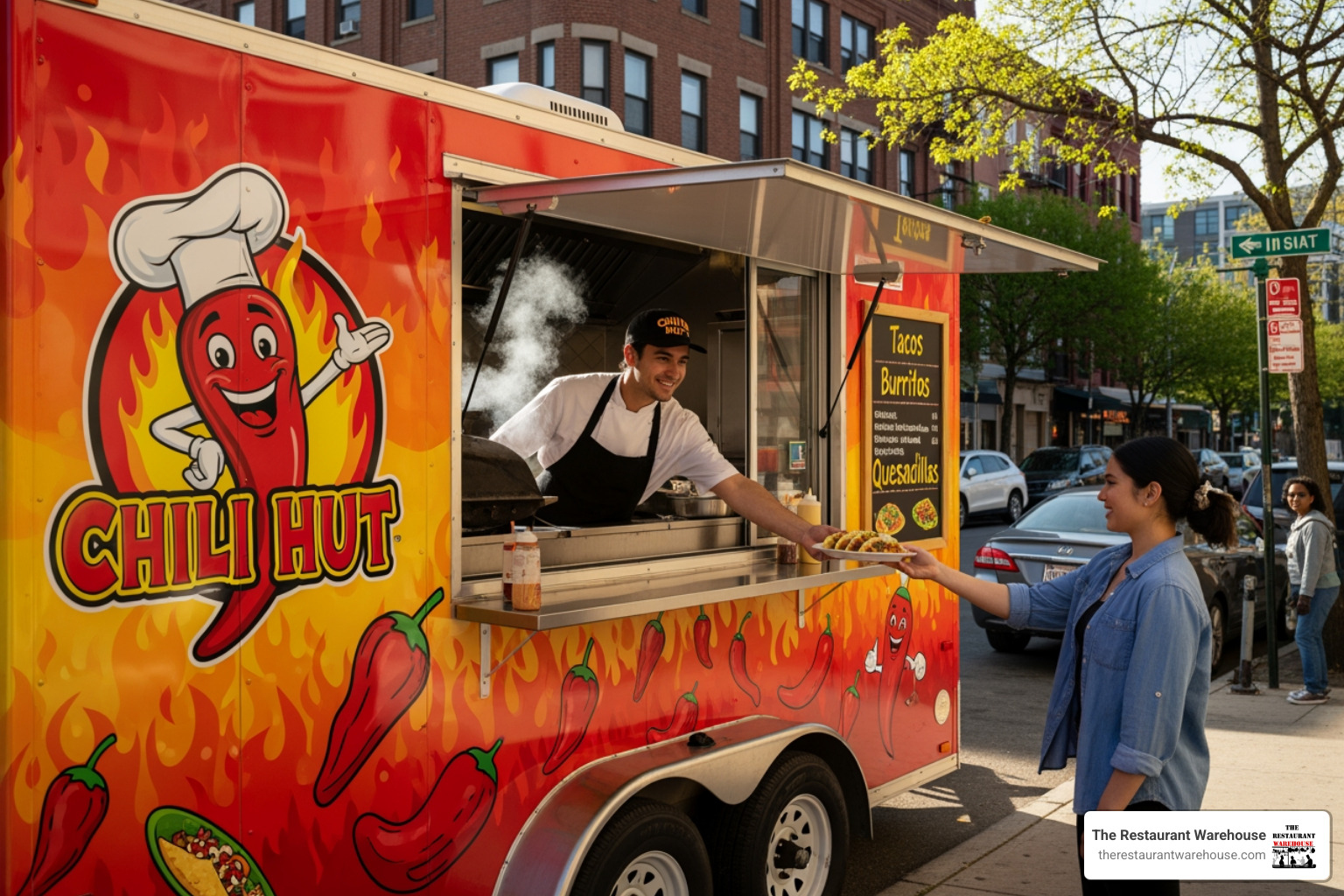
Your 20 ft food trailer is a blank canvas, and its exterior is your primary marketing tool. Custom vinyl wraps can turn your trailer into a rolling billboard, grabbing attention and communicating your brand identity from a distance. Practical accessories like electric awnings provide shelter for customers, creating a more inviting service area, while well-placed exterior lighting ensures you're visible and approachable during evening hours. It's also worth noting that these versatile platforms aren't limited to just food. We've seen creative entrepreneurs adapt these trailers into other mobile businesses, such as mobile salons, coffee bars, and retail boutiques. Whether you buy a ready-to-go trailer or opt for a custom build, these units are designed to be complete businesses on wheels. You can customize the design and interior to fit almost any need, making them a flexible foundation for a wide range of mobile ventures. No matter the concept, outfitting it with reliable commercial equipment is the key to success.
New vs. Used: What's the Real Cost of a 20 ft Food Trailer
The investment in a 20 ft food trailer can vary significantly, depending on whether you're opting for a brand-new, custom-built unit or a pre-owned model. Understanding these price ranges is crucial for your business planning.
For a new 20 ft food trailer, prices typically range from $22,999 to $77,875, though fully loaded, custom-built food trucks can start at $85,000 and go higher. For instance, a new 8.5x20 enclosed concession food vending trailer might be priced around $28,850. A 20-foot V-nose concession trailer equipped with dual 5,500 lbs axles, LED lights, an awning door, and two 100 lbs LP tanks could also fall within this range. More comprehensively equipped models, featuring large exhaust hoods, full refrigeration, and air conditioning, can be found for around $59,995 or higher for specialized concepts. The final price heavily depends on the level of customization, the brand and quantity of appliances, and the quality of the build materials.
When considering a used 20 ft food trailer, prices will naturally be lower, but they are highly variable based on age, condition, included equipment, and mileage (if applicable to a food truck conversion). While we offer insights into Cheap Eats on Wheels: Finding Used Food Trucks Under $5000, a 20-foot trailer will certainly exceed that price point, even used, due to its size and inherent equipment value. Expect used 20-foot trailers to be anywhere from $23,000 to $60,000, depending on the aforementioned factors. It's always wise to factor in potential repair or upgrade costs when buying used.
Financing options are widely available to help make your dream a reality. Many providers offer solutions like traditional loans or catering trailer lease roundup programs. These can help spread the cost over time, making a significant investment more manageable for your startup budget. Exploring these solutions can help you find a plan that suits your needs.
Financing Your Food Trailer
A 20 ft food trailer is a significant investment, but the price tag shouldn't be a roadblock. Many successful entrepreneurs use financing to get their business rolling, which is a smart way to preserve capital for other essential startup costs like inventory, permits, and marketing. Spreading the cost over several months or years makes the purchase much more manageable. There are several paths to consider, from traditional business loans to leasing programs. Here at The Restaurant Warehouse, we know that outfitting your trailer is a major expense, which is why we provide flexible restaurant equipment financing options. This helps you secure everything from refrigerators to deep fryers without draining your bank account. Many trailer builders also have partnerships with lenders, often offering quick approvals to help you get on the road faster.
Your Guide to Food Trailer Safety and Compliance
Operating a 20 ft food trailer isn't just about cooking great food; it's also about ensuring the safety of your staff and customers, and adhering to local regulations. Safety features and compliance are non-negotiable elements in every mobile kitchen we help build.
One of the most critical safety components is the fire suppression system. Given the presence of cooking equipment and propane, a robust fire suppression system is essential to quickly extinguish any flames and prevent catastrophic damage. This is often a mandatory requirement for fire marshal approval. In addition to fire suppression, we equip our trailers with an ABC fire extinguisher for immediate response to smaller incidents.
Vehicle safety is also paramount. All 20 ft food trailers are equipped with electric brakes on all four wheels, providing reliable stopping power, especially when carrying a heavy load. A breakaway kit is a standard safety feature that automatically applies the trailer brakes if it detaches from the tow vehicle, preventing a runaway trailer. Strong safety chains further secure the connection.
Compliance with health codes is another pillar of food trailer operation. This includes using NSF-certified equipment, which means appliances and surfaces meet specific public health standards. This applies to everything from your sinks (remember the 3-compartment and hand washing sinks!) to refrigeration units and work surfaces. Before construction even begins, we often work with clients to get floor plans and spec sheets pre-approved by their local health department. This proactive approach significantly improves the likelihood of passing final inspection and helps establish good relationships with local agencies. Similarly, obtaining fire marshal approval is a crucial step, and we assist in providing the necessary documentation. Familiarizing yourself with general business planning and regulatory guidelines, such as those provided by the U.S. Small Business Administration, can also be highly beneficial.
Your Launch Checklist: Branding, Permits, and Operations
Once your 20 ft food trailer is built and equipped, the next exciting phase is getting it ready to hit the road and serve your delicious creations. This involves powerful branding, navigating the necessary permits, and understanding the day-to-day operational realities.
The visual appeal of your food trailer is your mobile billboard. The benefits of a full vehicle wrap or custom exterior design are immense. A vibrant, professional wrap using quality vinyl can make your 20 ft food trailer stand out, creating instant brand recognition. Custom designs, sometimes incorporating RGB lights for evening ambiance or exterior TVs for menu display, can transform a trailer into a captivating presence. Your trailer's aesthetic is a powerful marketing tool that draws customers in and reinforces your brand identity. For more practical advice on running your mobile kitchen, explore our Food Truck Tips article.
Beyond the flashy exterior lies the crucial administrative hurdle: permits and licensing. This is often cited as one of the common challenges for food trailer operators. You'll need to steer a maze of local regulations, including health department permits, business licenses, and potentially specific permits for operating in different cities or at special events. Health department inspections are rigorous, ensuring everything from water temperatures to waste disposal meets strict standards. It's a complex process, but with diligent preparation and a compliant trailer, it's entirely manageable.
Operational realities also include location scouting and event booking. Where will you park? What events will you attend? These decisions significantly impact your success. Finally, a consistent maintenance schedule is vital. Regular checks of your generator, propane lines, plumbing, and food service gear will prevent costly breakdowns and keep your 20 ft food trailer running smoothly. Don't forget to ensure your tow vehicle has the adequate capacity to safely transport your fully loaded trailer!
Frequently Asked Questions about the 20 ft Food Trailer
How much does a fully equipped 20 ft food trailer cost?
The price for a 20 ft food trailer varies significantly based on whether it's new or used and the level of customization. A new, fully equipped trailer can range from approximately $50,000 to over $85,000, while used options can be found at lower price points, typically between $23,000 and $60,000. The final cost depends on the quality of the build, the brand of appliances, and included features like fire suppression and custom wraps.
What kind of vehicle do I need to tow a 20 ft food trailer?
A 20 ft food trailer, when fully loaded with equipment and supplies, can weigh between 7,000 and 12,000 pounds (GVWR). You will need a heavy-duty truck with an appropriate towing capacity, such as a three-quarter-ton or a one-ton truck, to tow it safely. Always check the specific weight of your trailer and the towing capacity of your vehicle.
Can a 20 ft food trailer be customized for any type of cuisine?
Yes, one of the biggest advantages of a 20 ft food trailer is its versatility. The ample space allows for a wide range of kitchen layouts and equipment configurations. Whether you're planning a BBQ concept, a taco station, a mobile bakery, or an ice cream parlor, the interior can be custom-built to suit your specific menu and operational workflow.
Ready to Build Your 20 ft Food Trailer?
Choosing the right food trailer is a critical first step toward a successful mobile food business. The 20 ft food trailer stands out as a popular and intelligent choice, offering a near-perfect balance of workspace, menu potential, and mobility. It provides enough room for a professional-grade kitchen and multiple staff members without the logistical challenges of an oversized vehicle. By carefully planning your layout, securing the right equipment, and understanding the operational realities, you can build a thriving business on wheels. For all your mobile kitchen needs, The Restaurant Warehouse provides the essential, high-quality supplies to get you started. Contact us today to explore our wide selection of food trailer supplies and begin building your dream.
Key Takeaways
- Balance Space with Mobility: The 20 ft food trailer is the ideal compromise, offering enough room for a full kitchen and multiple staff members without sacrificing the ability to easily tow and access prime event locations.
- Customize Your Layout for Efficiency: Your menu should dictate your kitchen's design. Use the 20-foot space to create a logical workflow with specialized cooking stations, proper refrigeration, and adequate ventilation to serve customers quickly.
- Prioritize Core Systems for Compliance: A successful operation depends on more than just cooking equipment; ensure your trailer has robust electrical, plumbing, and gas systems that meet all local health and fire codes to guarantee safety and pass inspections.
Related Articles
About The Author

Sean Kearney
Sean Kearney is the Founder of The Restaurant Warehouse, with 15 years of experience in the restaurant equipment industry and more than 30 years in ecommerce, beginning with Amazon.com. As an equipment distributor and supplier, Sean helps restaurant owners make confident purchasing decisions through clear pricing, practical guidance, and a more transparent online buying experience.
Connect with Sean on LinkedIn, Instagram, YouTube, or Facebook.