

Weathering the Storm: Your Seattle Patio Furniture Survival Guide
Why Choosing the Right Outdoor Patio Furniture Seattle Matters
Seattle's climate presents a unique and formidable challenge for outdoor furniture. It's a city of beautiful contrasts, but those contrasts can be brutal on your patio pieces. Between the persistent, misty drizzle that defines the months from October through May and the surprisingly intense UV radiation during our cherished summer days, your outdoor furniture faces a relentless gauntlet. This constant cycle of wet and dry, cool and warm, creates the perfect storm for degradation. Rain, pervasive humidity, opportunistic mold, and damaging sun exposure can quickly transform a beautiful outdoor investment into a warped, faded, and disappointing eyesore. The wrong furniture, chosen for its looks or a low price tag, simply won't survive a single rainy season intact, leading to warping, cracking, and peeling finishes.
The good news is that modern materials and thoughtful construction have more than risen to the challenge. With the right choices, you can create an inviting outdoor space that weathers every storm Seattle throws at it, season after season. Choosing the right outdoor patio furniture Seattle residents can trust means prioritizing durability specifically against our unique Pacific Northwest conditions. A deep understanding of how moisture, significant temperature swings, wind, and even salt air for those near the Sound interact with specific materials is the key to buying once and enjoying for years. According to the National Weather Service Seattle climate data, our region experiences over 150 days of measurable precipitation annually, making the selection of truly weather-resistant materials not just a preference, but an absolute necessity.
This comprehensive guide will walk you through everything you need to know about selecting patio furniture that lasts. We'll explore the best materials engineered for this climate, identify the construction features that signal commercial-grade quality, and offer design ideas to make your space more inviting. We'll also provide smart shopping tips to protect your budget and straightforward maintenance practices to extend the life of your investment. Whether you're furnishing a compact balcony in Capitol Hill, a sprawling deck in Bellevue, or a hospitality patio in South Lake Union, the right choices turn gray days into cozy retreats and sunny stretches into unforgettable gatherings.
Why Material Choice is Your First Line of Defense in Seattle
In Seattle, your furniture's material is its primary shield against the elements. The relentless dampness creates an ideal breeding ground for rot, rust, and mildew, while the summer's surprisingly harsh UV rays can bleach colors and cause materials to become brittle and crack. Fortunately, modern material science has evolved to masterfully handle these specific challenges, offering a range of options that blend aesthetic appeal with rugged performance.
So, what truly makes a material Seattle-ready? The checklist is specific: look for non-corroding metals that won't bleed rust stains onto your deck, cushions made with closed-cell or quick-dry reticulated foam that don't act like sponges, UV-stabilized synthetics that won't fade or degrade under the sun, and dense tropical hardwoods with natural oils that inherently resist moisture and decay.
The Gold Standard: Powder-Coated Aluminum
If one material was purpose-built for the Pacific Northwest, it's powder-coated aluminum. Aluminum's most significant advantage is that it is physically incapable of rusting, making it an essential choice for a city with over 150 rainy days a year. It's also remarkably lightweight without sacrificing strength, offering the perfect balance of everyday practicality and long-term durability. The best outdoor patio furniture Seattle collections utilize commercial-grade, thick-walled extruded aluminum tubing for superior structural integrity, ensuring frames don't bend or break under pressure. The powder-coating process electrostatically applies a dry powder that is then heat-cured, forming a hard, protective shell far more durable than conventional paint. This finish is exceptionally resistant to chipping, scratching, and fading. When inspecting a piece, look for smooth, even coverage, especially around complex joints and edges. Quality pieces will feature clean, full-circumference welds, non-corrosive stainless steel fasteners, and replaceable nylon foot glides that prevent moisture from wicking up into the frame legs.
Care tip: A simple rinse with a hose a few times per season is enough to remove pollen and urban grime. For a deeper clean, use a soft cloth and a mild soap-and-water solution, then rinse thoroughly.
The All-Weather Weave: Modern Resin Wicker
Modern resin wicker delivers the timeless aesthetic appeal of natural wicker with none of the maintenance headaches. Crafted from virgin High-Density Polyethylene (HDPE), this synthetic material is infused with UV stabilizers and anti-aging compounds during the manufacturing process itself. This ensures the color and flexibility permeate the entire strand. Quality HDPE wicker dramatically outperforms cheaper PVC versions, which are often brittle, prone to cracking, and feel plasticky to the touch. When evaluating wicker furniture, check that the individual strands feel substantial and that the weave is tight, dense, and consistent across the entire piece. The highest quality resin wicker pieces feature meticulous handwoven craftsmanship, ensuring uniformity and strength. Critically, the frame beneath the weave must be fully welded aluminum to prevent hidden rust from destroying the piece from the inside out.
Care tip: Use a soft-bristled brush and mild soapy water to gently scrub away dust and pollen from the crevices of the weave. Allow the furniture to air dry completely before covering or storing cushions.
The Classic Choice: Weather-Resistant Woods
For those who prefer the warmth and organic beauty of natural materials, certain wood species are remarkably well-suited to our damp climate. Teak and Shorea are the undisputed champions in this category. These dense tropical hardwoods are rich in natural oils and silica, which act as powerful built-in repellents against both moisture and wood-boring insects. When left exposed to the elements, these woods gracefully age, developing a stunning silver-gray patina that is purely cosmetic and does not compromise their exceptional structural integrity. When shopping, look for dense, tight grain patterns; robust mortise-and-tenon joinery for strength; and high-grade stainless steel or brass hardware that won't rust and stain the wood. Avoid softwoods like pine or painted woods that require constant, laborious refinishing to survive in a damp climate.
Care tip: An annual cleaning with a specialized teak cleaner or a simple solution of mild soap and water is all that's needed to remove surface grime and prevent mildew spores from taking hold.
The Finishing Touch: High-Performance Fabrics
For Seattle's climate, the fabric on your cushions is just as important as the frame. Solution-dyed acrylics are the undisputed gold standard. Unlike traditional fabrics where color is merely a surface application, these advanced textiles have color pigments embedded directly into the molten polymer fibers before they are even spun into yarn. This process makes them incredibly resistant to fading from UV exposure and allows for aggressive cleaning without color loss. Furthermore, most high-performance fabrics are treated with a water-repellent finish that causes rain to bead up and roll off rather than soaking into the foam core. Beyond the fabric itself, what's inside matters immensely. Look for cushions filled with quick-dry or reticulated foam, which has an open-cell structure that allows water to pass directly through, preventing that soggy, waterlogged feeling and inhibiting mildew growth. When choosing colors, consider that neutral or mid-tone shades are more forgiving and do an excellent job of minimizing the appearance of pollen and everyday dust.
Designing Your Oasis: Popular Types of Outdoor Patio Furniture Seattle Loves
Creating an outdoor retreat in Seattle is about more than just selecting weather-resistant materials; it's about choosing furniture that actively draws you outside, transforming a simple patio or deck into a true extension of your living space. The best outdoor patio furniture Seattle homeowners and businesses choose combines sophisticated modern design with genuine, lasting comfort. This creates functional outdoor rooms that feel just as inviting and usable as any indoor space. For business owners looking to create a durable and appealing patio space, our comprehensive guide for businesses offers additional insights into selecting pieces that stand up to heavy commercial use.
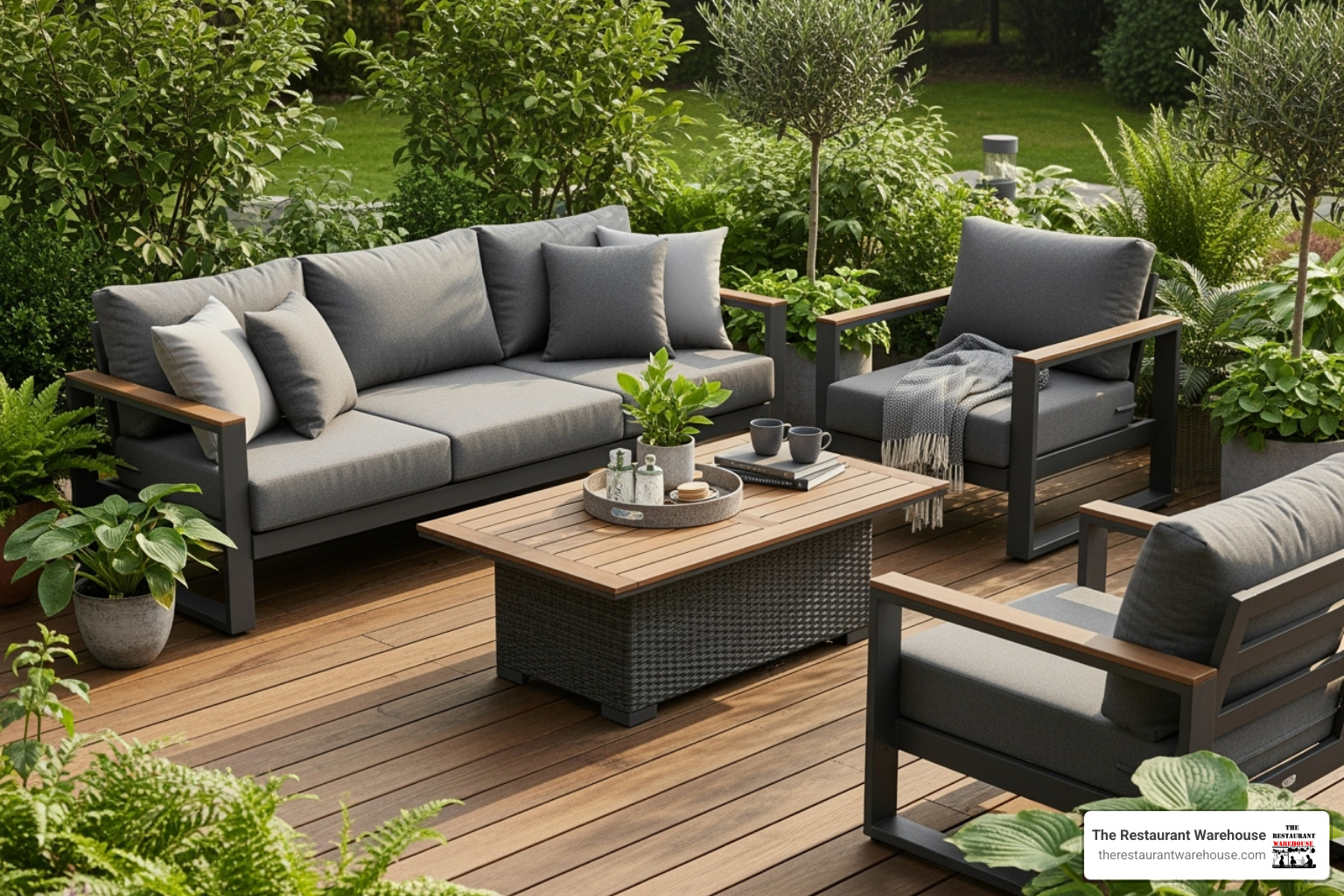
Before you fall in love with a particular style, take a moment to consider how you’ll actually use the space across all four of Seattle's distinct seasons:
- Is your primary goal hosting large summer dinner parties, or is a cozy fireside conversation nook for two your top priority?
- Do you need flexible, modular seating that can adapt for kids, guests, or clients?
- Is your space completely uncovered, fully covered, or partially protected by an awning, pergola, or the eaves of your house?
- How much accessible dry storage do you have for cushions during the long, wet winter?
Answering these practical questions will help shape your layout and guide you toward components that match your real-world routines and the specific microclimate of your space.
Deep Seating for Ultimate Comfort
Deep seating collections are designed to bring the plush, sink-in comfort of an indoor living room to your outdoor space. Generously proportioned outdoor sofas, loveseats, and modular sectionals create natural and inviting gathering spots with thick, supportive cushions. They are the perfect foundation for extended lounging, whether you're curling up with a good book and a blanket on a drizzly afternoon or hosting friends for evening cocktails on a warm summer night. Sectionals, in particular, offer incredible flexibility, allowing you to configure your space for intimate conversations or re-arrange for larger gatherings. In compact urban patios or balconies, consider a comfortable loveseat paired with two lounge chairs instead of a full sofa to preserve crucial traffic flow. In larger backyards, a grand L- or U-shaped sectional centered around a coffee table or fire feature can beautifully anchor the entire setting. As a rule of thumb, maintain clear walkways of at least 30–36 inches and leave enough space for people to pull chairs in and out without bumping into planters or railings. Accessory ideas that elevate comfort include a few quick-dry outdoor throws for chilly evenings, a stylish tray for easily moving drinks from the kitchen to the patio, and warm-toned LED lanterns or string lights for creating ambiance on overcast days. Given Seattle’s unpredictable weather, choosing quick-dry cushions is a must, and keeping a large, waterproof deck box nearby for easy storage when rain threatens is a wise strategy.
Versatile Seating and Lounging
Incorporating a variety of individual pieces adds immense flexibility and personality to your outdoor area. Lounge chairs provide personal comfort zones for reading or quiet contemplation. A swivel rocker adds a playful and highly practical element, allowing you to effortlessly turn to join a conversation or simply rock gently while enjoying the view. Ottomans are true multitaskers, serving as comfortable footrests, convenient extra seats for unexpected guests, or impromptu side tables when topped with a tray. For the ultimate in solo relaxation, chaise lounges provide full-body comfort, perfect for soaking up every precious moment of Seattle sun. If you're exploring different styles to complement your main seating, you might find inspiration in our guide to unique chair styles. For small balconies, a pair of compact, armless lounge chairs with a shared C-shaped side table can be more useful than a single bulky piece. On multi-use decks, modular seating components let you reconfigure the space for a morning coffee nook, a family movie night, or a larger party. If your home is near the water, be sure to look for furniture with corrosion-resistant 316-grade stainless steel components and fabrics that are specifically treated to resist salt spray.
Dining and Socializing Alfresco
Sharing a meal outdoors is one of summer's greatest and simplest pleasures. Dining tables and chairs specifically designed for the elements make these memorable moments possible. For a more casual, social vibe, bar-height tables and chairs encourage mingling and can work exceptionally well on smaller patios by creating a sense of separation from a lounging area. Coffee tables and end tables are essential for anchoring seating areas and providing convenient surfaces for drinks, snacks, and books. To dramatically extend your outdoor season into the cooler months, fire pit tables provide not only warmth but also a captivating ambiance, turning chilly evenings into cozy, memorable experiences. Our guide to our guide to classic dining chairs explores options that combine timeless design with modern outdoor durability. Practical sizing tips: allow approximately 24 inches of width per diner for comfort and at least 36 inches of clearance around the entire table perimeter for chairs to slide back without obstruction. In tight spaces, consider using benches along a wall to maximize seating without crowding walkways. For fuss-free maintenance, choose tabletop materials like powder-coated aluminum or tempered glass that wipe clean easily and resist water spots.
The Savvy Shopper's Guide to Outdoor Patio Furniture Seattle
Finding the perfect outdoor patio furniture in Seattle can feel overwhelming, but a little insider knowledge goes a long way in making a confident choice. While the convenience of online shopping is undeniable, visiting a showroom in person offers distinct, tangible advantages. Use the tips below to learn how to separate long-lasting value from short-lived bargains that will cost you more in the long run.
The Advantage of Trying Before You Buy
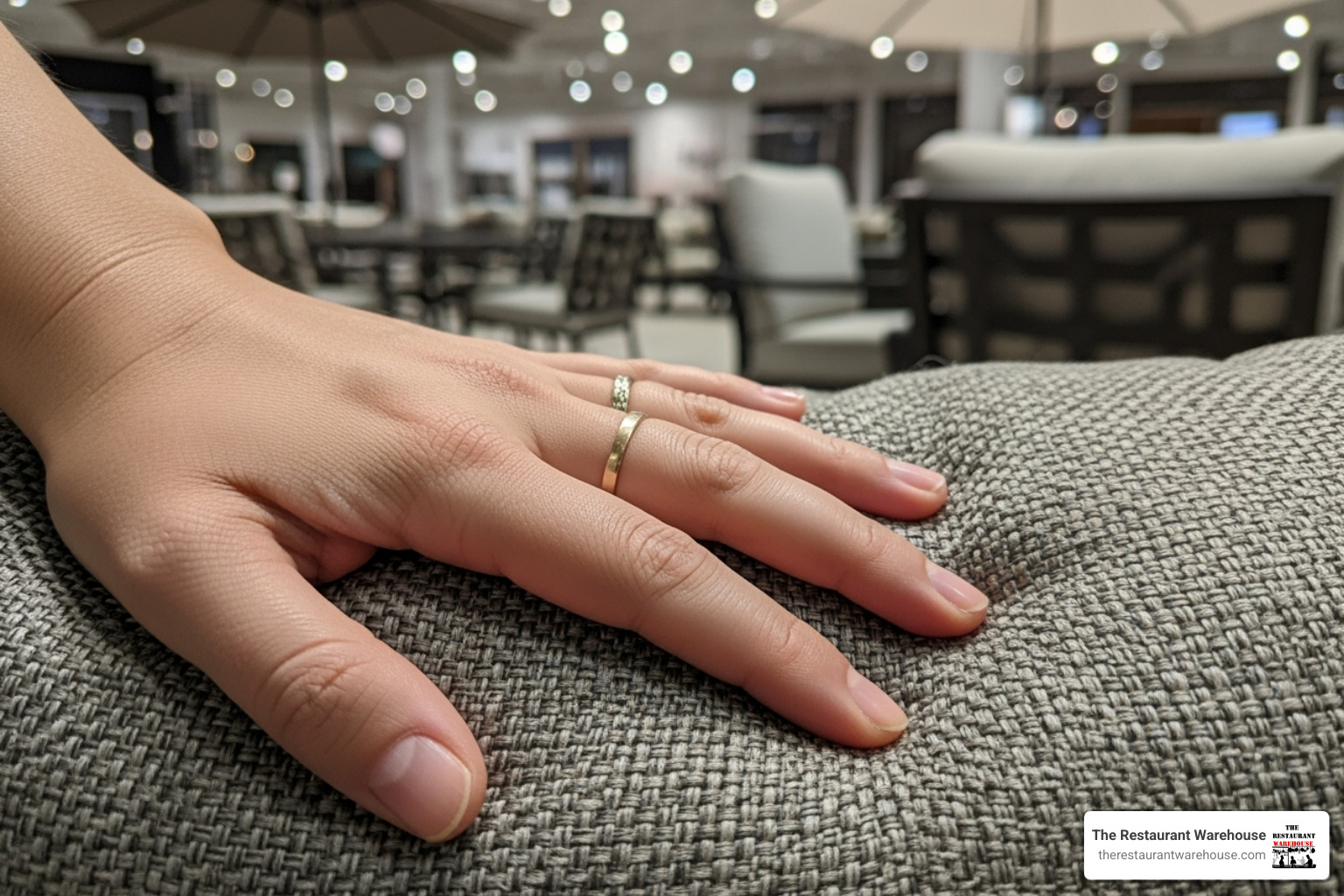
There is simply no digital substitute for sitting in a chair before you purchase it. In a physical showroom, you can perform a complete sensory evaluation. You can assess the true comfort of a cushion, the ergonomic support of a chair's back, the quality of the build, and the actual texture of the fabric. Run your hand along the frame's welds—are they smooth and uniform, or rough and sloppy? Give the chair a good wobble—does it feel stable and solid on the floor? These are critical details you can't possibly judge from a static photograph. Colors can also look dramatically different on a backlit screen versus in the soft, natural light of the Pacific Northwest. Most importantly, a good showroom provides access to expert advice from knowledgeable staff who live in the area and understand precisely which materials, construction techniques, and brands hold up best in our unique climate. They can answer specific questions and guide you to the best investment for your needs.
Beyond the essential "sit test," perform a quick durability check on any piece you're considering:
- Lift a corner: Does the piece feel substantial and well-built for its size? Lightweight aluminum is good, but flimsy is not. There should be a reassuring heft.
- Check the feet: Are there replaceable, non-marking glides to protect both the furniture frames and your deck or patio surface from scratches and moisture?
- Look underneath: Are support straps, slats, or webbing neatly finished, evenly spaced, and securely fastened with non-corrosive hardware? This is often where manufacturers cut corners.
- Unzip a cushion: Is the foam core a quick-dry, reticulated material, or is it a simple block of foam that will hold water? Are the internal seams double-stitched for durability?
If you must shop online, do business with retailers who provide extensive details. Ask for close-up photos of welds, the finish texture, and cushion construction. Reputable sellers will happily provide these specs and details to demonstrate the quality of their products.
Where to Find Quality Pieces
Specialty patio stores are often your best bet for finding high-quality, durable pieces and benefiting from the guidance of expert staff. Home and garden centers may offer a wider selection at various price points, but the quality can be inconsistent, so it's crucial that you know what to look for. If you shop online, read customer reviews with a critical eye, looking for comments on longevity and performance in wet climates, not just initial appearance. Always look for detailed product specifications, including material grades and warranty information. For business owners, investing in commercial-grade furniture is essential for both safety and ROI. At The Restaurant Warehouse, we specialize in providing durable, stylish solutions that are engineered to withstand heavy public use and the elements. You can explore our full range of commercial-grade furniture designed for demanding applications. Contact our Seattle-based team to discuss your specific patio furniture needs.
Lead times and stock availability are also important factors. In peak season (late spring and summer), certain popular finishes and fabrics can sell out quickly. If you have a firm opening date for a business or a special event planned, order well in advance and confirm delivery windows. Ask about assembly requirements, how the items are packaged, and if white-glove delivery is an option, especially if access is challenging (e.g., narrow staircases, elevators, or rooftop decks). For sustainability-minded buyers, look for recyclable materials like aluminum, responsibly sourced woods with FSC certification, and brands that prioritize repairability by offering replaceable cushions, slings, and parts to extend the product's life and reduce waste.
Explaining Furniture Pricing
You'll rarely find public pricelists for premium outdoor furniture collections online. This isn't to be secretive; it's because pricing is typically set by individual retailers based on their overhead, shipping costs, promotional schedules, and overall business strategy. The exact same sofa can have different prices at different stores. The most effective approach is to call or visit showrooms and ask for quotes on the pieces you're interested in. Don't be shy about inquiring about upcoming sales, discounts on floor models, or potential bundle deals if you're furnishing an entire space. At The Restaurant Warehouse, we believe in straightforward, competitive pricing for your business.
What influences the price beyond just the brand name?
- Material Quality: Virgin HDPE wicker, solution-dyed acrylic fabrics, certified teak, and thick-walled, primary aluminum all cost more to source but provide a significantly longer lifespan.
- Construction: Meticulous handwoven wicker, fully welded and polished joints, internally reinforced frames, and premium stainless steel fasteners all increase durability and, consequently, the price.
- Design Complexity: Curved frames, intricate weave patterns, and multi-step custom finishes require more skilled labor and time to produce.
- Cushions and Covers: High-density, reticulated quick-dry foam, breathable and waterproof liners, and UV-stable zippers all add to the comfort, longevity, and cost of a premium cushion.
A higher upfront price often translates to a much lower long-term cost. A useful exercise is to compare the cost-per-year by dividing the total price by the warrantied or expected lifespan. The piece that lasts three times as long often provides better comfort, superior aesthetics, and far better value.
Budgeting for Durability: Price and Value in the Seattle Market
When shopping for outdoor patio furniture Seattle can count on, it's crucial to shift your mindset from purchasing a product to making an investment. A premium, well-built sofa might have a higher initial cost, but if it provides comfort and style for fifteen years while a cheaper alternative from a big-box store needs replacing every two or three seasons, the quality piece offers far superior long-term value. The real question isn't "What does this cost today?" but rather, "What will this cost me per year of use?" When you factor in the hassle, waste, and repeated expense of replacement, investing in durability from the start is the most economical and sustainable choice.
What to Expect for Pricing on Premium Collections
Premium outdoor furniture collections reflect their superior materials and engineering in their price, but strategic shopping can make them much more accessible. During typical promotional periods, such as end-of-season sales where discounts might reach 25%, you can find high-quality outdoor sofas priced around $3,145 or well-constructed loveseats for about $2,336. A durable, comfortable lounge chair might be available for $1,513. While these are significant purchases, they represent an investment in furniture that is specifically engineered to handle Seattle's challenging weather, providing peace of mind and lasting enjoyment.
How to Find the Best Deals and Sales
Shopping strategically can save you a substantial amount of money on high-quality furniture. The end-of-season sales in late summer and early fall (August through October) typically offer the deepest discounts as retailers clear space for the next season. Holiday promotions, especially around Memorial Day, the 4th of July, and Labor Day, are also prime times to find excellent deals. A great tip is to subscribe to the email newsletters from your favorite local retailers to get early alerts about upcoming sales and exclusive subscriber-only offers.
Additional savings strategies to consider:
- Prioritize the frames first. If your budget is tight, buy the best quality frames you can afford. You can always upgrade the cushions to a higher-grade fabric in a few years.
- Choose timeless finishes and neutral colors for the frames and main upholstery. These won't feel dated, and you can easily update the look with less expensive, colorful throw pillows.
- Consider modular pieces. A sectional you can add to over time allows you to build your dream patio set as your budget allows.
- Invest in proper covers from day one. High-quality, breathable covers can dramatically extend the life of your furniture, protecting your investment and making the cost-per-year even lower.
Comparing Value Across Material Tiers
Understanding the long-term value proposition is key to smart budgeting. Let's break it down with a simple cost-per-year analysis:
- Basic Tier: Inexpensive plastic or steel-framed furniture may cost only $200-$800 for a set. However, with a realistic lifespan of just 1-3 years in Seattle's climate before it fades, cracks, or rusts, its annual cost is high ($200-$267/year), not to mention the environmental waste.
- Mid-Range Tier: A better quality aluminum or all-weather wicker set might cost between $800-$3,000. These pieces typically last 5-10 years, offering a solid middle ground with an annual cost of around $160-$300/year.
- Premium Tier: A commercial-grade, powder-coated aluminum or Grade-A teak set may have the highest upfront cost, from $3,000 upwards. However, with a conservative lifespan of 15+ years, the annual cost is often the lowest, potentially $200/year or less, all while providing superior comfort and aesthetics.
While prices and lifespans vary, the pattern is consistent: investing more upfront in quality materials and construction can significantly reduce your long-term costs and spare you the recurring hassle of replacement. Contact our team today to explore our commercial-grade options that deliver exceptional value for Seattle businesses and discerning homeowners.
Frequently Asked Questions About Seattle Patio Furniture
Choosing, using, and maintaining outdoor patio furniture Seattle residents can rely on year after year brings up some common but important questions. Here are detailed answers to the most frequent ones we hear.
What are the benefits of choosing premium, weather-resistant furniture for a Seattle outdoor space?
Investing in premium, weather-resistant furniture offers several crucial benefits tailored for the Pacific Northwest. The primary advantage is exceptional durability. Materials like powder-coated aluminum, HDPE wicker, and teak are specifically chosen to resist the rust, rot, and mildew that quickly destroy lesser-quality pieces in our damp climate. This longevity translates directly into better financial value, saving you money over time by avoiding the cycle of frequent replacement. Secondly, you get vastly superior comfort and design. Premium pieces feature better ergonomics and high-quality cushions, transforming your patio from a place you occasionally sit into a true outdoor living area you'll use constantly. Finally, quality pieces require significantly less maintenance, giving you more time to relax and enjoy your space rather than constantly cleaning, repairing, or protecting it.
How do I protect my outdoor furniture during Seattle's rainy winter?
Protecting your investment during our long, wet winters is a smart and relatively simple process. The most effective step is to use high-quality, breathable covers. These covers should be water-resistant to block rain but breathable enough to allow air to circulate, which is critical for preventing mildew growth underneath. For cushions, the best practice is to always store them in a dry, protected place like a garage, shed, or a waterproof deck box. This single step can dramatically extend the life of your fabrics and foam. Before covering for the season, perform a thorough cleaning to remove any dirt, pollen, or bird droppings that could lead to stains or mildew. If possible, moving furniture under a covered porch or awning provides the best level of protection.
Can I leave aluminum patio furniture outside all winter in Seattle?
Yes, absolutely. High-quality, powder-coated aluminum is an ideal material for Seattle's climate because it is naturally rust-proof. Unlike steel or iron, aluminum will not corrode or degrade when exposed to our region's constant moisture. That said, we still strongly recommend covering your aluminum furniture during the winter. A good cover serves a different purpose here: it protects the powder-coated finish from accumulating dirt, grime, acidic rain, and pollutants, which keeps it looking new for much longer. It also protects your investment's appearance and ensures it's clean and ready for you to enjoy on that first unexpectedly sunny day in spring. For businesses needing furniture that can withstand year-round exposure with minimal fuss, contact us to explore our collection of commercial-grade chairs and tables built for these exact conditions.
How often should I clean outdoor cushions and frames in Seattle?
A good maintenance schedule involves both frequent touch-ups and deeper seasonal cleaning. Plan for quick touch-ups monthly during the high-pollen spring season and the leaf-drop season in the fall. This can be as simple as brushing off debris or hosing down frames. A deeper clean should be done at least twice a year: once at the start of the outdoor season (e.g., May) to get everything fresh for summer, and once at the end of the season before you put covers on for winter storage. Always spot-clean spills as soon as they happen to prevent stains from setting. After any cleaning, let everything dry completely in the sun and air before covering or stacking to prevent trapping moisture.
What should I look for in a good furniture cover?
Look for covers made from heavy-duty, solution-dyed polyester or similar breathable, water-resistant fabrics. Built-in vents are a critical feature, as they allow air to circulate and reduce condensation that can lead to mildew. A good cover should have multiple ways to secure it, such as adjustable straps with buckles that click around the legs, and an elastic or drawcord hem to create a snug fit. This prevents the cover from becoming a giant sail during windstorms. Reinforced seams and extra fabric panels where the cover contacts sharp corners will prevent tearing. While more expensive, a custom-fit cover designed for your specific furniture pieces will offer the best protection by reducing flapping and preventing water from pooling in sagging areas. Avoid cheap, non-breathable plastic tarps at all costs, as they trap moisture and create a perfect environment for mildew.
Are fire pit tables practical in Seattle’s climate?
Yes, they are incredibly practical and one of the best ways to extend your outdoor season. A gas fire pit table adds warmth and a captivating ambiance that makes cool evenings cozy and inviting. To ensure practicality and longevity, ensure all components (burner, pan, igniter) are made from stainless steel. Choose a base material that resists corrosion, like powder-coated aluminum or composite. It is essential to keep the burner area covered with its supplied lid when not in use to protect it from rain and debris. Always position the table with safe clearances from combustible materials and follow all manufacturer guidance for operation and safety.
Will teak or Shorea stain my patio when it rains?
When brand new, these dense, oily woods can leach some of their natural tannins and oils during the first few heavy rains. This can cause temporary, tea-colored discoloration on porous surfaces like unsealed concrete or light-colored pavers. This effect is temporary and diminishes significantly as the furniture weathers. If your deck or patio surface is susceptible to staining, you can place the furniture on an outdoor rug or use temporary felt pads under the legs for the first few months. Rinsing any drips promptly with a hose will usually prevent any permanent staining.
How can I prevent mildew on cushions?
Prevention is a multi-step strategy. First, start with the right materials: solution-dyed acrylic covers and reticulated (quick-dry) foam cores. Second, practice good maintenance: keep cushions clean and allow them to dry fully between uses. Third, store them in a dry location during extended rainy periods. Fourth, ensure good airflow; even when using a deck box, leave it cracked open on dry days to air out, and when covering furniture, tent the cover to allow for circulation. If mildew spots do appear, treat them immediately with a solution of one part white vinegar to ten parts water, or follow the specific cleaning instructions from the fabric manufacturer. Rinse thoroughly and let the cushion dry completely in direct sunlight if possible, as UV rays help kill remaining spores.
What’s the best layout for small Seattle patios or balconies?
For small spaces, the key is choosing multi-functional and visually lightweight pieces. Opt for a comfortable loveseat instead of a full sofa, or a pair of compact lounge chairs with an ottoman that can double as a coffee table. Nesting side tables are fantastic space-savers. Bar-height bistro sets create a sense of a separate zone without taking up a large footprint. Keep major traffic lanes clear (aim for at least 30 inches) and scale the furniture to the footprint—don't try to cram oversized pieces into a small space. Use vertical space to add ambiance without crowding the floor; think about narrow planters, string lights, or wall-mounted shelves.
Conclusion: Create Your Enduring Outdoor Retreat
Creating a beautiful, functional, and lasting outdoor space in Seattle is not about fighting the weather, but about making smart, informed choices. By selecting the right outdoor patio furniture Seattle's climate can't destroy, you can transform your deck, balcony, or patio into a true year-round sanctuary. The foundation of this success is always material selection: premium powder-coated aluminum, modern HDPE resin wicker, dense weather-resistant woods like teak, and high-performance solution-dyed fabrics are your best and most reliable defense against the elements. These materials are not an expense; they are an investment in your home and your lifestyle.
Quality outdoor furniture allows you to embrace the Pacific Northwest lifestyle to its fullest. When you choose pieces built to withstand our unique climate, you're creating an outdoor room that is always ready for you to enjoy—whether it's for a quiet morning coffee in the mist, a sunny afternoon with a book, or a cozy evening with friends around a fire pit. Calculating the cost per year of use often reveals that premium, durable furniture is far more economical in the long run than replacing cheaper, less resilient sets every few seasons.
For business owners, this principle of durability is even more critical to your bottom line. At The Restaurant Warehouse, we specialize in providing durable, stylish, and commercial-grade outdoor furniture at direct wholesale pricing. We skip the high retail overhead and complex distribution channels, passing those significant savings directly to you. This allows you to acquire the high-performance quality your business relies on without the inflated price tag.
Ready to transform your outdoor space into an enduring oasis? Contact us to explore our collection of durable chairs and tables designed specifically for Seattle's climate. If you're planning a remodel or a new opening, we encourage you to reach out early to discuss timelines, finishes, and space planning. Our team will help you choose the right materials and get a clear, competitive quote so you can launch your outdoor space with confidence and peace of mind.
About The Author

Sean Kearney
Sean Kearney is the Founder of The Restaurant Warehouse, with 15 years of experience in the restaurant equipment industry and more than 30 years in ecommerce, beginning with Amazon.com. As an equipment distributor and supplier, Sean helps restaurant owners make confident purchasing decisions through clear pricing, practical guidance, and a more transparent online buying experience.
Connect with Sean on LinkedIn, Instagram, YouTube, or Facebook.