

From Seattle to Spokane: Your Ultimate Guide to Used Restaurant Equipment in Washington State
Equipping Your Washington Restaurant for Success
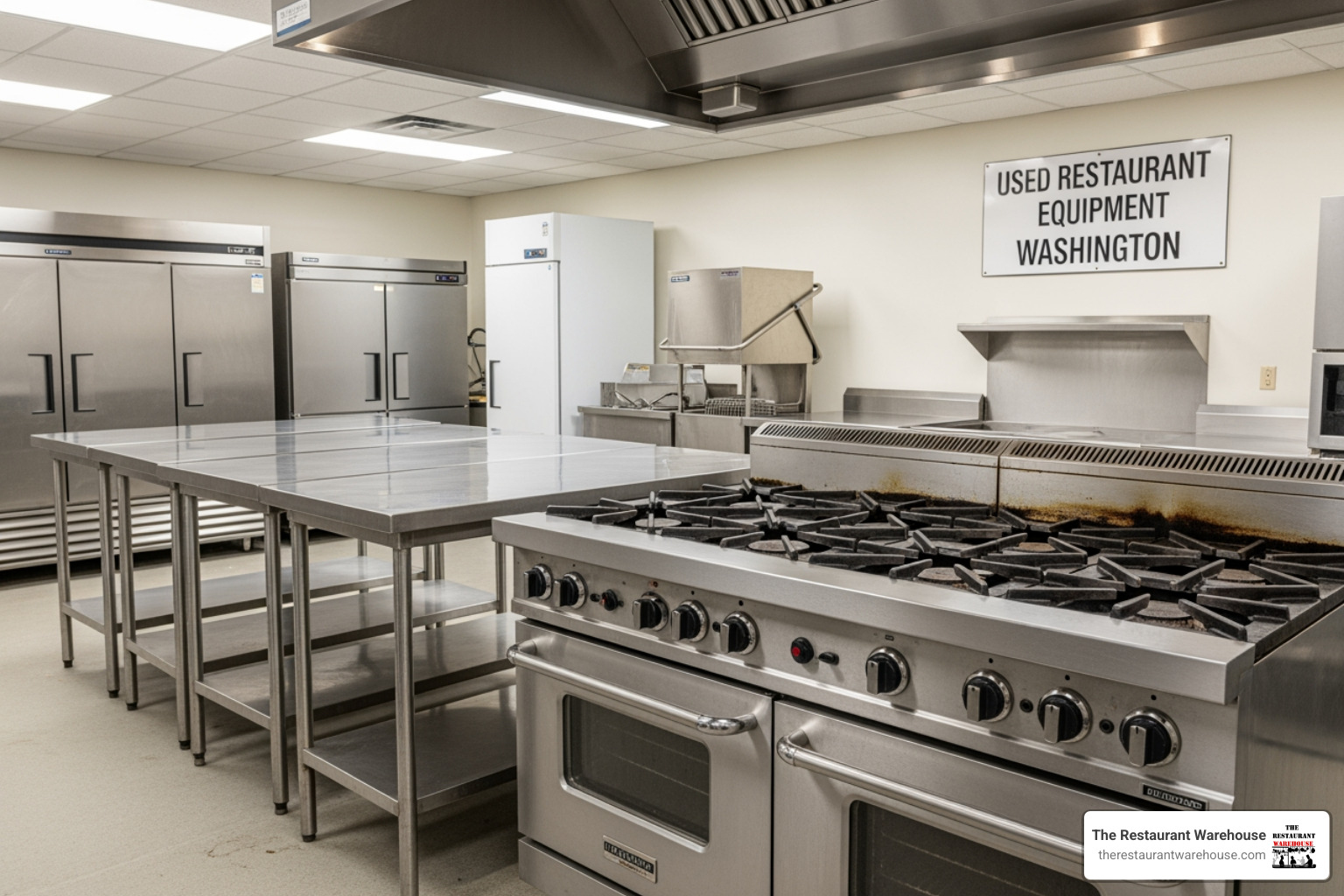
Starting or upgrading a restaurant in the Evergreen State, from the busy culinary hub of Seattle to the growing foodie scene in Spokane, is an ambitious venture. The path to success requires significant financial investment, particularly for professional-grade appliances. The good news is that sourcing used restaurant equipment Washington allows restaurateurs to launch operations without breaking the bank.
Whether opening a cozy café in Seattle, a family bakery in Spokane, or a food truck in Tacoma, sourcing pre-owned gear can save 50-70% compared to buying new, while delivering reliable performance. These savings can be redirected into rent, payroll, or marketing - making the difference between struggling and thriving.
Washington's dynamic restaurant industry creates unique opportunities. The high turnover rate means quality used equipment consistently re-enters the market, creating a buyer's market rich with value for strategic entrepreneurs.
Finding reliable used equipment requires knowledge and attention to detail. You need to understand where to look, what to inspect, and how to ensure compliance with local health codes. Washington State has specific regulations outlined in its Retail Food Code, and all food service appliances must meet NSF standards to pass inspection.
Many dealers offer services like free delivery on large items anywhere in Washington, making it easier to outfit your kitchen regardless of location. The Restaurant Warehouse helps operators stretch budgets by offering new and used gear at wholesale pricing.
Top Sources for Used Restaurant Equipment in Washington:
- Local Dealers: From Spokane to Seattle, family-owned suppliers provide inspected inventory with limited warranties
- Online Marketplaces: Specialized sites and general online forums offer direct seller connections
- Restaurant Auctions: Both online and in-person auctions feature equipment from closing establishments
- Liquidation Companies: Specialists in surplus equipment from chains and closing restaurants
- Direct from Restaurants: Networking with local owners creates purchase opportunities
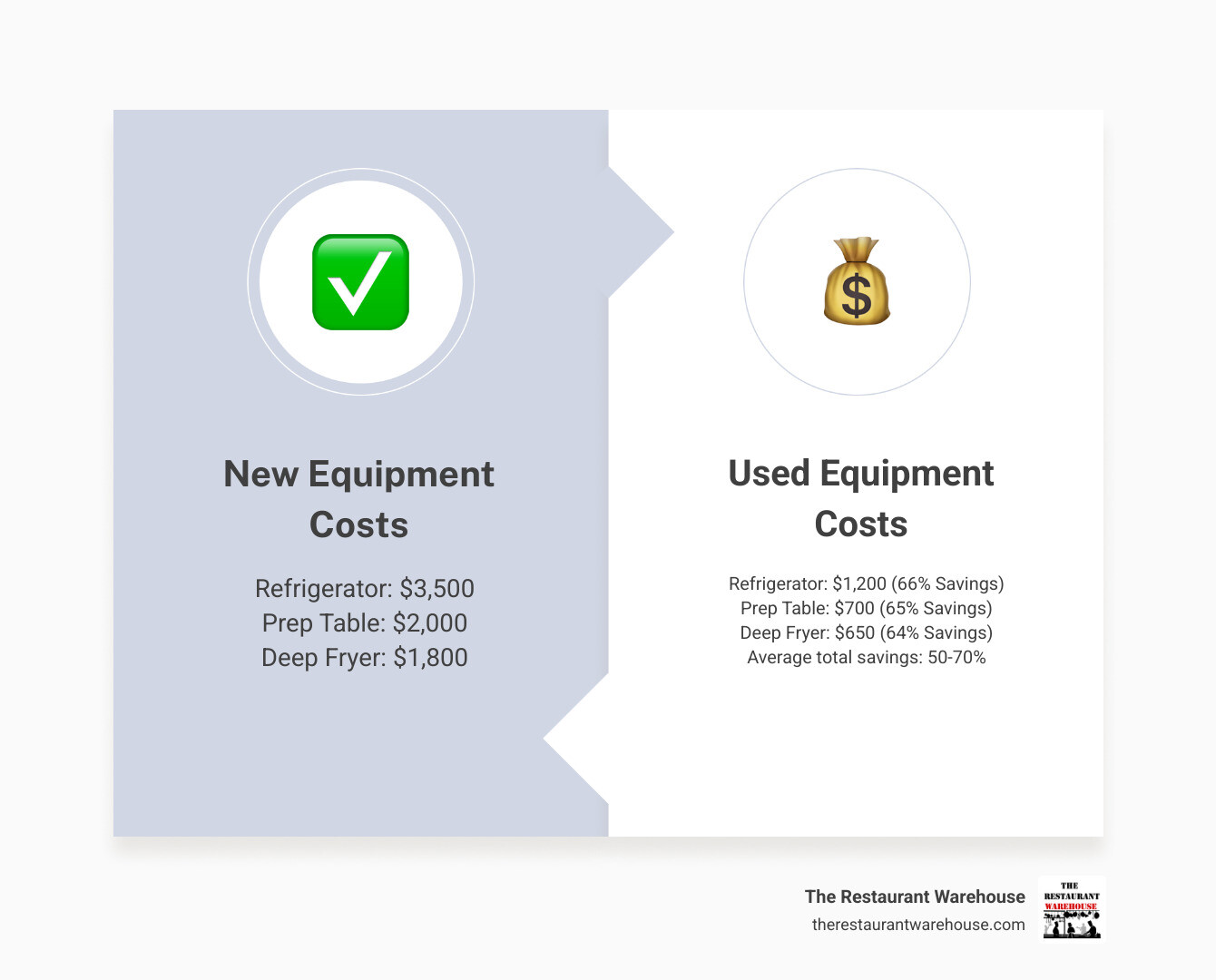
The economic advantage is undeniable. Used refrigerators, prep tables, and fryers typically cost 50-70% less than new counterparts. Commercial-grade equipment is engineered for durability, so well-maintained used pieces serve reliably for years. Used equipment also depreciates slower than new items, retaining more value over time.
For budget-conscious operators, this means more capital for inventory, marketing, and staffing during critical first months. Contact The Restaurant Warehouse for a consultation on must-have gear versus nice-to-have upgrades.
Key Inspection Points:
- Certification: Verify NSF certification and Washington State Retail Food Code compliance
- Physical Condition: Check for rust, dents, worn seals, and frayed wiring
- Functionality: Test temperature accuracy and listen for unusual noises
- History: Inquire about maintenance records and equipment age
- Energy Efficiency: Look for Energy Star ratings and PSE rebate eligibility
The Smart Restaurateur's Edge: Why Buy Used Food Service Appliances?
Choosing used restaurant equipment Washington is far more than a simple cost-cutting measure; it is a strategic business decision that provides a significant competitive edge for any food service establishment. Every dollar is critical, especially when launching a new venture or expanding an existing one in a competitive market like Washington. By opting for pre-owned appliances, operators can realize their culinary ambitions without being overwhelmed by prohibitive upfront costs.
The most immediate and compelling benefit is the substantial cost savings. As the infographic above illustrates, it is common to find high-quality used commercial refrigerators, prep tables, and fryers for 50-70% less than their brand-new equivalents. This financial flexibility is a game-changer. Saving $10,000 on an initial kitchen outfit could fund your first two months of marketing, cover the payroll for a key staff member, or allow you to source higher-quality, local ingredients that differentiate your menu.
Beyond the initial savings, used equipment offers a slower rate of depreciation. A new piece of equipment loses a significant chunk of its value the moment it leaves the showroom. In contrast, a well-maintained used appliance has already undergone its steepest depreciation, meaning it holds its value much more effectively. This provides a better return on investment should you decide to sell or upgrade your equipment in the future, protecting your capital in the long run.
In today's market, sustainability is not just a buzzword; it is part of how many guests evaluate where to spend their money. Buying used is an inherently eco-friendly choice. By giving a second life to perfectly functional equipment, you are actively reducing landfill waste and lessening the environmental impact associated with manufacturing new products. This aligns with broader sustainability goals promoted by organizations such as the U.S. Environmental Protection Agency and can become a meaningful part of your brand story.
Speed and availability are also key advantages. The supply chain for new equipment can be unpredictable, with long lead times and delays that push back your opening date. Used equipment, on the other hand, is typically on-hand and available for immediate purchase and delivery. Many dealers in Washington, including those based in Spokane and the Seattle area, offer free delivery of large items anywhere in WA, ensuring you can get your operations up and running on your schedule, not a manufacturer's.
The high turnover rate in the restaurant industry, with many new establishments going out of business within their first five years, paradoxically creates a consistent and diverse supply of quality used equipment. This means you have a wide variety of options to choose from, often including higher-end, premium brands that might have been completely out of your budget if purchased new. Access to this level of quality at a discount can improve day-to-day efficiency and reduce downtime.
Buying used also supports the local economy. When you purchase from Washington-based dealers or directly from nearby restaurants, more of your dollars stay in the community. You may also form relationships with local service technicians, suppliers, and fellow operators who can be valuable resources as your business grows.
The Restaurant Warehouse has helped countless business owners configure efficient kitchens within their budgets by combining used opportunities with new, wholesale-priced options when that makes more sense. If you are weighing whether to go used, new, or a mix of both, explore their guide on Buy Used Restaurant Equipment for a deeper breakdown of pros and cons.
If you are ready to map out a purchasing plan that fits your concept and budget, you can book a quick strategy call or contact us online to review options and get custom recommendations for your Washington location.
Where to Find Reputable Used Restaurant Equipment in Washington
Locating dependable sources for used restaurant equipment Washington is critical for successful purchases. The state offers diverse options, from local businesses with showrooms to online marketplaces and auctions.
Finding Dealers from the Coast to the Inland Northwest
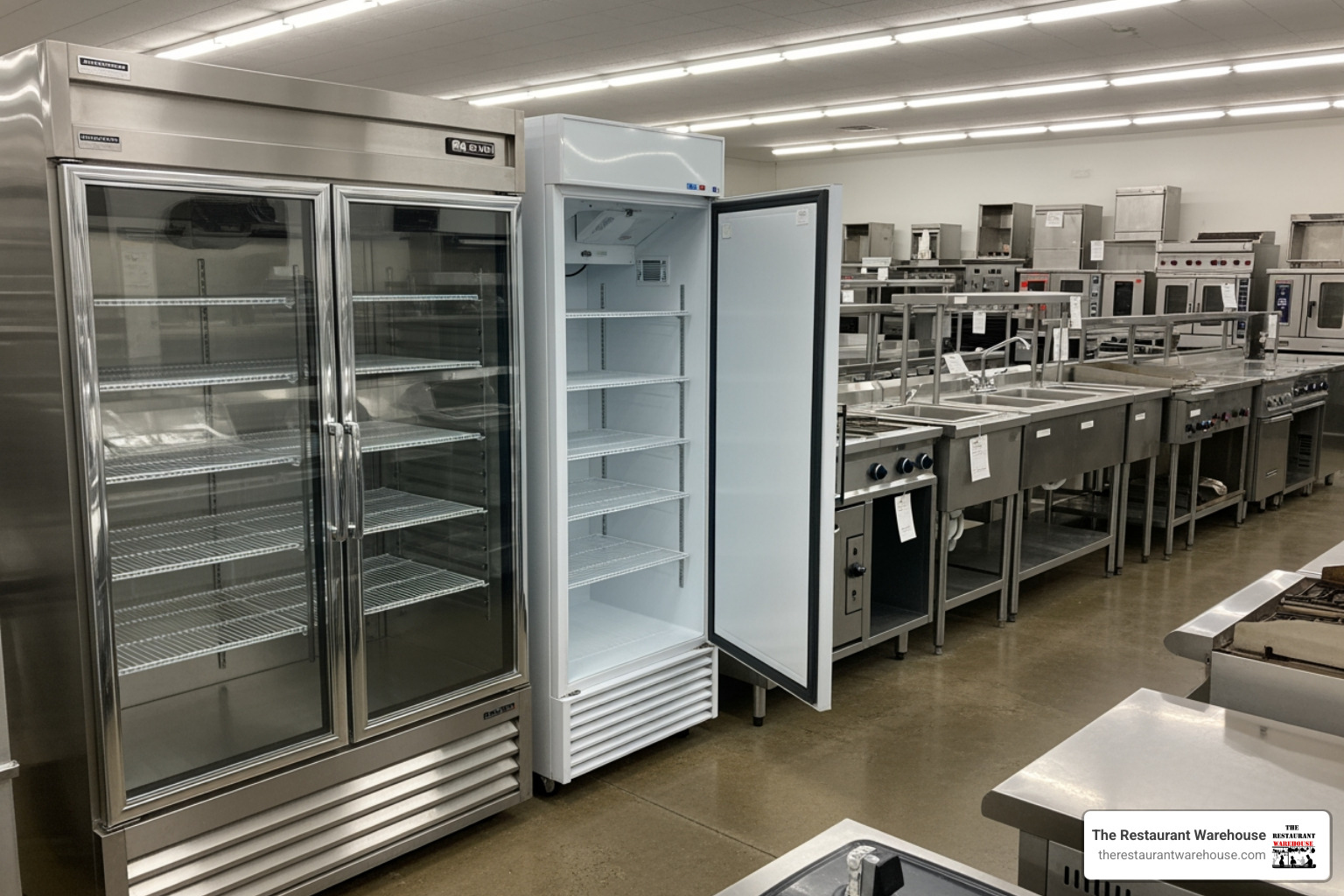
Washington hosts numerous reputable dealers specializing in used food service appliances. These businesses typically inspect, clean, and sometimes refurbish inventory before sale. Physical showrooms allow inspection, questions, and transparency that online platforms cannot always match.
The Seattle metropolitan area's dense culinary scene ensures high supplier concentration. Dealers have rotating inventory from upgrading or closing restaurants. Many also source new equipment at wholesale pricing for side-by-side comparisons.
Spokane resources serve the Inland Northwest and ship nationwide, offering mixers to refrigeration units. Experienced dealers provide valuable kitchen layout and workflow advice alongside sales.
Tacoma and Renton host various suppliers offering new and used equipment with positive reviews and services like consulting and local delivery. Some help access PSE Instant Rebates for energy-efficient appliances.
Even Ellensburg has providers specializing in used restaurant appliances with free statewide delivery. Whether coastal or inland, dealers offer convenient statewide delivery services.
Visit showrooms to personally assess equipment condition. Browse online inventories then schedule in-person inspections before finalizing purchases. For local supplier information, explore Stock Your Seattle Kitchen: The Best Stores for Supplies, Dinnerware, and More.
Tapping into Online and Auction Markets
Online auctions present a powerful avenue for sourcing used restaurant equipment Washington.
Specialized auction websites facilitate equipment auctions featuring new, used, and surplus items from liquidations. Filter for Washington State auctions to avoid logistics issues.
Bidding best practices:
- Set maximum budgets per item
- Understand auction terms, premiums, and deadlines
- Remember items sell "as-is, where-is"
- Attend pre-auction inspections
While "as-is" purchases carry higher risk than dealer purchases, savings potential is substantial. Review Score a Deal: How to Win at Restaurant Equipment Auctions.
For Puget Sound focus, see the Used Restaurant Equipment Seattle Guide for city-specific tips and price ranges.
When unsure about value, reach out to The Restaurant Warehouse for comparison quotes on similar items.
Your Pre-Purchase Playbook: Inspecting for Quality and Compliance
This section is arguably the most critical for avoiding costly mistakes. A thorough and knowledgeable inspection is what separates a great deal from a future financial liability. We will cover exactly what to look for, from the physical condition of the appliance to the essential regulatory compliance checks, ensuring your purchase meets Washington's stringent health and safety standards and will be a reliable workhorse for your business.
What to Look for When Inspecting Used Restaurant Equipment in Washington
When you are in the market for used restaurant equipment Washington, a meticulous inspection is your best defense against future headaches, unexpected repair bills, and potential health code violations. You must approach every potential purchase with a critical eye, looking beyond a simple surface clean to assess its true value and remaining operational life.
Start with a thorough assessment of the physical condition. Look for obvious signs of abuse or neglect, such as significant dents and rust. While minor cosmetic dings are expected with used items, extensive rust, especially on legs, seams, or internal components, can indicate poor maintenance or prolonged exposure to moisture, which could compromise the unit's structural integrity and hygiene. Carefully check for any missing parts, broken knobs, cracked displays, or frayed electrical wires.
Next, a comprehensive functionality test is essential. If at all possible, see the equipment powering on and running. For refrigeration units, bring a thermometer and verify that they can reach and maintain appropriate cold-holding temperatures (41°F or below), as recommended in food safety resources such as the U.S. Food and Drug Administration Food Code. For heat-generating appliances, ensure they heat up correctly, evenly, and can be calibrated accurately. While the unit is running, listen for strange noises. Grinding, rattling, squealing, or excessive humming can signal underlying mechanical issues in motors, compressors, or fans.
The age and brand reputation of the equipment are also important factors. Certain brands are known for durability and the availability of replacement parts, making them a safer bet even when purchased used. If possible, inquire about maintenance records. A documented history of regular servicing is a strong indicator that the previous owner cared for the equipment, increasing the likelihood of continued reliability.
Detailed Inspection by Equipment Type:
Refrigeration Equipment: Pay close attention to the gasket seals around the doors. They should be flexible, clean, and create a tight seal. Worn, cracked, or torn gaskets are a major source of energy loss and will cause the unit to work harder, leading to higher utility bills and a shorter lifespan for the compressor. Check that the compressor cycles on and off and is not running constantly. Look at the condenser and evaporator coils; if they are caked in dust and grease, it is a sign of poor maintenance that hinders cooling efficiency. For more in-depth advice on combination units, see Secondhand Success: How to Score a Great Deal on a Used Commercial Prep Table.
Heat-Generating Appliances: For items like griddles or fryers, verify burner function and thermostat accuracy. Ensure all burners ignite properly and produce a steady, even flame. Check the thermostat's accuracy with a separate thermometer to prevent improperly cooked food and potential health code violations. Look for signs of past issues, such as warping or discoloration that might indicate overheating.
Non-Mechanical Items: Even simple items require inspection. Check stainless steel tables for stability and ensure the surfaces are not excessively scratched or pitted, which can harbor bacteria. For dining tables and chairs, check for wobbly legs and secure all screws and hardware. Hand sinks should have rounded corners, which are easier to clean and often required to meet health standards.
If you are buying multiple pieces at once, build a simple checklist so every inspection is performed consistently. This will make it easier to compare options and avoid overlooking key details under time pressure.
Understanding Washington's Regulations and Certifications
Beyond the physical inspection, understanding the regulatory landscape for used restaurant equipment Washington is paramount. Compliance with health and safety standards is not optional; it is a legal requirement that protects your business, your reputation, and your customers.
The Washington State Retail Food Code is the primary document governing health and safety regulations for foodservice establishments. You can review it directly on the Washington State Department of Health site here: Washington State Retail Food Code.
NSF International standards (National Sanitation Foundation) are a critical benchmark for compliance. An NSF certification mark indicates that the equipment has been tested by a third party and meets public health and safety standards for materials, design, and construction, with an emphasis on being smooth, durable, and easily cleanable. An older piece of used equipment, even if it was originally certified, might lose its effective NSF status if it becomes damaged, pitted, or difficult to clean.
UL certification (Underwriters Laboratories) is another important safety mark to look for, particularly on electrical appliances. A UL mark indicates that the product has been tested for compliance with safety requirements, helping protect against fire and electrical shock hazards.
Your local health department in Washington will conduct plan reviews and on-site inspections, and any non-compliant equipment can result in failed inspections, fines, operational shutdowns, or orders to replace the item at your expense. It is always a wise practice to consult with your local health inspector or a knowledgeable equipment supplier before finalizing major used purchases.
Finally, consider Energy Star ratings. While most commonly associated with new equipment, some newer-model used appliances carry this rating. Energy-efficient appliances not only reduce your business's carbon footprint but can also lead to long-term savings on utility bills. In Washington, programs like Puget Sound Energy (PSE) rebates can offer cash back on qualifying energy-efficient appliances, including certain types of refrigeration, heating units, and dishwashers.
If you would like help evaluating whether a specific used item is likely to pass inspection in your county, you can contact The Restaurant Warehouse for guidance before you buy.
Navigating Costs, Warranties, and Specialized Gear
Understanding the full financial picture, including potential hidden costs and post-purchase support, is key to making a smart investment. This section breaks down the nuances of pricing, what to realistically expect from warranties on pre-owned items, and how to successfully find the specialized gear required for your specific culinary niche.
Pricing Used Restaurant Equipment in Washington vs. New
The decision to buy used restaurant equipment Washington is most often driven by the compelling price point. As discussed earlier, typical savings of 50-70% compared to new equipment are a major draw for any new or expanding business.
However, the final price of a used item is not arbitrary. It depends on several key factors:
- Age and condition of the appliance
- Brand reputation and parts availability
- Market demand for that specific item in your area
- Included extras, such as spare parts or accessories
A late-model, high-demand refrigerator from a top manufacturer in excellent condition will naturally command a higher price than an older, lesser-known brand showing significant wear.
It is crucial to look beyond the sticker price and account for potential hidden costs:
- Transportation or freight fees (many Washington dealers help offset this with free delivery on larger items)
- Professional installation for gas or complex electrical hookups
- Potential repairs or preventative maintenance soon after purchase
For instance, a used 40 lb deep fryer might cost between $500 and $1,500. A new, comparable model might sell for around $778 with free freight and could qualify for an Energy Star rebate. In that scenario, new may be competitive when you factor in rebates, a full warranty, and lower risk of immediate repair costs.
Another avenue is "scratch and dent" options. These are technically new appliances with minor cosmetic damage, such as a dent or scratch, sustained during shipping or in the warehouse. They are fully functional, have not been used in a commercial setting, and often come with the full manufacturer's warranty. They can offer substantial savings over pristine new models, providing new quality and peace of mind at a price point closer to used.
For more strategies on budget-friendly sourcing, including when to choose used versus scratch-and-dent or wholesale-new, see Kitchen Gear on a Budget: Finding Quality Used Food Prep Equipment.
Warranties and Return Policies: Your Safety Net
When purchasing used restaurant equipment Washington, a clear understanding of the warranties and return policies is your essential safety net. Unlike new equipment, which almost always comes with a comprehensive manufacturer's warranty, the post-purchase protection for used items varies.
Many reputable dealers stand behind their products by offering their own dealer warranties. These typically range from 30 to 90 days and may cover parts and labor. Some also offer a "100% working guarantee," which ensures that the equipment is fully functional as intended upon delivery. This type of guarantee is valuable because it protects you against immediate breakdowns and items that arrive non-functional.
Conversely, be careful with "as-is" sales. This term is most common in auctions, private sales, and liquidations. "As-is" means you are buying the item in its exact current condition, with all its potential faults, and with no warranties expressed or implied. If the compressor on an "as-is" refrigerator fails a week after you buy it, the full cost of repair or replacement is yours.
For purchases from online stores or some dealers, a return policy might be available. This often comes with a specific timeframe (for example, 30 days) and may include a restocking fee (often a percentage of the purchase price). It is important to read these policies carefully and factor them into your decision-making process.
To understand how warranties and risks differ across categories, especially for refrigeration that can be costly to repair, review Used Commercial Freezers, which outlines common pitfalls and protections.
Sourcing Niche and Specialized Appliances
Washington's diverse and sophisticated culinary landscape means many restaurants require highly specialized equipment to execute their unique concepts. The market for used restaurant equipment Washington is broad enough to cover many of these niche needs, offering a chance to acquire high-cost items at a significant discount.
- Bakery equipment: Large planetary mixers, dough sheeters, dividers, and proofing cabinets are built for longevity. A used 80 qt mixer, for example, can save a new bakery many thousands of dollars.
- Pizzeria gear: Dough mixers, specialized refrigerated prep tables with wide rails for toppings, and holding units designed for pizza boxes are commonly available used.
- Food truck appliances: Gear for mobile operations must be compact and durable. Undercounter refrigeration units, compact griddles, sandwich prep tables, and portable food warmers often show up on the secondary market. See Pre-Loved and Powerful: Top Picks for Used Food Truck Appliances for mobile-specific ideas.
- Coffee shop essentials: High-end espresso machines, commercial grinders, and glass-door display merchandisers can frequently be found from shops that have closed or upgraded.
- Juice and smoothie bars: Heavy-duty blenders, refrigerated prep tables, and reach-in coolers for fresh produce are common on the used market.
Even very specific items, such as bagel-forming machines or high-capacity ice machines, can be sourced pre-owned if you know where to look and are patient. For specific prep table needs and layout ideas, the Used Sandwich Prep Table Guide is a practical resource.
If your menu concept requires specialized gear and you are not sure whether to buy new or used, you can contact The Restaurant Warehouse. Their team can help you determine which items are safe bets on the secondary market and which are better purchased new at wholesale prices.
Conclusion: Making the Smart Investment for Your Washington Business
Outfitting your Washington restaurant with pre-owned appliances is an intelligent strategy for managing startup costs. By focusing on reputable sources, conducting thorough inspections, and understanding local regulations, you can acquire reliable gear for a fraction of new costs.
The robust market for used restaurant equipment Washington provides substantial savings opportunities, freeing capital for marketing, staffing, menu development, and guest experience. Balance 50-70% savings with caution and due diligence.
A thoughtful approach includes:
- Conducting hands-on inspections or hiring technicians for complex items
- Verifying NSF, UL, and Energy Star markings
- Reviewing warranty and return terms
- Comparing used prices to scratch-and-dent or wholesale-new options
A hybrid strategy often works best: purchase durable items used (stainless tables, some refrigeration) and invest in new, wholesale-priced versions of complex appliances. This approach provides both savings and peace of mind.
For operators prioritizing manufacturer warranties and latest technology, The Restaurant Warehouse offers new equipment at wholesale prices, bridging the gap between retail costs and used market risks. Financing options help avoid draining capital while opening with fully equipped, inspection-ready kitchens.
Contact The Restaurant Warehouse today for no-obligation quotes and custom recommendations. Their team can determine whether used, scratch-and-dent, or wholesale-new equipment makes sense for each item.
For more guides and resources, explore the comprehensive blog on buying restaurant equipment and start mapping your strategy from Seattle to Spokane and everywhere between.
About The Author

Sean Kearney
Sean Kearney is the Founder of The Restaurant Warehouse, with 15 years of experience in the restaurant equipment industry and more than 30 years in ecommerce, beginning with Amazon.com. As an equipment distributor and supplier, Sean helps restaurant owners make confident purchasing decisions through clear pricing, practical guidance, and a more transparent online buying experience.
Connect with Sean on LinkedIn, Instagram, YouTube, or Facebook.