

Score Big: How to Win at Restaurant Equipment Auctions
Finding Restaurant Equipment Auctions in Your Area
Restaurant auctions near me can be found through multiple channels that savvy restaurateurs use to score quality supplies at a fraction of retail prices. You can locate auctions in your area by searching online auction aggregator sites by zip code, checking public notices in local newspapers, and searching social media marketplaces and groups for terms like "restaurant auction" plus your city name. A targeted Google search for "restaurant liquidation auction [your city]" can also yield excellent results.
The restaurant industry is experiencing significant challenges, with many establishments closing their doors. This unfortunate reality has created an unprecedented opportunity for budget-conscious restaurant owners. As one Reddit user noted when discussing finding deals on supplies: "Restaurants are struggling, leading to an increase in supplies for sale/auction."
These closures mean thousands of dollars worth of quality supplies hits the auction market weekly. From industrial refrigeration units and prep tables to smallwares and dining room furniture, these auctions offer everything needed to outfit a restaurant at dramatically reduced prices.
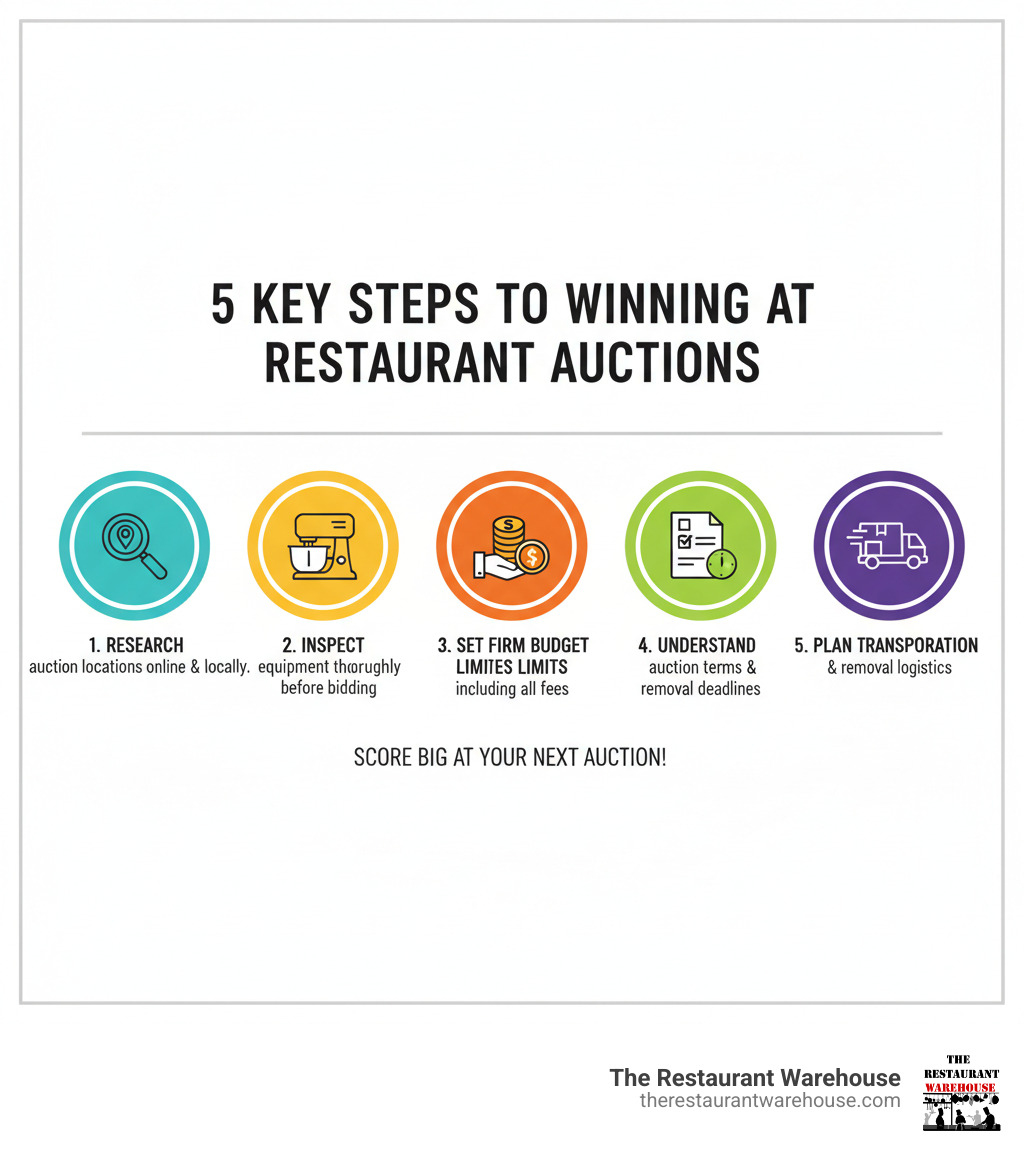
This guide will walk you through the entire process—from finding restaurant auctions near me to successfully bidding and securing your purchases. You'll learn insider strategies that experienced buyers use to identify the best deals while avoiding costly mistakes.
I'm Sean Kearney from The Restaurant Warehouse, and I've helped countless restaurant owners find quality supplies through auctions and alternative sourcing methods. My experience has shown me that knowing where to find restaurant auctions near me and how to bid strategically can save thousands on startup costs.
Terms related to restaurant auctions near me:
- budget-friendly used supplies
- pre-owned warming solutions
What are the best online resources for finding restaurant auctions near me?
When searching for restaurant auctions near me, the internet is your most powerful tool. The rise of online bidding platforms has made it easier than ever to find sales. Comprehensive listing aggregators compile auctions from various auctioneers, allowing you to search by keyword and zip code. These platforms are a go-to resource for a high volume of sales. Many auction houses use these major online bidding platforms for their sales, allowing you to browse items, view photos, and bid directly from your computer.
Beyond large aggregators, many auction houses specialize in foodservice supplies. These companies often hold regular auctions and offer a large stock of items. Some pride themselves on assessing, testing, and accurately describing items, which is a huge plus for buyers. Others focus on specific regions, such as the New York Metropolitan area or Michigan, providing a proven method for selling quality items from local restaurants.
General online marketplaces also prove incredibly useful. Craigslist and Facebook Marketplace are goldmines for finding deals directly from businesses. A quick search for "restaurant liquidation" or "restaurant closing sale" along with your city can yield great results. Local Facebook groups dedicated to business sales are also excellent for finding auctions advertised by local businesses.
How can I find local or in-person restaurant auctions near me?
While online platforms offer convenience, attending local or in-person restaurant auctions near me provides the unique advantage of physically inspecting items before bidding.
To find these local gems, start with traditional sources. Major metropolitan newspapers still list auctions as public notices, which can be an overlooked source for liquidation sales. You can also search for local auctioneer directories in your county or city to find firms that handle business liquidations.
Networking within the local foodservice community can also provide valuable word-of-mouth leads. Check with your local Chamber of Commerce or business associations for information about business closures. Sometimes, local restaurant supply stores have bulletin boards or staff who know about upcoming sales. Finally, keep an eye out for "Going Out of Business" or "Auction" signs in commercial districts. When a restaurant closes, there's usually a visible sign of it.
What Types of Restaurant Supplies Are Typically Available?
Walking into a restaurant auctions near me feels like stepping into a wonderland for anyone in the foodservice industry. The variety is staggering, from the smallest measuring spoons to massive refrigeration units. It's a prime opportunity for restaurant owners, with each auction lot revealing new possibilities for outfitting an establishment.
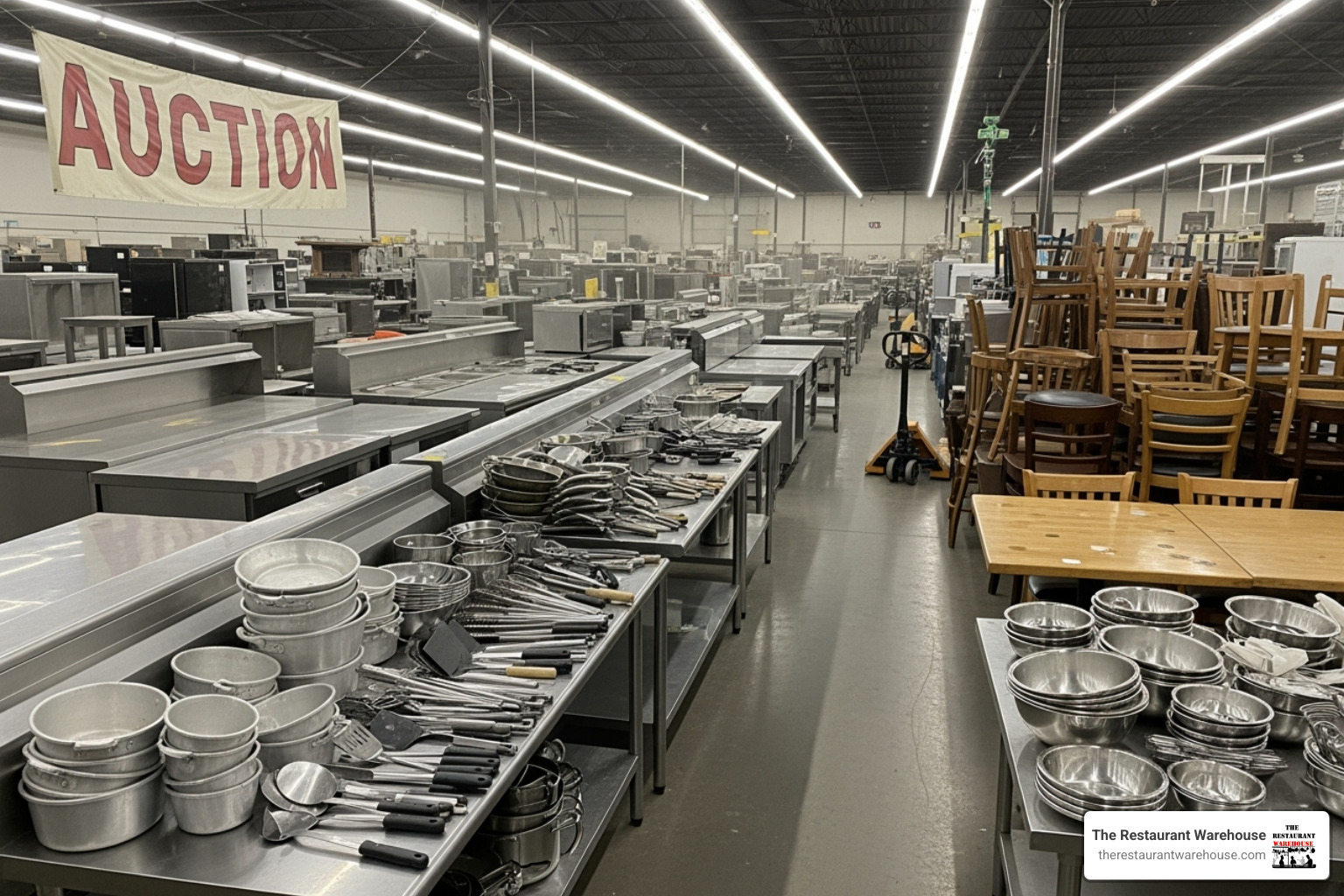
The beauty of restaurant auctions is that they often represent entire businesses being liquidated. When a restaurant closes, everything must go, from the items that powered their operation to the salt shakers on every table.
From the Kitchen to the Dining Room
The journey from the back-of-house to the dining room reveals the full scope of restaurant operations, and auctions reflect this complete ecosystem.
Refrigeration units are always popular. You'll find reach-in coolers, display freezers, walk-in refrigeration components, and essential ice machines. These units often represent thousands of dollars in savings, as a quality business-grade refrigerator can easily cost over $3,000 new. Prep tables serve as the foundation for food preparation, providing the sturdy workspace where culinary magic happens. Business-grade mixers handle everything from dough to batter, while slicers ensure consistent portions.
The warewashing area features multi-compartment sinks designed for high-volume cleaning, along with dish racks and other warewashing items. A three-compartment sink that might cost $1,500 new could go for $300-$500 at auction. Storage and transport solutions are the unsung heroes of an efficient operation. Business-grade shelving units, storage racks, and transport carts help keep everything organized.
Dining room furniture represents another major category. Tables, chairs, and booths that have hosted countless meals are available at prices that would make any decorator smile. A booth that costs $800 new might sell for $150 at auction.
The smallwares category is where you can fill in the gaps. Pots, pans, mixing bowls, professional-grade utensils, cutting boards, and serving pieces are all regular features. Glassware collections often include everything from water glasses to specialized wine vessels.
Bar supplies create excitement among beverage-focused buyers. Direct draught coolers, specialized glassware, and undercounter refrigeration units help create the perfect bar setup. These specialized items are often expensive when bought new but become affordable through auctions.
Specialized and Unique Finds
Beyond the standard fare, auctions often surprise with specialized items. Bakery supplies like spiral mixers and dough handling tools appear when bakeries liquidate. These tools are incredibly expensive new but become accessible through auctions.
Deli counters and refrigerated display cases serve establishments focusing on fresh meats and prepared foods. Bar fixtures can include unique pieces that create atmosphere, such as custom tap systems and specialized storage.
Point-of-sale systems occasionally appear, though their compatibility requires careful evaluation. Decor and signage are often the elements that give a restaurant its personality, and unique pieces can be repurposed to create distinctive atmospheres at minimal cost.
The variety means that whether you're opening a cozy cafe or expanding an operation, restaurant auctions near me likely have what you need. The key is knowing what to look for. Explore our selection of affordable restaurant supplies to see how we can help you outfit your establishment with quality items at wholesale prices.
The Smart Bidder's Playbook: From Inspection to Winning
Success at restaurant auctions near me isn't about luck—it's about preparation and strategy. The difference between walking away with an incredible deal and an expensive mistake often comes down to homework. I've seen too many excited bidders get caught up in the moment, only to realize later they've bought items that need thousands in repairs or don't fit through their back door.
Let me share the insider strategies that experienced auction buyers use to consistently find great deals while avoiding the costly pitfalls that trap newcomers.
What to Look For When Inspecting Used Restaurant Supplies
Here's the truth: inspection is everything. Almost every auction item is sold "as-is, where-is" with no warranties. A common auction house policy is that you are bidding on the item's description, not just the photos. This means the responsibility for knowing what you're buying falls squarely on your shoulders.
A thorough inspection can reveal incredible opportunities. I've watched savvy buyers snag high-end items for pennies on the dollar simply because they took the time to look closer.
- Physical Condition: Look for dents, scratches, rust, and any structural damage. Pay special attention to legs, hinges, and moving parts. Rust is particularly telling, especially around areas exposed to moisture.
- Functionality Testing: Ask if items can be powered on during preview periods. For refrigeration units, listen for unusual noises, check how quickly they cool down, and examine gaskets and seals. Cracked seals can lead to massive energy bills.
- On-the-Spot Research: Note down brand and model numbers, then use your smartphone to look up original retail prices, common problems, and parts availability. This can help you spot a premium piece worth restoring.
- Sanitation Concerns: While most auction items need deep cleaning, excessive grime or signs of pest infestation are red flags. Anything that touches food needs to meet strict sanitation standards. For guidance, learn about sanitation standards for foodservice from the NSF.
Some auction houses provide detailed descriptions and photos, but this isn't universal. When in doubt, call the auction house with specific questions.
Common Pitfalls to Avoid When Bidding
Even experienced bidders can fall into traps. Knowing these common mistakes can save you from joining their ranks.
- Bidding Without Inspection: This is the biggest mistake. Assuming an item works based on photos alone is a gamble you don't want to take.
- Emotional Bidding: The excitement of an auction can make people lose sight of their budgets. Set your maximum bid before the auction starts and stick to it. There's always another auction.
- Forgetting Hidden Costs: The buyer's premium (often 10-15%), sales tax, and potential credit card fees can add 15-20% or more to your winning bid. These extras can quickly turn a "steal" into an overpriced purchase.
- Ignoring Auction Terms: Each auction house has different rules about payment deadlines, removal schedules, and item conditions. Some charge hefty fees for late pickup, while others might void your sale entirely.
- Missing Removal Deadlines: Most auction houses give you just 1-3 days to pick up your items. Missing these deadlines can result in storage fees or losing your purchase.
After the Win: Securing and Transporting Your Items
Congratulations, you've won! But the next phase requires just as much planning.
Payment usually needs to happen immediately or within 24-48 hours. Most auction houses accept cash, certified checks, or credit cards (often with a processing fee). Some will automatically charge the card on file if you don't settle up by the deadline.
Transportation planning should happen before you bid. Consider the size and weight of items. That beautiful prep table might need a truck and several people to move. Some auction houses offer shipping services, while others leave transportation entirely up to you.
Bring your own tools and muscle. Auction houses typically don't provide assistance with removal. You're responsible for bringing wrenches, dollies, and enough people to safely load your purchases.
Safety comes first during removal. Items connected to utilities need to be properly disconnected by qualified personnel. Don't attempt to unhook complex electrical or plumbing connections yourself.
The key to success is treating every step with care. When you approach restaurant auctions near me with this level of preparation, you're investing in your restaurant's future. If you need guidance on choosing the right items, contact us for advice on outfitting your establishment.
Decoding the Deal: Auction Types, Costs, and True Value
Walking into restaurant auctions near me without understanding the different auction types is like playing poker with half your cards face down. Each type operates differently, and knowing which ones offer the best opportunities can mean the difference between scoring an incredible deal and walking away disappointed.
Not every auction is a goldmine. Some are designed to maximize seller profits, while others are genuinely motivated to move inventory quickly. Understanding these dynamics—along with the hidden costs that can turn a bargain into a budget-buster—is what separates smart bidders from those who learn expensive lessons.
Which Auction Types Offer the Best Deals?
When restaurants close, the urgency behind the sale often determines how good the deals will be. Business liquidation sales consistently offer the most attractive prices because time is money, and empty buildings cost money every day they sit vacant.
When a major chain shuts down multiple locations, they're not looking to squeeze every penny out of each item. They want everything gone, fast. In some cases, a property owner takes control of the assets and simply wants the building emptied. These motivated sellers create motivated pricing.
Franchise closures represent another sweet spot for buyers. Unlike independent restaurants that might close gradually, franchise locations often shut down all at once. This creates a flood of relatively standardized, often well-maintained items hitting the market simultaneously.
Government surplus auctions occasionally surface from institutional food service operations and cafeterias. While less common, these can yield exceptional deals because government entities aren't profit-motivated in their disposal process.
The most intriguing opportunity comes from "winner takes all" auctions, where a single bidder purchases the entire contents of a location. If you're outfitting a complete establishment, this approach can deliver incredible value.
Calculating the Total Cost: Beyond the Hammer Price
Here's where many auction newcomers get burned: they think the winning bid is their final cost. The hammer price is just the starting point for calculating your true investment.
- Buyer’s Premium: This is the first add-on, typically around 10-15% of your winning bid. It's automatically added to every winning bid.
- Sales Tax: This comes next, unless you have proper reseller documentation. This tax often applies to your bid plus the buyer's premium.
- Transportation Costs: These are entirely on you. Whether you rent a truck or hire movers, factor these expenses into your budget.
- Removal Fees: These can be brutal if you miss deadlines. Some auction houses charge a steep hourly rate for late removal. Missing your pickup window can make a great deal significantly more expensive.
- Repair and Refurbishment Expenses: Items are sold "AS IS-WHERE IS," so budget for potential fixes upfront.
- Palletizing and Skidding Fees: These apply when you need items prepared for shipping and can add up quickly for larger pieces.
Smart bidders calculate their "all-in" cost before raising their paddle. This total is what you compare against fair market value.
How to Determine Fair Market Value Before Bidding
Walking into an auction without knowing what items are actually worth is like grocery shopping while blindfolded. You might get lucky, but you'll probably overpay.
Start with new retail prices to establish your upper limit. This gives you immediate perspective on potential savings. Check used marketplaces like Craigslist, eBay, and Facebook Marketplace for similar items to understand the going rate. This research often reveals that some auction items aren't the bargains they appear to be.
Factor in age and condition honestly. A five-year-old refrigerator that's been well-maintained will command a higher price than a ten-year-old unit that's been through the wringer. Consider brand reputation because it affects both value and serviceability. Well-known brands typically hold their value better and are easier to repair. Estimate repair costs and subtract them from your maximum bid. Sometimes a "bargain" becomes expensive once you add necessary repairs.
For more insights into evaluating pre-owned equipment, Read our guide on the value of used supplies.
Knowledge is power at restaurant auctions near me. The more research you do beforehand, the more confident you'll feel when it's time to bid.
Frequently Asked Questions about Restaurant Auctions
When you're new to restaurant auctions near me, it's natural to have questions. After helping countless restaurant owners steer this process, I've noticed the same concerns come up repeatedly. Let me address the most common ones to help you feel more confident.
What are the biggest advantages of buying at a restaurant auction?
The benefits of sourcing supplies through auctions are compelling, and they are why savvy restaurant owners keep coming back.
- Cost Savings: This is the primary advantage. You can find quality supplies for a fraction of what you'd pay retail. Every dollar saved on supplies is a dollar you can invest elsewhere in your business.
- Variety: Instead of visiting multiple suppliers, you can often find everything you need in one place. Comprehensive liquidations offer incredible convenience.
- Access to Premium Brands: Many established restaurants invest in high-end items. When they close, these top-tier items become available at auction prices.
- Speed: If you need supplies quickly, auctions can be a lifeline. You can often pick up your purchases within days, which is crucial for meeting an opening deadline or replacing broken items.
- Sustainability: By buying pre-owned supplies, you're keeping usable items out of landfills and giving them a productive second life.
What are the typical payment and removal terms?
Understanding payment and removal terms is critical because these rules are non-negotiable. Misunderstanding them can be costly.
Payment is fast. You're typically required to pay immediately or within 24 to 48 hours. Cash and cashier's checks are standard, while credit cards are usually accepted but often come with a processing fee (around 3%). Miss the deadline, and you risk voided sales or being banned from future auctions.
Removal is your responsibility. You need to bring your own tools, dollies, and enough people to safely disconnect and transport your items. The auction house staff will not help you move your purchases. The removal window is shockingly tight, usually just 1 to 3 days. Late removal can result in steep hourly fees or forfeiture of your items.
Can I return an item I won at an auction?
This is a crucial question, and the answer is simple: absolutely not. Auction sales are final. There are no returns, exchanges, or refunds.
The "AS IS-WHERE IS" principle governs everything. This legal term means you're buying the item exactly as it sits, with all its flaws and potential problems. There are no warranties or guarantees about its working condition.
This is why the inspection period is your only chance to assess what you're buying. Once you pay and take the item, it's yours. This reality underscores why preparation is everything. Successful auction buyers know that thorough inspection isn't optional—it's survival. The finality of auction sales is what keeps prices low, as auction houses don't have to handle returns or warranty claims.
If you're feeling overwhelmed by the auction process, we're here to help. Contact us for advice on outfitting your establishment—we can guide you toward the best solutions for your needs.
Conclusion
Finding success with restaurant auctions near me doesn't have to be overwhelming. The current challenges facing the restaurant industry have created an unprecedented opportunity for smart buyers. With more establishments closing, quality supplies are flooding the auction market at prices that can dramatically reduce startup or upgrade costs.
Throughout this guide, we've walked through the essential steps for success. We explored how to find auctions using online resources and local searches. We covered the remarkable variety of available supplies, from refrigeration units to dining room furniture. Our smart bidder's playbook emphasized the critical importance of thorough inspection, as items are sold "AS IS-WHERE IS" with no returns.
Understanding the true cost of auction purchases—including buyer's premiums, taxes, and transportation—is key to making informed decisions. This ensures you're getting the deal you think you are. The advantages are compelling: significant cost savings, access to high-quality brands, and faster acquisition compared to ordering new.
Payment and removal terms require careful planning, with strict deadlines that demand organization. The key to long-term success lies in treating auction participation as a skill that improves with practice. Each auction teaches you something new about market values, inspection, and logistics.
For those times when auctions aren't the perfect fit, having reliable alternatives is essential. The Restaurant Warehouse understands the challenges facing foodservice operators and provides access to quality supplies at wholesale pricing without the uncertainties of auction buying.
Whether you're just starting your restaurant journey or looking to expand, combining auction finds with strategic purchasing from trusted suppliers creates the most cost-effective approach. Explore affordable alternatives for your restaurant needs to see how we can help fill any gaps in your inventory.
The fundamental principles we've covered—thorough research, careful inspection, strategic bidding, and proper logistics planning—remain constant. By following these guidelines, you'll be well-positioned to take advantage of the opportunities that restaurant auctions near me provide.
Ready to take the next step? Our team understands the unique challenges of the foodservice industry and can provide personalized guidance. Contact us to book a strategy call and get expert advice on creating the most cost-effective acquisition strategy for your business.
About The Author

Sean Kearney
Sean Kearney is the Founder of The Restaurant Warehouse, with 15 years of experience in the restaurant equipment industry and more than 30 years in ecommerce, beginning with Amazon.com. As an equipment distributor and supplier, Sean helps restaurant owners make confident purchasing decisions through clear pricing, practical guidance, and a more transparent online buying experience.
Connect with Sean on LinkedIn, Instagram, YouTube, or Facebook.