

Sodo Secrets: Unearthing the Best Used Restaurant Equipment in Seattle
Why Used Restaurant Equipment Seattle Is Your Secret Weapon for Success
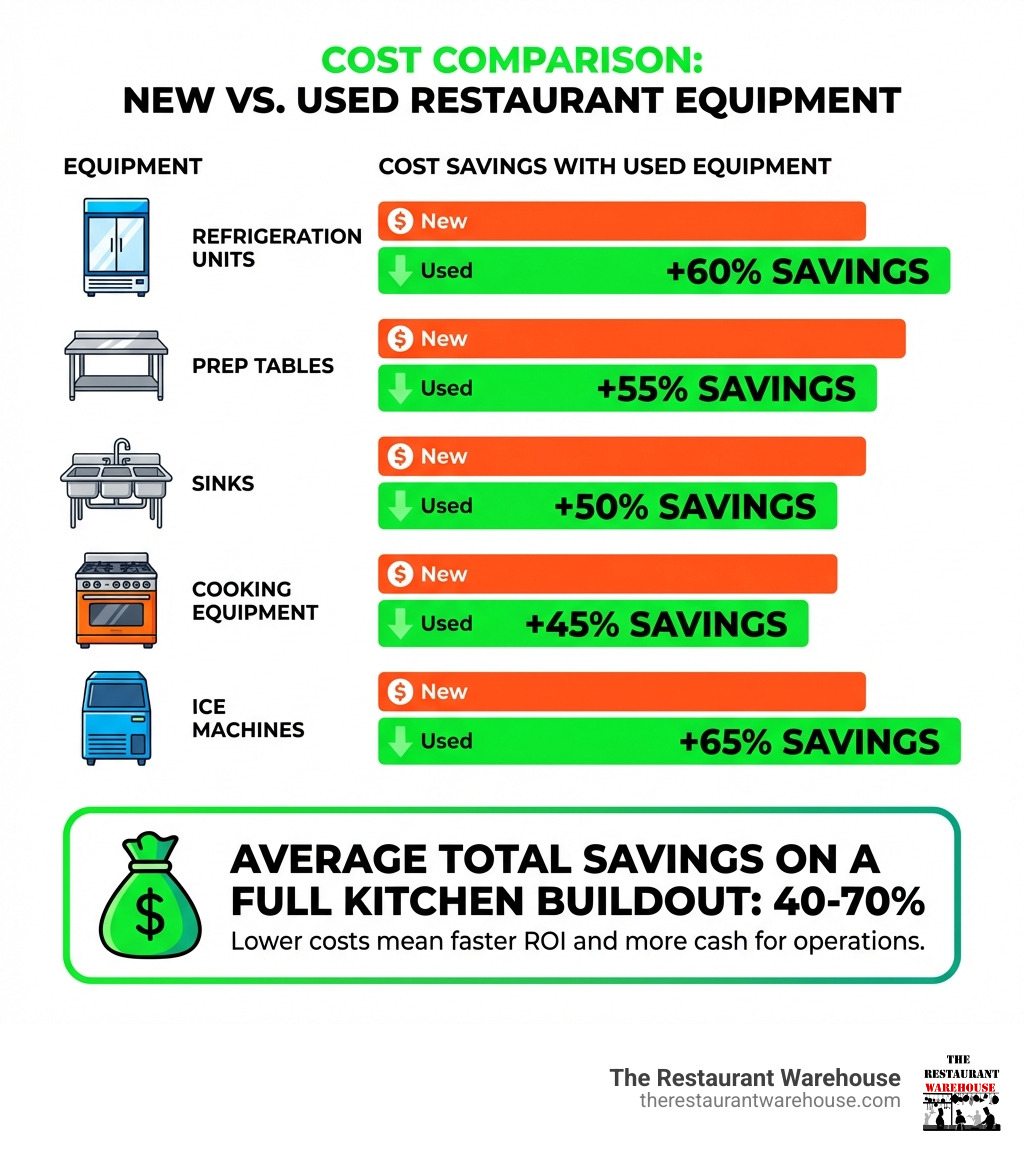
Used restaurant equipment Seattle offers restaurant owners a strategic way to cut startup costs by 40-70% while accessing high-quality commercial gear. Whether you're launching a new eatery in Capitol Hill or upgrading your SoDo food truck, the Seattle market has exactly what you need—at a fraction of retail prices.
Quick Answer: Where to Find Used Restaurant Equipment in Seattle
- Specialized Dealers: Look for established suppliers with decades of experience serving the Pacific Northwest and family-owned businesses with long-standing reputations.
- Online Marketplaces: Craigslist Seattle, Facebook Marketplace, industry-specific platforms
- Restaurant Auctions: Equipment liquidation sales from closing restaurants
- Direct Sales: Purchase directly from businesses undergoing remodels or closures
What You'll Save: Expect 40-70% off retail prices on refrigeration, prep tables, sinks, and items like fryers and griddles. A commercial three-door cooler that costs $4,000 new? You'll find it used for $1,500-2,000 in good condition.
Seattle's restaurant scene is thriving. With approximately 2,300 restaurants calling the Emerald City home as of 2024, competition is fierce—and so are startup costs. Smart restaurateurs know that buying used doesn't mean buying inferior. It means buying smart.
The math is simple: lower equipment costs mean faster ROI, more cash for payroll and marketing, and a better chance of surviving those critical first years. 90% of new restaurants fail within five years, often because they spent too much on shiny new equipment when quality used gear would have done the job perfectly.
But here's the challenge: where do you find reliable used restaurant equipment in Seattle? How do you know you're getting a quality piece that won't break down during your first dinner rush? What should you inspect before handing over your hard-earned cash?
This guide answers all those questions. You'll find the best local sources for pre-owned foodservice gear, learn exactly what to check during inspections, understand Seattle-specific health codes, and master the art of negotiating fair prices. We'll cover everything from three-compartment sinks to walk-in coolers, with real-world advice for budget-conscious operators.
I'm Sean Kearney from The Restaurant Warehouse, and I've spent years helping restaurateurs across the Pacific Northwest find quality used restaurant equipment in Seattle that fits their budgets without compromising their kitchens. My background in sales—from baseball cards to Amazon—taught me one critical lesson: understanding what the customer truly needs is the key to finding the right solution.
Let's explore the secrets of Seattle's used equipment market and help you build your dream kitchen without breaking the bank.
Simple Used restaurant equipment Seattle glossary:
The Savvy Restaurateur's Edge: Why Buy Used in the Emerald City?
Starting a restaurant in Seattle is an exciting venture, but it comes with significant financial considerations. One of the smartest decisions you can make to set your business up for long-term success is to invest in used restaurant equipment Seattle. This isn't just about cutting corners; it's about making strategic choices that benefit your bottom line, your operational efficiency, and even the environment.
Significant Cost Savings
The most obvious benefit of buying used is the drastic reduction in upfront costs. We're talking about savings of 40-70% compared to purchasing brand-new items. This means more capital available for crucial areas like staffing, marketing, and inventory, which are vital for a new establishment. For example, a high-quality refrigeration unit or a robust ice machine can represent thousands of dollars in savings when bought pre-owned. These savings directly translate into a faster return on investment (ROI), allowing your business to become profitable sooner.
Faster ROI and Improved Cash Flow
Every dollar saved on equipment is a dollar that can be reinvested into your business or kept as working capital. This improved cash flow is a lifesaver, especially during the often-challenging initial years of a restaurant. Instead of tying up large sums in depreciating assets, you can maintain a healthier financial position, giving you the flexibility to adapt to market changes or unexpected expenses.
Sustainability and Eco-Friendly Choice
Seattle is a city that values sustainability, and buying used equipment aligns perfectly with this ethos. By choosing pre-owned items, you're giving them a second life, reducing waste, and minimizing your environmental footprint. This eco-friendly approach can also be a positive selling point for your restaurant, appealing to environmentally conscious customers. It’s a win-win: you save money, and you contribute to a greener planet.
Immediate Availability
Unlike new equipment, which can often have long lead times, used restaurant equipment in Seattle is typically available for immediate purchase and pickup. This can be a huge advantage when you're on a tight schedule to open your doors or replace a broken essential. No waiting for manufacturing or shipping delays means you can get your kitchen up and running faster.
Access to Premium Brands
Budget constraints often force new restaurateurs to compromise on quality when buying new. However, the used market frequently offers premium, high-end brands that would otherwise be out of reach. These top-tier brands are known for their durability and performance, often outlasting cheaper new alternatives. You can equip your kitchen with professional-grade gear that stands the test of time, without the premium price tag.
For more insights on making smart equipment choices, check out our guide on Kitchen gear on a budget: Finding quality used food equipment.
Your Treasure Map: Where to Find Used Restaurant Equipment in Seattle
Finding quality used restaurant equipment Seattle can feel like a treasure hunt, but with the right map, you can uncover incredible deals. The key is knowing where to look and how to approach each source.
Specialized Used Equipment Dealers
These are often your most reliable option. Dealers like The Restaurant Warehouse specialize in sourcing, inspecting, and often refurbishing used foodservice gear. We understand the specific needs of restaurants and can guide you toward reliable equipment. While the initial price might be slightly higher than a private sale, you often get peace of mind, a wider selection, and sometimes even limited warranties. Our team has years of experience in the industry, helping countless restaurateurs in the Pacific Northwest make informed decisions.
Online Marketplaces
Platforms like Craigslist Seattle and Facebook Marketplace are popular for private sellers. You can find a vast array of items, often at very competitive prices. However, these platforms require significant due diligence from the buyer. You'll need to arrange inspections, transport, and be prepared for "as-is" sales with no guarantees. Be cautious and always prioritize safety and functionality over the lowest price.
Restaurant Auctions
When restaurants close or undergo major renovations, their equipment is often sold off through auctions. These can be excellent opportunities to snag high-value items at a fraction of their cost. Auctions can be unpredictable, requiring quick decision-making and a good understanding of equipment values. Keep an eye on local auction house listings and online auction sites that specialize in foodservice liquidation.
Direct Sales from Closing Businesses
Sometimes, you can find equipment directly from businesses that are closing or remodeling. This often happens through word-of-mouth or by noticing "for sale" signs. This method can offer great deals and the chance to see the equipment in an operational setting, allowing you to ask questions about its history and performance directly from the previous owner.
Vetting sellers is crucial regardless of the source. Ask for service records, inquire about the reason for selling, and always perform a thorough inspection before committing to a purchase.
To explore more options for pre-owned items, read our comprehensive guide on how to Buy used restaurant equipment. If you're specifically looking for mobile solutions, don't miss our advice on how to Don't break the bank: Where to buy a used food cart.
Ready to start your search or have specific needs? Please Contact Us for personalized assistance.
The Ultimate Buyer's Checklist: Vetting Pre-Owned Foodservice Gear
Navigating the market for used restaurant equipment Seattle requires a keen eye and a systematic approach. Don't let a low price tag blind you to potential problems. A thorough vetting process can save you from costly repairs and operational headaches down the line.
Key Factors to Consider Before You Buy
Before you even get to the physical inspection, consider these crucial factors:
- Condition Assessment: This goes beyond a quick glance. Understand that "used" covers a wide spectrum from "like new" to "needs significant repair." Ask for detailed photos and honest descriptions. Is there visible damage, dents, or heavy wear?
- Brand Reputation: Well-known brands often signify quality and durability. They also tend to have readily available parts and service technicians, which is invaluable for longevity. Brands like True Mfg., Turbo Air, Star, Toastmaster, Hatco, and Southbend are often sought after for their reliability.
- Parts Availability: Even the best equipment eventually needs a part replaced. Research the availability and cost of common replacement parts for the specific model you're considering. An obscure brand might be cheap upfront but expensive to maintain.
- Price vs. Value: The lowest price isn't always the best value. Factor in potential repair costs, the expected lifespan of the equipment, and how it aligns with your operational needs. Sometimes, paying a little more for a well-maintained, reputable brand is a smarter investment.
- Warranty Policies: Most used equipment is sold "as-is" with no warranty. However, some specialized dealers may offer a limited guarantee on refurbished items. Always clarify the warranty situation in writing before purchase.
- NSF Rating: This certification is critical for health and safety compliance. NSF-certified equipment meets strict public health standards. Many older used pieces might lose their NSF rating if they are no longer easy to clean or can harbor bacteria. Always verify the NSF label.
For specific examples, dig into our review of Used but useful: Quality second-hand catering sinks reviewed.
The Hands-On Inspection Process for Used Restaurant Equipment in Seattle
Once you've narrowed down your options, it's time for the physical inspection. This is your chance to play detective.
- Pre-Inspection Research: Before you go, look up the model online. Understand its specifications, common issues, and normal operating parameters.
-
Physical Inspection Checklist:
- Exterior: Check for major dents, deep scratches, or signs of impact. Ensure all doors, lids, and panels close properly.
- Interior: Look for cleanliness, signs of mold or mildew (especially in refrigeration), and the integrity of shelves and racks.
- Gaskets and Seals: For refrigerators, freezers, and dishwashers, check gaskets for cracks, tears, or brittleness. Faulty seals can lead to energy loss and poor performance.
- Wiring and Plugs: Ensure all electrical cords are intact, not frayed, and have the correct plugs for your establishment's outlets.
- Rust and Corrosion: Inspect thoroughly, especially in areas prone to moisture like sinks and dishwashers. Excessive rust can indicate poor maintenance or structural weakness.
- Moving Parts: Test all hinges, latches, wheels, and adjustable feet to ensure they operate smoothly.
-
Testing Procedures:
- Powering on Units: If possible, plug in and power on electrical equipment. Listen for unusual noises.
- Checking Temperatures: For refrigeration units, let them run for a while and check if they reach and maintain the appropriate cold temperatures.
- Running Cycles: For items like dishwashing machines, if feasible, run a short cycle to observe its operation. Look for leaks, proper water pressure, and drainage. Our guide on Used commercial dishwashing machines offers more detailed inspection tips.
Mitigating Risks: How to Avoid a Lemon
Buying used restaurant equipment Seattle doesn't have to be a gamble. By taking proactive steps, you can significantly reduce the risks.
- Reputable Sellers: Purchase from dealers with a good reputation and transparent processes. While private sales can offer lower prices, they come with higher risks. A dealer is more likely to stand behind their products, even if it's an "as-is" sale.
- Service History Requests: Always ask for maintenance and repair records. A seller who can provide a clear service log (e.g., "new compressor in 2022") is a more trustworthy source.
- Understanding "As-Is" Sales: Most used equipment is sold "as-is," meaning the buyer accepts the item in its current condition with all faults. This is why a thorough inspection is paramount. If a seller offers a short "Dead on Arrival" (DOA) window (e.g., 24-72 hours), that's a good sign, but get it in writing.
- Financing Options: Even for used equipment, financing can be a smart move. It preserves your cash flow and can sometimes offer more protection than a direct cash purchase. You can explore Used equipment, new opportunities: Financing solutions for your restaurant.
Seattle's Hot List: In-Demand Used Equipment and Local Considerations
The demand for specific types of used restaurant equipment Seattle often reflects the city's diverse culinary landscape and the practical needs of its eateries. Knowing what's popular can help you prioritize your search and understand market availability.
Most Sought-After Used Restaurant Equipment in Seattle
Certain items are consistently in high demand due to their essential nature and higher new cost.
- Refrigeration Units: Walk-in coolers, reach-in refrigerators, and under-counter units are always hot commodities. They are critical for food safety and storage in any restaurant.
- Freezers: Similar to refrigerators, freezers are indispensable for preserving ingredients and prepared foods.
- Stainless Steel Prep Tables: Durable, hygienic, and versatile, stainless steel tables are a foundational piece for any kitchen. They are generally a safer used purchase as they have no mechanical parts.
- Three-Compartment Sinks: Required by health codes, these are constantly sought after by new establishments and those expanding their washing stations.
- Ice Machines: Essential for beverages and food presentation, quality used ice makers offer significant savings.
- Fryers: From deep fryers to countertop models, these are crucial for many menus.
- Griddles: Flat-top griddles are versatile cooking surfaces, popular in diners, cafes, and many other establishments.
For specialized refrigeration needs, our Used 3-door cooler guide provides excellent insights. And if you're looking to keep your drinks cold, check out Ice machines on a budget: Finding quality used ice makers.
Considering a big equipment purchase? Let's strategize the best approach for your needs. Book a Strategy Call with us today.
Navigating Seattle-Specific Regulations
Seattle has its own set of rules and regulations, and understanding them is crucial when buying used restaurant equipment Seattle.
- King County Public Health Codes: These are the primary health and safety regulations governing foodservice establishments in Seattle. You can review the official guidelines on the King County food safety regulations page. All equipment must meet these standards, especially regarding sanitation, food contact surfaces, and proper temperature holding. An NSF certification is often a good indicator of compliance.
- NSF Certification Importance: We can't stress this enough. NSF-certified equipment has been tested and certified to meet public health and safety standards. While older used equipment may have lost its certification due to wear or lack of proper maintenance, it's a key factor to verify.
- Electrical Codes: Ensure any electrical equipment you purchase meets current Seattle electrical codes. This includes proper voltage, amperage, and wiring. Hiring a licensed electrician to inspect used electrical appliances before installation is a wise investment.
- Plumbing Standards: Sinks, dishwashers, and ice machines must comply with local plumbing codes. Check for proper connections and drainage.
- Puget Sound Energy (PSE) Rebates: Local utilities like PSE sometimes offer rebates for energy-efficient foodservice appliances. These programs can provide instant rebates on qualified purchases, supporting sustainable business practices and lowering your long-term operating costs. It's worth investigating these opportunities, as they can significantly reduce the net cost of certain new, energy-efficient items.
For a broader understanding of local supply options and regulations, refer to our Seattle restaurant supply guide.
Who's Buying? Seattle's Used Equipment Market
The market for used restaurant equipment Seattle is diverse, attracting a wide range of buyers, each with unique motivations and needs. Understanding these profiles can help you tailor your search or even identify potential sellers.
- Start-up Restaurants: New ventures are often the primary drivers of demand for used equipment. They prioritize minimizing upfront costs to extend their operational runway and allocate more funds to marketing and staffing.
- Food Truck Operators: With Seattle's vibrant food truck scene, operators frequently seek compact, durable, and lightweight equipment that maximizes space and power efficiency. Our guide on Cheap eats on wheels: Finding used food trucks under $5000 is perfect for this segment.
- Catering Companies: These businesses often need flexible, cost-effective additions to their equipment fleet, especially for seasonal peaks or large events. Used equipment allows them to expand capacity without major capital outlays.
- Coffee Shops: Seattle's coffee culture means a constant demand for espresso machines, grinders, refrigeration for milk, and display cases. Used options provide an affordable entry point for new cafes.
- Budget-Conscious Eateries: Established restaurants looking to replace a broken piece or upgrade without breaking the bank also turn to the used market. They often seek specific items that fit their existing setup.
- Non-Profits and Schools: Organizations with limited budgets often look for durable, sanitary items for community kitchens or school cafeterias.
Frequently Asked Questions about Used Foodservice Equipment
We understand you might have more questions about making the right choices for your business. Here are some common inquiries we encounter when discussing used restaurant equipment Seattle.
How much can I realistically save by buying used foodservice gear?
Realistically, you can expect to save anywhere from 40% to 70% on the cost of foodservice equipment by opting for used items compared to buying new. This range varies depending on the type of equipment, its condition, brand, and where you purchase it. For instance, refrigeration units and ice machines often yield higher savings due to their significant new price. Prep tables and sinks, while offering substantial savings, tend to be less volatile in price. These savings aren't just a one-time benefit; they free up capital that can be crucial for your restaurant's survival and growth, especially in a competitive market like Seattle. This allows you to invest in other areas of your business, leading to a faster return on investment and a more robust financial foundation.
Is it better to buy from a dealer or a private seller?
Both options have their pros and cons.
-
Buying from a Dealer (like The Restaurant Warehouse):
- Pros: Dealers often inspect, clean, and sometimes refurbish equipment. They may offer a limited warranty or a return policy, providing greater peace of mind. You'll typically find a wider selection and expert advice. Our sales associates have over 150 years of combined experience in the restaurant and foodservice industries, ensuring you get knowledgeable support.
- Cons: Prices might be slightly higher than private sales due to the overhead of inspection, refurbishment, and customer service.
-
Buying from a Private Seller (e.g., Craigslist, Facebook Marketplace):
- Pros: Often the lowest prices, as you're buying directly from the owner with no middleman markup.
- Cons: Equipment is almost always sold "as-is" with no warranty or recourse if it breaks down. You bear the full responsibility for inspection, transport, and any unforeseen issues. Service history might be vague or nonexistent. This approach requires significant due diligence on your part.
For crucial items, especially those with mechanical components, we generally recommend buying from a reputable dealer. For simpler items like stainless steel tables or shelving, private sellers can offer excellent value.
What's the most important thing to check before buying a used refrigerator?
When it comes to used restaurant equipment Seattle, particularly refrigeration units, the most critical components to inspect are:
- Compressor Health: This is the heart of the refrigeration unit. Listen for unusual noises (grinding, excessive rattling) when it's running. Ideally, you want to see it powered on and cooling effectively. A new compressor alone can cost $500+, not including labor, making a faulty one a very expensive problem.
- Gasket Seals: Inspect all door gaskets for cracks, tears, brittleness, or signs of mold. Worn gaskets allow cold air to escape, forcing the compressor to work harder, increasing energy consumption, and compromising food safety. This is a common failure point that can be expensive to fix if neglected.
- Temperature Holding: The unit must reach and consistently maintain safe operating temperatures. Bring a thermometer and let the unit run for a period (at least an hour, ideally longer) to verify its cooling capability.
- Service History: Ask the seller for any maintenance records or repair history. Knowing when the compressor was last serviced or replaced, or if there were recurring issues, provides invaluable insight into the unit's longevity.
- Evaporator and Condenser Coils: Check these for excessive dust, grease, or ice buildup. Poorly maintained coils severely reduce efficiency and can lead to breakdowns.
For more detailed guidance on acquiring cooling units, read our guide on Second-hand success: Finding value in used countertop refrigeration.
Conclusion
Navigating used restaurant equipment Seattle can seem daunting, but with the right knowledge and a methodical approach, it's a strategic move that can significantly benefit your business. We've explored the compelling advantages of buying used, from substantial cost savings and faster ROI to supporting sustainability. We've also mapped out where to find these hidden gems, detailed the essential factors to consider, and walked through a hands-on inspection process to ensure you avoid any "lemons."
The Seattle market offers a vibrant array of options, and understanding local regulations, popular equipment, and the diverse buyer profiles will empower you to make informed decisions. Whether you're a budding food truck entrepreneur or an established restaurateur looking to expand, investing in quality used equipment is a testament to smart business planning.
At The Restaurant Warehouse, we're passionate about helping you succeed. Our goal is to provide affordable, high-quality foodservice solutions that don't compromise your vision. We believe that equipping your dream restaurant shouldn't break the bank.
For a deeper dive into our offerings and expert advice, visit our dedicated page on used restaurant equipment. Let us help you unearth the perfect pieces for your Seattle establishment!
About The Author

Sean Kearney
Sean Kearney used to work at Amazon.com and started The Restaurant Warehouse. He has more than 10 years of experience in restaurant equipment and supplies. He graduated from the University of Washington in 1993. He earned a BA in business and marketing. He also played linebacker for the Huskies football team. He helps restaurants find equipment at a fair price and offers financing options. You can connect with Sean on LinkedIn or Facebook.
Leave a comment