

Don't Break the Bank: Where to Buy a Used Food Cart
Why Buying a 2nd Hand Food Cart Makes Smart Business Sense
Starting a food business doesn't have to drain your bank account. With the mobile food industry booming, finding a 2nd hand food cart for sale can be your ticket to entrepreneurship without the crushing debt. In fact, approximately 70% of food truck businesses start with a used vehicle, making pre-owned options the norm. This isn't just about saving money—it's about making a smart business decision that gets you operational faster.
If you already know you want to get started and need help choosing the right setup, Book a Strategy Call with our team to walk through your options step-by-step and avoid common beginner mistakes.
The Financial Advantage
The most compelling reason to consider a used food cart is the significant cost savings. On average, you can purchase a pre-owned unit for 30–60% less than a new one. This frees up capital that can be reinvested into other crucial areas of your business, such as inventory, branding, or securing prime vending locations. In an industry where initial startup costs are a major barrier, lowering this hurdle is a game-changer.
These savings have a cascading effect:
- Lower loan amounts or even the ability to launch debt-free
- Reduced monthly payments if you finance the purchase
- More breathing room for marketing, hiring help, or seasonal slowdowns
Furthermore, a new vehicle or piece of equipment depreciates fastest in its first year. By purchasing a 2nd hand food cart, you sidestep the steepest drop in value. This means that if you decide to sell the cart later to upgrade or exit the business, you're likely to recoup a much higher percentage of your initial investment compared to buying new. This preservation of capital is a hallmark of a savvy business strategy, reducing overall financial risk and improving your balance sheet from day one.
The market for used mobile food units is growing, driven by entrepreneurs seeking an affordable entry point into this lucrative scene. A well-chosen used cart often allows you to test your concept, refine your menu, and gather real customer feedback before making larger investments in branding or expansion.
Hitting the Ground Running
A 2nd hand food cart for sale often comes pre-equipped and ready for action. Unlike new builds that require extensive custom fabrication, a used cart might already have the necessary plumbing, electrical systems, cold storage, and cooking units in place. This translates to a much faster launch time. Instead of waiting weeks or months for a build-out, you can focus on perfecting your menu, sourcing ingredients, and dialing in your marketing strategy, allowing you to start generating revenue sooner.
Speed to market is especially important if you:
- Want to take advantage of an upcoming festival or seasonal event
- Are testing a trend-based concept that might have a limited window
- Need income quickly after leaving a job or career
Because many used carts are already laid out for efficient service, you also gain a starting blueprint for workflow. You can make small, incremental adjustments instead of designing everything from scratch.
A Tried and Tested Unit
A pre-owned food cart comes with a history, which can be a significant advantage. The previous owner has likely worked out many of the initial kinks, and the cart's existing setup has been tested in real-world scenarios. This provides valuable insights into its functionality and workflow.
When evaluating that history, consider:
- How long the cart was in active use
- What type of menu it previously supported
- How often it was serviced or maintained
- Whether it operated in a climate similar to yours
A well-maintained used unit can retain a high percentage of its original value, indicating its durability. You're investing in a unit that has already proven its mettle, reducing the uncertainty that comes with brand-new builds. In many cases, you can even speak directly with the former owner to learn what worked, what didn’t, and what they would change if they were starting over.
Matching the Cart to Your Business Model
Beyond basic condition and price, the real "smart business" move is matching the cart to your concept. A budget-friendly cart that doesn’t fit your menu will cost you more in modifications and lost efficiency.
Ask yourself:
- Will you be grilling, frying, steaming, or primarily assembling pre-prepped items?
- Do you need more cold storage than cooking capacity, or vice versa?
- Are you focusing on high-volume events, or steady weekday traffic?
- Will you be moving the cart constantly, or mostly stationed in one spot?
The answers help you determine whether a particular 2nd hand cart is a strategic asset or a future headache. If you’re unsure how to evaluate a specific listing, you can Contact Us for guidance on whether a cart’s layout and features align with your goals.
Long-Term Flexibility and Exit Options
Because used food carts are more affordable, they often hold their value well relative to the initial investment. If you decide to pivot your concept or scale up to a larger unit later, you may be able to resell your cart and recoup a meaningful portion of your cost.
This flexibility offers:
- A lower-risk way to test the viability of your concept
- The option to maintain the cart as a secondary revenue stream even after upgrading
- An easier path to seasonal or part-time operation
In many ways, a 2nd hand food cart is not just a starting point—it’s a flexible asset that can adapt as your business evolves.
For additional guidelines on food safety and mobile food operations, review the U.S. Food & Drug Administration’s guidance for retail food establishments, which can help you understand the sanitary and operational standards your cart will need to meet.
Your Ultimate Checklist: Factors to Consider Before You Buy
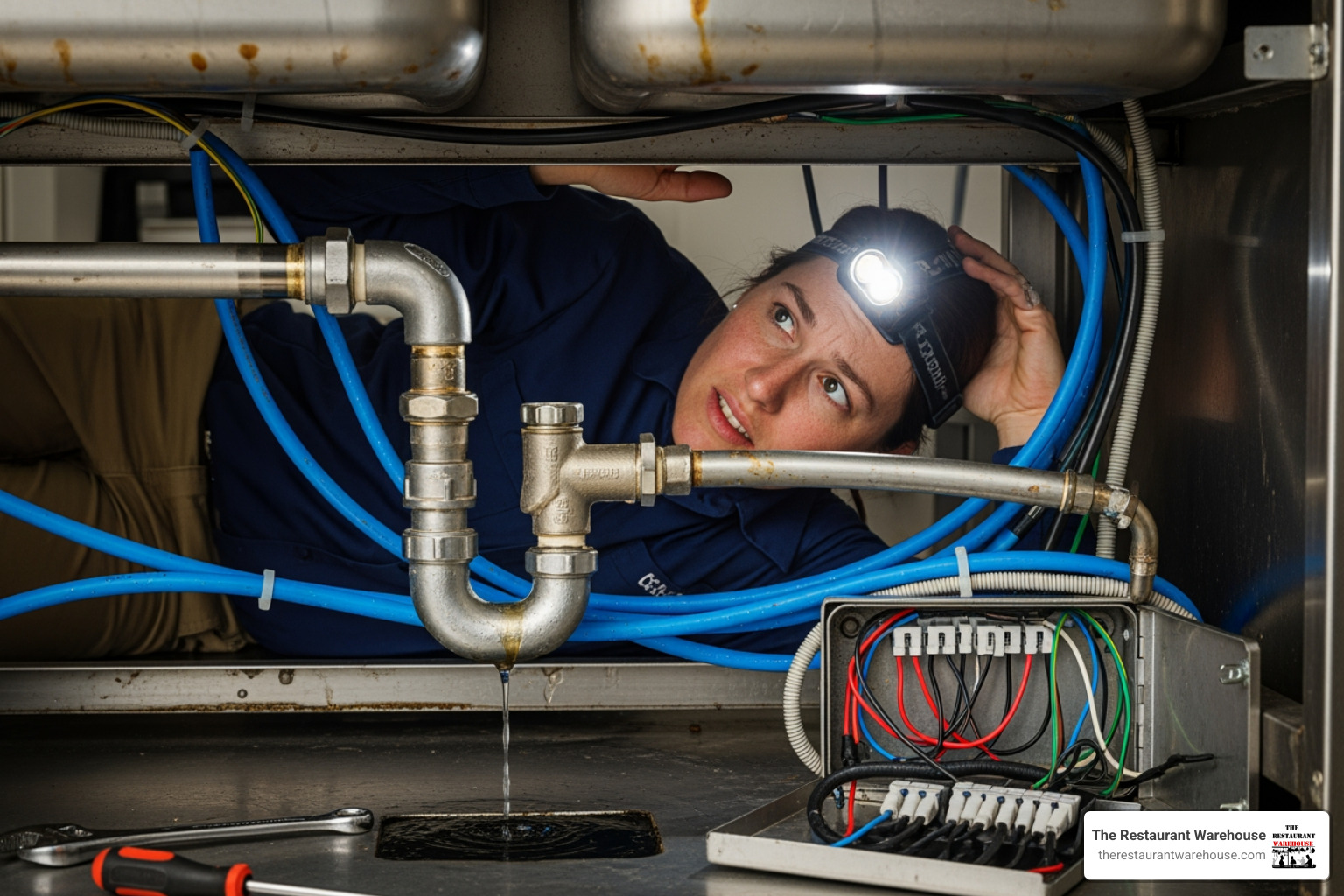
Before you purchase a 2nd hand food cart for sale, a thorough inspection is paramount. This checklist will help you evaluate every aspect of a used food cart to ensure you make an informed decision and avoid expensive surprises.
If you’d like a professional opinion on a cart you’re considering, you can Book a Strategy Call and have our team walk through photos, specs, and your local requirements with you.
Assessing the Cart's Condition and Structure
The structural integrity of the mobile unit is its foundation. Examine the frame for rust, corrosion, or dents that could indicate weakness. Pay close attention to the axles, tires, and towing hitch for signs of wear or damage. Inspect the bodywork, windows, and doors to ensure they are secure and seal properly. Inside, check the walls and flooring for water damage, mold, or other structural issues. A solid structure is non-negotiable for safety and longevity.
Additional structural checks:
- Look underneath the cart for flaking rust, cracked welds, or bent supports.
- Confirm the tongue jack, safety chains, and coupler are in good condition.
- Test doors, service windows, and latches multiple times to ensure smooth operation.
- Check that stabilizing jacks (if present) deploy and retract properly.
- Check the roof and all seams for signs of past or present leaks, which can lead to hidden mold and rot. Press on the floor in various spots to feel for soft or spongy areas, which indicate water damage and compromised subflooring.
Sizing Up Your Mobile Kitchen
The cart's dimensions dictate your operational capabilities. Measure the exterior to ensure it fits your intended vending spots, parking spaces, and storage areas. Evaluate the interior height and layout for a comfortable and efficient workflow between prep, cooking, and serving stations. Assess the counter space and storage for dry goods and supplies. The right size is a balance between having enough space to work and being easy to maneuver.
Ask yourself:
- How many staff members will be inside during busy periods?
- Do you have a clear line from cooking to plating to serving?
- Will customers order at a window, from a side counter, or both?
- Is there sufficient space for safe movement without bumping into hot surfaces?
- Consider the ergonomics of the service window. Is it at a comfortable height for both your staff and your customers? Think about accessibility; while not always required for carts, having a setup that is easy for all customers to approach is a business advantage.
Mapping your menu onto the interior layout (where ingredients, utensils, and packaging will live) often reveals whether a cart is truly workable or will feel cramped and chaotic.
Essential Systems and Utilities
A food cart's utility systems are critical for safe and compliant operation. Many health departments and local regulators have specific requirements for water capacity, hot water temperature, electrical safety, and ventilation, so you should inspect these areas carefully and cross-check them with your local rules.
- Plumbing: Inspect freshwater and wastewater tanks for leaks or cracks. Ensure pumps and connections are secure and the water heater provides hot water reliably to the required temperature. Confirm that handwashing, prep, and warewashing sinks (if present) drain properly and that there are no signs of standing water in cabinetry. Verify the number and type of sinks. Most health departments require a dedicated handwashing sink with hot and cold running water, separate from a three-compartment sink for washing, rinsing, and sanitizing utensils. Ask about a grease trap, as many municipalities now require them.
- Electrical: Examine wiring for fraying, loose connections, or shoddy repairs like exposed wire nuts or unprotected splices. Check that circuit breakers are functional and there are enough outlets for your planned setup. If a generator is included, test it to ensure it provides stable power under load and is properly mounted or stored. Look for Ground Fault Circuit Interrupter (GFCI) outlets, especially near water sources, as these are a critical safety requirement. Open the breaker panel to check for clear labeling and professional wiring. If a generator is included, is it housed in a well-ventilated, separate compartment to prevent carbon monoxide from entering the cart?
- Gas Lines: If the cart uses propane, inspect all lines and connections for leaks, corrosion, or makeshift fittings. Confirm tanks are securely mounted and properly vented away from ignition sources. Ask when hoses and regulators were last replaced.
- Ventilation: A functional ventilation hood is crucial where required. Ensure the fan works, filters are cleanable or replaceable, and ducting is intact. Adequate ventilation protects staff and helps meet fire and health codes.
Evaluating On-Board Food Service Appliances
The appliances are the heart of your mobile kitchen.
- Refrigeration: Test refrigerators and freezers to ensure they hold safe temperatures over several hours, not just a quick on–off test. Use a thermometer rather than relying on built-in displays. Check seals for wear, cracks, or warping, and listen for unusual compressor noises such as loud rattling or frequent cycling.
- Cooking Equipment: Ensure griddles, fryers, and other units heat up quickly and evenly. Check controls, knobs, and thermostats for responsiveness and accuracy. Look for excessive wear, warping, heavy grease buildup, or signs of previous overheating.
- Prep Surfaces: Check stainless steel surfaces for deep scratches, pitting, or rust where bacteria could accumulate. Confirm all prep tables and counters are firmly mounted and have smooth, cleanable seams. Check for NSF (National Sanitation Foundation) certification or an equivalent on food contact surfaces and appliances, as this is often a health department requirement. This certification ensures the equipment is designed for easy cleaning and durability in a commercial setting.
- Storage Areas: Inspect dry storage cabinets, shelving, and racks for sturdiness, cleanability, and signs of pests. Make sure there is enough organized space for disposables, ingredients, and packaging.
- Age and Efficiency: Consider the age, brand reliability, and energy usage of the appliances, as this will impact long-term operating costs and potential repair needs. Older units may still be serviceable, but factor in the possibility of sooner-than-later replacement.
Documentation, Compliance, and Test Runs
Beyond the physical inspection, ask for and review:
- Manuals and warranty information (if any)
- Past inspection reports or permits
- Service and repair receipts
- Any modifications or upgrades done by licensed professionals
When possible, perform a full test run with all major systems running at once: refrigeration, lights, water pump, hot water, and cooking units. This helps reveal issues with power capacity, heat buildup, or water supply that you might miss if everything is tested individually.
Before closing the deal, verify that the cart’s setup can be brought into compliance with your city or county’s rules without extensive rebuilding. If in doubt, reach out to your local health department or licensing agency with photos and measurements—they can often tell you upfront what changes would be required for approval.
Where to Find a 2nd Hand Food Cart for Sale
The hunt for a 2nd hand food cart for sale can be an adventure, but knowing where to look streamlines the process. Here are some of the most effective avenues to explore.
Online Marketplaces and Classifieds
The digital age has made finding used food carts easier than ever. General online marketplaces and classified ad websites are popular places to find everything from basic hot dog carts to more elaborate concession trailers. You can often find local deals directly from sellers, but exercise caution and always conduct in-person inspections. Social media marketplaces and dedicated groups for food truck sales are also excellent for connecting with sellers and gaining insights from experienced owners. When using any online platform, review seller ratings, ask for detailed photos, and use buyer protection features when available.
Specialized Food Business Brokers
Beyond general marketplaces, specialized brokers and websites cater specifically to the mobile food industry. These services often have curated listings and can provide expert guidance throughout the purchasing process. Their expertise can be invaluable for navigating equipment needs and local regulations, especially for first-time buyers. If you need help determining what you'll need for your concept, Book a Strategy Call with our team today.
Local and Offline Resources
Don't underestimate the power of local connections.
- Auctions and Liquidators: When businesses close, their assets are often sold at auction. These can be excellent places to find a used food cart or individual appliances. Government surplus auctions can also yield surprisingly good deals, but items are often sold "as-is," so a thorough inspection is crucial.
- Networking: Talk to current food cart owners, attend local food festivals, and join culinary groups. Word-of-mouth can lead you to sellers who aren't actively listing their carts online. Don't just ask if they know of a cart for sale; ask about their own experiences. Inquire about local builders or repair specialists they trust—these individuals are often the first to know when an owner is looking to sell. Building relationships within the local food scene can provide leads and invaluable advice that you won't find anywhere else.
- Local Equipment Dealers: Some local dealers may have trade-ins or consignment units that fit your needs and budget.
For more information on the steps to starting your business, we recommend consulting the Small Business Administration's guide.
Navigating the Red Tape: Prices, Permits, and Pitfalls
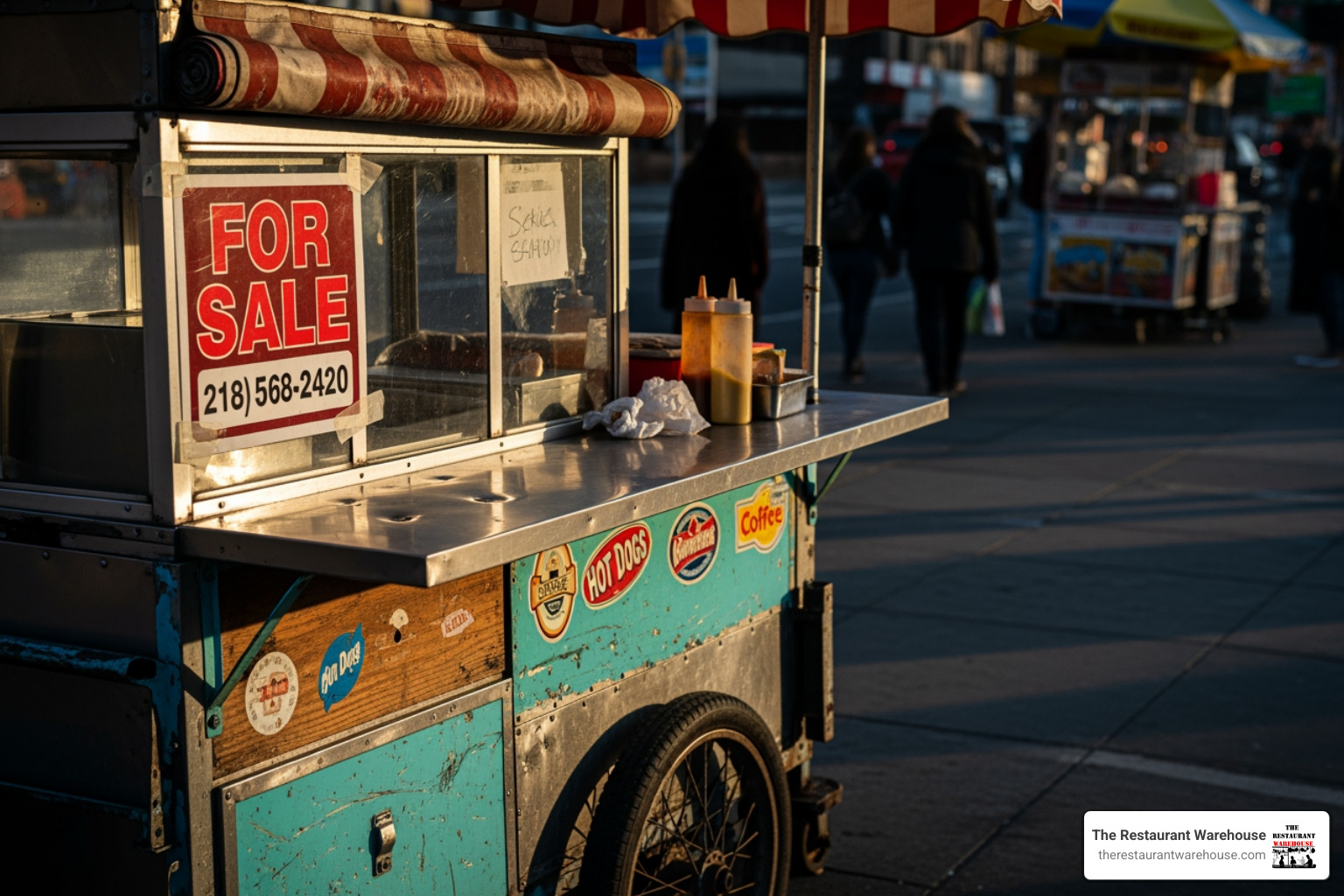
Buying a 2nd hand food cart for sale involves more than the vehicle itself; you must also understand the financial, legal, and operational landscape. This includes careful budgeting, securing permits, and avoiding common risks that can stall your launch.
Understanding the Price Tag
The price of a used food cart varies based on age, condition, size, type, and included appliances. Newer carts in excellent condition command higher prices, while older "fixer-uppers" are cheaper but may require significant investment. A cart with working refrigeration, cooking units, and a generator will be more expensive than a bare shell.
When creating your budget, factor in:
- Purchase price
- Sales tax and registration fees (if applicable)
- Initial repairs or upgrades
- Branding, signage, and menu boards
- Initial inventory and disposable supplies
- Permit and licensing costs
Adding a 10–20% contingency cushion for unexpected expenses is wise. Many first-time buyers underestimate small but necessary purchases like extension cords, food-safe containers, fire extinguishers, and replacement gaskets or fittings.
Potential Risks and How to Avoid Them
While buying used offers great value, it has perils. Be aware of these common traps:
- Hidden Damage: Cosmetic issues can mask structural problems like a rusted frame, soft flooring, or water damage inside walls. Always perform a thorough physical inspection, ideally in daylight and on a dry day, and consider having a mechanic or trailer specialist inspect the chassis.
- Faulty Systems: Dangerous wiring, leaky plumbing, and compromised gas lines can lead to costly repairs and health code violations. Ensure all systems are functional and appear professionally installed. Factor in the cost of having a licensed professional correct any questionable work.
- Non-Compliant Layouts: Some older carts were built under different codes or for other jurisdictions. Sinks may be undersized, water tanks too small, or ventilation inadequate for your local rules. Confirm that any gaps can be fixed without essentially rebuilding the cart.
- Title Problems: Verify the cart's ownership and ensure the title is clean, with no outstanding liens. Double-check the VIN or serial number on the cart or frame against the documents.
- Unexpected Repairs: Even with a good inspection, issues can surface after you start using the cart regularly. Set aside a contingency fund for unforeseen problems such as pump failures, thermostat issues, and tire blowouts.
Document everything you can before purchase with photos and written notes. These records are useful not only for your own planning but also in case you eventually resell the cart.
Legal and Regulatory Problems
Compliance is non-negotiable. Rules vary significantly by location, so research your local requirements thoroughly before you commit to a specific cart. Starting with a cart that can be approved with minimal changes can save months of delays and thousands of dollars.
Common regulatory areas include:
- Health & Safety: Your cart must meet strict health, sanitation, and fire safety codes. This often includes requirements for handwashing and warewashing sinks, water temperature, waste disposal, smooth and cleanable surfaces, and proper separation of raw and ready-to-eat foods. Fire codes may require specific fire suppression systems or extinguishers depending on your cooking methods. Always check with your local health department and fire marshal before buying. For federal-level reference on safe food handling and transportation, you can review the USDA Food Safety and Inspection Service guidance.
- Licensing & Registration: The cart may need to be registered with your state’s motor vehicle agency, particularly if it is towable or self-propelled. You will also need a business license, vendor permits, and potentially location-specific permits for certain parks, events, or private properties. Some cities have caps or lotteries for prime vending spots—understand these limits early.
- Commissary Requirements: Many jurisdictions require mobile food units to operate from a licensed commissary kitchen. This is a home base for your operation. A commissary provides a certified space for extensive food prep that can't be done on the cart, secure overnight storage for your cart and supplies, and approved facilities for dishwashing. Crucially, it's also where you will legally dispose of your greywater (from sinks) and trash, and refill your potable water tanks. Your health permit application will likely require a signed commissary agreement, so securing this relationship is a key step in the licensing process.
- Zoning and Parking Rules: Local zoning laws, parking restrictions, and event rules can dictate where and when you can operate. Confirm whether you can park on public streets, must use designated lots, or are limited to private property with permission.
Calculating Your Return on Investment (ROI)
A smart business decision comes down to ROI. Calculating your break-even point and expected payback period helps you evaluate whether a specific 2nd hand food cart is worth the investment. This exercise also highlights whether your pricing, menu strategy, and operating schedule are sufficient—or whether you need to adjust your concept, location strategy, or cost structure before you commit to a particular cart.
Let's walk through a hypothetical example:
Step 1: Calculate Total Startup Investment This is every dollar you spend before you make your first sale.
- Used Food Cart Purchase: $15,000
- Repairs & Upgrades (new tires, branding wrap): $2,500
- Permits, Licenses & Inspection Fees: $1,000
- Initial Food & Packaging Inventory: $1,500
- Total Startup Investment: $20,000
Step 2: Estimate Ongoing Monthly Costs Be realistic and comprehensive with your operating expenses.
- Food & Packaging (Cost of Goods Sold @ 33% of revenue): $3,168
- Staff Wages (1 person @ $15/hr, 8hr/day, 16 days/month): $1,920
- Fuel & Propane: $350
- Commissary Rent: $450
- Insurance (Liability, Auto, Property): $250
- Event Fees & Parking: $500
- Payment Processing Fees (~2.5% of revenue): $240
- Contingency & Miscellaneous: $200
- Total Monthly Operating Costs: $7,078
Step 3: Project Realistic Monthly Revenue Base this on conservative estimates for your market.
- Average Sale Per Customer: $15
- Average Customers Per Day: 40
- Daily Revenue: $15 x 40 = $600
- Operating Days Per Month: 16 (e.g., 4 days/week)
- Total Monthly Revenue: $600 x 16 = $9,600
Step 4: Determine Profit and Payback Period Now, you can see when your investment will pay for itself.
- Monthly Net Profit: $9,600 (Revenue) - $7,078 (Costs) = $2,522
- Payback Period: $20,000 (Total Investment) ÷ $2,522 (Monthly Net Profit) = ~7.9 months
In this scenario, you would cover your entire initial investment and start generating pure profit in about eight months. Running these numbers for your own situation is one of the most important steps you can take before buying.
Frequently Asked Questions about Used Food Carts
Here are answers to common questions about buying a 2nd hand food cart for sale.
What's the main difference between a food cart and a food truck?
While both are mobile food businesses, they differ in size, mobility, and capability.
- Food Carts: These are smaller, more compact units that are pushed or towed. They typically have limited cooking equipment, focusing on simpler menus. Carts are great for specific locations and offer a lower-cost entry point with lower operating expenses.
- Food Trucks: These are larger, self-propelled vehicles with more workspace and a wider range of cooking equipment for more diverse menus. Concession trailers offer similar space but must be towed. Food trucks generally face more stringent regulations than carts.
How much do common repairs on a used food cart cost?
Repair costs vary widely based on the issue, equipment type, and local labor rates. Appliance repairs can range from tens to thousands of dollars. Plumbing or electrical work can also be costly, especially for major re-piping or rewiring. Simpler fixes like tire replacement are more affordable, while major structural repairs can be expensive. Always get multiple quotes and budget for preventative maintenance.
Can I get financing for a used food cart?
Yes. Even with the lower cost of a used cart, you may need financial assistance. Options include:
- Equipment Loans: Banks and financial institutions offer loans specifically for business equipment.
- Small Business Loans: General small business loans (like those from the SBA) can cover startup costs, including your cart.
- Leasing: This allows you to pay for the cart in installments, conserving capital upfront.
- Seller Financing: Some private sellers may be open to a payment plan.
It's advisable to prepare a detailed business plan to present to potential lenders, as this demonstrates your preparedness and improves your chances of approval.
What kind of insurance do I need for a used food cart?
Insurance is non-negotiable and typically required for licensing. You will likely need a combination of policies. Commercial General Liability Insurance protects you if a customer gets sick or injured. Commercial Auto Insurance is necessary if your cart is towable or self-propelled, covering accidents on the road. Finally, Inland Marine Insurance or Property Insurance covers the cart itself and the equipment on it against theft, fire, or damage. Consult with an insurance agent who specializes in mobile food businesses to ensure you have adequate coverage for your specific operation.
Conclusion: Start Your Food Business Journey with Confidence
The journey to launching your mobile food business is exciting, and finding the right 2nd hand food cart for sale is a pivotal first step. Opting for a pre-owned unit provides significant cost savings, accelerates your launch, and gives you the benefit of a proven setup that has already been tested in real-world conditions.
Success, however, depends on diligent preparation. A thorough inspection of the cart's structure, utility systems, and appliances is essential. Careful budgeting, understanding of pricing, and awareness of common risks will safeguard your investment. Equally important is navigating the legal landscape—permits, inspections, commissary requirements, and zoning rules all shape how and where you can operate.
By taking the time to:
- Match the cart to your specific concept and menu
- Verify structural integrity and system safety
- Confirm that the layout can be brought into compliance with local codes
- Run the numbers on your costs, pricing, and sales projections
—you dramatically increase your odds of building a profitable, sustainable mobile food business instead of an expensive hobby.
At The Restaurant Warehouse, we are committed to empowering entrepreneurs with affordable, practical solutions for launching and growing food businesses. If you’re evaluating options or need help planning your setup, Contact Us for expert advice tailored to your budget and goals.
When you’re ready to move from research to action, you can also Book a Strategy Call to review your concept, discuss cart options, and create a clear, step-by-step plan to get you licensed and serving customers as quickly and safely as possible.
With the right 2nd hand food cart, a thoughtful business plan, and a focus on compliance and quality, you can start your food business journey with confidence and build a brand that keeps customers coming back wherever you park.
About The Author

Sean Kearney
Sean Kearney is the Founder of The Restaurant Warehouse, with 15 years of experience in the restaurant equipment industry and more than 30 years in ecommerce, beginning with Amazon.com. As an equipment distributor and supplier, Sean helps restaurant owners make confident purchasing decisions through clear pricing, practical guidance, and a more transparent online buying experience.
Connect with Sean on LinkedIn, Instagram, YouTube, or Facebook.