

Hit the Road, Jack: A Buyer's Guide to Truck Restaurants for Sale
The Rise of the Mobile Restaurant
Looking to buy a truck restaurant for sale? It's a significant investment, but it offers the unique freedom to take your culinary vision on the road. This guide will walk you through the essentials, from choosing the right type of vehicle to understanding the necessary equipment and regulations. Whether you're dreaming of a gourmet food truck, a specialized coffee cart, or a versatile concession trailer, we'll help you steer the process. Key considerations include the vehicle's condition, the kitchen's layout and features, and your overall budget, which can range from a few thousand for a used unit to over $100,000 for a custom build. Let's get started on making your mobile food business a reality.
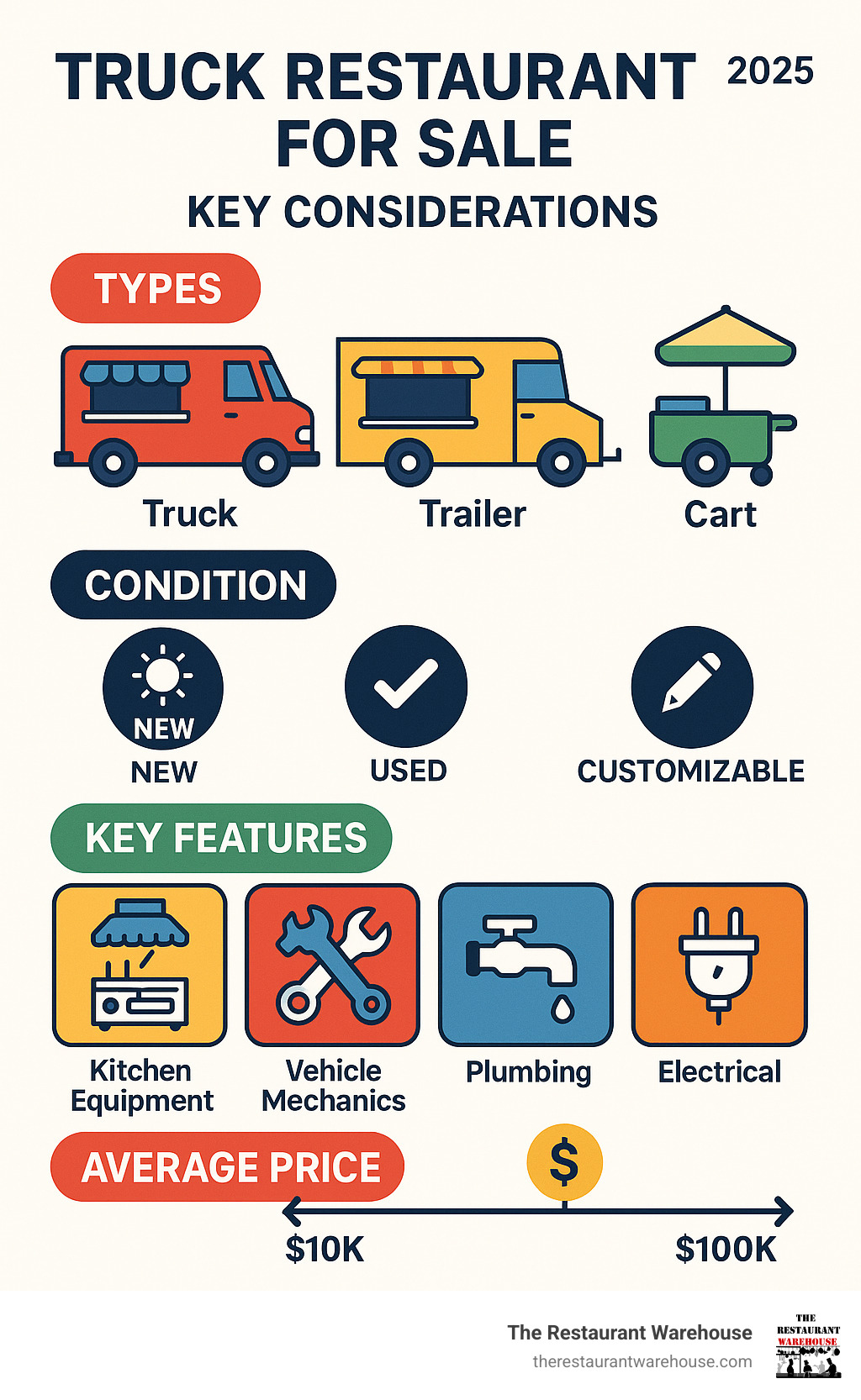
Quick truck restaurant for sale definitions:
What's on the Menu? Types of Mobile Kitchens
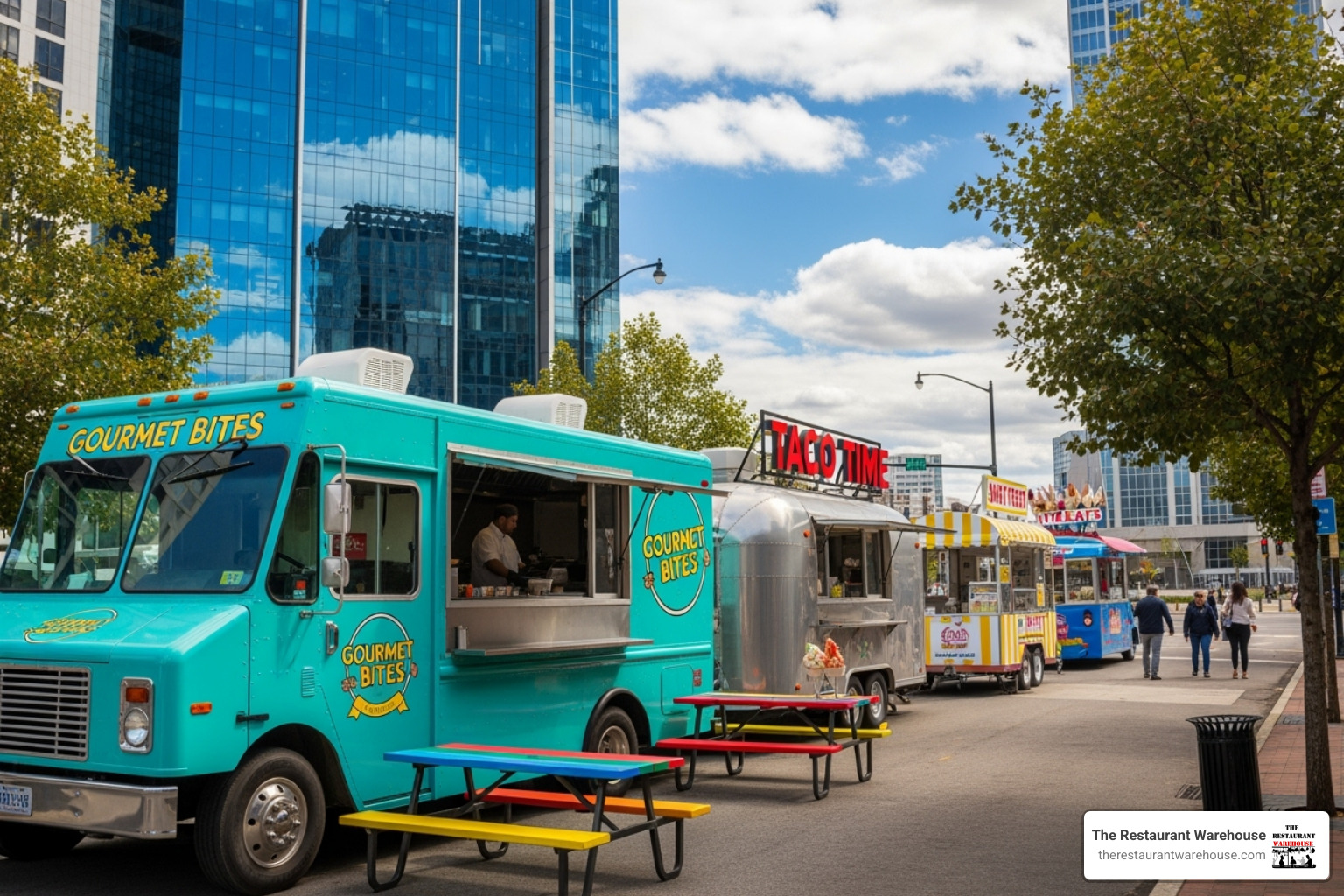
When searching for a truck restaurant for sale, you'll find a variety of options beyond the classic food truck. The world of mobile dining includes everything from large, fully-equipped trucks to smaller, more specialized trailers and carts. This diversity allows you to find the perfect fit for your business model, whether you're launching a new concept, targeting specific events, or seeking a lower-cost entry into the food industry. Let's explore the main types.
Food Trucks (All-in-One)
These are the quintessential mobile kitchens, with the cooking area and vehicle combined into one unit. Often built on a step van or box truck chassis, they offer a turnkey solution. You can find them pre-owned or work with a builder for a custom design custom to your menu. The main consideration is that you're maintaining both a vehicle and a commercial kitchen, so be prepared for regular engine maintenance alongside kitchen upkeep.
Food Trailers & Carts
If you prefer separating your kitchen from your transportation, food trailers and carts are excellent options. These towable kitchens hitch to a separate vehicle, which means less wear and tear on your kitchen's engine and drivetrain. The primary benefit is lower vehicle maintenance costs, as your truck or SUV handles the travel while the trailer focuses on being an efficient kitchen. Trailers offer incredible size variety, from compact units for simple menus to expansive models that rival traditional restaurant kitchens.
Food carts are smaller, highly mobile units perfect for specific items like gourmet coffee, fresh-squeezed juices, or specialty snacks. Their compact size makes them ideal for high-foot-traffic areas like farmers' markets, street corners, and special events.
If you're considering the trailer route, you'll want to check out our guide on Trailer Treats: Finding Your Perfect Ice Cream Concession Trailer for sweet inspiration. For those thinking about a more versatile setup, Trailer Tales: Finding Your Perfect 14 Ft Food Trailer covers the essentials of mid-sized operations.
Looking for something with more carnival flair? Our Roll Up Roll Up: Buy Carnival Concession Trailers For Sale guide explores options that bring the fun wherever you go. And if you need just a bit more space to work with, Trailer Treasure Hunt: Top Picks For 16 Ft Food Trailers might have exactly what you're looking for.
The choice between a truck and a trailer often comes down to your specific needs: do you value the all-in-one convenience of a truck, or do you prefer the flexibility and potentially lower maintenance of a separate kitchen and tow vehicle?
Kicking the Tires: Inspecting a Truck Restaurant for Sale
So, you've decided on the type of mobile kitchen that fits your culinary dreams. Now comes the crucial step: inspecting a truck restaurant for sale. This isn't just about admiring the shiny exterior; it's about a thorough due diligence process that covers both the vehicle's mechanics and the kitchen's functionality and compliance. You're buying two major assets in one: a commercial vehicle and a professional kitchen.
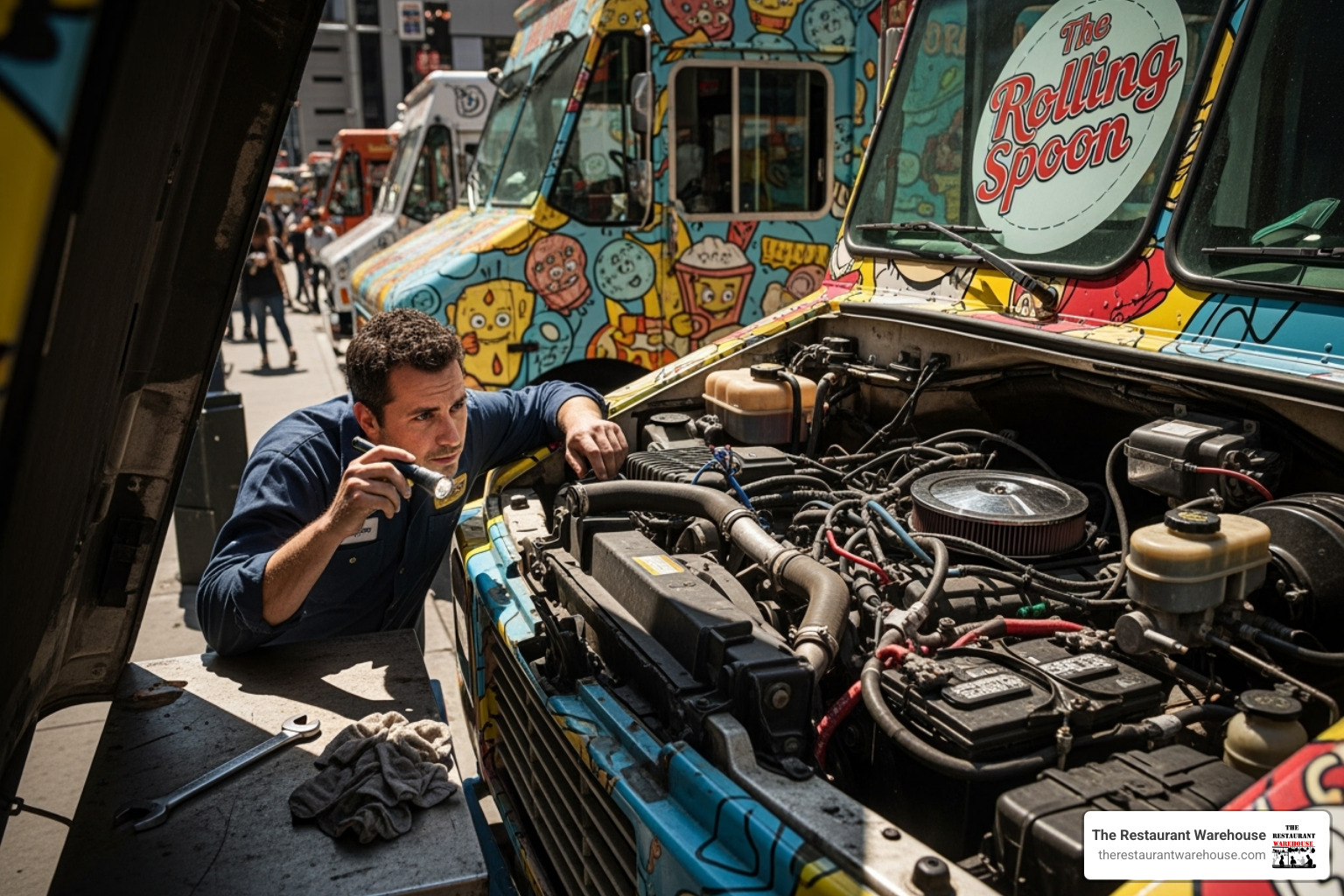
Whether you're looking at a brand-new custom build or a seasoned used model, a meticulous inspection will save you headaches (and money!) down the road. This is where your inner detective comes out, ensuring you don't end up with a lemon on wheels.
The Vehicle: Engine, Body, and Bones
The foundation of your mobile restaurant is its ability to, well, mobilize. This means paying close attention to the vehicle's core components.
- Chassis Condition: Inspect the frame for rust, cracks, or any signs of structural damage. This is the backbone of your entire operation.
- Mileage: High mileage isn't always a deal-breaker, especially for older, well-maintained commercial vehicles, but it should influence your offer. We've seen trucks like a 2007 Freightliner with 268,778.2 miles still listed for sale, indicating their durability. However, lower mileage, like a '2024 build 2003 workhorse diesel 24k miles', suggests less wear and tear.
- Engine Health: Ideally, have a certified mechanic perform a pre-purchase inspection. They can check for engine leaks, unusual noises, and overall performance. Ask for recent repair and maintenance records. A healthy engine is crucial for reliability, especially when you're hauling a fully equipped kitchen.
- Fuel Type (Gas vs. Diesel): Diesel engines often offer better torque and fuel efficiency for heavy loads, making them popular for food trucks, but they can have higher maintenance costs and a higher initial price. Gas engines are generally cheaper to maintain and fuel up.
- Maintenance Records: This is gold! Detailed records show consistent care and can reveal potential recurring issues. If the seller doesn't have them, it's a red flag.
- Tire Condition: Check for tread wear, cracks, and proper inflation. New tires are a significant expense you'll want to factor in if needed.
- Generator Specs: Many food trucks rely on powerful generators for their kitchen equipment. Understand its capacity (e.g., 11000 Peak Watt generator), fuel type, and recent service history. A reliable generator is your lifeline.
For those on a tighter budget, exploring Cheap Eats On Wheels: Finding Used Food Trucks Under 5000 can be a great starting point, but always prioritize professional inspection.
The Kitchen: Construction, Layout, and Workflow
Once the vehicle passes muster, it's time to put on your chef's hat and inspect the kitchen. This is where the magic happens, and its design directly impacts your efficiency and food safety.
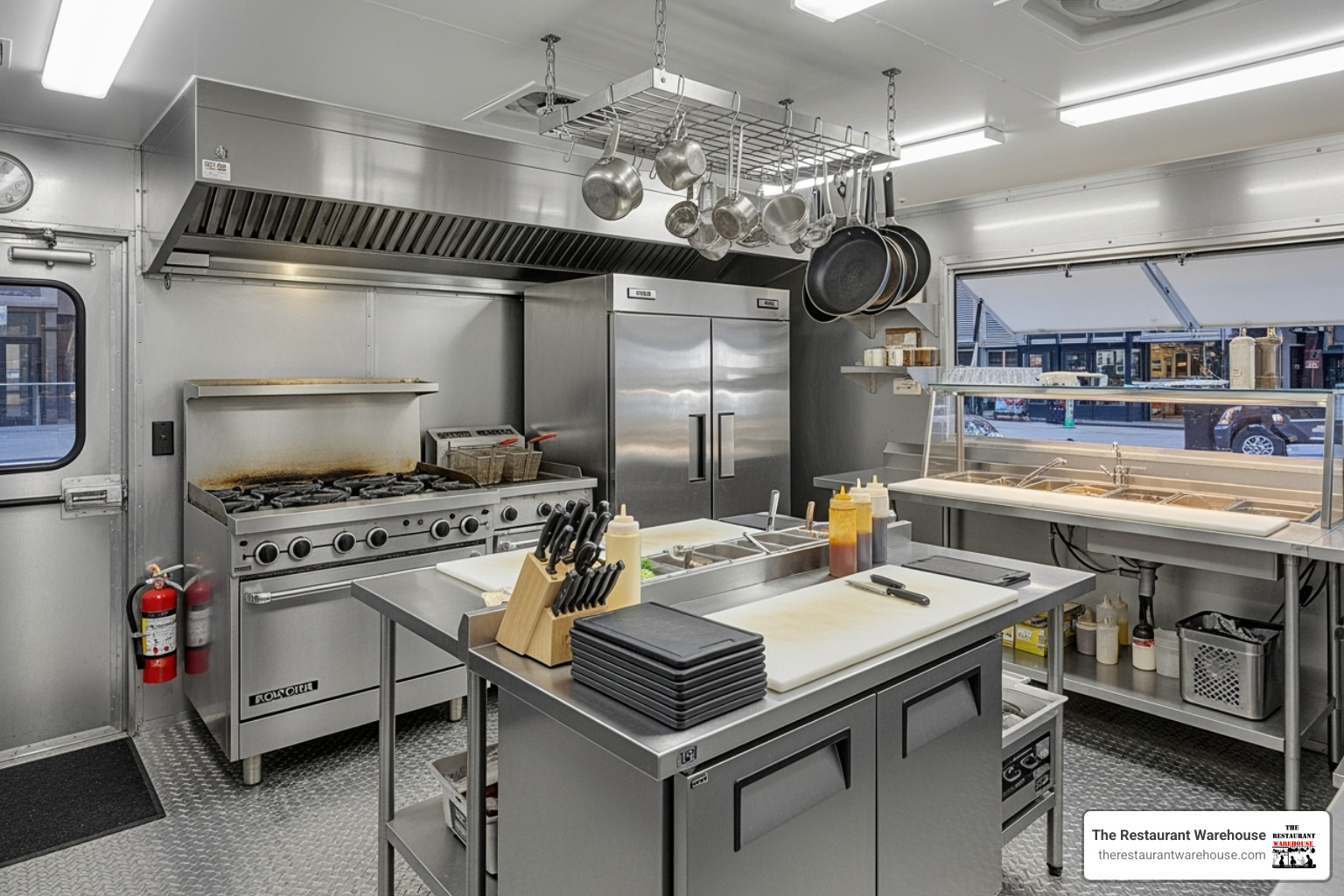
- Stainless Steel Surfaces: This is non-negotiable for commercial kitchens. Stainless steel is durable, easy to clean, and resistant to corrosion. Ensure all cooking surfaces, prep areas, and walls (especially around cooking equipment) are made of high-quality stainless steel. Insulated panels also help vehicles retain temperature regulation for food safety.
- Non-Slip Flooring: Safety first! The floor should be made of a non-slip material to prevent accidents, especially in a busy, potentially wet environment.
- Ventilation and Hood System: A powerful exhaust fan and hood system are critical for removing smoke, grease, and odors. Look for a certified fire suppression system, which is typically required by health departments for safety. Make sure the system is clean and well-maintained.
- Workflow Efficiency: Imagine yourself working in the space. Is the layout logical? Can you move easily between prep, cooking, and serving stations? Does it facilitate effective workflow, as emphasized by industry experts? Customizing the interior design to capture a business identity will improve consumer loyalty and experience.
- Storage Space: Adequate storage for ingredients, utensils, and cleaning supplies is essential. Consider both dry storage and refrigerated space. Our guide on Open up Your Truck's Potential: Essential Storage Cabinets For Food Trucks can provide more insights.
- Serving Windows: These are your customer interface. Check their functionality, security, and whether they have screens.
The importance of a well-designed kitchen cannot be overstated. It directly impacts your speed of service, food quality, and staff comfort.
Essential Systems and Equipment
A food truck kitchen is a complex ecosystem of specialized equipment and systems, all working in harmony. When evaluating a truck restaurant for sale, scrutinize these components:
- Plumbing (Sinks, Water Tanks): You'll need a hand-washing sink, a three-compartment sink for washing, rinsing, and sanitizing dishes, and often a separate prep sink. Crucially, check the fresh and gray water tank capacities. For example, a 1970 Dodge D250 food truck boasts a 20-gallon fresh water tank and a 20-30 gallon gray water tank, alongside a 2.5-gallon hot water heater. Proper water supply and waste disposal are paramount for health compliance. Our Food Truck Sinks Guide offers detailed information.
- Electrical Systems: Understand the truck's electrical capacity (e.g., a 30 amp breaker panel with 12 electrical outlets). This determines what equipment you can run simultaneously. Ensure wiring is professional and up to code.
- Propane Lines: If your cooking equipment runs on propane, inspect the lines, tanks, and regulators for leaks or damage. Ensure propane cages are secure.
- Refrigeration: Reliable refrigeration is vital for food safety. Look for commercial-grade upright refrigerators with freezers, prep station coolers (like a 3-foot unit), and other cold storage solutions. Regular inspections of refrigeration systems help preserve food quality and safety.
- Cooking Equipment: This will depend entirely on your menu. Common items include flat-top griddles (a 4’ flat top is common), deep fryers (some trucks have 2x 40lb deep fryers), ranges, salamander broilers, and specialty items like BBQ smokers. Make sure the equipment is commercial grade and in good working order. For more details, explore our guides on Food Truck Equipment List, Buyer's Guide: Best Food Truck Equipment For 2025, and Food Truck Fryers.
The Restaurant Warehouse specializes in commercial restaurant equipment and food service supplies, offering wholesale pricing to help you get the best gear for your mobile kitchen.
The Paperwork Trail: Licenses, Financing, and Regulations
Acquiring a truck restaurant for sale is more than just a purchase; it's an investment into a regulated business. Navigating the necessary licenses, permits, and financing options requires careful due diligence. Without the proper paperwork and funding, your culinary dreams might remain parked.
Licenses, Permits, and Health Codes
This is perhaps the most critical section for any aspiring food truck owner. Running a mobile restaurant calls for many licenses and permits, which can differ significantly according to the locality, county, and state. It’s crucial to research local rules and have current documentation to stay out of legal hotbeds.
Typical requirements include:
- Business License: This is your fundamental authorization to operate any business.
- Mobile Food Vendor License: Specific to mobile operations, this permit allows you to sell food from a vehicle.
- Food Handler's Permit: All staff handling food will typically need this certification, demonstrating knowledge of safe food handling practices.
- Health Department Inspections: Before you can operate, your truck will undergo rigorous health department inspections to guarantee adherence to food safety criteria. This includes verifying correct storage temperatures, preventing cross-contamination, ensuring cleanliness and sanitation of cooking surfaces and utensils, and proper waste disposal. Regular inspections will continue throughout your operation.
- Fire Safety Certification: Your certified fire suppression system and other fire safety measures will need to be inspected and certified by the local fire marshal.
- Commissary Requirements: Many jurisdictions require food trucks to operate out of a licensed commissary kitchen. This is where you'll store ingredients, prep food, clean your truck, and dispose of waste. Understanding these requirements before you buy is essential.
Our comprehensive guide on Food Truck Regulations digs deeper into the labyrinth of rules you'll need to follow.
Financing Your Mobile Restaurant
Securing the right financing is just as important as finding the perfect truck restaurant for sale. The cost can range widely, from a few thousand for a 'fixer-upper' to over $194,000 for a new, custom-built unit. Fortunately, several options are available to help fund your venture.
| Loan Type / Option | Description - Traditional Bank Loans | Secured or unsecured loans from banks or credit unions. |
- SBA Loans | Government-backed loans with favorable terms for small businesses. |
- Equipment Financing | Loans specifically for purchasing kitchen equipment. |
- 401K Rollovers (ROBS) | A way to use your retirement funds to start a business without tax penalties. |
- Leasing | Renting a truck or equipment to lower initial costs. |
A detailed business plan is essential for securing funding. For more information, check out our guides on Lease And Feast: Your Guide To Used Food Truck Leasing and Restaurant Equipment Loans: A Convenient Financing Option For Restaurant Owners.
Life on the Road: Operations and Marketing for Success
Once you've purchased your truck restaurant for sale, the real journey begins. Running a successful food truck involves a unique blend of culinary skill, business acumen, and logistical planning.
Common Operational Challenges
Operating a mobile kitchen presents daily challenges that require careful planning.
- Location & Events: Finding high-traffic spots and securing permits for festivals or private events is key to reaching customers.
- Weather: Rain, wind, or extreme heat can impact your business. Having a plan for bad weather is essential.
- Inventory & Space: Limited storage means you must manage your inventory efficiently to avoid waste and shortages.
- Vehicle Maintenance: Your truck is your business. Regular maintenance is non-negotiable to prevent breakdowns.
- Staffing & Logistics: Finding reliable staff and managing the daily logistics of stocking, cleaning, and waste disposal are crucial for smooth operation.
A solid Sample Food Truck Business Plan can help you anticipate and manage these challenges. For more practical advice, check out our Food Truck Tips.
Effective Marketing Strategies
Your truck is a mobile billboard, so your marketing needs to be just as dynamic.
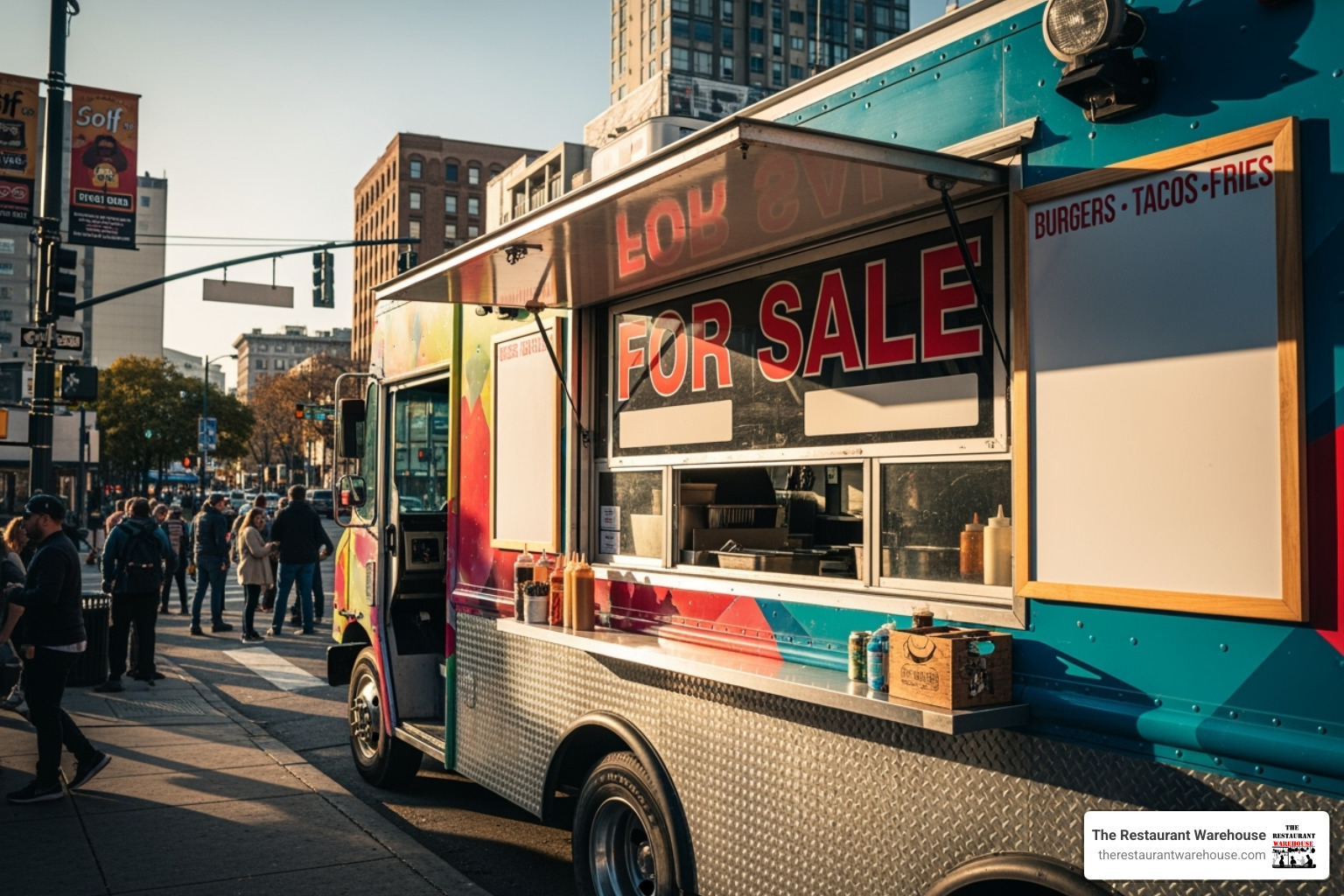
- Vehicle Wrap & Branding: A memorable design is your most powerful advertising tool. It should be eye-catching and clearly communicate your brand.
- Social Media Marketing: Use platforms like Instagram and Facebook to post your daily location, share photos of your food, and engage with your followers.
- Local Event Partnerships: Collaborate with local festivals, markets, and businesses to reach a larger audience.
- Build a Regular Route: Consistency helps build a loyal customer base. Having regular spots on certain days lets people know where to find you.
- Customer Loyalty Programs: Reward repeat customers with punch cards or special offers to keep them coming back.
Combining a great product with smart, consistent marketing is the key to keeping your truck restaurant for sale profitable and on the road.
Frequently Asked Questions about Buying a Food Truck
We know you've got questions, and we're here to answer them! Buying a truck restaurant for sale is a significant investment and a bold step into entrepreneurship. After helping countless aspiring food truck owners, we've compiled the most common questions we hear, along with our expert insights to help you make the best decision.
What are the most important factors when choosing a truck restaurant for sale?
Focus on these key areas to make a smart investment:
- Vehicle Reliability: A well-maintained engine and chassis are non-negotiable. A breakdown can put you out of business for days.
- Kitchen Layout & Condition: The kitchen should be functional, safe, and built with durable, easy-to-clean materials like stainless steel. Ensure the layout supports your specific menu and workflow.
- Local Health Code Compliance: Verify that the truck's plumbing, ventilation, and food storage systems meet your local health department's requirements. Retrofitting can be expensive and time-consuming.
- Price vs. Condition: A cheaper, older truck might seem like a deal, but it could require costly repairs and upgrades. Balance the upfront cost with the potential for future expenses.
- Seller's Reason for Selling: Understanding why the truck is for sale can provide valuable insight into its history and condition.
How much does it cost to start a food truck business?
The total investment can vary significantly, from under $20,000 for a used, basic setup to over $150,000 for a brand-new, custom-built vehicle. Key costs include:
- The Truck: The single largest expense.
- Equipment: Griddles, fryers, refrigerators, and other essentials. The Restaurant Warehouse offers wholesale pricing to help you save on these items.
- Licensing & Permits: Fees for business licenses, health permits, and other certifications.
- Initial Inventory: Your first stock of food and supplies.
- Insurance: Coverage for your vehicle, equipment, and liability.
- Marketing: Costs for a vehicle wrap, website, and promotional materials.
Creating a detailed business plan is essential to accurately budget for all startup and operational costs.
Where can I find a reputable truck restaurant for sale?
Finding a quality truck restaurant for sale requires looking in the right places. Here are some of the most common avenues:
- Online Marketplaces: Websites dedicated to selling new and used food trucks are a great starting point. They often provide detailed listings, photos, and equipment specifications. General online marketplaces can also have listings, but be sure to vet them carefully.
- Custom Builders: If you have a specific vision and budget, a custom builder can create a truck custom to your exact needs, ensuring it meets all local health and safety codes from the start.
- Business Brokers: Some brokers specialize in selling established food truck businesses. This can be a good option if you want to acquire an existing brand with a customer base.
- Local Networking: Connect with other food truck owners in your area. They often have inside information on who is selling or can recommend reputable builders and sellers.
Regardless of where you find your truck, always conduct a thorough inspection and consider getting a professional evaluation before making a purchase.
Conclusion: Your Culinary Journey Begins
You've made it! After exploring everything from truck restaurant for sale options to the nitty-gritty of daily operations, you're now equipped with the knowledge to make your mobile restaurant dreams a reality. This journey we've taken together covers all the essential ground - from understanding the different types of mobile kitchens available to mastering the art of inspection and navigating the sometimes overwhelming world of permits and financing.
Think back to where we started. We explored the exciting variety of mobile kitchen options, from those iconic all-in-one food trucks that can roll up anywhere to the practical towable trailers that separate your kitchen from your vehicle maintenance headaches. Whether you're dreaming of a compact food cart for specialized treats or a full-sized mobile kitchen that can handle a complex menu, there's a perfect match out there for your culinary vision.
The inspection process might seem daunting, but remember - you're essentially buying two major assets in one package. The vehicle needs to be road-worthy and reliable, while the kitchen must be efficient, safe, and built with quality materials like stainless steel surfaces that can handle the demands of commercial food service. Don't forget those essential systems like proper ventilation, fire suppression, and adequate water storage that keep you compliant and your customers safe.
We've also tackled the paperwork maze together. Yes, the licensing requirements can feel overwhelming - from mobile food vendor licenses to health department inspections and commissary compliance. But each permit and certification is a building block toward a legitimate, successful business. The financing piece is equally crucial, whether you're considering traditional restaurant loans, exploring 401K rollovers, or looking into leasing options that can help manage your startup costs.
The operational realities of mobile restaurant life bring their own rewards and challenges. Location scouting, weather contingencies, and inventory management in tight spaces require creativity and flexibility. But the direct customer interaction, the freedom of mobility, and the ability to bring your food to where people are - that's the magic that makes it all worthwhile.
Your marketing strategy will be just as mobile as your kitchen. Social media becomes your best friend for announcing locations and building community, while your truck itself serves as a rolling billboard. Building relationships with local events and establishing regular routes creates the foundation for long-term success.
The most important takeaway? Due diligence is everything. This isn't just about buying a vehicle - you're investing in a dynamic, exciting business that can adapt and thrive in countless locations and situations. Take your time with inspections, understand your local regulations completely, and create a solid financial plan that accounts for both startup costs and ongoing operational expenses.
As you start on this trip, The Restaurant Warehouse is here to support your success. We provide commercial restaurant equipment and food service supplies at wholesale pricing, helping you outfit your mobile kitchen without the retail markup. From essential prep equipment to specialized cooking appliances, we understand what it takes to run a professional food operation.
Ready to get started? Check out our complete restaurant kitchen equipment checklist to ensure you have everything you need for a successful launch.
Your culinary journey is just beginning, and the road ahead is full of hungry customers waiting to find what amazing food you'll bring to their neighborhood. Time to hit the road and start serving up success!
About The Author

Sean Kearney
Sean Kearney is the Founder of The Restaurant Warehouse, with 15 years of experience in the restaurant equipment industry and more than 30 years in ecommerce, beginning with Amazon.com. As an equipment distributor and supplier, Sean helps restaurant owners make confident purchasing decisions through clear pricing, practical guidance, and a more transparent online buying experience.
Connect with Sean on LinkedIn, Instagram, YouTube, or Facebook.