
Food Truck Equipment
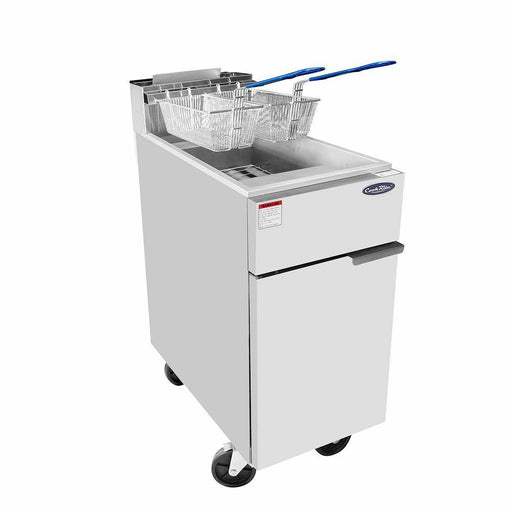
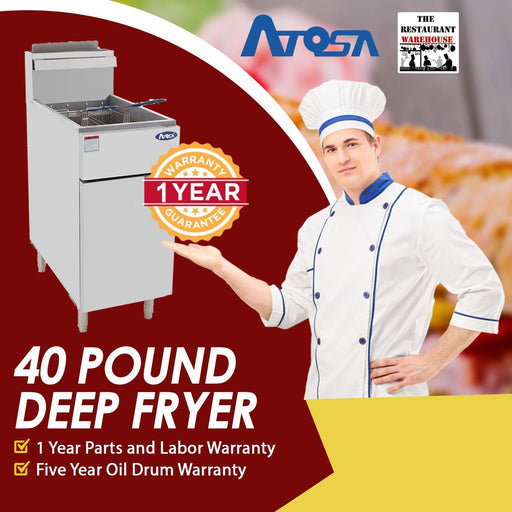
Atosa ATFS-40-LP Heavy Duty 40 LB Stainless Steel Deep Fryer - Propane
Atosa
Original price
$1,481.00
Original price
$1,481.00
-
Original price
$1,481.00
Original price
$1,481.00
Current price
$1,068.00
$1,068.00
-
$1,068.00
Current price
$1,068.00
Atosa ATFS-40 40 lb Commercial Propane Deep Fryer Reliable frying power for busy kitchens and food trucks. The Atosa ATFS-40 Propane Deep Fryer ...
View full details
Original price
$1,481.00
Original price
$1,481.00
-
Original price
$1,481.00
Original price
$1,481.00
Current price
$1,068.00
$1,068.00
-
$1,068.00
Current price
$1,068.00
Save 28%
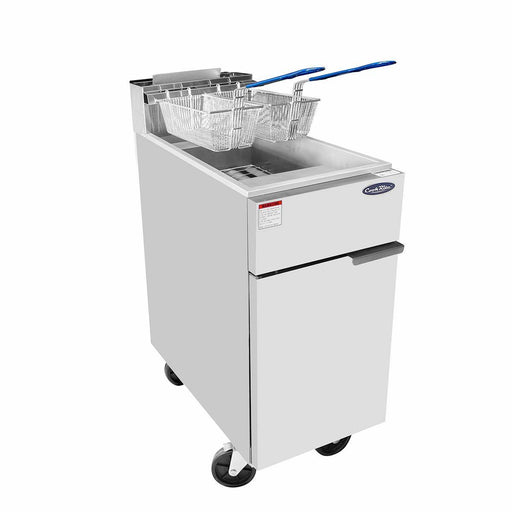
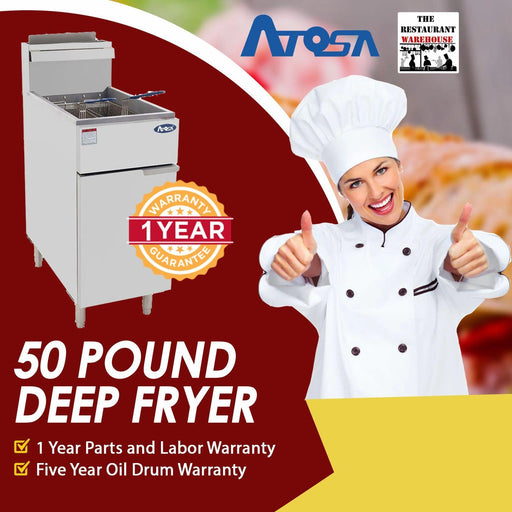
Atosa ATFS-50 Heavy Duty 50 LB Stainless Steel Deep Fryer - Propane
Atosa
Original price
$1,861.00
Original price
$1,861.00
-
Original price
$1,861.00
Original price
$1,861.00
Current price
$1,341.00
$1,341.00
-
$1,341.00
Current price
$1,341.00
Atosa ATFS-50 50 lb Commercial Propane Deep Fryer Built for serious frying power in food trucks and commercial kitchens. The Atosa ATFS-50 Propa...
View full details
Original price
$1,861.00
Original price
$1,861.00
-
Original price
$1,861.00
Original price
$1,861.00
Current price
$1,341.00
$1,341.00
-
$1,341.00
Current price
$1,341.00
Save 28%
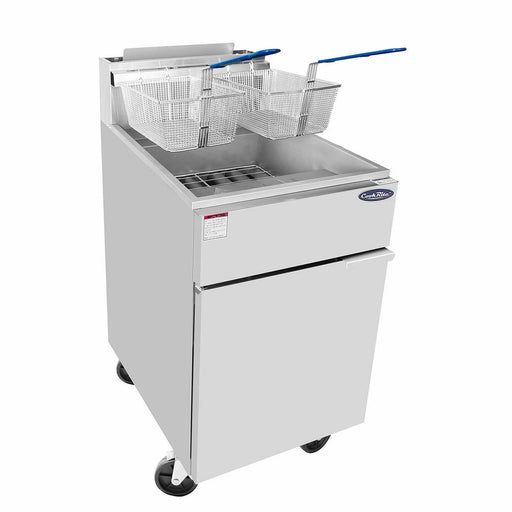
Atosa ATFS-75-LP Heavy Duty 75 LB Stainless Steel Deep Fryer - Propane
Atosa
Original price
$2,182.00
Original price
$2,182.00
-
Original price
$2,182.00
Original price
$2,182.00
Current price
$1,573.00
$1,573.00
-
$1,573.00
Current price
$1,573.00
Atosa ATFS-75 75 lb Commercial Propane Deep Fryer Maximum output for high-volume kitchens. The Atosa ATFS-75 Propane Gas Deep Fryer is built for...
View full details
Original price
$2,182.00
Original price
$2,182.00
-
Original price
$2,182.00
Original price
$2,182.00
Current price
$1,573.00
$1,573.00
-
$1,573.00
Current price
$1,573.00
Save 28%
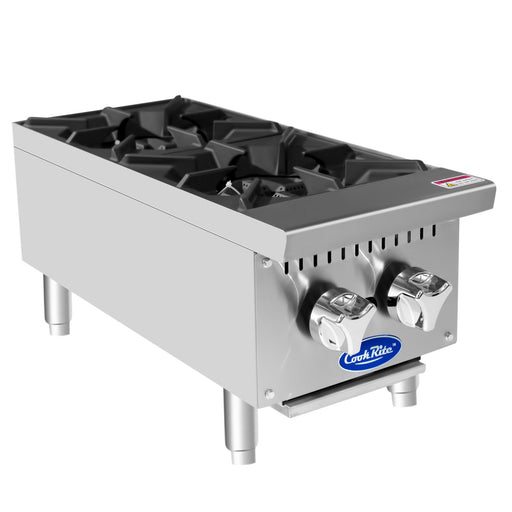
Atosa ACHP-2-LP 12-Inch Two Burner Countertop Range Hotplate - Propane
Atosa
Original price
$667.00
Original price
$667.00
-
Original price
$667.00
Original price
$667.00
Current price
$572.00
$572.00
-
$572.00
Current price
$572.00
Atosa USA ACHP-2 / ATHP-12-2 12-Inch Two Burner Hotplate – Propane The Atosa ATHP-12-2 Heavy Duty Two Burner Hotplate delivers reliable commercia...
View full details
Original price
$667.00
Original price
$667.00
-
Original price
$667.00
Original price
$667.00
Current price
$572.00
$572.00
-
$572.00
Current price
$572.00
Save 14%
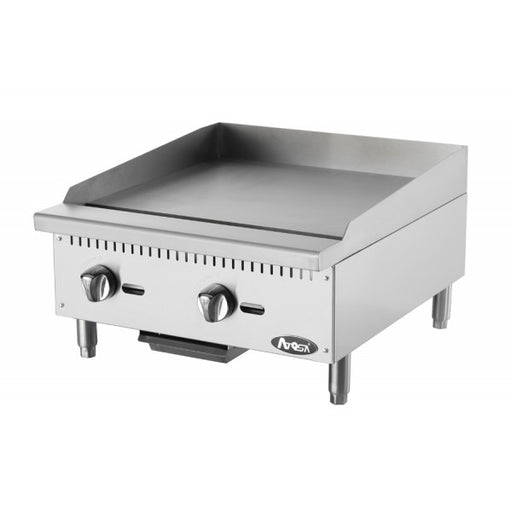
Atosa ATMG-24-LP Heavy Duty Stainless Steel 24-Inch Manual Griddle - Propane
Atosa
Original price
$1,164.00
Original price
$1,164.00
-
Original price
$1,164.00
Original price
$1,164.00
Current price
$839.00
$839.00
-
$839.00
Current price
$839.00
Atosa USA ATMG-24 Heavy Duty 24-Inch Manual Griddle – Propane The Atosa ATMG-24 Commercial Manual Griddle delivers reliable propane-powered p...
View full details
Original price
$1,164.00
Original price
$1,164.00
-
Original price
$1,164.00
Original price
$1,164.00
Current price
$839.00
$839.00
-
$839.00
Current price
$839.00
Save 28%
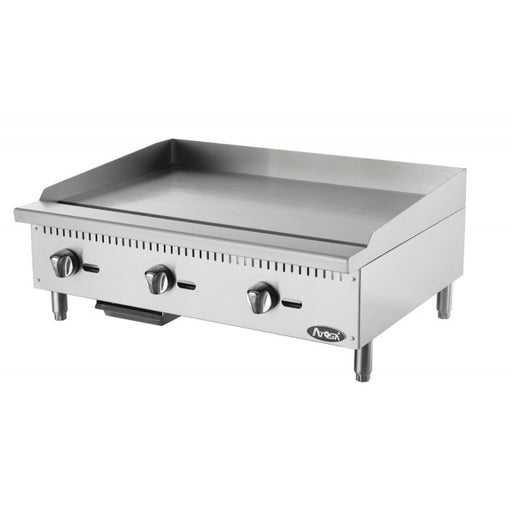
Atosa ATMG-36-LP Heavy Duty Stainless Steel 36-Inch Manual Griddle - Propane
Atosa
Original price
$1,543.00
Original price
$1,543.00
-
Original price
$1,543.00
Original price
$1,543.00
Current price
$1,112.00
$1,112.00
-
$1,112.00
Current price
$1,112.00
Atosa USA ATMG-36 Heavy Duty 36-Inch Manual Griddle – Propane The Atosa ATMG-36 Commercial Manual Griddle is built for kitchens that demand durabi...
View full details
Original price
$1,543.00
Original price
$1,543.00
-
Original price
$1,543.00
Original price
$1,543.00
Current price
$1,112.00
$1,112.00
-
$1,112.00
Current price
$1,112.00
Save 28%
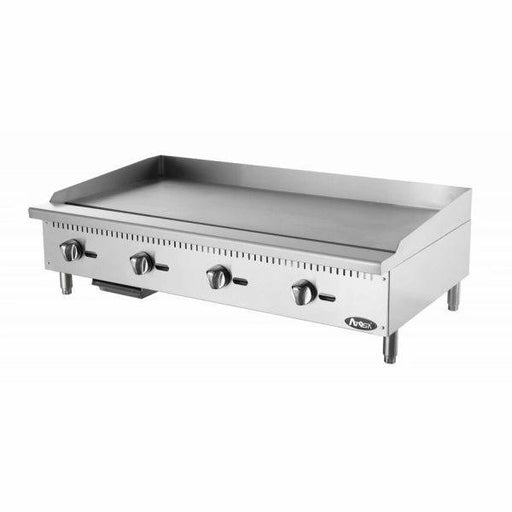
Atosa ATMG-48-LP Heavy Duty Stainless Steel 48-Inch Manual Griddle - Propane
Atosa
Original price
$2,038.00
Original price
$2,038.00
-
Original price
$2,038.00
Original price
$2,038.00
Current price
$1,469.00
$1,469.00
-
$1,469.00
Current price
$1,469.00
Atosa USA ATMG-48 Heavy Duty 48-Inch Manual Griddle – Propane The Atosa ATMG-48 Manual Griddle is a commercial-grade propane griddle engineered fo...
View full details
Original price
$2,038.00
Original price
$2,038.00
-
Original price
$2,038.00
Original price
$2,038.00
Current price
$1,469.00
$1,469.00
-
$1,469.00
Current price
$1,469.00
Save 28%
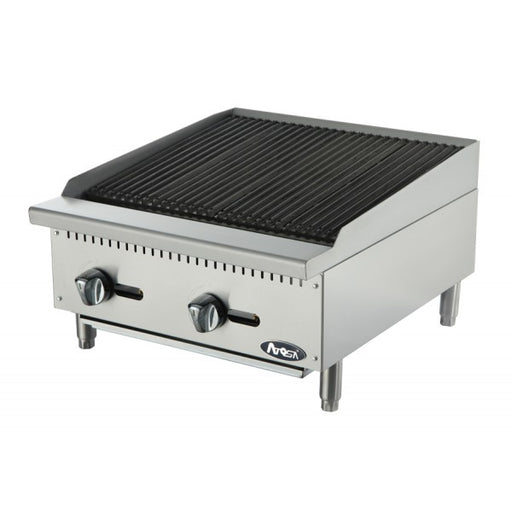
Atosa USA ATRC-24 Heavy Duty Stainless Steel 24-Inch Radiant Broiler - Propane
Atosa
Original price
$1,280.00
Original price
$1,280.00
-
Original price
$1,280.00
Original price
$1,280.00
Current price
$923.00
$923.00
-
$923.00
Current price
$923.00
Atosa USA ATRC-24 Heavy Duty 24-Inch Radiant Charbroiler – Propane The Atosa ATRC-24 Radiant Charbroiler is a rugged, commercial-grade counte...
View full details
Original price
$1,280.00
Original price
$1,280.00
-
Original price
$1,280.00
Original price
$1,280.00
Current price
$923.00
$923.00
-
$923.00
Current price
$923.00
Save 28%
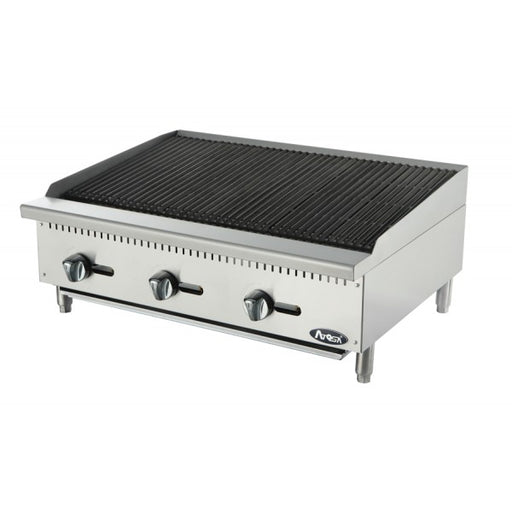
Atosa ATRC-36-LP Heavy Duty Stainless Steel 36-Inch Radiant Broiler - Propane
Atosa
Original price
$1,718.00
Original price
$1,718.00
-
Original price
$1,718.00
Original price
$1,718.00
Current price
$1,238.00
$1,238.00
-
$1,238.00
Current price
$1,238.00
Atosa USA ATRC-36 Heavy Duty 36-Inch Radiant Charbroiler – Propane The Atosa ATRC-36 Radiant Charbroiler is built for commercial kitchens that dem...
View full details
Original price
$1,718.00
Original price
$1,718.00
-
Original price
$1,718.00
Original price
$1,718.00
Current price
$1,238.00
$1,238.00
-
$1,238.00
Current price
$1,238.00
Save 28%
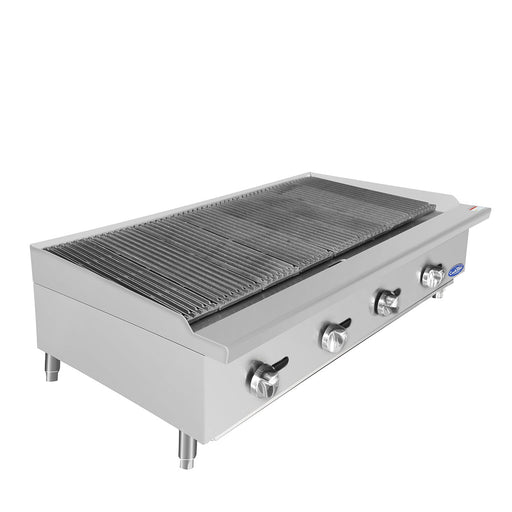
Atosa ATRC-48-LP Heavy Duty Stainless Steel 48-Inch Radiant Broiler - Propane
Atosa
Original price
$2,155.00
Original price
$2,155.00
-
Original price
$2,155.00
Original price
$2,155.00
Current price
$1,533.00
$1,533.00
-
$1,533.00
Current price
$1,533.00
Atosa USA ATRC-48 Heavy Duty 48-Inch Radiant Charbroiler – Propane The Atosa ATRC-48 Radiant Charbroiler is built for high-performance commercial ...
View full details
Original price
$2,155.00
Original price
$2,155.00
-
Original price
$2,155.00
Original price
$2,155.00
Current price
$1,533.00
$1,533.00
-
$1,533.00
Current price
$1,533.00
Save 29%


Atosa ACEF-10 10lb Electric Countertop Fryer
Atosa
Original price
$800.00
Original price
$800.00
-
Original price
$800.00
Original price
$800.00
Current price
$577.00
$577.00
-
$577.00
Current price
$577.00
Atosa ACEF-10 10 lb Electric Countertop Fryer The Atosa ACEF-10 Electric Countertop Fryer delivers professional frying performance in a compact fo...
View full details
Original price
$800.00
Original price
$800.00
-
Original price
$800.00
Original price
$800.00
Current price
$577.00
$577.00
-
$577.00
Current price
$577.00
Save 28%


Atosa ACEF-16 16lb Electric Countertop Fryer
Atosa
Original price
$1,000.00
Original price
$1,000.00
-
Original price
$1,000.00
Original price
$1,000.00
Current price
$721.00
$721.00
-
$721.00
Current price
$721.00
Atosa ACEF-16 16 lb Electric Countertop Fryer Fast, consistent frying in a compact footprint. The Atosa ACEF-16 is a commercial electric counterto...
View full details
Original price
$1,000.00
Original price
$1,000.00
-
Original price
$1,000.00
Original price
$1,000.00
Current price
$721.00
$721.00
-
$721.00
Current price
$721.00
Save 28%


Atosa ACEF-32 32lb Electric Countertop Fryer Dual Tank
Atosa
Original price
$1,750.00
Original price
$1,750.00
-
Original price
$1,750.00
Original price
$1,750.00
Current price
$1,261.00
$1,261.00
-
$1,261.00
Current price
$1,261.00
Atosa ACEF-32 32 lb Electric Countertop Fryer – Dual Tank Double your output without doubling your footprint. The Atosa ACEF-32 electric counterto...
View full details
Original price
$1,750.00
Original price
$1,750.00
-
Original price
$1,750.00
Original price
$1,750.00
Current price
$1,261.00
$1,261.00
-
$1,261.00
Current price
$1,261.00
Save 28%
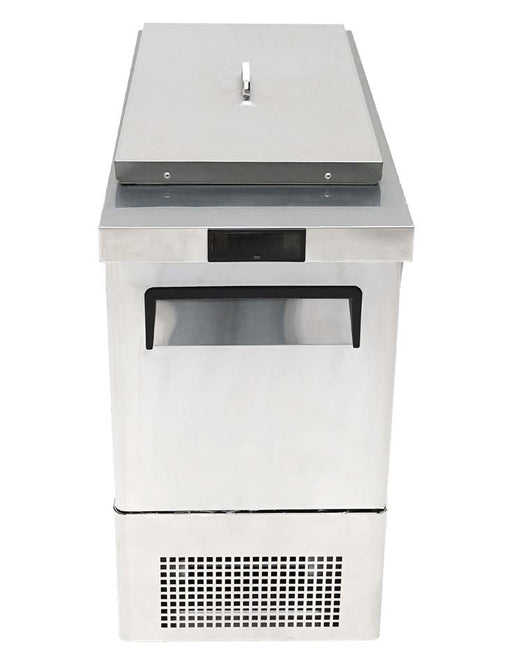
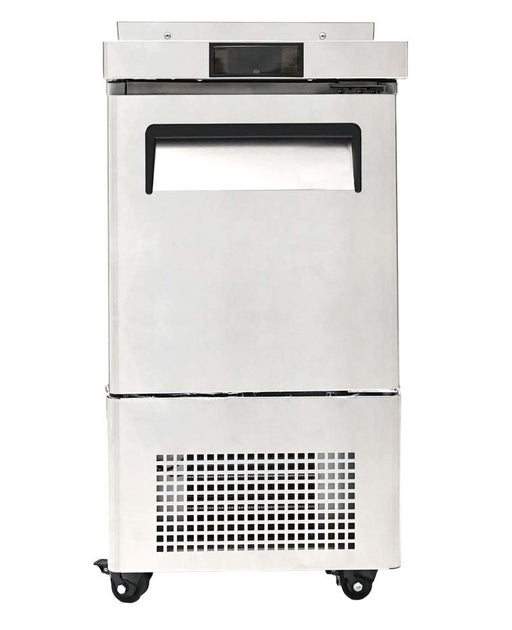
Atosa MSF17GR-NTCV 17-Inch Slim Sandwich Prep Table with Night Cover, 3.7 cu. ft.
Atosa
Original price
$2,700.00
Original price
$2,700.00
-
Original price
$2,700.00
Original price
$2,700.00
Current price
$1,946.00
$1,946.00
-
$1,946.00
Current price
$1,946.00
Atosa MSF17GR-NTCV 17-Inch Slim Sandwich Prep Table with Night Cover, 3.7 cu. ft. The Atosa MSF17GR-NTCV is a 17 inch slim sandwich prep table wit...
View full details
Original price
$2,700.00
Original price
$2,700.00
-
Original price
$2,700.00
Original price
$2,700.00
Current price
$1,946.00
$1,946.00
-
$1,946.00
Current price
$1,946.00
Save 28%
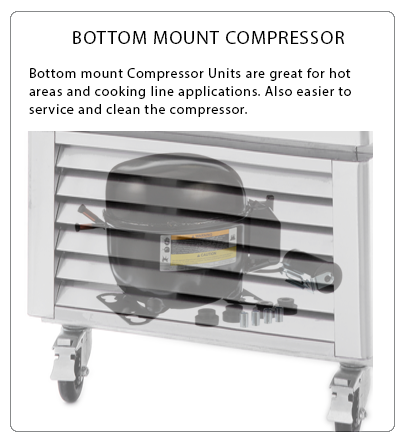
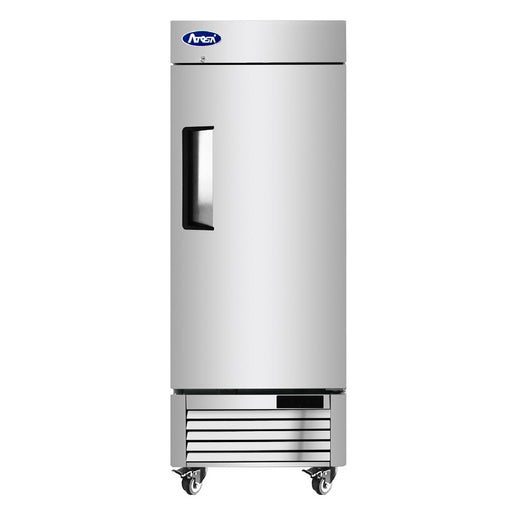
Atosa MBF8520GR 24-Inch Low Height Commercial Reach-In Freezer, 8.3 cu. ft.
Atosa
Original price
$3,422.00
Original price
$3,422.00
-
Original price
$3,422.00
Original price
$3,422.00
Current price
$2,466.00
$2,466.00
-
$2,466.00
Current price
$2,466.00
Atosa MBF8520GR 24-Inch Low Height Commercial Reach-In Freezer, 8.3 cu. ft. The Atosa MBF8520GR is a one door commercial reach-in freezer with a b...
View full details
Original price
$3,422.00
Original price
$3,422.00
-
Original price
$3,422.00
Original price
$3,422.00
Current price
$2,466.00
$2,466.00
-
$2,466.00
Current price
$2,466.00
Save 28%


Atosa MBF8531GR 26-Inch One Door Low Height Reach-In Freezer, 12.57 cu. ft.
Atosa
Original price
$4,000.00
Original price
$4,000.00
-
Original price
$4,000.00
Original price
$4,000.00
Current price
$2,882.00
$2,882.00
-
$2,882.00
Current price
$2,882.00
Atosa MBF8531GR 26-Inch One Door Low Height Reach-In Freezer, 12.57 cu. ft. The Atosa MBF8531GR is a one door commercial reach-in freezer with a b...
View full details
Original price
$4,000.00
Original price
$4,000.00
-
Original price
$4,000.00
Original price
$4,000.00
Current price
$2,882.00
$2,882.00
-
$2,882.00
Current price
$2,882.00
Save 28%


Atosa MBF8532GR 26-Inch Low Height Reach-In Refrigerator, 76" Tall, Bottom Mount, 12.57 cu. ft.
Atosa
Original price
$3,260.00
Original price
$3,260.00
-
Original price
$3,260.00
Original price
$3,260.00
Current price
$2,349.00
$2,349.00
-
$2,349.00
Current price
$2,349.00
Atosa MBF8532GR 26-Inch Low Height Reach-In Refrigerator, 76" Tall, Bottom Mount, 12.57 cu. ft. The Atosa MBF8532GR is a low height commercial rea...
View full details
Original price
$3,260.00
Original price
$3,260.00
-
Original price
$3,260.00
Original price
$3,260.00
Current price
$2,349.00
$2,349.00
-
$2,349.00
Current price
$2,349.00
Save 28%

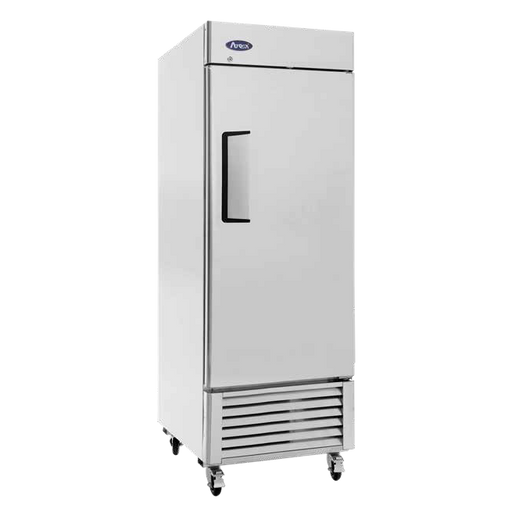
Atosa MBF8519GR 24-Inch Low Height Food Truck Refrigerator, Bottom Mount, 8.3 cu. ft.
Atosa
Original price
$2,479.00
Original price
$2,479.00
-
Original price
$2,479.00
Original price
$2,479.00
Current price
$1,787.00
$1,787.00
-
$1,787.00
Current price
$1,787.00
Atosa MBF8519GR 24-Inch Low Height Food Truck Refrigerator, Bottom Mount, 8.3 cu. ft. The Atosa MBF8519GR is a low height commercial reach-in refr...
View full details
Original price
$2,479.00
Original price
$2,479.00
-
Original price
$2,479.00
Original price
$2,479.00
Current price
$1,787.00
$1,787.00
-
$1,787.00
Current price
$1,787.00
Save 28%
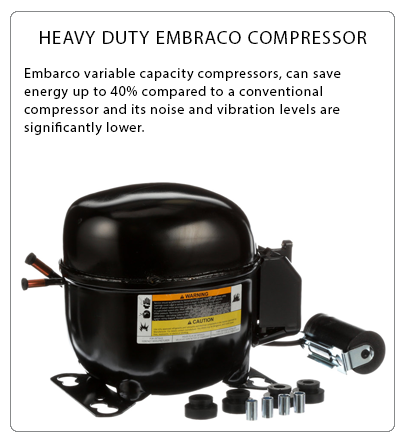
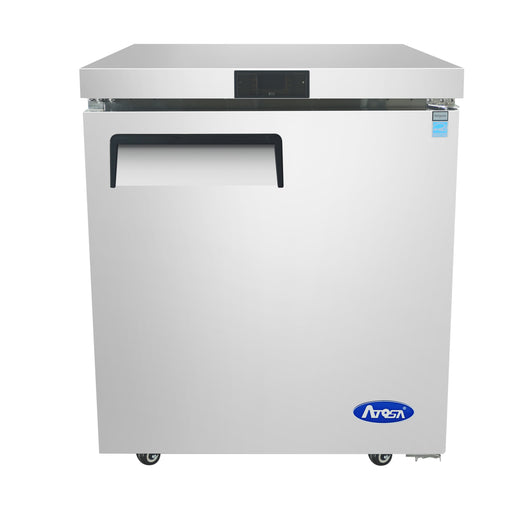
Atosa MGF24RGR Shallow Depth 24-Inch Undercounter Refrigerator
Atosa
Original price
$1,982.00
Original price
$1,982.00
-
Original price
$1,982.00
Original price
$1,982.00
Current price
$1,429.00
$1,429.00
-
$1,429.00
Current price
$1,429.00
Product Update: The Atosa MGF24RGR has been replaced by the new Atosa AUR24SD — same 24-inch undercounter footprint, upgraded electronic controller...
View full details
Original price
$1,982.00
Original price
$1,982.00
-
Original price
$1,982.00
Original price
$1,982.00
Current price
$1,429.00
$1,429.00
-
$1,429.00
Current price
$1,429.00
Save 28%
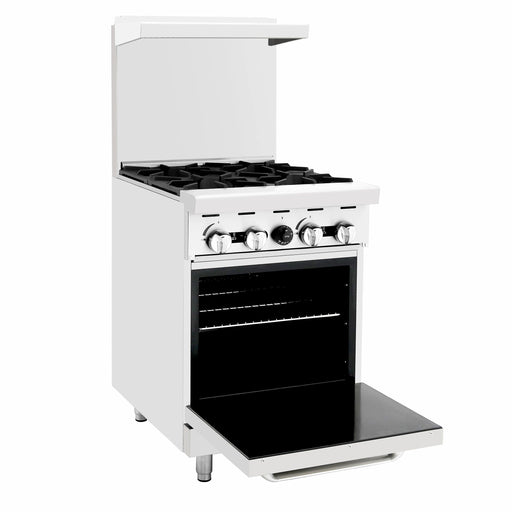
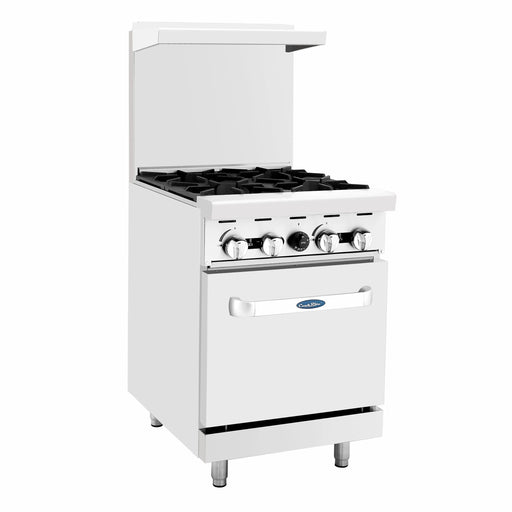
Atosa AGR-4B-LP 24-Inch 4 Burner Gas Range with Oven - Propane
Atosa
Original price
$2,399.00
Original price
$2,399.00
-
Original price
$2,399.00
Original price
$2,399.00
Current price
$1,729.00
$1,729.00
-
$1,729.00
Current price
$1,729.00
Atosa USA AGR-4B 24-Inch Four Burner Propane Gas Range Product Features Heavy-Duty Cast Iron Burners: Four lift-off open burners rated at 32,000 B...
View full details
Original price
$2,399.00
Original price
$2,399.00
-
Original price
$2,399.00
Original price
$2,399.00
Current price
$1,729.00
$1,729.00
-
$1,729.00
Current price
$1,729.00
Save 28%
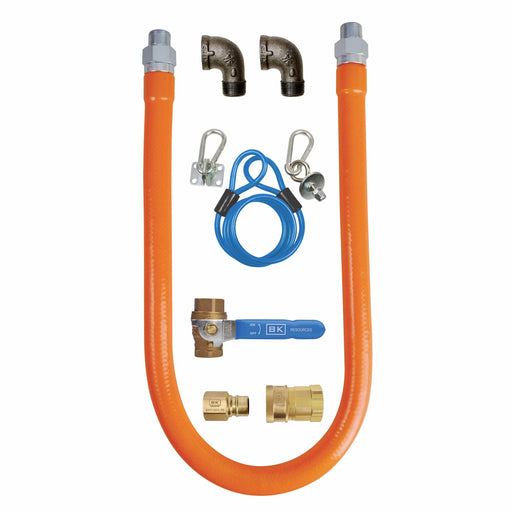
BK Resources Fryer Hose Kit for Natural Gas and Propane Deep Fryers
BK Resources
Original price
$386.00
-
Original price
$386.00
Original price
$386.00
$386.00
-
$386.00
Current price
$386.00
BK Resources Fryer Hose Kit for Natural Gas and Propane Deep Fryers (BKG-GHC-7548-SCK3, 3/4-Inch x 48-Inch, cCSAus Certified) This BK Resources ga...
View full details
Original price
$386.00
-
Original price
$386.00
Original price
$386.00
$386.00
-
$386.00
Current price
$386.00

Atosa WA300001 Hose Kit for Propane and Natural Gas Units - 48 inch
Atosa Parts
Original price
$415.00
Original price
$415.00
-
Original price
$415.00
Original price
$415.00
Current price
$300.00
$300.00
-
$300.00
Current price
$300.00
Gas hoses are very important. They safely and efficiently deliver propane and natural gas to appliances in restaurants and food trucks. The Atosa ...
View full details
Original price
$415.00
Original price
$415.00
-
Original price
$415.00
Original price
$415.00
Current price
$300.00
$300.00
-
$300.00
Current price
$300.00
Save 28%

Shop food truck equipment and concession trailer equipment for cooking, refrigeration, freezing, preparation and holding. Build your mobile kitchen around the menu, measured space and available utilities, and confirm each model's suitability and installation requirements before ordering.
Food Truck Equipment Checklist
Every successful food truck relies on a carefully planned equipment setup that balances space, power, and menu requirements. Use the checklist below to help plan your buildout for daily service and smooth health department inspections.
Cooking Equipment
- Commercial grill, griddle, or charbroiler
- Commercial deep fryer (propane or electric)
- Range or hot plate (menu dependent)
- Ventless or hood-compatible cooking appliances
Refrigeration & Freezer Equipment
- Low-profile commercial refrigerator
- Undercounter or reach-in freezer
- Refrigerated prep table (sandwich or pizza style)
- Commercial refrigeration with the applicable sanitation listing and confirmed application suitability
Food Prep & Storage
- Stainless steel prep tables
- Dry storage shelving
- Ingredient bins and food-grade containers
- Smallwares (cutting boards, utensils, pans)
Utilities & Power
- Propane tanks and regulators
- Commercial generator or shore power hookup
- Electrical distribution and outlets
- Freshwater and wastewater tanks
Safety, Sanitation & Compliance
- Hand sink and three-compartment sink (per local code)
- Fire suppression system (as required)
- Equipment and food-contact surfaces accepted by the responsible authority
- Thermometers and temperature monitoring
Selecting the correct equipment from the start helps food truck operators avoid costly upgrades, pass inspections, and maintain consistent food quality during high-volume service.
Recommended Food Truck Equipment by Menu Type
Different menus require different equipment priorities. Use the guide below to match your concept with the most common commercial food truck equipment needs.
| Menu Type | Primary Cooking Equipment | Refrigeration & Holding | Best Fit Notes |
|---|---|---|---|
| Tacos / Mexican | Griddle, charbroiler, fryer (chips) | Low-profile refrigerator, undercounter freezer, refrigerated prep rail | Fast assembly workflows benefit from prep tables and reach-in access for proteins and toppings. |
| Burgers / Sandwiches | Griddle, charbroiler, fryer | Undercounter refrigerator, reach-in refrigerator, freezer for fries | Prioritize speed: hot line equipment plus easy-access cold storage for toppings and sauces. |
| BBQ / Smoked Meats | Smoker (menu dependent), holding cabinet, warmer | Reach-in refrigerator for proteins, freezer for backups | Holding capacity matters: plan for safe hot holding and enough refrigerated storage. |
| Pizza / Flatbreads | Oven, prep table, dough workflow tools | Pizza prep table, undercounter refrigerator, reach-in refrigerator | Cold-holding for cheese, sauce, and toppings is critical: prep tables streamline service. |
| Breakfast / Coffee | Griddle, fryer (optional), hot holding | Undercounter refrigerator, small freezer for pastries/backup | Compact layouts benefit from undercounter refrigeration and efficient prep storage. |
| Ice Cream / Frozen Desserts | Minimal cooking (focus on holding) | Display freezer or chest freezer, reach-in freezer for bulk | Freezer capacity and temperature consistency drive product quality and reduced waste. |
| Fried Chicken / Wings | Commercial fryer, hot holding | Reach-in refrigerator for raw product, freezer for breading/backup | Plan for oil management, ventilation, and workflow space around the fryer. |
| Vegan / Salad / Healthy Bowls | Minimal cooking (griddle optional) | Refrigerated prep table, reach-in refrigerator, undercounter freezer (optional) | Fresh ingredient volume requires strong refrigeration organization and easy prep access. |
Donut, Soft-Serve and Concession Trailer Equipment Planning
Start a specialty concession menu with a production plan, not a list of appliances. Decide what arrives ready to serve, what is prepared at the commissary and what must be made to order inside the trailer. Use the following planning examples to identify supporting equipment; they are not a statement that complete trailers or every specialty machine are available in this collection.
| Menu concept | Production questions | Supporting equipment and space |
|---|---|---|
| Yeast-raised donuts | Where will dough be mixed, formed and proofed before frying? Match the recipe and batch schedule to the complete production system. | Allow for mixing, proofing, frying, cooling and finishing stations, plus ingredient refrigeration and storage for trays and screens. |
| Cake or mini donuts | Confirm the batter, depositor and fryer are compatible. Compare finished orders per service period, not just the machine's advertised donut output. | Plan batter preparation, organized toppings, a finishing counter and packaging space. Verify the selected fryer installation with the ventilation and fire-protection designer. |
| Soft serve and frozen desserts | Ask the machine supplier about consecutive-serving capacity, recovery, installation clearances, utility connections and the required cleaning process. | Plan mix and topping storage according to their handling instructions, room for cleaning removable components, and a clear route from dispensing to finishing and pickup. |
| Grilled cheese, hot dogs or loaded nachos | Choose a focused menu and map which ingredients need cooking, reheating, hot holding or refrigeration. | Balance the cooking or holding station with refrigerated toppings, assembly space and packaging. Avoid adding choices that overwhelm the smallest station. |
Donut equipment must suit the actual product and process. For example, Belshaw's retail equipment guide distinguishes frying, depositing, proofing and finishing equipment rather than treating every donut menu as the same installation. Review the specialty supplier's current specifications before selecting supporting commercial mixers, refrigeration or holding equipment.
Test the Complete Order, Not Just the Cooking Step
Before adding a second machine or a wider menu, rehearse an expected rush with the intended staffing. Time preparation, cooking or dispensing, topping, packaging, payment and pickup separately. Watch for workers crossing each other's paths or stopping production to fetch supplies. Use those observations to decide whether the next purchase should be more production capacity, better refrigerated ingredient access or simply a better finishing station.
Taco Truck Equipment: A Menu Spotlight
Build a taco truck around the food you actually serve: street tacos, birria, al pastor, breakfast tacos or other menu specialties. The core stations below connect cooking with cold storage, preparation and service.
Charbroiler Grill
A commercial charbroiler is worth evaluating when grilled proteins and char marks are central to the menu. Compare it with a griddle rather than automatically buying both, and have the selected fuel supply and cooking installation reviewed for the truck.
Griddle
A commercial griddle is the workhorse for taco trucks that serve breakfast tacos, quesadillas, fajitas, or grilled vegetables. The flat surface caramelizes onions and peppers, holds crispy potatoes for breakfast fillings, and lets you toast tortillas quickly to order. Even heat distribution across the plate matters when you are running assembly-line service.
Refrigerated Sandwich or Prep Table
A refrigerated prep table is essential for organized, fast taco assembly. The pans hold proteins, salsas, cheeses, and toppings at safe temperatures within easy reach, so cooks can build tacos in seconds without opening a separate refrigerator door for every ingredient. For narrow food-truck galleys, a slim-depth model fits into tight prep lines without giving up rail capacity.
Undercounter or Upright Refrigerator
Commercial refrigeration protects your carne asada, pollo, marinades, dairy, and produce. An undercounter refrigerator works well in tight food-truck layouts and puts high-turn ingredients within arm's reach of the cooking line. An upright commercial refrigerator gives you deeper storage for prep-day batching and backup inventory when you cannot restock mid-service.
Undercounter or Upright Freezer
A commercial freezer lets taco truck operators batch fillings ahead, preserve proteins between service days, and hold backup ingredients through long shifts. Undercounter freezers keep frequently used items right at the cooking line for speed. Upright freezers give you the capacity to prep in bulk and store meats, sauces, and toppings across multiple menu items without running out mid-service.
Beverage Cooler
A dedicated beverage cooler can organize bottled and packaged drinks separately from kitchen ingredients. Compare its footprint and utility demand with the expected drink volume and restocking plan before adding another cabinet.
Food Processor
A commercial food processor can reduce repetitive preparation such as chopping vegetables, pureeing salsa and shredding ingredients. Decide which tasks will happen on board and which belong in an approved support kitchen before allocating counter space and electrical capacity.
Cooking on Commercial Propane
Compare propane cooking with the electrical supply available at your operating locations. Have a qualified installer verify appliance compatibility, gas demand, storage, regulators, piping and shutoffs; do not assume a generic hose kit or a lower appliance price establishes a suitable installation.
Types of Street Tacos
The taco truck category spans traditional street tacos (al pastor, carnitas, carne asada, pollo, lengua, birria), Baja-style seafood tacos, breakfast tacos, and fusion creations that borrow techniques from Middle Eastern, Korean, and Southern kitchens. Each style pushes the equipment mix in a different direction. Al pastor benefits from a vertical trompo or a griddle-and-broiler workflow, birria needs strong refrigerated holding for consommé, and seafood tacos rely on excellent cold storage and a fryer for beer-battered fish. Building your equipment around your specific menu keeps service fast and food quality high.
Food Truck vs. Food Trailer: Plan the Kitchen You Will Operate
A food truck combines the kitchen and driving vehicle, while a concession trailer is towed by a separate vehicle. Both need an equipment plan that accounts for the menu, working space, utilities, sanitation and the route from preparation to service.
Compare actual interior layouts rather than assuming that a trailer always has more usable room than a truck of the same advertised length. Cab space, wheel wells, wall thickness, doors, service windows, equipment bays and porch sections can change the kitchen area considerably.
| Format | What to plan around | Check before purchase |
|---|---|---|
| Self-propelled food truck | Vehicle layout, service access and the space remaining for the kitchen | Actual kitchen dimensions, chassis loading, equipment access and approved utility installation |
| Towable concession trailer | Kitchen layout plus towing, parking and setup requirements | Loaded weight, axle and hitch limits, tow-vehicle ratings and stabilization procedure |
| Cart or compact beverage unit | A focused menu and a smaller equipment footprint | Permitted preparation activities, water and power availability, cold storage and approved support facilities |
For a shell, obtain a complete build-out plan before buying appliances. For a partially equipped or turnkey unit, request a model-by-model equipment schedule and confirm what installation, testing and local approvals are included; “fully equipped” does not establish that the kitchen suits your menu or is approved where you intend to operate.
Food Cart Equipment: A Short Menu in a Small Footprint
Food carts work best with a short, focused menu. Most cart operators prepare a few core items in the morning, often at a commissary, then cook and finish orders at the cart. That keeps the equipment list small: usually one or two cooking appliances, such as a griddle, charbroiler or fryer, plus enough cold storage to hold prepped ingredients through the shift.
Carts set up where foot traffic is concentrated: fairs, carnivals, sporting events, concerts, transit stations and business districts. Before you buy, confirm what each location allows for propane, power, water and on-site cooking, and size the cold storage for the longest stretch you will go without restocking. Post your schedule and location on social media so regular customers can find the cart each day.
Choosing Equipment for 14, 16 and 18 Ft Food Trailers
Food trailer length is a starting point, not an equipment-capacity rating. Before comparing a 14 ft food trailer, a 16 ft food trailer or an 18 ft concession trailer, ask the builder whether the stated length describes the enclosed body, usable interior, or overall trailer including other sections.
Measure the clear interior width and height, equipment entry opening, fixed obstructions and service positions. Draw every appliance at its installed dimensions, including door and drawer travel, required clearances, utility connections and access for repairs.
| Trailer size | Equipment approach to compare | Layout questions |
|---|---|---|
| 14 ft food trailer | A focused cooking line, compact cold storage and a work surface that supports several menu tasks | Can a prep refrigerator combine assembly space and ingredient storage without blocking the sink, aisle or service window? |
| 16 ft food trailer | Separate prep, cooking and service stations, with a choice between undercounter and upright storage | Does another appliance improve peak service, or would the space be better used for landing, packaging and restocking? |
| 18 ft concession trailer | Evaluate additional holding, reserve refrigeration or separate production stations where the measured layout permits | Can utilities, payload and staff circulation support the proposed second fryer, larger griddle or specialty appliance? |
Equipment for a 14 Ft Food Trailer
Start with the menu's essential cooking method and protect room for prep, handwashing and clean service. An undercounter refrigerator or compact prep table may combine functions, but compare its usable storage with the ingredients needed between restocking stops.
A coffee trailer, taco trailer and frozen-dessert trailer can need very different equipment within the same length. Do not treat a griddle, fryer, range and freezer as a mandatory bundle if only some of those appliances support your menu.
Equipment for a 16 Ft Food Trailer
Compare a layout organized around one main production line with a layout that separates cooking from final assembly. Check whether a refrigerated prep rail, extra landing surface or hot-holding station solves the real service bottleneck before adding another cooking appliance.
Test the drawing with the crew who will use it. Include someone taking payment, someone restocking, and the space needed when a refrigerator door or oven door is open; nominal length alone does not establish a safe staffing count.
Equipment for an 18 Ft Concession Trailer
Use any additional usable space deliberately: reserve cold storage, a second preparation position, dedicated beverage service or more organized holding may be more useful than a larger cooking line. An expanded menu also creates more washing, storage and utility demand.
For a porch or V-nose design, confirm how the builder counts that space and whether it is approved for the proposed activity. Do not assume a covered porch makes a cooking appliance suitable for outdoor operation or removes fire-safety requirements.
Equipment Weight and Towing Planning
Build a weight schedule with the trailer builder that includes installed equipment, fuel, oil, water, batteries, generators, food, packaging and supplies. Have the completed loaded unit checked against its applicable trailer, axle, tire, hitch and tow-vehicle ratings; use the specific vehicle configuration rather than a generic pickup-truck recommendation.
Ask the builder and installer to plan weight distribution and approved equipment restraints. A model's casters, non-slip feet or compact cabinet are not evidence that it is secured for travel.
Food Truck Kitchen Layout and Workflow
Plan the path from storage to preparation, cooking, assembly and the service window. Then plan the return path for dirty utensils, waste and restocking so those activities do not cut through clean food handling.
- Cold storage and preparation: Keep high-use ingredients near their preparation station, with space to load pans and clean the work surface.
- Cooking: Group appliances according to the approved ventilation and fire-protection design. Leave the specified clearances and access for controls, baskets, grease collection and service.
- Assembly and holding: Reserve landing space for finished food, packaging and any temperature-controlled holding needed for your service method.
- Service window: Place payment, order information, condiments and pickup where they do not obstruct the cooking line.
- Sanitation: Keep handwashing accessible and provide the approved warewashing and waste-handling arrangement without blocking circulation or exits.
Use a scaled drawing or a full-size floor mock-up before ordering. Include handles, lids, open doors, drain access and service clearances instead of drawing only the cabinet footprint.
Choosing the Food Truck Cooking Line
Match each appliance to the food it must produce during your busiest service interval. A griddle can cover several menu tasks; a charbroiler, range, oven or specialty appliance should earn its space through a clear cooking requirement.
Compare commercial griddles for flat-surface cooking and charbroilers and hot plates for menu-specific grilling or burner work. For baking and range cooking, review commercial ovens and restaurant ranges against the available installation space and utilities.
Countertop equipment still needs a suitable supporting surface, access and the applicable ventilation arrangement. A small cabinet or electric heat source does not by itself make an appliance exempt from installation requirements.
Holding, Reheating and Specialty Menus
Use commercial food warmers and holding equipment when the menu requires prepared food to remain ready for service. Check whether each model is intended for holding, reheating, or another function; those jobs are not automatically interchangeable.
For coffee, frozen desserts, pizza or barbecue, include the specialty equipment's utility, cleaning and storage needs in the same plan as the core kitchen. Espresso machines, soft-serve machines and other specialized appliances should not be added on the assumption that spare floor space means spare electrical capacity.
Choosing a Deep Fryer for a Food Truck or Trailer
A food truck fryer should be selected around the food, peak production requirement and approved mobile installation, not oil capacity alone. Compare the available commercial deep fryers, then confirm the exact model, fuel configuration, installation instructions and suitability for your application before ordering.
| Format | When to evaluate it | Main installation checks |
|---|---|---|
| Countertop electric fryer | Limited batches, supporting menu items or a dedicated smaller production task | Rated electrical supply, usable counter space, support, oil handling, clearances and required ventilation |
| Floor propane fryer | Repeated batches where the verified output fits peak demand | LP configuration, gas system capacity, loaded weight, restraints, approved fire protection and maintenance access |
| Separate tanks or multiple fryers | Different products, production schedules or a documented separation need | Combined utility and space requirements, separate utensils and the full food-handling procedure |
Atosa Fryers to Compare
The collection includes the Atosa ATFS-40 propane fryer, ATFS-50 propane fryer and ATFS-75 propane fryer, plus the ACEF-10, ACEF-16 and ACEF-32 countertop electric options. Compare current model specifications and availability rather than treating every fryer as suitable for every truck.
For example, Atosa's ATFS-40 documentation describes a 40 lb fryer with a bottom oil-cooling zone and a high-temperature limiting device, available in separate natural-gas and propane configurations. Those features do not establish the completed truck's installation approval or mobile-use warranty coverage.
Size for the Peak, Not the Average
Estimate portions required in the busiest interval, portion weight, the mix of foods, and the number of batches that must run together. Ask for production information relevant to those foods and allow for loading, unloading and oil-temperature recovery between batches.
Oil capacity is not pounds of food per hour. Likewise, two baskets in one tank do not provide separate oil for allergen control, and a faster recovery claim alone cannot establish a percentage increase in customers served.
Measure basket-lift space, the area needed to drain or filter oil, and access to the controls. The largest fryer that fits the floor plan is not necessarily the best choice if it removes the prep or landing space needed to serve orders.
Propane vs. Electric Fryers
For propane, have a qualified installer verify the complete LP supply, appliance requirements, accessible shutoffs and approved storage arrangement. Order the correct fuel configuration; do not assume a natural-gas fryer can be connected to propane without an authorized conversion.
For electric, compare the required voltage, phase, amperage and connection with the actual generator or shore-power supply. Include refrigeration, ventilation, water heating, lights and other simultaneous loads; neither electric nor propane is automatically the cheapest choice in every operating setting.
Ventless Fryers and Fire Protection
Do not treat “ventless” as a shortcut around plan review. Obtain the exact appliance and recirculating-system listings, permitted cooking applications, installation instructions and acceptance from the relevant local authority before relying on an alternative to a conventional exhaust arrangement.
The NFPA food truck safety guidance calls for fire-extinguishing protection for appliances that produce grease-laden vapors and appropriate portable extinguishers. Have the installer and fire authority review the complete cooking layout, and do not bypass high-limit controls or other protective devices.
Oil Management, Cleaning and Travel
Plan safe access for filtration, cleaning and waste-oil collection before positioning the fryer. Follow the fryer, filter and chemical manufacturers' procedures for temperatures, protective equipment, draining and cleaning; do not apply one universal filtering temperature or oil-change calendar to every model and menu.
Keep water out of hot oil, use approved containers and disposal arrangements, and keep waste oil separate from the wastewater system. Oil quality depends on the food, workload, handling and filtration, so monitor it rather than assuming filtration guarantees a particular oil life.
Ask the manufacturer and vehicle builder for a written shutdown and transport procedure, including whether the tank must be drained. Atosa lists an optional cover for the ATFS-40, but its product documentation does not state that the cover permits travel with oil; do not assume an ordinary lid makes transport safe.
Food Truck Refrigerators, Freezers and Prep Tables
Separate the cold-storage requirement into ingredients used during service, reserve stock between restocking stops, and frozen inventory. A refrigerated prep table supports assembly from ingredient pans, while a storage refrigerator or freezer holds the backup supply; choose the balance around your menu and service duration.
| Format | Planning role | Check in the layout |
|---|---|---|
| Upright refrigerator | Organized reserve chilled storage | Height, door swing, entry route and specified ventilation access |
| Undercounter or shallow-depth cabinet | Storage near an existing work surface | Installed depth, usable internal storage and service clearances |
| Worktop refrigerator | Cold storage combined with workspace | Working height, approved use of the top and cleaning access |
| Sandwich prep table | Ingredient-pan assembly for tacos, sandwiches or salads | Pan configuration, cutting-board space, lid clearance and backup stock |
| Pizza prep table | Pizza assembly and topping access | Assembly surface, pan layout and dough-storage workflow |
| Commercial freezer | Frozen ingredients or reserve product | Storage versus serving duty, door access and the specified operating environment |
For tight layouts, compare the Atosa MGF24RGR shallow-depth refrigerator, MGF24FGR shallow-depth freezer and MSF17GR-NTCV compact prep table. Low-height options such as the MBF8519GR refrigerator and MBF8520GR freezer provide other formats to evaluate against your measured interior.
Confirm the exact model's ambient operating limits, ventilation requirements, securing method and warranty conditions for mobile use. Compressor position alone does not prove vibration tolerance, and a compact or low-height cabinet is not a substitute for manufacturer confirmation.
Ice and Beverage Planning
For beverages, coffee or seafood service, estimate peak ice demand as well as daily use. If comparing an ice machine, account for rated output under the expected conditions, storage-bin capacity, potable water, drainage, filtration, cleaning access and electrical demand.
Decide whether ice will be produced on board or supplied through an approved outside arrangement. A storage bin and an ice maker perform different jobs, and neither should be selected without a plan for sanitary handling.
Build a Restocking and Cold-Storage Plan
List each refrigerated ingredient, its container size and the quantity needed between planned replenishment trips. Separate working stock from reserve stock, and test the proposed shelf and pan arrangement with the actual containers. This gives you a more useful buying checklist than cabinet volume alone.
Ask the manufacturer about the intended duty, operating environment, door hardware, shelf retention and approved installation method. Plan temperature checks before departure, on arrival and during service using your approved food-safety procedures. Assign responsibility for cold storage during travel, setup and overnight parking, including what to do if power is lost. If your process includes cooling cooked food, have that process and equipment reviewed rather than assuming a service refrigerator can handle it.
Food Trailer Electrical and Generator Planning
Prepare a load schedule for the electrician before buying a generator or choosing event hookups. Record each appliance's exact model, supply requirements, running demand, starting demand where applicable, and whether it operates at the same time as the other equipment.
| Load group | Record | Planning question |
|---|---|---|
| Refrigeration and freezers | Voltage, phase, running demand and starting requirements | What happens when compressors start while cooking equipment is operating? |
| Electric cooking and hot water | Rated input, required circuit and connection | Can the supply support these loads during the same service period? |
| Fans, pumps and climate control | Running and starting loads, operating schedule | Which support systems must remain operating throughout service? |
| Lighting, POS and small appliances | Power input and intended circuit | Are small simultaneous loads included rather than forgotten? |
| Future additions | Planned equipment and anticipated connection needs | What expansion can the approved service and distribution system actually support? |
Use the electrical input rating, not a microwave's cooking-output wattage or an appliance's marketing description. The electrician should assess starting loads, power factor where relevant, continuous-load requirements, circuit distribution and source capacity rather than adding a universal percentage to an incomplete list.
Generator, Shore Power or Battery System?
Compare generators using continuous output, starting capability, the selected fuel's rating, available connections, runtime, weight and the event's noise rules. The right generator size depends on the complete load schedule, not the trailer length or a blanket recommendation for all food trucks.
Shore power can change fuel and noise needs, but verify what the venue actually supplies before committing to an event. Battery, inverter and solar systems need their own design for usable stored energy, peak output, recharge time and backup operation; do not assume a roof-mounted panel system will run an electric cooking line for a full shift.
Outlets, Adapters and Panel Capacity
“30 amp” or “50 amp” alone is not enough information to specify a connection. Confirm voltage, phase, conductor arrangement and the exact connector; for example, Leviton's NEMA L14-30R documentation specifies a 30 A, 125/250 VAC, four-wire receptacle, not a generic 120 V-only hookup.
A larger panel label does not increase the capacity available from a smaller inlet, generator or venue supply. An adapter also does not create additional power or make incompatible supplies suitable; have the complete cord, inlet, protection and connection arrangement checked by a qualified electrician.
Have grounding, bonding, GFCI protection, source switching, conductor sizing, cord length and weather exposure addressed in the approved electrical design. Keep circuits labeled and diagrams available, and take damaged cords or connections out of service rather than modifying plugs or bypassing protection.
Generator Safety and Event Setup
Review exhaust direction, safe separation, public access, fuel storage and emergency shutdown before parking the unit. The NFPA checklist calls for engine-driven power sources to be separated from the public and shut down with surfaces cool before refueling from a portable container; apply the manufacturer's instructions and local requirements as well.
Confirm Event Power Before Booking the Setup
Request the event's power details in writing: voltage, available amperage, receptacle type, whether the circuit is shared, connection location and the hours power will be available. Give that information to the person responsible for your electrical design. Also confirm generator placement, fuel restrictions and noise rules before relying on your own generator.
Include setup, cleanup and overnight refrigeration in the power plan, not just customer-facing service hours. Keep an agreed backup plan for a failed connection or unavailable generator, including how temperature-sensitive inventory will be protected. Do not improvise wiring, adapters or source switching at the event.
Water, Sanitation and Approval Planning
Confirm the requirements for each jurisdiction where you intend to operate before ordering the kitchen. Review the menu, floor plan, equipment schedule, potable-water supply, wastewater system, hot-water demand, sinks, food-storage arrangements and fire protection with the responsible authorities.
Do not copy a tank size, sink dimension, water-heater size or wastewater ratio from a generic trailer package. Have the system sized for your actual operation and adopted requirements, including an approved fill and disposal arrangement and protection against cross-connections.
Plan separate accessible handwashing and the approved method for washing, rinsing and sanitizing utensils. Check the largest ware that must be cleaned, hot-water recovery, sanitizer testing and the storage of cleaning chemicals away from food and clean utensils.
Equipment sanitation and electrical or gas safety listings serve different purposes; verify the applicable documentation for each model rather than treating every certification mark as interchangeable. A commercial product listing does not approve an entire mobile kitchen.
Requirements can involve more than a health permit. For example, Washington L&I's food truck and trailer guidance describes state inspection requirements and plan review for specified cooking installations; that is a Washington example, not a nationwide rule.
Commissary and Support Facilities
Ask whether your operation needs an approved commissary or other support facility, and which preparation, storage, cleaning, water-filling and waste-disposal tasks may happen there. The answer affects how much equipment and reserve inventory must travel with the kitchen.
Keep the approved operating arrangement, equipment documents, service contacts and inspection records available. Review planned menu or equipment changes before altering the utility or cooking layout.
Put Commissary Services in Writing
Compare a commissary's actual services with your proposed operating schedule before reducing onboard equipment or storage. Tour during the hours you expect to prepare and restock, review the facility's inspection information and confirm the arrangement with your local authority.
- Access and scheduling: Confirm early-morning, late-night and weekend access, shared-equipment reservations and what happens when several operators need the same station.
- Assigned storage: Identify the dry, refrigerated and frozen space included, how inventory is separated and when deliveries can be accepted.
- Cleaning and utilities: Specify the approved preparation, warewashing, potable-water filling, wastewater disposal and grease-handling services available to your operation.
- Parking and power: Ask whether overnight parking and electrical service are included and suitable for the planned refrigeration arrangement.
- Costs and continuity: Document included hours, extra charges, cancellation terms and the backup arrangement if a needed service becomes unavailable.
Turn those answers into a simple task list showing what happens at the commissary and what happens onboard. Use that division of work when choosing reserve refrigeration, preparation surfaces, storage and cleaning provisions for the truck or trailer.
Food Truck Equipment Cost and Purchasing Checklist
Build your budget from current equipment quotes and the actual installation scope. Separate the truck or trailer purchase from kitchen equipment and build-out costs so a low appliance price does not hide a larger electrical, plumbing or ventilation expense.
| Budget category | Include in the quote |
|---|---|
| Cooking and holding | Appliances, correct fuel or electrical configuration, supporting surfaces and required installation work |
| Refrigeration and ice | Cabinets, prep tables, any ice equipment, delivery access, securing and utility connections |
| Water, power and safety systems | Design, components, qualified installation, testing, required approvals and commissioning |
| Prep, storage and service | Work surfaces, secured storage, smallwares, thermometers, packaging, payment hardware and ongoing software fees |
| Delivery and setup | Freight, unloading arrangements, installation access, documentation and staff training |
| Operating reserve | Food and supplies, fuel, oil, cleaning, maintenance, insurance, support-facility costs and downtime |
For concession trailer equipment packages, ask for exact model numbers, included components, utility requirements, exclusions and current availability. Avoid comparing a shell price with a fitted kitchen price, or combining prices in different currencies as if they were equivalent.
Compare suppliers on documentation and after-sale support as well as purchase price. Ask who handles delivery damage, installation questions, warranty claims and service in your operating area, and get quoted lead times and responsibilities in writing.
Financing and Warranty Questions
Review restaurant equipment financing if spreading equipment costs would help preserve operating cash. Confirm the equipment covered, approval conditions, total payments, fees, end-of-term obligations and whether installation or other project costs are included; do not assume equipment financing also covers the vehicle or trailer.
Ask about mobile-application coverage, installation conditions, parts, labor, travel and service access for the exact model. Atosa's cooking and holding equipment warranty lists exclusions including damage during transit or installation, so keep transport and installation responsibilities clear rather than relying on a blanket warranty promise.
Storage, Smallwares and the Service Window
Provide secured storage for food containers, utensils, packaging and backup supplies without blocking air intakes, exits or service panels. Separate chemicals from food and clean wares, and have overhead storage and equipment restraints designed for the vehicle's use.
Plan the payment station as part of the working kitchen: order visibility, card acceptance, connectivity, offline procedures and pickup space all affect service. Include labels, thermometers, sanitizer testing supplies and replacement consumables in the opening checklist, not just the large appliances.
Inspect an Existing Truck or Trailer Before Ordering Replacement Equipment
If you are fitting out an existing food cart, truck or concession trailer, document what can safely remain before buying replacements. Record appliance model and serial numbers, nameplate requirements, dimensions and available manuals. Request installation and modification records, maintenance history, and confirmation of service and parts availability.
Have qualified professionals assess structural condition, water damage, electrical capacity, gas installation, plumbing and fire-protection systems as applicable. Ask for a commissioning plan that checks the intended operating combination of equipment, rather than accepting a brief demonstration of each appliance separately. Obtain written estimates for necessary repairs or utility changes and include them in the equipment budget.
Do not assume an earlier owner's permit, an old inspection sticker or a previously installed appliance establishes approval for your menu and layout. Confirm the current requirements before purchase, and verify any claimed transferable warranty directly with the provider.
Maintenance and Daily Mobile-Kitchen Checks
Use the equipment manuals and approved operating plan to set the maintenance schedule. Heat, grease, travel and frequent loading make it important to check the whole system, not just whether the appliances switch on.
- Before service: Follow the approved parking and stabilization procedure; inspect visible damage; confirm utilities, required safety systems and food-storage conditions before preparing food.
- During service: Monitor food temperatures, maintain clean handling areas and watch for unexpected equipment behavior. Keep controls, exits and handwashing access clear.
- At closing: Follow shutdown, oil-handling, cleaning and waste-disposal procedures. Prepare equipment and supplies for travel using the approved restraints and instructions.
- Routine care: Clean refrigeration condensers, inspect door gaskets, maintain water-treatment components and service generators according to their manuals and operating conditions.
- Qualified service: Use appropriate technicians for gas, electrical, refrigeration and fire-protection work. Keep inspection, repair and maintenance records with the unit.
Do not work inside an energized panel or repair a propane system as a routine operator task. Train staff on emergency shutdown and what to do when refrigeration, hot holding or another essential system cannot maintain the approved operating conditions.
Before buying, send your proposed menu, measured layout, equipment list and utility details for a model-specific discussion. Use the collection to compare equipment, then coordinate the final installation with your builder, qualified trades and local authorities.
Choose Food Truck Refrigeration Around the Whole Shift
List the chilled and frozen ingredients you need between restocking stops, including backup stock for your busiest service. Compare a reach-in for bulk storage, an undercounter refrigerator beneath an existing counter, a worktop refrigerator for storage plus workspace, or a refrigerated prep table for ingredient-pan assembly. For a frozen-dessert menu, compare equipment intended for serving the product with equipment intended only for backup storage.
Measure the cabinet, delivery opening, aisle, and door or drawer travel before choosing a model. Ask the manufacturer and your installer to confirm suitability for mobile use, the operating environment, ventilation clearances, and an approved securing method for travel. Do not assume a compact cabinet or an indoor commercial rating alone establishes food-truck suitability.
Check Power, Food Safety, and the Complete Equipment Budget
Have a qualified installer size the electrical supply around both starting and running requirements, including appliances that operate at the same time. Compare the refrigerator's nameplate and installation instructions with your generator or shore-power arrangement rather than relying only on the plug shape.
Plan temperature checks during service and follow the approved food-safety procedures for cooling prepared food; a storage refrigerator should not be assumed to replace dedicated rapid-cooling equipment. Review sanitation, water, ventilation, and fire-safety requirements with the authorities responsible for your operation before purchasing.
Budget for equipment, installation, electrical work, approved securing hardware, maintenance and downtime, not just the purchase price. Compare written quotes that cover the same installation scope and service responsibilities.
Food Truck Equipment FAQs
What equipment do I need for a food truck?
Build the list around your menu, peak production, storage and approved sanitation arrangements. Include the supporting water, power, ventilation, safety and service systems, not just cooking appliances.
What equipment does a food cart need?
Most carts run on a short menu, so the list is usually one or two cooking appliances, such as a griddle, charbroiler or fryer, plus cold storage for prepped ingredients. Confirm the propane, power, water and cooking rules at each location before you buy. See food cart equipment planning.
Is food trailer equipment different from food truck equipment?
The same equipment categories can serve either format, but the exact model and installation must suit the vehicle or trailer. Confirm usable space, utilities, loaded weight, restraints and mobile-use conditions rather than assuming a restaurant appliance is automatically approved for travel.
What fits in a 14, 16 or 18 ft food trailer?
That depends on the measured interior, menu and installation requirements. Use the food trailer sizing comparison to plan the equipment mix, then check the layout with doors, lids and service clearances included.
Should I use a prep table or a separate refrigerator?
A prep table puts ingredient pans and assembly space together, while a separate refrigerator supports reserve storage. Many menus benefit from both functions, but the right combination depends on the ingredients carried and the time between restocking stops.
What is the best fryer for a food truck?
Choose from verified model performance, peak batch demand and the truck's approved installation. Compare countertop and floor models, fuel requirements, oil handling and recovery using the food truck fryer guidance, rather than choosing solely by oil capacity.
Is propane or electric equipment better?
Compare the appliance requirements with available LP storage, generator or shore-power capacity, venue restrictions and operating costs. Neither fuel is the best choice for every menu or location.
What size generator does a food truck need?
Have a qualified electrician size the supply from the complete load schedule, including starting requirements and equipment operating together. Trailer length or a generic wattage range is not enough to choose a generator.
Can an adapter solve an event-power mismatch?
An adapter does not increase available power or make incompatible voltage and wiring arrangements safe. Confirm the venue supply and have any proposed connection checked before using it.
How much does food truck equipment cost?
Use current model quotes and a separate installation budget for your specific layout. Include utilities, safety systems, delivery, smallwares, service and operating reserves rather than applying a single package price to every kitchen.
Does a turnkey trailer guarantee local approval?
No. Confirm its documentation, equipment schedule and approval requirements with the authorities responsible for the location where you will operate before purchasing or modifying the unit.
Can I drive with oil in the fryer?
Obtain the exact manufacturer's and vehicle builder's transport procedure, including whether draining is required. Do not assume a storage cover or an arbitrary oil temperature establishes safe travel.