
ENERGY STAR Commercial Refrigerators & Freezers


Atosa MBF8001GR 29-Inch One Door Commercial Reach-In Freezer, Top Mount, 21.4 cu. ft.
Atosa
Original price
$3,396.00
Original price
$3,396.00
-
Original price
$3,396.00
Original price
$3,396.00
Current price
$2,447.00
$2,447.00
-
$2,447.00
Current price
$2,447.00
Atosa MBF8001GR 29-Inch One Door Commercial Reach-In Freezer, Top Mount, 21.4 cu. ft. The Atosa MBF8001GR is a one door commercial reach-in freeze...
View full details
Original price
$3,396.00
Original price
$3,396.00
-
Original price
$3,396.00
Original price
$3,396.00
Current price
$2,447.00
$2,447.00
-
$2,447.00
Current price
$2,447.00
Save 28%
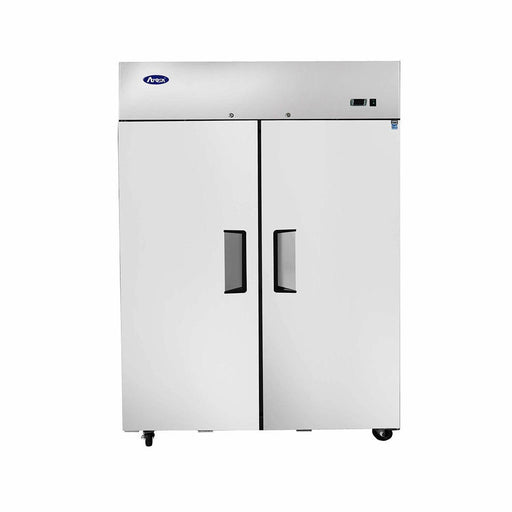

Atosa MBF8002GR 52-Inch Two Door Commercial Reach-In Freezer, Top Mount, 43.2 cu. ft.
Atosa
Original price
$5,206.00
Original price
$5,206.00
-
Original price
$5,206.00
Original price
$5,206.00
Current price
$3,751.00
$3,751.00
-
$3,751.00
Current price
$3,751.00
Atosa MBF8002GR 52-Inch Two Door Commercial Reach-In Freezer, Top Mount, 43.2 cu. ft. The Atosa MBF8002GR is a two door commercial reach-in freeze...
View full details
Original price
$5,206.00
Original price
$5,206.00
-
Original price
$5,206.00
Original price
$5,206.00
Current price
$3,751.00
$3,751.00
-
$3,751.00
Current price
$3,751.00
Save 28%
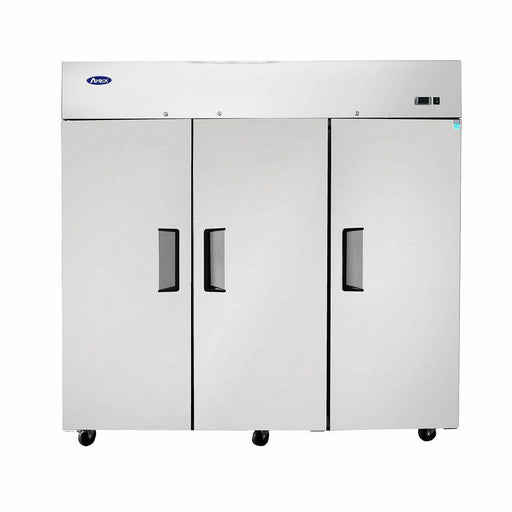

Atosa MBF8003GR 78-Inch Three Door Commercial Reach-In Freezer, Top Mount, 64.9 cu. ft.
Atosa
Original price
$7,356.00
Original price
$7,356.00
-
Original price
$7,356.00
Original price
$7,356.00
Current price
$5,300.00
$5,300.00
-
$5,300.00
Current price
$5,300.00
Atosa MBF8003GR 78-Inch Three Door Commercial Reach-In Freezer, Top Mount, 64.9 cu. ft. The Atosa MBF8003GR is a three door commercial reach-in fr...
View full details
Original price
$7,356.00
Original price
$7,356.00
-
Original price
$7,356.00
Original price
$7,356.00
Current price
$5,300.00
$5,300.00
-
$5,300.00
Current price
$5,300.00
Save 28%


Atosa MBF8004GR 29-Inch One Door 21.4 cu. ft. Commercial Refrigerator
Atosa
Original price
$2,943.00
Original price
$2,943.00
-
Original price
$2,943.00
Original price
$2,943.00
Current price
$2,121.00
$2,121.00
-
$2,121.00
Current price
$2,121.00
Atosa MBF8004GR Commercial Refrigerator for Sale Atosa MBF8004GR commercial refrigerator for sale is designed for restaurants and foodservice ope...
View full details
Original price
$2,943.00
Original price
$2,943.00
-
Original price
$2,943.00
Original price
$2,943.00
Current price
$2,121.00
$2,121.00
-
$2,121.00
Current price
$2,121.00
Save 28%


Atosa MBF8005GR 52-Inch Two Door 43.2 cu. ft. Commercial Refrigerator
Atosa
Original price
$4,154.00
Original price
$4,154.00
-
Original price
$4,154.00
Original price
$4,154.00
Current price
$2,993.00
$2,993.00
-
$2,993.00
Current price
$2,993.00
Atosa MBF8005GR 52-Inch Two-Door Commercial Reach-In Refrigerator for Sale Atosa MBF8005GR commercial reach-in refrigerator for s...
View full details
Original price
$4,154.00
Original price
$4,154.00
-
Original price
$4,154.00
Original price
$4,154.00
Current price
$2,993.00
$2,993.00
-
$2,993.00
Current price
$2,993.00
Save 28%
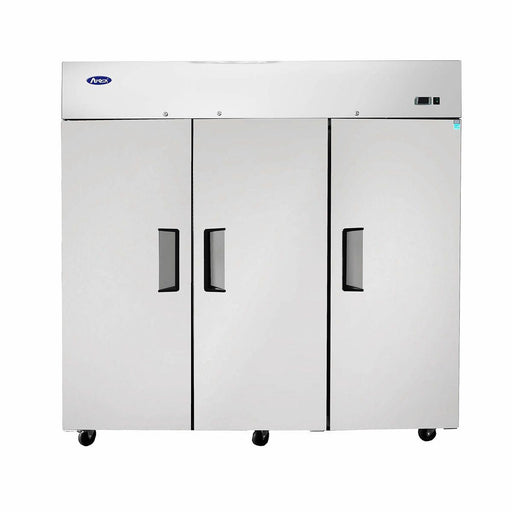

Atosa MBF8006GR 78-Inch Three Door 64.9 cu. ft. Commercial Refrigerator
Atosa
Original price
$6,393.00
Original price
$6,393.00
-
Original price
$6,393.00
Original price
$6,393.00
Current price
$4,607.00
$4,607.00
-
$4,607.00
Current price
$4,607.00
Atosa MBF8006GR 78-Inch 3-Door Commercial Reach-In Refrigerator for Sale Atosa MBF8006GR commercial reach-in refrigerator for sal...
View full details
Original price
$6,393.00
Original price
$6,393.00
-
Original price
$6,393.00
Original price
$6,393.00
Current price
$4,607.00
$4,607.00
-
$4,607.00
Current price
$4,607.00
Save 28%
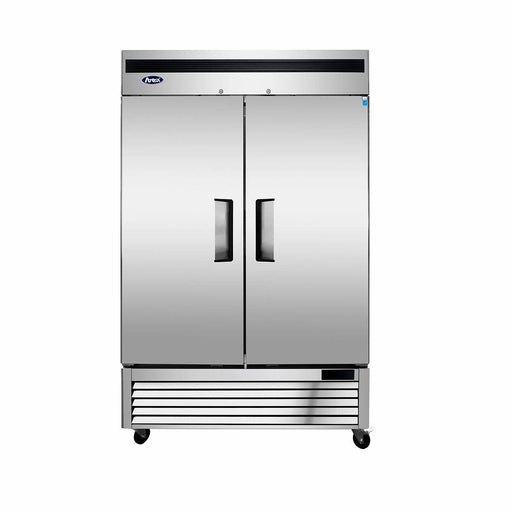

Atosa MBF8507GR 54-Inch Two Door 43.8 cu. ft. Commercial Refrigerator
Atosa
Original price
$4,325.00
Original price
$4,325.00
-
Original price
$4,325.00
Original price
$4,325.00
Current price
$3,117.00
$3,117.00
-
$3,117.00
Current price
$3,117.00
Atosa MBF8507GR 54-Inch Two Door Commercial Upright Refrigerator – ENERGY STAR Rated The Atosa MBF8507GR is a 54-inch, two-door c...
View full details
Original price
$4,325.00
Original price
$4,325.00
-
Original price
$4,325.00
Original price
$4,325.00
Current price
$3,117.00
$3,117.00
-
$3,117.00
Current price
$3,117.00
Save 28%
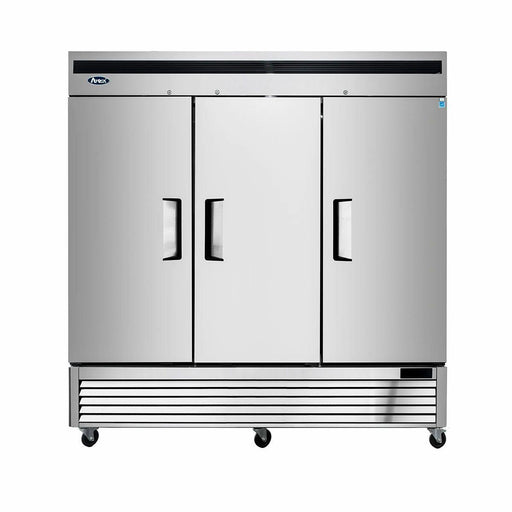

Atosa MBF8508GR 82-Inch Three Door 67.99 cu. ft. Commercial Refrigerator
Atosa
Original price
$6,734.00
Original price
$6,734.00
-
Original price
$6,734.00
Original price
$6,734.00
Current price
$4,852.00
$4,852.00
-
$4,852.00
Current price
$4,852.00
Atosa MBF8508GR 82" 3-Door Commercial Reach-In Refrigerator (ENERGY STAR®) – 67.99 Cu. Ft. Need high-capacity refrigerated storage...
View full details
Original price
$6,734.00
Original price
$6,734.00
-
Original price
$6,734.00
Original price
$6,734.00
Current price
$4,852.00
$4,852.00
-
$4,852.00
Current price
$4,852.00
Save 28%
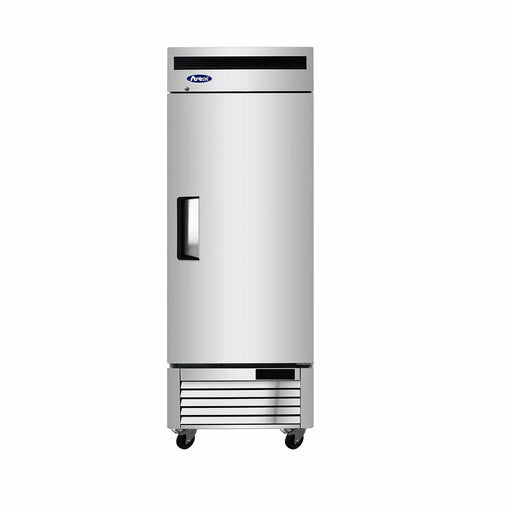

Atosa MBF8501GR 27-Inch One Door Commercial Reach-In Freezer, Bottom Mount, 19.1 cu. ft.
Atosa
Original price
$3,624.00
Original price
$3,624.00
-
Original price
$3,624.00
Original price
$3,624.00
Current price
$2,612.00
$2,612.00
-
$2,612.00
Current price
$2,612.00
Atosa MBF8501GR 27-Inch One Door Commercial Reach-In Freezer, Bottom Mount, 19.1 cu. ft. The Atosa MBF8501GR is a one door commercial reach-in fre...
View full details
Original price
$3,624.00
Original price
$3,624.00
-
Original price
$3,624.00
Original price
$3,624.00
Current price
$2,612.00
$2,612.00
-
$2,612.00
Current price
$2,612.00
Save 28%
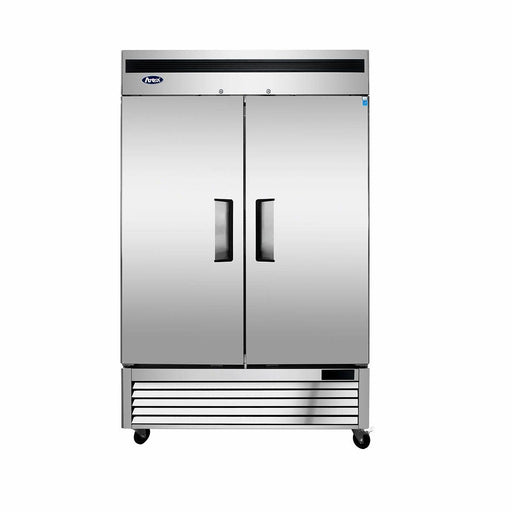

Atosa MBF8503GR 54-Inch Two Door Commercial Reach-In Freezer, Bottom Mount, 43.8 cu. ft.
Atosa
Original price
$5,434.00
Original price
$5,434.00
-
Original price
$5,434.00
Original price
$5,434.00
Current price
$3,916.00
$3,916.00
-
$3,916.00
Current price
$3,916.00
Atosa MBF8503GR 54-Inch Two Door Commercial Reach-In Freezer, Bottom Mount, 43.8 cu. ft. The Atosa MBF8503GR is a two door commercial reach-in fre...
View full details
Original price
$5,434.00
Original price
$5,434.00
-
Original price
$5,434.00
Original price
$5,434.00
Current price
$3,916.00
$3,916.00
-
$3,916.00
Current price
$3,916.00
Save 28%

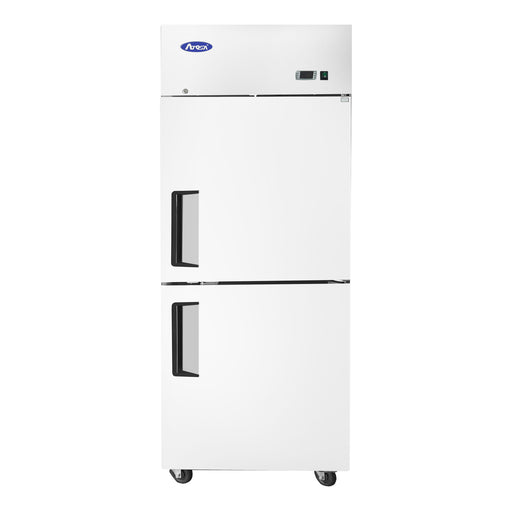
Atosa MBF8010GR 29-Inch One Split Door Upright Refrigerator
Atosa
Original price
$3,172.00
Original price
$3,172.00
-
Original price
$3,172.00
Original price
$3,172.00
Current price
$2,286.00
$2,286.00
-
$2,286.00
Current price
$2,286.00
Atosa MBF8010GR Split-Door Commercial Refrigerator for Sale Atosa MBF8010GR split-door commercial refrigerato...
View full details
Original price
$3,172.00
Original price
$3,172.00
-
Original price
$3,172.00
Original price
$3,172.00
Current price
$2,286.00
$2,286.00
-
$2,286.00
Current price
$2,286.00
Save 28%
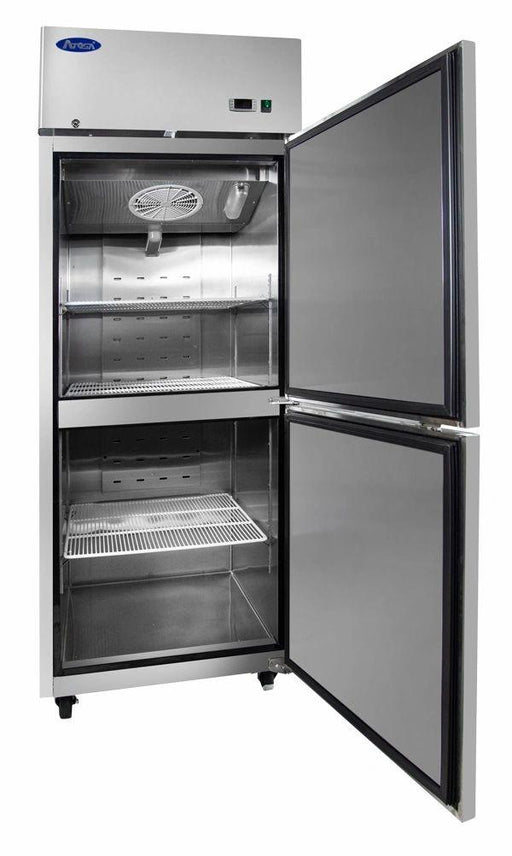
Atosa MBF8007GR 29-Inch Two Half Door Commercial Reach-In Freezer, 21.4 cu. ft.
Atosa
Original price
$3,680.00
Original price
$3,680.00
-
Original price
$3,680.00
Original price
$3,680.00
Current price
$2,652.00
$2,652.00
-
$2,652.00
Current price
$2,652.00
Atosa MBF8007GR 29-Inch Two Half Door Commercial Reach-In Freezer, 21.4 cu. ft. The Atosa MBF8007GR is a two half door commercial reach-in freezer...
View full details
Original price
$3,680.00
Original price
$3,680.00
-
Original price
$3,680.00
Original price
$3,680.00
Current price
$2,652.00
$2,652.00
-
$2,652.00
Current price
$2,652.00
Save 28%

Atosa MBF8505GR 27-Inch One Door 19.1 cu. ft. Commercial Refrigerator
Atosa
Original price
$3,058.00
Original price
$3,058.00
-
Original price
$3,058.00
Original price
$3,058.00
Current price
$2,204.00
$2,204.00
-
$2,204.00
Current price
$2,204.00
Atosa MBF8505GR 27-Inch One Door Commercial Reach-In Refrigerator – ENERGY STAR® Need a compact, ENERGY STAR® commercial refrigerato...
View full details
Original price
$3,058.00
Original price
$3,058.00
-
Original price
$3,058.00
Original price
$3,058.00
Current price
$2,204.00
$2,204.00
-
$2,204.00
Current price
$2,204.00
Save 28%

Atosa MBF8007GRL 29-Inch Two Half Door Commercial Reach-In Freezer, Left Hinge, 21.4 cu. ft.
Atosa
Original price
$3,680.00
Original price
$3,680.00
-
Original price
$3,680.00
Original price
$3,680.00
Current price
$2,652.00
$2,652.00
-
$2,652.00
Current price
$2,652.00
Atosa MBF8007GRL 29-Inch Two Half Door Commercial Reach-In Freezer, Left Hinge, 21.4 cu. ft. The Atosa MBF8007GRL is a two half door commercial re...
View full details
Original price
$3,680.00
Original price
$3,680.00
-
Original price
$3,680.00
Original price
$3,680.00
Current price
$2,652.00
$2,652.00
-
$2,652.00
Current price
$2,652.00
Save 28%


Atosa MBF8010GRL 29-Inch Two Half Door Refrigerator - Left Hinge 21.4 cu. ft.
Atosa
Original price
$3,172.00
Original price
$3,172.00
-
Original price
$3,172.00
Original price
$3,172.00
Current price
$2,286.00
$2,286.00
-
$2,286.00
Current price
$2,286.00
Atosa MBF8010GRL Split-Door Commercial Refrigerator for Sale (Left Hinge) Video Overview Atosa MBF8010GRL split-door com...
View full details
Original price
$3,172.00
Original price
$3,172.00
-
Original price
$3,172.00
Original price
$3,172.00
Current price
$2,286.00
$2,286.00
-
$2,286.00
Current price
$2,286.00
Save 28%


Atosa ATHC-9ES Heated Insulated Cabinet - Energy Star Rated 9 warming pans
Atosa
Original price
$2,756.00
Original price
$2,756.00
-
Original price
$2,756.00
Original price
$2,756.00
Current price
$1,880.00
$1,880.00
-
$1,880.00
Current price
$1,880.00
Atosa USA ATHC-9ES Heated Insulated Cabinet - 9 pans Once the foods are ready in the kitchens, they must be kept at the right temperatures before a...
View full details
Original price
$2,756.00
Original price
$2,756.00
-
Original price
$2,756.00
Original price
$2,756.00
Current price
$1,880.00
$1,880.00
-
$1,880.00
Current price
$1,880.00
Save 32%


Atosa ATHC-18ES Heated Insulated Cabinet - Energy Star Rated 18 warming pans
Atosa
Original price
$3,286.00
Original price
$3,286.00
-
Original price
$3,286.00
Original price
$3,286.00
Current price
$2,242.00
$2,242.00
-
$2,242.00
Current price
$2,242.00
Atosa USA ATHC-18ES Heated Insulated Cabinet - 18 pans Holding cabinets keep hot food at a safe temperature. They do this from the end of cooking u...
View full details
Original price
$3,286.00
Original price
$3,286.00
-
Original price
$3,286.00
Original price
$3,286.00
Current price
$2,242.00
$2,242.00
-
$2,242.00
Current price
$2,242.00
Save 32%


Atosa MBF8505GRL 27-Inch One Door 19.1 cu. ft. Left Hinge Commercial Refrigerator
Atosa
Original price
$3,058.00
Original price
$3,058.00
-
Original price
$3,058.00
Original price
$3,058.00
Current price
$2,204.00
$2,204.00
-
$2,204.00
Current price
$2,204.00
Atosa MBF8505GRL 27-Inch Left-Hinged Commercial Reach-In Refrigerator (ENERGY STAR®) Buy the Atosa MBF8505GRL 27-inch commercial reach-in ref...
View full details
Original price
$3,058.00
Original price
$3,058.00
-
Original price
$3,058.00
Original price
$3,058.00
Current price
$2,204.00
$2,204.00
-
$2,204.00
Current price
$2,204.00
Save 28%
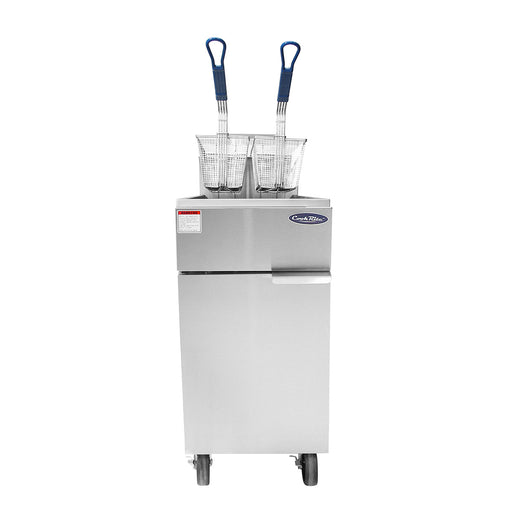
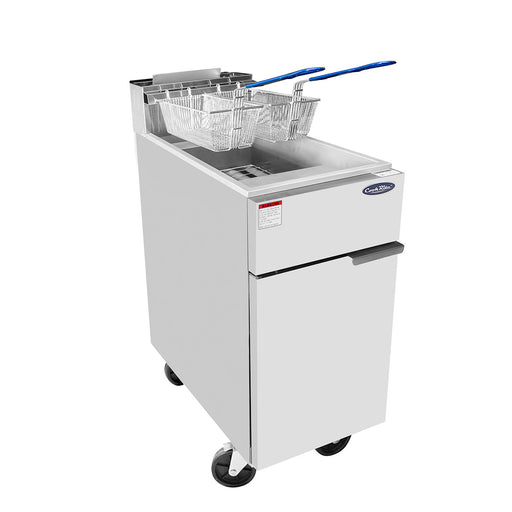
Atosa ATFS-35ES Energy Star Rated Natural Gas Deep Fryer $500 TO $750 Rebate Available
AtosaAtosa ATFS-35E 35 lb ENERGY STAR® Natural Gas Deep Fryer Lower utility bills. Faster recovery. Consistent golden results. The Atosa ATFS-35E Energ...
View full details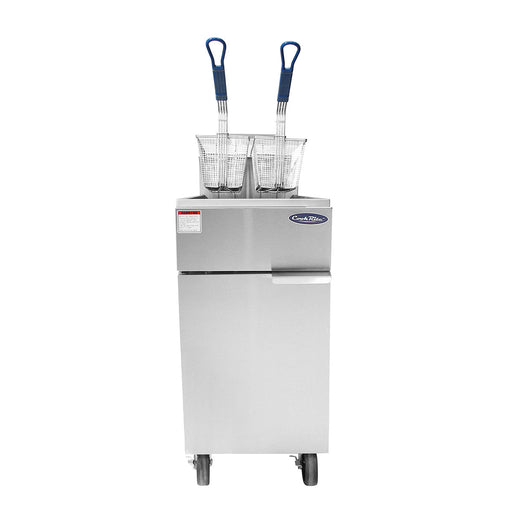
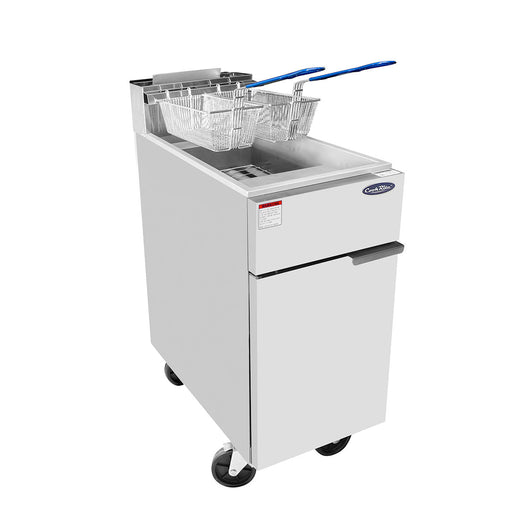
Atosa ATFS-35ES Energy Star Rated Propane Gas Deep Fryer
Atosa
Original price
$1,859.00
Original price
$1,859.00
-
Original price
$1,859.00
Original price
$1,859.00
Current price
$1,068.00
$1,068.00
-
$1,068.00
Current price
$1,068.00
Atosa ATFS-35E 35 lb ENERGY STAR® Propane Gas Deep Fryer Cut energy costs. Maximize output. Deliver consistent crispy results. The Atosa ATFS-35E ...
View full details
Original price
$1,859.00
Original price
$1,859.00
-
Original price
$1,859.00
Original price
$1,859.00
Current price
$1,068.00
$1,068.00
-
$1,068.00
Current price
$1,068.00
Save 43%
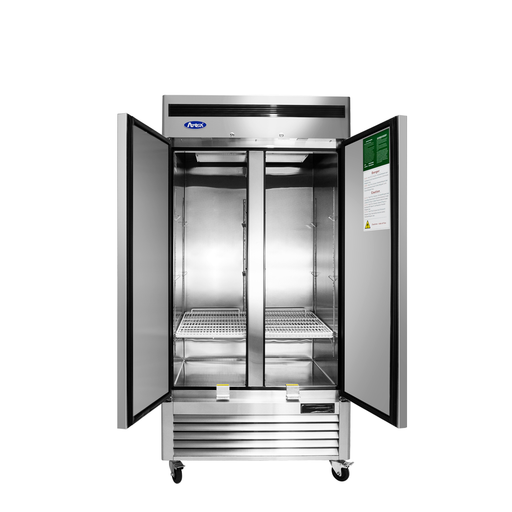
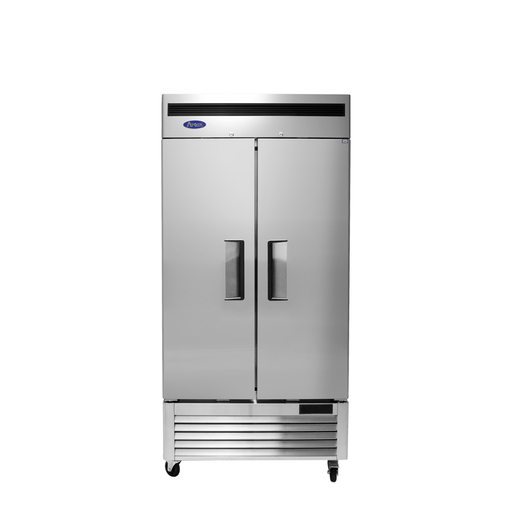
Atosa MBF8506GR Slim 40-Inch Two Door Refrigerator
Atosa
Original price
$4,134.00
Original price
$4,134.00
-
Original price
$4,134.00
Original price
$4,134.00
Current price
$2,979.00
$2,979.00
-
$2,979.00
Current price
$2,979.00
Atosa MBF8506GR 40" Two-Door Commercial Reach-In Refrigerator – ENERGY STAR Buy the Atosa MBF8506GR commercial refrigerator when you need maximum...
View full details
Original price
$4,134.00
Original price
$4,134.00
-
Original price
$4,134.00
Original price
$4,134.00
Current price
$2,979.00
$2,979.00
-
$2,979.00
Current price
$2,979.00
Save 28%
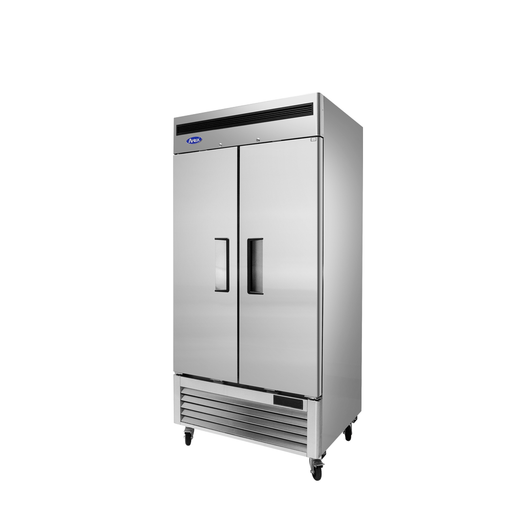
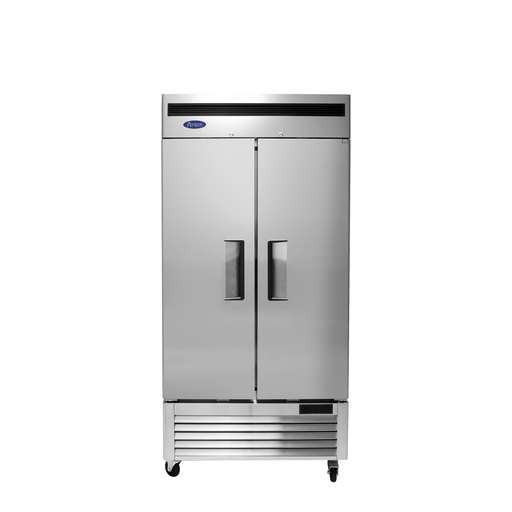
Atosa MBF8502GR 40-Inch Two Door Commercial Reach-In Freezer, 28.5 cu. ft.
Atosa
Original price
$5,194.00
Original price
$5,194.00
-
Original price
$5,194.00
Original price
$5,194.00
Current price
$3,743.00
$3,743.00
-
$3,743.00
Current price
$3,743.00
Atosa MBF8502GR 40-Inch Two Door Commercial Reach-In Freezer, 28.5 cu. ft. The Atosa MBF8502GR is a two door commercial reach-in freezer with a bo...
View full details
Original price
$5,194.00
Original price
$5,194.00
-
Original price
$5,194.00
Original price
$5,194.00
Current price
$3,743.00
$3,743.00
-
$3,743.00
Current price
$3,743.00
Save 28%


Atosa MBF15RSGR 18-inch Slimline Commercial Refrigerator
Atosa
Original price
$5,000.00
Original price
$5,000.00
-
Original price
$5,000.00
Original price
$5,000.00
Current price
$3,603.00
$3,603.00
-
$3,603.00
Current price
$3,603.00
Atosa MBF15RSGR Slimline Commercial Refrigerator for Sale Atosa MBF15RSGR slimline commercial refrigerator for sale is designed f...
View full details
Original price
$5,000.00
Original price
$5,000.00
-
Original price
$5,000.00
Original price
$5,000.00
Current price
$3,603.00
$3,603.00
-
$3,603.00
Current price
$3,603.00
Save 28%


Atosa MBF15FSGR 18-Inch Slimline Commercial Reach-In Freezer, 13 cu. ft.
Atosa
Original price
$5,400.00
Original price
$5,400.00
-
Original price
$5,400.00
Original price
$5,400.00
Current price
$3,891.00
$3,891.00
-
$3,891.00
Current price
$3,891.00
Atosa MBF15FSGR 18-Inch Slimline Commercial Reach-In Freezer, 13 cu. ft. The Atosa MBF15FSGR is a one door commercial reach-in freezer with a top ...
View full details
Original price
$5,400.00
Original price
$5,400.00
-
Original price
$5,400.00
Original price
$5,400.00
Current price
$3,891.00
$3,891.00
-
$3,891.00
Current price
$3,891.00
Save 28%


Atosa MBF8011GR Four Solid Half Door Reach In Refrigerator
Atosa
Original price
$5,100.00
Original price
$5,100.00
-
Original price
$5,100.00
Original price
$5,100.00
Current price
$3,675.00
$3,675.00
-
$3,675.00
Current price
$3,675.00
Atosa MBF8011GR 2-Section Reach-In Refrigerator with Four Half Doors for Sale Atosa MBF8011GR commercial reach-in refrigerator fo...
View full details
Original price
$5,100.00
Original price
$5,100.00
-
Original price
$5,100.00
Original price
$5,100.00
Current price
$3,675.00
$3,675.00
-
$3,675.00
Current price
$3,675.00
Save 28%
Atosa MBF8008GR 52-Inch Four Half Door Commercial Reach-In Freezer, 43.2 cu. ft.
Atosa
Original price
$6,200.00
Original price
$6,200.00
-
Original price
$6,200.00
Original price
$6,200.00
Current price
$4,468.00
$4,468.00
-
$4,468.00
Current price
$4,468.00
Atosa MBF8008GR 52-Inch Four Half Door Commercial Reach-In Freezer, 43.2 cu. ft. The Atosa MBF8008GR is a four half door commercial reach-in freez...
View full details
Original price
$6,200.00
Original price
$6,200.00
-
Original price
$6,200.00
Original price
$6,200.00
Current price
$4,468.00
$4,468.00
-
$4,468.00
Current price
$4,468.00
Save 28%

Atosa MBF8129GR 2 Section Dual Temp Refrigerator Freezer
Atosa
Original price
$9,300.00
Original price
$9,300.00
-
Original price
$9,300.00
Original price
$9,300.00
Current price
$6,701.00
$6,701.00
-
$6,701.00
Current price
$6,701.00
Atosa MBF8129GR Dual Temperature Commercial Refrigerator Freezer Buy the Atosa MBF8129GR dual temperature commercial refrigerator freezer to stor...
View full details
Original price
$9,300.00
Original price
$9,300.00
-
Original price
$9,300.00
Original price
$9,300.00
Current price
$6,701.00
$6,701.00
-
$6,701.00
Current price
$6,701.00
Save 28%

Atosa MBF15RSGRL 18-inch Slimline Commercial Refrigerator Left Hinge
Atosa
Original price
$5,000.00
Original price
$5,000.00
-
Original price
$5,000.00
Original price
$5,000.00
Current price
$3,603.00
$3,603.00
-
$3,603.00
Current price
$3,603.00
Atosa MBF15RSGRL Slimline Commercial Refrigerator for Sale (Left Hinge) Atosa MBF15RSGRL slimline commercial refrigerator for sal...
View full details
Original price
$5,000.00
Original price
$5,000.00
-
Original price
$5,000.00
Original price
$5,000.00
Current price
$3,603.00
$3,603.00
-
$3,603.00
Current price
$3,603.00
Save 28%


Atosa MBF15FSGRL 18-Inch Slimline Commercial Reach-In Freezer, Left Hinge, 13 cu. ft.
Atosa
Original price
$5,400.00
Original price
$5,400.00
-
Original price
$5,400.00
Original price
$5,400.00
Current price
$3,891.00
$3,891.00
-
$3,891.00
Current price
$3,891.00
Atosa MBF15FSGRL 18-Inch Slimline Commercial Reach-In Freezer, Left Hinge, 13 cu. ft. The Atosa MBF15FSGRL is a one door commercial reach-in freez...
View full details
Original price
$5,400.00
Original price
$5,400.00
-
Original price
$5,400.00
Original price
$5,400.00
Current price
$3,891.00
$3,891.00
-
$3,891.00
Current price
$3,891.00
Save 28%

IKON IGCO Gas Convection Oven, Single Deck, 54,000 BTU, ENERGY STAR
MVPThe IKON IGCO is a single-deck full-size natural gas convection oven with ENERGY STAR certification, electronic Fenwal ignition, electronic FAST th...
View full detailsIKON IGCO-LP Propane Convection Oven, Single Deck, 54,000 BTU, ENERGY STAR
MVPThe IKON IGCO-LP is a single-deck full-size propane (LP) convection oven with ENERGY STAR certification, electronic Fenwal ignition, electronic FAS...
View full details
IKON IGCO-2 Gas Convection Oven, Stacked Double Deck, 108,000 BTU, ENERGY STAR
MVPThe IKON IGCO-2 is a stacked double-deck full-size natural gas convection oven with ENERGY STAR certification, electronic Fenwal ignition, electron...
View full detailsIKON IGCO-2-LP Propane Convection Oven, Stacked Double Deck, 108,000 BTU, ENERGY STAR
MVPThe IKON IGCO-2-LP is a stacked double-deck full-size propane (LP) convection oven with ENERGY STAR certification, electronic Fenwal ignition, elec...
View full details
Atosa MGF8458GR 36" Chef Base Freezer, 2 Drawers
Atosa
Original price
$3,880.00
Original price
$3,880.00
-
Original price
$3,880.00
Original price
$3,880.00
Current price
$2,796.00
$2,796.00
-
$2,796.00
Current price
$2,796.00
The Atosa MGF8458GR is a 36" commercial chef base freezer designed to slide beneath countertop cooking equipment — griddles, charbroilers, salamand...
View full details
Original price
$3,880.00
Original price
$3,880.00
-
Original price
$3,880.00
Original price
$3,880.00
Current price
$2,796.00
$2,796.00
-
$2,796.00
Current price
$2,796.00
Save 28%

Atosa MGF8460GR 48" Chef Base Freezer, 2 Drawers
Atosa
Original price
$4,360.00
Original price
$4,360.00
-
Original price
$4,360.00
Original price
$4,360.00
Current price
$3,142.00
$3,142.00
-
$3,142.00
Current price
$3,142.00
The Atosa MGF8460GR is a 48" commercial chef base freezer designed to slide beneath countertop cooking equipment — griddles, charbroilers, salamand...
View full details
Original price
$4,360.00
Original price
$4,360.00
-
Original price
$4,360.00
Original price
$4,360.00
Current price
$3,142.00
$3,142.00
-
$3,142.00
Current price
$3,142.00
Save 28%

Atosa MGF8461GR 52" Chef Base Freezer, 2 Drawers
Atosa
Original price
$4,500.00
Original price
$4,500.00
-
Original price
$4,500.00
Original price
$4,500.00
Current price
$3,243.00
$3,243.00
-
$3,243.00
Current price
$3,243.00
The Atosa MGF8461GR is a 52" commercial chef base freezer designed to slide beneath countertop cooking equipment — griddles, charbroilers, salamand...
View full details
Original price
$4,500.00
Original price
$4,500.00
-
Original price
$4,500.00
Original price
$4,500.00
Current price
$3,243.00
$3,243.00
-
$3,243.00
Current price
$3,243.00
Save 28%

Atosa MGF8462GR 60" Chef Base Freezer, 2 Drawers
Atosa
Original price
$4,750.00
Original price
$4,750.00
-
Original price
$4,750.00
Original price
$4,750.00
Current price
$3,423.00
$3,423.00
-
$3,423.00
Current price
$3,423.00
The Atosa MGF8462GR is a 60" commercial chef base freezer designed to slide beneath countertop cooking equipment — griddles, charbroilers, salamand...
View full details
Original price
$4,750.00
Original price
$4,750.00
-
Original price
$4,750.00
Original price
$4,750.00
Current price
$3,423.00
$3,423.00
-
$3,423.00
Current price
$3,423.00
Save 28%

Atosa MGF8463GR 72" Chef Base Freezer, 4 Drawers
Atosa
Original price
$5,900.00
Original price
$5,900.00
-
Original price
$5,900.00
Original price
$5,900.00
Current price
$4,251.00
$4,251.00
-
$4,251.00
Current price
$4,251.00
The Atosa MGF8463GR is a 72" commercial chef base freezer designed to slide beneath countertop cooking equipment — griddles, charbroilers, salamand...
View full details
Original price
$5,900.00
Original price
$5,900.00
-
Original price
$5,900.00
Original price
$5,900.00
Current price
$4,251.00
$4,251.00
-
$4,251.00
Current price
$4,251.00
Save 28%

Atosa MGF8464GR 72" Chef Base Freezer with 76" Extended Top, 4 Drawers
Atosa
Original price
$6,000.00
Original price
$6,000.00
-
Original price
$6,000.00
Original price
$6,000.00
Current price
$4,323.00
$4,323.00
-
$4,323.00
Current price
$4,323.00
The Atosa MGF8464GR is a 76" commercial chef base freezer designed to slide beneath countertop cooking equipment — griddles, charbroilers, salamand...
View full details
Original price
$6,000.00
Original price
$6,000.00
-
Original price
$6,000.00
Original price
$6,000.00
Current price
$4,323.00
$4,323.00
-
$4,323.00
Current price
$4,323.00
Save 28%

Atosa MBF8001GRL 29-Inch One Door Commercial Reach-In Freezer, Top Mount, Left Hinge, 21.4 cu. ft.
Atosa
Original price
$3,396.00
Original price
$3,396.00
-
Original price
$3,396.00
Original price
$3,396.00
Current price
$2,447.00
$2,447.00
-
$2,447.00
Current price
$2,447.00
Atosa MBF8001GRL 29-Inch One Door Commercial Reach-In Freezer, Top Mount, Left Hinge, 21.4 cu. ft. The Atosa MBF8001GRL is a one door commercial r...
View full details
Original price
$3,396.00
Original price
$3,396.00
-
Original price
$3,396.00
Original price
$3,396.00
Current price
$2,447.00
$2,447.00
-
$2,447.00
Current price
$2,447.00
Save 28%
Choose ENERGY STAR Refrigeration Around the Way You Work
An energy-efficient refrigerator or freezer still needs to do the right job in your kitchen. Start with what you store, how often staff need it, and where the cabinet will operate. Then compare suitable models on capacity, access, documented energy consumption, purchase cost, and service requirements.
ENERGY STAR provides a useful efficiency benchmark, but it is not a substitute for checking the equipment’s dimensions, installation instructions, or application. The program’s commercial refrigerator and freezer criteria account for factors including cabinet volume, door type, configuration, and equipment type. Compare similar equipment rather than assuming the unit with the lowest total electricity use is the best fit for every operation. (ENERGY STAR commercial refrigeration guidance)
What ENERGY STAR Certification Does and Does Not Tell You
ENERGY STAR certified commercial refrigerators and freezers meet the program’s energy-efficiency requirements. Its Product Finder lists certified models and includes energy consumption in kilowatt-hours per day, giving you a practical starting point for a like-for-like comparison. (ENERGY STAR Product Finder)
Before you order, compare the full model number on the product listing and manufacturer documentation with the certification record. Check any suffixes, door configurations, or other differences rather than treating a brand name as proof that every model is certified.
Keep your checks separate:
- Energy performance: Review certification and comparable daily kWh figures.
- Kitchen suitability: Confirm the intended application, operating range, and installation requirements.
- Sanitation and electrical approvals: Check the documentation required for your operation and jurisdiction.
- Warranty and service: Read the actual coverage, exclusions, and service arrangements.
Do not treat a particular refrigerant, a digital controller, or a stainless steel cabinet as proof of ENERGY STAR certification. Use the exact model’s listing as the certification check, then evaluate its other features on their own merits.
Match the Cabinet to the Job
Choose the cabinet format before making an energy comparison. The following collection links help you compare layouts; they are not a claim that every product in each linked category is ENERGY STAR certified.
| Equipment format | Practical buying question | Where to compare |
|---|---|---|
| Reach-in refrigerator | Can staff retrieve frequently used chilled ingredients without blocking the aisle? | Reach-in refrigerators |
| Commercial freezer | Does the cabinet fit your peak frozen inventory and the access pattern during service? | Commercial freezers |
| Undercounter refrigerator | Will it fit beneath the existing counter with the required ventilation and service access? | Undercounter refrigerators |
| Worktop refrigerator | Do you need the cabinet to provide its own work surface as well as refrigerated storage? | Worktop refrigerators |
| Glass door refrigerator | Is product visibility important enough to make a display cabinet the right choice? | Glass merchandisers |
| Bar refrigeration | Does the layout suit the bottles, beverages, or dispensing task at the station? | Bar refrigeration |
Do not apply the commercial refrigerator/freezer certification label to every cold-side product. ENERGY STAR’s published scope excludes equipment such as prep tables, chef bases or griddle stands, open-air units, and remote-condensing equipment from this particular product category. Evaluate those products using the appropriate manufacturer and energy-performance documentation instead. (ENERGY STAR category scope)
Compare Daily kWh, Not Just the Amp Rating
For an electricity-cost comparison, start with documented energy consumption in kWh/day for the exact model. The ENERGY STAR Product Finder uses this measure, allowing you to compare certified equipment without turning an electrical connection rating into a guessed annual bill. (ENERGY STAR Product Finder)
Use this budgeting calculation:
Estimated annual electricity cost = daily kWh × operating days per year × electricity price per kWh.
For equipment operating throughout the year, use 365 days. Obtain your applicable electricity rate from your utility bill or utility provider, and keep fixed charges or demand charges separate from this simple energy-only estimate.
The example below is illustrative, not a specification or savings promise for any product sold here. It assumes two otherwise suitable cabinets, year-round operation, and an electricity price of $0.18/kWh.
| Comparison | Cabinet A | Cabinet B |
|---|---|---|
| Assumed daily consumption | 5 kWh | 8 kWh |
| Calculated annual consumption | 1,825 kWh | 2,920 kWh |
| Calculated annual electricity cost | $328.50 | $525.60 |
| Calculated annual difference | $197.10 less | Baseline |
Use this method to compare candidates, not to promise an exact future bill. For an existing unit, suitable measured consumption provides a better replacement baseline than an assumed “old freezer” average; ask a qualified professional about safe measurement where needed.
Work Out the Payback on the Price Difference
A lower purchase price and a lower ownership cost are not always the same thing. Compare two cabinets that can both handle your storage and workflow requirements, then separate the additional purchase cost from the expected operating savings.
Simple incremental payback = additional upfront cost after applicable rebates ÷ estimated annual electricity savings.
Using the illustrative comparison above, a $300 additional upfront cost divided by $197.10 in annual electricity savings gives a simple payback of about 1.5 years. This example excludes financing costs, maintenance differences, changes in electricity rates, and the time value of money; it is a screening calculation, not a guaranteed return.
For a replacement decision, also consider removal, delivery, placement, installation, and any electrical work. Keep expected energy savings separate from harder-to-quantify benefits such as avoiding disruption from a repeatedly failing cabinet.
Check Utility Rebates Before Buying
ENERGY STAR partners sponsor rebates on certified equipment, and the program provides a rebate search to help buyers find available incentives. Treat that search as a starting point rather than assuming that every certified model receives money back. (ENERGY STAR rebate guidance)
Before placing the order, ask the program administrator:
- Location and account: Does the business’s installation address and utility account qualify?
- Exact equipment: Is the complete model number eligible for this program?
- Timing: Is approval required before purchase, and what deadlines apply?
- Documentation: Which invoices, model or serial numbers, and installation records are needed?
- Payment arrangement: Are purchases, financing agreements, and rentals treated differently?
Keep the written answer with your quote. Do not subtract an unconfirmed rebate from your purchase budget or assume the equipment seller can approve the incentive on the utility’s behalf.
Size for Your Inventory Without Sacrificing Access
Start with your busiest normal stockholding period, not an empty cabinet or an unusually quiet week. List the cases, pans, containers, or baskets that must fit, then check shelf dimensions, shelf adjustments, loading limits, and the airflow spaces shown in the manual.
Use actual container measurements rather than a fixed pounds-per-cubic-foot rule. Two cabinets with similar stated volume may work differently for your menu if shelving, evaporator housings, or door openings affect usable space.
Measure the installation area and the complete delivery route. Include doorway openings, turns, overhead obstructions, door swing, cleaning access, and manufacturer-required clearances; do not rely on a universal two-inch or three-inch gap.
For the broader frozen-storage decision, use our commercial freezer collection. For chilled-storage layouts, compare commercial refrigerators. This ENERGY STAR guide focuses on the efficiency and ownership-cost checks that sit alongside those size and layout decisions.
Protect Efficiency After Installation
Build an operating routine around the selected model’s manual. Give one person responsibility for checking that cleaning and inspection tasks are completed, rather than assuming an efficient cabinet requires no attention.
- Airflow: Keep required ventilation openings and clearances unobstructed.
- Condenser care: Follow the manufacturer’s cleaning method and interval, accounting for the conditions in your kitchen.
- Door condition: Inspect seals, hinges, and closers; investigate doors that no longer shut properly.
- Inventory access: Label shelves and group common retrieval tasks to avoid unnecessary searching with the door open.
- Temperature and loading: Follow the equipment instructions and your food-safety procedures rather than changing settings solely to chase a lower bill.
- Defrost: Plan the work required by the actual defrost system instead of assuming every freezer operates the same way.
If consumption or run time changes noticeably, check for an operational or service issue before assuming the cabinet must be replaced. Use the manufacturer’s troubleshooting guidance and a qualified service provider when the cause is unclear.
Compare the Complete Cost to Buy, Finance, or Rent
Put the purchase quote, installation requirements, documented energy use, maintenance responsibilities, and warranty terms side by side. A useful comparison should tell you both what you pay to obtain the equipment and what you need to budget to operate it.
If you want to preserve cash for inventory or other opening costs, review our restaurant equipment financing and lease-to-own options and restaurant equipment rental options. Ask which equipment and terms are available for your situation, and confirm who receives any eligible rebate before including it in your numbers.
Have a model in mind? Contact The Restaurant Warehouse with the equipment you are considering and your installation ZIP code. We can help you work through the equipment comparison and the next step.
ENERGY STAR Refrigeration FAQs
How do I check whether a commercial refrigerator or freezer is ENERGY STAR certified?
Search the ENERGY STAR Product Finder and match the full model number and configuration to the unit you intend to purchase. Do not assume every model from a brand carries the same certification. (ENERGY STAR Product Finder)
Does ENERGY STAR guarantee a specific amount of savings?
Do not treat a category-level efficiency figure as a guaranteed dollar saving for your kitchen. Estimate costs using comparable model-specific kWh/day values and your electricity rate, then allow for your operating conditions and other utility charges.
How do I estimate annual refrigeration electricity cost?
Multiply documented daily kWh by operating days per year and your electricity price per kWh. For example, 5 kWh/day multiplied by 365 days and $0.18/kWh equals $328.50 per year in this illustrative energy-only calculation.
Should I choose the freezer with the lowest daily kWh?
First confirm that its storage capacity, configuration, operating range, and installation requirements fit the job. Then compare energy consumption between suitable options; a smaller cabinet is not a better purchase if it cannot handle your inventory.
Do R-290 refrigerant and digital controls prove ENERGY STAR certification?
No. Treat those as separate product features and verify certification for the exact model in the ENERGY STAR Product Finder rather than inferring it from components or marketing language. (ENERGY STAR Product Finder)
Are commercial prep tables and chef bases covered by this ENERGY STAR category?
ENERGY STAR’s commercial refrigerator/freezer scope lists prep tables and chef bases or griddle stands among its excluded products. Check the current category guidance rather than assuming every refrigerated piece of kitchen equipment qualifies. (ENERGY STAR category scope)
Can I get a rebate on an ENERGY STAR refrigerator or freezer?
Potentially. Check available programs for the installation location, then confirm the exact model, purchase timing, required documents, and payment arrangement with the program administrator before relying on a rebate. (ENERGY STAR rebate guidance)
Can I compare rental and lease-to-own options for efficient refrigeration?
Yes. Review The Restaurant Warehouse’s rental and financing pages, then ask about the equipment and terms available for your business. Compare the total contractual cost, operating responsibilities, and any confirmed rebate treatment rather than the periodic payment alone.