

Tailored Tastes: Crafting Your Perfect Customized Food Truck
Why Customized Food Trucks Are Changing the Food Service Industry
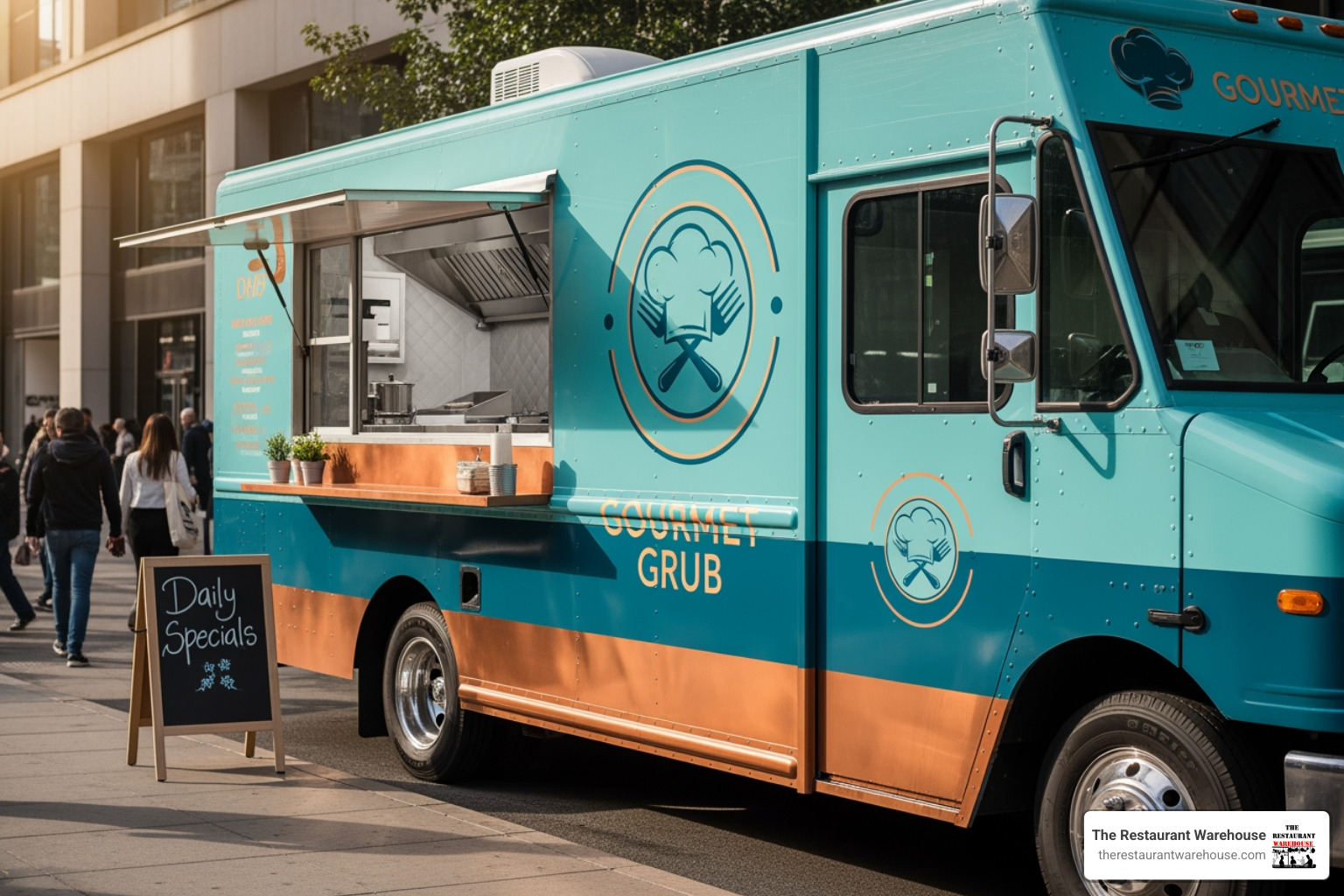
Customized food trucks for sale represent one of the most exciting opportunities in today's food service landscape. They offer a dynamic and flexible alternative to traditional brick-and-mortar establishments, empowering entrepreneurs to bring their unique culinary visions directly to the public. If you're exploring a custom build, understanding the advantages is the first step toward success.
A custom food truck provides a menu-specific design where every inch is optimized for your unique cuisine and workflow. Compared to the high overhead of a traditional restaurant, a food truck offers significantly lower startup costs. Furthermore, reputable builders ensure your vehicle has built-in compliance with local health and fire codes from the start. Your truck also doubles as a mobile marketing tool—a rolling billboard that advertises your brand wherever you go.
The food truck market is projected to reach $2.2 billion in 2024, with the industry experiencing 7.9% annual growth over the last five years. This surge is fueled by consumers who crave unique, high-quality cuisine at budget-friendly prices. A mobile business gives you the flexibility to test different markets, adapt to changing demand, and connect with your customers on a personal level.
However, a customized food truck is more than just a vehicle with some cooking tools inside. It's a purpose-built mobile culinary workspace, designed around your specific menu and optimized for efficiency. The process begins with a deep understanding of your concept to identify the necessary installations and maximize space utilization. Whether you dream of serving gourmet sandwiches, specialty tacos, or mobile coffee, a custom build ensures your workspace supports your vision.
I'm Sean Kearney from The Restaurant Warehouse, and throughout my career, I've helped countless entrepreneurs understand the value of investing in a quality operation. This guide will walk you through every aspect of buying, building, and operating a custom food truck, from understanding price factors to navigating legal requirements and finding reputable builders.
If you are ready to explore pricing for your build, browse our budget-friendly food truck supplies and contact us with questions about your mobile food venture.
Why a Custom-Built Food Truck is Your Recipe for Success
When we consider customized food trucks for sale, we're not just looking at a vehicle; we're envisioning a mobile culinary dream designed to perfectly execute your unique vision. The benefits of choosing a custom build over a standard, pre-made food truck are numerous and directly impact your business's efficiency, brand identity, and long-term success.
First, a custom-built food truck offers unparalleled workflow efficiency. Imagine your menu: every dish, every prep step, every serving movement. A specialized builder will take this intricate dance into account, creating a menu-specific design that optimizes every inch of your workspace. This means your tools and stations are placed exactly where you need them, maximizing space and creating a logical flow. No more awkward reaches or cramped quarters; a custom layout means a smoother, faster, and less stressful service, allowing your team to operate at peak performance. This thoughtful design leads to faster order fulfillment and happier customers, directly impacting your bottom line.
Beyond the practicalities, a custom food truck is a powerful tool for establishing a unique brand identity. In a busy food truck park or at a lively festival, your truck isn't just a place to buy food—it's an experience. A custom wrap, designed by professionals, transforms your vehicle into a rolling billboard that captures attention and communicates your brand's personality before a single dish is served. This visual appeal, combined with a carefully designed interior, creates a cohesive and memorable impression that sets you apart from the competition.
Quality construction is another cornerstone of a custom build. Reputable builders prioritize durable materials like food-grade stainless steel interiors and diamond plate flooring, ensuring longevity and ease of cleaning. This isn't just about aesthetics; it's about investing in a robust structure that can withstand the rigors of daily operation and travel. This attention to detail translates into a longer lifespan for your investment and fewer costly repairs down the road.
Crucially, custom-built food trucks come with built-in compliance. Local health and fire regulations vary significantly, and navigating these can be a daunting task for a new entrepreneur. A specialized builder ensures your truck is constructed to meet or exceed all local requirements, including certified safety systems, proper water and plumbing with triple sinks, and secure utility installations. This proactive approach saves you headaches, delays, and potential fines, allowing for a smooth and legal launch of your business.
Finally, while the initial investment might be higher than a bare-bones used truck, a custom build often translates to a higher resale value. Its bespoke design, quality materials, and adherence to regulations make it a more desirable asset in the long run. It's an investment that pays dividends, both in operational efficiency and future marketability.
Your Blueprint for Buying: Factors to Consider for Customized Food Trucks for Sale
Starting on the journey to acquire one of the many customized food trucks for sale requires careful planning. This isn't a one-size-fits-all purchase; it's about crafting a mobile business custom to your specific needs. Let's explore the critical factors to consider before making such a significant investment.
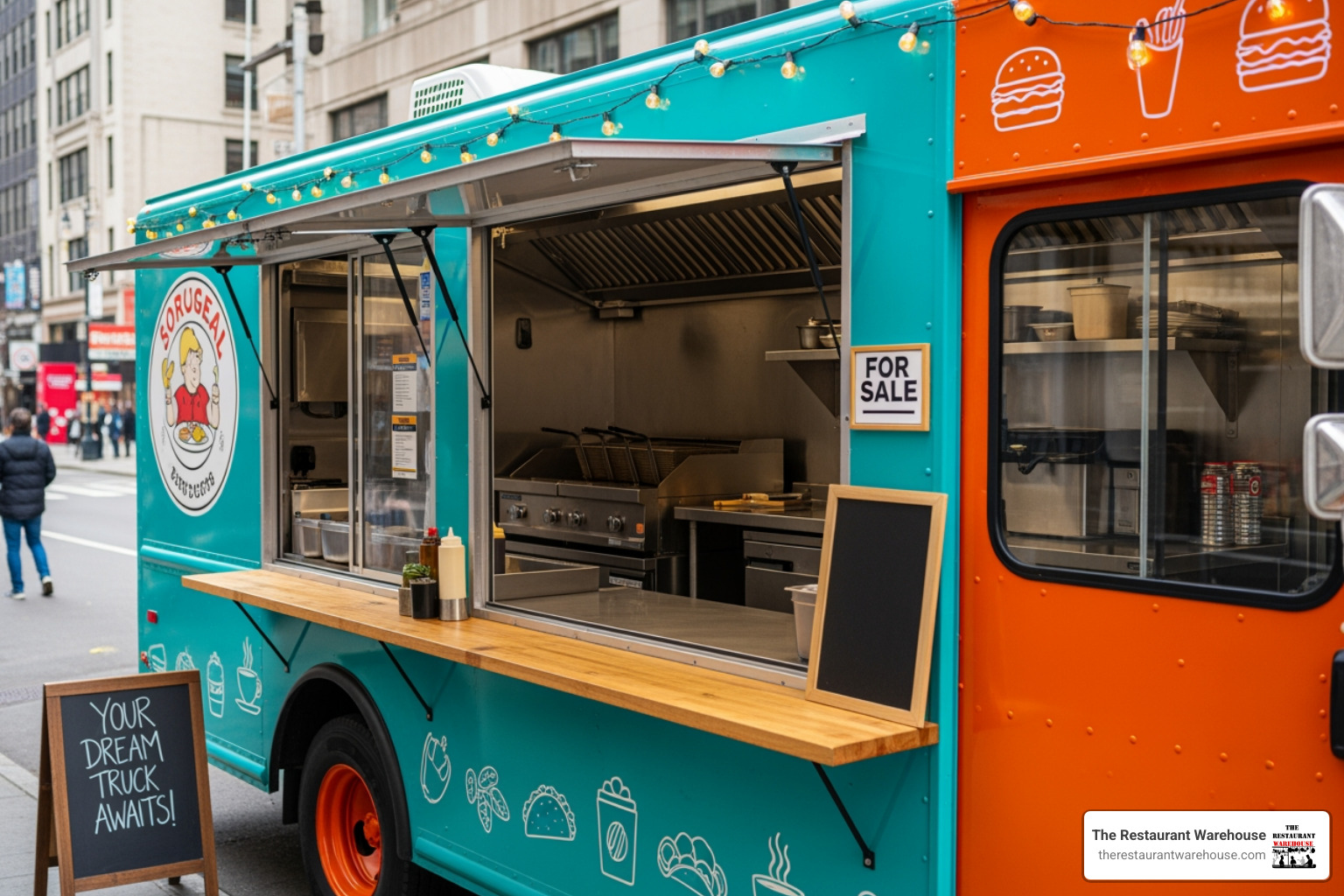
First and foremost, budgeting is paramount. A clear understanding of what you can realistically afford will guide your decisions. The cost of a new custom food truck can range from $50,000 to $150,000, while used options may fall between $20,000 and $75,000. These figures are starting points, and the final price will depend heavily on your choices.
Next, consider the chassis itself. Will you opt for a brand-new vehicle, offering reliability and a longer lifespan, or a used one, which can be a more budget-friendly entry point? The size you choose will dictate the amount of workspace you can accommodate, so match it to your menu and projected volume.
Power sources are another critical decision. Food trucks require significant power for their operations. You'll need to decide between different types of generators, considering their efficiency, noise levels, and fuel costs. Some advanced custom builds even integrate battery systems for quieter operation in certain locations.
Finding the right builder is perhaps the most crucial step. You're commissioning a specialized mobile business, which requires a reputable builder with a proven track record. Your vetting process should include reviewing their portfolios, examining past projects, and seeking out client testimonials. Look for builders who emphasize communication, transparency, and a deep understanding of local regulations. According to the FDA Food Code, mobile food establishments must meet specific requirements for construction and operation, making builder expertise essential.
If you are still sketching out your concept, you can also review our internal planning resources and restaurant supplies catalog to make sure you are not forgetting essentials for food safety, preparation, and storage.
Understanding the Price Tag and Key Features
The price for customized food trucks for sale is influenced by several key factors:
- Vehicle Size and Age: A larger or newer truck naturally costs more due to materials and the potential for more extensive installations.
- Specialized Installations: This is often the largest variable. The type, brand, and number of culinary installations you integrate will greatly affect the final cost.
- Custom Wrap Complexity: A visually striking exterior is a major part of a food truck's appeal. The complexity of your custom wrap design and the quality of materials will add to the price.
- Quality of Materials: Builders who use food-grade stainless steel for interiors, robust air systems, and high-quality plumbing and electrical components will have higher prices. This investment pays off in durability and easier maintenance.
When planning your build, consider these key features:
- Service Window Design: This is your customer's first point of interaction. Consider size, placement for optimal workflow, and an awning for weather protection.
- Air Systems: Proper air circulation is non-negotiable for safety and comfort, ensuring a clean environment for your staff.
- Water Systems: Health departments require hot and cold running water, a three-compartment sink for washing, rinsing, and sanitizing, and a separate hand-washing station.
- Food-Grade Prep Surfaces: All work surfaces should be made of easy-to-clean, sanitary materials like stainless steel.
- Storage: Depending on your menu, you'll need sufficient cold and dry storage to keep ingredients safe and organized.
- Power Generation: A reliable power source with enough wattage to run all your systems is the lifeblood of your truck.
- Exterior Lighting and Awnings: Strategic lighting and shade make it easier for guests to order and improve visibility in evening or low-light service.
If you want one-on-one help aligning your wish list with your budget, contact The Restaurant Warehouse for a custom quote and our team can help you price out a realistic package.
The Customization Journey: From Your Idea to a Rolling Reality
The process of bringing customized food trucks for sale from concept to reality is an exciting and collaborative journey. It transforms a mere idea into a vibrant, functional mobile business.
The journey typically begins with an initial consultation. This is where you sit down with your chosen builder to discuss your culinary concept, target audience, budget, and operational needs. It's a brainstorming session where your food truck dreams start to take shape.
Following this, a crucial step is a thorough menu analysis. As research highlights, each food truck build starts with a deep understanding of the client's menu to identify necessary installations and optimize space. The builder's expertise shines here, as they help determine the exact layout, prep areas, and storage solutions required to efficiently execute your menu.
With your needs defined, the next phase involves CAD layout design. This is where your truck's interior comes to life on a screen, ensuring all components fit correctly and maximizing every square foot. You'll review these detailed blueprints, making adjustments until the layout supports your workflow perfectly.
Once the design is approved, the fabrication process begins. Skilled fabricators, welders, plumbers, and electricians work in concert, installing food-grade stainless steel interiors, durable flooring, and all necessary structural components.
Next comes the installation of culinary components. All the professional-grade tools and systems you selected are carefully integrated into the custom layout, along with the air, water, and power systems. Every connection is made with precision, adhering to safety standards and local codes.
Finally, the truck gets its visual identity through vehicle wrap application. Your custom branding is expertly applied, turning your food truck into the eye-catching rolling billboard you envisioned. The journey culminates with a final inspection and delivery, ensuring your new mobile business is truly ready to hit the streets.
The Advantage of Working with a Specialized Builder
When you invest in customized food trucks for sale, the choice of builder is arguably the most critical decision. Specialized builders offer unparalleled regulatory expertise. They are intimately familiar with the complex local health and fire safety regulations, ensuring your truck is built to code from the start. Their guidance on permitting and inspections is invaluable.
Their engineering knowledge means your truck's design is not just aesthetically pleasing but structurally sound and functionally optimized. They know how to maximize limited space, ensuring optimal workflow. Specialized builders also leverage extensive supplier networks, allowing them to source high-quality materials and components at competitive prices. This meticulous attention to detail results in a robust, long-lasting product.
Popular Concepts for Custom Food Truck Builds
The beauty of customized food trucks for sale lies in their versatility. They can be custom to almost any culinary concept imaginable. Here are some popular concepts that lend themselves perfectly to a custom build:
- Gourmet Sandwiches & Burgers: A classic crowd-pleaser that benefits from an efficient prep line and versatile cooking surfaces.
- Global Street Fare: From specialty tacos to Korean-inspired bowls, custom builds can accommodate the specific workflow needed for authentic international cuisine.
- Mobile Cafes: A custom layout can perfectly integrate the specialized systems needed for high-end coffee, tea, and pastries, creating a cozy cafe on wheels.
- Artisanal Sweets: These require specific cold storage, display cases, and prep stations, often with vibrant, playful wraps to attract customers.
- Slow-Cooked Specialties: For concepts centered around barbecue or other slow-cooked foods, a custom truck can be designed to safely manage heat and smoke with proper ventilation and space.
- Health-Focused Concepts: Trucks serving salads, smoothies, and bowls need ample cold storage and prep space for fresh ingredients.
Owning Your Truck: Legal, Maintenance, and Lifespan Considerations
Acquiring one of the many customized food trucks for sale is just the beginning of an exciting entrepreneurial journey. Long-term success hinges on robust business planning, diligent maintenance, and a thorough understanding of the legal landscape. A food truck is a significant investment, and maximizing its return requires attention to both the vehicle's operation and its upkeep.
Contact us today to explore our wide range of food service supplies!
Navigating Legal and Regulatory Problems
Operating a food truck involves a complex web of legal and regulatory considerations that can vary significantly by location. You must be diligent in understanding and complying with these rules to avoid fines or shutdowns.
A primary concern is adherence to local health department codes. These regulations dictate everything from the number and type of sinks (requiring hot and cold water with triple sinks and a separate hand-washing station) to food storage temperatures and waste disposal. A builder who understands these nuances is essential. The USDA Food Safety and Inspection Service provides comprehensive guidelines on safe food handling practices that apply to mobile food operations.
Fire safety regulations are equally stringent. This often includes requirements for certified safety systems, proper ventilation, and secure utility installations. These are critical safety measures that inspectors will rigorously check.
Beyond health and fire codes, you'll need various business licenses to operate legally. This usually includes a general business license and a food service permit. Finally, securing vending and parking permits is essential. Many cities have designated zones, time restrictions, and fees for food truck operations. Researching these local ordinances in your target operating areas, such as Seattle, Washington, is a proactive step.
Lifespan and Maintenance for Your Custom Truck
The lifespan of a custom food truck can be extensive, often lasting 10-15 years or more with proper care. Achieving this longevity requires a commitment to regular maintenance for both the vehicle and the interior components.
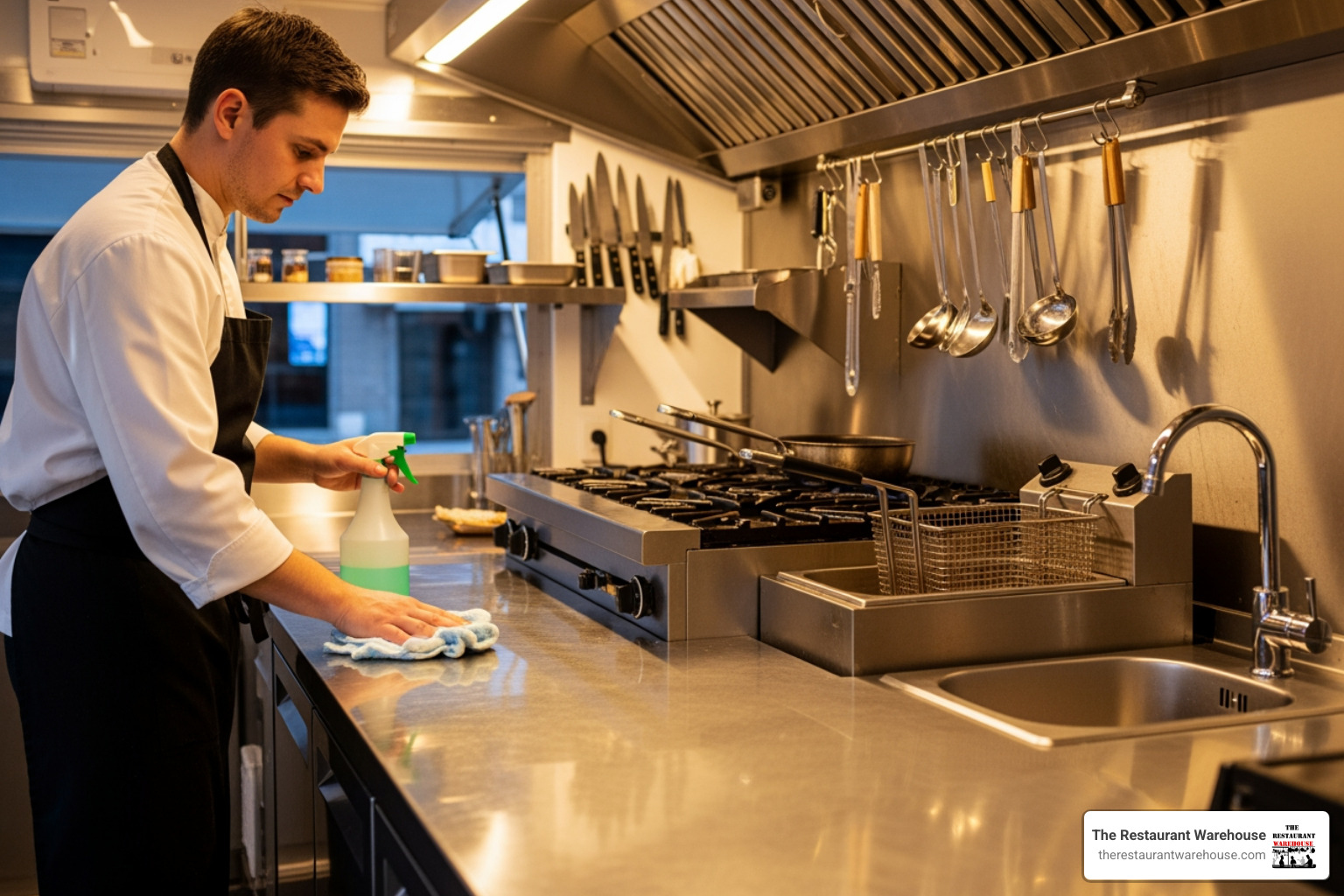
The chassis maintenance schedule is similar to any commercial vehicle. Regular oil changes, tire rotations, and brake inspections are vital for keeping your truck reliable. Inside, the upkeep of culinary installations is paramount. Daily cleaning of all surfaces and food prep areas prevents buildup, ensures sanitation, and extends the life of your installations. Regular checks of the plumbing and electrical systems are also crucial for safe and continuous operation.
The expected vehicle lifespan is heavily impacted by the initial build quality. Builders who use durable materials like food-grade stainless steel contribute significantly to a longer-lasting truck. This upfront investment in quality will reduce your long-term maintenance burden and improve your truck's operational uptime.
If you want help selecting durable supplies that stand up to daily food truck use, talk to our team at The Restaurant Warehouse about maintenance-friendly options that fit your budget.
Frequently Asked Questions about Customized Food Trucks
How long does it take to build a custom food truck?
The timeline for building a custom food truck can vary significantly. The complexity of the design, the builder's current schedule, and the speed of client approvals all play a role. Generally, you can expect a build time ranging from several weeks to a few months from the initial deposit and final design approval. A simple build may be completed in 4-8 weeks, while more comprehensive projects with intricate designs or specialized installations might take 12-16 weeks or longer. It's always best to get a clear timeline estimate from your chosen builder at the outset.
Can I finance a custom food truck?
Yes, financing is a very common option for purchasing a custom food truck. Many specialized builders either offer in-house financing programs or have established partnerships with lending institutions that understand the food truck business. Additionally, you can explore traditional financing routes through banks, credit unions, or even programs supported by the Small Business Administration (SBA). Financing programs often offer flexible repayment terms, allowing you to bundle the truck, installations, and other startup costs into one manageable monthly payment.
What's more important: the truck chassis or the interior build?
Both the truck chassis and the interior build are equally critical for a successful food truck business, and neither should be undervalued. A reliable, well-maintained chassis is the foundation that ensures your business is mobile, safe, and legally compliant for road travel. A faulty chassis can lead to constant breakdowns, missed events, and significant repair costs. It's the engine, wheels, and frame that get your culinary creations to your customers.
However, a high-quality, efficiently designed interior build is where the magic happens. It's essential for safe food handling, operational speed, and meeting stringent health code requirements. A poorly designed interior can hinder workflow, lead to sanitation issues, and ultimately impact your menu's quality and service speed. A custom interior ensures that every component is perfectly integrated for your specific menu and workflow. Therefore, we recommend investing equally in both a robust chassis and a carefully crafted interior to ensure a seamless and profitable operation.
If you are comparing options or need help deciding which investments matter most at your stage, you can reach out to The Restaurant Warehouse for guidance and discuss your plan with our team.
Conclusion: Start Your Mobile Culinary Adventure
Investing in customized food trucks for sale is more than just buying a vehicle; it's about crafting a mobile business that is perfectly aligned with your culinary vision and operational needs. We've explored the myriad benefits, from the unparalleled workflow efficiency of a menu-specific design to the powerful brand identity a custom wrap provides. We've also dug into the critical factors to consider, including budgeting, chassis selection, and the vital process of vetting specialized builders.
Understanding what influences the price empowers you to make informed financial decisions. We've seen how key features like proper water systems, robust air circulation, and food-grade stainless steel interiors are not just luxuries but necessities for compliance and success. The customization journey, from initial menu analysis to final inspection, ensures every detail is custom to your unique concept.
The advantages of partnering with a specialized builder—with their regulatory expertise, engineering knowledge, and comprehensive support—cannot be overstated. They help steer the complexities of local regulations, allowing you to focus on your passion: food. Finally, we've touched upon the essential aspects of long-term ownership, from navigating permits to understanding the maintenance that keeps your investment rolling.
At The Restaurant Warehouse, we believe in empowering food service entrepreneurs with the right tools and knowledge. The road to entrepreneurship through a custom food truck is an exciting one, offering unparalleled flexibility and a direct connection with your customers. If you're ready to take the leap, a customized food truck is an investment in your unique brand and a vibrant future.
Explore our food service supplies today and let us help you get started!
If you want to move from research to action, you can also contact our team to discuss your customized food truck checklist and budget so you can start planning your launch with confidence.
About The Author

Sean Kearney
Sean Kearney is the Founder of The Restaurant Warehouse, with 15 years of experience in the restaurant equipment industry and more than 30 years in ecommerce, beginning with Amazon.com. As an equipment distributor and supplier, Sean helps restaurant owners make confident purchasing decisions through clear pricing, practical guidance, and a more transparent online buying experience.
Connect with Sean on LinkedIn, Instagram, YouTube, or Facebook.