
Commercial Dishwashers
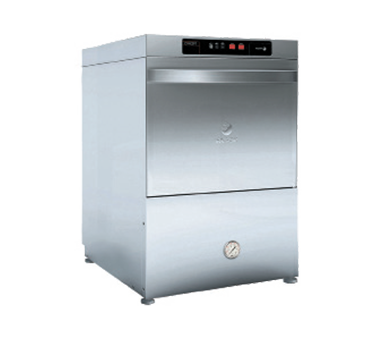
Fagor Evo Concepts CO-402W Undercounter High Temperature Glasswasher
FagorFagor Evo Concepts CO-402W Undercounter High Temperature Glasswasher Fagor has been very unreliable with inventory and shipping in timely manner. P...
View full details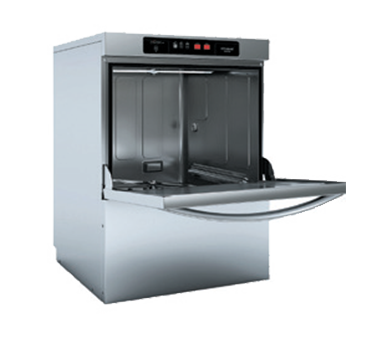
Fagor Evo Concepts CO-502W Undercounter High Temperature Dishwasher
FagorFagor Evo Concepts CO-502W Undercounter High Temperature Dishwasher Fagor has been very unreliable with inventory and shipping in timely manner. Pl...
View full details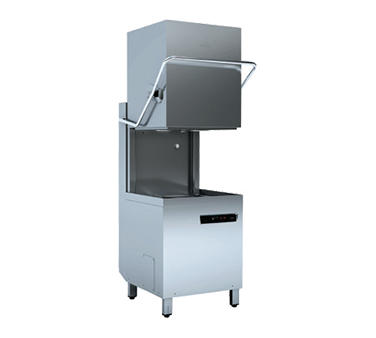
Fagor Evo Concepts COP-174W Hood Type Dishwasher
FagorFagor Evo Concepts COP-174W Hood Type Dishwasher Fagor has been very unreliable with inventory and shipping in timely manner. Please contact us fir...
View full details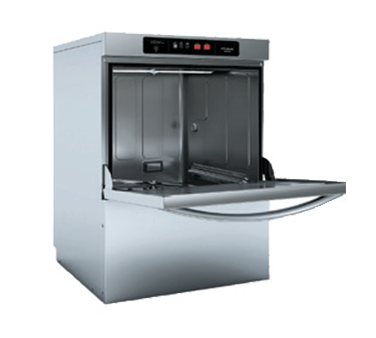
Fagor Evo Concepts COP-504W Undercounter High Production Dishwasher
FagorFagor Evo Concepts COP-504W Undercounter High Production Dishwasher Fagor has been very unreliable with inventory and shipping in timely manner. Pl...
View full details
Commercial Dishwasher Buying Guide
Commercial Dishwasher
As a restaurant owner, proper dishwashing is essential for maintaining food safety and operational efficiency. A commercial dishwasher is designed to clean large volumes of dishes quickly while meeting strict sanitation requirements.
Types of Commercial Dishwashers
There are several types of dishwashers available depending on your kitchen size and needs. Undercounter dishwashers are ideal for small kitchens, while glasswashers are designed specifically for cleaning glasses in bars and beverage service areas.
High-temperature dishwashers use hot water for sanitizing. Compare the approved sanitizing method and installation requirements with your local regulatory authority.
High-Temp vs Chemical Sanitizing
Commercial dishwashers typically use either high-temperature water or chemical sanitizing systems. High-temp units rely on heat to sanitize, while chemical units use sanitizing agents. The right choice depends on your setup and local regulations.
Efficient Cleaning Performance
These machines are engineered to remove grease, food residue, and bacteria from plates, utensils, and cookware. Their fast cycle times help keep up with demand during peak service hours.
Best Uses for Commercial Dishwashers
- Restaurants and full-service kitchens
- Bars and cafés
- Catering operations
- High-volume foodservice environments
Maintenance and Operation
Proper operation and regular maintenance are key to ensuring long-term performance. Routine cleaning, inspection, and correct chemical usage help keep your dishwasher running efficiently and compliant with health standards.
Why Choose a Commercial Dishwasher?
A commercial dishwasher improves sanitation, saves labor, and keeps your kitchen running smoothly. Investing in the right unit ensures clean, safe dishware and a better experience for both staff and customers.
Compare Fagor Commercial Dishwashers and Glasswashers
Start with the type of ware you wash and how it moves through your kitchen. The models below provide glasswasher, undercounter dishwasher, and hood-type options; confirm current availability and the exact supplied configuration before ordering.
| Model | Format | Application to evaluate | Check before ordering |
|---|---|---|---|
| Fagor CO-402W | Undercounter high-temperature glasswasher | Bar glassware and compact beverage stations | Glass height, rack fit, drainage and available counter clearance |
| Fagor CO-502W | Undercounter high-temperature dishwasher | Plate, cup and utensil washing in a compact dish area | Peak rack demand, ware clearance and utility requirements |
| Fagor COP-504W | Undercounter high-production dishwasher | Operations comparing undercounter production options | Rated output at the selected cycle and electrical configuration |
| Fagor COP-174W | Hood-type high-temperature dishwasher | Rack-based loading between soiled and clean dishtables | Raised-hood clearance, table layout and installation services |
Use a current model-specific specification sheet and installation manual when planning utilities or promising output. Model revisions and electrical configurations can change requirements, and a listed cycle time is not a guarantee of sustained production in your dishroom.
Undercounter Commercial Dishwashers for Small Kitchens
An undercounter commercial dishwasher is a practical format to compare for cafés, bars, and small restaurant kitchens with limited floor space. A compact cabinet can keep washing close to service, but the installation still needs room for the open door, loading, unloading, drainage and maintenance access.
Compare the Fagor CO-502W and COP-504W against your busiest period, not just the number of seats in the restaurant. Check that your largest plates and trays fit the approved rack and usable opening before choosing on cabinet dimensions alone.
“Undercounter” describes the equipment format, while “high-temperature” describes its sanitizing method. An undercounter unit can be a high-temperature dishwasher; these are not competing categories of equipment.
Commercial Glasswashers for Bars and Beverage Stations
A dedicated glasswasher can help organize glass handling separately from a kitchen's plate and cookware washing. For a bar, café or beverage station, compare the machine with the actual stemware, tumblers and mugs that need to return to service during a rush.
The Fagor CO-402W is an undercounter high-temperature glasswasher. Fagor documents a soft-start wash system, a built-in drain pump, and detergent and rinse-aid dispensers in its CO-402W specification sheet.
Check glass height, rack compartments, the glass manufacturer's washing instructions, and the dishwasher's approved operating settings. Do not assume a glasswasher makes every delicate glass machine-safe or eliminates chipping; loading, handling and glass condition still matter.
Bar Glass Washing Machine, In-Sink Brush or Glass Rinser?
When comparing bar glass washing equipment, distinguish a complete warewashing process from a tool that performs only one step. An in-sink brush helps remove soil, and a water-only glass rinser provides a rinse; neither action alone establishes that a glass has been properly washed and sanitized. The FDA Food Code, sections 4-603.14, 4-603.16 and 4-702.11, treats washing, rinsing and sanitizing as distinct requirements.
A commercial glasswasher must be operated using its approved wash and sanitizing method, with the appropriate chemicals and verification. Choose around the complete process rather than assuming that an electric brush machine is an automatic sanitizing dishwasher or that a quick rinse makes a returned glass ready for another customer.
| Equipment to compare | Role in the bar | What to confirm |
|---|---|---|
| Undercounter commercial glasswasher | Rack-based glasswashing close to beverage service | Approved sanitizing method, actual rack fit, recovery and installation requirements |
| Manual or powered in-sink brush washer | Assist with soil removal in an approved manual warewashing process | The remaining rinse, sanitizing and drying steps; any electrical installation requirements |
| Water-only glass rinser | Provide a rinse as part of the intended beverage-station workflow | Do not substitute it for the required cleaning and sanitizing process |
Match the Rack to Your Stemware, Tumblers and Beer Glasses
Measure your tallest glass and widest bowl or handle, then compare them with the usable opening and the approved rack compartments. Bring examples of your wine glasses, cocktail glasses, pint glasses and mugs into the selection discussion. A rack's advertised glass count is not necessarily the count that fits your particular glassware safely.
Check loading orientation and spacing against the machine, rack and glassware instructions. Do not assume that all commercial dishwashers damage glasses or that a dedicated glasswasher makes every delicate stem machine-safe. Ask whether the selected configuration and chemicals are approved for your actual wares; keep chipped or cracked items out of service.
Translate Peak Glass Demand into Real Rack Loads
Count returned glasses during the busiest short service interval and divide by the number that fits in a correctly loaded rack. For example, 120 glasses returned in 30 minutes, with 20 compatible glasses per rack, require six racks in that interval: an equivalent rate of 12 racks per hour if the pace continues. This is a workload example, not a production rating or a recommendation for a particular machine.
Repeat the calculation for different glass shapes when they cannot share the same rack arrangement. Allow for clearing garnishes, loading, cycle selection, heating recovery, unloading and repeat washes. Compare the result with documented model performance rather than using an advertised glasses-per-hour figure without checking the assumed rack and cycle.
Plan a clean-side landing area and enough glass inventory to cover washing, drying and return to service. For cold-drink service, account for suitable cooling time where needed, following the glass manufacturer's handling guidance. Do not speed up turnover by towel-drying freshly sanitized glasses; the FDA Food Code, section 4-901.11, addresses air-drying or adequate draining and separately permits polishing already air-dried utensils with clean, dry cloths.
Troubleshoot Cloudy Glasses Before Changing Machines
Cloudy film, spots and streaks are reasons to investigate the washing system, not proof that the machine needs replacing. Water minerals and incorrect detergent or rinse-aid dosing can affect the finish, and simply increasing a chemical dose can create other problems. MEIKO's glasswashing guidance explains the interaction between water treatment, chemicals and washing equipment.
- Check the load: Review spacing, rack fit, visible soil and whether anything obstructs the wash action.
- Check routine care: Inspect filters, spray components and chemical supply according to the operating manual.
- Assess the water: Have hardness and other relevant water conditions tested before specifying treatment.
- Review chemical dosing: Ask the equipment or chemical supplier to confirm compatible products and correct settings rather than adding extra detergent or rinse aid by guesswork.
Do not assume that a generic inline filter is the same as a softener or that softening removes every dissolved mineral. Softening and demineralization are different treatment approaches; select the system against measured water conditions and the equipment requirements (MEIKO water-treatment comparison).
A clear-looking glass is not a substitute for verified sanitizing performance. Continue the temperature or chemical-concentration checks required for your system, and remove the machine from service if it cannot meet the approved conditions.
Glasswasher Delivery and Purchase Checklist
Before accepting a quote, confirm the exact model and configuration, included glass racks, chemical dispensers, drain arrangement, connection accessories and installation responsibilities. Get warranty coverage for parts, labor and travel in writing, and identify the service contact before the machine goes into daily use.
At delivery and commissioning, have the responsible installer check for damage, leaks, seal condition, accessible filters and unobstructed spray components, then verify filling, washing, rinsing, drainage and sanitizing under the manufacturer's procedure. Keep the model and serial number, installation record and operating instructions together. These practical checks are more useful than an assumed lifespan, a blanket savings percentage or a promise that a machine will pay for itself.
Door-Type and Hood-Type Dishwasher Workflow
A door-type or hood-type dishwasher is worth comparing when racks need to move through a defined soiled-to-clean work area. Plan where dishes are scraped, where racks are loaded, where they enter the machine, and where clean wares drain and air-dry.
Fagor identifies the COP-174W as a hood-type high-temperature dishwasher with straight-through or corner operation. It is not a rack-conveyor machine; confirm the arrangement and clearance with the installer using the manufacturer's specification sheet.
Conveyor and flight-type systems are separate equipment formats for larger production requirements. Treat them as a distinct planning project rather than assuming a hood-type machine offers conveyor operation; ask about appropriate equipment if the models shown do not fit your workload.
How to Size a Commercial Dishwasher
Measure your busiest dish-return period and sort the load into plates, bowls, glassware, flatware and larger items. Count how many properly loaded racks those items actually require, including separate rack arrangements for different wares.
| Planning input | What to measure | Why it matters |
|---|---|---|
| Peak rack demand | Racks returned during the busiest service interval | A daily average can hide a short, intense washing bottleneck. |
| Rack and ware fit | Actual plates, trays, glass heights and rack compartments | A larger cabinet does not guarantee that a particular item fits. |
| Real cycle handling | Scraping, loading, washing, unloading and recovery time | Staff handling and heating recovery affect sustained output. |
| Clean-side space | Room for racks to drain, air-dry and return to service | The machine is only one part of the dishroom workflow. |
| Utility capacity | Available hot water, power, drainage and ventilation | Installation limits can determine which configuration is suitable. |
For example, 12 racks returning in 15 minutes represent a demand rate of 48 racks per hour if that pace continues. This is a workload calculation, not a machine recommendation: allow for your actual handling time, cycle selection and recovery before matching it to a manufacturer's production rating.
Do not convert a nominal rack-per-hour figure into a fixed restaurant seating limit. Menus, plate counts per meal, glass turnover, reusable serviceware and the timing of dish returns can create very different loads in restaurants with the same number of seats.
High-Temperature vs. Chemical-Sanitizing Dishwashers
Choose the sanitizing system with your installer, chemical supplier and local regulatory authority. High-temperature equipment uses a hot-water sanitizing process; chemical-sanitizing equipment depends on the specified sanitizer, concentration, temperature and contact conditions.
| Decision | High-temperature system | Chemical-sanitizing system |
|---|---|---|
| Sanitizing method | Hot-water mechanical sanitization | An approved chemical sanitizer under its labeled conditions |
| Installation review | Check inlet water conditions, booster capacity, power and steam management. | Check machine utilities, chemical supply and applicable ventilation requirements. |
| Operating checks | Verify machine settings and utensil-surface temperature as required. | Verify the sanitizing solution using the correct test device. |
| Cost comparison | Include water heating, idle energy, detergent, rinse aid and service. | Include sanitizer, detergent, rinse aid, water, energy and service. |
The sanitizing requirements are different, not interchangeable. The FDA Food Code, sections 4-501.112, 4-501.114 and 4-703.11, describes hot-water and chemical methods; follow the code adopted locally and the machine's data plate.
Rinse Temperature Is Not the Same as Dish-Surface Temperature
The FDA Food Code specifies a hot-water sanitizing rinse entering the manifold of at least 180°F for most machines, with a 165°F minimum for stationary-rack, single-temperature machines and a general maximum of 194°F. It separately requires a utensil-surface temperature of 160°F during hot-water mechanical sanitization, measured with an irreversible registering temperature indicator. See sections 4-501.112, 4-703.11(B) and 4-302.13(B).
A high-temperature dishwasher is not detergent-free. Fagor's COP-174W documentation lists detergent and rinse-aid dispensers alongside its hot-water sanitizing system.
For chemical sanitizing, use the EPA-registered label directions and an appropriate concentration test kit rather than relying on smell or appearance. The FDA Food Code, sections 4-501.114 and 4-501.116, sets out these requirements.
Commercial Dishwasher Installation Requirements
Request the current installation sheet before purchase and have a qualified installer review the exact model and electrical configuration. A machine that fits the opening may still need changes to the water supply, drainage or electrical service.
- Electrical service: Confirm voltage, phase, circuit protection, total connected load and any separate booster requirements. Do not assume a commercial dishwasher uses an ordinary countertop-appliance outlet.
- Water supply: Check specified inlet temperature, pressure, flow, connection size and water quality. Confirm approved treatment when hardness or other water conditions require it.
- Drainage: Review drain height, pumped or gravity drainage, required indirect connections and local plumbing requirements.
- Space and access: Measure cabinet dimensions, the open door or raised hood, rack loading areas, service clearances and delivery route.
- Ventilation: Review steam and heat management with the installer and local authority. “High-temp,” “low-temp” or “ventless” alone does not establish the installation's code requirements.
Plan commissioning as part of installation: check filling, drainage, chemical dispensing, selected cycles and sanitizing performance before putting the machine into service. Keep the operating manual and model/serial information accessible to staff and service technicians.
Water, Energy and Commercial Dishwasher Operating Cost
Compare the full operating cost rather than the equipment price alone. Include installation, water and sewer charges, water heating, idle energy, detergents and other chemicals, staff handling time, planned service, racks and downtime.
When comparing an ENERGY STAR commercial dishwasher, check the exact model's certification rather than assuming an entire brand or product family qualifies. ENERGY STAR's commercial dishwasher guidance identifies water-consumption and idle-energy criteria that vary with machine type and sanitizing method.
For your own estimate, multiply expected daily racks by the specified water use per rack and operating days, then account for tank fills, cleaning and other water use separately. Use your utility rates and chemical supplier's actual dosing costs; a generic savings percentage or payback period is not a substitute for your operating figures.
Purchase, Financing or Rental
Use current product listings for equipment pricing and request a complete installation quote. Review restaurant equipment financing if spreading the purchase cost would help cash flow, or ask about equipment rental availability for your location and application.
Compare the written terms for maintenance, chemicals, emergency response, damage, delivery and early termination. Do not assume every rental or financing agreement includes the same services; confirm any tax treatment with your accountant.
Cleaning, Deliming and Staff Training
Build a routine around the manufacturer's operating and cleaning instructions. Scrape food debris before loading, use approved racks, avoid nesting or overcrowding wares, and select the correct cycle for the load.
- Before service: Check that the machine is assembled correctly, supplied with the required chemicals, and ready at its specified operating conditions.
- During service: Keep soiled and clean handling separate, monitor sanitizing performance, and change wash water or clean screens as instructed.
- At closing: Follow the safe shutdown procedure, drain and clean the machine, and clean removable filters, screens and spray components as directed.
- For mineral scale: Have the water quality assessed and follow the approved deliming procedure. Frequency depends on the machine, workload and water conditions, not one universal weekly schedule.
- For chemical safety: Use compatible commercial products and follow their labels and safety data sheets. Never mix deliming acid with chlorine sanitizer or other cleaning chemicals.
After cleaning and sanitizing, allow wares to air-dry or adequately drain under the applicable requirements; do not towel-dry them. The FDA Food Code, section 4-901.11, distinguishes this from polishing already air-dried utensils with clean, dry cloths.
Train every shift on loading, chemical checks, sanitizing verification and the response to an unsafe reading. If sanitation cannot be verified, stop using the machine for service and follow your approved alternative warewashing procedure while arranging qualified assistance.
Service Planning and Repair vs. Replacement
Before ordering, ask who services the model in your area and how replacement components are identified. Check warranty coverage, labor and travel limits, maintenance responsibilities and response arrangements in writing.
For an existing machine, compare a repair estimate with a current replacement quote and installation cost. Consider recurring faults, condition, parts availability, utility requirements and downtime rather than applying a rigid percentage rule to every repair.
A dishwasher does not automatically remove the need for a three-compartment sink or another approved manual process. Review the wares that cannot be machine-washed and the local requirements for your establishment with the regulatory authority.
Keep a Useful Dishwasher Service Record
When requesting service, provide the model and serial number, selected cycle, observed cycle duration and any displayed error codes. Record where leaks appear, whether the door or hood closes normally, and when unusual pump or motor noises occur. Include recent cleaning, deliming and repair dates so the technician has context. These observations help describe the problem; they do not establish which component has failed. Leave electrical testing, internal inspection and adjustments to qualified service personnel, and do not continue operating a machine with a suspected safety fault or unverified sanitizing performance.
Commercial Dishwasher Buying Questions
Which commercial dishwasher is best for a small restaurant?
An undercounter model is a useful starting point when space is limited and its verified production meets your peak load. Compare rack fit, handling time, clean-side space and installation requirements before choosing solely on cabinet size.
Should a bar use a glasswasher or a dishwasher?
Compare your glassware mix, peak drink service and whether a dedicated station would prevent competition with kitchen loads. Check the actual glasses against the rack and usable opening; not every glasswasher or dishwasher is suitable for every item.
Is a hood-type dishwasher the same as a conveyor dishwasher?
No. The Fagor COP-174W is a hood-type machine with straight-through or corner operation, as shown in its manufacturer specification. Do not plan a conveyor layout around this model.
Do high-temperature dishwashers use chemicals?
They use heat for the sanitizing process, but washing still requires the specified detergent and may use rinse aid. The Fagor CO-402W documentation, for example, lists both detergent and rinse-aid dispensers.
How often should a commercial dishwasher be delimed?
Follow the model's instructions and the chemical supplier's approved procedure, taking water hardness and workload into account. Have persistent scale, poor results or failed sanitizing checks investigated rather than repeatedly adding more chemicals.
What should I confirm before buying?
Confirm current availability, exact model and configuration, rack and ware fit, installation utilities, approved sanitizing method, warranty and local service. Then compare the total installed and operating cost against your actual dishroom workload.
Fagor Evo Concepts High-Production Dishwashers
Fagor's Evo Concepts line is Spanish-engineered high-throughput dishwashing for restaurants and hotels. Pick undercounter for glass-heavy bars and small kitchens, hood-type for full-kitchen dish rooms with rack-based loading. Please contact us to confirm inventory before ordering.
Undercounter: bars, cafes, and small kitchens
- Fagor Evo Concepts COP-504W Undercounter High-Production Dishwasher: glass and small-item throughput
Hood-type: full-kitchen dish room
- Fagor Evo Concepts COP-174W Hood-Type Dishwasher: hood-type rack loading
See our commercial dishwasher buying guide for sizing and installation notes.