

Three's Company: Finding the Ideal 3-Compartment Sink for Your Kitchen
Why Every Commercial Kitchen Needs a 3-Compartment Sink
When you buy a 3 compartment sink for your foodservice operation, you're investing in more than just a place to wash dishes—you're securing the foundation of your kitchen's hygiene system. For most commercial kitchens, the three-compartment sink isn't optional—it's a health code requirement. These workhorses enable the critical wash-rinse-sanitize process that keeps your operation compliant and your customers safe.
A well-chosen three-compartment sink directly impacts your labor efficiency, health inspection results, and customer satisfaction. The right unit allows staff to move quickly from washing to rinsing to sanitizing without bottlenecks, even during peak service. When the sink is too small, poorly configured, or made from materials that don't hold up, you end up with frustrated staff, higher replacement costs, and potential violations.
Here's a quick guide to the key considerations:
- Size: Bowl dimensions typically range from 10"x14" to 24"x24", with depths of 10-14 inches. Larger bowls are essential if you routinely handle bulky pots, sheet pans, or stock vessels.
- Material: Look for durable 16-gauge stainless steel for high-volume kitchens. In more demanding environments, 14-gauge may be worth the added investment.
- Price: Quality sinks can range from under $400 to over $3,600 depending on size and features. The price you pay should reflect your expected usage level and longevity needs.
- Certification: NSF Listed certification is essential for health department compliance and demonstrates that the sink meets strict standards for cleanability and safety.
- Features: Consider drainboards, backsplash height, and adjustable feet. These features can dramatically improve workflow and sanitation.
Prices vary significantly based on gauge thickness, overall dimensions, and features like drainboards. Basic units with 18-gauge steel and smaller bowls are more affordable, while premium models with 14-gauge construction and larger bowls command a higher price. Understanding these specifications can save you thousands while ensuring you get exactly what your operation needs.
When planning a purchase, map out how your staff will move around the sink during a rush. Visualize where dirty dishes arrive, how they progress through wash, rinse, and sanitize, and where clean wares are staged to air-dry. This practical exercise often reveals that a slightly larger unit, or one with an extra drainboard, can pay for itself through faster, smoother service.
If you're ready to explore specific models and pricing tailored to your concept and volume, contact us today to request a personalized 3-compartment sink quote at https://www.therestaurantwarehouse.com/pages/contact-us.
The Foundation of Kitchen Hygiene: Why a 3-Compartment Sink is Essential
In any busy kitchen, from Seattle to the rest of Washington and beyond, a proper cleaning system is non-negotiable. This is where the 3-compartment sink becomes the bedrock of hygiene and operational efficiency. The primary reason to have one isn't just convenience; it's health code compliance. Food safety regulations in the USA mandate a specific process for manual dishwashing to help prevent the spread of foodborne illnesses. This process, the "wash-rinse-sanitize" method, is virtually impossible to execute effectively without the dedicated compartments of this sink.
Beyond compliance, the benefits impact your entire workflow. A 3-compartment sink provides the generous basin space needed to accommodate large, unwieldy items like massive stock pots, oversized sheet pans, or industrial-sized mixing bowls. This flexibility is crucial for maintaining a high standard of cleanliness across all your tools and cookware.
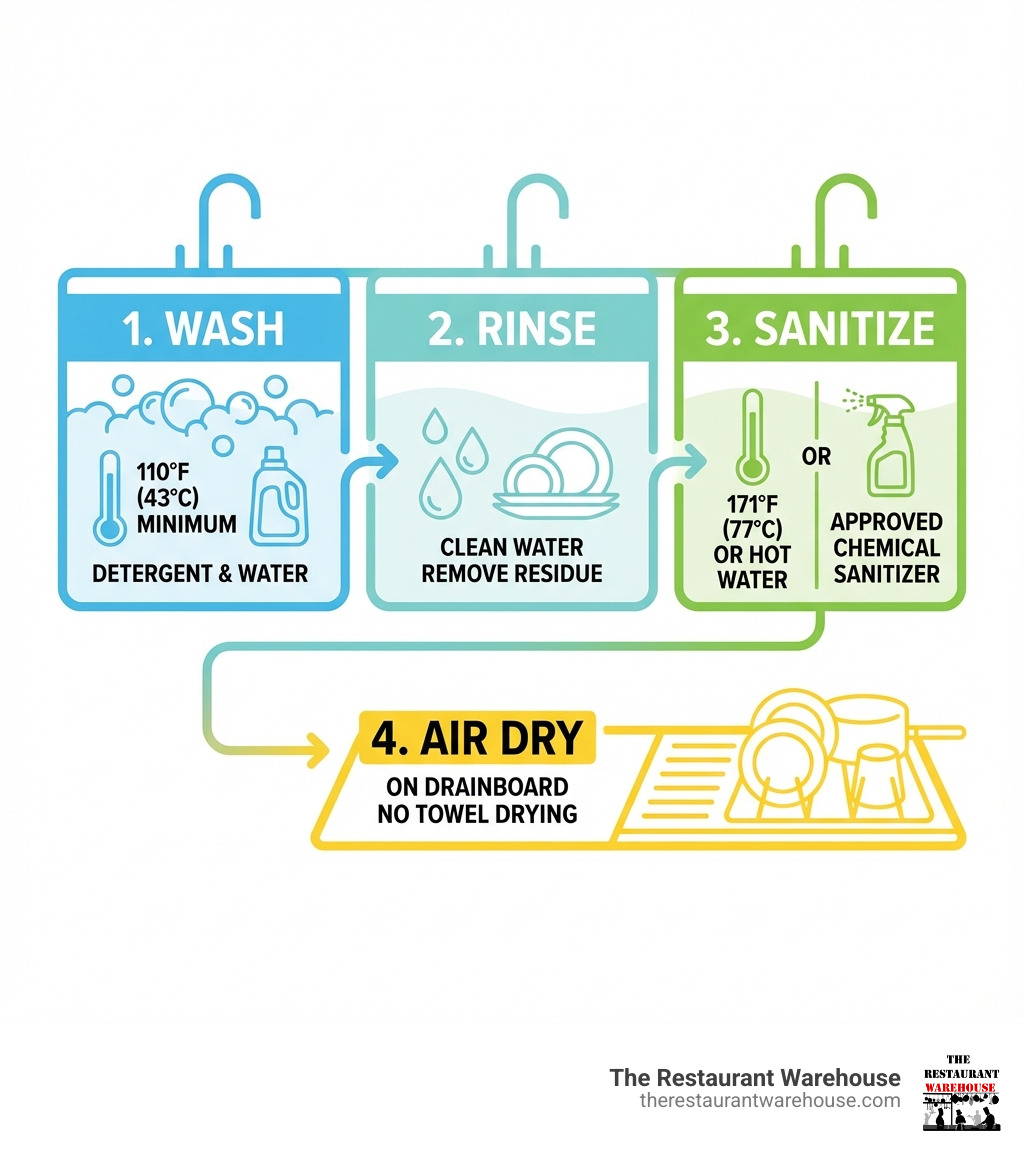
The "wash-rinse-sanitize" method works like this:
- Wash: The first compartment is filled with warm water (ideally around 110°F) and detergent to scrub away food particles and grease.
- Rinse: The second compartment contains clean, hot water to remove any detergent residue and remaining debris.
- Sanitize: The third compartment uses either very hot water (at least 171°F) or a chemical sanitizing solution to reduce bacteria to safe levels. Items are then air-dried on a drainboard to prevent re-contamination.
This systematic approach is your best defense against cross-contamination. Using separate compartments for each stage ensures that detergent, food particles, and sanitize solution stay where they belong instead of mixing together in a single basin. It also gives your staff a clear, repeatable routine that can be trained, monitored, and audited.
The FDA Food Code provides comprehensive guidance on proper manual warewashing procedures, emphasizing the importance of maintaining correct water temperatures and sanitizer concentrations to safeguard public health. These federal guidelines form the basis for most state and local health regulations.
When you buy a 3 compartment sink, you're investing in your restaurant's reputation, the safety of your customers, and operational integrity. A compliant, well-maintained sink setup significantly reduces the risk of violations related to improper dishwashing and poor sanitization practices.
If you're unsure how to implement an effective wash-rinse-sanitize station in your layout, book a strategy call with our team to review your floor plan and code requirements at https://www.therestaurantwarehouse.com/pages/commercial-kitchen-design.
Decoding the Options: A Guide to 3-Compartment Sink Variations
When you buy a 3 compartment sink, you'll find a variety of options designed for specific needs and budgets. Understanding these variations is key to making an informed decision that matches your menu, volume, and local regulations.
A primary differentiator is the material type. Stainless steel is the standard for its durability and hygienic properties. There are two common types:
- 304 Stainless Steel: Considered the gold standard, Type 304 offers superior corrosion resistance due to its higher nickel content. It's ideal for high-volume environments where longevity is paramount and where the sink may be exposed to acids from certain foods or cleaning agents.
- 430 Stainless Steel: A more economical choice, Type 430 is still a robust option that performs well in many settings, though it's slightly more susceptible to corrosion in harsh, acidic environments. It can be an appropriate choice for operations with moderate use and less exposure to corrosive substances.
The installation type also varies to suit different layouts:
- Freestanding Sinks: The most common type, these units have legs and offer flexibility in placement. They are ideal when you have dedicated warewashing space or a large back-of-house footprint.
- Wall-Mount Sinks: Ideal for saving floor space, these sinks mount directly to the wall for a compact solution. They are often used in smaller prep areas where staff primarily rinse and wash lighter items.
- Underbar Sinks: Designed for bars and prep areas, these smaller sinks fit under a countertop for washing glassware and bar tools. They are typically shallower and narrower but must still support proper wash-rinse-sanitize steps for glassware.
Each installation type comes with its own plumbing, support, and code considerations. For example, local plumbing codes may dictate the use of specific types of backflow prevention devices or grease interceptors, which should be factored into your planning and budget.
Finally, configuration options are crucial for workflow efficiency:
- Drainboards: These surfaces are vital for air-drying items after sanitization, preventing re-contamination and maintaining a smooth workflow. Options include a left drainboard, a right drainboard, or two drainboards. The two-drainboard setup is most popular, creating a "soiled" side for incoming wares and a "clean" side for drying and staging.
- Backsplash Height: Configurations often offer 8"–10" backsplashes to protect walls and keep water contained.
- Bowl Shape and Corners: Some models feature rounded or "coved" corners that are easier to clean and less prone to harboring residue.
The right choice depends on your kitchen's size, dish volume, and local health department requirements. For example, a small café with minimal cookware may be able to use a compact unit with one drainboard, while a high-volume banquet facility may require a long, heavy-duty sink with two drainboards and large, deep bowls.
Investing time to understand these options ensures you buy a 3 compartment sink that fits your needs. To see real-world configurations and compare specifications like overall length, bowl size, and drainboard orientation side-by-side, visit our commercial sink collection at https://www.therestaurantwarehouse.com/collections/restaurant-sinks.
The Ultimate Checklist to Buy a 3-Compartment Sink
When you decide to buy a 3 compartment sink, it's a strategic investment in your business's efficiency, hygiene, and compliance. This checklist will help you steer the options and consider every critical factor so you can purchase with confidence.
Sizing It Up: Choosing the Right Dimensions
Size directly impacts your kitchen's workflow. Pay close attention to these dimensions:
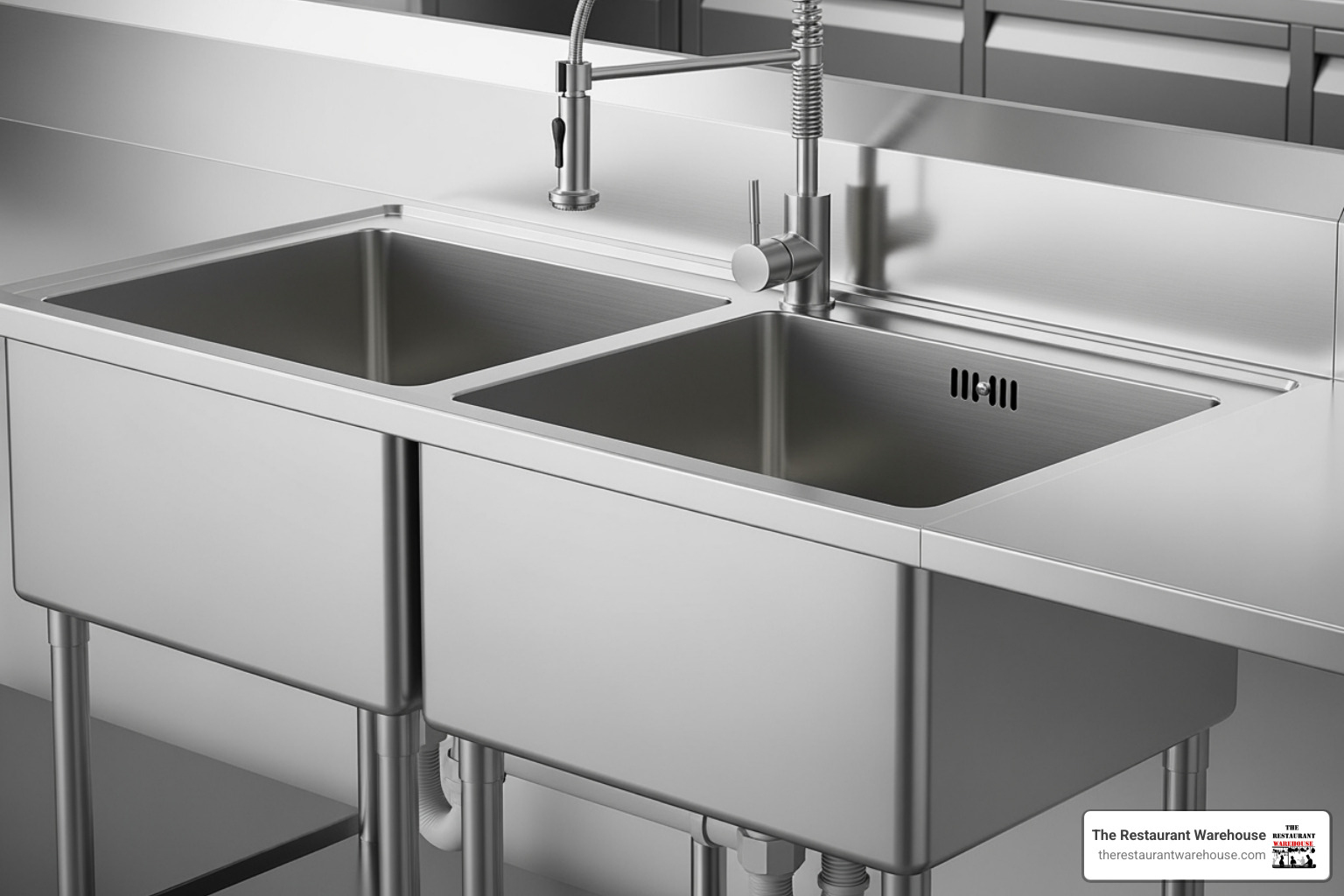
- Overall Length: Measure your available space carefully to ensure the sink will fit, considering delivery and installation pathways. Units can range from compact 39-inch models to expansive 148-inch versions. Remember to account for wall clearances, nearby appliances or workstations, and required aisles for staff.
- Bowl Size: Ensure bowls are large enough to fully submerge your biggest pots and pans. Common sizes range from 10" x 14" to 24" x 24". Measure your largest sheet pan, stock pot, or mixing bowl and confirm it fits comfortably inside at least one compartment.
- Bowl Depth: Depths of 10 to 14 inches are standard. Deeper bowls prevent splashes and accommodate taller items. A 14-inch depth is often preferred for high-volume use, but in low-ceiling areas or where staff height is a concern, 10–12 inches may be more ergonomic.
- Drainboard Size: Adequate drainboard space (often 12 to 24 inches) is essential for organizing soiled items and allowing clean ones to air-dry properly. Plan for separate zones: a landing area for dirty wares, a staging area between washing and sanitizing if needed, and a fully clean drying area.
Material Matters: Stainless Steel Gauge and Longevity
The sink's material and thickness are paramount to its durability.
-
Stainless Steel Gauge: This refers to the steel's thickness; a lower number means thicker steel.
- 14-Gauge: The thickest and most durable option, ideal for the busiest kitchens. It's highly resistant to dents and damage from heavy pots and frequent use.
- 16-Gauge: A common and robust choice that balances strength and cost, suitable for most commercial applications.
- 18-Gauge: A budget-friendly option for lighter-duty use, though it's more susceptible to denting and may not feel as solid under heavy loads. Prioritizing a lower gauge (14 or 16) ensures greater longevity and a more stable feel when staff are scrubbing or stacking wares.
- Leg Construction: Sturdy legs are crucial for support. Galvanized steel legs are an economical choice, while stainless steel legs offer maximum durability and corrosion resistance, especially in damp environments.
Key Features to Look for When You Buy a 3-Compartment Sink
Several features improve a sink's functionality and hygiene.
- Backsplash: An integrated backsplash (8-10 inches high) protects walls from water damage and makes cleaning easier. Some models also offer pre-drilled holes for wall-mount faucets.
- Faucet Holes: Most sinks come with pre-punched holes on 8-inch centers (OC) for standard commercial faucets. Confirm compatibility with your existing faucets or planned purchases.
- Rolled Edges: This feature contains spills, directing water back into the sink and improving safety by eliminating sharp edges along the front and sides.
- Coved Corners: Rounded corners inside the bowls prevent dirt and bacteria buildup, making cleaning much easier and faster.
- Drain Location: Drains can be in the center or a rear corner. A rear drain keeps it clear of dishes and improves usable space in the bowl while also helping water flow more directly to the plumbing.
- Adjustable Bullet Feet: These are essential for leveling the sink on uneven floors, ensuring stability and proper drainage from each compartment to the drain.
Don't Forget Certifications for the 3-Compartment Sink You Buy
When you buy a 3 compartment sink, one certification is non-negotiable: NSF.
- NSF Certification: This mark from NSF International confirms the sink meets strict public health and safety standards. An NSF-listed sink is designed for easy cleaning, made from food-safe materials, and helps prevent bacterial growth. Health inspectors will always look for the NSF mark, so having a certified sink ensures compliance and demonstrates your commitment to food safety. You can learn more about NSF standards and search for certified products at NSF International's official website.
Before you finalize your order, walk through this checklist step by step and compare at least two or three models that meet your criteria. If you'd like expert help narrowing down the choices, contact our team for a free sink-sizing consultation at https://www.therestaurantwarehouse.com/pages/contact-us.
Installation and Maintenance: Protecting Your Sink Investment
Once you buy a 3 compartment sink, proper installation and diligent maintenance are crucial to protect your investment and keep your operation compliant.
Installation Considerations
While a 3-compartment sink might seem straightforward, its installation involves critical plumbing and spatial planning.
- Plumbing Requirements: Commercial sinks require robust plumbing for hot and cold water supply and drainage, often involving larger pipes than residential setups. Many jurisdictions require separate drain lines, proper air gaps, and approved backflow prevention devices. Always confirm local requirements before scheduling installation.
- Professional Installation: A licensed plumber familiar with local codes and commercial installations can ensure proper water line connections, leak-free seals, and correct drain system setup. Professional installation also reduces the risk of failed inspections and unplanned downtime.
- Leveling the Sink: The sink must be perfectly level for proper drainage. Use the adjustable bullet feet to level it accurately during installation to prevent standing water in any of the bowls or on the drainboards.
- Securing the Unit: Freestanding sinks with a backsplash should be secured to the wall to prevent tipping or movement in high-traffic areas. Properly anchoring the unit also helps maintain alignment with plumbing connections.
Maintenance Best Practices
Consistent maintenance keeps your sink hygienic and functional for years to come.
- Daily Cleaning: Thoroughly clean all compartments, drainboards, and the backsplash daily with warm water, a mild detergent, and a soft cloth or non-abrasive pad. Pay attention to seams, corners, and areas around the drains where debris can accumulate.
- Recommended Cleaning Agents: Use non-abrasive cleaners designed for stainless steel. Avoid cleaners containing chlorine (bleach) or harsh acids, as they can cause corrosion or discoloration. Rinse thoroughly after using any cleaning agent.
- Cleaning Technique: Always wipe with the grain of the stainless steel to maintain its finish and appearance. A paste of baking soda and water can be effective for stubborn stains, followed by a thorough rinse and dry.
- Scheduled Deep Cleaning: In addition to daily cleaning, schedule weekly or monthly deeper cleanings where you remove and clean drain baskets, inspect caulked seams (if any), and check for any signs of rust, pitting, or damage.
- Longevity: Following these simple practices will significantly extend the life of your sink, ensuring it remains a hygienic and efficient part of your kitchen. A well-maintained sink is easier to keep compliant and more pleasant for your staff to use.
If you're planning a new build or renovation and want to integrate your 3-compartment sink into a broader sanitation strategy, schedule a layout review with our design specialists at https://www.therestaurantwarehouse.com/pages/commercial-kitchen-design.
Finding Your Perfect Match: Pricing and Suppliers
Navigating the market to buy a 3 compartment sink requires finding a unit that fits your budget, meets operational demands, and complies with regulations. Understanding pricing and how to evaluate suppliers will help you avoid overpaying or choosing a sink that underperforms.
Price Ranges: What to Expect
The price of a 3-compartment sink varies significantly based on size, material gauge, and features.
- Budget-Friendly Sinks: Entry-level sinks can start around $366. These typically feature smaller bowls and are constructed from lighter 18-gauge stainless steel, making them suitable for establishments with lower dishwashing volumes or limited space.
- Mid-Range Sinks: Prices in this category often range from $1,000 to $2,500. These sinks usually feature more durable 16-gauge stainless steel, larger bowl sizes, and robust construction, offering a great balance of durability and affordability for most commercial kitchens.
- High-End Sinks: For the most demanding environments, prices can reach $3,620 or more. These premium models boast heavy-duty 14-gauge stainless steel, the largest bowl sizes, extensive drainboards, and enhanced durability.
Price Factors to Consider:
- Gauge: Lower gauge (thicker steel) means higher cost but greater longevity.
- Size: Larger dimensions and bigger bowls increase the price but also increase capacity and comfort for staff.
- Drainboards: Sinks with two drainboards are generally more expensive but offer superior workflow and drying space.
- Material Type: Type 304 stainless steel is typically more costly than Type 430 due to its enhanced corrosion resistance.
- Accessories: Consider the cost of faucets, pre-rinse units, splash guards, and additional shelving or racks you may need nearby.
What to Look for in a Supplier
Choosing the right supplier is as important as choosing the right sink.
When evaluating a supplier, consider these points:
- Transparent, Competitive Pricing: Look for wholesale-style pricing that avoids excessive markups, with clearly listed costs and no hidden fees.
- Product Range: A strong supplier offers a diverse selection of sinks—various lengths, bowl sizes, gauges, and configurations—so you can find the best match for your operation.
- Detailed Information: Reliable suppliers provide clear specifications, including dimensions, materials, NSF certification, and shipping requirements.
- Customer Support: Responsive support teams can guide you through selection, answer code-related questions, and assist with freight and delivery logistics.
- Availability and Lead Times: Confirm whether sinks are in stock and how long delivery will take, especially if you are on a tight opening or remodel schedule.
At The Restaurant Warehouse, our focus is on providing quality sinks and accessories at lower prices by minimizing overhead and passing the savings directly to you. Our catalog includes a wide range of three-compartment sinks with detailed specs so you can compare options quickly.
If you're ready to see current models, pricing, and availability, browse our full selection of commercial sinks and request a quote online at https://www.therestaurantwarehouse.com/collections/restaurant-sinks.
Frequently Asked Questions about 3-Compartment Sinks
Business owners looking to buy a 3 compartment sink often have similar questions. Here are some of the most common queries with concise, practical answers.
What is the standard size for a 3-compartment sink bowl?
There isn't a single "standard" size, as needs vary. However, common bowl dimensions include compact 10" x 14" sizes, medium 18" x 18" or 18" x 24" options, and large 24" x 24" bowls for heavy-duty pot washing. Depths typically range from 10 to 14 inches. The best choice depends on the largest items you need to wash and the volume you handle during peak periods.
Do I need drainboards on my 3-compartment sink?
Drainboards are highly recommended for both efficiency and hygiene. They create a designated "soiled" side for stacking dirty dishes and a "clean" side for air-drying sanitized items, which is the most hygienic method. This streamlines workflow and is often required or strongly encouraged by local health codes. Sinks with two drainboards generally offer the most efficient setup, especially in high-volume environments.
How do I know if a sink is NSF certified?
Identifying an NSF-certified sink is crucial. Look for the official NSF mark, which is usually a circular logo stamped or etched onto the sink itself. Additionally, the product description or specification sheet from a reputable supplier will clearly state if the sink is NSF Listed. This certification is a fundamental requirement for passing health inspections in many U.S. jurisdictions and provides assurance that the sink was designed with cleanability and food safety in mind.
Can I use a 3-compartment sink for both food prep and dishwashing?
In most cases, health departments require separate dedicated sinks for food preparation and warewashing. A three-compartment sink is typically reserved for manual dishwashing, while separate prep sinks handle produce rinsing and other food-contact tasks. Always verify rules with your local inspector to ensure your layout and usage plan meet code.
How often should the water be changed in each compartment?
Water should be changed whenever it becomes visibly dirty, greasy, or when the sanitizer in the third compartment falls below the required concentration. Many operations test sanitizer levels regularly using test strips to make sure the solution stays within the recommended range outlined by regulatory guidelines.
For more guidance on choosing and using a 3-compartment sink, or to discuss which model best aligns with your menu and volume, contact us to speak with a warewashing specialist at https://www.therestaurantwarehouse.com/pages/contact-us.
Conclusion
When you buy a 3 compartment sink, you are making a pivotal investment in your business's hygiene, efficiency, and long-term success. The right sink allows your team to consistently execute the wash-rinse-sanitize process, align with health codes, and maintain a clean, safe environment for guests and staff.
We have covered the essentials—from understanding how three dedicated compartments support proper manual warewashing, to comparing stainless steel gauges, sizes, installation styles, and key features like drainboards, backsplashes, and coved corners. We've also discussed why NSF certification matters and how professional installation and daily maintenance protect your investment.
The most important takeaways are to choose a sink that:
- Fits your space and workflow without crowding aisles or workstations.
- Provides bowls and drainboards sized for your largest and most frequently used wares.
- Uses durable stainless steel in an appropriate gauge (14 or 16 for busy operations).
- Carries NSF certification to help satisfy health inspectors and reassure your team that the sink is built for safe, sanitary use.
By carefully considering these factors, you'll select a sink that serves your kitchen well for years, ensuring your staff can work efficiently and your customers can dine safely. This is an investment in peace of mind, operational excellence, and regulatory confidence.
If you're ready to upgrade your warewashing station and find the perfect fit for your business, explore our selection of commercial kitchen sinks and request a custom quote today at https://www.therestaurantwarehouse.com/collections/restaurant-sinks.
About The Author

Sean Kearney
Sean Kearney is the Founder of The Restaurant Warehouse, with 15 years of experience in the restaurant equipment industry and more than 30 years in ecommerce, beginning with Amazon.com. As an equipment distributor and supplier, Sean helps restaurant owners make confident purchasing decisions through clear pricing, practical guidance, and a more transparent online buying experience.
Connect with Sean on LinkedIn, Instagram, YouTube, or Facebook.