

The Coolest Sandwich Station: Tips for Efficiency and Freshness
Why Your Sandwich Station Cooler is the Heart of Kitchen Efficiency
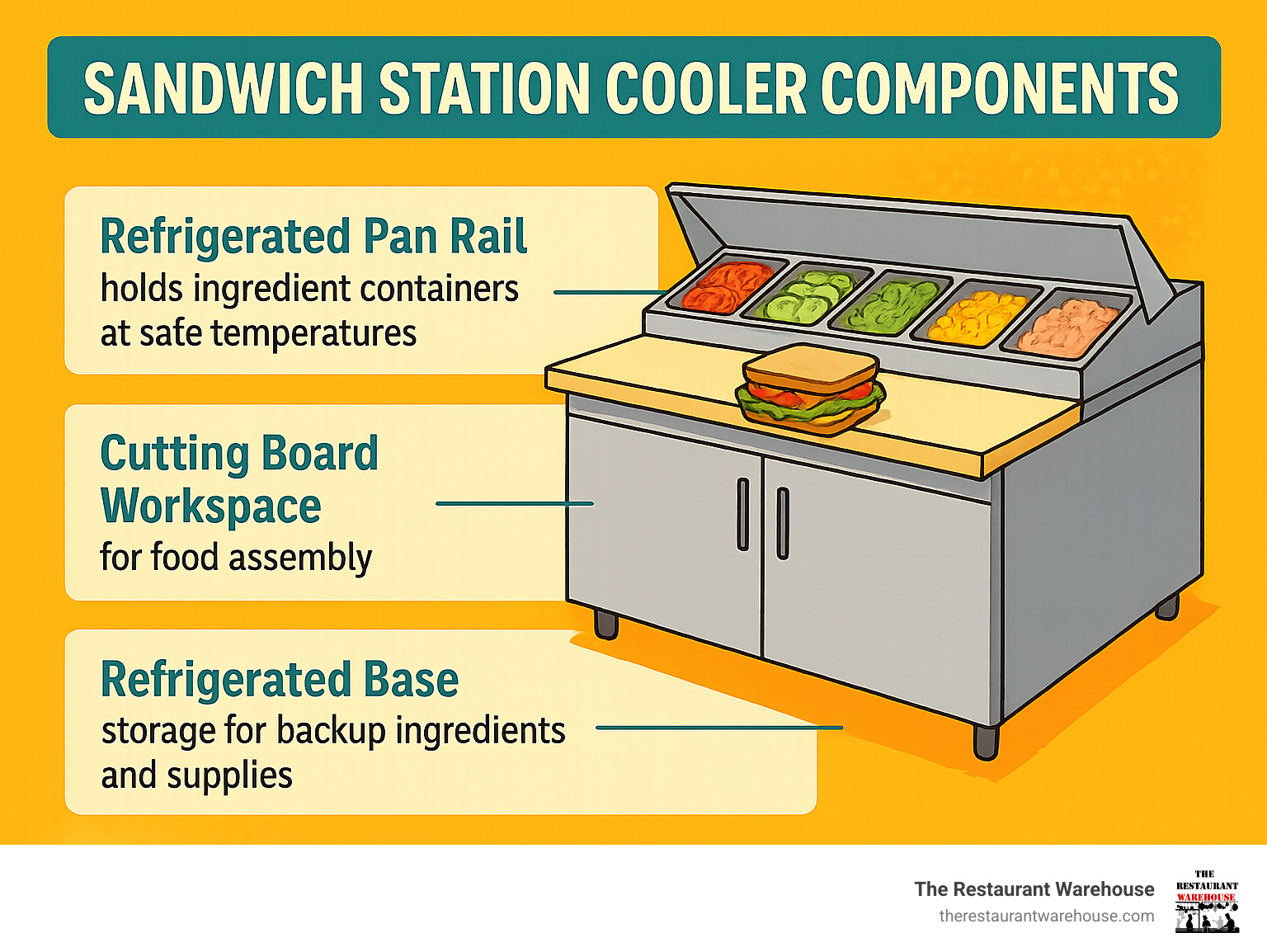
A sandwich station cooler combines refrigerated ingredient storage, a prep workspace, and undercounter storage into one essential piece of equipment. The right unit can make or break your kitchen's workflow.
Quick Answer - What is a Sandwich Station Cooler:
- A refrigerated prep table with ingredient pans on top, keeping food below 41°F.
- A cutting board workspace for efficient sandwich and salad assembly.
- Undercounter refrigeration for backup ingredients and bulk storage.
- Available in various sizes, from compact 27" units to high-volume 72"+ stations.
These units keep prepped veggies, proteins, and garnishes fresh and safe with cold air circulating around the ingredient pans. For any restaurant owner, the right sandwich prep table delivers serious value by replacing multiple pieces of equipment while boosting productivity and ensuring food safety—two things that directly impact your bottom line.
Whether you're running a small cafe or a busy deli, understanding how to select, organize, and maintain your sandwich station cooler will transform your kitchen operations from chaotic to smooth.
Tip 1: Selecting the Perfect Unit for Your Kitchen's Needs
Finding the right sandwich station cooler means matching the equipment to your specific needs. The wrong choice can lead to frustration and inefficiency during busy hours, while the right one can streamline your entire operation. Your kitchen space, daily volume, and team workflow are the key factors in this decision. The materials, storage configuration, and size you choose will either support your team's success or create daily headaches. When you invest in the right unit, you're not just buying refrigeration; you're buying peace of mind, faster service, and happier staff. For a deeper dive into prep table selection, check out our comprehensive guide with more info about restaurant prep tables.
Size and Capacity: From Compact to Colossal
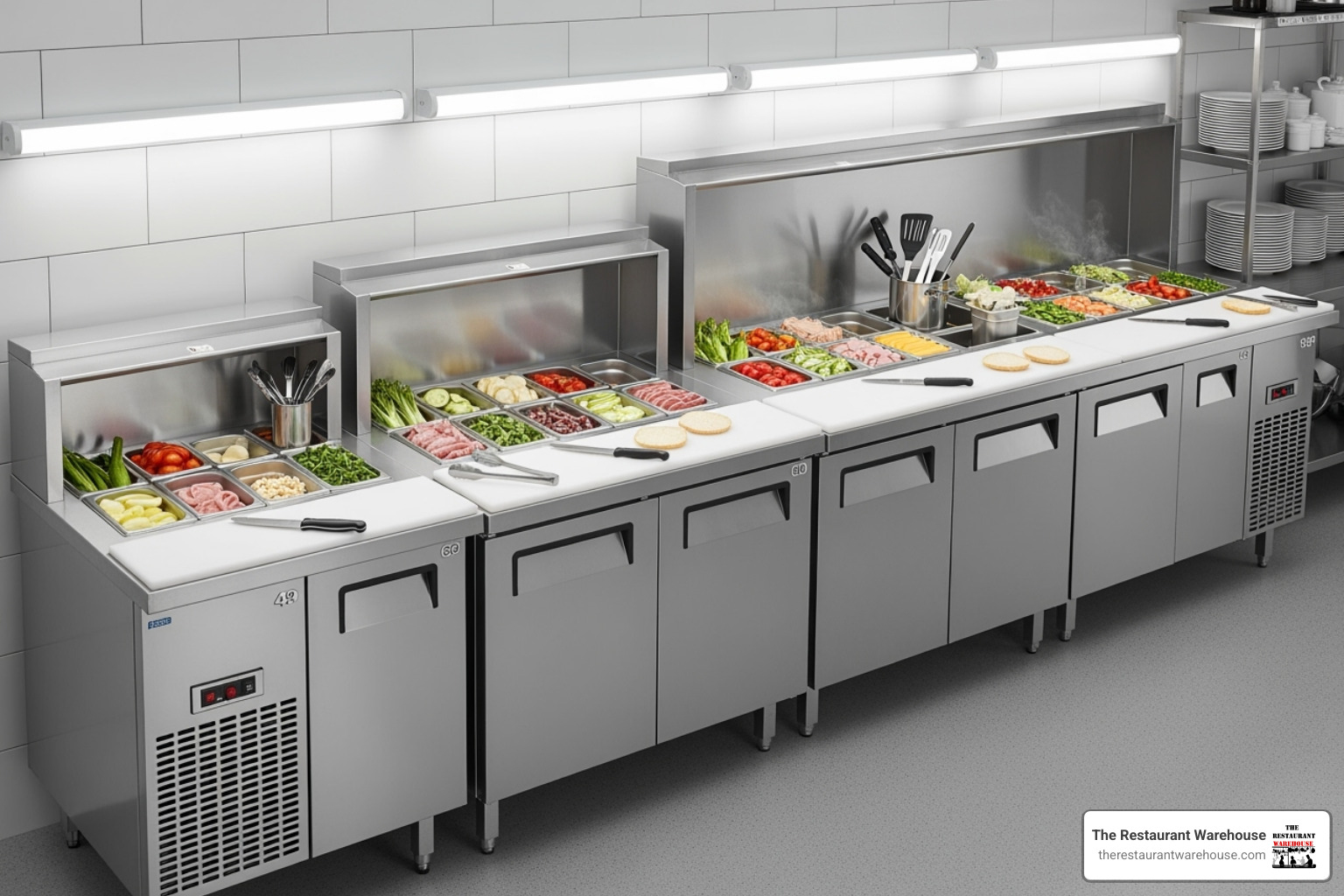
Sizing your sandwich station cooler correctly is crucial: too small, and your team will constantly restock; too big, and you've wasted space and money. The sweet spot lies in understanding your actual needs.
- Compact 27-inch units are perfect for tight spaces, small delis, or specialized stations. They can handle a surprising number of ingredients while fitting into areas where larger units won't work.
- 48-inch models hit a comfortable middle ground for growing operations. They offer enough pan capacity for diverse menus (typically 8-12 pans) and generous undercounter storage without overwhelming smaller kitchens.
- 72-inch units and larger are game-changers for high-volume operations. These workhorses can accommodate 15+ ingredient pans, putting everything at your fingertips and reducing trips to the walk-in cooler.
Pan capacity dictates your menu flexibility, while undercounter storage keeps backups cold and organized. Consider your busiest day and most complex orders to determine the capacity you truly need.
Our detailed guides can help you narrow down your options: 27 Inch Sandwich Prep Table Guide, 48 Inch Sandwich Salad Prep, and 72 Inch Sandwich Prep Table each dive deep into what these sizes can accomplish.
Doors vs. Drawers: A Configuration Conundrum
The doors versus drawers debate comes down to your workflow. Your choice will shape how your team works every single day.
Door configurations offer flexible storage with adjustable shelving, ideal for large containers, gallon jugs, and irregularly shaped items. They are best for storing bulk quantities or items that don't need constant access. The downside is that reaching items at the back can slow things down during a rush.
Drawer configurations are built for speed and organization. They allow staff to instantly see and grab pre-portioned items, which is a significant advantage in high-volume kitchens. Drawers also excel at portion control and preventing cross-contamination by keeping different ingredients separated. The trade-off is less flexibility for storing bulky items. Combination units with both doors and drawers offer a versatile solution.
| Storage Type | Best For | Consider This |
|---|---|---|
| Doors | Bulk storage, flexible container sizes, less frequent access | More reaching and bending required |
| Drawers | Quick access, portion control, high-volume assembly | Less flexibility for large or irregular items |
| Combination | Operations needing both bulk storage and quick access | Higher initial cost, more complex organization |
Material and Construction: Built to Last
Your sandwich station cooler will face daily abuse, so durable construction is non-negotiable. Cheap materials might save money upfront but will cost more in repairs and food safety risks later.
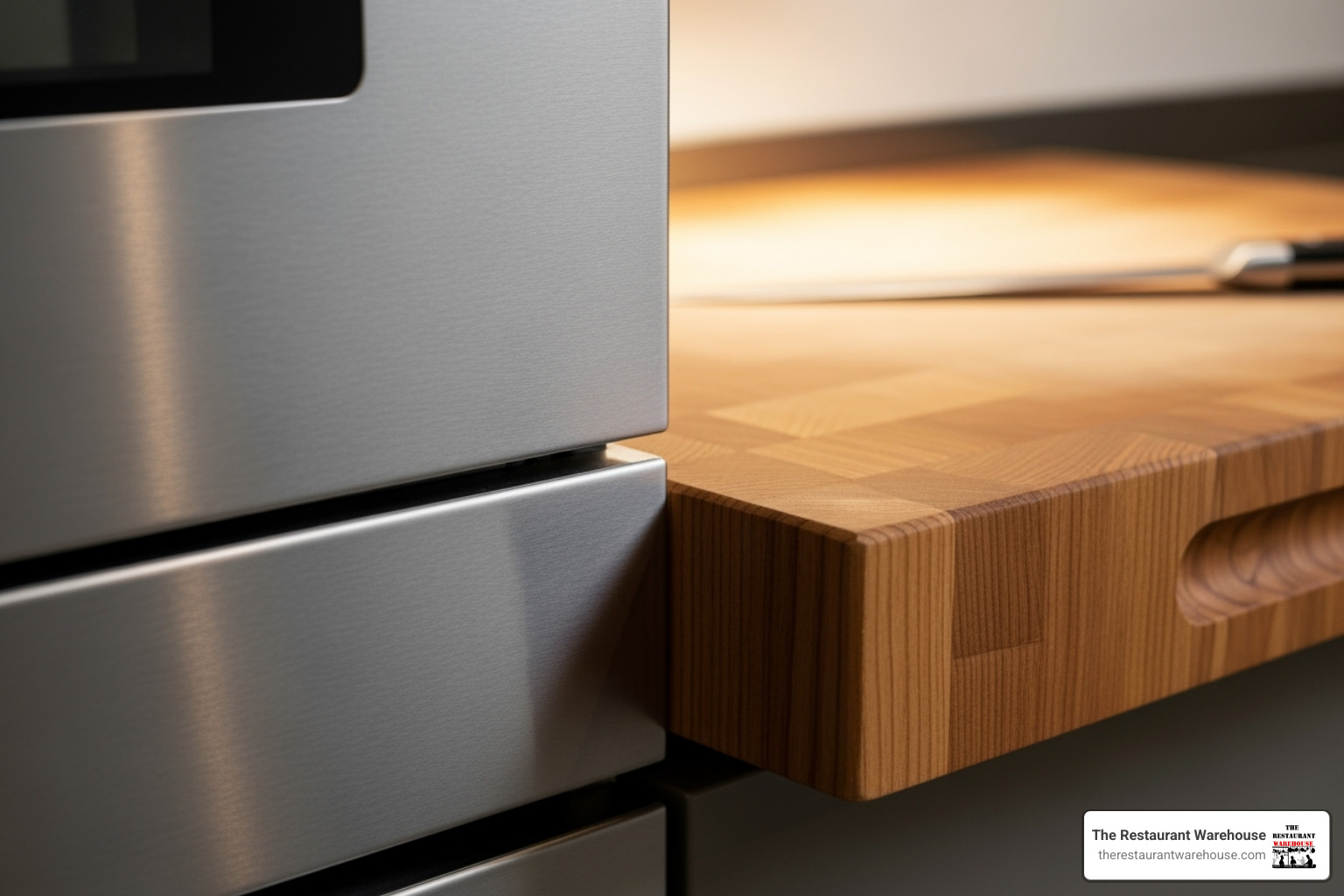
Stainless steel construction is essential for survival in a commercial kitchen. It resists dents, scratches, and corrosion, ensuring your investment lasts. Its non-porous surface is also critical for hygiene, as it gives bacteria nowhere to hide and makes cleaning effective. When food safety violations can shut you down, this matters.
Cutting board materials also deserve attention. High-density polyethylene provides a durable, knife-friendly surface that is easy to clean and sanitize. Look for boards that are thick and removable for thorough cleaning.
Internal construction is just as important. Quality insulation maintains consistent temperatures and reduces energy costs, while well-designed gaskets and heavy-duty hinges ensure proper sealing and smooth operation. Details like adjustable legs and quality casters separate units that last for decades from those that need constant attention. For more on this, our Stainless Steel Prep Table Guide covers everything from maintenance to long-term care.
When your sandwich station cooler works flawlessly, your team can focus on creating great food instead of wrestling with equipment issues.
Tip 2: Understanding Prep Table Tops and Refrigeration Systems
The magic of a sandwich station cooler happens in two key areas: the prep table top and the refrigeration system. These elements determine your ingredient capacity, temperature consistency, and monthly electric bill. The top is your command center, while the refrigeration system uses advanced technology for precision temperature control and energy-smart operation. For a deeper dive into how commercial refrigeration has evolved, see our guide on Freshness on Demand: Top Commercial Prep Fridge Options.
Standard Top vs. Mega Top: Maximizing Your Ingredient Storage
Choosing between a standard top and a mega top will shape your daily operations, from menu possibilities to service speed.
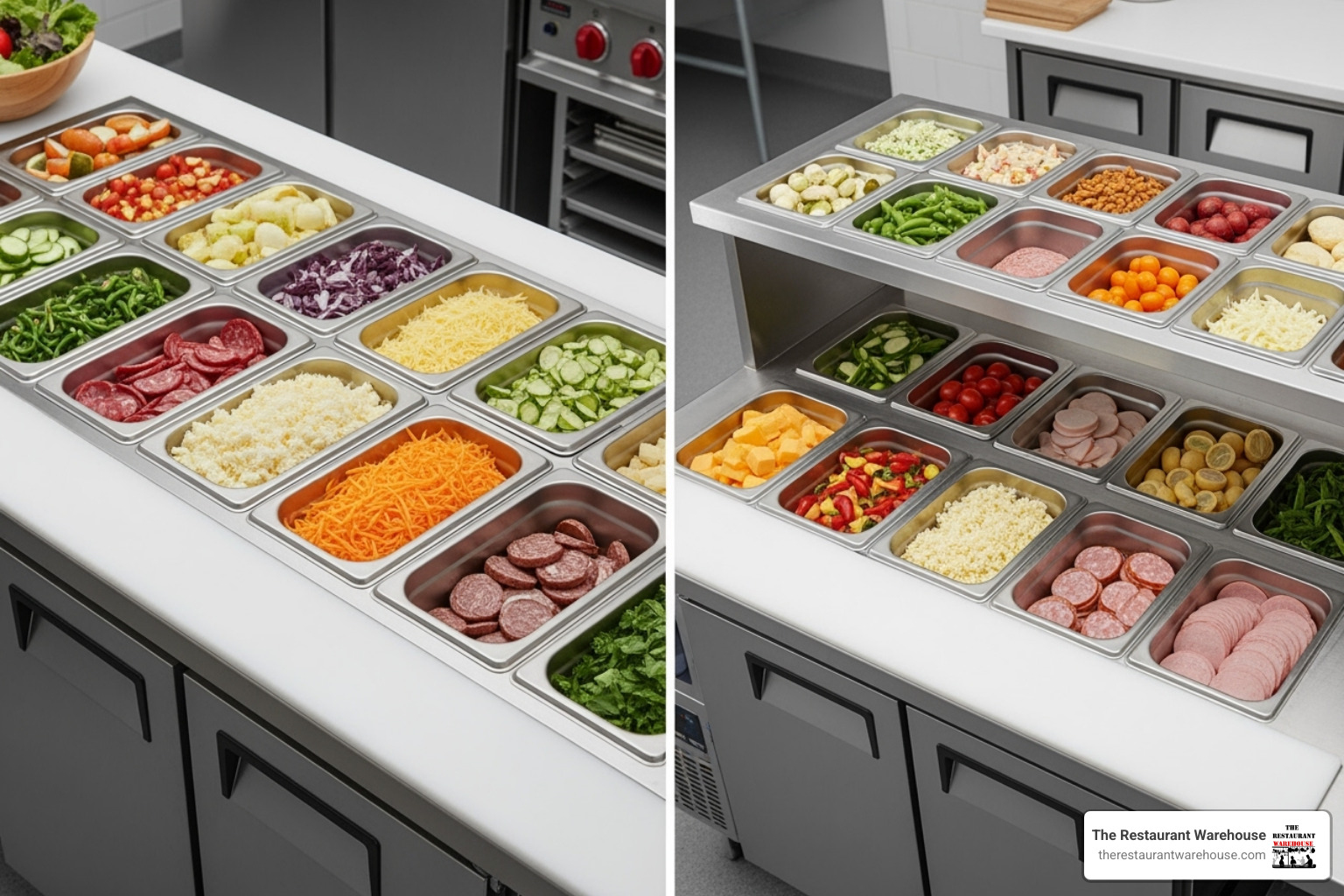
A standard top features one or two rows of ingredient pans (usually 1/6 size), leaving ample cutting board space. This is perfect for many restaurants with core ingredients like lettuce, tomatoes, and a few proteins. It provides a balance of ingredient access and workspace.
For more ambitious menus or build-your-own concepts, the mega top is a game-changer. It typically adds a third row of pans, expanding your at-hand ingredient options significantly without needing a longer unit. This means less time restocking and faster order completion. A mega top can open up new menu possibilities, allowing for more complex sandwiches and extensive customization.
If you find your team constantly running for additional toppings or if speed is critical during peak hours, a mega top is a wise investment. Our guide on how to Choose Sandwich Prep Station can help you weigh the factors for your specific situation.
Your Sandwich Station Cooler's Refrigeration and Energy Efficiency
The refrigeration system in your sandwich station cooler is an engineering marvel designed to keep ingredients fresh and safe. Understanding its features is key to a smart investment.
Modern units use forced-air refrigeration systems that continuously circulate cold air throughout the ingredient pans and storage compartments. This constant airflow eliminates hot spots and ensures every ingredient stays safely below 41°F, a critical factor for food safety and health inspections.
Energy efficiency is another major consideration. Energy Star certified units meet strict EPA guidelines and can reduce energy costs by 10-15% compared to standard models. Many newer coolers also use eco-friendly refrigerants like R290 hydrocarbon, which has a lower environmental impact and is often more energy-efficient.
Key efficiency features to look for include:
- Digital thermostats for precise temperature control, reducing compressor wear and energy use.
- Self-closing doors to prevent cold air loss when staff are busy.
- High-quality insulation (CFC-free polyurethane foam) to keep cold in and heat out.
Investing in an energy-efficient sandwich station cooler is a smart financial decision that pays for itself through lower utility bills, giving you more budget flexibility for other areas of your business.
Tip 3: How to Organize Your Sandwich Station Cooler for Peak Performance
Once you have the perfect sandwich station cooler, organizing it properly is the key to open uping its full potential. An intelligently arranged prep table optimizes workflow, upholds food safety, and boosts productivity. Think of your station as a conductor's podium, where every ingredient is ready to play its part. This translates to happier customers and a more profitable operation. For more advice on optimizing your kitchen, check out our Prep Table Kitchen Guide.
Arranging Ingredients for a Flawless Workflow
The art of arranging ingredients in your sandwich station cooler is about creating a seamless assembly line. A logical layout turns a chaotic process into an efficient ballet.
- Create a Logical Order: Arrange pans in the sequence you build a sandwich (e.g., bread, meat, cheese, veggies, sauces). This left-to-right or right-to-left flow minimizes wasted motion.
- Prioritize High-Use Ingredients: Place your most popular items in the most accessible, front-and-center spots.
- Prevent Cross-Contamination: This is non-negotiable. Keep raw proteins separate from ready-to-eat vegetables. Use dedicated utensils for each ingredient and avoid overfilling pans.
- Use Proper Pan Organization: Use the correct size pans that fit snugly in the rail. Do not mix different ingredients in the same pan.
- Label Everything: Clearly label every pan with the ingredient name and preparation/expiration date. This is crucial for food safety, inventory management, and stock rotation.
- Follow FIFO: Use the First-In, First-Out (FIFO) method. Place fresh ingredients at the bottom of the pan so older stock is used first, minimizing waste.
- Keep it Clean: Regularly wipe down the cutting board and pan edges. A clean station is a safe and professional station.
The Critical Role of Your Sandwich Station Cooler in Food Safety
Beyond workflow, the most important function of your sandwich station cooler is upholding food safety. It's your primary defense against foodborne illnesses.
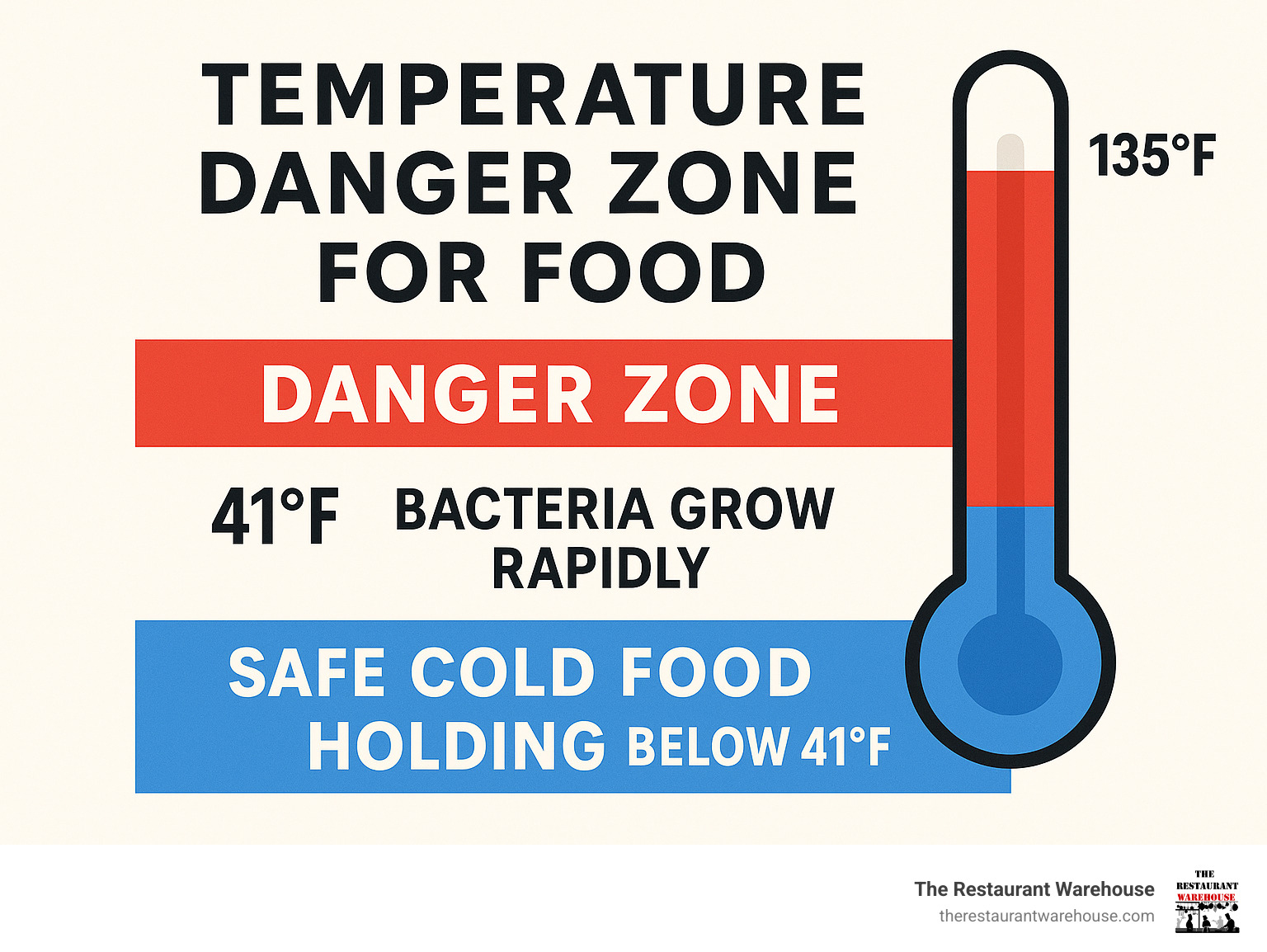
The core principle is avoiding the temperature danger zone (41°F to 135°F), where bacteria multiply rapidly. Your cooler is designed to keep cold foods safely below 41°F (5°C). The constant circulation of cold air around the pans ensures every ingredient remains fresh and safe.
NSF certification is a key indicator of a safe and reliable unit. This certification from NSF International means the equipment meets strict standards for material safety, hygienic design, and performance. It assures you and your health inspector that the cooler is easy to clean and capable of maintaining safe temperatures. It's often a requirement to pass health inspections. You can Learn about food equipment standards from NSF for more details.
Many models include features like insulated lids and night covers to provide extra insulation, maintain temperatures, and protect ingredients from contaminants during off-hours.
Tip 4: Essential Maintenance for Longevity and Hygiene
Investing in a quality sandwich station cooler is the first step; proper maintenance is what makes it a lasting one. Regular care is your insurance policy against unexpected breakdowns, high energy bills, and food loss. A little preventive care saves major headaches later, extending your equipment's lifespan and ensuring it maintains critical food safety temperatures. For a complete guide, visit our page on Sandwich Prep Table Maintenance.
Daily, Weekly, and Monthly Cleaning Checklists
Breaking down maintenance into a simple routine makes it manageable. Treat your cooler like a valuable member of your team.
- Daily Routine: At the end of each shift, remove and wash all ingredient pans. Sanitize the pans and wipe down the cutting board and stainless steel surfaces with a food-safe cleaner. Clear any food debris from the pan rail and undercounter storage.
- Weekly Deep Cleaning: Give your cooler a more thorough cleaning. Remove and scrub the pan rail (if removable). Clean the door and drawer gaskets to ensure a proper seal. Empty the undercounter storage and sanitize all interior surfaces. Brush or vacuum exterior vents to maintain good airflow.
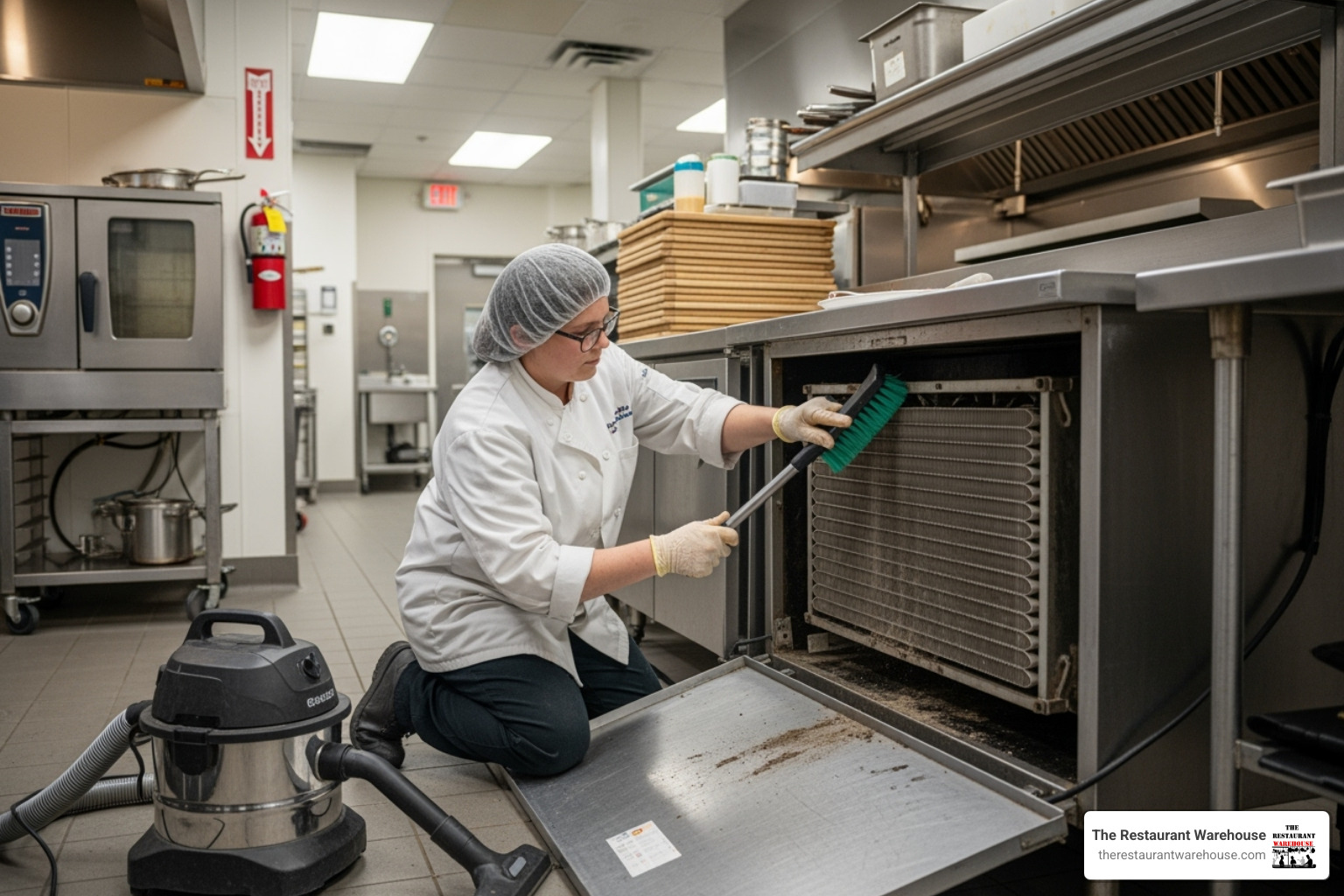
- Monthly Maintenance: Tackle the tasks that ensure long-term performance. The most important is cleaning the condenser coils. These coils, usually at the back or bottom, dissipate heat. When clogged with dust and grease, the compressor works harder, increasing energy costs and risking failure. Use a stiff brush or vacuum to clean them. Also, check and clean the condensate drain pan and tube to prevent clogs and water buildup.
Proactive Maintenance to Prevent Downtime
Proactive maintenance means staying ahead of problems instead of reacting to them. Look for potential issues before they become emergencies.
- Check Seals: Regularly inspect door and drawer seals for wear and tear. A simple test is to close a dollar bill in the door; if it pulls out easily, the seal may be failing. A bad seal wastes energy and compromises food safety.
- Calibrate Thermostat: Periodically check your unit's thermostat against a calibrated, independent thermometer. An inaccurate thermostat can lead to unsafe food temperatures.
- Listen to Your Equipment: Pay attention to changes in operating sounds. A compressor that runs constantly or makes unusual noises is an early warning sign of a potential problem.
- Basic Troubleshooting: Know how to handle simple issues, like checking the power cord or clearing a clogged drain. However, don't hesitate to call for professional service for more complex problems like refrigerant levels or electrical issues. A qualified technician can spot problems before they become expensive failures.
This proactive approach keeps your sandwich station cooler running efficiently, maintains food safety, and protects your investment.
Frequently Asked Questions about Sandwich Prep Tables
Choosing the right sandwich station cooler comes with questions. Here are answers to the most common ones we hear from restaurant owners.
What is NSF certification and why is it important for a sandwich prep table?
NSF certification means a sandwich station cooler has passed rigorous testing by NSF International, an independent public health organization. It's crucial because it verifies:
- Food Safety: The unit is designed to prevent bacterial growth and cross-contamination.
- Material Safety: Surfaces that touch food are non-toxic and won't leach harmful chemicals.
- Hygienic Design: The cooler is easy to clean thoroughly, with no hidden crevices for food to get trapped.
- Performance: The unit is proven to maintain safe food temperatures (below 41°F) under real-world conditions.
- Health Department Compliance: NSF certification is often required to pass health inspections, showing your commitment to customer safety.
How can I customize my prep table for a specific menu?
A sandwich station cooler is highly adaptable. You can customize it for your menu by using:
- Varied Pan Configurations: Mix and match different pan sizes (e.g., 1/6, 1/9, 1/3) to fit high- and low-volume ingredients.
- Overshelves: Add shelving above the unit to store bread, wraps, or utensils, keeping your workspace clear.
- Sneeze Guards: Essential for open kitchens, they protect ingredients from airborne contaminants and meet health codes.
- Drawer Dividers: Organize ingredients within drawers to prevent shifting and speed up access.
- Cutting Board Options: Some manufacturers offer different cutting board depths or materials to suit your prep style.
These units are also perfect for salad, burrito, or wrap stations. For pizza making, specialized Pizza Prep Stations offer features custom to that workflow.
What's the ideal temperature for a sandwich prep station?
The ideal temperature for a sandwich station cooler is between 33°F and 41°F (0.5°C to 5°C). This range is critical for two reasons:
- Food Safety: The FDA Food Code requires that cold, potentially hazardous foods be held at 41°F or below. This prevents the growth of harmful bacteria in the "danger zone."
- Ingredient Quality: This temperature range preserves the freshness, texture, and appearance of your ingredients, keeping lettuce crisp and tomatoes firm.
Modern units have digital thermostats for precise control, but it's always a good practice to double-check the temperature with a separate, calibrated thermometer to ensure accuracy and safety.
Conclusion
As we've seen, a sandwich station cooler is far more than just a refrigerator. It's the backbone of your sandwich and salad operations, a single piece of equipment that handles ingredient storage, prep work, and critical food safety.
Choosing the right size, configuration (standard vs. mega top, doors vs. drawers), and features is about setting your kitchen up for success. An energy-efficient model with an Energy Star rating and eco-friendly refrigerants translates into real savings on your utility bills. Most importantly, maintaining the crucial temperature range of 33°F to 41°F protects your customers and your reputation, making NSF certification invaluable.
Regular maintenance, from daily cleaning to monthly coil checks, is a small investment that prevents costly breakdowns and ensures your unit runs efficiently for years.
At The Restaurant Warehouse, we've seen how the right equipment can transform a kitchen. We're not just selling you a sandwich station cooler; we're helping you invest in your business's future. Our wholesale pricing gives you access to professional-grade equipment without the high retail markup.
Choosing the right prep table is a decision that pays dividends every day in freshness, speed, and consistency. Your customers will taste the quality that comes from a well-equipped and organized kitchen.
Ready to take your sandwich and salad game to the next level? Find the perfect sandwich prep table for your business and see how the right equipment can make your operations exceptional.
About The Author

Sean Kearney
Sean Kearney is the Founder of The Restaurant Warehouse, with 15 years of experience in the restaurant equipment industry and more than 30 years in ecommerce, beginning with Amazon.com. As an equipment distributor and supplier, Sean helps restaurant owners make confident purchasing decisions through clear pricing, practical guidance, and a more transparent online buying experience.
Connect with Sean on LinkedIn, Instagram, YouTube, or Facebook.