

Equip Your Seattle Eatery: Finding Quality Used Restaurant Gear
Why Seattle Restaurant Owners Are Turning to Used Equipment
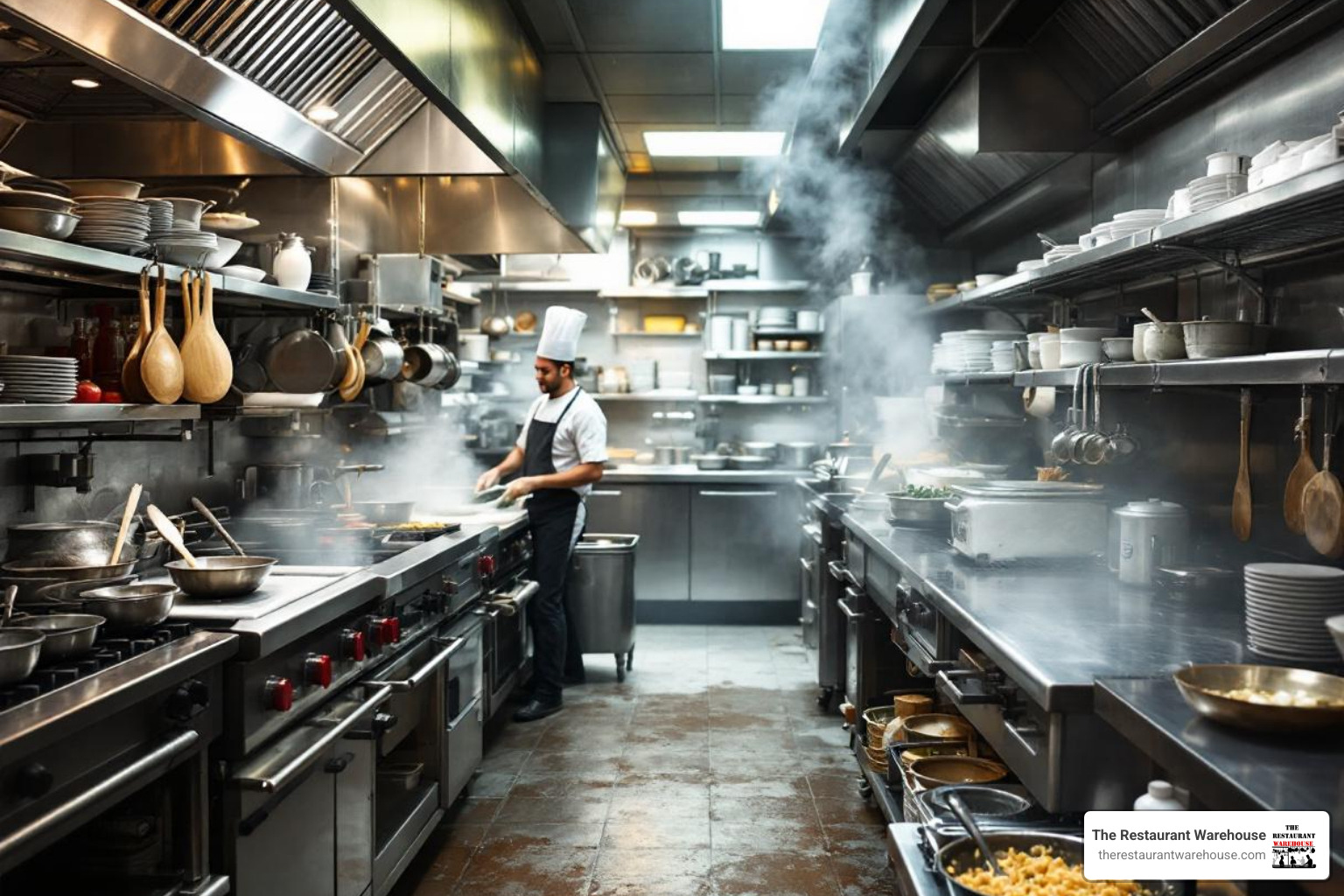
For budget-conscious restaurateurs, Seattle used restaurant equipment offers a practical path to launching or upgrading a foodservice business without breaking the bank. Seattle's thriving restaurant scene is home to approximately 2,300 restaurants, creating a competitive environment where every dollar counts. With startup costs climbing, purchasing used equipment is a strategic financial decision that preserves capital for crucial areas like marketing, staffing, leasehold improvements, and menu development.
The numbers tell a compelling story. While new restaurant equipment can drain a startup budget, quality used gear often offers savings of 25-75% without sacrificing performance. That difference can determine whether your concept survives its first year. Beyond the immediate cost benefits, buying used equipment supports Seattle's commitment to sustainability by reducing manufacturing demand and keeping functional equipment out of landfills.
However, not all used equipment is created equal. The difference between a smart investment and a costly mistake often comes down to knowing where to shop, what to inspect, how to verify compliance with local health codes, and which red flags to avoid. This guide will help Seattle restaurateurs steer the market to find reliable, affordable solutions that fit their unique needs and budgets while avoiding common pitfalls.
Seattle's neighborhoods—from Capitol Hill and Ballard to SoDo and the University District—have distinct restaurant ecosystems. A small coffee shop, a high-volume quick-service concept near a stadium, and a fine-dining restaurant on the waterfront will not share the same equipment priorities. Understanding how used equipment can align with your specific service model, menu, and space constraints is essential.
In the sections that follow, you'll learn how to:
- Analyze the financial case for buying used rather than new.
- Source Seattle used restaurant equipment from trustworthy local channels.
- Inspect and evaluate items before you commit.
- Understand warranties, returns, and realistic life expectancy.
- Calculate long-term value, including energy and maintenance costs.
By the end, you'll have a clear checklist and decision framework to help you confidently invest in the used equipment that will power your Seattle restaurant for years to come.
Seattle used restaurant equipment vocabulary and related topics:
For additional guidance on food safety standards and equipment regulations, the FDA's Food Code provides comprehensive guidelines that apply to restaurant equipment in commercial settings.
If you're in the planning or pre-opening stage, contact us today to discuss your Seattle used restaurant equipment strategy and identify a realistic budget that matches your concept.
The Smart Startup: Why Buying Used Restaurant Equipment in Seattle Makes Sense
For any aspiring restaurateur in Seattle, the dream of opening a vibrant eatery is often met with the stark reality of startup costs. Investing in Seattle used restaurant equipment is a strategic decision that provides a solid foundation for long-term success. It isn’t about cutting corners; it’s about making astute financial choices and preserving working capital for the aspects of your business guests actually see—service, atmosphere, and food quality.
By opting for pre-owned gear, you can significantly reduce your initial capital outlay, freeing up funds for marketing campaigns, competitive wages, training programs, or high-quality ingredients that differentiate your menu. This approach helps you achieve profitability faster and weather the early challenges of a new venture when cash flow is tight and unexpected expenses are common.
In an environmentally conscious city like Seattle, choosing used equipment also aligns with sustainability goals. It’s a tangible way to reduce your carbon footprint, promote a circular economy, and minimize waste, which resonates with customers who value eco-friendly practices. Many Seattle diners make purchasing decisions based not only on taste and price but also on whether a business reduces waste, sources responsibly, and operates efficiently.
Furthermore, used equipment has already undergone its steepest depreciation, offering a more stable asset value and potential tax advantages depending on how it is financed and categorized. When you combine lower upfront costs, sustainability benefits, and more predictable depreciation, the case for buying used becomes compelling.
Explore our Seattle used restaurant equipment solutions and start building a customized list for your concept.
The Financial Advantage for New Restaurants
Opening a restaurant in Seattle is a financially demanding endeavor. The initial investment in brand-new equipment can be staggering, especially when you factor in build-out, permits, licenses, and deposits. Seattle used restaurant equipment offers a clear financial advantage by shrinking one of your largest startup expense categories.
By choosing quality used gear, you can realize cost savings from 25% to 75% off the price of new items. Those savings can be reallocated strategically:
- Bolster your opening marketing push with professional photography, paid ads, and launch events.
- Offer competitive wages and benefits to attract skilled cooks, bartenders, and managers.
- Invest in point-of-sale technology and reservation systems that improve guest experience.
- Build a cash reserve for the first 6–12 months, when revenue is still stabilizing.
A leaner capital layout on equipment can reduce your breakeven point, shorten your path to profitability, and provide a cushion for surprises like utility deposits, additional inspections, or menu pivots.
Supporting Seattle’s Sustainability Initiatives
Seattle prides itself on environmental stewardship with city policies and community initiatives focused on waste reduction and energy efficiency. Choosing Seattle used restaurant equipment is a powerful way for restaurateurs to contribute to these values without sacrificing operational capability.
When you purchase used equipment, you participate in a circular economy, extending the lifespan of resources and diverting functional items from landfills. Each reused refrigerator, prep table, or dishwasher represents raw materials and manufacturing energy that do not need to be duplicated.
This lowers the collective carbon footprint by decreasing demand for energy-intensive new production and shipping. For restaurants, this can become part of a broader sustainability story that includes sourcing local ingredients, minimizing food waste, and choosing eco-friendly packaging.
This commitment to eco-conscious practices also resonates with Seattle's customers, who increasingly support businesses that align with their values. Highlighting your sustainable sourcing of equipment on your website or menu can subtly reinforce your brand identity and differentiate you in a crowded market.
Risk Management and Cash Flow Stability
Used equipment also plays a role in risk management. Restaurants face uncertain revenue patterns, especially in their first few years. By limiting your upfront equipment spend, you reduce the amount of debt or investor capital at risk if your concept needs to pivot or relocate.
Lower equipment costs mean:
- Smaller loan balances or more favorable terms with lenders.
- Less equity given up to investors.
- More flexibility to adapt your space or menu.
If you later decide to upgrade specific pieces, you’ve preserved enough capital to do so strategically, focusing on the items that most impact speed of service, consistency, or guest satisfaction.
If you’re evaluating your startup budget now, book a quick consultation to review your equipment list and identify where used options can safely replace new purchases: https://therestaurantwarehouse.com/pages/contact-us
Where to Find Quality Used Restaurant Equipment in Seattle
Navigating the market for Seattle used restaurant equipment can feel like a treasure hunt, but the key is knowing where to look and who to trust. While online classifieds might offer low prices, the safest and most reliable avenue is through established supply stores and specialized dealers that understand the foodservice industry.
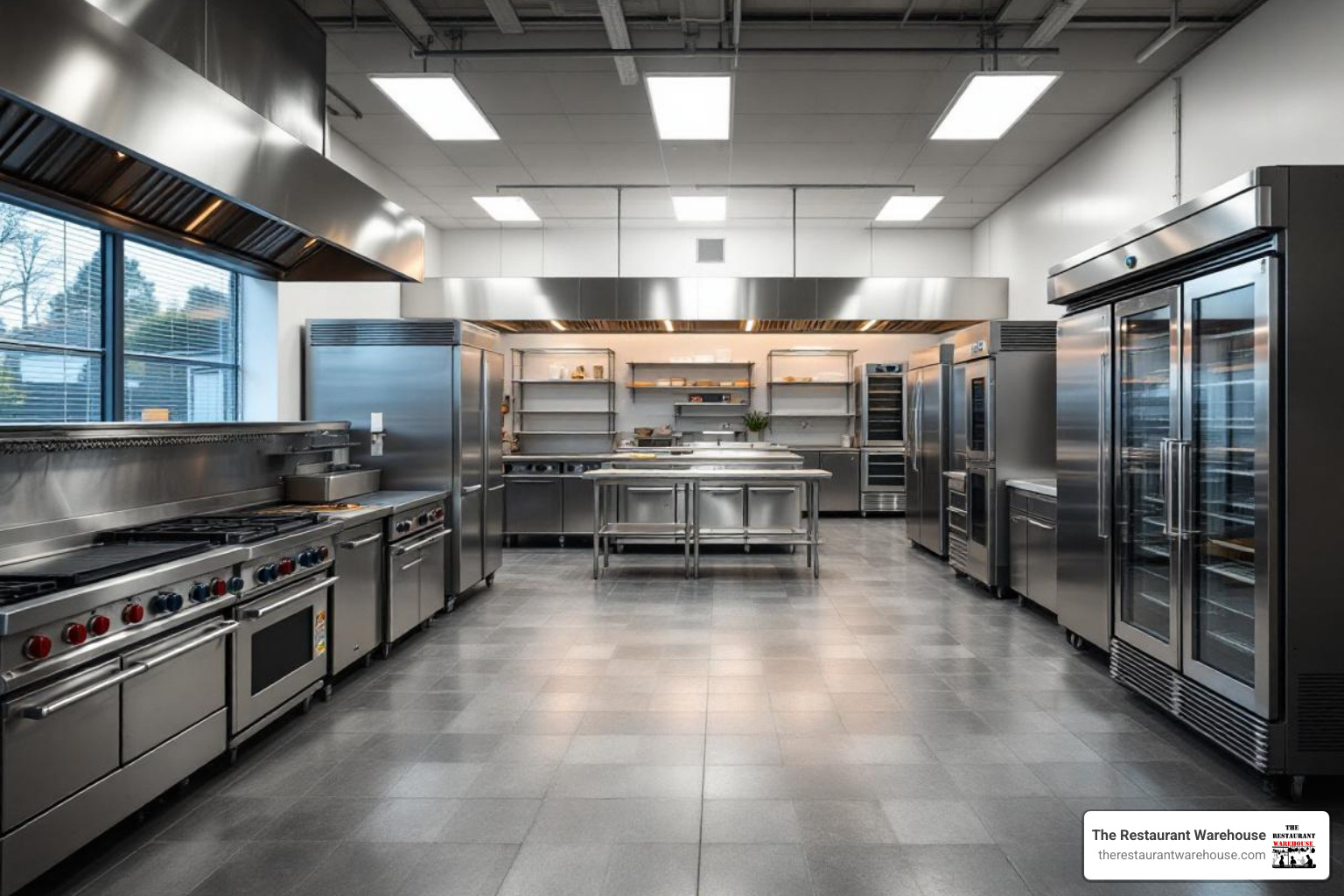
What sets these dealers apart is their commitment to inspection, cleaning, and restoration. You're not just buying a piece of equipment; you're investing in an item that has been evaluated by experienced technicians who understand the demands of a busy kitchen, bar, or café. They know how long different types of equipment typically last, which brands hold up best under constant use, and which models are prone to issues.
Their sales associates can provide practical input on layout, utility requirements, and throughput, helping you make informed decisions that align with your menu and service style. Visiting showrooms allows you to physically inspect the equipment, which is an invaluable experience that online photos can't replicate. You can open doors, test handles, check shelves and casters, and confirm overall build quality.
Browse our Seattle used restaurant equipment inventory to see current availability before visiting in person.
Why Choose a Reputable Dealer?
When seeking Seattle used restaurant equipment, chasing the lowest price from a private seller can be tempting—but it can also be risky. Choosing a reputable dealer is a strategic move that typically lowers risk and provides tangible benefits.
1. Professional inspection and servicing
Reputable dealers offer equipment that has been inspected, cleaned, and often serviced. You get gear that’s closer to “plug-and-play,” not a mystery box that might require immediate repairs. Some dealers perform rigorous restoration, repairing or replacing components as needed. You might also find “scratch and dent” items—nearly new gear with cosmetic blemishes—offering substantial savings.
2. Limited warranties and support
Many dealers provide limited warranties (typically 30–90 days) on used items. This safety net allows you to address unforeseen issues that surface after installation. While the warranty period is shorter than on new gear, it still offers protection you rarely get with “as-is” private sales.
3. Expert guidance on selection and compliance
The expert guidance from experienced sales associates is invaluable. They help you:
- Match equipment capacity to your projected volume.
- Verify electrical, gas, and water requirements.
- Understand cleaning and maintenance expectations.
- Confirm that items are appropriate for commercial use and can meet local inspection standards.
A trusted dealer becomes a long-term partner, helping you plan future expansions, replacements, and upgrades in a way that keeps your operation efficient and compliant.
Local Shopping Advantages
When shopping for Seattle used restaurant equipment, the advantages of buying locally are significant.
Hands-on inspection
The most obvious benefit is inspecting equipment in person to check for wear, rust, missing components, or damage not visible in photos. You can test doors, drawers, and controls; verify that casters roll smoothly; and check welds and seams.
Reduced logistics headaches
Another advantage is avoiding long-distance shipping costs and risks. Large items are expensive to transport, and freight damage is always a possibility. Local pickup or short-haul delivery saves money, simplifies scheduling, and mitigates logistical issues. Many warehouses even offer discounts for will-call pickups or for buying multiple pieces at once.
Faster problem resolution
If an issue arises after installation, a local dealer can often respond faster with troubleshooting, replacement parts, or swaps than a distant seller. This responsiveness can prevent prolonged downtime that would otherwise impact service and revenue.
Community and network building
Supporting local dealers also contributes to Seattle's economy and helps you build a network of trusted partners. Over time, this relationship can lead to:
- Early notice of incoming used inventory that fits your needs.
- Access to technician referrals for ongoing maintenance.
- Better package pricing when you need to expand or refresh your equipment mix.
If you’re ready to see options in person, schedule a visit to our Seattle warehouse to test equipment, compare brands, and build a package that fits your budget: https://therestaurantwarehouse.com/pages/contact-us
A Buyer's Guide: What to Look for When Purchasing Used Gear
Navigating the market for Seattle used restaurant equipment requires a discerning eye. A smart purchase balances cost savings with reliability, safety, and long-term operating expenses. This guide covers the common types of used equipment available and the critical factors to consider before buying.
Common Types of Used Restaurant Equipment Available in Seattle
Seattle's dynamic restaurant scene ensures a consistent supply of quality Seattle used restaurant equipment. As concepts evolve, close, or remodel, they release gently used gear back into the market. This creates a strong opportunity to acquire essential items at a fraction of the cost.
Common categories include:
- Refrigeration units: Reach-in refrigerators, freezers, undercounter models, and back-bar coolers to safely hold ingredients and beverages.
- Sandwich prep tables: Essential for delis, salad concepts, and cafes where cold ingredients need to be stored and assembled quickly.
- Deep fryers: A staple for many cuisines, used for items like fries, wings, tempura, and snacks.
- Griddles: Useful for breakfast items, burgers, and flat-top cooking where even heat distribution is important.
- Stand mixers: Indispensable for bakeries, pizza shops, and operations doing large-batch doughs, batters, and whipped products.
- Food slicers: For efficiently slicing meats, cheeses, and some vegetables at consistent thickness.
- Used dishwashing machines: Vital for sanitation and keeping up with plate, glass, and utensil volume.
- Stainless steel shelving and sinks: Durable storage, prep, and washing solutions that withstand heavy daily use.
You may also find specialty items like ice makers, warming cabinets, and stainless work tables. With patience and planning, you can outfit an entire kitchen support area with quality used gear that supports your menu and service model.
Explore our full range of used restaurant equipment: https://therestaurantwarehouse.com/collections/seattle-used-restaurant-equipment
Key Factors to Consider Before You Buy
Before purchasing Seattle used restaurant equipment, pause to consider these key factors to avoid future headaches and unplanned expenses:
Condition vs. age
Condition is more important than age. A well-maintained older unit can outperform a newer, neglected one. Look for units with clean interiors, solid hinges, and intact seals. “Scratch and dent” items can be ideal—cosmetic flaws with little impact on performance.Maintenance history
If possible, ask about the service history, including any recent repairs or part replacements. Equipment that has been regularly cleaned and maintained often has a longer remaining lifespan and may be less prone to sudden failure.Energy efficiency
Older equipment may consume more energy than newer, more efficient models. Ask about energy ratings and factor long-term utility costs into your decision. In a city with high utility rates, even modest improvements in efficiency can translate into meaningful monthly savings.Space and dimensions
Measure your kitchen or bar space carefully, including doorways, elevators, and tight hallways. Ensure the equipment will fit through all access points and allow for proper workflow once installed.Utility requirements
Confirm your facility can accommodate the equipment's electrical, gas, or water hookups without costly modifications. Verify voltage, phase, and amperage for electrical items, and ensure you have appropriate gas connections and shutoffs where needed.Food safety compliance
Ensure equipment meets health standards and has certifications like NSF where applicable. Poorly maintained gear can lose its rating or become difficult to keep clean. For broader context on food equipment standards related to sanitation and transport, you can review guidance from the U.S. Food & Drug Administration (FDA): https://www.fda.gov/food/food-safety-modernization-act-fsma/fsma-final-rule-sanitary-transportation-human-and-animal-foodBrand reputation and parts availability
Choose reputable brands known for durability and wide parts availability. Even when buying used, the ability to obtain replacement gaskets, switches, and other components quickly can significantly reduce downtime.Noise level and placement
Some equipment is louder than others, which matters for open kitchens, bars, and counter-service concepts. When possible, power on units to gauge noise and consider where they will be placed relative to guests.
The Inspection Process for Used Restaurant Equipment
A thorough inspection of any Seattle used restaurant equipment is non-negotiable. Use this checklist when evaluating items:
Visual inspection
Check for rust, dents, cracks, or missing parts. On refrigeration, inspect door gaskets for tears or brittleness. Look for signs of corrosion or leaks around connections.Interior condition
Open doors and drawers to examine interior surfaces. Excessive staining, cracked liners, or warped racks may signal heavy use or poor care. Check for odors that might be difficult to remove.Test mechanical parts
Turn on motors, check fans, and operate knobs and levers to ensure they function smoothly without excessive noise. For moving parts, listen for grinding, squealing, or rattling.Check seals and gaskets
On refrigeration and dishwashers, ensure gaskets are pliable and create a tight seal when doors are closed. Worn gaskets can lead to temperature loss, higher energy use, and inconsistent performance.Verify electrical and gas components
Inspect power cords for fraying, exposed wires, or damaged plugs. If possible, plug in the unit to ensure it powers on and cycles correctly. For gas items, visually inspect connections; have a qualified professional handle gas tests and hookups.Listen for unusual noises
Run the equipment long enough to reach typical operating conditions and listen for clanking, grinding, or loud humming that can indicate internal issues.Request a live demonstration
The best way to assess functionality is to see it in action. Ask the seller for a demo to check how quickly it cools, heats, or cycles and whether indicator lights and controls behave as expected.Confirm included accessories
Ensure racks, baskets, trays, shelves, and any specialty attachments that are expected for the unit are actually included. Replacing missing accessories can be more expensive than anticipated.
Following this inspection process significantly increases your chances of acquiring reliable equipment. Bring a checklist with you so you don’t miss important steps while on-site evaluating multiple items.
If you’d like a structured checklist to use during your next buying trip, reach out and request our free Seattle used restaurant equipment inspection guide: https://therestaurantwarehouse.com/pages/contact-us
The Fine Print: Warranties, Guarantees, and Long-Term Value
When investing in Seattle used restaurant equipment, understanding the fine print on warranties and return policies is as important as assessing the equipment's physical condition. Reputable dealers often provide limited warranties (typically 30–90 days), offering a crucial window to identify defects that may not be obvious during a short showroom test.
Always clarify what the warranty covers. Some warranties address parts only, while others may cover parts and labor within a certain radius. Ask whether on-site service is included or if you’ll be responsible for transporting equipment back to the dealer. Also clarify whether improper installation by non-qualified personnel can void coverage.
In contrast, private sales are usually “as-is,” leaving you responsible for all repairs from the moment you take possession. A single major repair can quickly erase any initial savings you gained from a lower purchase price. Factor this risk into your pricing comparisons.
Understanding Return and Exchange Policies
Before finalizing a purchase, review return and exchange policies. Important questions include:
- Is there a restocking fee if you return or exchange an item?
- How long do you have to report functional issues after delivery?
- Are returns allowed only for functional defects or also for sizing/fit problems?
Clear policies reduce ambiguity and help you plan your installation timeline. For multi-unit projects or full-kitchen packages, consider phasing deliveries so you can test initial pieces before receiving the rest.
Long-Term Value and Total Cost of Ownership
Consider the long-term value of reliable brands and robust construction. Investing in used equipment from well-known manufacturers often means better durability, easier access to parts and service, and more predictable performance. Even if a no-name unit is cheaper upfront, difficulty in sourcing parts can lead to extended downtime and lost revenue.
When calculating total cost of ownership, factor in:
- Initial purchase price.
- Estimated remaining lifespan.
- Energy consumption (monthly utilities).
- Routine maintenance and cleaning needs.
- Likely repair costs over the next 3–5 years.
Sometimes, paying slightly more for a higher-quality used unit from a respected brand is the more economical decision over its remaining life.
Financing and Leasing Options
If upfront capital is still a concern, financing or leasing can be an attractive alternative, even for certain categories of used equipment. These options allow you to acquire what you need with lower monthly payments, preserving cash for operations. Financed or leased equipment may be deductible, but you should consult with a tax professional regarding how Section 179 or other applicable rules might apply to your specific situation.
The key is to match the expected lifespan of the equipment with the length of the financing term so that you are not making payments on items that are near the end of their useful life.
Contact us today to discuss your equipment needs and explore used purchasing, financing, or package options tailored to your Seattle restaurant: https://therestaurantwarehouse.com/pages/contact-us
Frequently Asked Questions about Seattle Used Restaurant Equipment
Here are answers to common questions about buying used equipment in Seattle.
What are the biggest risks of buying used equipment?
The main risks of buying Seattle used restaurant equipment include a lack of warranty (especially from private sellers), a higher potential for immediate repairs, hidden defects not visible on inspection, and lower energy efficiency leading to higher utility bills. Older equipment may also have outdated technology or fail to meet current health codes.
How much can I realistically save by buying used?
Savings on Seattle used restaurant equipment can be substantial, typically ranging from 25% to 75% off the price of new gear. The exact amount depends on the item's type, condition, brand, and market demand. Simple items like shelving offer higher savings, while complex machinery offers less. Always factor in potential repair and transport costs when calculating your total savings.
Is it better to buy used from a dealer or a private seller?
This depends on your risk tolerance.
- Dealers: Offer inspected, cleaned, and sometimes serviced equipment, often with a limited warranty. This is a lower-risk option with expert guidance, though prices may be slightly higher.
- Private Sellers: Offer potentially the lowest prices but are almost always "as-is," with no warranty. You assume all risk for hidden defects and repairs.
For most restaurateurs, the peace of mind and reduced risk from a reputable dealer outweigh the potential savings of a private sale.
Conclusion
Equipping a Seattle restaurant doesn't have to break the bank. Investing in Seattle used restaurant equipment is a strategic decision that offers substantial cost savings, a faster return on investment, and strong alignment with the city's sustainability goals. In a competitive market where margins are thin and guest expectations are high, making smart, informed decisions about your equipment mix can be the difference between struggling and thriving.
By choosing reputable local dealers, carefully inspecting each purchase, and understanding warranties and long-term operating costs, you can confidently navigate the used equipment market. Thoughtful planning helps you avoid common pitfalls like overspending on new gear, underestimating utility costs, or buying items that don’t fit your space or service model.
When you approach equipment buying with a clear strategy—prioritizing condition, efficiency, compliance, and reliability—you turn used items into valuable assets that support consistent service and smooth operations. Instead of draining your budget, your equipment plan can free capital for the elements that guests notice most: warm hospitality, memorable food and drink, and a welcoming environment.

At The Restaurant Warehouse, we are dedicated to being your trusted partner, supplying quality restaurant equipment and food service supplies at prices that support your vision. Whether you’re opening your first café in Capitol Hill, expanding a multi-unit concept in Ballard, or refreshing a long-standing neighborhood favorite, our team can help you assemble a package of used equipment that meets your needs and budget.
Get a quote for your Seattle restaurant today and explore our Seattle used restaurant equipment solutions: https://therestaurantwarehouse.com/collections/seattle-used-restaurant-equipment
If you’re still in the planning phase, book a strategy call to review your layout, capacity needs, and equipment priorities so you can move forward with confidence: https://therestaurantwarehouse.com/pages/contact-us
About The Author

Sean Kearney
Sean Kearney is the Founder of The Restaurant Warehouse, with 15 years of experience in the restaurant equipment industry and more than 30 years in ecommerce, beginning with Amazon.com. As an equipment distributor and supplier, Sean helps restaurant owners make confident purchasing decisions through clear pricing, practical guidance, and a more transparent online buying experience.
Connect with Sean on LinkedIn, Instagram, YouTube, or Facebook.
Leave a comment