

The 12-Inch Deep Tall Cabinet: A Buyer's Guide
You might know it as a pantry cabinet, a utility closet, or a linen tower, but its official name points to its greatest strength: the 12-inch deep tall cabinet. This versatile workhorse is one of the most adaptable storage solutions you can find. In a home, it can organize a kitchen, declutter a laundry room, or create a tidy entryway. In a commercial setting, it’s perfect for a restaurant’s dry storage, an office supply closet, or a cafe’s back-of-house area. This guide explores the many roles this cabinet can play, helping you find the right materials, style, and interior setup for your specific needs.
Why a 12-Inch Deep Tall Cabinet Solves Your Space Problem
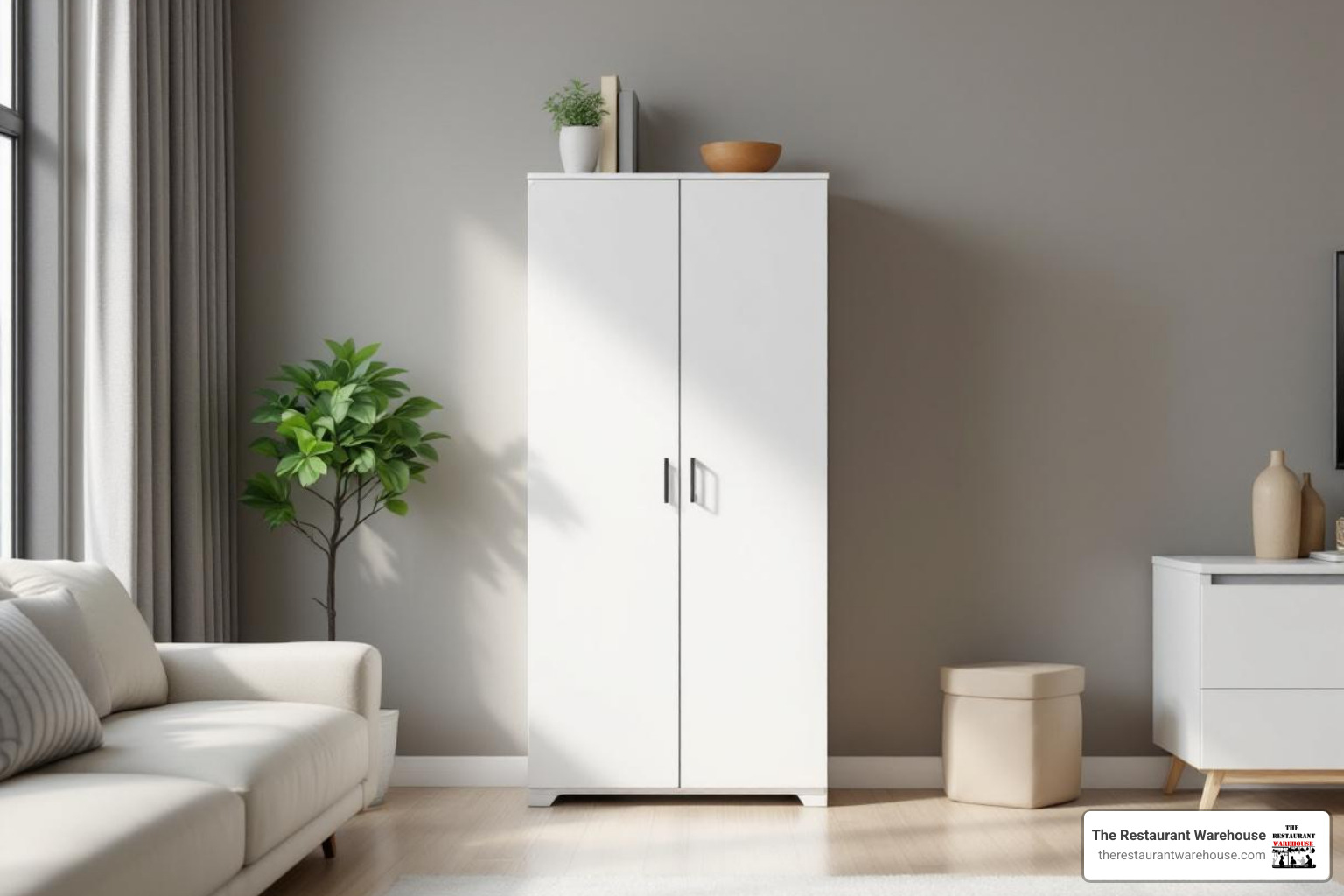
A 12 inch deep tall cabinet is a vertical storage solution designed to maximize space in narrow areas while keeping items easily accessible. Here's what makes them ideal for tight spaces:
- Space-Efficient Design: Takes up minimal floor space (12 inches deep) while utilizing full wall height (typically 72-96 inches tall).
- Best For Storing: Single rows of pantry items, canned goods, spices, linens, toiletries, cleaning supplies, office materials, and small appliances.
- Common Locations: Kitchens, bathrooms, hallways, laundry rooms, entryways, offices, and light commercial spaces like breakrooms.
- Typical Dimensions: Heights of 72", 84", or 96" | Widths of 12", 18", or 24" | Depth of 12" (12.75" with doors).
- Materials: Melamine, MDF, plywood, or particleboard with various finishes.
- Interior Options: Adjustable shelves, pull-out drawers, wire baskets, or fixed shelving.
When space is at a premium, a 12 inch deep tall cabinet delivers serious storage without stealing precious floor area. Unlike standard 24-inch deep cabinets that jut out into your room, these slim profiles fit perfectly in tight spots where every inch counts. You can walk past them comfortably in narrow hallways or squeeze them between appliances in compact kitchens.
The shallow depth isn't a limitation—it's actually a feature. Everything stored inside remains visible and within easy reach. No more digging through layers of forgotten items at the back of a deep cabinet. This makes them perfect for pantries where you need to see all your canned goods at a glance, or bathroom storage where you want quick access to towels and toiletries. A well-chosen 12 inch deep tall cabinet can transform cluttered, awkward spaces into highly functional storage areas, creating a more efficient, organized environment that works for your specific situation.
12 inch deep tall cabinet terms made easy:
Why Go Vertical? The Advantages of a 12-Inch Deep Cabinet
In today's homes and even light commercial spaces, every square inch matters. We are constantly looking for ways to organize belongings without sacrificing floor space, especially in tight work areas and compact kitchens. This is where the 12 inch deep tall cabinet truly excels. Its slim profile and vertical reach make it a smart solution for maximizing storage in places where standard, deeper cabinets simply will not fit.
The core advantage is its ability to optimize vertical storage while keeping a very small footprint. Instead of spreading items across valuable floor area, these cabinets build upward, turning unused wall space into functional storage. This does more than just hold more items; it helps spaces feel more open and less cluttered. In a busy kitchen, hallway, or office, this kind of cabinet is a practical way to keep essentials organized and easy to reach.
Fit Storage into Any Nook
A 12 inch deep tall cabinet is engineered to occupy minimal floor space, typically about 12 inches deep (around 12.75 inches with doors). That makes it ideal for narrow spaces and high-traffic areas where every inch counts.
- Hallways and Entryways: In a narrow hallway, a standard-depth cabinet can obstruct movement and make the area feel cramped. A 12-inch deep cabinet fits close to the wall, providing hidden storage for shoes, bags, or cleaning tools without crowding the passage.
- Laundry Rooms: In small laundry areas, this slimmer profile allows you to add storage along a side wall for detergents, fabric softeners, and cleaning supplies without blocking machines or doors.
- Small Kitchens: Between appliances or next to a refrigerator, a 12 inch deep tall cabinet can create a pantry zone where a deeper cabinet would not fit. Because it does not jut into the room, it maintains clear walkways and a streamlined look.
This unobtrusive design supports both function and aesthetics. Spaces feel neater and more intentional, which is especially helpful in open-concept layouts and smaller homes where visual clutter quickly becomes overwhelming.
Think Up, Not Out
A defining feature of a 12 inch deep tall cabinet is its height. With typical heights of 72, 84, or 96 inches, these cabinets take advantage of wall space that often goes unused.
- Floor-to-Ceiling Storage: Tall cabinets can be planned to reach close to the ceiling, creating a storage column that uses nearly all available wall height.
- Storing Lesser-Used Items Up High: Upper sections are ideal for items you do not need every day, such as seasonal serving pieces, extra paper goods, or backup supplies. This keeps frequently used items accessible on lower shelves.
- Visual Impact: Vertical lines draw the eye upward, creating a sense of height and helping compact rooms feel more spacious.
By thinking in terms of cubic footage instead of just floor area, you can often fit more than expected into a narrow footprint. For restaurants and cafes, this same approach can help reclaim back-of-house walls for organized storage, without crowding aisles.
Find Everything You Need, Instantly
The shallow depth of a 12 inch deep tall cabinet is a major advantage for accessibility and organization.
- Easy Visibility: Items are usually stored in a single row from front to back. When you open the doors, everything is visible at a glance. There are no hidden layers of cans, boxes, or supplies behind the first row.
- First-In, First-Out Storage: Because goods are easy to see, it is simpler to rotate stock and use older items first. This is especially helpful for pantry items or cleaning supplies, where expiration or product aging can be a concern.
- Simple Inventory Management: In home pantries, you can quickly see which ingredients are running low. In offices and light commercial spaces, it becomes easier to track the status of paper goods, condiments, or disposable supplies.
In a kitchen, that means every can, jar, and spice is easy to reach and less likely to be forgotten. In a linen or bathroom cabinet, folded towels and toiletries stay tidy instead of getting buried at the back. Over time, the cabinet's shallow depth naturally supports good habits, because there is simply less opportunity for clutter to build up out of sight.
What's Out There? A Look at Pricing and Variety
Once you start looking for a 12-inch deep tall cabinet, you’ll find a surprisingly large market waiting for you. This isn’t a niche item found in specialty stores; it’s a popular storage solution available in countless styles, materials, and price points. The sheer variety means you can find a cabinet that fits your specific needs, whether you’re organizing a home pantry, a restaurant breakroom, or a small office supply closet. From basic, no-frills utility cabinets to more decorative pieces that blend with your existing decor, there’s a model out there that will feel like it was made for your space. This wide selection empowers you to solve your storage problems without compromising on budget or aesthetic.
Understanding the Price Range
The cost of a 12-inch deep tall cabinet can vary quite a bit, with prices generally ranging from under $100 to over $250. At the lower end, you’ll find basic models made from materials like particleboard or MDF, which are perfect for purely functional spaces. As you move up in price, you’ll see better materials like solid wood or plywood, along with premium features such as soft-close doors, pull-out shelving, and more durable finishes. For business owners, managing costs is always a priority. It’s helpful to know that effective storage solutions don’t have to break the bank, and smart planning can make a big difference. If you're outfitting a larger space, exploring options like restaurant equipment financing can help you manage cash flow for all your operational needs, from storage to major appliances.
Market Size and Popularity
If you’re wondering whether these cabinets are a good choice, their popularity speaks for itself. A quick search on a major online retailer like Amazon reveals just how in-demand they are, with hundreds of different models available—one search showed 790 different listings. Many of the most popular cabinets have been purchased hundreds of times in a single month. This isn't just a trend; it's a testament to their effectiveness. Homeowners and business managers alike are discovering that these slim, vertical units are a practical and efficient way to conquer clutter in tight spaces. Their widespread adoption means you can feel confident that you’re investing in a proven storage solution that solves a very common problem.
Choosing Your Path: Stock, Semi-Custom, or Fully Custom
When you’re ready to choose a cabinet, you’ll generally encounter three main categories: stock, semi-custom, and fully custom. Each path offers a different balance of cost, convenience, and personalization. Understanding the differences will help you decide which option is the best fit for your project’s timeline, budget, and specific requirements. A stock cabinet might be perfect for a quick and simple storage fix, while a custom build could be the ideal solution for a unique or challenging space. Thinking through your priorities upfront will make the selection process much smoother and ensure you end up with a cabinet that works perfectly for you.
Stock Cabinets: The Quick and Affordable Option
Stock cabinets are the most straightforward and budget-friendly choice. These are pre-made, mass-produced units that you can buy right off the shelf from big-box home improvement stores or online retailers. Because they are ready to go when you need them, they are the perfect solution for projects with a tight deadline. The trade-off for this convenience and low cost is a limited selection of sizes, colors, and styles. You won’t find much room for personalization here. However, if your goal is to add functional storage to a laundry room, garage, or employee breakroom quickly and affordably, a stock cabinet is an excellent and practical option.
Semi-Custom Cabinets: A Balance of Choice and Cost
If stock options feel too limiting but a fully custom cabinet isn't in the budget, semi-custom cabinets offer a fantastic middle ground. This category provides more choices for colors, finishes, and features than stock cabinets, allowing you to create a more personalized look. You might be able to select different door styles, hardware, or even add organizational inserts. This lets you tailor the cabinet to your space without the high price tag or long lead time of a fully custom project. A semi-custom cabinet is a great choice for a kitchen pantry or a front-of-house area in a small café where you want the storage to coordinate with your decor.
Custom Cabinets: Tailored to Your Exact Needs
For spaces with unique dimensions or for those who want complete control over the final product, custom cabinets are the ultimate solution. With this option, you get to pick everything: the exact dimensions, the type of wood, the color, the finish, and any special features you can imagine. A craftsman will build the cabinet to your precise specifications, ensuring it fits perfectly into any nook, cranny, or awkward corner. This is the most expensive and time-consuming route, but it guarantees a one-of-a-kind piece that meets your exact needs. Just like selecting the perfect commercial refrigerator for a professional kitchen, sometimes a custom solution is the only way to achieve maximum efficiency and a flawless fit.
Finding Your Perfect Match: Materials, Styles, and Finishes
Choosing the right 12 inch deep tall cabinet involves more than just picking a size. To get long-lasting performance and a look that fits your space, you will want to consider materials, door styles, finishes, and interior fittings. These choices affect durability, maintenance, and how well the cabinet matches your decor and daily workflow.
What's Your Cabinet Made Of? A Guide to Materials
The material used for your 12 inch deep tall cabinet influences strength, weight, price, and resistance to daily wear and moisture.
- Particleboard: A budget-friendly option made from wood particles bonded with resin. It works well where cost is a priority. When paired with quality finishes like melamine, its resistance to scratches and stains improves, though it is still more vulnerable to moisture than some alternatives.
- Melamine (TFL - Thermally Fused Laminate): A popular, practical choice for cabinet boxes. A particleboard or MDF core is fused with a tough surface layer, creating a hard, easy-to-clean finish that stands up well to everyday use.
- Medium-Density Fiberboard (MDF): Built from fine wood fibers and resin, MDF is dense and uniform, offering a smooth surface ideal for painted or thermofoil finishes. It resists warping and is often used for doors and panels with routed details.
- Plywood: Considered a premium box material, plywood is constructed from thin layers of wood veneer with alternating grain directions. It offers excellent strength, good screw-holding power, and better moisture resistance than many particleboard cores.
- Solid Wood: Less common for full cabinet boxes due to cost and movement with humidity, but very popular for doors and face frames. It delivers a classic, natural appearance and can be stained or painted to suit your style.
Material thickness also matters. Many quality cabinets use 3/4-inch panels for the sides, shelves, and backs, which helps a tall, slender unit remain sturdy over time. For more detail on assessing cabinet construction quality, you can review guidance from organizations such as the Canadian Kitchen Cabinet Association: Learn about cabinet quality standards from the Canadian Kitchen Cabinet Association.
Sustainable and Eco-Friendly Materials
When you're choosing a 12 inch deep tall cabinet, the material you pick does more than just define its look—it reflects your values. Opting for sustainable and eco-friendly materials is a great way to create a healthier environment for your staff and customers while also making a responsible choice for the planet. One of the most popular sustainable options is bamboo. Because it's a fast-growing grass, not a tree, it's a highly renewable resource. It’s also surprisingly strong—often more durable than hardwoods—and has a natural resistance to moisture, which is a huge plus in a busy kitchen or breakroom. Beyond its practical benefits, bamboo offers a clean, modern aesthetic that can brighten up any space, making it one of the top choices for eco-friendly cabinet materials.
If you want a cabinet with more character, reclaimed wood is an unbeatable option. This material is salvaged from old buildings or furniture, giving beautiful wood a second life instead of sending it to a landfill. Each piece has its own unique history, with distinct grain patterns and knots that bring a warm, authentic feel to your space. On the engineered side, materials like plywood and Medium Density Fiberboard (MDF) can also be great sustainable choices. Many MDF products are made from recycled wood fibers, and plywood offers excellent strength. The key for both is to look for options made with low-VOC (volatile organic compounds) adhesives. This simple check ensures you're choosing from a range of sustainable cabinet materials that won't release harmful chemicals into your air.
Focusing on low-VOCs is crucial for maintaining healthy indoor air quality, which is especially important in a commercial setting where staff and guests spend hours each day. VOCs are chemicals found in some glues and finishes that can be released into the air over time. To avoid this, always look for cabinets that are certified formaldehyde-free, as formaldehyde is one of the most common and harmful VOCs. Adopting sustainable cabinetry practices like this means you're actively reducing indoor pollutants. By prioritizing these healthier materials for your 12 inch deep tall cabinet, you're not just getting organized—you're investing in a safer, more pleasant environment for everyone.
Doors and Finishes to Match Your Decor
The doors and finish of your 12 inch deep tall cabinet play a large role in how it looks in your kitchen, hallway, office, or storage room.
- Shaker Style Doors: With a flat center panel and simple frame, Shaker doors offer a clean, timeless look. They blend well with both traditional and transitional interiors.
- Flat-Panel (Slab) Doors: Smooth, unadorned panels create a modern, minimalist appearance. They are easy to wipe down and work well in contemporary or commercial-style spaces.
- Glass-Front Doors: Great for displaying neatly arranged dishes, glassware, or pantry staples. Glass inserts can make a tall cabinet appear lighter and help break up long runs of solid doors.
- Open Shelving Sections: Leaving a portion of the cabinet open provides quick access to everyday items and an opportunity to display decorative pieces or neatly stacked dishware.
Finishes can shift the overall tone of the cabinet:
- Painted Finishes: Offer virtually endless color options, from bright whites to deep accent hues. Paint can create a crisp, uniform appearance.
- Wood Stains: Show off the natural grain and warmth of wood. Lighter stains give an airy feel, while darker stains offer a richer, more formal look.
- Thermofoil: A heat-applied vinyl layer over MDF, giving a smooth, durable, and low-maintenance surface. It can mimic wood grain or provide solid colors.
- Laminate: Another tough, easy-care finish option that comes in a wide variety of patterns and textures, including realistic wood looks and solid colors.
Most cabinet lines allow you to select your own hardware. With un-drilled doors, you can choose handles or pulls that coordinate with existing fixtures, supporting a cohesive design across your space.
Popular Color Choices
The color of your cabinet can completely change the feel of a room. Timeless neutrals like crisp white, soft gray, and warm greige remain top contenders because they create a bright, clean backdrop that fits nearly any style. If you want more personality, colors inspired by nature are gaining ground. Deep greens and rich navy blues bring a touch of modern character and a calming feel to a space. For a bolder statement, classic black offers a sophisticated look that pairs exceptionally well with stainless steel appliances, making it a great choice for both home kitchens and commercial breakrooms. Of course, natural wood finishes are also a fantastic option, as they provide warmth and texture that makes any area feel more grounded and inviting.
Make the Inside Work for You
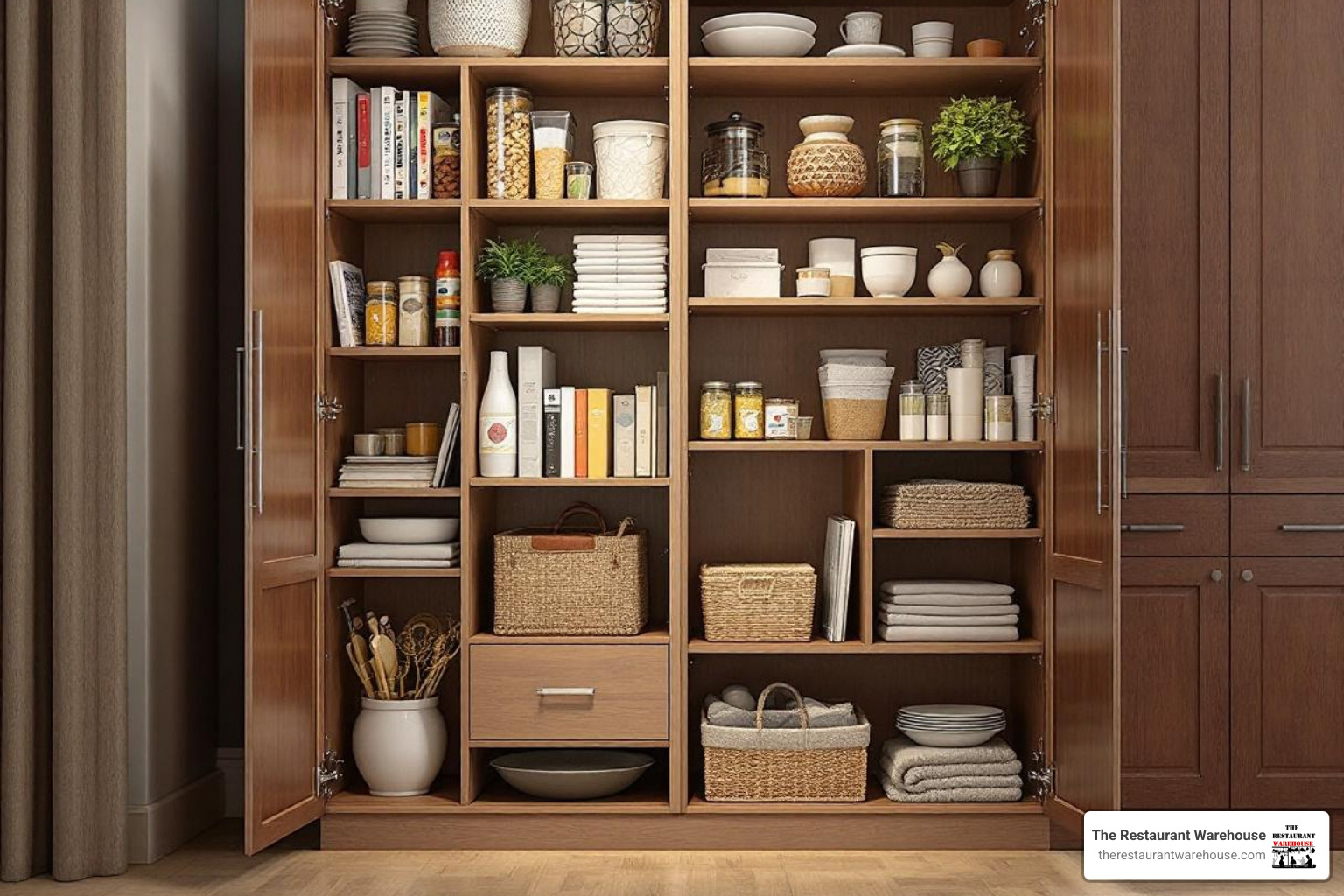
The interior layout of a 12 inch deep tall cabinet largely determines how useful it will be day to day. Because the cabinet is shallow, each interior component has a direct impact on how efficiently you can use the full height.
- Adjustable Shelves: A core feature for flexibility. You can raise or lower shelves to fit cereal boxes, storage containers, tall cleaning bottles, or stacks of towels.
- Fixed Shelves: Provide extra strength and rigidity, especially helpful in taller cabinets or where heavier items are stored.
- Pull-Out Drawers: Ideal for smaller or loose items that could clutter a shelf. Drawers that extend fully bring contents out to you, which is particularly helpful in narrow spaces.
- Wire Baskets: Common in pantry and utility configurations. The open sides provide ventilation and excellent visibility for produce, packaged snacks, or cleaning supplies.
- Roll-Out Trays: Shallower than full drawers, these trays work well for baking sheets, trays, or small appliances that you want to keep off the counter but close at hand.
- Interior Lighting: Slim LED strips or puck lights can make a tall cabinet much easier to use, especially if it is installed in a dim hallway or corner.
Popular interior fittings for a 12 inch deep tall cabinet include:
- Adjustable full-width shelves
- Heavy-duty fixed shelves
- Full-extension pull-out drawers
- Wire pull-out baskets
- Shallow roll-out trays
- Door-mounted spice racks or small organizers
- Integrated or retrofit LED lighting
By selecting the right combination for your needs, you can turn even a very narrow footprint into a highly efficient storage zone that supports both home and light commercial use.
The Magic of Soft-Close Doors and Drawers
One small feature that makes a huge difference in the daily experience of using your cabinets is a soft-close mechanism. Instead of slamming shut with a jarring bang, doors and drawers with this hardware glide quietly and gently into place. This is usually achieved with a hydraulic damper built into the hinge or drawer slide. The benefit goes beyond just noise reduction; it also minimizes wear and tear on the cabinet frame and doors, helping your investment last longer. In a busy restaurant kitchen or even a quiet home office, eliminating the constant sound of slamming cabinets creates a calmer, more focused environment. This feature, once reserved for high-end custom cabinetry, is now a common indicator of quality construction you can find in many ready-to-assemble lines, proving you don't need to overspend for a touch of refinement.
Exploring Specialty Cabinet Types
The 12-inch deep cabinet isn't just a one-size-fits-all box. This versatile format is adapted into several specialty types to solve specific storage challenges in kitchens, utility rooms, and breakrooms. For example, you can find tall pantry cabinets that are just 12 inches deep but come equipped with pull-out spice racks or tiered shelving for maximum organization. Another common variation is the utility cabinet, designed with a tall, open section to store brooms, mops, or an ironing board. Some tall cabinets are even designed to be built around appliances like a wall oven or microwave, creating a seamless, integrated look that makes the most of vertical space. These specialized designs show how a slim footprint can still deliver highly functional, customized storage solutions for any room.
Smart Storage Ideas for Every Room
The 12 inch deep tall cabinet is highly adaptable. It works in homes, offices, and light commercial spaces where you need to store many items without giving up floor space. With the right layout, one tall, slim cabinet can often replace several smaller storage pieces.
The Perfect Pantry, Linen Closet, or Book Nook
In residential settings, a 12 inch deep tall cabinet can simplify organization in several key rooms.
- Kitchen Pantry: Perfect for single rows of dry goods, canned foods, snack boxes, and baking supplies. The shallow depth helps you see everything at once, so ingredients are less likely to be overlooked. You can also dedicate a lower shelf or tray to small appliances like blenders or food processors to keep countertops clear.
- Bathroom Storage: Use tall, narrow cabinets for folded towels, extra toiletries, paper products, and cleaning items. This consolidates clutter that might otherwise spread across open shelves or limited counter space.
- Hallway or Entryway: A slim cabinet near an entry can hold shoes, bags, umbrellas, or outerwear accessories. Hooks or trays inside the doors keep small items from piling up by the front door.
- Home Office or Craft Room: Store files, binders, craft supplies, or packing materials vertically. Clear bins or labeled baskets on shallow shelves make it simple to find what you need.
- Laundry Room: Use a tall cabinet to group detergent, stain removers, dryer sheets, and cleaning tools in one spot. This keeps the laundry area looking tidy while still keeping everything close at hand.
By tailoring shelf spacing and interior accessories to each room, a single cabinet footprint can handle a surprising range of tasks.
Also Known As: Pantry and Utility Cabinets
You will often hear a 12 inch deep tall cabinet called a "pantry cabinet" or "utility cabinet," and for good reason—these names perfectly capture their primary roles. In a kitchen, its shallow depth and tall frame make it the ideal pantry. It’s designed to hold single rows of cans, jars, and boxes, keeping everything visible and preventing items from getting lost in the back. This design is all about quick access and easy inventory checks, which is just as critical in a busy home kitchen as it is in a commercial one.
The term "utility cabinet" highlights its incredible versatility. These cabinets are workhorses in laundry rooms, garages, and hallways, storing everything from cleaning supplies to tools. In a restaurant setting, a slim utility cabinet can be a lifesaver for organizing dry goods, linens, or disposables in a tight back-of-house space, fitting neatly beside a commercial refrigerator without blocking traffic flow. Ultimately, whether you call it a pantry or a utility cabinet, its function remains the same: to provide efficient, vertical storage in spaces where every inch is valuable.
Think Outside the House: Garages, Offices, and More
The usefulness of a 12 inch deep tall cabinet extends into offices and light commercial environments that need organized storage in narrow or high-traffic areas.
- Office Breakrooms: Store coffee, tea, condiments, cups, napkins, and paper towels in neat rows. The shallow depth means staff can quickly see what needs restocking.
- Staff Lockers or Personal Storage: Multiple narrow cabinets can serve as personal storage columns for employees, holding bags, coats, and small personal items.
- Supply Closets: Keep office supplies, cleaning products, or packaging materials in tall, clearly labeled sections. This helps reduce over-ordering, since it is easier to see what is on hand.
- Cafe or Small Retail Backrooms: A 12 inch deep tall cabinet is ideal for storing packaged dry goods, disposable cups, napkins, and paper products where space behind the counter or in a stockroom is limited.
- Salon or Spa Supply Organization: Use tall cabinets to store towels, products, and tools, keeping treatment areas uncluttered and professional.
While enclosed cabinets are perfect for a clean, concealed look, some settings benefit from open, heavy-duty storage for bulk items or equipment that must stay in easy reach. In those cases, you can pair tall cabinets with sturdy open shelving to get the best mix of hidden and visible storage. Explore options for commercial-grade shelving for maximum accessibility.
For personalized guidance on selecting the right mix of cabinets and shelving for your space, you can Contact Us for storage solution advice. The team at The Restaurant Warehouse can help you compare options and choose configurations that support both current needs and future growth.
How to Shop Like a Pro
Shopping for a 12 inch deep tall cabinet online can feel like searching for a needle in a haystack. With so many options, it’s easy to get overwhelmed. But with a few smart strategies, you can narrow down your choices and find the perfect cabinet for your space and budget. These tips will help you sort through the noise and make a confident purchase, whether you're outfitting a home pantry or a commercial breakroom.
Use Online Filters to Your Advantage
The best way to start your search is by using the filters available on most retail websites. Instead of scrolling through hundreds of irrelevant items, you can quickly zero in on what you need. Start with the most important criteria, like height, width, and depth, to ensure the cabinet will physically fit in your space. From there, you can refine your search by material, brand, price range, and special features like adjustable shelves or specific door styles. Think of it as creating a custom catalog just for you. This approach is just as useful when you shop for restaurant equipment, allowing you to sort by specific dimensions or features to find the perfect prep table or freezer for your kitchen layout.
Look for Quality Indicators and Reviews
When you can’t see a cabinet in person, customer reviews and quality badges are your best friends. Look for products that have a high star rating—generally four stars or more—and a significant number of reviews. Some sites even highlight products that are frequently purchased and rarely returned, which is a strong signal of customer satisfaction. Don’t just look at the star rating; read through the comments. Pay attention to what people say about the assembly process, the sturdiness of the materials, and whether the color matched the online photos. Reading a mix of positive and negative feedback will give you a realistic picture of what to expect from the product.
Don't Be Afraid to Ask for Help (or a Sample!)
If you’re on the fence about a purchase, don’t hesitate to reach out for more information. Many companies that sell ready-to-assemble (RTA) cabinets will let you order a sample door for a small fee. This is a fantastic way to see and feel the quality of the material and finish before committing to a large purchase. For other questions about specific dimensions, hardware, or shipping, use the website’s chat feature or call customer service. A reputable seller will be happy to provide the details you need to make an informed decision. This direct line of communication is crucial for ensuring you get exactly what you need for your space.
Keep an Eye Out for Deals
Getting a great piece of furniture doesn’t have to mean paying full price. As you browse, keep an eye out for banners that announce limited-time deals, seasonal sales, or clearance events. Signing up for a company’s email newsletter is another great way to get notified about upcoming promotions and receive exclusive discount codes. For larger purchases, especially for a business, it’s also worth looking into payment options. Many suppliers offer equipment financing, which can make a big investment more manageable by spreading the cost over time. A little patience and planning can lead to significant savings without compromising on quality.
Getting It Right: Measurement, Installation, and Safety
Once you have selected a 12 inch deep tall cabinet, it is important to understand basic sizing, installation steps, and safety practices. A properly fitted and securely anchored cabinet will perform better and be safer over the long term.
Will It Fit? Checking Your Dimensions
Although 12 inch deep tall cabinets share a shallow depth, their height and width vary so they can adapt to different rooms.
- Heights: Typical heights are 72 inches (6 feet), 84 inches (7 feet), and 96 inches (8 feet). Some manufacturers also offer 90-inch options. You can choose a lower height for rooms with obstacles like bulkheads or a higher cabinet to take advantage of full ceiling height.
- Widths: Common widths start at 12 inches for very tight spaces, and often include 15, 18, and 24 inches, with some systems offering wider sizes up to 30 or 36 inches.
- Depth Comparison: At around 12 inches deep (about 11.75 to 12.75 inches including doors), these cabinets are noticeably shallower than standard base or pantry cabinets, which are often around 24 inches deep. When planning, remember to factor in door swing and any nearby fixtures, appliances, or walkways.
Careful measuring is essential. Note ceiling height, baseboards, and any nearby obstacles such as radiators, outlets, and door casings to ensure the cabinet fits smoothly into your layout.
Planning Your Layout: Kitchen Shape and Appliance Placement
The slim profile of a 12-inch deep tall cabinet makes it a strategic partner to larger kitchen equipment. Think about placing it right next to your main refrigerators or freezers. This creates an instant, highly accessible pantry zone for dry goods without adding the bulk of a standard 24-inch cabinet that could block traffic flow. In a commercial kitchen, this setup is incredibly efficient. You can store spices, oils, and other non-perishables right beside your cold storage, keeping everything you need for prep work within a few steps. This approach not only saves space but also streamlines your kitchen's workflow by organizing ingredients logically around key work stations.
Tools and Tips for Easy Installation
Installing a 12 inch deep tall cabinet can often be handled as a DIY project if you are comfortable with basic tools, though professional installation is always an option.
- Ready-to-Assemble (RTA) vs. Pre-Assembled: RTA cabinets ship in flat packs and require assembly, which can reduce shipping costs and often total price. Pre-assembled units arrive built and ready to install but may be bulkier to move and position.
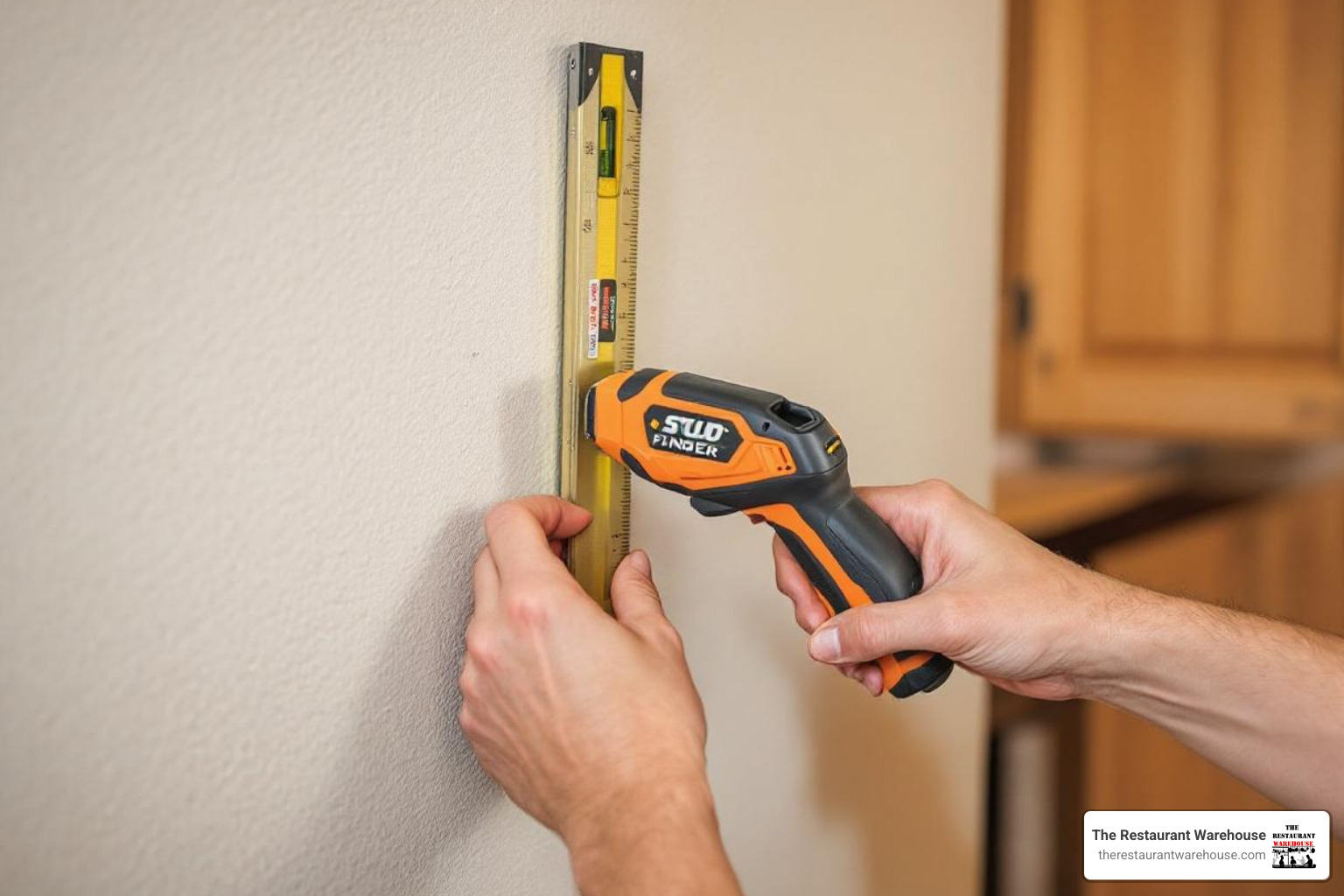
- Tools Required: A tape measure, level, stud finder, drill, screwdriver, and shims are usually needed. For a very precise fit against uneven walls, a scribing tool can be helpful.
- Leveling the Cabinet: Before fastening the cabinet, use shims or adjustable legs (if included) to ensure it is level from side to side and front to back, and plumb vertically. Proper leveling helps doors align and close smoothly.
- Dealing with Baseboards and Walls: If baseboards prevent the cabinet from sitting flush against the wall, you may need to notch the back of the side panels or remove a small section of baseboard. In older buildings with uneven walls, slight scribing or careful shimming ensures a tighter, more professional fit.
Taking the time to align and support the cabinet correctly at installation will help it stay square and stable, even under regular use.
Installation Styles: Wall-Mounted vs. Freestanding
When it comes to installation, you have two main choices: freestanding or wall-mounted. A freestanding cabinet offers the most convenience, as it requires no installation at all. You simply place it where you need it, which is perfect for renters or anyone who likes to rearrange their space from time to time. This flexibility allows you to adapt your storage as your needs change without committing to a permanent fixture. Freestanding units can also act as a standalone decorative piece, adding character to a room while providing valuable storage.
In contrast, a wall-mounted cabinet is secured directly to the wall. This approach frees up the floor entirely, creating a clean, built-in look and making sweeping or mopping underneath much easier—a real plus in busy kitchens or hallways. Wall-mounted options are fantastic for optimizing vertical space in rooms where every square inch of the floor is precious. The most important factor here is safety; these cabinets must be properly anchored into wall studs to ensure they are stable and can handle the weight of their contents, preventing any risk of tipping.
Safety First: How to Anchor Your Cabinet to the Wall
Tall, narrow cabinets must be anchored properly to reduce the risk of tipping, especially in homes with children or pets and in busy workplaces.
- Tip-Over Risk: Opening doors, pulling out drawers, or placing heavy items on higher shelves can shift the center of gravity forward. Without anchoring, this can make a tall cabinet unstable.
- Wall Anchoring Hardware: Many cabinets include anti-tip kits or wall brackets. If yours does not, you can purchase a universal furniture anti-tip kit. These typically use straps or brackets to tie the cabinet to the wall.
- Locating Wall Studs: Use a stud finder to identify solid anchoring points. Screwing directly into wood or metal studs provides the most secure connection. When a stud is not available, choose heavy-duty wall anchors rated for the expected load.
By securing your 12 inch deep tall cabinet to the wall, you protect both people and stored items. For detailed safety guidance on preventing furniture tip-overs, you can review recommendations from the U.S. Consumer Product Safety Commission: Read safety guidelines on preventing furniture tip-overs from the CPSC.
If you are outfitting multiple cabinets for a home, office, or foodservice space and want help planning safe, efficient storage, you can reach out directly to The Restaurant Warehouse through their website to discuss configuration and installation options.
Frequently Asked Questions about 12-Inch Deep Tall Cabinets
We understand that investing in a 12 inch deep tall cabinet often raises practical questions. Below are concise answers to some of the most common topics.
How much can a 12-inch deep tall cabinet typically hold?
Capacity depends on the cabinet's height, width, and interior setup, but these units are designed for efficient, single-row storage along each shelf.
In a kitchen or pantry, they are well suited for:
- Standard cans and jars
- Boxes of pasta, cereal, and baking ingredients
- Rows of spices and condiments
- Compact appliances such as hand mixers or blenders
In other areas, they can hold:
- Folded towels, sheets, or light blankets
- Toiletries, cleaning supplies, and paper goods
- Files, binders, and office supplies
Because items are stored one deep rather than stacked behind each other, the usable capacity often feels greater than with deeper cabinets, since there is less wasted space and very little is forgotten at the back.
Are 12-inch deep cabinets strong enough for heavy items?
A 12 inch deep tall cabinet can support typical household and light commercial loads when built from quality materials and installed correctly.
- Materials: Plywood and thicker MDF or melamine boxes usually provide higher strength and better screw-holding power than thin particleboard.
- Construction: Look for cabinets with solid backs, good joinery, and shelves at least 3/4 inch thick for stronger support.
- Installation and Anchoring: Properly leveling and anchoring the cabinet to wall studs distributes weight and reduces stress on fasteners.
For very heavy loads, such as large stacks of paper, bulk supplies, or dense pantry items, follow the manufacturer's shelf weight ratings and place heaviest items on lower shelves.
Can I add features like drawers to a basic cabinet later?
Yes. Many cabinet systems are designed with flexibility in mind, allowing you to add or adjust interior features over time.
- Modular Designs: Pre-drilled shelf pin holes make it easy to move shelves or add extra ones as your needs change.
- Aftermarket Organizers: Wire pull-out baskets, shallow roll-out trays, and door-mounted organizers can often be added to existing cabinets with minimal tools.
- Custom Drawers: If the cabinet is compatible, you can install full-extension drawer boxes and slides to upgrade some shelves into pull-out storage.
This adaptability allows your 12 inch deep tall cabinet to evolve with your space, whether you are reorganizing a home pantry or adjusting storage in a small office or cafe.
If you are planning multiple cabinets and want to be sure you can expand or reconfigure them later, you can contact The Restaurant Warehouse to discuss cabinet lines and accessories that support long-term flexibility.
Is a 12-Inch Deep Tall Cabinet Right for You?
A 12 inch deep tall cabinet offers a powerful mix of space savings, organization, and versatility. By combining a slim footprint with generous vertical height, it provides meaningful storage in tight spaces where traditional cabinets may not fit, from small kitchens and hallways to office breakrooms and compact backrooms.
We have looked at how the shallow depth improves visibility and inventory control, how material and finish choices affect durability and appearance, and how adjustable shelves, pull-outs, and baskets can transform the interior into a customized storage system. Proper installation, leveling, and wall anchoring keep these tall cabinets safe and reliable for everyday use.
Whether you are refreshing a home pantry, planning storage for a laundry room, or organizing supplies in a light commercial setting, a 12 inch deep tall cabinet is a practical, adaptable option that helps you make the most of every inch of wall space.
If you are ready to explore options or compare configurations, you can browse storage and shelving solutions at The Restaurant Warehouse: https://therestaurantwarehouse.com/. When you are planning a larger project or want custom advice, do not hesitate to reach out through their contact page to discuss your layout, budget, and goals so you can choose the best cabinets and accessories for your space.
Key Takeaways
- Maximize Storage in Narrow Areas: A 12-inch deep tall cabinet uses vertical wall space to add significant storage without taking up valuable floor area, making it perfect for tight kitchens, hallways, or breakrooms. Its shallow design keeps all your items visible and easy to grab.
- Choose Features That Fit Your Function: You can find a cabinet that works for your specific needs by selecting the right materials, door styles, and interior organizers. Features like adjustable shelves or pull-out drawers help you create a truly personalized storage solution.
- Install It Correctly for Safety and Stability: A successful setup starts with accurate measurements to ensure the cabinet fits your space. For safety, it is essential to securely anchor any tall, narrow cabinet to the wall studs to prevent it from tipping over.
Related Articles
About The Author

Sean Kearney
Sean Kearney is the Founder of The Restaurant Warehouse, with 15 years of experience in the restaurant equipment industry and more than 30 years in ecommerce, beginning with Amazon.com. As an equipment distributor and supplier, Sean helps restaurant owners make confident purchasing decisions through clear pricing, practical guidance, and a more transparent online buying experience.
Connect with Sean on LinkedIn, Instagram, YouTube, or Facebook.