
Commercial Sink Buying Guide
Commercial sinks are one of the most important pieces of equipment in any professional kitchen. They support cleaning, sanitizing, food prep, and employee hygiene while helping your operation stay compliant with local health regulations.
Why Commercial Sinks Matter
A restaurant causing a foodborne outbreak through contaminated food or water is a serious risk. Proper sink setup helps reduce cross-contamination and ensures food contact surfaces, utensils, and cookware are cleaned and sanitized correctly.
Types of Commercial Sinks
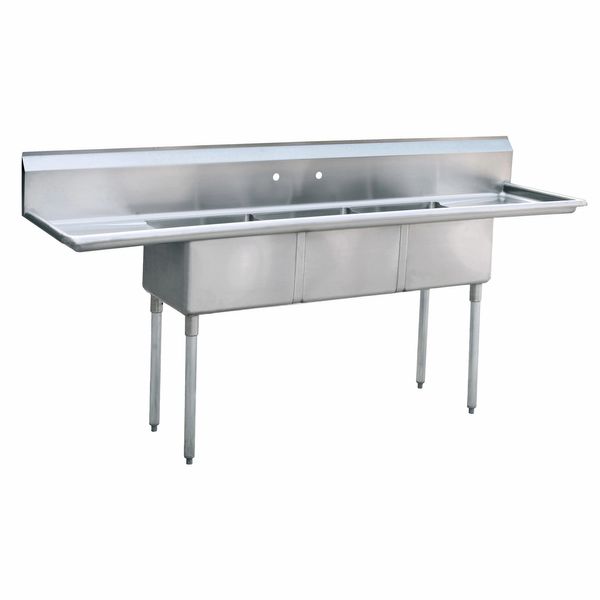
- 3 compartment sinks: Used for wash, rinse, and sanitize procedures
- 1 compartment sinks: Ideal for prep, utility, and specialty washing tasks
- Hand sinks: Required for employee handwashing and hygiene
3 Compartment Sink Requirements
Many local health codes require a 3 compartment sink to be available if warewashing equipment fails. These sinks allow operators to follow the standard wash, rinse, and sanitize process for dishes, utensils, and kitchen tools.
Proper Washing and Sanitizing
The standard three-step warewashing process includes washing in detergent solution, rinsing with clean water, and sanitizing for the required contact time. This process is essential for reducing bacteria and maintaining food safety standards.
Stainless Steel Construction
Commercial sinks are typically made from stainless steel because it is durable, corrosion-resistant, and easy to clean. This makes stainless steel sinks ideal for the high demands of restaurant kitchens and back-of-house operations.
Choosing the Right Sink
The right sink depends on your kitchen layout, menu, and local code requirements. Some kitchens need a full warewashing station, while others may need separate prep and handwashing sinks to improve workflow and compliance.
Why Choose a Commercial Sink?
A commercial sink helps improve sanitation, support health code compliance, and keep your kitchen organized. Whether you need dishwashing capacity, prep support, or employee hygiene stations, the right sink setup is essential for a safe and efficient foodservice operation.