

Your Ultimate Guide to Comfortable and Professional Chef Pants
Why Comfortable Chef Pants Matter for Your Kitchen Team
Comfortable chef pants are a cornerstone of professional kitchen workwear, designed with breathable fabrics, flexible fits, and practical features to help staff stay cool, protected, and mobile during long shifts. The right pair can make a significant difference in a demanding environment where temperatures often rise and movement is constant.
Quick Guide to Choosing Chef Pants:
- Fabric: Prioritize cotton for breathability, poly-cotton blends for durability, or polyester/spandex for stretch and moisture-wicking.
- Fit: Choose baggy for maximum airflow, slim for a modern look, or joggers for athletic comfort.
- Waistband: Select elastic for ease, a drawstring for adjustability, or a combination for a secure, flexible fit.
- Pockets: Consider 2–6 pockets based on the tools you need to carry.
- Price Range: Expect to pay $19–$70, with most quality options falling between $25–$45.
Working in a professional kitchen often means spending 10–12 hours on your feet. Your pants must move with you, offer protection from spills, and help regulate body temperature. The difference between well-designed comfortable chef pants and a standard uniform isn't just about feeling good—it directly impacts your team's performance, safety, and professionalism throughout their shift.
Modern chef pants have evolved into carefully engineered performance wear. Styles range from traditional baggy cuts to contemporary joggers, while materials include everything from 100% cotton to advanced poly-spandex blends. Features like gusseted crotches and reinforced stress points are now common, turning simple uniform pieces into essential gear.
Beyond comfort, chef pants serve as a reliable layer of protection. A well-chosen fabric and fit can help reduce the impact of minor splashes and provide the flexibility needed to pivot, squat, and stride without restriction. Details such as tapered legs (for those who prefer them) can reduce snagging risks, while baggy cuts can enhance airflow in hotter stations. In both cases, the objective is the same: minimize distractions so focus stays on timing, technique, and safety.
Uniform consistency also communicates professionalism to staff and guests. Crisp, clean, well-fitted pants that hold their shape after dozens of washes set a high bar for hygiene and appearance—important in open kitchens and guest-facing service models. Investing in a uniform standard not only boosts morale but also reduces time spent choosing daily outfits or making on-the-fly replacements.
Comfortable chef pants contribute to well-being in measurable ways. Reduced chafing from moisture-wicking fabrics, fewer pressure points thanks to elastic/drawstring waists, and better thermoregulation all minimize fatigue. Over a week or month, those small advantages compound into greater output and fewer end-of-shift aches.
I'm Sean Kearney from The Restaurant Warehouse, and I've spent years helping restaurant owners outfit their teams with the right supplies, including comfortable chef pants that balance quality with budget-friendly pricing. My experience has shown that the best solutions come from understanding what kitchen professionals truly need to perform at their best.
If you’re outfitting staff now, you can browse our current styles and sizes at https://therestaurantwarehouse.com/collections/chef-pants. Need help narrowing choices for your specific operation? Contact us at https://therestaurantwarehouse.com/pages/contact-us and we’ll recommend options tailored to your environment, budget, and dress code.
The Recipe for All-Day Comfort: What to Look for in Chef Pants
When you're working in a professional kitchen, your pants are part of your armor. The wrong pair can trap heat and restrict movement, leaving you exhausted before the dinner rush. The right ones, however, let you focus entirely on your craft.
During a typical shift, you bend, reach, pivot, and steer tight spaces. Mobility is essential. Pants that pull at the knees or bind at the waist add unnecessary strain, contributing to fatigue over a long day. Then there's the heat. With multiple hot stations running, temperature regulation is critical. Fabric that lets air circulate and wicks moisture away from your body helps you stay cool and focused when timing is everything.
Your chef pants also need to be tough. Durability means they can withstand hot spills, stains, and constant washing without falling apart. Quality construction not only protects you from minor burns and splashes but also stands up to the daily rigors of a busy kitchen. When your pants provide ease of movement and protection from spills, you're not constantly adjusting your clothing. That mental energy goes back into your cooking, leading to a measurable impact on performance.
For more uniform insights, you can compare styles and fits directly on our collection page: https://therestaurantwarehouse.com/collections/chef-pants.
Key Comfort Factors
What makes the difference between pants that work and pants that don't? It comes down to a few non-negotiables.
- Breathable fabric is at the top of the list. When air moves freely, heat doesn't build up against your skin, helping you feel fresher for longer.
- A non-restrictive fit allows your body to move naturally. Whether you prefer a baggy or slim cut, the construction should accommodate your movements without pinching or pulling.
- Lightweight materials reduce the physical burden over a long shift. Modern fabrics offer excellent durability without the bulk of heavier textiles.
- Moisture-wicking properties pull sweat away from your skin, preventing dampness and reducing the risk of chafing and irritation during marathon shifts.
- A flexible waistband with elastic, a drawstring, or both adapts to your body throughout the day, ensuring you're never dealing with a band that digs in or slides down.
Ergonomics and Range of Motion
The best comfortable chef pants are designed with movement in mind. Small patternmaking choices—an articulated knee, a gusseted crotch, or an eased seat—can drastically change how pants feel during a shift. When cutting or plating at low counters, bending to access low storage, or navigating narrow aisles, that extra ease through high-stress zones prevents fabric from fighting your movement. If your role requires frequent crouching and pivoting, look for pants with spandex content (typically 2–5%) and a gusset for added freedom.
Thermoregulation and Microclimate Control
Heat management is a major source of fatigue. Lightweight weaves, perforated panels, and quick-drying fibers help maintain a comfortable microclimate next to your skin. In practice, this means less heat buildup during rushes, faster recovery during lulls, and a reduced risk of skin irritation. Even in cooler prep areas, breathable fabrics matter—moisture accumulates during work, and dry clothes are simply more comfortable and hygienic.
Hygiene, Cleanability, and Appearance
Spills, splashes, and splatters happen. The best pants are treated to resist stains and release soil in the wash. Colorfast dyes help black, gray, or patterned pants maintain a professional look after repeated laundering. Wrinkle-resistant finishes keep you looking polished for guest interactions and pre-shift lineups.
Policy, Consistency, and Staff Satisfaction
Well-chosen pants become part of a clear, consistent dress code—helping with brand presentation and making shift prep easier for employees. Consider standardizing on two or three core styles (e.g., a baggy and a jogger) across your team so each person can choose what fits best while staying within brand guidelines.
Ready to outfit your team with comfortable chef pants that match your dress code and budget? Book a quick fit consultation: https://therestaurantwarehouse.com/pages/contact-us.
Choosing the Right Material: A Fabric Guide for Kitchen Warriors
The fabric of your comfortable chef pants is the most critical factor for all-day comfort. It's your first line of defense against heat and spills, and it determines whether you end your shift feeling fresh or completely drained. The right material balances protection, breathability, and durability.
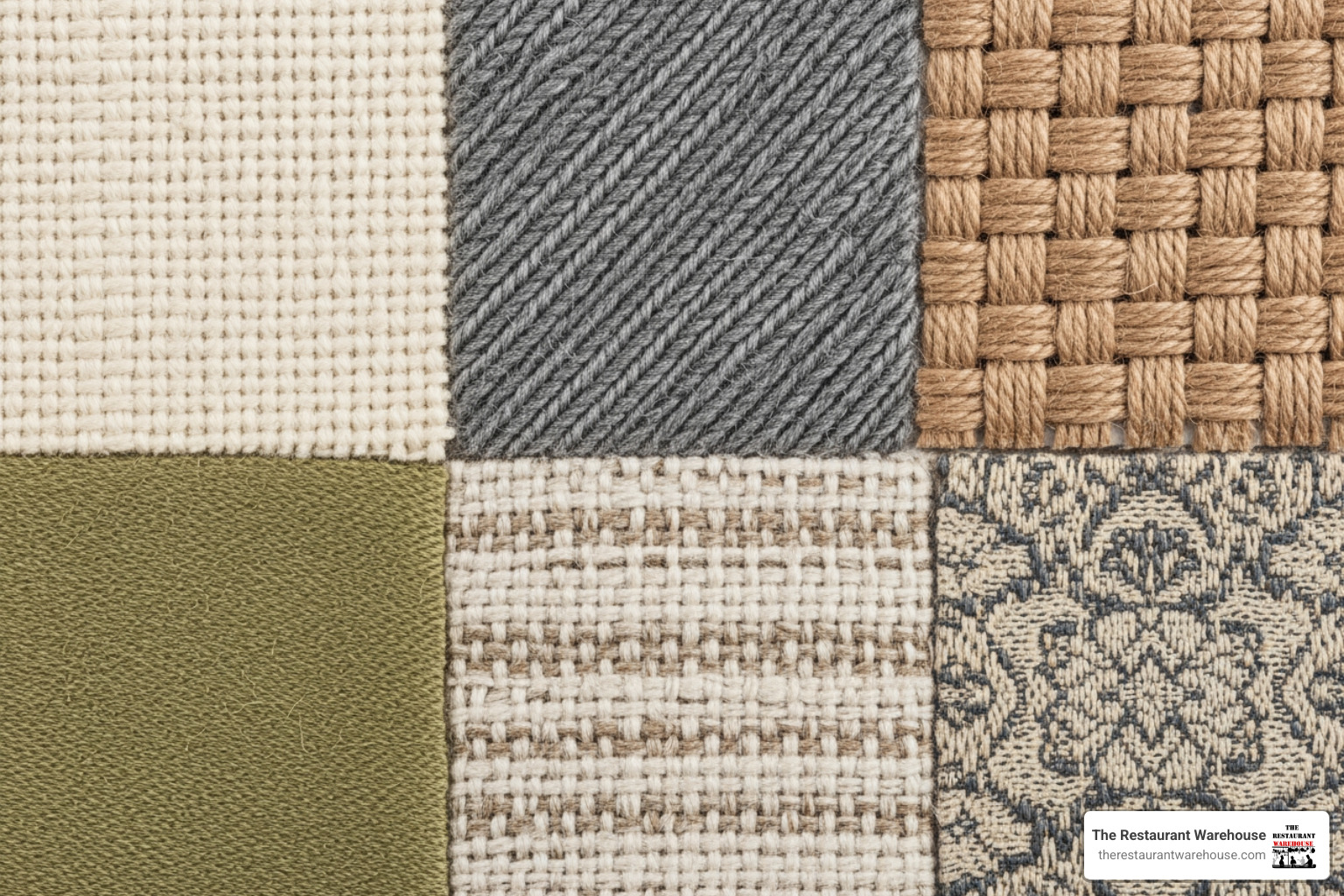
Key fabric properties like weight (often measured in GSM/oz), weave (twill, plain, or ripstop), and construction quality determine how well your pants will hold up to repeated washing, exposure to grease, and constant movement. Quality fabrics also offer better colorfastness, ensuring your pants don't look faded and unprofessional after just a few washes. The science behind how different textiles interact with body heat and moisture is well-documented, with research from the National Institutes of Health confirming the importance of material choice in high-activity environments. Studies show that proper textile selection can significantly impact thermal comfort and moisture management in occupational settings.
Cotton and Cotton Blends
100% Cotton: A long-time kitchen staple, 100% cotton offers natural softness and breathability. It allows air to circulate freely, which is ideal for warm environments. While it absorbs moisture well, it can be slow to dry and is prone to wrinkling. It's a great choice for those who prioritize a natural feel in moderately warm kitchens.
Poly-Cotton Blends (e.g., 65/35): Often found in a 65/35 polyester-to-cotton ratio, this blend is the workhorse of the industry. It combines the breathability of cotton with the durability, wrinkle resistance, and faster drying time of polyester. For many professionals, this blend offers the perfect balance of comfort and easy care.
Fabrics with Spandex: The addition of 2–5% spandex (or elastane) to a cotton or poly-cotton blend introduces stretch. This small addition makes a huge difference in mobility, allowing the fabric to move with you as you bend and stretch. Most modern comfortable chef pants incorporate spandex to improve performance.
Synthetic and Performance Fabrics
Performance fabrics are engineered specifically for the challenges of a professional kitchen.
100% Polyester: Polyester's standout feature is its superior moisture-wicking capability. It actively pulls sweat away from the skin to the fabric's surface for quick evaporation, keeping you drier and more comfortable. It's also lightweight, quick-drying, and highly stain-resistant.
Polyester/Spandex Blends: This combination is a performance powerhouse. It offers all the benefits of polyester—moisture-wicking, quick-drying, and stain resistance—with the added flexibility of spandex. These blends are ideal for chefs in high-heat stations who demand maximum performance from their workwear.
Advanced Cooling Features: Innovations like targeted mesh vents or specialized weaves can improve airflow in hot zones. These features, when thoughtfully placed, make a noticeable difference during peak service.
Weave Types and Why They Matter
- Twill Weave: Durable and drape-friendly with a subtle diagonal pattern. It resists abrasion, hides stains better than plain weaves, and tends to hold shape wash after wash.
- Plain Weave: Lightweight and highly breathable, but can be less durable in high-friction areas unless reinforced.
- Ripstop: Uses thicker threads at intervals for extra tear resistance. Helpful in active kitchens where snagging happens.
Fabric Weight and Seasonality
- Light (4–6 oz): Best for hot kitchens; dries fast and breathes well.
- Medium (6–8 oz): A versatile all-season option for many roles.
- Heavy (8–10 oz): Durable and structured; appropriate for cooler conditions or when extra protection is desired.
Finishes and Treatments
Look for stain-release, wrinkle-resistant, and colorfast finishes that survive repeated laundering. Hydrophobic treatments can help liquids bead up and wipe off more easily. If you launder in-house, verify that your detergents and temperatures are compatible with the finishes to preserve performance. According to OSHA guidelines on workplace safety, proper protective clothing in food service environments should maintain its protective qualities through regular cleaning cycles.
Not sure which fabric fits your environment? Tell us about heat levels, shift length, and laundering setup, and we'll recommend options: https://therestaurantwarehouse.com/pages/contact-us.
You can also review current materials and size ranges across our lineup here: https://therestaurantwarehouse.com/collections/chef-pants.
A Cut Above the Rest: Finding the Perfect Chef Pant Fit and Style
Finding the right fit in chef pants is a personal choice, much like selecting the perfect knife. Your body type, preference, and kitchen role all influence which style will serve you best. The goal is to find pants that allow a full range of motion without compromising safety or a professional look. Whether you prefer a traditional or contemporary style, the right fit should feel like a natural extension of your movements.
Classic and Baggy Fit
The classic baggy fit has remained a kitchen staple for good reason. These comfortable chef pants provide maximum air circulation, which is crucial in hot environments. The loose fabric creates a buffer of air that allows heat to escape, helping to regulate body temperature. This fit also offers unrestricted movement, so there's no pulling or binding when you squat or stretch. It embodies the traditional chef look and is excellent at hiding stains, thanks to the loose fit and common use of patterns.
Modern and Slim Fit
For a more contemporary aesthetic, modern and slim-fit chef pants offer a sharp, polished appearance. These pants feature a tapered leg for a streamlined silhouette, which can also reduce the risk of snagging on corners or getting caught in narrow walkways. This professional silhouette is ideal for open kitchens or for chefs who interact with guests. The key to their comfort is the use of stretch fabrics, typically a poly/cotton/spandex blend. This allows the pants to move with your body, providing a clean look without restriction and fitting the contemporary kitchen aesthetic.
Specialized Fits: Joggers and Women's Styles
Jogger Pants: Borrowing from athletic wear, jogger-style chef pants feature a relaxed fit through the thigh and elastic cuffs at the ankle. This design prevents pant legs from dragging or getting caught, offering a distinct safety advantage. Made with stretch fabrics, they provide an athletic feel and excellent mobility.
Women's Specific Cuts: Recognizing that a unisex fit doesn't work for everyone, many brands now offer women's chef pants. These are designed with contoured waistbands to prevent gapping and are cut to accommodate a different hip-to-waist ratio. The result is a better, more comfortable fit that doesn't require constant adjustment.
Rise, Inseam, and Hem Details
- Rise: Mid-rise tends to be the most stable for active movement, while high-rise can offer added core coverage. Low-rise styles may shift during constant bending.
- Inseam: Look for multiple inseam options or styles with cuffed ankles (joggers) to avoid hemming and to keep cuffs away from wet floors.
- Hem and Cuff: Elastic cuffs stay out of the way, while straight hems offer a classic drape. Reinforced hems last longer under daily wear.
Sizing and Adjustability
When between sizes, size for the hips and rely on an adjustable waistband (elastic + drawstring) to fine-tune the fit. This approach prevents tightness during squats or pivots. If you’re outfitting a team, consider offering two silhouettes (e.g., baggy and tapered) so staff can choose a personal fit while maintaining a consistent brand image.
Browse current fits and sizes in our collection and request size guidance for your team here: https://therestaurantwarehouse.com/collections/chef-pants. Need help with sizing across multiple roles? Contact us at https://therestaurantwarehouse.com/pages/contact-us and we’ll outline a simple plan for consistent, comfortable outfitting.
Beyond the Basics: Essential Features of the Best Comfortable Chef Pants
Beyond fabric and fit, several design details separate exceptional comfortable chef pants from average ones. These features might seem small, but they make a significant difference during a long shift.
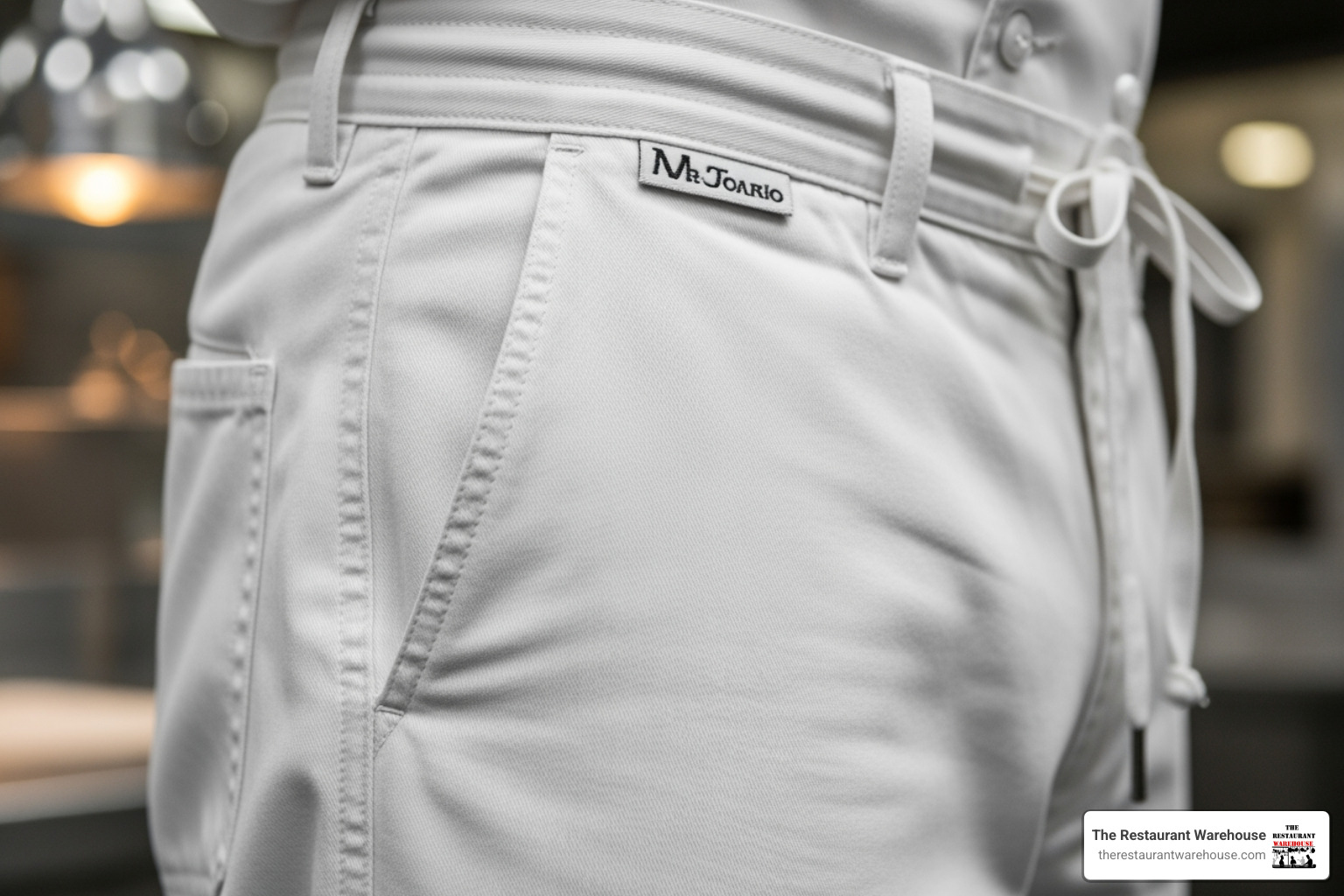
Quality construction is paramount for longevity and performance. Look for reinforced stitching along seams to prevent splitting and bar-tacking at stress points like pocket corners and the crotch. A gusseted crotch—an extra panel of fabric—provides more room and dramatically reduces the risk of tearing during constant movement. Finally, easy care instructions are a must; the best pants can handle machine washing and drying without losing their shape or protective qualities.
The Importance of Pockets in Comfortable Chef Pants
Pockets are essential tools for kitchen efficiency, keeping necessary items within arm's reach. The ideal number of pockets depends on your role, but placement is where thoughtful design shines.
- Standard Pockets: Side seam pockets and back pockets are useful for frequently used items or personal effects.
- Utility Pockets: Cargo pockets on the thigh provide extra space for notebooks, while a slim pen or thermometer pocket keeps critical tools accessible.
- Specialized Pockets: Many modern pants include a dedicated cell phone pocket sized and placed to avoid discomfort when you bend or sit.
- Secure Closures: Zippers or hook-and-loop fasteners on pockets give you peace of mind that your tools won't slip out during a busy service.
Waistband and Closure Options
A well-designed waistband provides a secure, comfortable fit you never have to think about. The most popular options offer a blend of comfort and adjustability.
- Full Elastic Waist: This style offers maximum flexibility, stretching and contracting with your body for effortless comfort.
- Drawstring Closure: A drawstring allows you to fine-tune the fit for perfect security throughout your shift.
- Combination Waistband: The most popular design combines elastic for comfort with a drawstring for security, offering the best of both worlds.
- Zipper Fly with Button: For a more traditional, polished look, some pants feature a zipper fly, button closure, and belt loops, allowing you to wear a belt for additional support.
Additional Details That Matter
- Articulated Knees: Patterned for natural bend to reduce pulling during crouches and long prep sessions.
- Breathable Panels: Strategically placed vents can help dump heat where it builds up most, without sacrificing coverage.
- Color and Pattern Strategy: Dark solids and micro-check patterns conceal stains better, preserving a professional appearance mid-shift.
- Odor and Soil Management: Some fabrics incorporate finishes that help mitigate odors and improve soil release for faster, more effective laundering.
- Labeling and Identification: Interior name tags or color-coded trims can help managers track sizes and streamline laundry sorting.
Looking to standardize features across a multi-role team? We’ll help you build a shortlist of styles with the exact pockets, closures, and fit profiles you need. Start here: https://therestaurantwarehouse.com/pages/contact-us.
Investing in Your Comfort: Understanding Chef Pant Costs
When shopping for chef pants, you'll find prices ranging from around $19 for budget options to over $70 for premium pairs. Most quality comfortable chef pants that balance durability and comfort fall in the $25 to $45 range. Understanding what drives these price differences helps you make a smart investment for your kitchen team.
At The Restaurant Warehouse, we focus on wholesale pricing to make quality apparel more accessible. However, the cheapest option isn't always the most economical. It's better to consider the cost per wear. A $40 pair of pants that lasts two years is a better investment than a $20 pair that needs replacing after a few months. This focus on long-term value is key to smart purchasing.
What Justifies a Higher Price Tag?
Higher prices often reflect tangible benefits in performance and longevity.
- Premium Fabric Blends: Advanced materials with superior moisture-wicking, stretch, and stain resistance cost more to produce.
- Advanced Cooling Features: Strategically placed vents or specialized weaves that enhance airflow can add to cost but meaningfully improve comfort.
- Superior Construction: Details like reinforced stitching, gusseted crotches, and durable zippers add to manufacturing cost but dramatically increase lifespan.
- Ergonomic Design: Pants cut to move with the human body require more complex patterns and skilled assembly, resulting in a more comfortable and functional product.
- Brand Support and Consistency: Established lines often offer stable sizing, which reduces returns and ensures team-wide consistency year after year.
Cost Per Wear and Lifecycle Planning
Think about your purchase across an entire season:
- Durability vs. Replacement Rate: If a pair lasts 18–24 months with twice-weekly wear, it typically beats a cheaper option that loses shape or fails within a few months.
- Care Compatibility: Verify your laundering process (temperatures, detergents, drying times). The right care extends lifespan and protects finishes.
- Rotation Strategy: Issue at least two pairs per team member to allow full drying between uses and reduce wear.
Outfitting a Team: Budgeting and Sizing Efficiency
- Standardize Core Options: Select two silhouettes (e.g., baggy and jogger) and a common color. This streamlines ordering and replacement.
- Size Range Depth: Ensure you stock a full size range—including short and tall inseams when available—so every staff member gets a comfortable, safe fit.
- Replacement Plan: Keep a small buffer of common sizes for new hires or urgent replacements.
Where to Start
- Review current in-stock options and pricing here: https://therestaurantwarehouse.com/collections/chef-pants.
- Need a bulk quote or assistance with size runs for a new team? Contact us for a fast, no-commitment estimate: https://therestaurantwarehouse.com/pages/contact-us.
If you’re unsure how to balance fit, features, and cost across different roles (line, prep, pastry), we can recommend a streamlined set of styles for each station. Book a strategy call today: https://therestaurantwarehouse.com/pages/contact-us.
Conclusion
Choosing the right comfortable chef pants is an investment in your team's performance and well-being. As we've explored, the right combination of fabric, fit, and features can transform how a chef experiences a long, demanding shift.
From breathable cotton and durable poly-blends to advanced moisture-wicking synthetics, the material you choose is the foundation of comfort. Paired with a fit that allows for unrestricted movement—be it traditional baggy, modern slim, or athletic jogger—the right pants help your team stay cool, mobile, and focused.
Here's the bottom line: comfortable chef pants directly impact performance. When your staff isn't distracted by overheating or restrictive clothing, they can dedicate their full attention to creating exceptional food. This leads to better concentration, increased safety, and a more productive and happier kitchen crew.
Uniform consistency matters, too. Thoughtful choices in color, pattern, and silhouette build a cohesive look that lasts through repeated washing and long shifts. Prioritize reinforced construction, reliable closures, and pocket layouts that keep essential tools secure and accessible.
If you’re ready to upgrade, start by browsing our current lineup, sizes, and fabrics here: https://therestaurantwarehouse.com/collections/chef-pants. Have unique needs—like specific pocket layouts, stretch requirements, or a size run across multiple locations? Contact us for tailored recommendations and a quick quote: https://therestaurantwarehouse.com/pages/contact-us.
Don’t let uncomfortable uniforms hold your culinary team back. Your staff deserves apparel that works as hard as they do. Shop our collection of professional apparel today at https://therestaurantwarehouse.com/collections/chef-pants, or book a strategy call for personalized assistance at https://therestaurantwarehouse.com/pages/contact-us.
About The Author

Sean Kearney
Sean Kearney is the Founder of The Restaurant Warehouse, with 15 years of experience in the restaurant equipment industry and more than 30 years in ecommerce, beginning with Amazon.com. As an equipment distributor and supplier, Sean helps restaurant owners make confident purchasing decisions through clear pricing, practical guidance, and a more transparent online buying experience.
Connect with Sean on LinkedIn, Instagram, YouTube, or Facebook.