

The Simple Trick to Improve Your Pizza Prep Table Speed Right Now
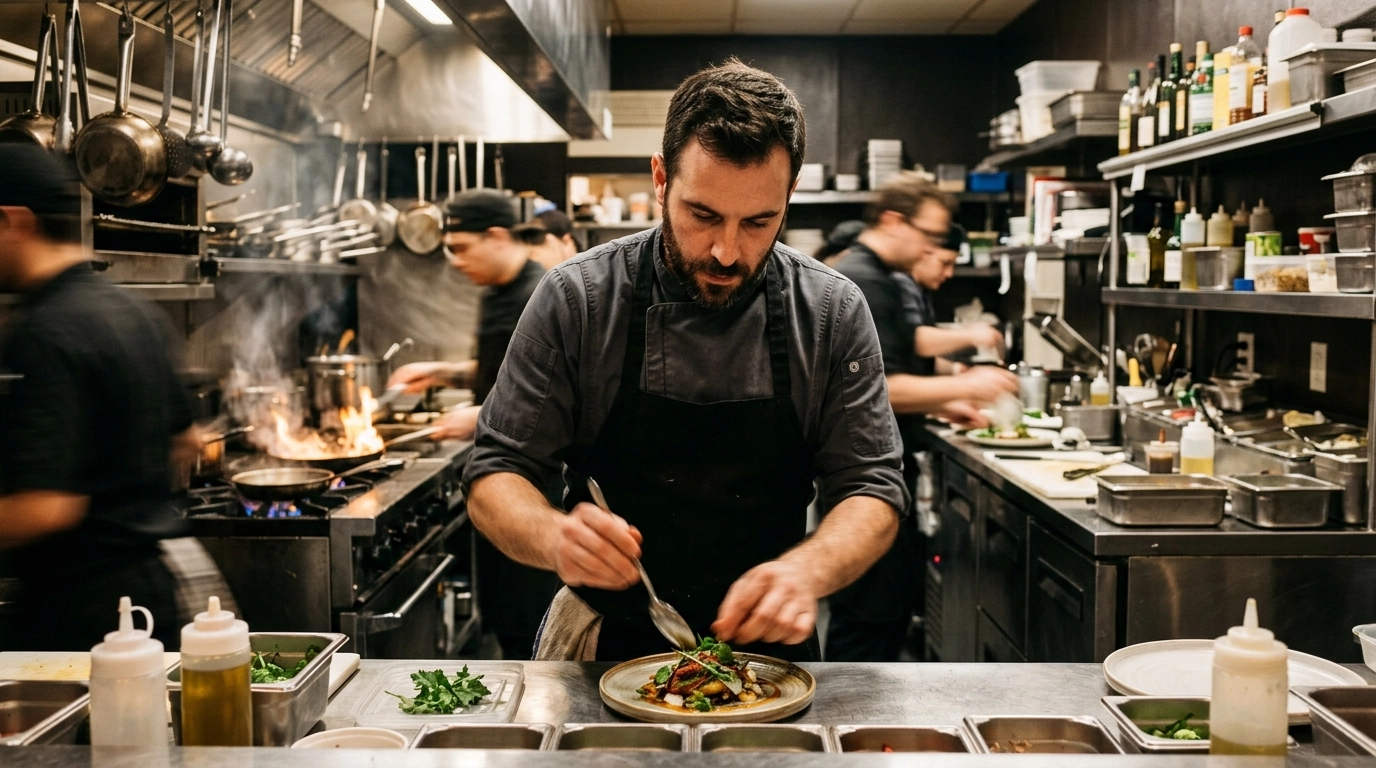
If you’ve ever stood in front of a growing stack of tickets on a Friday night, you know that seconds feel like hours. In the pizza business, speed isn't just a metric; it's the difference between a happy customer and a one-star review about "cold crust." Most operators think the answer to a slow line is hiring more hands. But more often than not, the bottleneck isn't your staff, it’s your workflow and your commercial kitchen equipment.
The simple trick to improving your pizza prep table speed right now? Eliminating the "Reach and Search."
By optimizing your mise en place and leveraging the specific design of high-performance units like the Atosa MPF series, you can shave 15–20 seconds off every pie. That adds up to dozens of extra pizzas per shift without breaking a sweat.
The "Reach and Search" Problem
How many times a night does your lead prep cook have to step away from the table to grab more flour? How often do they have to duck down and rummage through the refrigerated base to find the backup bag of shredded mozzarella?
Every time a cook moves their feet, your production stops. In a high-volume environment, you want your hands moving, not your feet. The goal is to create a "cockpit" where 90% of the assembly happens within arm's reach.
Key Benefits of an Optimized Workflow
- Reduced Labor Fatigue: Less walking means less physical strain on your team.
- Consistent Quality: When ingredients are organized, portioning becomes more accurate.
- Faster Ticket Times: Streamlined movement leads to a faster transition from dough to oven.
- Lower Waste: Better organization prevents "buried" ingredients from expiring in the back of the fridge.
Why Your Choice of Pizza Prep Table Matters
Not all pizza prep tables are created equal. If you’re using a standard sandwich prep table for pizza, you’re already behind. Pizza tables, like the Atosa MPF8202GR, are specifically designed with deeper work surfaces (usually 19 inches or more) to accommodate large dough rounds without them hanging off the edge.
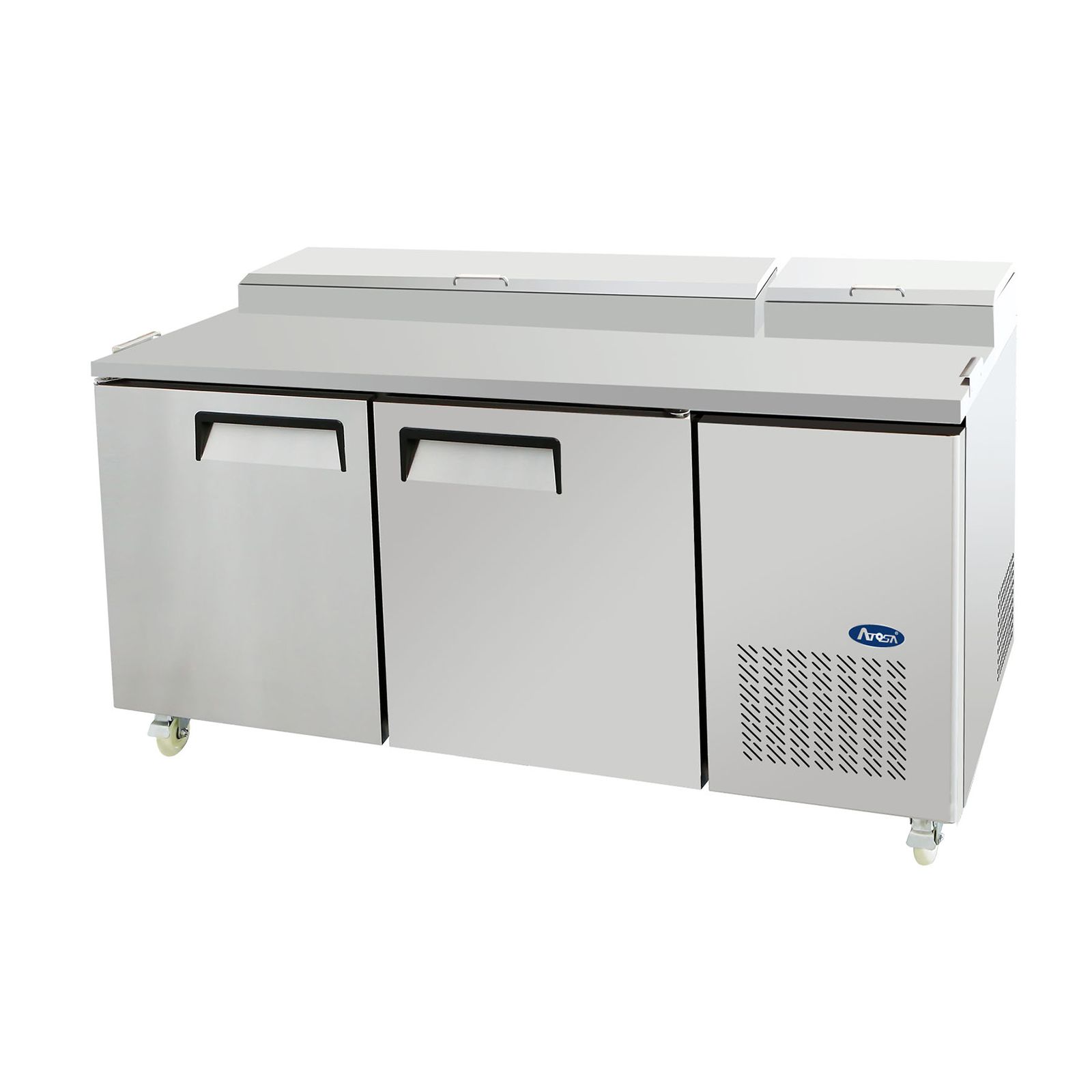
The Atosa MPF8202GR features a side-mounted refrigeration system. Why does this matter for speed? Side-mount units typically allow for a narrower cabinet depth while maintaining a massive top workspace. It also keeps the condenser away from the flour-heavy floor area, reducing maintenance-related slowdowns.
The Triangle Strategy for Pizza Assembly
Professional kitchen design often relies on the "Work Triangle" (Storage, Prep, Cooking). For a pizza station, you need to shrink that triangle down to a straight line or a tight "L" shape.
- The Dough Zone: Whether you use a dough press or hand-stretch, this must be immediately to the left or right of the prep table.
- The Topping Zone: This is your prep table. Use the recessed pan rail for your high-frequency items (mozzarella, sauce, pepperoni).
- The Oven Zone: The prep table should be positioned so the cook can pivot and slide the peel directly into the pizza oven without taking more than two steps.
If your staff has to cross a high-traffic aisle to get from the prep table to the oven, you have a collision waiting to happen, and a major speed bottleneck.
Technical Specs That Boost Efficiency
When you’re looking at commercial kitchen equipment for speed, pay attention to the "boring" specs. They make a huge difference in a rush.
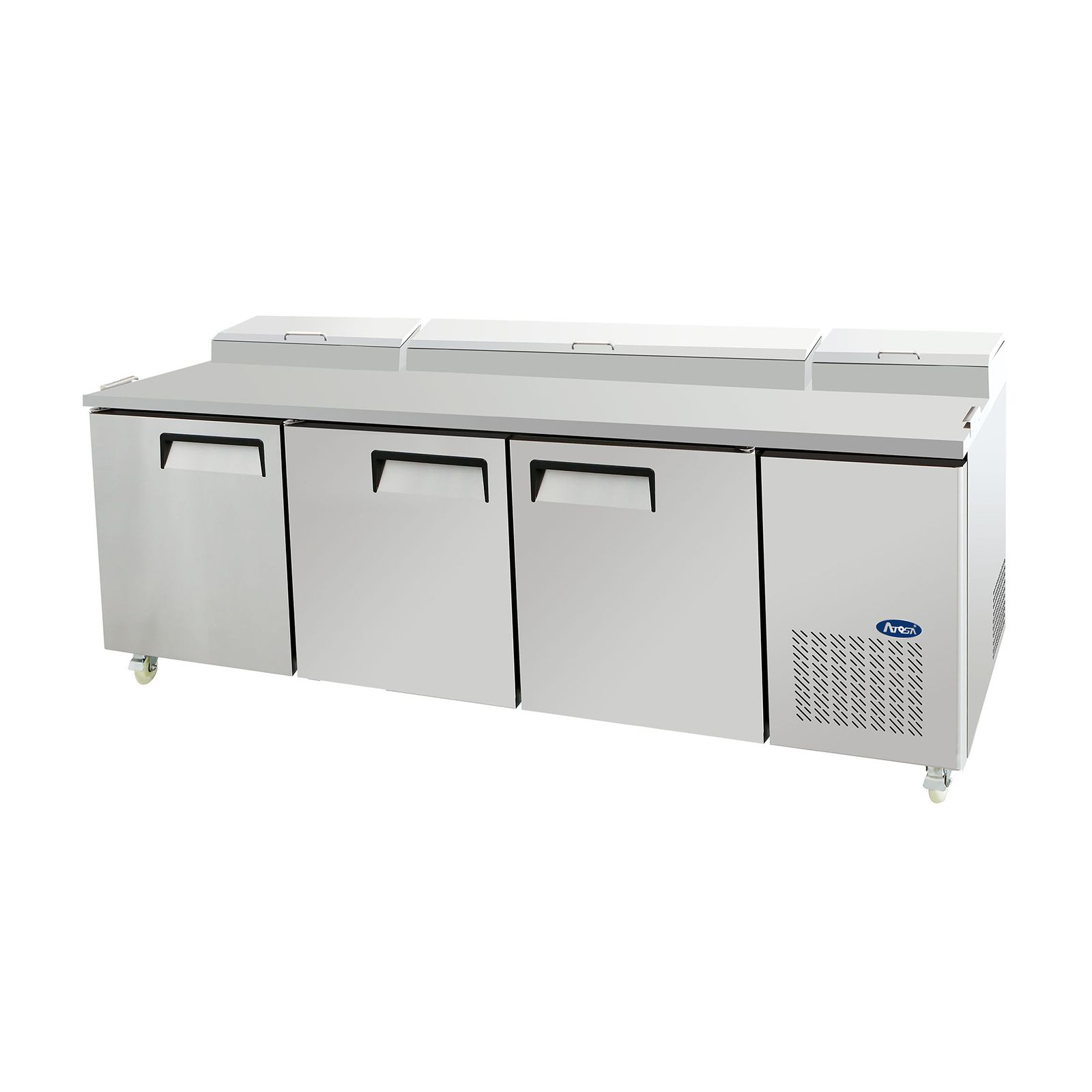
- Self-Closing Doors: Units like the Atosa MPF8203GR come with self-closing doors that stay open at 90 degrees. This is a game-changer when you’re restocking heavy cheese bags and don't have a spare hand to hold the door.
- Digital Temperature Control: You can't be fast if you're worried about food safety. The digital controllers on Atosa units ensure your toppings stay in the safe zone (33°F to 38°F) even when the lid is constantly being opened.
- Heavy-Duty Casters: Speed also applies to cleaning. Pre-installed 5-inch casters allow you to roll the unit out, clean behind it, and get back to work in minutes.
Safety and Sanitation: The Hidden Speed Killers
You know what’s slower than a bad layout? An inspection-mandated shutdown.
- NSF Certification: Always ensure your equipment is NSF/ETL-certified. It simplifies your cleaning SOPs and keeps health inspectors happy.
- Gasket Maintenance: A torn door gasket causes the compressor to work harder, leading to internal temperature fluctuations. Check your gaskets weekly. If they're brittle, replace them immediately to keep your refrigerators running at peak efficiency.
Key Takeaways for Your Kitchen
- Organize by Frequency: Put your most used toppings in the front-center of the pan rail.
- Invest in Depth: A dedicated pizza prep table with a 19-inch poly cutting board is non-negotiable for speed.
- Pivot, Don't Walk: Arrange your station so the journey from dough to oven is a simple pivot.
- Monitor Temps: Use digital displays to ensure your ingredients stay fresh and safe during peak hours.
Financial Justification: ROI on Speed
If a better layout and a more reliable Atosa refrigerator allow you to serve just five more pizzas per night, what does that do to your bottom line? At an average of $20 per pie, that’s $100 a day, or $36,500 a year.
We know that upgrading equipment is a big move. That’s why we offer restaurant equipment financing and a 12-month rental program. You can get the speed you need today without draining your cash reserves.
FAQ: Pizza Prep Optimization
Does the horsepower of the prep table matter for speed?
Indirectly, yes. A higher HP compressor (like the 1/4 HP or 1/5 HP units found in Atosa models) helps the unit recover temperature faster after the lid has been open during a long rush. This keeps your ingredients at the right consistency for fast spreading and topping.
Can I use a sandwich prep table for pizza?
You can, but it’s not ideal. Sandwich tables typically have narrower cutting boards (around 10–12 inches). A standard large pizza is 14–16 inches, meaning the dough will hang off the edge, making it much harder and slower to build the pie.
How often should I clean the condenser coils?
In a pizza environment, flour is everywhere. You should vacuum or brush the condenser coils at least once a month. A clogged coil makes the unit run hot, which can lead to "soupy" toppings that are harder to work with.
What is the best way to arrange pans in the rail?
Follow the flow of your pizza: Sauce (closest to dough), then Cheese, then Proteins, then Veggies. This "assembly line" approach reduces hand-crossing and minimizes spills.
Is stainless steel better than marble for a prep top?
Stainless steel is the industry standard for durability and ease of cleaning. While some traditionalists love marble for dough handling, the 19-inch poly cutting boards on Atosa tables provide the perfect balance of grip and sanitation for modern high-speed operations.
About The Author

Sean Kearney
Sean Kearney is the Founder of The Restaurant Warehouse, with 15 years of experience in the restaurant equipment industry and more than 30 years in ecommerce, beginning with Amazon.com. As an equipment distributor and supplier, Sean helps restaurant owners make confident purchasing decisions through clear pricing, practical guidance, and a more transparent online buying experience.
Connect with Sean on LinkedIn, Instagram, YouTube, or Facebook.