

The Right Freeze: Finding Your Perfect Commercial Freezer Type
Why Commercial Display Freezers Drive Sales and Preserve Profits
A commercial display freezer is a specialized refrigeration unit carefully engineered to perform two critical functions simultaneously: storing frozen products at safe, stable temperatures between -10°F to 0°F, and showcasing them attractively to customers. In the world of food service and retail, where every square foot of floor space must justify its existence, these units are indispensable. Unlike standard storage freezers hidden away in a stockroom, display freezers are front-of-house powerhouses that prioritize product visibility to drive impulse purchases, facilitate easy browsing, and ultimately increase sales. They are the silent salespeople of the frozen food aisle, working 24/7 to turn passing interest into tangible revenue.
The strategic importance of these units cannot be overstated. In any convenience store, supermarket, restaurant, or café, well-lit freezers filled with vibrant packages of ice cream, frozen meals, pizzas, and beverages are powerful sales tools. The right display freezer transforms how customers interact with your products, leveraging the psychology of visual merchandising. When a customer can clearly see a product, assess its quality through the packaging, and easily grab it, the path to purchase becomes nearly frictionless. This turns browsers into buyers through a combination of strategic visibility, undeniable convenience, and the powerful allure of an impulse buy.
Key Commercial Display Freezer Types:
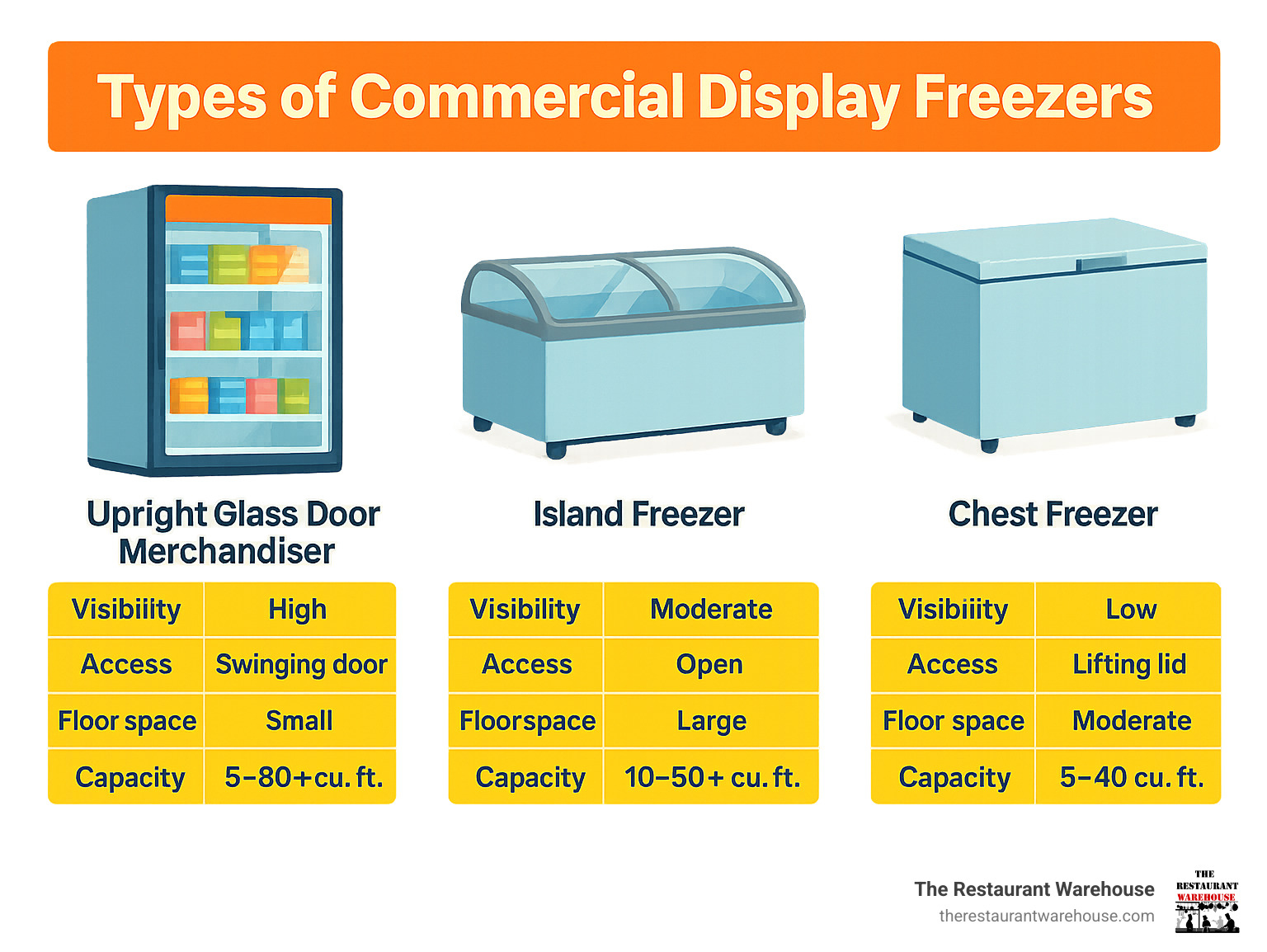
- Upright Glass Door Merchandisers: Tall, vertical units with one to four glass doors, designed for maximum product visibility at eye-level.
- Island/Chest Freezers: Horizontal units, often with sliding or curved glass tops, offering high-capacity storage and flexible placement in aisles.
- Countertop Display Freezers: Compact, point-of-sale units perfect for encouraging last-minute purchases near checkout areas.
Essential Features to Consider:
- Temperature Range: Must reliably hold -10°F to 0°F for food safety.
- Capacity: Varies from under 3 cu. ft. to over 72 cu. ft. to match inventory needs.
- Door Types: Options include glass, sliding, swinging, or open-air curtain models.
- Energy Efficiency: Look for modern refrigerants, LED lighting, and superior insulation.
- Defrost Systems: Choose from manual, automatic, or frost-free systems based on labor and convenience needs.
For budget-conscious business owners, choosing the right commercial display freezer means balancing the upfront investment with long-term operational benefits. These units can range from under $1,000 for basic, compact models to well over $5,000 for high-capacity, feature-rich options. A successful and profitable frozen food program hinges on selecting the display freezer that perfectly aligns with your available space, the types of products you sell, and the natural flow of customers through your establishment. It's an investment not just in cold storage, but in your store's profitability and customer experience.
Decoding the Chill: A Comprehensive Guide to Commercial Display Freezer Types
Choosing the right commercial display freezer type is a critical strategic decision for any business aiming to turn its frozen food section into a highly profitable and customer-friendly showcase. Each style of freezer serves a unique purpose, custom to different spatial constraints, product volumes, and merchandising philosophies. Your choice will directly impact everything from energy bills to sales figures, so understanding the nuances of each type is essential for making an informed investment.
Upright Glass Door Merchandisers: The Vertical Visibility Champions
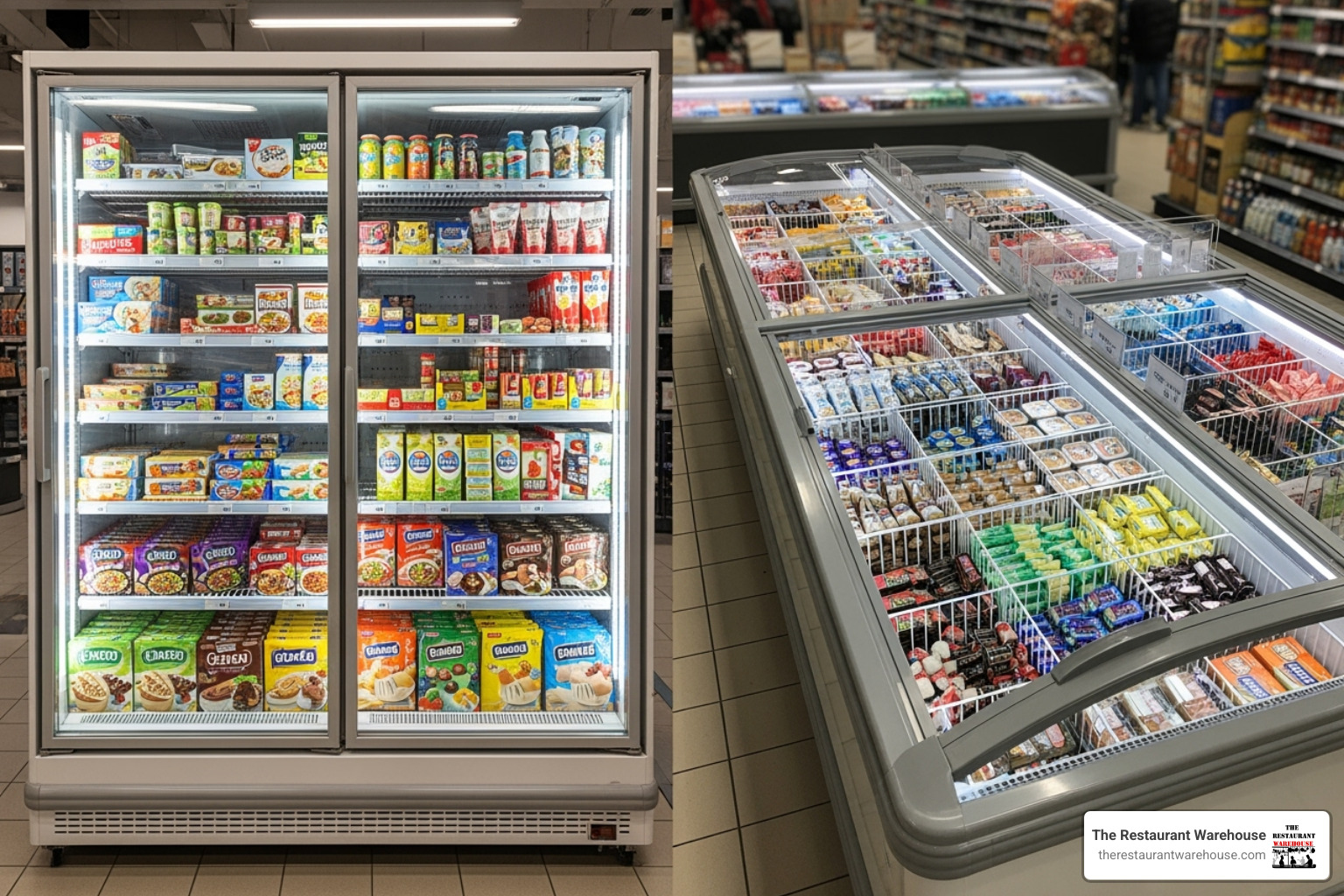
Upright glass door merchandisers are the undisputed workhorses of the frozen food world. These tall, vertical units are brilliant space-savers, offering the maximum amount of display shelving within a minimal footprint. Their primary advantage is the power of eye-level marketing. Human beings are naturally drawn to what is directly in their line of sight, and placing premium ice cream, grab-and-go meals, or artisanal frozen pizzas at eye level guarantees they receive the most attention. This vertical layout allows for a natural and intuitive organization of products, with bestsellers and high-margin items positioned for maximum impact, while bulk or lower-priority items can be placed on upper or lower shelves. Modern units feature adjustable, heavy-duty shelving, often coated in epoxy or PVC for durability and corrosion resistance, providing the flexibility to accommodate products of all shapes and sizes. This makes inventory management, product rotation (FIFO), and restocking a simple and efficient process. Furthermore, many models now come with brilliant, energy-efficient vertical LED light strips that illuminate the entire cabinet, making every product pop.
Chest or Island Freezers: The High-Capacity Hubs
Chest or island freezers are horizontal units that prioritize large-capacity storage and flexible store layout design. Customers look down through flat or curved sliding glass tops to browse a wide selection of goods. Island freezers are exceptionally versatile; they can be used as standalone spot merchandisers for promotions or linked together to create entire frozen food aisles, guiding customer traffic and creating a dedicated shopping zone. They are the ideal choice for bulk items like family-sized frozen dinners, large pizzas, multi-packs of novelties, tubs of ice cream, and bags of ice. While they do require more floor space than their upright counterparts, their impressive storage capacity and the unique, open-plan shopping experience they create often justify the real estate. The low profile of a chest freezer can also make a retail space feel more open and less cluttered. Organization is key, and these units often come with wire baskets and dividers to help separate products and prevent the "rummage effect" of older solid-door models.
Countertop Display Freezers: The Impulse Purchase Instigators
Countertop display freezers are compact but mighty units that excel at creating point-of-sale (POS) opportunities. Their small footprint is their greatest asset, allowing them to be placed in high-value, high-traffic locations that would otherwise go unused—next to a cash register, beside a coffee or soda station, or on an endcap. They are specifically designed to drive impulse purchases of last-minute frozen treats, such as single-serve ice cream cups, popsicles, frozen candy bars, or even frozen cocktail mixers. By placing these desirable items directly in the customer's path during checkout, you capitalize on their final moments in the store, often leading to a significant increase in average transaction value. For businesses looking to expand beyond just frozen options, Grab and Go Refrigerators offer similar merchandising benefits for chilled products like drinks and sandwiches.
Glass Door vs. Open-Air (Air Curtain) Merchandisers: Efficiency vs. Access
The choice between a traditional glass door and a modern open-air display involves a crucial trade-off between energy efficiency, product integrity, and unfettered customer access.
Glass door merchandisers are the champions of energy efficiency and product protection. The sealed doors, often double- or triple-paned and filled with insulating gas, lock cold air inside. This drastically reduces the workload on the compressor, leading to significantly lower electricity bills and a longer lifespan for the unit. They also offer superior product protection from ambient temperature fluctuations, dust, and debris. Customers can see the entire selection clearly through the anti-fog glass, and the momentary physical act of opening a door helps maintain critical temperature stability. For more insights into optimizing these units, our Commercial Glass Door Merchandiser guide covers many relevant strategies.
Open-air merchandisers, also known as air curtain units, prioritize the ultimate grab-and-go convenience. They use a continuous, invisible curtain of cold air to maintain temperature while allowing customers to simply reach in and grab what they want without any physical barriers. This frictionless experience can dramatically boost impulse sales, especially in high-traffic environments like airports, busy convenience stores, and supermarket checkout lines. The trade-off, however, is substantial: they consume significantly more energy (often 50-100% more than a comparable glass door model) and offer less protection from external elements. These are best deployed in climate-controlled environments where the potential increase in sales velocity is high enough to outweigh the much higher operating costs.
Single, Double, and Triple Door Configurations: Scaling to Your Needs
The number of doors on your upright commercial display freezer should be a direct reflection of your business's space availability, inventory volume, and product variety.
Single-door units are the perfect solution for small businesses like cafes, delis, or startups. They are also excellent for established businesses looking to highlight specific product categories, such as gluten-free, vegan, or locally-made frozen goods. They offer excellent visibility for a curated selection of featured items while maintaining high energy efficiency due to their smaller size.
Double-door configurations represent the sweet spot for many businesses, providing a generous balance of display space and a manageable physical footprint. The dual-door design allows for natural product organization, such as dedicating one side to frozen meals and entrees and the other to desserts and ice cream. This separation helps guide the customer's shopping journey and simplifies restocking for staff. Our Atosa 2 Door Glass Cooler Guide offers optimization strategies that are equally applicable to freezer models.
Triple-door units are the large-format solution built for high-volume operations like supermarkets, large convenience stores, and specialty grocers. These expansive units can showcase an extensive and diverse product range, handle heavy customer traffic without becoming crowded, and serve as an anchor for your entire frozen foods department. While they require substantial floor space and a larger initial investment, their sheer capacity and merchandising potential are best for businesses that need to move a high volume of frozen products. For guidance on managing these larger units, see our Atosa 3 Door Cooler Guide.
Essential Features for Your Commercial Display Freezer: A Deep Dive
Beyond the basic type and price, the specific features of a commercial display freezer are what determine its day-to-day performance, long-term reliability, and overall impact on your bottom line. Choosing the right combination of features ensures your freezer becomes a dependable business partner that improves your operations, rather than a constant source of maintenance headaches and high utility bills.
Sizing and Capacity: From Compact to Colossal
Getting the size right is the critical first step. Freezer capacity is measured in cubic feet (cu. ft.), ranging from small 6 cu. ft. countertop units to massive 72+ cu. ft. multi-door models. However, focusing solely on internal capacity is a common mistake. The external dimensions—width, depth, and height—are just as important. Before you buy, measure your intended space carefully. Account for not just the unit's footprint, but also necessary clearance for air circulation (typically 3-6 inches around the back and sides), door swing radius for hinged doors, and adequate room for customers to browse comfortably without creating bottlenecks. Widths can range from under 20 inches for slim countertop models to over 80 inches for large triple-door units. The internal layout, especially the inclusion of adjustable shelving, is key for maximizing usable space, customizing the interior for different product heights, and simplifying inventory management. A good rule of thumb is to choose a capacity that can comfortably accommodate your busiest day's sales volume plus a buffer, without wasting excessive energy cooling empty space during slower periods.
Temperature, Defrost Systems, and a Reliable Commercial Display Freezer
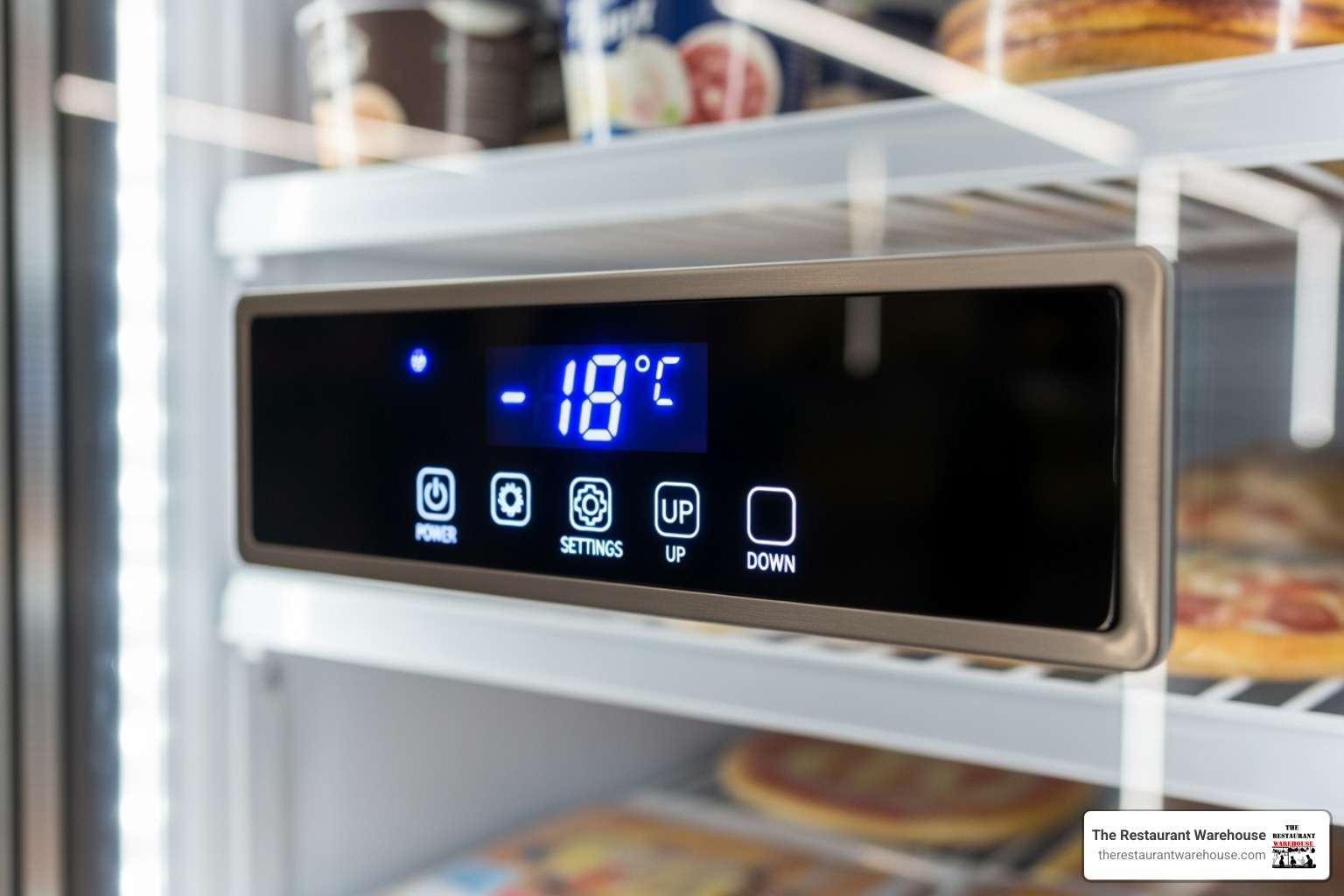
A commercial display freezer has one primary job: to consistently maintain a temperature range of -10°F to 0°F. This narrow window is essential for ensuring food safety, preserving texture and taste, and preventing freezer burn. Look for units with precise digital temperature controls and a clear, external readout for at-a-glance monitoring. This eliminates guesswork and allows staff to verify proper operation easily. Defrost systems are equally vital for preventing the inevitable buildup of ice, which can impede air circulation, reduce efficiency, and obscure products.
- Manual Defrost: These are the most basic and energy-efficient systems when running, as no heat is introduced into the cabinet. However, they require significant labor, as the unit must be periodically shut down, emptied, and manually defrosted. This downtime can be disruptive for a busy operation.
- Automatic Defrost: These systems operate on a timer, cycling between cooling and brief warming periods to melt away frost automatically. This offers a huge leap in convenience over manual systems, though it can cause minor temperature fluctuations during the defrost cycle.
- Frost-Free Technology: The most advanced option, this technology uses fans to circulate cold air continuously, preventing frost from ever forming on interior surfaces or products. This is the most convenient, hands-off solution for busy operations, ensuring products always look their best. While slightly less energy-efficient than manual defrost, the labor savings and superior product presentation often make it the best choice.
Many modern units also feature self-contained evaporation systems that automatically dispose of condensation from the defrost cycle, eliminating the need for drain lines or manual emptying of drip trays.
Lighting, Doors, and the Look of Your Commercial Display Freezer
Visual appeal is just as important as technical performance. LED lighting is now the undisputed industry standard for modern display freezers, and for good reason. It is highly energy-efficient, has a lifespan of tens of thousands of hours, and produces minimal heat, which means the compressor doesn't have to work harder to counteract warmth from the lights. Bright, well-distributed LED lighting makes your products look more vibrant and appealing. The doors are where function meets form.
- Swinging Doors: These offer wide, easy access to the entire cabinet. Look for models with a self-closing mechanism and a hold-open feature (which keeps the door open past 90 degrees for easy stocking). This prevents energy loss from doors being left ajar.
- Sliding Doors: Ideal for narrow aisles and tight spaces, these are common on chest and island freezers. They help conserve energy by only exposing a portion of the interior at a time.
For glass doors, look for double or triple-pane thermal insulated glass, often with a layer of argon gas between the panes. This dramatically reduces heat transfer and prevents condensation from forming on the exterior. High-quality door gaskets (the magnetic seals) are crucial for creating an airtight barrier. Worn or cracked gaskets are a primary source of energy waste. For security, many units come with integrated safety locks to protect valuable inventory after hours.
Energy Efficiency and Certification
An energy-efficient commercial display freezer can save you hundreds or even thousands of dollars in utility costs over its lifespan. Key factors to look for include:
- Refrigerant: Modern, high-performance units use R290 hydrocarbon refrigerant. It has a low Global Warming Potential (GWP), making it environmentally friendly, and is also highly efficient, reducing energy consumption.
- Insulation: High-density, foamed-in-place polyurethane insulation in the walls and doors is critical for reducing heat transfer and minimizing compressor runtime.
- Compressor Location: Bottom-mount compressors are generally more efficient as they draw in cooler air from near the floor. This design also raises the bottom shelf, making products more accessible and visible to customers. Top-mount compressors are a better choice for dusty environments like bakeries, as they are less likely to clog with flour and debris.
- ENERGY STAR Certification: A unit with the ENERGY STAR label has been independently verified to be significantly more energy-efficient than standard models, translating directly to lower operating costs.
Finally, NSF certification is non-negotiable for any piece of foodservice equipment. It ensures the freezer meets strict public health standards for design, materials, and cleanability, which is essential for passing health inspections. You can learn more about NSF certification for food safety. Investing in an efficient, certified freezer not only lowers your utility bills but also provides invaluable peace of mind.
Boosting Your Bottom Line: The Tangible Business Benefits of Display Freezers
Your commercial display freezer should be viewed as far more than just a piece of cold storage equipment; it is a hard-working, revenue-generating asset. It is a dynamic sales tool that can significantly boost your bottom line. By moving products from the invisibility of a backroom storage freezer into a brightly lit, strategically placed display, you transform static inventory into visible, appealing merchandise that actively drives sales and improves the customer experience.
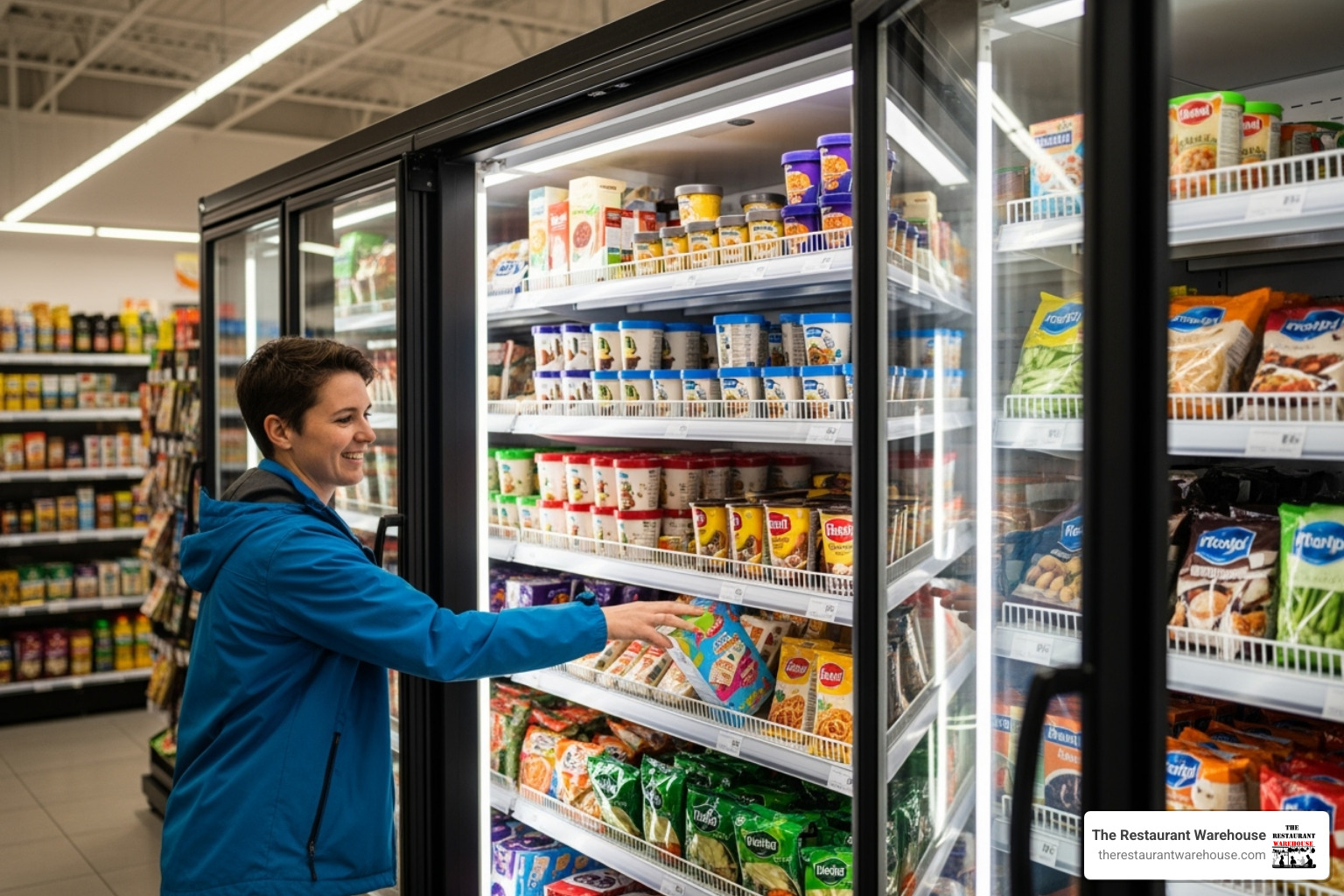
Think of your freezer as a silent salesperson. It uses the power of clear visibility and attractive presentation to turn planned purchases into larger baskets and passing glances into profitable impulse buys. This process happens effortlessly and continuously, showcasing your products in their best possible light around the clock, without requiring active staff intervention.
Maximizing Visibility and Driving Impulse Sales
The primary and most immediate benefit of a commercial display freezer is the dramatic improvement in product visibility. Strategic placement and merchandising are your secret weapons. A fundamental principle is to place your highest-margin items at eye level in an upright freezer. This is prime real estate where customers' eyes naturally land first, making it the perfect spot for premium pizzas, specialty ice creams, or other high-value goods. Bulk items or value-oriented products can occupy the lower shelves, still visible but not in the premium zone. Use merchandising techniques like color blocking (grouping items by package color) to create visually striking displays that draw the eye.
Positioning your freezer in high-traffic areas—such as near the main entrance, at the end of a busy aisle (an endcap), or adjacent to the checkout counter—creates a natural stopping point and maximizes exposure. This placement is key to encouraging last-minute, unplanned purchases. The clear sightlines of modern freezers with anti-fog glass allow customers to browse with confidence, building trust and encouraging them to try new products. This visual appeal also makes showcasing promotions incredibly effective. A bright sign announcing a "2 for $10" deal on frozen entrees is far more compelling when customers can see the delicious-looking products right there, creating an irresistible urge to buy.
Enhancing the Customer Experience and Building Loyalty
A well-chosen and well-maintained commercial display freezer directly improves the shopping experience, which is a cornerstone of building customer loyalty. Easy browsing is a significant upgrade over the frustrating experience of digging through a disorganized, frost-covered traditional chest freezer. When customers can clearly read labels, compare nutritional information, and see the products without letting all the cold air escape or blocking an aisle, their shopping trip becomes more pleasant and efficient.
An organized, clean, and brightly lit presentation makes your entire store feel more professional, modern, and trustworthy. Customers subconsciously associate this cleanliness and order with product freshness and quality. This builds brand trust. Furthermore, grab-and-go convenience is essential for today's time-pressed consumer. Well-lit interiors and clear organization reduce search time, allowing customers to quickly find what they need and get on with their day. This frictionless experience is highly valued and encourages them to return. For more strategies on creating appealing displays, our guide on Choosing Display Fridges offers many tips that are equally applicable to freezers.
The result is an investment that pays dividends not just in immediate sales figures, but in the long-term customer relationships and positive brand perception that sustain and grow your business.
Frequently Asked Questions about Commercial Display Freezers
Navigating commercial refrigeration can be complex, with many technical specifications and options to consider. To help you make a confident and informed decision, here are clear, straightforward answers to the most common questions we hear about commercial display freezers.
What is the main difference between a commercial display freezer and a refrigerator?
The primary and most critical difference is temperature. A commercial display freezer is a specialized piece of equipment engineered to create and maintain temperatures at or below 0°F (typically in the -10°F to 0°F range). This is the required temperature to keep products like ice cream, frozen meats, and prepared meals solidly frozen, ensuring their safety and preserving their texture and quality. To achieve this, freezers have more powerful compressors, more robust components, and thicker, high-density insulation. In contrast, a commercial display refrigerator operates in a much warmer range, typically between 33°F and 41°F. This is designed to keep beverages, dairy products, salads, and fresh foods properly chilled but not frozen. Using a refrigerator for frozen goods would lead to spoilage, while using a freezer for refrigerated goods would freeze and ruin them.
How much do commercial display freezers typically cost?
The cost of a commercial display freezer can vary widely, generally ranging from under $1,000 to over $5,000, and sometimes much more for very large or specialized units. At The Restaurant Warehouse, we are committed to offering wholesale pricing to make professional-grade equipment more affordable for every business. The final price is influenced by several key factors:
- Size and Capacity: As a general rule, the larger the unit and the more cubic feet of storage it offers, the higher the price.
- Type: Upright glass door models, horizontal island freezers, and compact countertop units all occupy different price points based on their complexity and size.
- Brand and Features: Premium brands and advanced features like automatic defrost systems, energy-efficient R290 refrigerant, triple-pane glass doors, and LED lighting will add to the initial cost. However, these features often provide significant long-term value through lower energy bills, reduced labor costs, and improved durability.
Entry-level single-door upright units often start in the $900-$1,500 range. Mid-range double-door models, a popular choice for many businesses, are typically priced between $2,000 and $4,000. High-capacity triple-door units or feature-rich island merchandisers can easily exceed $5,000. When budgeting, it's crucial to factor in the long-term total cost of ownership; a slightly more expensive, energy-efficient model can be a much smarter financial choice over its operational lifetime.
How do I properly maintain my display freezer?
Proper, consistent maintenance is absolutely crucial for ensuring the longevity, efficiency, and safety of your commercial display freezer. Neglecting these simple tasks can lead to poor performance, higher energy bills, food safety risks, and expensive emergency repairs. Follow these essential steps:
- Regular Cleaning: On a weekly basis, wipe down all interior surfaces with a food-safe cleaner. Keep the glass doors spotless inside and out to ensure maximum product visibility.
- Clean Condenser Coils: The condenser coils are responsible for dissipating heat. When they get clogged with dust, grease, and debris, the compressor is forced to overwork. Clean them quarterly (or monthly in greasy environments like kitchens) with a stiff brush and a vacuum. This is one of the most important maintenance tasks for efficiency.
- Check Door Seals (Gaskets): Monthly, inspect the rubber door gaskets for any signs of cracks, brittleness, or tears. A tight seal is vital for keeping cold air in. A simple test is to close the door on a dollar bill; if you can pull it out with no resistance, the seal is weak and likely needs to be replaced.
- Monitor Temperature Daily: Make it a habit to check the external temperature display every day to ensure the unit is operating within its target range. This simple check can help you spot developing problems before they lead to product loss.
- Ensure Proper Ventilation: Never obstruct the vents or place the freezer in a tight alcove without proper clearance. The unit needs several inches of space around the back and sides for proper air circulation to prevent the system from overheating.
- Schedule Professional Maintenance: At least once a year, have a qualified refrigeration technician perform a professional service check. They can inspect refrigerant levels, check electrical components, lubricate fan motors, and diagnose any potential issues that aren't visible to the untrained eye.
Can I use a residential freezer in my commercial business?
This is a common question, but the answer is a firm no. Using a residential freezer in a commercial setting is a bad idea for several critical reasons. First, they are not built to withstand the demands of a commercial environment; the doors are opened far more frequently, and they struggle to maintain temperature in a hot commercial kitchen. Second, they are not NSF certified, which means they do not meet the public health and safety standards required for commercial foodservice and will likely violate your local health code. Third, using a residential unit in a commercial setting will almost always void the manufacturer's warranty, leaving you with no recourse if it fails. Commercial units are built with more durable components, more powerful compressors, and are designed for performance and safety in a business environment.
What's the difference between a bottom-mounted and top-mounted compressor?
The location of the compressor affects performance, maintenance, and ergonomics. A bottom-mounted compressor sits at the base of the unit. This is the most common and often more energy-efficient design, as it pulls in cooler air from near the floor. It also raises the bottom shelf of the freezer, making it easier for customers to see and reach products without bending down as far. The main drawback is that the compressor can pull in more dust and debris from the floor, requiring more frequent coil cleaning. A top-mounted compressor is located at the top of the unit. This keeps it away from floor-level dust and debris, making it a better choice for environments with a lot of airborne particles, like bakeries or pizzerias. It also prevents hot air from the compressor from blowing out into the customer shopping area. The main trade-off is that the compressor is in a warmer part of the room, and the bottom shelf is lower to the ground.
Conclusion: Your Freezer, Your Profit Center
Selecting the right commercial display freezer is a foundational and strategic investment in your business's long-term success. This decision goes far beyond simply buying a cold box; it's about choosing a dynamic merchandising tool that aligns perfectly with your specific operational needs. Whether your business requires a compact countertop unit to capture lucrative impulse buys at the register, a versatile multi-door upright merchandiser to showcase a wide and diverse product selection, or a high-capacity island freezer to create a destination frozen foods section, the right choice will pay dividends for years to come.
These units are far more than passive storage containers; they are silent, tireless sales ambassadors that leverage strategic lighting, clear visibility, and customer convenience to make your products irresistible. By prioritizing essential features like energy-efficient compressors with R290 refrigerant, convenient automatic defrost systems, and non-negotiable NSF certification, you ensure your freezer is a reliable, profitable, and compliant cornerstone of your operation. Carefully considering your unique requirements for capacity, door configuration, and energy efficiency will set your business on a path toward lower operating costs and higher sales revenue.
At The Restaurant Warehouse, we understand that every dollar counts in the competitive foodservice industry. We have built our entire business model on providing top-tier, professional-grade equipment at wholesale pricing, eliminating the traditional retail markup. We believe that every business, from a small startup cafe to a large-scale grocery operation, deserves access to the quality equipment needed to thrive. Your commercial display freezer will be an integral part of your daily business, working tirelessly to preserve the quality of your products while actively boosting your bottom line.
Ready to transform your frozen inventory from a cost center into a powerful profit center? Find the perfect Atosa freezer for your business and find how the right equipment can revolutionize your operations and drive growth starting today.
About The Author

Sean Kearney
Sean Kearney is the Founder of The Restaurant Warehouse, with 15 years of experience in the restaurant equipment industry and more than 30 years in ecommerce, beginning with Amazon.com. As an equipment distributor and supplier, Sean helps restaurant owners make confident purchasing decisions through clear pricing, practical guidance, and a more transparent online buying experience.
Connect with Sean on LinkedIn, Instagram, YouTube, or Facebook.
Leave a comment