

Serving Up Savings with Wholesale Catering Equipment
Why Wholesale Catering Equipment is Your Budget's Best Friend
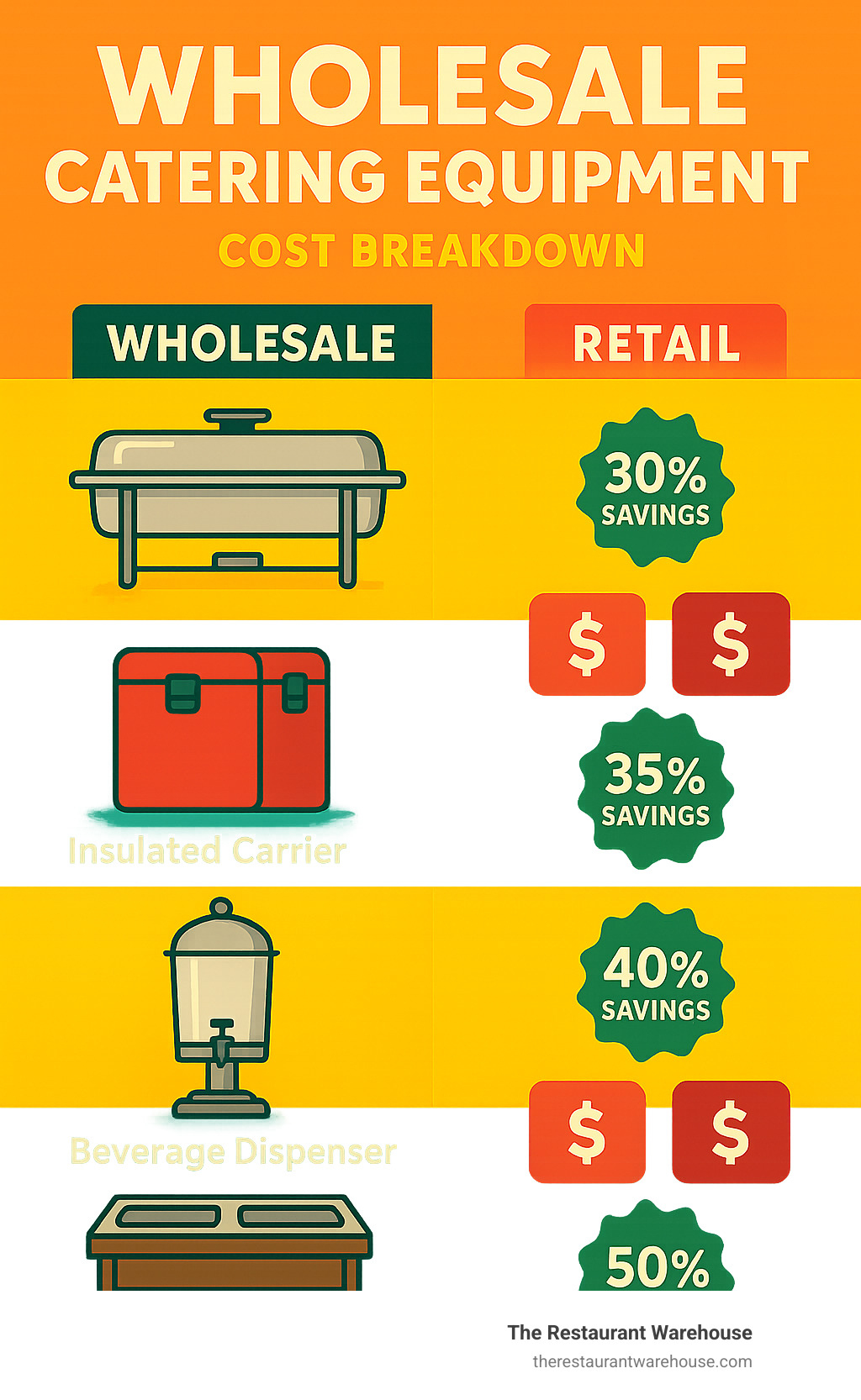
Wholesale catering equipment can cut your equipment spend by up to 50 % compared with retail, freeing cash for food, staff, and marketing.
Key Benefits of Buying Wholesale Catering Equipment:
- Cost Savings: 30-50 % lower per-unit prices when you purchase in bulk
- Quality Assurance: Commercial-grade construction plus manufacturer warranties
- Scalability: Stock the quantities you need for any size event without over-spending
- Variety: Everything from chafing dishes and insulated carriers to full buffet stations
- Support: After-sales service and technical help from established suppliers
By skipping retail mark-ups and commissions, startups and seasoned caterers alike get durable, professional gear at prices that make sense. From chafing dishes that hold safe serving temperatures to insulated carriers that protect food in transit, wholesale suppliers deliver the reliability your reputation depends on—without the premium price tag.
Relevant articles related to wholesale catering equipment:
- heavy duty kitchen equipment
- restaurant equipment wholesale
Wholesale Catering Equipment: Why Going Bulk Pays Off
Choosing wholesale catering equipment lets you bypass distributor and retail mark-ups, trimming equipment budgets by 30–50 %.
Cost-efficiency becomes a growth lever: every dollar you save on gear is a dollar you can allocate to menu development, marketing, or staff. Lower unit costs also make scaling feasible when a 500-guest wedding or corporate lunch suddenly lands on your calendar.
Working directly with manufacturers means stronger warranties and faster parts availability. Consolidated orders translate into fewer shipments, lower freight charges, and a smaller carbon footprint. Studies on modern, energy-efficient commercial appliances show 20–30 % lower utility consumption, so your savings continue long after the purchase.
Top Must-Have Wholesale Catering Equipment Items
- Chafing dishes for safe, consistent hot holding
- Insulated carriers to protect food quality in transit
- Commercial ranges and cooking equipment for consistent high-volume output
- Beverage dispensers that reduce labor and keep drinks at ideal temperatures
- Buffet stations that combine presentation with food-safety functionality
More info about Catering Equip Essentials
Category Roundup: Essential Gear for Every Service Style
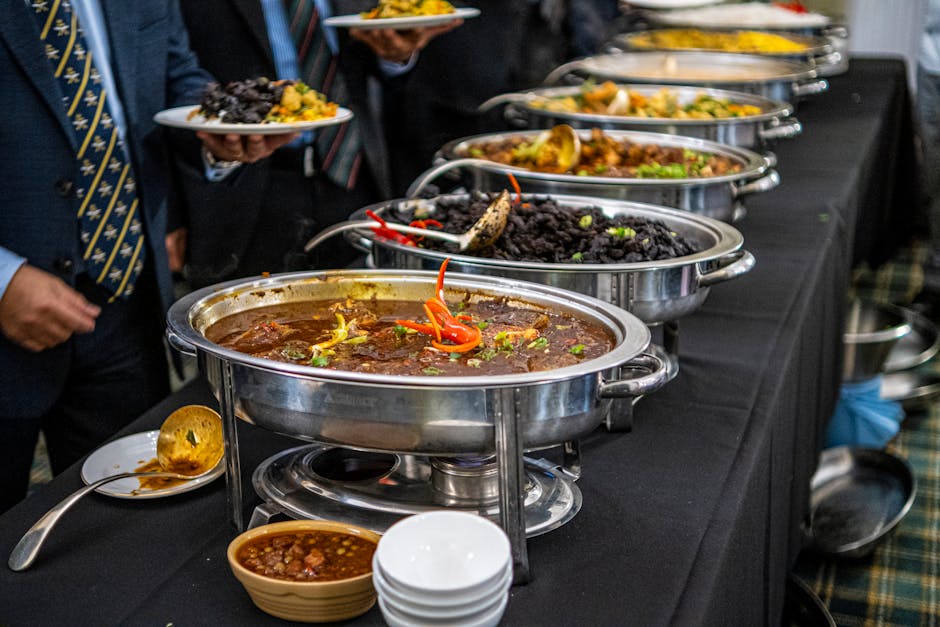
Every catering operation has its own personality, and your equipment choices should reflect that. Whether you're running neat plated dinners or casual buffet spreads, having the right gear makes all the difference between a smooth service and a stressful scramble.
A food truck operation needs completely different tools than a wedding caterer. The food truck might prioritize compact, portable equipment that can handle high-volume orders quickly. Meanwhile, the wedding caterer focuses on presentation pieces and equipment that keeps food perfect for hours.
Your cooking equipment needs depend heavily on where you're working. Indoor venues give you the luxury of full commercial ranges and spacious convection ovens. But outdoor events? You'll need portable induction units and mobile cooking stations.
Hot holding equipment is where food safety meets quality control. Quality heated cabinets and warming drawers keep your food in that perfect temperature zone without turning it into mush.
Refrigeration becomes more critical as your events grow larger. A small reach-in cooler might work for intimate dinner parties, but corporate events need serious cold storage capacity.
Storage solutions are the unsung heroes of catering operations. Proper shelving, transport cases, and organization systems save you countless hours and prevent expensive equipment damage.
Transport equipment separates the professionals from the amateurs. Insulated carriers and delivery systems ensure your carefully prepared food arrives looking and tasting exactly as intended. Presentation tools then transform that food into an experience, while sanitation equipment keeps everything clean and compliant.
Hot & Fast: Cooking and Holding
Convection ovens are absolute game-changers for catering operations. The forced-air circulation doesn't just cook food faster - it cooks it more evenly, which is crucial when you're preparing dozens of portions at once. Look for models with multiple rack positions so you can maximize your cooking capacity.
Combi steamers are like having a Swiss Army knife in your kitchen. These versatile units can roast, steam, bake, and reheat with precision. Instead of juggling multiple pieces of equipment, one combi steamer can handle most of your cooking needs while delivering consistently superior results.
When it comes to commercial fryers, modern units are miles ahead of older models. They feature oil filtration systems that keep your oil cleaner longer and precise temperature recovery that maintains consistent results even during busy service periods.
Heated cabinets solve one of catering's biggest challenges: keeping food at perfect serving temperature without overcooking it. These units maintain safe temperatures while preserving texture and flavor - absolutely essential for buffet service and large events.
Fuel efficiency isn't just about being environmentally responsible. With energy costs climbing, efficient equipment often pays for itself through reduced operating expenses. Regular maintenance keeps your equipment running efficiently, which directly impacts your bottom line.
Cool & Secure: Refrigeration and Storage
Reach-in refrigerators are the workhorses of catering prep. Glass-door models are particularly smart investments because staff can quickly spot what they need without opening doors and letting cold air escape. This saves energy and maintains more consistent temperatures.
Bench fridges are brilliant space-savers that provide refrigerated storage right beneath your prep surfaces. When you're doing high-volume prep work, having ingredients stay cold while remaining easily accessible speeds up your entire operation.
Prep coolers with built-in cutting boards and ingredient bins create efficient assembly-line workflows. These specialized units keep ingredients at safe temperatures while providing organized workspace for those marathon prep sessions.
Investing in quality food pans and storage containers in standardized sizes creates a storage system that actually works. Containers that stack properly and seal tightly prevent waste, reduce contamination risk, and make inventory management easier.
HACCP labeling systems might not be glamorous, but they're absolutely critical for food safety compliance. Proper date coding and temperature monitoring protect your customers and your business from foodborne illness issues.
Show & Serve: Presentation and Tableware
Display risers transform ordinary buffet setups into eye-catching presentations. Multi-level displays create visual interest while maximizing your serving space. People eat with their eyes first, so presenting your entrees, appetizers, and desserts attractively matters more than you might think.
Eco-friendly disposable tableware addresses environmental concerns without sacrificing convenience. Many modern disposable catering products are made from recycled plastics and can actually be reused multiple times, making them both cost-effective and environmentally responsible.
Quality disposable trays and containers designed specifically for catering often meet both microwave and refrigerator safety requirements. The better plastic containers can be reused several times, which makes them more economical and reduces environmental impact.
Linens and table coverings do double duty - they coordinate with event themes while protecting surfaces. Choose materials that launder well and resist staining.
Glassware and serving pieces lift the entire dining experience. While disposables work perfectly for casual events, upscale catering demands quality glassware and attractive serving pieces that match the occasion's formality.
More info about Catering Supplies Checklist
Buyer's Guide: Selecting and Financing the Right Kit
Choosing the right wholesale catering equipment is like picking a business partner - you want someone reliable who'll be there when things get tough. Price matters, but it shouldn't be your only consideration.
Start with supplier vetting by checking their reputation in the foodservice industry. A supplier who's been around for years understands the unique challenges caterers face. They know that when your convection oven breaks down the morning of a 200-person wedding, you need solutions fast, not excuses.
Certifications aren't just alphabet soup on spec sheets - they're your insurance policy. NSF certification means food contact surfaces meet strict safety standards, while UL approval confirms electrical equipment won't become a fire hazard. These certifications protect both your customers and your business.
After-sales support separates the wheat from the chaff in wholesale suppliers. The best partners offer installation help, staff training, and technical support that extends well beyond your initial purchase. When you're dealing with commercial equipment, having a knowledgeable support team can save you thousands in downtime and repairs.
Eco-friendly materials aren't just good for the planet - they're often good for your operating costs too. Energy-efficient equipment typically pays for itself through reduced utility bills, while sustainable materials often prove more durable over time.
Volume discounts can provide significant savings, but don't let them tempt you into buying more than you actually need. Calculate your realistic requirements and plan purchases around your peak seasons to maximize these opportunities.
Sourcing Wholesale Catering Equipment the Smart Way
When it comes to sourcing wholesale catering equipment, reputation beats rock-bottom prices every single time. We've heard too many horror stories about operators who saved a few hundred dollars upfront only to lose thousands when their "bargain" supplier disappeared at the first sign of trouble.
Lead times become crucial during busy seasons when everyone's scrambling for equipment. Established wholesalers maintain inventory for popular items and provide realistic delivery schedules. Planning your purchases well ahead of peak catering seasons saves you from paying premium prices for rush orders.
Service agreements protect your investment and keep your operation running smoothly. Look for suppliers who offer comprehensive packages including installation, staff training, and ongoing maintenance support. The best wholesale partners understand that your success directly impacts their long-term relationship with you.
Quality suppliers provide honest guidance about equipment selection rather than just pushing their most expensive items. They'll tell you when a less expensive option meets your needs perfectly, and they'll be upfront about delivery timelines without making promises they can't keep.
More info about Restaurant Equipment Wholesale Deals
Buy vs Lease: What Works for Your Budget?
The buy versus lease decision affects both your immediate cash flow and long-term profitability. Buying equipment typically costs less over time and gives you complete control, while leasing requires smaller upfront payments but costs more in the long run.
| Factor | Buying | Leasing |
|---|---|---|
| Upfront Cost | Higher initial investment | Lower initial payment |
| Total Cost | Lower lifetime cost | Higher total payments |
| Flexibility | Equipment ownership | Easy upgrades |
| Tax Benefits | Depreciation deductions | Expense deductions |
| Customization | Full customization | Limited modifications |
| Maintenance | Owner responsibility | Often included |
Upfront costs make leasing attractive for new businesses or those with tight cash flow. However, if you plan to use equipment regularly over several years, purchasing almost always saves money in the long run.
Flexibility considerations depend on your business growth plans. Rapidly expanding operations might benefit from leasing's upgrade options, while established caterers often prefer the stability and control that comes with ownership.
Tax implications vary significantly based on your specific situation, so consult with your accountant before making decisions. Both options offer tax benefits, but they work differently and may favor one approach over the other depending on your circumstances.
Customization needs strongly favor purchasing. When you own equipment, you can modify it to meet your specific operational requirements. Leased equipment typically cannot be altered, which can limit your operational flexibility.
More info about Catering Equipment Lease Made Easy
2025 Trends & Sustainable Innovations
The catering world is changing fast, and 2025 is shaping up to be a turning point for wholesale catering equipment. What's driving this shift? It's about meeting real customer demands and staying ahead of regulations that are getting stricter by the year.
Green materials are taking center stage in ways we couldn't have imagined just a few years ago. Those flimsy paper plates that fell apart halfway through dinner? They're history. Today's compostable tableware made from wheat straw and bamboo actually performs better than many traditional options. Caterers who switched to these materials report fewer customer complaints and better presentation quality.
The real game-changer is induction cooking technology. If you've been hesitant about making the switch, the numbers might surprise you. Induction units heat up 50% faster than gas ranges and waste almost no energy in the process. Plus, your kitchen staff will thank you - there's no open flame, less ambient heat, and precise temperature control that makes cooking large batches much more predictable.
IoT monitoring sounds fancy, but it's actually pretty straightforward. Your equipment talks to your phone or computer, telling you when something needs attention before it breaks down. Imagine knowing your refrigerator's compressor is struggling before it fails during a weekend wedding. That's the kind of peace of mind that pays for itself quickly.
Compostable disposables have come so far that many customers can't tell the difference from traditional plastics. The best part? They break down completely in commercial composting facilities, which means you're not just shifting the waste problem somewhere else.
Carbon-neutral delivery is becoming standard practice among forward-thinking suppliers. Many wholesale partners now calculate shipping emissions and offset them through verified environmental programs. It's a small step that makes a big difference, especially when you're ordering equipment regularly.
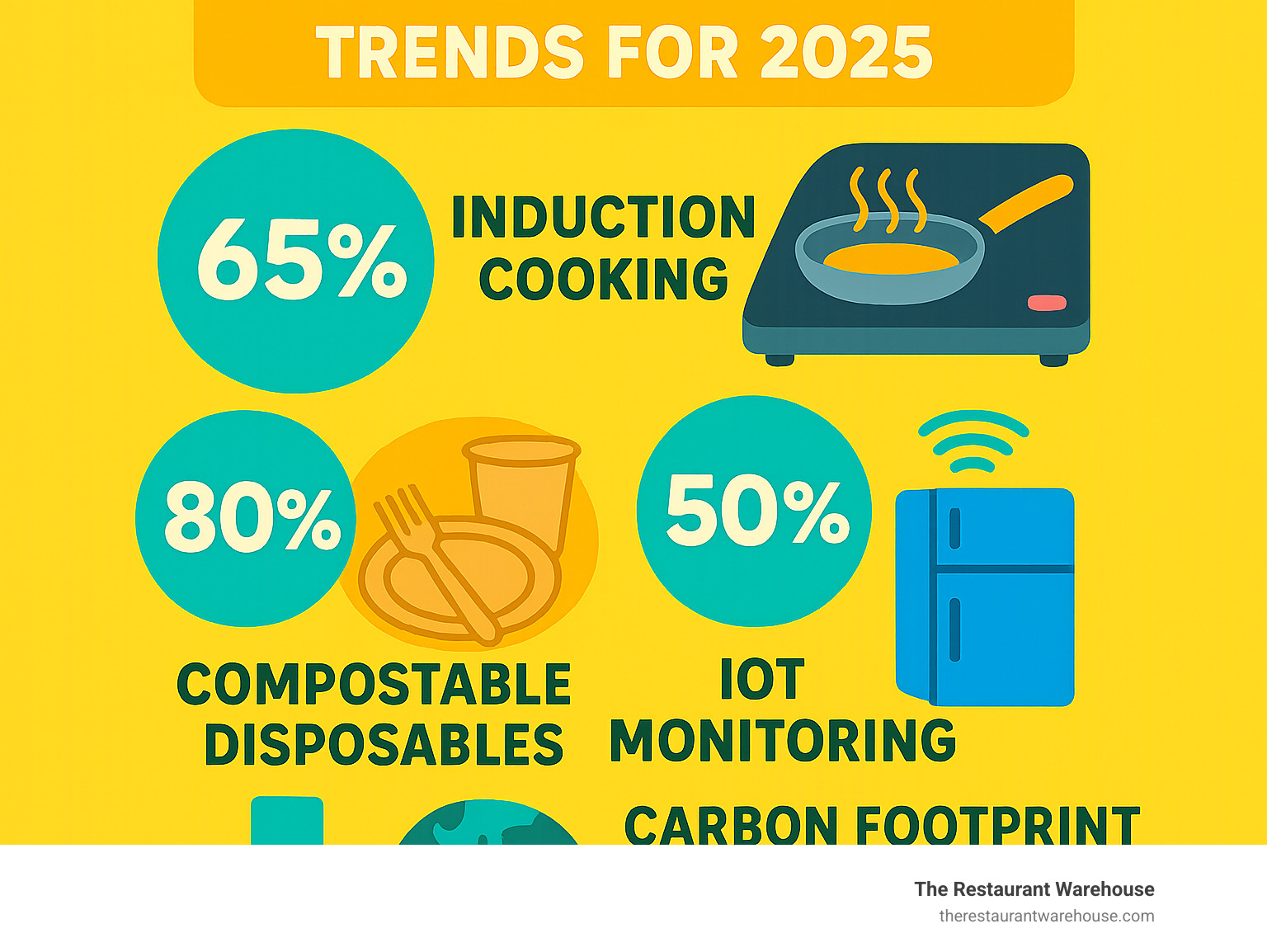
Catering trends in 2025 emphasize innovation and global flavors, with sustainability playing an increasingly important role in equipment selection and operational practices. But here's what the research doesn't capture: how much easier these innovations make daily operations.
Take smart equipment monitoring, for example. Instead of guessing when to schedule maintenance, the equipment tells you. Instead of worrying about energy costs, you get real-time feedback on efficiency. It's like having a kitchen manager who never sleeps and always knows exactly what's happening with every piece of equipment.
The sustainability angle isn't just about feeling good - it's about staying competitive. More clients are asking about environmental practices, and some corporate contracts now require sustainability certifications. Getting ahead of these trends means you're ready when they become requirements instead of scrambling to catch up.
Maintenance, Food Safety & Operational Longevity
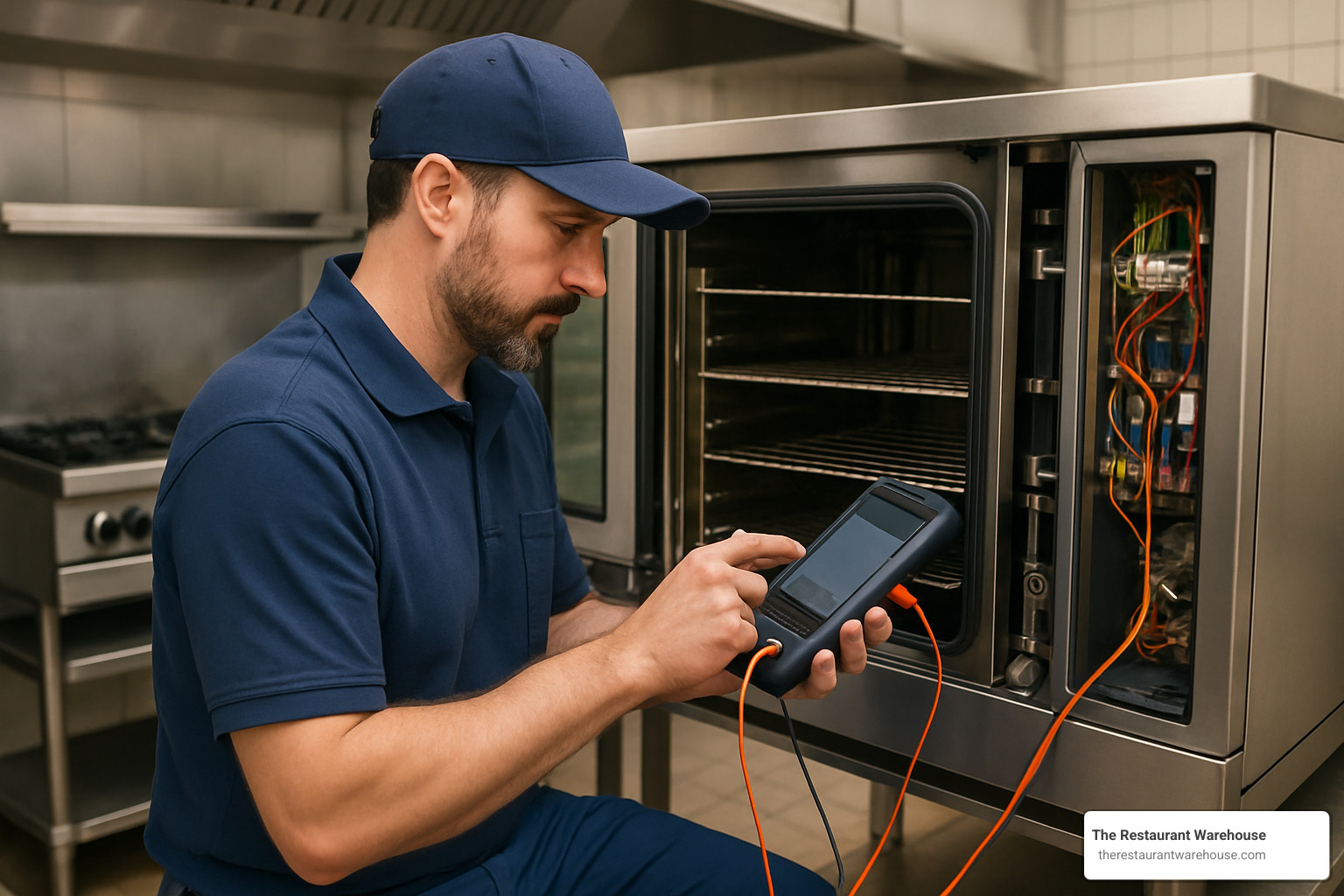
Your wholesale catering equipment investment deserves protection. Think of maintenance as insurance for your business - a small investment that prevents major headaches down the road.
We've seen too many operators learn this lesson the hard way. Picture this: you're catering a 300-person wedding when your main oven decides to take an unscheduled break. The repair bill hurts, but the damage to your reputation costs even more.
Routine maintenance doesn't have to be complicated. Simple tasks like cleaning grease filters weekly, checking door seals monthly, and calibrating thermostats quarterly can prevent most major breakdowns. These small steps keep your equipment running smoothly when you need it most.
The energy savings from proper maintenance are impressive. Clean equipment works efficiently, while dirty or neglected equipment can boost your utility bills by 20-30%. A well-maintained convection oven heats faster and holds temperatures better, saving money every time you use it.
NSF compliance isn't just about passing inspections - it's about protecting your customers and your business. Following proper cleaning procedures and maintenance schedules keeps you compliant while ensuring food safety. Health code violations can shut down operations and destroy reputations overnight.
Staff training makes all the difference. When your team knows how to operate equipment properly and spot potential problems early, you avoid most maintenance emergencies. A trained employee who notices unusual sounds or temperatures can save you thousands in repair costs.
Spare parts access becomes crucial during busy seasons. Nobody wants to explain to a bride why her reception dinner is delayed because you can't find a replacement heating element. Smart operators build relationships with suppliers who stock parts and respond quickly when problems arise.
After-Sales Support You Should Demand
The relationship with your supplier shouldn't end at delivery. Quality after-sales support transforms equipment purchases from transactions into partnerships that protect your investment and ensure your success.
Comprehensive warranties covering both parts and labor give you peace of mind. But read the fine print - understand what's covered, what's not, and how long protection lasts. Extended warranty options often make sense for critical equipment that would shut down operations if it failed.
When equipment breaks at 2 AM during a weekend event, you need 24/7 technical support that actually answers the phone. Equipment failures don't wait for convenient times, and neither should your supplier's help.
On-site service capabilities can save your event when problems strike. Suppliers with local service networks respond faster than those shipping technicians from across the country. Quick response times mean the difference between minor inconvenience and major disaster.
Comprehensive training materials help your staff operate equipment safely and effectively. Quality suppliers provide detailed manuals, training videos, and ongoing support that keeps your team confident and your equipment running properly.
Readily available parts inventory ensures repairs happen quickly. When suppliers maintain adequate stock of common replacement parts, your equipment gets back to work faster. Nothing's worse than waiting weeks for a simple part while your equipment sits idle.
The best suppliers understand that your success drives their success. They provide honest guidance, realistic timelines, and transparent support without hidden fees or surprise charges.
More info about Commercial Kitchen Equipment Guide
Frequently Asked Questions about Wholesale Catering Equipment
Let's address the most common questions we hear from caterers and restaurant owners considering wholesale catering equipment purchases. These insights come from years of helping foodservice professionals make smart equipment decisions.
What factors matter most when choosing a wholesale supplier?
Reputation should be your first consideration when selecting a wholesale supplier. We've seen too many operators choose suppliers based solely on price, only to face problems when equipment fails or service is needed. Look for suppliers with solid track records in the foodservice industry - companies that have been around long enough to weather economic ups and downs.
Service capabilities separate the professionals from the order-takers. Quality suppliers offer comprehensive support including installation guidance, staff training, and ongoing technical assistance. They understand that your success directly impacts their reputation, so they're invested in helping you succeed.
Manufacturer relationships matter tremendously. Suppliers with strong factory connections can provide better pricing, faster delivery, and superior warranty support. They also have access to technical expertise when complex problems arise.
Don't overlook inventory depth and delivery reliability. The best wholesale suppliers maintain adequate stock levels and provide realistic delivery timelines. Nothing's worse than planning an event around equipment that doesn't arrive on schedule.
Should I buy or lease equipment for seasonal operations?
Seasonal operations present unique challenges that make the buy-versus-lease decision more complex. If your catering business only operates during wedding season or holiday periods, leasing can align your payments with your revenue cycles.
Cash flow considerations often favor leasing for seasonal businesses. Instead of tying up capital in equipment that sits idle for months, leasing allows you to preserve cash for marketing, inventory, and other operational needs during your active seasons.
However, equipment used regularly - even seasonally - often costs less to purchase over time. If you're using the same chafing dishes, beverage dispensers, and serving equipment year after year, buying typically provides better long-term value.
Growth plans should influence your decision too. Rapidly growing operations might benefit from leasing's flexibility to upgrade equipment as volume increases. Established businesses with predictable needs often prefer the stability of ownership.
Consider your storage situation carefully. Seasonal operators need secure storage for owned equipment during off-seasons, while leased equipment might be returned when not needed.
How does regular maintenance protect my bottom line?
Preventive maintenance is one of the smartest investments you can make in your catering operation. Well-maintained equipment operates significantly more efficiently than neglected units - we're talking about 20-30% energy savings just from keeping equipment clean and properly adjusted.
Equipment longevity improves dramatically with regular care. Simple tasks like cleaning filters, checking door seals, and calibrating thermostats can double the useful life of commercial equipment. The cost of these routine maintenance tasks is a fraction of premature replacement costs.
Breakdown prevention saves money and reputation. Equipment failures during events create chaos - disappointed clients, stressed staff, and potential food safety issues. Regular maintenance catches problems before they become emergencies.
Energy efficiency deteriorates as equipment ages and gets dirty. A commercial oven with dirty heat exchangers or blocked vents can use 30% more energy while providing inconsistent results. Regular cleaning and maintenance keeps equipment operating at peak efficiency.
Food safety compliance depends on properly functioning equipment. Refrigeration units that can't maintain proper temperatures or holding equipment with faulty thermostats create serious liability risks. Regular maintenance ensures equipment performs as designed, protecting both food quality and your business reputation.
The math is simple: preventive maintenance costs pennies compared to emergency repairs and lost business from equipment failures. Smart operators budget for regular maintenance as a standard operating expense, not an optional luxury.
Conclusion
Your catering business deserves equipment that works as hard as you do. At The Restaurant Warehouse, we've built our reputation on understanding exactly what foodservice professionals need - and delivering it without the hefty price tags that come with traditional retail channels.
When you choose wholesale catering equipment from us, you're not just saving money (though those 30-50% cost reductions certainly help your bottom line). You're partnering with a company that genuinely cares about your success. We've eliminated the commissions and retail overhead that other suppliers pass on to you, because we believe quality commercial equipment should be accessible to every operation.
Our ready-to-ship inventory means you won't be left scrambling when your chafing dishes give out right before a big wedding, or when you land that corporate contract and need to scale up fast. We stock the equipment you actually use - not just what looks good in a catalog.
Whether you're just starting your catering journey or you're ready to invest in that commercial convection oven you've been eyeing, we're here to help you make smart decisions. Our team understands the difference between equipment that looks impressive and equipment that actually performs when you need it most.
The financing options we offer aren't just about making payments manageable - they're about helping you grow your business at a pace that makes sense. Sometimes leasing that new combi steamer is the smart move. Other times, buying outright saves you money in the long run. We'll help you figure out what works best for your situation.
Your success is our success. When your catering business thrives with reliable, professional-grade equipment, we know we've done our job right.
About The Author

Sean Kearney
Sean Kearney used to work at Amazon.com and started The Restaurant Warehouse. He has more than 10 years of experience in restaurant equipment and supplies. He graduated from the University of Washington in 1993. He earned a BA in business and marketing. He also played linebacker for the Huskies football team. He helps restaurants find equipment at a fair price and offers financing options. You can connect with Sean on LinkedIn or Facebook.
Leave a comment