

Beyond the Mop: Must-Have Cleaning Tools for Every Restaurant
Why Restaurant Cleaning Tools Are the Foundation of Your Success
Restaurant cleaning tools are the backbone of any successful foodservice operation. Whether you're running a busy diner or launching your first cafe, the right cleaning equipment protects your customers, preserves your reputation, and keeps health inspectors happy.
Essential Restaurant Cleaning Tools Every Operation Needs:
- Back-of-House: Commercial mops, color-coded sanitizing buckets, deck brushes, floor squeegees, drain cleaning tools, degreaser application tools
- Front-of-House: Upright vacuums, microfiber cloths, glass squeegees, upholstery brushes, dusters with extension poles
- Specialized Equipment: Grout brushes, battery-operated sweepers, toilet bowl cleaning systems, floor dryers, cleaning carts
Here's what many restaurant owners miss: cleaning isn't just about appearances. It's about survival. According to the National Restaurant Association, over 70% of diners consider cleanliness very important when choosing where to eat. One dirty floor or grimy restroom can cost you customers for life.
The commercial cleaning market was valued at $74.9 billion in 2023, and it's growing fast. Why? Because restaurants that invest in proper cleaning tools reduce labor costs by up to 15% while extending the lifespan of your valuable kitchen assets. Every dollar you spend on the right mop, brush, or sanitizing bucket pays you back multiple times over.
But here's the challenge facing budget-conscious operators: traditional suppliers load up prices with hidden markups and commissions. You end up paying premium rates for basic tools that should be affordable. That's where smart purchasing makes all the difference.
I'm Sean Kearney from The Restaurant Warehouse, and I've spent years helping restaurateurs find cost-effective solutions for their operations, including restaurant cleaning tools that deliver professional results without the inflated price tags. My background in sales taught me that the right equipment solves real problems—and cleaning tools are no exception.
Restaurant cleaning tools terms made easy:
Back-of-House (BOH) Essentials: The Engine Room of Cleanliness
The back-of-house (BOH) is where the culinary magic happens, but it's also where the biggest messes are made. Maintaining impeccable hygiene here isn't just about appearances; it's a critical component of food safety and preventing cross-contamination. Our BOH restaurant cleaning tools must be robust, efficient, and designed to tackle the unique challenges of grease, food debris, and high-volume operations. Investing in the right tools for this area directly impacts your compliance with health and safety regulations, safeguarding your customers and your business.
A well-equipped kitchen reflects a well-run establishment. The cleaning tools we choose for the BOH are not merely accessories; they are central to upholding the highest hygiene standards, preventing foodborne illnesses, and ensuring a safe working environment for our staff. From daily wipe-downs to weekly deep cleans, each tool plays a vital role in our comprehensive cleaning strategy.
Mastering Surface and Floor Care with the Right Restaurant Cleaning Tools
When it comes to the BOH, surfaces and floors bear the brunt of daily operations. We need restaurant cleaning tools that can withstand constant use and effectively remove tough grime.
- Commercial-Grade Mops and Mop Buckets with Wringers: These are our workhorses for floor cleaning. Unlike household varieties, commercial mops are designed for heavy-duty use, absorbing large spills and enduring harsh cleaning agents. Paired with sturdy buckets and efficient wringers, they allow our staff to clean large areas quickly and effectively, preventing slips and falls. We look for models with durable plastic or metal components that can handle the demands of a busy kitchen.
- Deck Brushes: For those stubborn spots and textured flooring common in commercial kitchens, deck brushes are indispensable. Their stiff bristles are perfect for scrubbing away caked-on food, grease, and grime that mops might miss. They are essential for deep cleaning around equipment legs and in floor corners.
- Heavy-Duty Push Brooms: Ideal for sweeping up larger debris, food scraps, and general dry messes quickly before mopping. A good push broom can significantly reduce the time spent on initial floor preparation.
- Floor Squeegees: After scrubbing or large spills, floor squeegees quickly push water and cleaning solutions towards floor drains, facilitating faster drying and preventing standing water, which can be a breeding ground for bacteria and a slip hazard.
- Dustpans: Not just any dustpan will do. We need large, durable dustpans that can accommodate significant amounts of swept debris without breaking or spilling.
- Wet Floor Signs: A simple yet critical safety tool. These signs are non-negotiable in any area where floors have been recently cleaned or are wet, protecting both staff and customers from potential accidents.
- Sponges and Scours: A variety of sponges and scours are needed for different tasks – gentle sponges for delicate surfaces, and abrasive scours for tough, baked-on messes on non-food contact surfaces. It's crucial to have designated sponges for specific tasks to prevent cross-contamination.
For a structured approach to maintaining cleanliness, we find a detailed checklist invaluable. It helps us ensure no stone is left unturned in our cleaning routine.
Find all your BOH cleaning essentials here
The Power of Color-Coding to Prevent Cross-Contamination

One of the most effective strategies we employ to maintain hygiene and prevent cross-contamination is a color-coded cleaning system. This isn't just a suggestion; it's a best practice aligned with HACCP (Hazard Analysis and Critical Control Points) guidelines, crucial for food safety. By assigning specific colors to different areas or tasks, we minimize the risk of transferring bacteria, allergens, or harsh chemicals from one zone to another.
Here’s how our color-coding system typically works for pails and other restaurant cleaning tools:
- Red for Sanitizer: Designated for sanitizing solutions. This immediately tells staff that the contents are for killing bacteria on food contact surfaces after cleaning.
- Green for Detergent (Cleaner): Used exclusively for general cleaning solutions and detergents. This helps us ensure surfaces are properly cleaned before sanitization.
- Purple for Allergen: Increasingly important, purple tools are reserved for cleaning areas or equipment that have come into contact with specific allergens. This is a vital step in protecting customers with allergies.
- White for Broken Glass Only: A safety-first designation. White pails are used solely for collecting broken glass, preventing shards from mixing with other waste or cleaning solutions, and reducing injury risk.
- Blue/Yellow for General Use: These colors are often used for general-purpose cleaning tasks in less critical areas, such as non-food contact surfaces or floors outside the immediate food prep zone.
- Grey for Janitorial: Reserved for non-food-related janitorial tasks, typically in restrooms or waste disposal areas, ensuring those tools never enter food prep zones.
Implementing this system requires thorough staff training and clear labeling. It removes guesswork, improves efficiency, and significantly reduces the chances of foodborne illnesses. We make sure our surface sanitizing chemicals are clearly labeled and used with the correct color-coded tools. This attention to detail is how we keep our kitchen safe and our operations smooth. The CDC offers valuable recommendations for environmental cleaning and disinfection, which further underscore the importance of such systems. CDC: Environmental Cleaning and Disinfection Recommendations
Specialized Tools for Tough Kitchen Jobs
Some cleaning challenges in the BOH require more than just a mop and bucket. We rely on specialized restaurant cleaning tools to tackle the toughest grime and maintain our equipment and facilities in peak condition.
- Grout Brushes: Kitchen floors, especially those with tiles, accumulate grease and grime in the grout lines. Grout brushes, with their narrow, stiff bristles, are perfect for deep cleaning these often-overlooked areas, preventing mold and mildew buildup and refreshing the look of our kitchen floors.
- Drain Cleaning Tools and Drain Snakes: Floor drains are essential for kitchen hygiene but can quickly become clogged with food particles and grease. Drain cleaning tools, including drain snakes, are critical for unclogging drains and preventing backups, which can lead to unsanitary conditions, unpleasant odors, and even pest infestations. We use specialized drain trap seals to prevent aerosolized pathogens, sewer gases, insects, and odors from entering our space through floor drains, ensuring a healthier environment.
- High-Heat Scrapers: For cooking surfaces that endure high temperatures, food residue can bake on firmly. High-heat scrapers are designed to safely remove this stubborn buildup without damaging the surface, ensuring thorough cleaning and optimal equipment performance.
- Degreaser Application Tools: Grease buildup is a constant battle in any commercial kitchen. Specialized tools for applying degreasers ensure even coverage and effective penetration, making the removal of heavy grease deposits easier and more efficient.
- Detail Brushes for Fixtures: Hard-to-reach crevices, seams, and the undersides of fixtures can harbor dirt and bacteria. A variety of small, detail brushes allow us to carefully clean these areas, ensuring comprehensive hygiene.
- Waste Management Tools: Beyond just trash cans, efficient waste management includes utility containers, recycling containers, and robust liners. These tools help us sort waste, prevent leaks, control odors, and maintain a clean, organized waste disposal area. Proper waste management is fundamental to preventing pests and maintaining overall cleanliness.
Each of these specialized tools contributes to a comprehensive cleaning regimen, addressing unique challenges and ensuring our BOH is not just clean, but truly hygienic.
Front-of-House (FOH): Creating a Spotless Customer Experience
The front-of-house (FOH) is your restaurant's handshake with the world. It’s where first impressions are made, and customer perceptions are solidified. A spotless dining area, pristine restrooms, and sparkling entryways are not just about aesthetics; they directly influence customer satisfaction, encourage repeat business, and contribute significantly to your brand's reputation. Our FOH restaurant cleaning tools are chosen to maintain this inviting ambiance with efficiency and minimal disruption.
Customers notice everything, from a crumb under a table to a streak on a window. The cleanliness of our dining space affects how guests perceive our business and whether they become repeat customers. We understand that a clean environment tells our guests that we care about their experience, their health, and our standards. This is why our cleaning tasks in the FOH are performed daily, often multiple times, to ensure continuous immaculate presentation, even in high-traffic areas.
Maintaining Immaculate Dining Areas and Entryways
The dining area and entryways are often high-traffic zones that require frequent attention. Our selection of restaurant cleaning tools for these areas focuses on quick, effective, and often quiet operation to avoid disturbing our guests.
- Lightweight Upright Vacuums: For carpeted areas or hard floors in the dining room, a powerful yet lightweight upright vacuum is essential. We look for models with adjustable heights and attachments that can handle various floor types and reach into tight corners or under furniture. The goal is efficient cleaning without being a cumbersome task for our staff, even at the end of a long shift.
- Quiet Battery-Operated Sweepers: It's simply unrealistic to pull out a corded vacuum when customers are dining. That's where battery-operated sweepers shine. They are perfect for quick cleanups of crumbs, spills, or debris under tables and in busy walkways without creating noise or tripping hazards. Many models hold a charge for up to 90 minutes, making them ideal for multiple quick passes throughout service.
- Glass and Window Squeegees: Sparkling clean windows and glass doors let in natural light and create an inviting atmosphere. High-quality squeegees ensure streak-free results, contributing to a polished and professional look.
- Microfiber Cloths for Polishing: These highly absorbent and lint-free cloths are perfect for dusting, wiping down tables, polishing fixtures, and cleaning surfaces without leaving residue. We use color-coded microfiber cloths as well, ensuring specific cloths are used for specific tasks (e.g., table wiping vs. bar polishing) to prevent cross-contamination.
- Dusters with Extension Poles: For high ledges, light fixtures, and ceiling corners, dusters with extendable handles allow our staff to reach and remove dust and cobwebs safely and effectively, maintaining a clean aesthetic from floor to ceiling.
- Upholstery Brushes for Booths: Booths and upholstered chairs can accumulate crumbs and spills. Upholstery brushes help us keep these surfaces clean and presentable, removing debris and maintaining the fabric's appearance.
- Spot Cleaning Tools: Accidents happen! Having dedicated spot cleaning tools, such as small brushes and appropriate cleaning solutions, allows for immediate attention to spills on carpets or upholstery, preventing stains from setting in.
By having these tools readily available, we empower our team to maintain a continuously clean and welcoming FOH, which directly translates to a positive customer experience.
Essential Tools for Sparkling Restrooms
Restrooms are a critical indicator of a restaurant's overall cleanliness. A well-maintained restroom reflects positively on our establishment, while a neglected one can quickly deter customers. Our restaurant cleaning tools for restrooms are specifically chosen to ensure thorough sanitation and a pleasant experience for every guest.
- Toilet Bowl Brushes and Caddies: Dedicated toilet brushes are essential for scrubbing and sanitizing toilet bowls. Caddies ensure the brushes are stored hygienically, preventing drips and keeping them discreetly out of sight.
- Non-Abrasive Sponges: For cleaning sinks, countertops, and other delicate restroom surfaces, non-abrasive sponges are used with appropriate cleaning agents to remove grime without scratching.
- Grout and Tile Brushes: Restroom tiles and grout lines are prone to soap scum, mildew, and general grime. Specialized grout and tile brushes, often with stiff bristles, are necessary for deep cleaning these areas, ensuring a sparkling and hygienic appearance.
- Hand Soap and Sanitizer Dispensers: These are not just cleaning tools but essential hygiene provisions for our guests and staff. Touch-free dispensers are preferred to minimize contact and improve cleanliness.
- Paper Towel Dispensers: Ensuring a continuous supply of paper towels is crucial for hand drying. Well-maintained dispensers reflect attention to detail.
- Odor Control Systems: A fresh-smelling restroom is as important as a clean-looking one. Odor control systems, from air fresheners to urinal screens, help neutralize unpleasant smells and maintain a welcoming atmosphere.
- Small Waste Receptacles: Strategically placed small waste bins, especially in stalls and near sinks, encourage proper disposal of waste and help keep the restroom tidy.
Maintaining clean and hygienic restrooms is a testament to our commitment to customer comfort and health, reinforcing our positive brand image.
Choosing Your Arsenal: What to Look for in Professional Restaurant Cleaning Tools
Investing in the right restaurant cleaning tools is a strategic decision that pays dividends in operational efficiency, staff safety, and long-term cost savings. We don't just buy the cheapest option; we evaluate tools based on features that offer the best return on investment and contribute to our overall success. This proactive approach ensures our cleaning efforts are effective and sustainable.
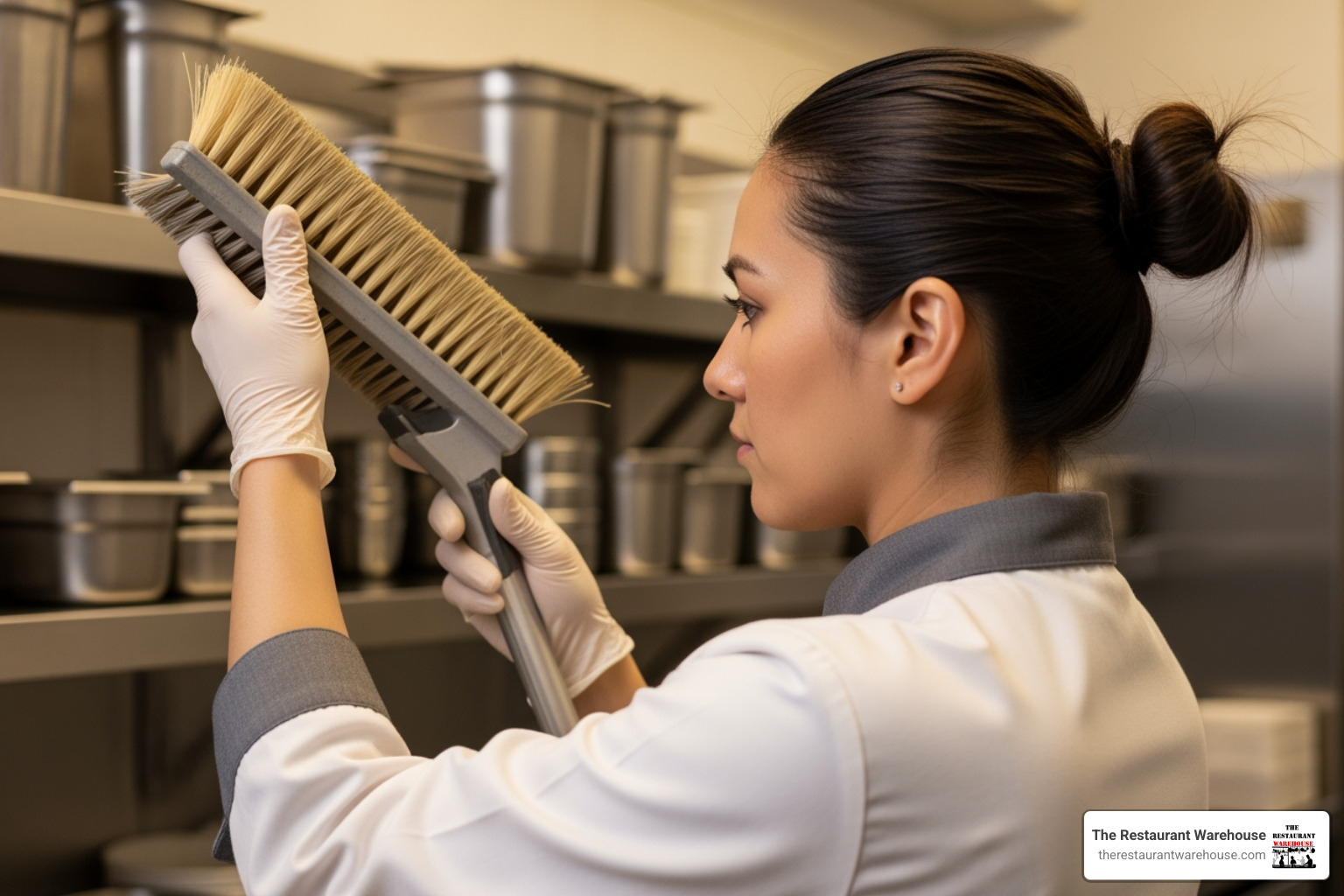
When selecting tools, we consider not only their immediate effectiveness but also their long-term value. Higher-quality tools might have a greater upfront cost, but their durability, efficiency, and contribution to safety often lead to significant savings by reducing replacement frequency, labor time, and potential injury risks. This perspective helps us ensure that every cleaning tool we purchase is a smart investment in our restaurant's future. The global market for green cleaning products in the food service industry is also growing, reflecting an increasing awareness of environmental impact alongside efficiency.
Durability and Material: Investing for the Long Haul
The demanding environment of a restaurant means our restaurant cleaning tools need to be tough. Durability isn't a luxury; it's a necessity. We look for tools constructed from commercial-grade materials that can withstand rigorous daily use, exposure to various chemicals, and frequent washing.
- Commercial-Grade Materials: This includes heavy-duty plastics like polypropylene and polyethylene for buckets and handles, which are resistant to impact and many cleaning agents. Stainless steel handles are preferred for their strength, corrosion resistance, and longevity.
- Heat-Resistant Components: For tools used in the kitchen, especially near cooking areas or for cleaning hot surfaces, heat-resistant components are crucial to prevent warping or melting.
- Non-Corrosive Parts: Exposure to water, sanitizers, and degreasers can quickly degrade inferior materials. We choose tools with non-corrosive parts to ensure they maintain their integrity and effectiveness over time.
- Dishwasher-Safe Design: Many smaller tools, brushes, and pail inserts should ideally be dishwasher-safe to allow for thorough sanitization after use, preventing bacterial buildup on the tools themselves.
Investing in durable tools means less frequent replacements, which saves money and reduces waste. It also ensures that our staff always has reliable equipment to do their job effectively.
Ergonomics and Safety: Protecting Your Staff
Our staff are our most valuable asset, and their safety and comfort are paramount. Ergonomically designed restaurant cleaning tools not only reduce the risk of injury but also improve efficiency and morale.
- Lightweight Design: Heavy tools can cause fatigue and strain, especially during repetitive tasks. We prioritize lightweight options where possible, without compromising on durability, to reduce physical exertion.
- Comfortable, Non-Slip Grips: Handles should be easy to grasp, even when wet, to prevent slippage and provide a secure hold. Non-slip materials reduce the effort needed to grip, minimizing hand and wrist strain.
- Adjustable-Length Handles: Tools like mops, brooms, and dusters with adjustable handles allow staff of different heights to work comfortably, preventing back strain from bending or overreaching.
- Reducing Physical Strain: Features such as efficient wringers on mop buckets minimize the need for manual squeezing, further protecting our staff from repetitive strain injuries.
- Cleaning Carts and Caddies for Organization: These mobile units allow staff to transport all necessary restaurant cleaning tools and supplies efficiently. They reduce the number of trips, prevent carrying heavy loads, and help keep supplies organized and accessible, contributing to overall employee safety and operational efficiency.
By choosing tools that are both effective and user-friendly, we create a safer work environment, reduce sick days due to injury, and empower our team to perform their cleaning duties with greater ease and thoroughness. This focus on ergonomics and safety is a direct investment in our team's well-being and our restaurant's long-term success.
Explore our complete collection of restaurant smallwares
CTA: Contact Us for expert advice on choosing the best cleaning tools for your restaurant.
Frequently Asked Questions about Restaurant Cleaning Tools
We often get asked about the practicalities of managing restaurant cleaning tools. Here are some of the most common questions and our expert insights.
How often should I replace my restaurant cleaning tools?
The lifespan of your restaurant cleaning tools depends heavily on their quality, frequency of use, and the specific tasks they perform. However, a general rule of thumb is to replace tools as soon as they show signs of wear that could compromise their effectiveness or hygiene.
- Mop Heads: Frayed, discolored, or excessively dirty mop heads should be replaced frequently, often weekly in high-volume settings, to maintain absorbency and prevent the spread of bacteria.
- Brushes: Bent, matted, or missing bristles reduce a brush's scrubbing power. If a brush can no longer effectively clean a surface, it's time for a new one.
- Buckets: Cracked or heavily stained buckets can harbor bacteria and become difficult to sanitize properly. Replace them to maintain sanitation standards.
- Sponges and Cloths: These should be sanitized daily and replaced regularly (e.g., weekly or bi-weekly for sponges, as needed for cloths) as they can quickly become breeding grounds for germs.
Regular inspection is key. If a tool isn't performing optimally or can't be thoroughly sanitized, it needs to go. This proactive approach not only ensures continuous cleaning effectiveness but also aligns with manufacturer recommendations for maintaining hygiene. The FDA provides excellent guidelines on cleanliness and food safety that emphasize the importance of maintaining clean tools. FDA: Food Safety and the Types of Cleaning
What's the most overlooked cleaning tool in a restaurant?
In our experience, the most overlooked restaurant cleaning tools are often those related to drain maintenance and grout cleaning. It's easy to focus on visible surfaces, but what happens beneath the surface or in the crevices can have a significant impact.
Drain cleaning tools, including drain snakes and specialized brushes, are vital. Clogged drains lead to standing water, unpleasant odors, and can attract pests, creating unsanitary conditions. Similarly, grout brushes are often neglected. Dirty grout lines on tiled floors and walls can harbor mold, mildew, and bacteria, contributing to a dingy appearance and potential health hazards. Investing in and routinely using these tools prevents long-term damage, eliminates odors, and significantly contributes to overall hygiene and pest control.
How can I implement a color-coded cleaning system effectively?
Implementing a color-coded cleaning system, as discussed for the BOH, is a powerful way to prevent cross-contamination, but it requires more than just buying different colored tools.
- Staff Training Sessions: This is the most crucial step. All staff members, from kitchen to front-of-house, must understand why the system is in place and how to use it correctly. Explain the rationale behind each color designation (e.g., red for sanitizer, grey for restrooms).
- Clear Labeling: Ensure all tools, buckets, and cleaning stations are clearly labeled with their designated color and purpose. Visual charts posted in cleaning areas can serve as quick reminders.
- Zone-Specific Cleaning: Emphasize that tools designated for one zone (e.g., food prep) should never be used in another (e.g., restrooms). This strict separation is vital.
- Consistent Enforcement: Management oversight is critical to ensure the system is followed consistently. Regular checks and positive reinforcement help embed the practice into daily routines.
- Dedicated Storage: Provide separate, clearly marked storage areas for each color-coded set of tools to prevent accidental mixing.
An effectively implemented color-coded system makes cleaning more intuitive, reduces errors, and significantly improves our food safety protocols.
Conclusion: A Clean Restaurant is a Successful Restaurant
A restaurant's success hinges on many factors, but cleanliness is undeniably one of the most foundational. The right restaurant cleaning tools are not just expenses; they are indispensable investments that safeguard our customers, protect our staff, extend the lifespan of our facilities, and bolster our reputation. From the robust commercial mops in the back-of-house to the quiet battery-operated sweepers in the dining area, each tool plays a crucial role in maintaining the impeccable standards we strive for.
By prioritizing durability, ergonomics, and specialized functions, we ensure our cleaning efforts are efficient, effective, and compliant with health regulations. The commitment to a clean environment translates directly into customer loyalty and a thriving business. At The Restaurant Warehouse, we understand these needs, and we're dedicated to providing affordable, wholesale pricing on the restaurant cleaning tools that make a real difference.
A clean restaurant isn't just a goal; it's a continuous process, and with the right tools, it's an achievable standard that sets us apart.
Browse our selection of restaurant cleaning supplies today!
CTA: Book a Strategy Call with our team to optimize your restaurant’s cleaning routine!
About The Author

Sean Kearney
Sean Kearney is the Founder of The Restaurant Warehouse, with 15 years of experience in the restaurant equipment industry and more than 30 years in ecommerce, beginning with Amazon.com. As an equipment distributor and supplier, Sean helps restaurant owners make confident purchasing decisions through clear pricing, practical guidance, and a more transparent online buying experience.
Connect with Sean on LinkedIn, Instagram, YouTube, or Facebook.