

Restaurant Cleaning Checklist: 8 Essential Tips for 2025
In the restaurant industry, cleanliness is not just a chore. It is a critical component of your brand, a cornerstone of customer safety, and a non-negotiable for health inspections. A pristine environment directly impacts customer perception, food quality, and even staff morale, making it a powerful business asset. Neglecting this fundamental aspect can lead to failed inspections, poor reviews, and a damaged reputation that is difficult to repair.
Managing the countless tasks across different zones, from the front-of-house to the back dock, can be overwhelming without a system. This guide breaks down the complexity by providing a structured, comprehensive restaurant cleaning checklist organized by key operational areas and task frequency. We move beyond generic advice to offer actionable protocols that ensure every corner of your establishment meets the highest standards of hygiene and safety.
This is more than just a to-do list; it is a framework for operational excellence. You will find detailed, frequency-based checklists covering everything from daily front-of-house touch-ups to monthly deep cleans of kitchen equipment and HVAC systems. By implementing a systematic approach, you can streamline operations, empower your staff with clear expectations, and consistently deliver a safe, welcoming experience for every guest. This detailed breakdown helps you build a reputation that shines as brightly as your floors, safeguarding both your customers and your bottom line.
1. Kitchen Deep Sanitization and Equipment Cleaning
The kitchen is the heart of your restaurant, and its cleanliness directly impacts food safety, quality, and your establishment's reputation. A comprehensive deep sanitization and equipment cleaning protocol is non-negotiable for preventing foodborne illnesses and meeting health code standards. This process involves a meticulous cleaning regimen for every surface and piece of equipment that comes into contact with food, from large appliances to the smallest utensils.
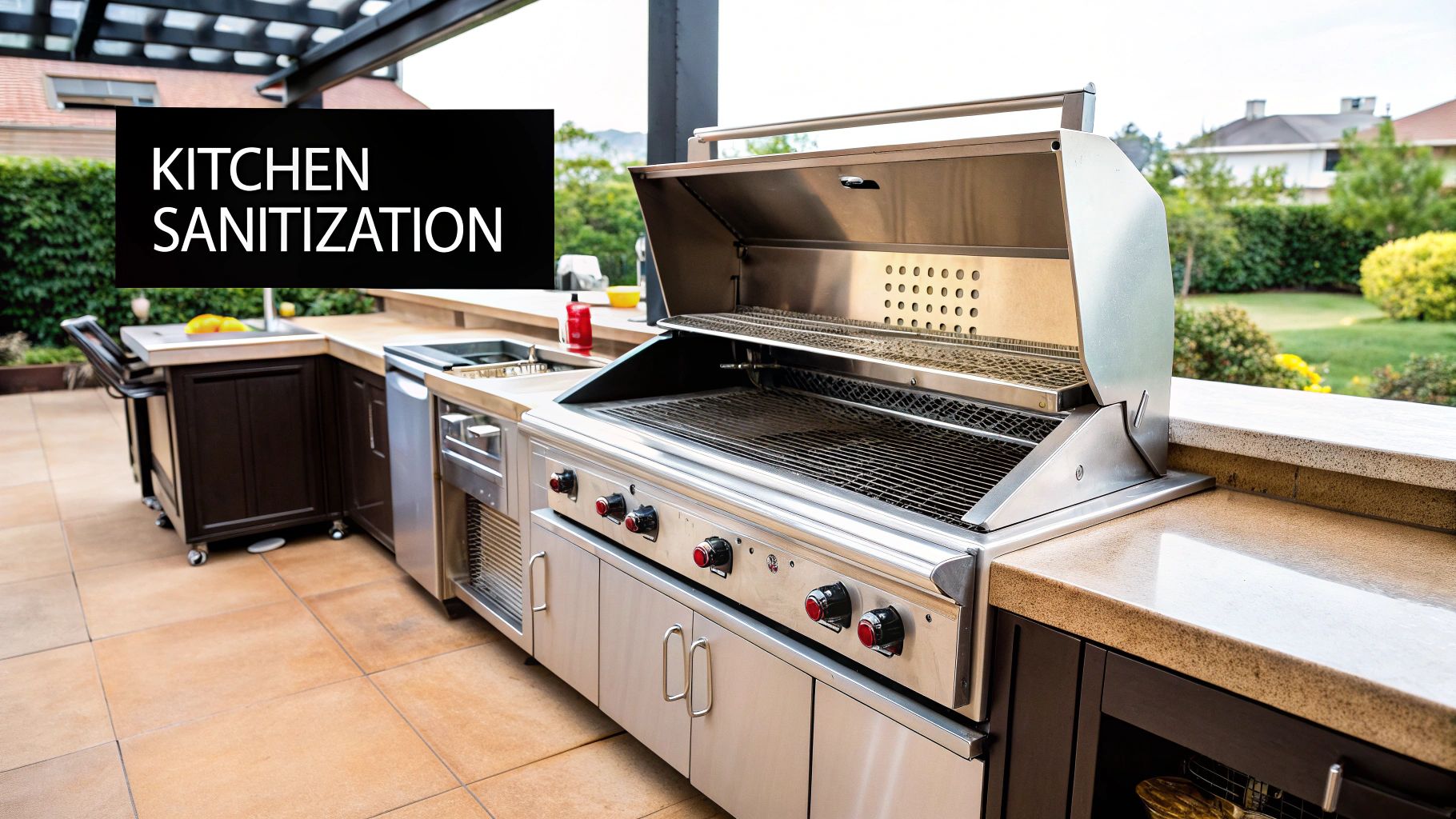
This goes beyond a simple wipe-down. It's a systematic approach to degreasing, scrubbing, and sanitizing grills, fryers, ovens, prep tables, cutting boards, and storage units. Neglecting this crucial task can lead to dangerous bacterial growth, pest infestations, and costly health code violations. Beyond maintaining sparkling surfaces and equipment, a thorough kitchen cleaning regimen is your primary defense against common restaurant pests. Implementing effective strategies to keep roaches away, for instance, is crucial for upholding hygiene standards.
Real-World Implementation
Top-tier restaurants exemplify how integral this process is. Fine dining establishments like The French Laundry are known for their immaculate kitchens, often conducting deep cleaning routines twice daily to maintain pristine conditions. Similarly, after facing food safety challenges, Chipotle significantly enhanced its protocols, introducing more rigorous and frequent sanitization schedules to rebuild consumer trust and ensure compliance. These examples underscore that a detailed equipment cleaning schedule is a cornerstone of operational excellence.
Actionable Cleaning Tips
To effectively implement this in your restaurant, consider these specific actions:
- Create Laminated Checklists: Develop and laminate detailed cleaning guides for each piece of equipment. Attach them to or near the corresponding appliance so staff have a clear, step-by-step reference.
- Embrace 'Clean As You Go': Train kitchen staff to clean spills and messes immediately during service. This proactive approach significantly reduces the cleaning burden at the end of a long shift.
- Master the Three-Compartment Sink: Ensure all staff correctly use the three-compartment sink method: wash with hot, soapy water, rinse with clean water, and sanitize with a properly diluted chemical solution for the required contact time.
- Verify Sanitizer Strength: Regularly use test strips to check the concentration of your sanitizing solutions. An incorrect dilution can render the sanitizer ineffective, creating a false sense of security. Learn more about the specific steps and schedules in a comprehensive restaurant kitchen cleaning checklist.
2. Dining Room and Front-of-House Maintenance
The dining room and front-of-house areas are your restaurant's first impression, directly shaping the customer experience from the moment they walk in. Maintaining these spaces is about more than just hygiene; it's about preserving the atmosphere, reflecting your brand's standards, and ensuring guest comfort and satisfaction. This comprehensive cleaning protocol covers every customer-facing element, including tables, chairs, floors, windows, lighting fixtures, and décor.
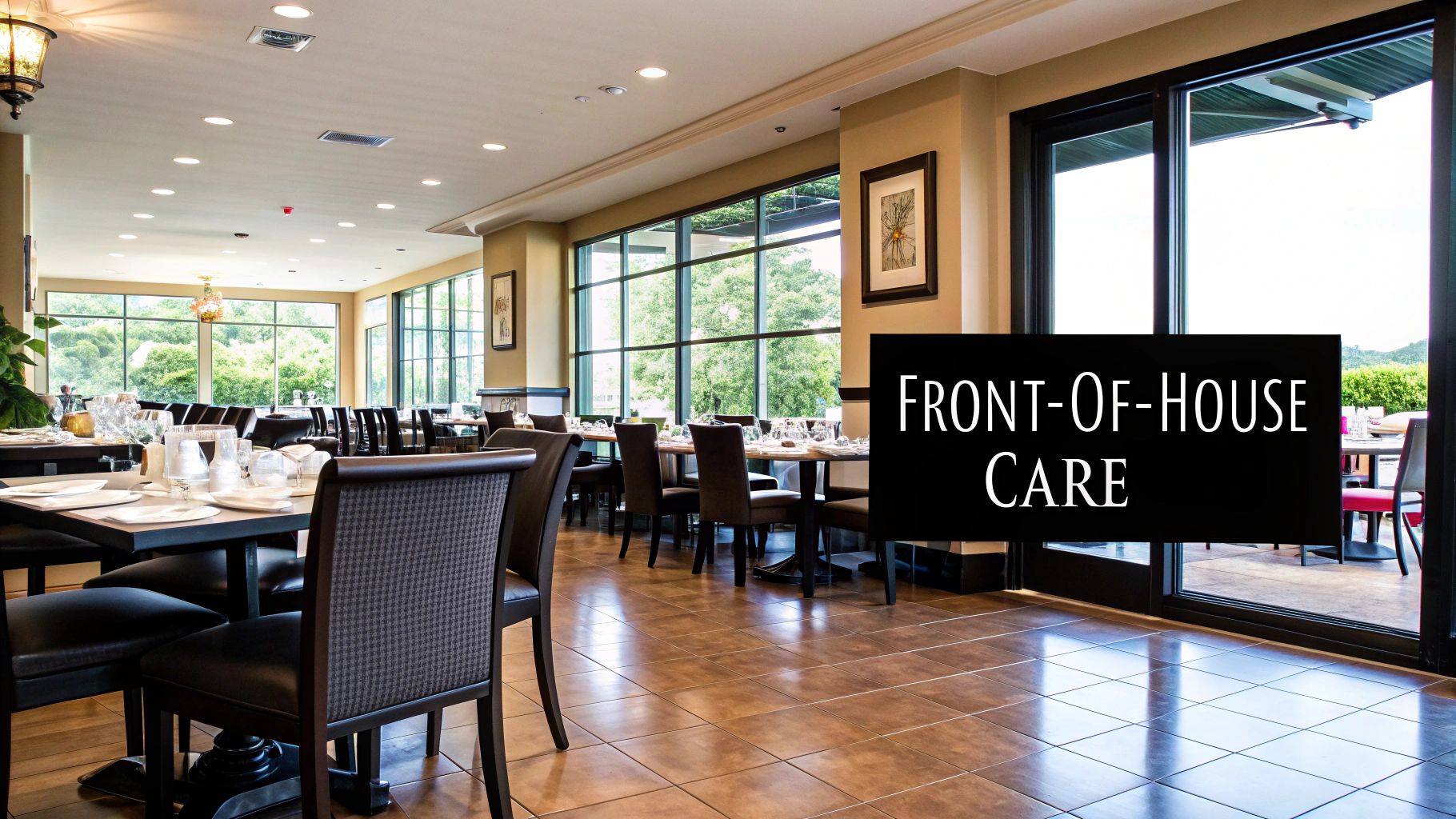
A spotless front-of-house signals to guests that you prioritize quality and care in all aspects of your operation, including what happens in the kitchen. Neglecting these visible areas can create a negative perception, regardless of food quality. A thorough and consistent front-of-house cleaning plan is essential for building trust, encouraging repeat business, and upholding the integrity of your establishment.
Real-World Implementation
Leading restaurant chains demonstrate the power of a systematic approach to front-of-house cleanliness. Starbucks, for instance, maintains its welcoming atmosphere through strict hourly cleaning rounds and detailed checklists that ensure consistency across thousands of locations. High-end establishments like Eleven Madison Park often employ dedicated staff whose sole focus during service is to maintain the pristine condition of the dining room. Even fast-casual chains such as Panera Bread utilize streamlined, efficient protocols to ensure a clean environment without disrupting the quick-service flow.
Actionable Cleaning Tips
To effectively maintain your dining room and front-of-house, integrate these specific actions into your restaurant cleaning checklist:
- Clean Tables Immediately: Train staff to wipe down and sanitize tables, chairs, and booths as soon as guests leave. This quick turnover prevents food from setting, reduces staining, and prepares the space for the next customer without delay.
- Use Microfiber for Streak-Free Surfaces: Equip your team with high-quality microfiber cloths for cleaning windows, mirrors, and glass partitions. This simple tool is highly effective at removing smudges and fingerprints without leaving behind lint or streaks.
- Implement a Rotational Deep-Cleaning System: Break down the dining room into zones. Assign a different zone for deep cleaning each day or week, covering tasks like dusting high fixtures, washing windows, and deep cleaning upholstery.
- Train for Unobtrusive Cleaning: Teach staff how to clean discreetly during service. Tasks like spot-sweeping floors or wiping down condiment stations should be done quickly and quietly to avoid disrupting the guest experience.
- Match Cleaners to Surfaces: Ensure you are using the correct cleaning agents for different materials. A wood polish for tables, a glass cleaner for windows, and a neutral-pH floor cleaner will protect your assets and deliver a better result.
3. Restroom Deep Cleaning and Sanitization
Often overlooked, the state of your restrooms speaks volumes about your restaurant's overall commitment to hygiene and customer care. A deep cleaning and sanitization protocol for restrooms is just as crucial as a clean kitchen, as it directly shapes guest perception and satisfaction. This process involves a detailed, systematic approach to disinfecting every surface, from toilets and sinks to floors, walls, mirrors, and fixtures, ensuring a pleasant and safe environment for patrons.
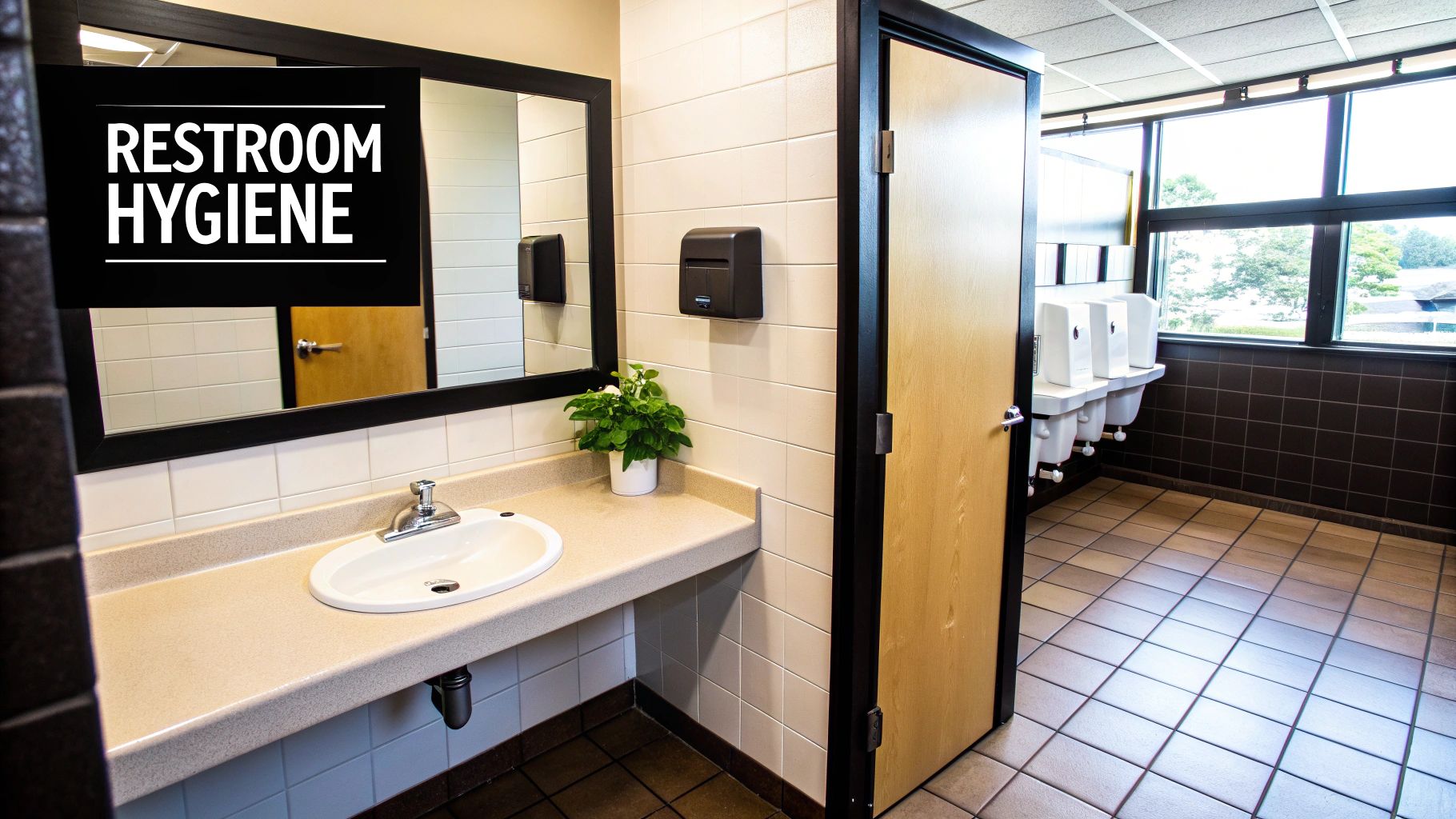
This task extends far beyond a quick mop and spray. It's a comprehensive strategy to eliminate bacteria, prevent unpleasant odors, and maintain a pristine appearance that reflects the quality of your entire establishment. Neglecting restroom cleanliness can deter customers from returning, damage your reputation, and pose significant health risks. A diligent restroom cleaning schedule is a fundamental component of a complete restaurant cleaning checklist, demonstrating to your guests that you prioritize their well-being in every aspect of their dining experience.
Real-World Implementation
Certain brands have built a stellar reputation almost entirely on the promise of clean restrooms. Buc-ee's travel centers, for example, are famous for their exceptionally clean facilities, employing dedicated staff who follow frequent and rigorous maintenance schedules. Similarly, the QuikTrip gas station chain has cultivated strong brand loyalty partly through its commitment to consistently spotless restrooms. In high-traffic urban locations, like restaurants in Times Square, some establishments even employ full-time restroom attendants during peak hours to ensure constant upkeep.
Actionable Cleaning Tips
To elevate your restroom maintenance and ensure it meets the highest standards, consider these specific actions:
- Implement High-Frequency Checks: During peak business hours, staff should check and quickly clean restrooms every 30-60 minutes. This includes restocking supplies, wiping counters, and spot-cleaning floors.
- Use Hospital-Grade Disinfectants: For deep cleaning, utilize hospital-grade disinfectants on all high-touch surfaces like door handles, flushers, faucets, and stall locks to effectively eliminate germs and viruses.
- Install Touchless Fixtures: Reduce the spread of germs and improve hygiene by installing automatic, touch-free soap dispensers, paper towel dispensers, and faucets.
- Maintain Visible Cleaning Logs: Post a cleaning log inside the restroom door. This not only keeps staff accountable but also transparently shows customers your dedication to cleanliness.
- Address Maintenance Immediately: Train staff to report any issues like leaks, clogs, or broken fixtures immediately. Swift repairs prevent bigger problems and maintain a functional, clean facility.
4. Floor Care and Surface Sanitization
A restaurant's floors endure constant traffic, spills, and grime, making them a critical focus for both safety and sanitation. A comprehensive floor care program is not merely about appearance; it's a vital component of a complete restaurant cleaning checklist that prevents slip-and-fall accidents, controls pests, and stops the spread of bacteria. This process involves daily sweeping and mopping, as well as periodic deep cleaning treatments tailored to different floor types throughout your establishment.
This goes far beyond a simple end-of-day mop. It requires a strategic approach that addresses the unique challenges of each area, from heavy grease buildup in the kitchen to high foot traffic in the dining room. Neglecting proper floor care can result in sticky, hazardous surfaces, foul odors, and a breeding ground for contaminants. A well-executed plan ensures every inch of your flooring, whether tile, concrete, or wood, is immaculately clean, safe, and contributes to a positive guest experience.
Real-World Implementation
Brands known for their cleanliness often have rigorous floor care protocols. In-N-Out Burger, for example, is famous for its spotless dining rooms, achieved through frequent mopping schedules and an immediate response to any spills. On the higher end, upscale restaurants often contract professional floor care services for periodic deep cleaning, such as grout steaming and floor stripping, to maintain a pristine look. Furthermore, fast-casual chains like Sweetgreen often choose eco-friendly floor cleaners that align with their brand values while still ensuring a sanitized environment.
Actionable Cleaning Tips
To effectively manage floor care and surface sanitization in your restaurant, consider these specific actions:
- Use Segregated Cleaning Tools: Designate and color-code different mops, buckets, and cleaning supplies for the kitchen, dining areas, and restrooms. This simple step is crucial for preventing cross-contamination between a greasy kitchen floor and the guest dining area.
- Implement Immediate Spill Response: Train all staff to clean spills the moment they happen. This not only prevents dangerous slip hazards but also stops liquids from setting into the flooring and causing permanent stains or damage.
- Standardize 'Wet Floor' Signage: Create a clear, non-negotiable protocol for using 'wet floor' signs. Signs should be placed prominently around any mopped area or spill and remain until the floor is completely dry to prevent customer and staff accidents.
- Schedule After-Hours Deep Cleaning: Plan intensive deep cleaning tasks, such as machine scrubbing or grout cleaning, for when the restaurant is closed. This allows for the use of stronger chemicals and equipment without disrupting service or compromising safety.
5. Dish and Utensil Sanitization System
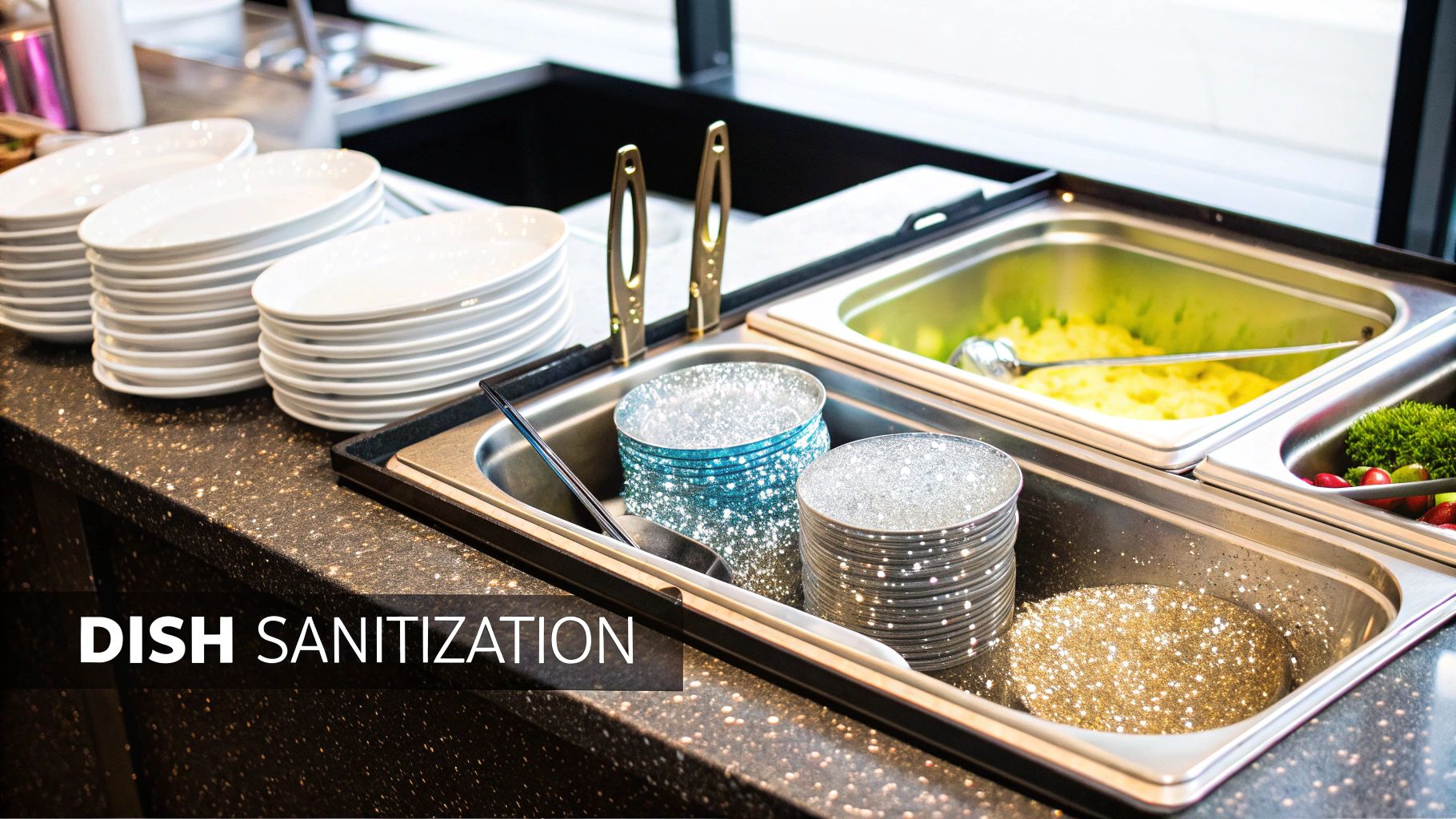
A robust dish and utensil sanitization system is the backbone of food safety in any restaurant. It is a systematic process for cleaning, sanitizing, and storing every dish, glass, piece of silverware, and cooking utensil to meet stringent health department standards. This essential part of your restaurant cleaning checklist ensures that every item your customers or kitchen staff use is free from harmful bacteria and contaminants, directly preventing cross-contamination and foodborne illnesses.
This goes far beyond simply washing dishes. It encompasses a multi-stage approach, including proper pre-scraping, washing with effective detergents, rinsing thoroughly, and sanitizing with either high heat or chemical solutions. The final steps, proper air-drying and hygienic storage, are equally critical. Neglecting any part of this system can undermine all your other food safety efforts, leading to health code violations, poor customer experiences, and a damaged reputation.
Real-World Implementation
Leading restaurant chains demonstrate the importance of a meticulous dishwashing system. Ruth's Chris Steak House, for example, is renowned for its spotless, sparkling glassware, which is achieved through specialized glass washing machines and rigorous polishing techniques to ensure a premium dining experience. High-volume restaurants like Olive Garden rely on high-efficiency commercial dishwashing systems to process thousands of dishes daily while consistently meeting sanitation requirements. Even small independent cafes that use a manual three-sink system can achieve excellence by enforcing strict protocols for water temperature, chemical concentration, and contact time.
Actionable Cleaning Tips
To implement an effective dish and utensil sanitization system in your establishment, focus on these specific actions:
- Organize the Dish Pit: Design an efficient workflow for the dishwashing area, with separate zones for scraping, washing, rinsing, sanitizing, and air-drying. This prevents clean items from coming into contact with dirty ones.
- Monitor Water Temperatures: For high-temperature dish machines, ensure the wash water stays above 160°F and the final rinse reaches at least 180°F to properly sanitize. For manual washing, maintain wash water at a minimum of 110°F.
- Test Sanitizer Solutions: If using a chemical sanitizer in a three-compartment sink or a low-temperature dish machine, use test strips every few hours to verify the solution's concentration is at the correct parts per million (PPM).
- Prioritize Air-Drying: Never towel-dry dishes. Towels can reintroduce bacteria onto sanitized surfaces. Instead, allow all items to air dry completely on clean, sanitized racks before stacking or storing them. To select the right equipment, you can explore a commercial dishwashing machine guide.
6. Bar and Beverage Station Deep Clean
The bar and beverage station is a high-traffic, high-profit area where cleanliness directly influences the taste and safety of the drinks you serve. A specialized deep cleaning protocol is essential for maintaining equipment integrity, preventing contamination, and ensuring every beverage, from a craft beer to an espresso, is served exactly as intended. This process covers everything from internal beverage lines to customer-facing surfaces.
This task goes far beyond wiping down the bar top. It involves dismantling and sanitizing soda nozzles, flushing beer lines to remove yeast and bacteria buildup, descaling coffee machines to prevent mineral deposits, and thoroughly cleaning ice machines. Neglecting this part of your restaurant cleaning checklist can lead to off-tasting drinks, costly equipment breakdowns, and health risks like mold and biofilm, ultimately damaging customer loyalty.
Real-World Implementation
Industry leaders demonstrate the value of rigorous beverage station hygiene. Craft breweries like Sierra Nevada adhere to strict tap line cleaning schedules to preserve the complex flavor profiles of their beers. Similarly, Starbucks implements daily and weekly cleaning protocols for its espresso machines, with detailed, non-negotiable procedures for every component. These examples show that meticulous beverage equipment maintenance is critical for delivering a consistent, high-quality product.
Actionable Cleaning Tips
To effectively manage your bar and beverage stations, implement these specific actions:
- Clean Beer Lines Routinely: Flush and clean all beer lines with a professional-grade line cleaner at least every two weeks, or as recommended by the draft system manufacturer, to prevent flavor contamination.
- Descale Coffee and Espresso Machines: Implement a weekly descaling schedule for all coffee equipment to remove mineral buildup, which affects both taste and machine performance. Adjust the frequency based on your local water hardness.
- Deep Clean Ice Machines Monthly: Empty and thoroughly sanitize the interior of your ice machine on a monthly basis to prevent slime and mold growth. Remember to clean or replace the water filter as per the manufacturer's guidelines.
- Maintain Detailed Cleaning Logs: Keep a dedicated log for each piece of major equipment, such as the draft system, coffee machine, and ice maker. Record the date, the task performed, and the initials of the staff member responsible to ensure accountability and consistency.
7. Waste Management and Dumpster Area Maintenance
An effective waste management system is a critical, yet often overlooked, component of a restaurant’s hygiene protocol. Proper handling of trash, recycling, and grease is essential for preventing foul odors, deterring pests, and maintaining a clean environment that complies with health and environmental regulations. This process involves more than just taking out the trash; it encompasses a comprehensive strategy for sorting, storing, removing, and sanitizing all waste disposal areas, particularly the dumpster pad.
Neglecting this part of your restaurant cleaning checklist can lead to significant problems, including pest infestations, unpleasant odors that can drive away customers, and potential health code violations. A well-maintained dumpster area reflects the overall cleanliness standards of your establishment, signaling to staff, customers, and health inspectors that you prioritize sanitation from the kitchen to the curb.
Real-World Implementation
Major chains provide excellent blueprints for effective waste management. McDonald's corporate locations, for instance, adhere to stringent protocols that include scheduled dumpster area power washing and employee training on waste segregation. Similarly, California Pizza Kitchen successfully implemented comprehensive recycling programs, using dedicated bins and clear signage to manage different waste streams effectively. Urban restaurants, often facing space constraints and stricter local regulations, frequently partner with specialized waste management companies to handle complex logistics and ensure compliance.
Actionable Cleaning Tips
To implement a robust waste management plan in your restaurant, focus on these specific actions:
- Schedule Frequent Pickups: Arrange for waste and recycling pickups often enough to prevent bins and dumpsters from overflowing. An overflowing dumpster is an open invitation for pests and bacteria.
- Maintain the Dumpster Pad: Clean the dumpster and the surrounding concrete pad weekly. Use a pressure washer and a degreasing agent to remove grime, food spills, and residue that attract insects and rodents.
- Keep Lids Closed: Enforce a strict policy that all dumpster and trash can lids must be kept tightly closed at all times. This simple step is one of the most effective ways to control odors and deny pests access.
- Train Staff on Sorting: Properly train all employees on how to sort waste into the correct bins for trash, recycling, compost, and grease. Correct sorting can reduce disposal costs and support sustainability goals.
- Monitor Grease Traps: Regularly check the levels of your grease trap and schedule professional pumping well before it reaches capacity. An overflowing grease trap is a costly and hazardous emergency to manage.
8. HVAC System and Air Quality Maintenance
Often overlooked, the heating, ventilation, and air conditioning (HVAC) system is the respiratory system of your restaurant. Its proper maintenance is critical for removing cooking odors, smoke, and grease-laden vapors, which ensures comfortable dining conditions, maintains air quality, and crucially, prevents devastating fire hazards. This task involves the regular cleaning and servicing of hood vents, filters, and ductwork.
Neglecting your HVAC system can lead to a dangerous buildup of grease in the kitchen exhaust system, a leading cause of restaurant fires. Poor air circulation can also result in an uncomfortable environment for both guests and staff, with lingering smells and stuffy air. A well-maintained system is a fundamental component of a comprehensive restaurant cleaning checklist, directly impacting safety, ambiance, and operational efficiency. Understanding the components is key, which is why familiarizing yourself with commercial kitchen ventilation systems is a valuable step for any operator.
Real-World Implementation
Professional kitchen hood cleaning companies like HOODZ service major restaurant chains nationwide, implementing strict quarterly deep cleaning schedules to comply with fire codes and maintain system integrity. High-volume kitchens, such as those in busy casinos, often require even more frequent professional servicing, sometimes monthly, due to their constant, high-intensity operations. On the other end of the spectrum, fine dining establishments frequently invest in premium air filtration and purification systems to eliminate any trace of kitchen odors from the dining room, preserving the carefully curated ambiance.
Actionable Cleaning Tips
To effectively manage your restaurant's air quality and HVAC system, incorporate these practices:
- Schedule Professional Hood Cleaning: Contract a certified professional for deep cleaning of your kitchen exhaust hood system at least quarterly, or more often if required by local fire codes or your cooking volume.
- Regular Filter Replacement: Check and replace HVAC filters monthly or per the manufacturer's recommendations. Clogged filters restrict airflow, reduce efficiency, and degrade air quality.
- Maintain Detailed Records: Keep a log of all maintenance, inspections, and cleanings. These records are essential for insurance purposes and for demonstrating compliance during health or fire inspections.
- Monitor Daily Performance: Train staff to monitor kitchen temperatures and ventilation effectiveness daily. Any signs of poor suction, excessive smoke, or unusual noises should be addressed immediately to prevent safety risks.
8-Point Restaurant Cleaning Checklist Comparison
| Cleaning Area | Implementation Complexity 🔄 | Resource Requirements ⚡ | Expected Outcomes 📊 | Ideal Use Cases 💡 | Key Advantages ⭐ |
|---|---|---|---|---|---|
| Kitchen Deep Sanitization and Equipment Cleaning | High - multi-step with equipment disassembly | Specialized chemicals, trained staff | Food safety, health code compliance, equipment longevity | Commercial kitchens with high food prep volume | Prevents illness, extends equipment life, reduces pests |
| Dining Room and Front-of-House Maintenance | Medium - continuous attention during service | Moderate labor, cleaning supplies | Enhanced customer satisfaction and ambiance | Customer-facing areas in casual or fine dining settings | Improves experience, supports brand reputation |
| Restroom Deep Cleaning and Sanitization | Medium - frequent, detailed disinfection | EPA-approved cleaners, restock supplies | Hygiene, odor control, health compliance | All public customer restrooms | Prevents illness, positive reviews, reduces liabilities |
| Floor Care and Surface Sanitization | Medium to High - varied methods per floor type | Multiple cleaning products, equipment | Safety (slip prevention), cleanliness, floor longevity | All restaurant areas including kitchen and dining | Prevents accidents, maintains appearance, health compliance |
| Dish and Utensil Sanitization System | Medium - continuous operation during service | Water, energy, chemicals, trained staff | Prevents contamination, compliance, efficient service | Dishwashing areas in all food establishments | Ensures food safety, reduces replacement costs |
| Bar and Beverage Station Deep Clean | High - specialized equipment and chemical protocols | Specialized cleaners, trained personnel | Beverage quality, safety, equipment lifespan | Bars, coffee shops, beverage stations | Maintains taste, prevents contamination, extends equipment life |
| Waste Management and Dumpster Area Maintenance | Medium - coordinated procedures with external services | Waste disposal services, pest control | Sanitary waste handling, odor control, compliance | All restaurants required to manage waste effectively | Prevents pests, environmental compliance, odor control |
| HVAC System and Air Quality Maintenance | High - requires professional service and expertise | Professional services, specialized equipment | Fire prevention, air quality, energy efficiency | Commercial kitchen ventilation and dining environments | Reduces fire risk, improves comfort, extends system life |
Integrating Cleanliness into Your Operational DNA
We've journeyed through the comprehensive daily, weekly, and monthly tasks that form the backbone of a pristine restaurant environment. From the intense heat of the kitchen deep clean to the customer-facing polish of the dining room, each checkpoint on this list plays a vital role. This isn't just about passing health inspections; it's about building an unshakeable foundation of trust with every guest who walks through your doors.
The detailed breakdowns for kitchen equipment, dining areas, restrooms, and even often-neglected spaces like the dumpster area and HVAC systems serve one ultimate purpose: to transform cleaning from a chore into a core operational value. A well-executed restaurant cleaning checklist is a proactive strategy that protects your brand, enhances the dining experience, and ensures the well-being of both your customers and your staff. It’s the difference between simply running a restaurant and operating a truly exceptional establishment.
From Checklist to Culture: Making Cleanliness Second Nature
A list is only as effective as the team that implements it. The most significant takeaway from this guide is that sustainable cleanliness requires a cultural shift, not just a procedural one. It involves moving beyond simply "ticking boxes" to fostering a sense of shared ownership and pride in the work environment.
Here are the actionable steps to embed this culture:
- Empower Through Training: Don't just hand over the checklist. Conduct thorough, hands-on training sessions for every task. Explain the "why" behind each action, such as how proper sanitization of the ice machine prevents bacterial growth or how degreasing vent hoods reduces fire risk. When your team understands the impact of their work, their commitment deepens.
- Equip for Success: Provide your staff with high-quality, professional-grade tools and cleaning agents. A flimsy mop or a diluted sanitizer sends the message that cleaning is an afterthought. Investing in the right equipment, from ergonomic squeegees to effective, food-safe chemicals, demonstrates that you are serious about maintaining high standards.
- Schedule for Reality: Integrate cleaning duties directly into work schedules and opening/closing procedures. Allocate specific, protected time for these tasks so they aren't rushed or overlooked during busy periods. Assigning clear ownership for different zones (e.g., "Sarah is responsible for the weekly beverage station deep clean") creates accountability.
The Lasting Impact of Impeccable Standards
Ultimately, the rigorous application of a restaurant cleaning checklist reverberates throughout your entire business. It's a silent brand ambassador that speaks volumes to your patrons. A sparkling restroom, a grime-free floor, and gleaming tableware communicate a level of care and professionalism that food alone cannot.
This commitment to cleanliness directly influences customer perception, leading to better online reviews, stronger word-of-mouth referrals, and increased repeat business. In an industry where reputation is everything, your dedication to sanitation becomes a powerful competitive advantage.
Furthermore, a clean and organized workspace has a profound effect on staff morale and efficiency. Employees are happier, safer, and more productive in an environment that is well-maintained. This reduces staff turnover and fosters a team that is genuinely invested in the restaurant's success. To truly embed cleanliness into your operations, understanding the optimal frequency for various tasks is key. Explore insights on how often you should be cleaning to refine your schedules for maximum effectiveness.

Your journey toward operational excellence is paved with consistency. Use this checklist not as a rigid document, but as a living framework. Adapt it to your specific layout, equipment, and traffic patterns. Review it regularly with your team, solicit their feedback, and never stop refining your process. A clean restaurant is a successful restaurant, and that success is built one sanitized surface at a time.
Executing a world-class cleaning protocol requires the right foundation of durable, easy-to-clean equipment. At The Restaurant Warehouse, we provide high-quality stainless steel worktables, commercial sinks, and warewashing solutions that are designed to withstand the rigors of a busy kitchen while simplifying your sanitation process. Build your spotless operation from the ground up by exploring our affordable, industry-leading equipment at The Restaurant Warehouse.
About The Author

Sean Kearney
Sean Kearney used to work at Amazon.com and started The Restaurant Warehouse. He has more than 10 years of experience in restaurant equipment and supplies. He graduated from the University of Washington in 1993. He earned a BA in business and marketing. He also played linebacker for the Huskies football team. He helps restaurants find equipment at a fair price and offers financing options. You can connect with Sean on LinkedIn or Facebook.
Leave a comment