

Efficiency Unleashed: Setting Up Your Ideal Food Prep Station
Efficiency Releaseed: What is a Prep Station?
A prep station is a dedicated area designed to organize ingredients, tools, and equipment for efficient preparation. Its primary functions are to improve organization, boost efficiency, maintain cleanliness, and provide storage, keeping everything you need within reach.
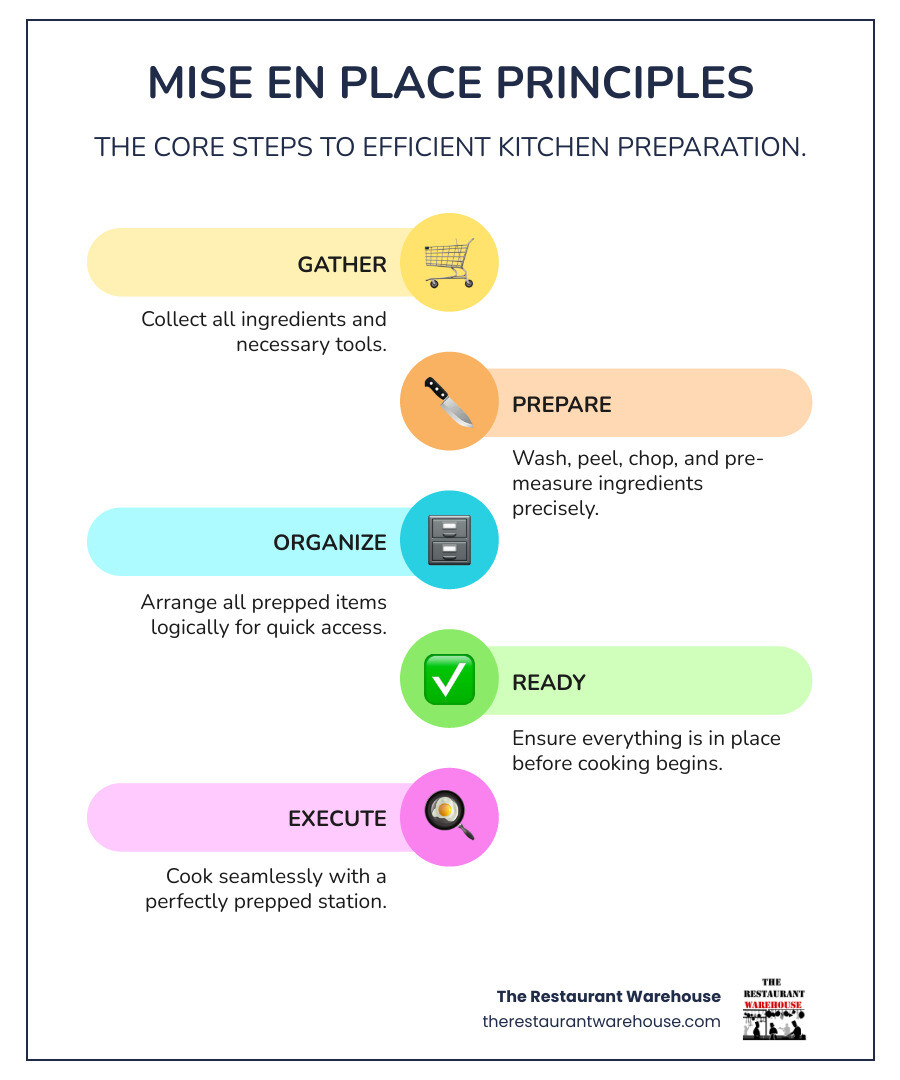
Every busy kitchen needs smart organization, and a well-designed prep station is the secret weapon for any restaurant or deli. It's where the principle of "mise en place"—a French term meaning "everything in its place"—truly comes alive. This philosophy is about having all your ingredients and tools ready before you start cooking. This guide will show you how to select and set up the perfect prep station to boost your kitchen's speed and cleanliness.
The Foundation of a Flawless Workflow: What is a Prep Station?
A prep station is your kitchen's mission control, an orchestrated area where ingredients are washed, chopped, and measured, and tools are positioned for immediate use. It transforms potential chaos into clean, efficient order.
Professional kitchens master this through a few core principles:
- "Keep it tight": This philosophy means creating a compact workspace where your most-used items—knives, cutting boards, bowls, and seasonings—are all within arm's reach. This eliminates wasted steps and time spent searching for tools.
- "Landing zone": This is a designated tray or bowl for your prepped ingredients. Once you've diced onions or julienned carrots, they move to the landing zone, keeping your cutting board clear and your workflow smooth.
- "Clean as you go": This habit is game-changing. Keep a scrap container nearby to avoid trips to the trash, and use a damp towel for quick wipe-downs. This practice is essential for preventing cross-contamination and maintaining high hygiene standards.
These principles are borrowed directly from professional operations like the garde-manger (cold food) station and line cook stations, where every chef's area is customized for specific tasks. Adopting these concepts reduces stress, increases speed, and improves the consistency of your output.
How a Prep Station Boosts Kitchen Efficiency
A well-organized prep station revolutionizes kitchen operations with tangible benefits:
- Reduced movement: With everything in its designated spot, you eliminate frantic searches and stay in a comfortable working zone, reducing fatigue and speeding up tasks.
- Minimized clutter: A clear surface allows for better focus. Designated spots for ingredients and scraps make cleaning effortless.
- Prevents cross-contamination: Organized workflows with separate areas for raw meats and vegetables are crucial for food safety.
- Creates a logical workflow: An intuitive setup, like a breading station that flows from flour to egg to breadcrumbs, guides you through tasks and accelerates the process.
- Improves focus: With less mental energy spent finding tools or remembering steps, you can concentrate on the quality of your work.
- Saves time during service: Having ingredients prepped, portioned, and stored means the actual cooking process is smooth and efficient, keeping operations running and customers happy.
Advanced mise en place strategies for real-world speed
Lift your station from "set up" to "service-ready" with practices the best kitchens rely on daily:
- Par sheets and forecasting: Build a simple par list for each menu cycle that includes quantities, yield per batch, and prep time. Update it based on sales trends and seasonality.
- Batch, then stage: Group similar knife cuts together (all julienne, then dice) to limit constant tool changes. Stage batches in shallow hotel pans for rapid chilling.
- The golden triangle: Place your cutting surface, ingredient bins, and landing zone at corners of a tight triangle. Aim to reach each with a single pivot.
- Label logic: Use clear, concise labels with item, date, time, and initials. Store labels and markers in a consistent spot.
- Knife and tool staging: Keep your main knife, honing steel, bench scraper, and peeler front and center.
- Prep to service handoff: Standardize container sizes (1/9, 1/6, 1/3 pans) so prepped product fits line wells without re-portioning.
Ergonomics and injury prevention
A station that saves your back, shoulders, and wrists is a station that keeps pace during the rush:
- Working height: Aim for a surface roughly at or slightly below elbow height for knife work.
- Anti-fatigue mats: Reduce leg and back strain for long prep sessions. Choose beveled edges and non-slip surfaces.
- Hand health: Rotate tasks to avoid repetitive strain, and build in micro-breaks to stretch wrists and fingers.
Common pitfalls and how to fix them
- Station creep: Tools and containers slowly spread until you're crowded. Fix by drawing a simple station map and posting it.
- Over-prep: Waste rises when you prep too far ahead. Tie prep to accurate par sheets and record actual usage daily.
- Cross-traffic: If teammates must cross in front of you for basics, relocate those items to shared access points.
The difference between a calm, fast service and a frantic one often comes down to how intelligently a prep station is planned, stocked, and reset.
Exploring the World of Prep Stations: Types and Applications
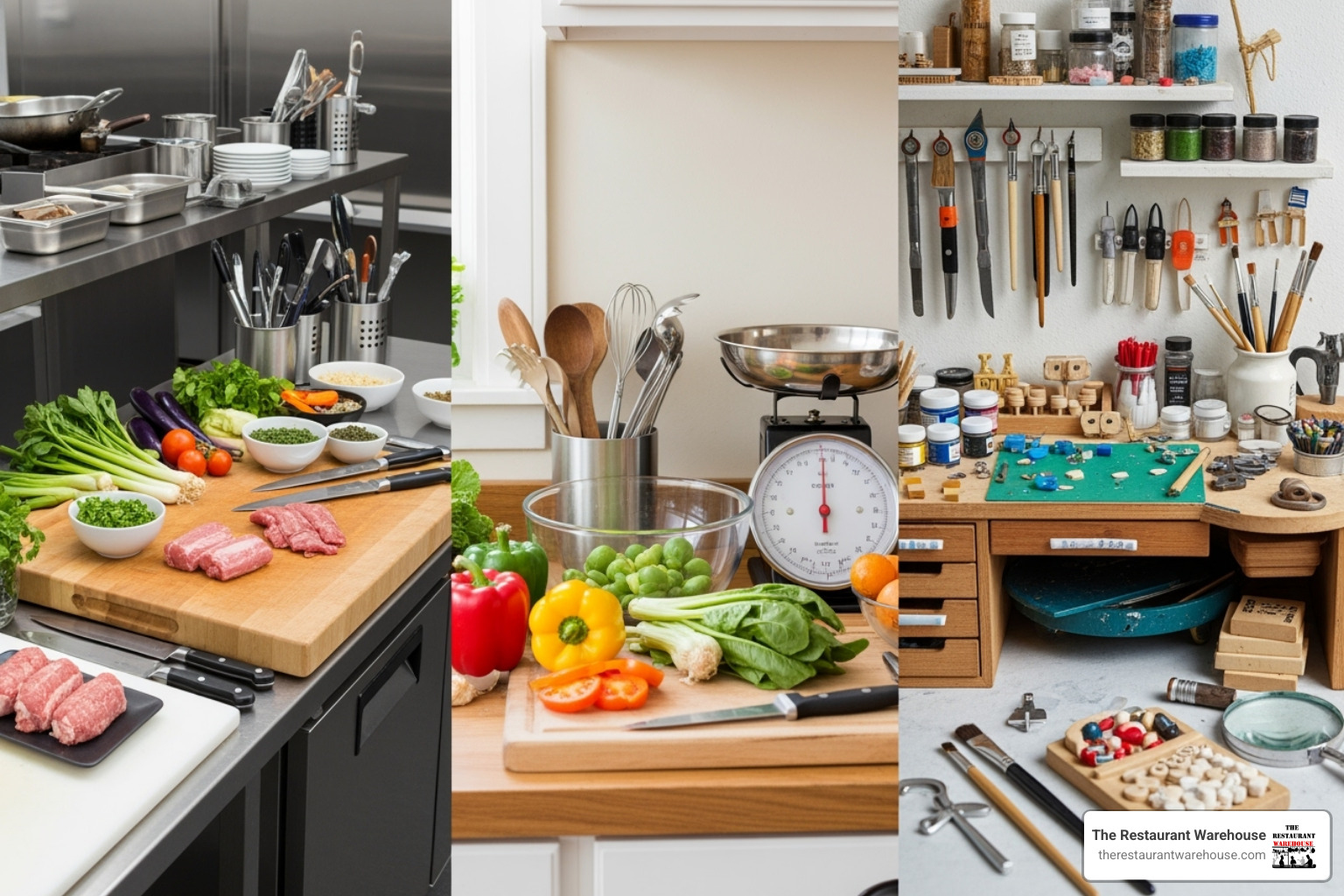
The term prep station covers a diverse range of equipment designed for efficiency across many industries. While our focus is on food service, the same principles of organization apply to industrial settings and even home use. Each type is built to meet unique demands for organization, speed, and cleanliness.
Food Service Prep Stations: The Heart of the Kitchen
In commercial kitchens, a prep station is the core of daily operations, built for heavy use, strict hygiene, and maximum productivity.
- Refrigerated Sandwich and Salad Units: These are essential for delis and quick-service restaurants, keeping ingredients chilled and accessible. They come in various sizes, with features like multiple compartments and built-in cutting boards. A typical countertop unit keeps ingredients between 33°F and 38°F.
- Pizza Prep Tables: A specialized version of the refrigerated unit, these tables feature deeper cutting boards and larger pans to accommodate pizza-making while keeping toppings cold.
- Standard Stainless Steel Work Tables: These are the versatile workhorses of any kitchen. Durable, easy to clean, and reliable, they provide a surface for general prep, plating, or holding equipment.
- Portable Catering Stations: Designed for events and mobile operations, these stainless steel stations are easy to set up, break down, and clean, offering flexibility without sacrificing efficiency.
- Worktop Freezers and Chef Bases: These units combine a durable work surface with refrigerated or frozen storage drawers below, keeping high-use ingredients right at the workstation.
- Kitchen Sink Prep Stations: For ultimate convenience, some units integrate a sink with a cutting board and counter space, allowing you to wash, prep, and dispose of waste in one compact area.
Beyond the equipment itself, consider the workflow around each station: pan sizes that match your line, standardized lids and inserts, clear labeling systems, and enough landing space to keep movement smooth and safe.
Specialized Stations for Other Industries
The prep station concept extends beyond the kitchen, streamlining tasks in various settings.
- Automotive Stations: In repair and body shops, mobile stations organize masking paper, hold paint tools, and provide a supply tray so materials are within reach during surface preparation and detailing tasks.
- Workshop Stations: For woodworking or metalworking, ductless, mobile stations with durable construction help manage dust and fumes during sanding and surface prep, keeping shops clean and safe.
- Outdoor BBQ Carts: For home cooks, these carts serve as an excellent prep area for grilling. A well-built cart provides a sturdy surface and storage for tools, making outdoor cooking more organized and enjoyable. Weather-resistant materials are key for durability.
- Healthcare and Institutional Foodservice: Diet-specific prep areas require strict segregation of allergens and textures (pureed, minced, soft). Color-coding, dedicated utensils, and easy-to-sanitize surfaces reduce risk and improve consistency.
- Beverage and Garnish Stations: Bars and event venues benefit from compact garnish rails, speed wells, and ice management with drain boards that keep herbs, citrus, and syrups organized and safe from cross-contamination.
Matching station types to menu needs
Choose a station based on the actual tasks you perform most:
- High-chop volume: Emphasize cutting surface space, scrap bins, and a clear landing area with stackable containers.
- Salad and cold assembly: Prioritize refrigerated wells, tight lid management, and a chilled backup below the work surface.
- Pizza and dough work: Opt for deeper boards, flour catch trays, and refrigerated pan rails that accommodate larger toppings.
- Pastry and desserts: Smooth, cool surfaces for dough, precise scales, and covered storage for delicate garnishes.
The most effective prep station is the one that aligns tightly with your menu and service model, minimizing steps while maximizing safety and consistency.
Selecting the Right Commercial Prep Station: A Buyer's Guide
Choosing the right commercial prep station is a critical investment in your kitchen's workflow, cleanliness, and bottom line. This guide will help you find a unit that fits your needs, ensuring long-term efficiency and durability.
Key Features to Consider for Your Prep Station
When selecting a prep station, focus on these essential features:
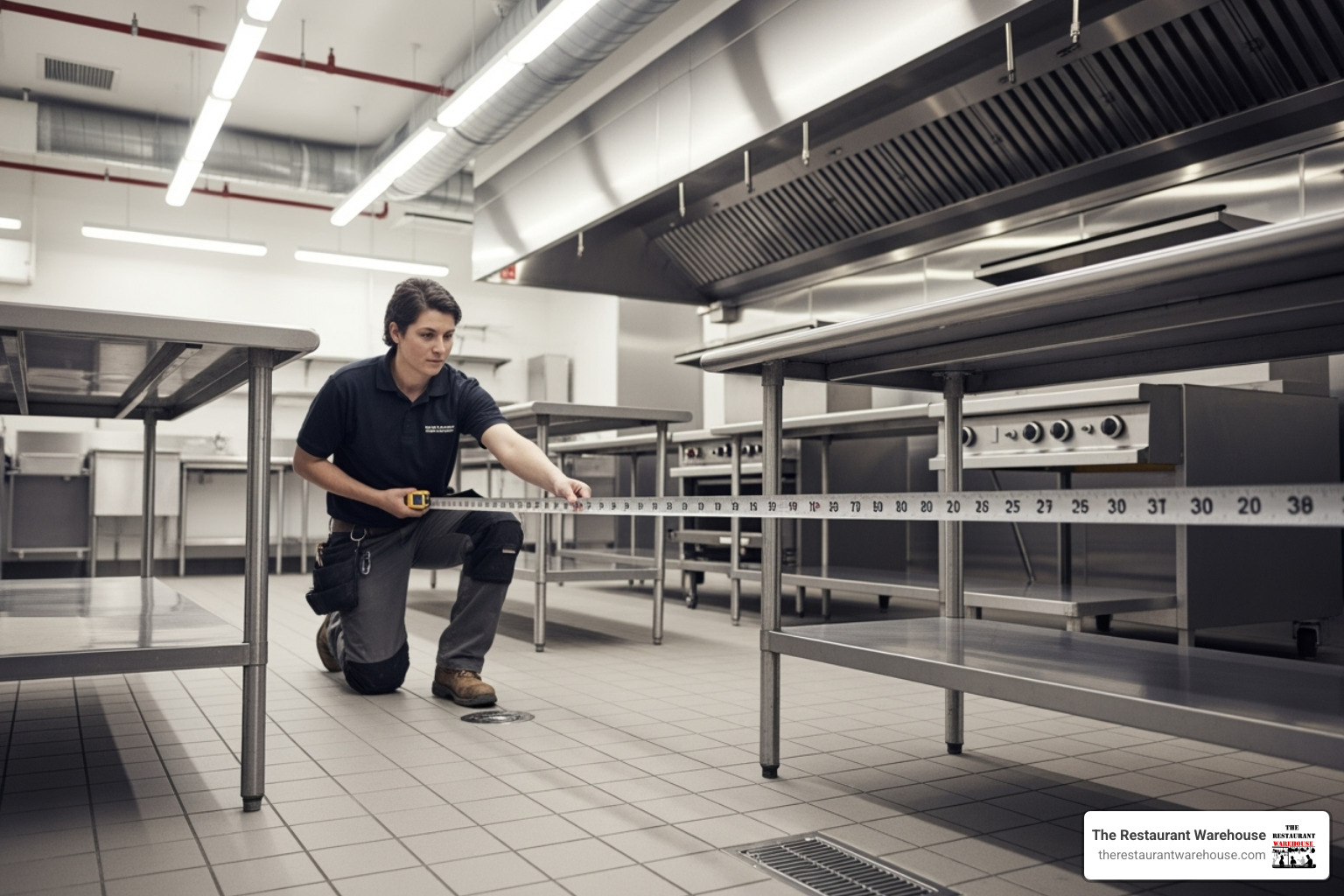
- Size and Dimensions: Measure your available space carefully. Stations range from compact 30-inch units to large 76-inch models. Consider width, depth, and a comfortable working height for your staff. Ensure there’s clearance for doors, drawers, and lids to open fully without blocking aisles.
- Storage Options: Good storage is key to organization. Shelves are great for frequently used items, drawers protect smaller tools, and cabinets keep supplies dust-free. Match pan and container sizes to your line wells to eliminate repacking.
- Mobility: If your layout changes or you need to move the unit for cleaning, look for locking casters. Favor models with swivel casters in front and fixed casters in back for controlled movement, and verify load ratings match your station’s weight when fully stocked.
- Integrated Sinks: A built-in sink streamlines workflow by allowing you to wash produce, hands, or tools without leaving your station, boosting hygiene and efficiency. Check local code requirements for handwashing, splash guards, and drain placement.
- Built-in Cutting Boards: Many refrigerated units for sandwiches or pizza include these. Look for durable, hygienic materials. Pizza prep tables often have deeper boards (e.g., 11-3/4"D) for more assembly space.
- Refrigeration Type and Temperature Range: For food service, this is critical. Ensure the temperature range (commonly 33°F to 38°F) meets food safety standards for your ingredients. Consider refrigerant type (e.g., R290 hydrocarbon) for energy efficiency and environmental compliance. Evaluate compressor location (rear vs. side-mounted) for airflow and maintenance access.
Materials Matter: Durability and Maintenance of Your Prep Station
The construction material of your prep station impacts its longevity, hygiene, and maintenance.
- Stainless Steel: The industry standard for good reason. Its non-porous surface is hygienic and easy to clean, while its durability resists rust and corrosion. Simple wipe-downs are usually sufficient for maintenance. Look for heavier gauges on tops and legs for added rigidity.
- Wood Surfaces: Butcher block offers a classic look and is gentle on knives but requires more care, including regular cleaning and oiling to prevent warping and maintain sanitation. Keep raw proteins off wood boards unless your local code explicitly allows and your sanitizing practices are impeccable.
- Polyethylene Boards: Often used as removable cutting boards, this material is durable, non-absorbent, and kind to knife edges. They are typically easy to clean and replace.
To preserve your knives, always cut on softer surfaces like wood or polyethylene, not directly on metal. A sturdy bench scraper is an invaluable tool for gathering chopped ingredients and keeping your board clean.
Digging deeper: details that separate good from great
- Gaskets and lids: Easy-to-remove door gaskets speed cleaning and reduce downtime; tight-fitting pan lids reduce temperature loss and contamination.
- Defrost type: Automatic defrost can reduce manual maintenance; ensure meltwater drains properly and away from food.
- Airflow and loading: Leave space around intakes and vents. Overstuffing the rail or blocking vents will compromise holding temps.
- Noise and heat: Compressors produce sound and heat. Place units where noise won’t disrupt service and heat won’t affect nearby stations.
- Ergonomics: Rounded corners, comfortable edge profiles, and enough knee/foot clearance reduce fatigue and injuries during long shifts.
- Power and utility planning: Confirm voltage and amperage, the number of dedicated circuits required, and the location of outlets. For sink stations, plan for plumbing access, trap clearance, and splash zones.
Safety, Certifications, and Cost Considerations
When investing in a commercial prep station, prioritize safety, certifications, and budget.
- Certifications: Look for recognized marks. NSF Certification ensures the unit meets public health standards. The ETL Sanitation Mark confirms it's suitable for food prep and easy to clean. For industrial stations with electrical components, an ETL Listing is crucial, confirming compliance with safety and fire codes.
- Safety and Ergonomics: The design should support food safety with easily cleanable surfaces. Features like rounded edges prevent injuries, and adjustable heights improve comfort for staff. Confirm splash guards, drain boards, and pan rails meet your local health code.
- Total cost of ownership: Beyond purchase price, consider energy usage, expected gasket and caster replacements, cleaning supplies, and potential downtime for maintenance. Choose designs that facilitate quick cleaning and easy part swaps to reduce labor costs.
- Delivery and installation: Check door and hallway clearances, thresholds, and elevator capacities. Plan the route from receiving to the kitchen, and have leveling feet, shims, and basic tools ready for setup.
- Warranty and support: Understand what’s covered and for how long. Keep a simple maintenance log (coil cleaning dates, gasket changes, caster lubrication) to protect your warranty and extend lifespan.
A thoughtful purchase upfront—one that considers workflow, utilities, cleaning, and maintenance—pays for itself in faster prep, fewer bottlenecks, and better food safety over the life of the station.
The Art of the Setup: Organizing Your Station for Peak Performance
Once you've chosen your prep station, organizing it effectively is where you open up its true potential. This is mise en place in action, creating a workflow where every movement is efficient and every tool is exactly where you expect it. According to the National Restaurant Association, proper station organization is one of the key factors in maintaining food safety standards.
A logical workflow direction is key. For most right-handed cooks, a left-to-right setup feels most natural: raw ingredients start on the left, are prepped in the center, and finished product lands on the right. Good ergonomics, like having the cutting surface at a comfortable height, prevents strain and makes you a faster, more efficient cook. Finally, ensure tool accessibility by keeping your most-used knives and boards within immediate reach, in the "golden triangle" of your workspace.
Task-Specific Station Setups
Tailoring your prep station to the job at hand maximizes efficiency.
- Vegetable Prep: Place a dedicated scrap container (a large bowl or hotel pan) next to your cutting board to collect peels and stems, eliminating trips to the trash. On the other side, have a landing tray for your finished chopped vegetables. A sturdy bench scraper is perfect for transferring items from board to tray.
- Meat and Poultry Prep: Safety is paramount here. Cross-contamination prevention is non-negotiable. Using dedicated plastic cutting boards, often color-coded (red for raw meat), is a critical practice. Use separate containers for raw product, trimmings, and finished portions. Keep disposable gloves and paper towels nearby for cleanliness and quick cleanups.
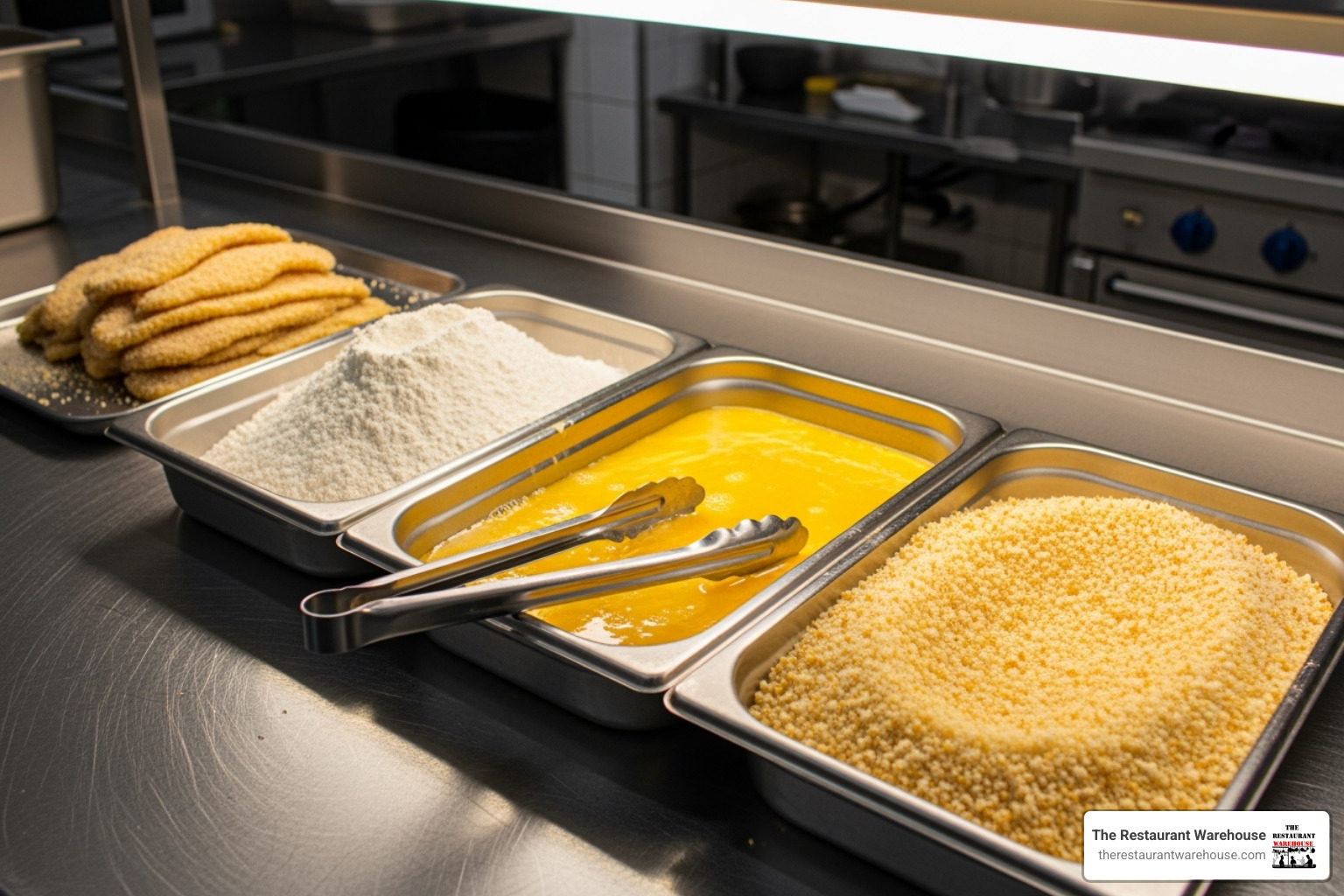
- Breading Station: This setup requires a strict left-to-right flow: seasoned flour, then egg wash, then breadcrumbs, and finally a landing zone (like a wire rack). Use the wet-hand/dry-hand technique—one hand for dry ingredients, the other for wet—to prevent gummy buildup on your fingers and work efficiently.
- Deep-Frying Station: Arrange this station with safety in mind. Raw items start on the left, move to the fryer in the center, and finish on a wire rack over a sheet pan on the right to drain. Keep a digital thermometer, a spider skimmer, and a salt cellar within arm's reach.
Additional high-performance station layouts
- Cold assembly and salads: Place dressings and garnishes in the cold rail, leafy greens in a chilled bin with a perforated insert to wick moisture, and protein add-ons in separate labeled pans.
- Sauce and marinade prep: Dedicate whisk storage, measuring spoons, and ladles to the station. Use squeeze bottles with clear labels and date codes.
- Allergen-sensitive area: Use distinct color-coded boards, tools, and containers. Store these in sealed bins and prep allergen orders first or in a physically separated space.
- Pastry and garnish: Smooth, cool surface for rolling; microplane, zester, and offset spatulas close by.
Station reset discipline
Create a consistent reset routine so any team member can step in and be immediately productive:
- Start-of-shift checklist: Sanitizer bucket set up and tested, knives sharpened, boards secured with a damp towel or mat, towels stacked, labels and pens at the ready, scrap and landing containers in place.
- Mid-shift micro-resets: Wipe and sanitize between products, re-sharpen as needed, restock line-sized pans from your station backups.
- End-of-shift reset: Break down and sanitize boards, lids, and utensils; purge expired product; wrap and label leftovers with date and initials; empty and clean scrap bins; wipe all touch points.
Left-handed considerations
If you or a team member is left-handed, mirror the layout. Keep the same logic—raw → work surface → finished—just reversed. Consistency beats conformity: a well-planned left-handed station is faster than forcing a right-handed setup.
Keeping It Clean: Prep Station Maintenance and Sanitation
A clean prep station is fundamental to food safety, staff health, and equipment longevity. A sparkling station prevents cross-contamination and ensures your entire operation runs more professionally and efficiently.
Daily cleaning is a non-negotiable habit. After each shift, wipe down all stainless steel surfaces, cutting boards, and shelves with a food-safe cleaner. Sanitizing is a separate, crucial step. After cleaning, apply a food-grade sanitizer to all surfaces and let it air dry to effectively kill germs. Pay special attention to cutting boards, ensuring they are thoroughly washed, rinsed, and sanitized between uses, especially after contact with raw meat.
Deep cleaning should be performed weekly or bi-weekly. This involves more detailed tasks:
- Wipe down door gaskets on refrigerated units with mild detergent.
- Ensure sink drains are clear and flowing freely.
- Use a specialized cleaner to polish stainless steel, which protects the surface and maintains a professional look.
- Condition any wood surfaces with food-grade mineral oil to prevent cracking.
- Check and lubricate casters on mobile units to ensure they move smoothly.
Proper cleaning and maintenance are an investment in your business. A well-maintained prep station will serve you reliably for years, making every service smoother and every meal safer.
Build a bulletproof sanitation program
Go beyond basic cleaning by formalizing your procedures:
- Three-compartment sink method: Wash (per label), rinse with clean water, then sanitize. Follow contact time precisely—sanitizers only work if they sit long enough. Air-dry; don’t towel-dry sanitized items.
- Sanitizer verification: Use test strips for your chosen sanitizer type to verify proper concentration. Replace solution when it becomes dirty or falls out of range.
- Food-contact vs. non-food-contact: Use separate cloths and labeled spray bottles. Color-code buckets and rags to prevent cross-use.
- Knife and board care: Resurface or replace boards when grooves become deep. Hone knives daily and schedule periodic professional sharpening to reduce injury risk and improve cut quality.
- Personal hygiene station: Keep a handwash sink accessible with soap, paper towels, and clear signage. Enforce glove changes between raw and ready-to-eat tasks, and after touching hair, face, or phones.
Temperature control and documentation
- Rail and cabinet temps: Log temperatures at least twice per shift for refrigerated stations. Investigate trends early; drifting temps often signal clogged condenser coils or door seals starting to fail.
- Rapid cooling: When batch-cooking components for cold stations, use shallow pans, ice baths, or blast chilling to get from 135°F to 70°F within 2 hours and to 41°F within 4 hours. Stir with sanitized paddles to speed cooling.
- FIFO and labeling: Date, time, and initial every container. Place new product behind older product. Train everyone to audit labels during resets.
Monthly and quarterly maintenance
- Coils and airflow: Clean condenser coils on refrigerated prep equipment and ensure vents are free of dust and obstructions. Poor airflow is the fastest route to temperature problems.
- Hardware checks: Tighten loose handles, replace worn gaskets, and verify casters lock securely. Fixing small issues early prevents service-time breakdowns.
- Drain and moisture control: Clear drain lines, wipe under rails, and check for hidden moisture that can lead to mold.
- Pest prevention: Keep floor edges, under-equipment gaps, and splash zones dry and debris-free; store ingredients with lids; and remove trash promptly.
Allergen and cross-contact controls
- Dedicated tools: Reserve color-coded boards, tongs, and containers for allergen-free prep.
- Physical separation: When possible, prep allergen orders in a distinct zone or at a separate time. Clean, rinse, and sanitize surfaces and tools before starting.
- Communication and labeling: Mark containers clearly (e.g., “no nuts,” “gluten-free”). Train staff to verify allergen requests aloud during handoff to the line.
A clean, well-maintained station doesn’t happen by accident—it’s the product of habits, checklists, and accountability. Document tasks, assign owners, and post schedules where everyone can see them.
Conclusion
The fluid, purposeful movements of a professional chef are the result of a well-designed prep station. This essential piece of equipment is the unsung hero of any efficient kitchen, serving as the foundation for speed, safety, and organization.
As we've covered, from the core principles of mise en place to the specific features of refrigerated units and stainless steel work tables, a proper prep station is transformative. Organizing your station for specific tasks and maintaining rigorous cleanliness standards turns chaotic rushes into manageable services. Investing in the right prep station is a direct investment in your success. Every minute saved in prep means faster service, less stress for your team, and years of reliable performance from your equipment.
Whether you need a refrigerated sandwich prep table for a busy deli or a specialized surface for a new pizzeria, the right prep station is your secret weapon. It empowers you to move from scrambling to keep up to confidently leading the charge during your busiest hours.
Put it into action: a quick-start plan
- Map your station: Sketch your current layout and mark every reach and step during a common task. Identify two changes that eliminate steps.
- Standardize tools: Decide on your default knife, board, scraper, towel stack, and label kit—and keep them in the same place, every day.
- Create a par sheet: List each prepped item, container size, and quantity per service. Update based on actual sales, not guesswork.
- Build reset checklists: One for opening, one for pre-service, one for closing. Post them where they’re used.
- Track two metrics: Station reset time and waste. As those numbers improve, you’ll feel the difference on the line.
A carefully planned prep station pays dividends every single shift—fewer errors, cleaner work, faster turns, and a calmer, more confident team. Start small, standardize relentlessly, and watch the gains compound.
About The Author

Sean Kearney
Sean Kearney used to work at Amazon.com and started The Restaurant Warehouse. He has more than 10 years of experience in restaurant equipment and supplies. He graduated from the University of Washington in 1993. He earned a BA in business and marketing. He also played linebacker for the Huskies football team. He helps restaurants find equipment at a fair price and offers financing options. You can connect with Sean on LinkedIn or Facebook.
Leave a comment