

Atosa 2 Door Refrigerator: The Ultimate Buyer's Guide
In a busy kitchen, you can't afford weak links. When the orders are flying, the last thing you need is equipment that can't handle the pressure. Your refrigerator is more than just an appliance—it's the silent, hardworking core of your entire operation. That's why the Atosa 2 door refrigerator has become such a trusted kitchen workhorse. It has a solid reputation for exceptional durability, energy efficiency, and performance. Let's look at the specific features that set this unit apart and help you keep your cool during the busiest rush.
Why Is the Atosa 2 Door Refrigerator a Kitchen Workhorse?
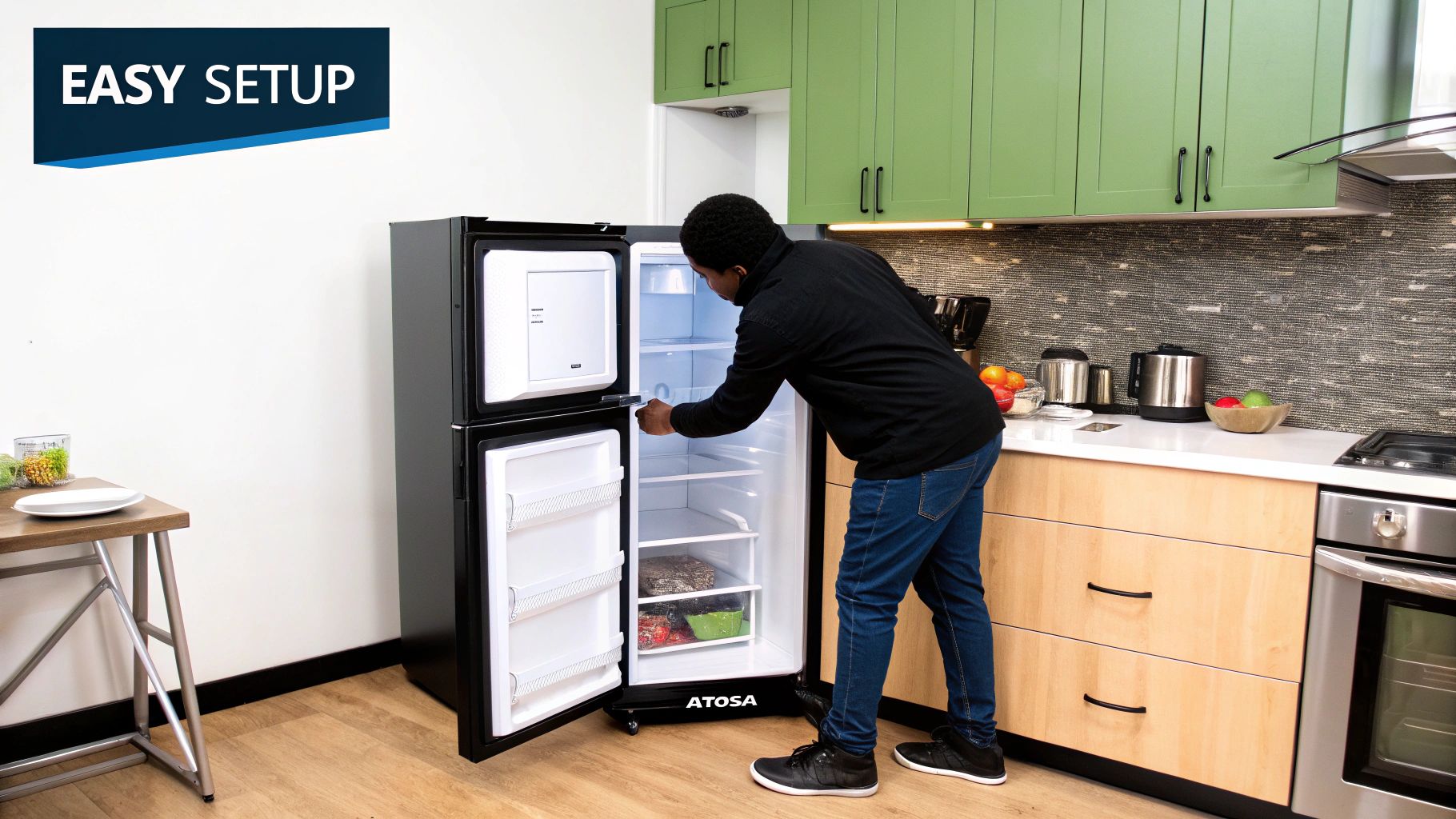
Think of your kitchen’s refrigeration as a silent partner that works 24/7 to protect your most valuable assets—your ingredients. When that partner is unreliable, it creates a ripple effect of problems. We're talking about food spoilage, financial losses, and even the nightmare of a failed health inspection. The Atosa 2-door refrigerator is engineered specifically to prevent these headaches, making it a cornerstone of operational stability.
It’s built less like a standard appliance and more like a piece of essential infrastructure. For a restaurant owner, this means peace of mind. For a chef, it means consistent temperature control that preserves the texture, flavor, and safety of their food. This isn't just a happy accident; it’s the result of intentional design choices aimed squarely at the demanding, fast-paced commercial kitchen environment.
For a quick overview of what makes this unit a kitchen staple, here's a look at its core attributes.
Meet the Atosa 2 Door Refrigerator
| Attribute | Description |
|---|---|
| Construction | Heavy-duty stainless steel for maximum durability and easy cleaning. |
| Cooling System | Efficient and powerful, ensuring consistent temperatures. |
| Energy Efficiency | Features like self-closing doors help reduce utility costs. |
| Temperature Control | Precise digital controls for easy monitoring and adjustments. |
| Reliability | Built to withstand the constant use of a busy commercial kitchen. |
This table gives you the highlights, but let's break down what these features mean for your day-to-day operations.
Key Models: Top-Mount vs. Bottom-Mount
When you start looking at commercial refrigerators, one of the first decisions you’ll face is where the compressor is located. This isn’t just a minor design detail; it directly impacts your kitchen’s workflow, maintenance routine, and even your energy bills. The two main configurations are top-mount and bottom-mount, and each has distinct advantages depending on your specific environment. A top-mount compressor, as the name suggests, sits on top of the refrigerator unit. This design is fantastic for kitchens where the floor can get messy, like bakeries with flour dust or prep areas with frequent spills. By keeping the mechanical components elevated, it prevents them from pulling in debris, which can clog the coils and cause the unit to work harder or fail.
On the other hand, a bottom-mount compressor is located at the base of the refrigerator. This is often the preferred choice for hot kitchen environments. Since heat rises, a bottom-mount unit pulls in cooler air from near the floor, allowing it to run more efficiently than a top-mount unit that might be drawing in hot, greasy air. This design also makes maintenance a breeze, as the compressor is easy to access for cleaning and service without needing a ladder. Plus, it raises the bottom shelf of the refrigerator, making it more ergonomic to grab frequently used items without bending over. Choosing between the two is all about matching the equipment to your space.
Understanding the Atosa MBF8005GR and MBF8507GR
Atosa puts this choice front and center with its two flagship 2-door models: the MBF8005GR (top-mount) and the MBF8507GR (bottom-mount). Both units are built from high-quality stainless steel inside and out, feature precise digital temperature controls, and come with self-closing doors to keep cold air locked in. They are both excellent examples of Atosa's commitment to durability and performance. The real difference lies in how they fit into your operational flow. At The Restaurant Warehouse, we carry Atosa's full lineup of commercial refrigerators because we know that having the right configuration makes all the difference.
So, how do you pick the right one for your business? Think about your kitchen's biggest challenges. If you run a bakery or have a prep line where floor debris is a constant, the top-mounted MBF8005GR will give you long-term reliability by keeping its vital parts clean. If your primary concerns are a hot cookline and easy access for maintenance, the bottom-mounted MBF8507GR is the clear winner. Investing in the right unit is a major step, which is why we also offer flexible restaurant equipment financing to help you get the gear you need without compromising your budget. Either way, you’re getting a refrigerator designed to handle the pressure of a professional kitchen.
How It Improves Your Kitchen Workflow
The real value of an Atosa unit becomes crystal clear when you see how its features translate into tangible benefits for your workflow and your budget.
- Unwavering Durability: Built with heavy-duty stainless steel, it’s designed to handle the dents, spills, and constant use of a professional kitchen without faltering.
- Operational Efficiency: Smart features like self-closing doors and precise digital temperature controls help streamline kitchen processes and cut down on energy waste.
- Inventory Protection: Consistent and reliable cooling is absolutely critical for meeting food safety standards and minimizing expensive spoilage.
Why Chefs Trust the Atosa Brand
Atosa has solidified its position as a go-to brand by focusing on robust construction and advanced cooling technologies. Their commitment to quality shines through in models that not only lower your operational costs but also reduce environmental impact.
This approach aligns perfectly with the growing industry trend where energy efficiency is a top priority, especially with rising utility costs and stricter regulations. You can learn more about how Atosa leads in commercial refrigeration at onlyatosa.com and see why so many kitchens trust them to get the job done.
A Look at Atosa's Manufacturing
So, where does this reputation for quality come from? Atosa, founded in 2003 by Mr. Alan Cheng, quickly became a major player in the commercial kitchen equipment space. The company’s philosophy is built on a foundation of high-quality production, using advanced machinery and incorporating premium components from trusted brands like Embraco and Dixell. This isn't just about assembling parts; it's about a deep commitment to engineering equipment that performs under pressure. This dedication ensures that every piece of equipment, from their workhorse refrigerators to their spacious freezers, meets the rigorous safety and performance standards required in both the United States and Europe.
Global Reach and Quality Components
Atosa’s commitment to quality is matched by its impressive scale. The company operates from a massive manufacturing facility in Hangzhou, China, that spans over 400,000 square meters. This incredible production capacity allows Atosa to distribute its products to more than 80 countries, earning the trust of chefs and restaurant owners across the globe. Their confidence in their own products is clear, as they offer a warranty of up to 24 months on their equipment. This guarantee, combined with a focus on energy efficiency, makes Atosa a smart, cost-effective choice for any commercial kitchen looking to make a sound investment. It’s a practical solution for getting top-tier equipment, and options like restaurant equipment financing can make it even more accessible.
Designed for the Professional Kitchen
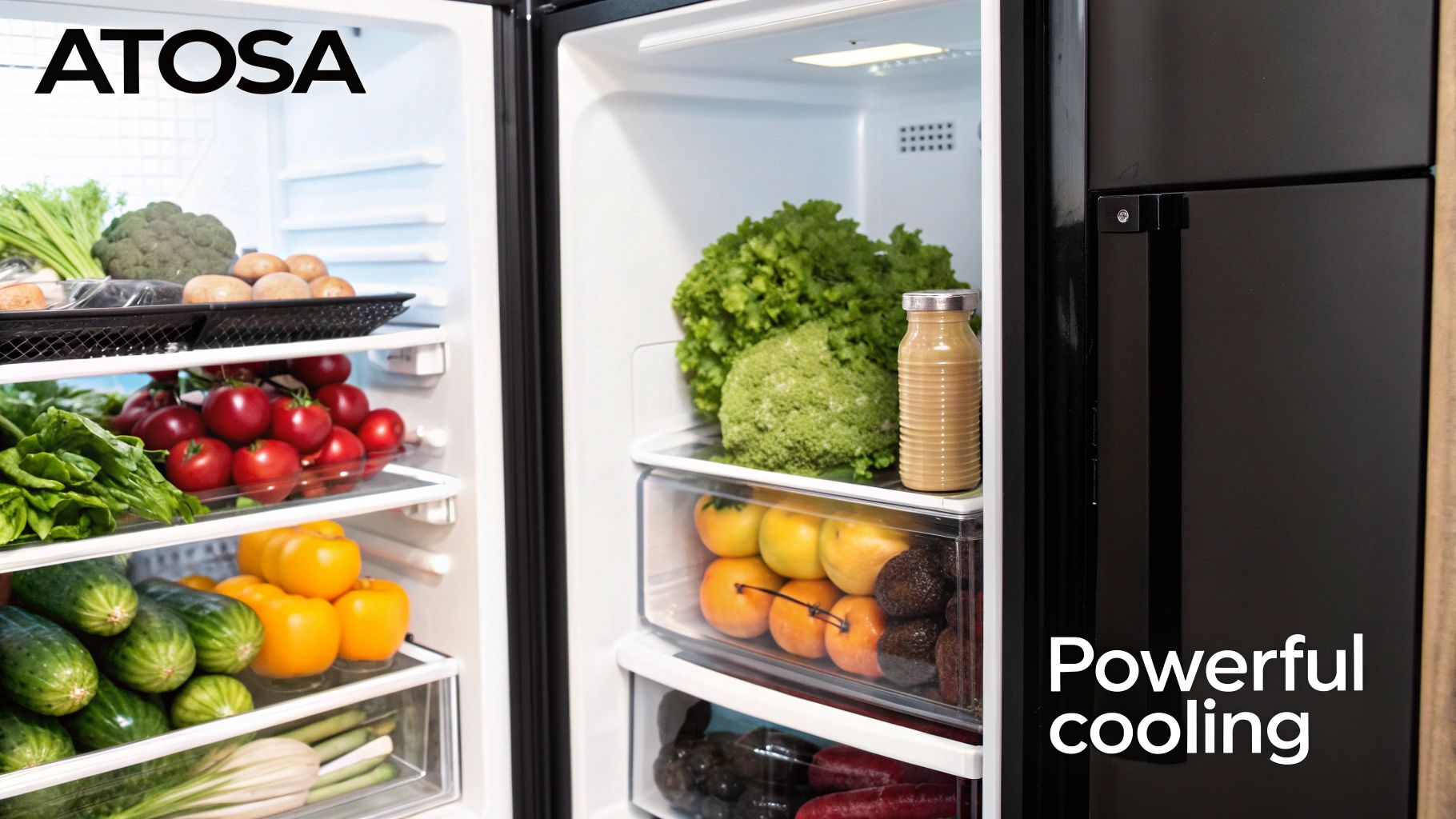
A commercial kitchen is a chaotic environment. It’s a place of constant motion, high stress, and relentless pressure. Your equipment has to be more than just functional; it needs to be a dependable part of your team, ready to perform when the ticket machine won't stop spitting. That’s how you should think about the Atosa 2 door refrigerator—not as just another appliance, but as a reliable workhorse engineered specifically for this grind.
The design choices here aren’t just for looks. They’re practical solutions that directly impact your day-to-day operations, helping you protect your valuable inventory and save precious time and money.
It all starts with its heavy-duty stainless steel construction. In a world of flying pans, accidental bumps, and constant traffic, this tough exterior is like a suit of armor. It’s built to resist the dings, dents, and corrosion that would send a lesser unit to an early grave. Inside, the non-porous stainless steel makes sanitation a breeze, which is absolutely critical for meeting health codes and ensuring top-notch food safety.
Top-Mount vs. Bottom-Mount: Which is Right for You?
One of the biggest decisions you'll make when choosing a commercial refrigerator is where the compressor is located: on the top or at the bottom. This might seem like a small detail, but it has a real impact on everything from energy bills and maintenance routines to how your staff uses the unit every day. There’s no single "best" choice—it all comes down to what makes the most sense for your kitchen's layout, environment, and workflow. Let's walk through the pros and cons of each so you can pick the right setup for your team.
Benefits of a Top-Mount Compressor
A top-mount compressor sits on top of the refrigerator cabinet. This placement is a classic for a reason. Since heat naturally rises, the compressor vents warm air up and away from the unit, which helps keep your kitchen's working area a bit cooler. It’s also less likely to suck in dust, flour, and other debris from the floor, making it a great choice for bakeries or kitchens where floors can get messy. While the components are up high, some technicians find them easier to service because they can stand comfortably instead of crouching on the floor. The main trade-off is that the compressor can be harder to reach for routine cleaning, and the unit's top shelves will be a little lower to make room for it.
Benefits of a Bottom-Mount Compressor
Bottom-mount compressors, as the name suggests, are located at the base of the refrigerator. This design has some clever advantages. The compressor pulls in cooler air from near the floor, which can make it run more efficiently and use less energy—a definite plus for your utility bills over the long run. This efficiency is a key reason many kitchens invest in them, and options like equipment financing can make that initial purchase more manageable. Ergonomically, it’s a win for your staff. The lowest shelf is raised, so they don't have to bend down as far to grab heavy items. The downside is that the compressor is in a prime spot to collect floor dust and grease, so you'll need to be diligent about cleaning the coils.
Practical Features You'll Use Every Day
Beyond its rugged build, the Atosa refrigerator is packed with thoughtful features that tackle the real-world headaches of a busy kitchen. These aren't just bullet points on a spec sheet; they're solutions to common problems you face every single shift.
- Dixell Digital Temperature Control: This system gives you precise, easy-to-read temperature management. It’s your guarantee that ingredients are consistently held in the optimal food-safe zone, preventing spoilage and preserving the quality of everything from fresh produce to your signature sauces.
- Self-Closing Doors: We’ve all seen it happen during a chaotic dinner rush—a refrigerator door left ajar. It’s a recipe for disaster. Atosa's self-closing doors prevent this common mistake, keeping cold air locked in, reducing strain on the compressor, and saving you a surprising amount on energy costs.
- Adjustable Shelving: The interior is all about flexibility. With heavy-duty, coated shelves, you can easily reconfigure the space to fit everything from tall stock pots to shallow sheet pans, making sure you can use every single inch of storage.
These features all work together to make your life easier. It's this combination of a tough-as-nails build and smart, practical design that really sets the Atosa 2 door refrigerator apart from the competition.
A key benefit of the Atosa design is its practicality. Features like the accessible Dixell controls and tool-free removable gaskets aren't just for show; they directly address the real-world challenges of kitchen maintenance and hygiene.
Take the door gaskets, for example. They pop off easily without any tools. This small detail makes a huge difference during deep cleaning, allowing your staff to maintain a truly sanitary environment with far less effort. Every element, from the bright interior LED lighting that helps you find items quickly to the smooth, rounded corners that stop grime from building up, has been designed with intention. It’s this attention to the little things that makes the Atosa 2 door refrigerator an indispensable asset, delivering unmatched reliability day in and day out.
Consistent Temperature and Power
One of the biggest challenges in any kitchen is maintaining food safety, and that starts with consistent temperature. The Atosa 2-door refrigerator excels here, using an electronic system to hold temperatures steady between 35°F and 38°F. This isn't just a random range; it's the optimal food-safe zone that significantly slows bacterial growth, preserving the freshness and quality of your ingredients. For a chef, this means less worry about spoilage and more confidence in the product you're serving. This precise control is what separates professional-grade refrigerators from standard appliances, ensuring your inventory is protected around the clock.
Smart Door and Mobility Features
We've all seen it happen during a busy service: someone grabs what they need and the refrigerator door doesn't quite shut. The Atosa refrigerator solves this with self-closing doors that automatically swing shut, preventing cold air from escaping and saving you money on energy costs. It’s a simple feature that makes a huge difference. On top of that, the unit is equipped with casters, making it easy to move for cleaning or kitchen reorganization—a task no one looks forward to. Two of the wheels have brakes, so once you have it in place, it stays put. These thoughtful details show that the unit is designed for the real-world flow of a commercial kitchen.
Ample Storage and Shelving
Inside the Atosa 2-door refrigerator, you’ll find a generous amount of flexible storage. It comes with three adjustable shelves per door section, giving you plenty of room to organize everything from large food containers to small prep bowls. These aren't just basic wire racks; they are coated with epoxy to resist rust and corrosion, which is essential in the humid environment of a cooler. This durable coating also makes them incredibly easy to clean, helping you maintain strict hygiene standards with less effort. This smart use of space ensures you can keep your ingredients organized and accessible, which is key to an efficient kitchen workflow.
Safety, Security, and Design Details
Beyond the major features, it’s the small design details that truly make the Atosa refrigerator a standout piece of equipment. Strong magnetic door seals create an airtight closure every time, locking in the cold and keeping your ingredients secure. Inside, bright LED lights illuminate the entire cabinet, so your staff can quickly find what they need without leaving the door open for too long. The doors are also designed to close automatically if left open at an angle of less than 90 degrees, providing an extra layer of security for your inventory. Investing in equipment with these safety features is a smart business decision, and options like restaurant equipment financing can make it accessible for any budget.
How Energy Efficiency Lowers Your Operating Costs
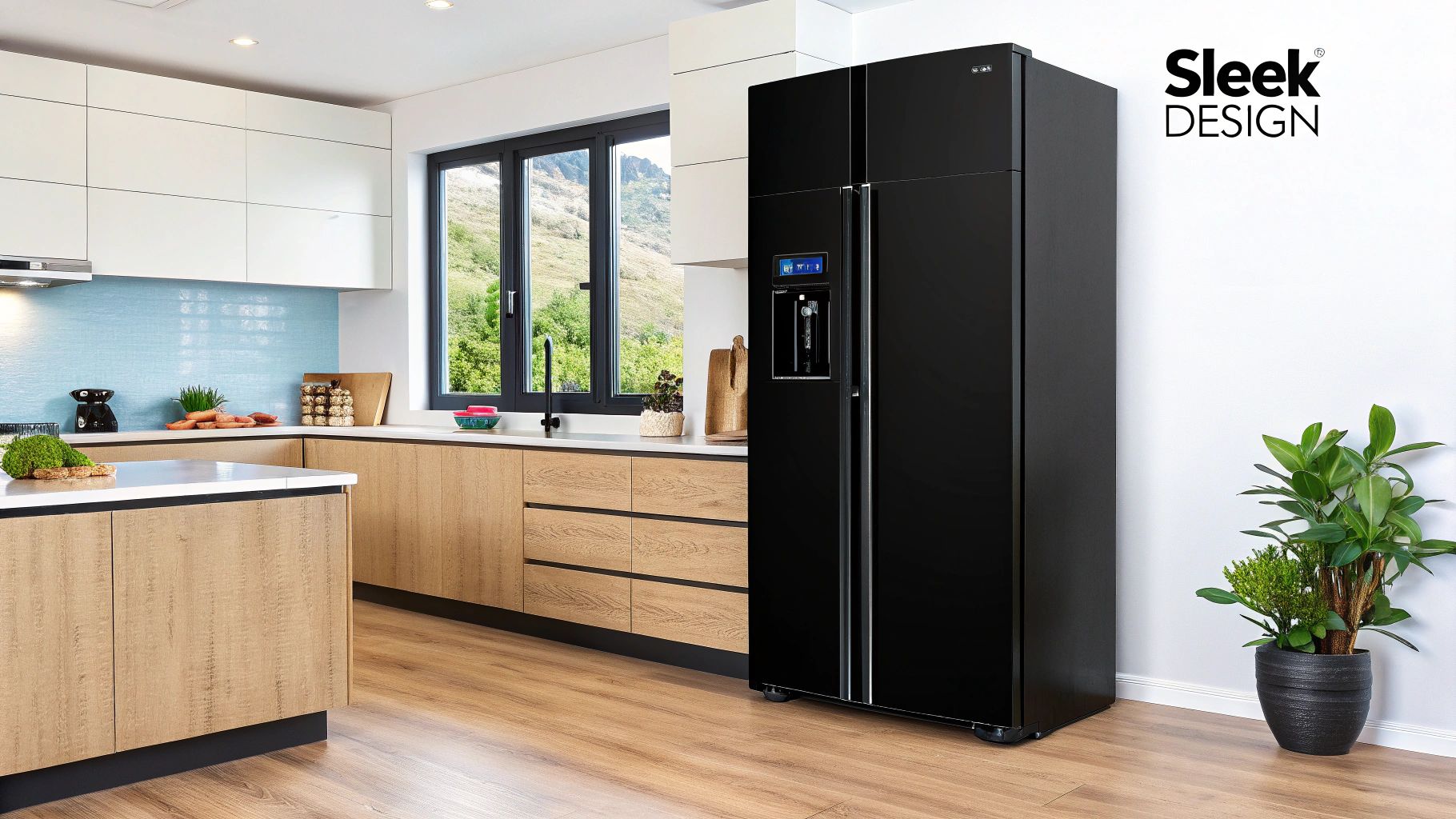
For any restaurant owner, utility bills are one of those constant, nagging expenses that can eat into your profits. The Atosa 2-door refrigerator is engineered to push back on this, turning a major cost center into a real opportunity for savings. Its energy-efficient design isn’t just some extra perk; it’s a core feature built to protect your bottom line, month after month.
Think of it like this: an old, inefficient refrigerator is like a car with a leaky fuel line. Sure, it gets the job done, but you're constantly paying for wasted energy. An Atosa unit, on the other hand, is built to be airtight and efficient, making sure every dollar you spend on electricity goes directly toward keeping your food safe and perfectly chilled.
This isn’t just about one single feature, either. It’s a whole system of smart engineering and high-quality materials working together to slash energy use without ever sacrificing performance.
Energy-Saving Features Explained
So, what’s the secret behind Atosa’s low running costs? It all comes down to how well it manages temperature. Two key elements work in tandem to keep the cold air in and the warm air out.
- High-Density Polyurethane Insulation: Imagine wrapping your refrigerator in a thick, high-tech thermal blanket. That’s pretty much what this insulation does. It’s injected right into the walls and doors, creating an impressive barrier against the ambient heat of your busy kitchen. This means the compressor doesn’t have to kick on as often or work as hard to hold the set temperature, which translates directly to savings on your electricity bill.
- Eco-Friendly R290 Refrigerant: This isn't just a "green" choice; it's a performance powerhouse. R290 is a natural hydrocarbon refrigerant that’s way more efficient at transferring heat than the older refrigerants you might be used to. This superior thermal efficiency lets the cooling system hit its target temperature faster and with less energy, further cutting down on run times and costs.
These features are the foundation of this unit’s performance. By holding onto cold air more effectively and cooling more efficiently, the Atosa 2-door refrigerator dramatically reduces the energy it needs to run 24/7.
An ENERGY STAR certification is more than just a sticker on the door. It’s a third-party guarantee that your appliance meets strict energy performance standards set by the U.S. Environmental Protection Agency. For an Atosa unit, this means it is proven to be 10-15% more energy-efficient than standard models.
This certification gives you peace of mind, confirming that your investment will deliver real, tangible savings. For a deeper look into how different components contribute to overall performance, you can explore our detailed guide on restaurant refrigeration solutions that won’t leave you cold.
Ultimately, choosing an energy-efficient Atosa refrigerator is just a smart financial move. It's an investment that pays for itself over time through lower utility bills, making it a responsible and profitable choice for any modern kitchen.
When you're ready to invest in a major piece of kitchen equipment like a 2-door refrigerator, you need to see the whole playing field. It's not enough to just look at one brand in a vacuum. To really appreciate what an Atosa 2 door refrigerator brings to the table, you have to see how it stacks up against the competition in a very crowded market. This isn't just about picking a name; it’s a strategic choice that will impact your kitchen's rhythm and your business's health for years to come.
The decision is a big one because the commercial refrigeration market is absolutely massive and only getting bigger. Globally, it was valued at around $85.6 billion and is expected to soar to $142.5 billion by 2033. Right now, the Asia Pacific region leads the pack, holding a 37% market share. This explosion shows just how much demand there is for tough, high-capacity units in restaurants and hotels everywhere. In this growing space, Atosa has carved out its own niche by delivering exactly what kitchens need: durable and efficient bulk storage. You can dive deeper into the global refrigerator market growth on cognitivemarketresearch.com.
Estimating Your Electricity Usage
All this talk about efficiency is great, but what does it actually mean for your wallet? Let's translate those energy-saving features into real dollars and cents. You can estimate the monthly running cost of an Atosa refrigerator with a few simple calculations, helping you see the tangible value of its high-density insulation and R290 refrigerant. To start, you just need two key numbers from the unit's spec sheet: its voltage (V) and amperage (A). For instance, a popular Atosa 2-door model typically runs on 115V and draws around 5.4 amps. These figures are the foundation for understanding your potential savings.
With those numbers, the math is straightforward. First, find the wattage by multiplying volts and amps: 115V × 5.4A = 621 Watts. Because the compressor is so efficient, it won't run constantly; a fair estimate is about 8 hours per day. To find the daily energy consumption in kilowatt-hours (kWh), you’ll calculate: (621 Watts × 8 hours) ÷ 1000 = 4.97 kWh. Finally, check your utility bill for your commercial electricity rate (the national average is around $0.17/kWh) and multiply it out: 4.97 kWh/day × 30 days × $0.17/kWh ≈ $25.35 per month. This simple breakdown shows just how affordable it is to operate.
That monthly estimate is where the ENERGY STAR certification really shines. A standard, less efficient model could easily cost 15% more to run, adding up to significant expenses over the year. When you're planning your kitchen's budget, looking at the total cost of ownership—not just the sticker price—is essential. The low operating costs make Atosa refrigerators a smart financial decision for the long term. If you're considering how a new unit fits into your financial plan, exploring options like restaurant equipment financing can make the initial investment more manageable while you benefit from the ongoing savings.
Calculating Your Return on Investment
Once you start putting different models side-by-side, you'll see that while most commercial refrigerators do the same basic job, the real differences are in the details. I'm talking about things like warranty, energy consumption, and the long-term cost of ownership. This is exactly where Atosa consistently shines, offering a compelling mix of performance and affordability that’s hard to ignore.
Sure, some competing brands might catch your eye with a lower initial price. But that lower sticker price often comes with a catch, like a weaker warranty or less efficient parts that will cost you more down the road. An Atosa unit, on the other hand, typically comes with a solid warranty package covering parts, labor, and an extended warranty on the compressor—which is the heart of the whole machine. That comprehensive coverage isn’t just a piece of paper; it’s a sign of the brand's confidence in its own build quality and your protection against future repair bills.
The true value of an appliance isn't just its sticker price; it's the total cost of ownership over its entire lifespan. This includes the initial purchase, monthly energy bills, and any potential repair expenses.
Energy efficiency is another area where the Atosa 2-door refrigerator really pulls ahead of the pack. The chart below gives you a clear visual of how Atosa's focus on energy-saving components directly translates into real, measurable savings on your monthly utility bills.
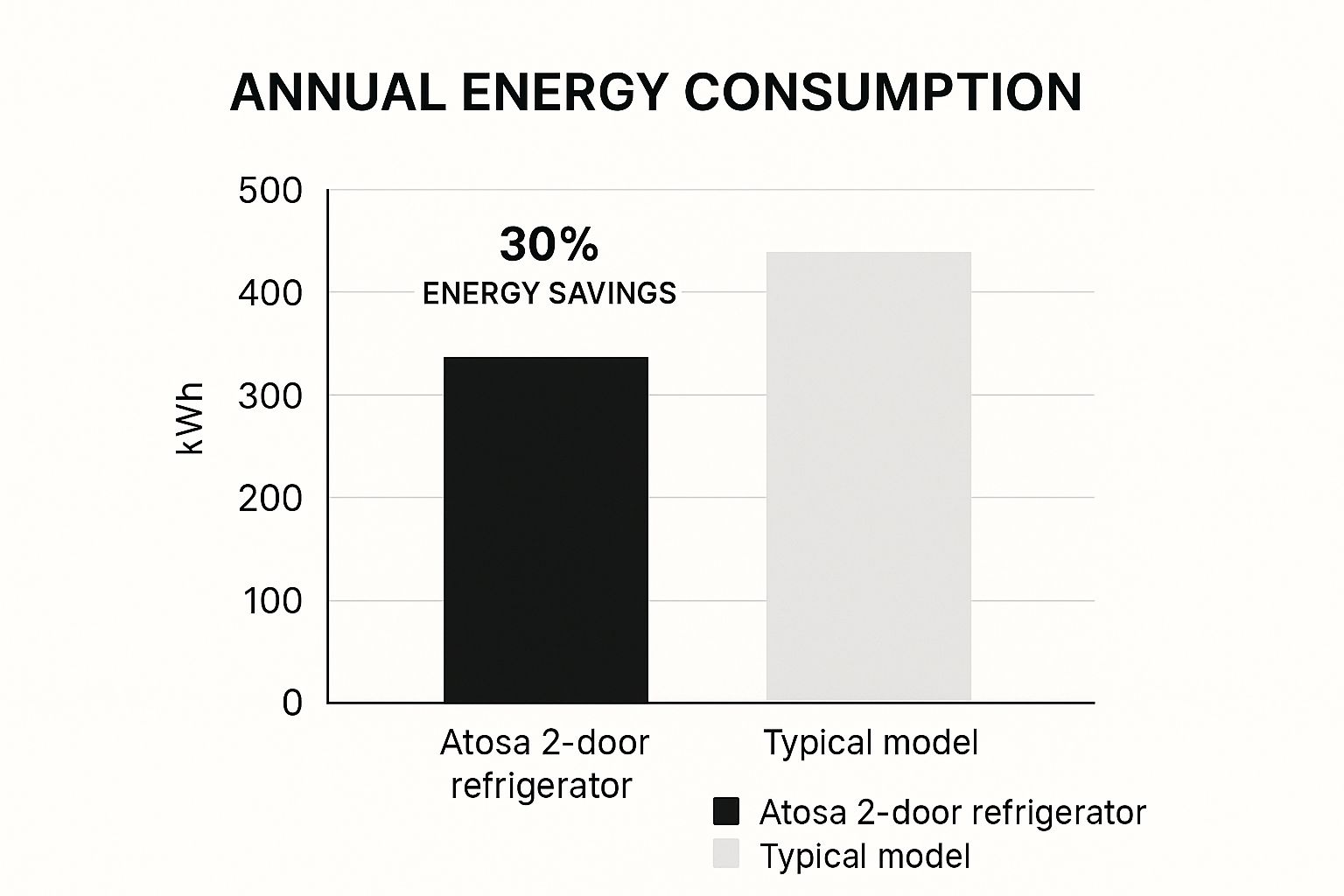
As you can see, the Atosa unit's lower energy use isn't just a small difference. It can lead to some serious savings, potentially cutting your operating costs by as much as 30% compared to other common models. That’s money that goes straight back into your business.
How Does the Atosa Refrigerator Compare?
To make this comparison even more concrete, let's break down how a popular Atosa model performs against two other leading competitors, focusing on the factors that truly matter to a business owner.
This table gives you a straightforward, at-a-glance look at the key differences.
| Feature | Atosa Model | Competitor A | Competitor B |
|---|---|---|---|
| Price | $$ | $$$ | $$ |
| Energy Use | Low (ENERGY STAR) | Moderate | High |
| Standard Warranty | 2 Years Parts & Labor | 1 Year Parts & Labor | 1 Year Parts & Labor |
| Compressor Warranty | 5 Years | 3 Years | 5 Years |
| Unique Feature | Dixell Digital Control | Basic Analog Dial | Standard Digital Display |
When you lay it all out like this, the value proposition becomes crystal clear. Atosa manages to combine a competitive price point with significantly lower energy costs and a more comprehensive warranty. For any cafe, restaurant, or catering business, that combination makes it an incredibly sound financial choice that pays off both on day one and for years to come.
Price Point and Value
Let's talk about the price tag. A model like the Atosa USA MBF8005GR comes in at around $3,400, which is a serious investment for any business. But when you look closer, you see that the real story is about long-term value, not just the initial cost. Cheaper models might save you money today, but they often come with shorter warranties and less efficient components that lead to higher repair and energy bills down the line. Atosa flips that script by offering a robust warranty that covers parts, labor, and an extended five-year warranty on the compressor. This comprehensive coverage is your safety net, protecting you from unexpected costs and demonstrating the brand's confidence in its own product. It's an investment in reliability that pays dividends for years, and options like restaurant equipment financing can make it much more manageable for your budget.
A Note on Side-by-Side Door Storage
One of the biggest advantages of a two-door design is organization. You can dedicate one side to specific ingredients, which helps streamline prep and reduce the time doors are left open. However, it's worth noting a small trade-off that comes with this style. Because each door is narrower than a single, full-sized door, the storage bins on the inside of the doors are also typically smaller. This isn't a major flaw, just a practical point to consider. These bins are perfect for smaller items like condiment bottles and sauce containers, but they might not accommodate bulky gallon jugs. For most kitchens, the superior organization and workflow benefits of having two distinct refrigeration zones far outweigh this minor storage quirk, making these refrigerators a smart choice for efficient operations.
Keep Your Atosa Running Like New
An Atosa 2-door refrigerator is built to be a real workhorse, but getting the most out of it—and making sure it lasts for years—really comes down to proper care. Think of routine maintenance less as a chore and more like an insurance policy for one of your most critical kitchen assets. A few simple, consistent steps can save you from the headache of costly emergency repairs and, just as importantly, protect your food inventory.
It all starts with proper installation, right from day one. When your new unit arrives, placement is everything. The compressor, which is basically the refrigerator's engine, needs room to breathe and push out heat. If you don't leave enough clearance around the back and sides, you're forcing that compressor to work overtime, which leads to higher energy bills and a shorter lifespan for the unit.
And before you even think about plugging it in, grab a level and make sure the unit is sitting perfectly flat. This small detail is a bigger deal than you might think; it helps the doors seal correctly, keeping cold air from escaping and ensuring the whole system runs smoothly without unnecessary strain.
Your Routine Maintenance Checklist
Consistent upkeep is pretty straightforward, but it's absolutely essential for keeping your Atosa refrigerator running efficiently. A simple, repeatable checklist helps your staff spot potential issues before they turn into real problems.
- Clean Condenser Coils Regularly: Dust and grease are the biggest enemies of an efficient refrigerator. When condenser coils get clogged, they can't release heat properly, forcing the unit to work much, much harder. A quick cleaning every 60-90 days is single-handedly the most important maintenance task you can perform.
- Inspect Door Gaskets: The gaskets are what create that airtight seal to keep the cold air locked in. Give them a regular check for any cracks, tears, or brittleness. A faulty seal is a huge source of energy waste and can seriously compromise food safety.
- Promote Good Airflow: It can be tempting to cram the interior full of products, but try to avoid it. Proper organization allows cold air to circulate freely, which is crucial for maintaining a consistent temperature throughout the entire cabinet and making sure all your ingredients are stored safely.
A well-maintained refrigerator is a reliable one. Simple tasks like wiping down gaskets and clearing condenser coils are not just about cleanliness; they are proactive measures that directly impact your unit's efficiency and longevity, saving you money on both energy and potential service calls.
For a more detailed walkthrough of these essential tasks, you can find a complete list of Atosa refrigerator and freezer maintenance instructions to keep your equipment in top condition. By following these straightforward guidelines, you protect your investment and ensure your Atosa 2-door refrigerator remains a dependable workhorse in your kitchen for years to come.
How to Program Your Atosa Refrigerator
One of the best features of your Atosa refrigerator is the user-friendly Dixell digital controller, which takes the guesswork out of temperature management. In a busy kitchen, precise control is essential for protecting inventory, ensuring food safety, and maintaining ingredient quality. Getting the temperature right is straightforward. To begin, enter the programming mode by pressing and holding the 'SET' and 'DOWN' arrow keys simultaneously for three seconds. You'll know it's working when the LED display starts to blink, signaling that the unit is ready for adjustments. This simple step unlocks the control panel, putting you in charge.
Once in programming mode, adjusting the temperature is intuitive. Use the 'UP' and 'DOWN' arrow buttons to find your ideal setting. After selecting the right temperature, it's crucial to lock it in by pressing the 'SET' key one more time. The controller will save your new setting and return to its normal display, giving you confidence that everything is secure. This quick process is key to maintaining consistency and meeting health code requirements. For a complete walkthrough, you can always follow our step-by-step instructions to program the unit.
Ready to Buy? Here's How
Buying a major piece of kitchen equipment, like an Atosa 2-door refrigerator, is a pretty big deal. It’s an investment that goes way beyond just the initial price tag. To make a smart move for your business, you need to think about the whole process, from tracking down a seller you can trust to finding a payment plan that works for your cash flow.
First things first, you need to find a reputable dealer. Look for suppliers who do more than just offer a competitive price; you want someone who provides solid after-sales support. A strong warranty is completely non-negotiable. It’s your safety net against future headaches and a clear sign that the manufacturer has confidence in their product. A good dealer won't shy away from being transparent about the warranty details for parts, labor, and that all-important compressor.
This is especially true when you're navigating the massive commercial refrigeration market. We're talking about a global landscape with over 120,000 buyers and suppliers and worldwide shipments hitting around 7.1 million units annually. The United States is the single biggest importer, bringing in 1.74 million units to keep up with its huge food service industry. In a market this crowded, Atosa makes its mark by delivering the reliable, high-quality refrigeration that businesses like yours need. You can dig into more data on the scale of the global refrigerator market and its key players on coolest-gadgets.com.
Understanding Pricing and Financing Options
Once you’ve found a trusted source for your Atosa unit, the next step is figuring out how to pay for it without putting a strain on your business. This is where financing and leasing options become incredibly valuable tools for any restaurant owner.
- Financing: This route lets you own the equipment outright by making monthly payments over a set period. It's a fantastic choice if you want to build equity in your assets.
- Leasing: With a lease, you pay a monthly fee to use the refrigerator for a specific amount of time. This often means lower monthly payments and can be perfect for businesses that need to preserve their working capital.
Choosing between financing and leasing isn't just about the monthly payment. It's a strategic decision that impacts your cash flow, tax obligations, and long-term business goals.
Both of these paths offer a way to get a top-notch Atosa 2-door refrigerator into your kitchen without a massive upfront cost. By taking a close look at these options, you can make a choice that aligns perfectly with your budget and how you run your kitchen. For a more detailed breakdown, check out our complete guide on restaurant financing options to find the best path for your business.
When you're looking to invest in a piece of equipment as vital as an Atosa 2-door refrigerator, it's only natural to have a few questions. Getting straight, practical answers is key to feeling confident that you're making the right call for your kitchen's future. I’ve heard these questions come up time and time again, so let’s get right to the details that matter most.
One of the very first things people want to know is about the warranty. It tells you a lot about how much a manufacturer stands behind their product. Atosa offers a really solid warranty package, which includes a 2-year warranty on all parts and labor. Even better, they provide an extended 5-year warranty specifically for the compressor—the absolute heart of the unit.
Financing Your Equipment with The Restaurant Warehouse
We get it—investing in a new refrigerator is a big financial step, but it shouldn't drain your working capital. That’s why we partner with trusted financing companies to offer flexible and affordable payment solutions tailored to your budget. This approach allows you to get the high-quality Atosa equipment you need right away, with low monthly payments and a fast approval process. Instead of a huge upfront expense, you can preserve your cash for inventory, payroll, and other daily operational costs. To see how simple it can be, you can explore our restaurant equipment financing options and find a plan that works for your business.
Getting the Most From Your Atosa
Another question that always comes up is about maintenance, specifically: how often should the condenser coils be cleaned? Honestly, this is probably the single most important task you can do to ensure your refrigerator runs efficiently and reliably for years to come.
For optimal performance, you need to clean those condenser coils at least once every 90 days. If your kitchen has a lot of grease in the air, say from charbroilers or fryers, you'll want to do it even more frequently. This simple bit of upkeep prevents the compressor from overworking, which saves you money on energy and helps you avoid a costly breakdown down the line.
Finally, I often get asked if an Atosa commercial refrigerator can be used in a residential home. The short answer here is a definite no.
Commercial refrigerators like the Atosa 2-door refrigerator are powerful machines built for a very specific environment. They generate far more heat, produce more noise, and draw significantly more power than a home unit, making them completely unsuitable and impractical for a residential kitchen.
These units are designed to be workhorses, engineered to meet the intense demands and strict safety standards of a professional food service operation. They're built for performance above all else, not for the quiet, less demanding setting of a home.
Ready to equip your kitchen with a reliable and efficient Atosa 2 door refrigerator? The Restaurant Warehouse offers competitive pricing, expert support, and fast shipping to get you started. Check out our Atosa refrigerators
Optional Accessories and Customization
While the Atosa 2-door refrigerator is a powerhouse right out of the box, you can also tailor it to better fit your kitchen’s unique storage demands. The most common way to do this is by adding extra shelving. If you find your team constantly trying to find space for more prep containers or ingredient pans, you can easily purchase additional shelves to maximize your vertical storage. Just be sure you’re getting the right part for your model; for the popular MBF8005GR, the correct part number is W0402385. A good supplier can help you source the right accessories for your specific restaurant equipment, ensuring a perfect fit and seamless integration into your workflow.
Considering Third-Party Protection Plans
Your Atosa refrigerator comes with a solid manufacturer's warranty, but for an extra layer of security, you might consider a third-party protection plan. These plans, often offered by companies like Asurion, extend your coverage beyond the standard terms. For a major piece of equipment that runs 24/7, this can be a smart move. For example, you might find options like a 2-year protection plan for around $159.99 or a 3-year plan for about $239.99. This additional coverage can offer peace of mind, protecting your investment against unexpected issues down the road. When exploring Restaurant Equipment Financing, it’s worth asking your supplier about these extended protection options as well.
Key Takeaways
- Match the Refrigerator to Your Kitchen's Reality: The choice between a top-mount and bottom-mount compressor directly impacts performance. A top-mount unit keeps vital parts away from floor debris, while a bottom-mount unit runs more efficiently in hot environments and offers easier access for maintenance.
- Look Beyond Cooling to See the Savings: The Atosa refrigerator's value comes from features that actively lower your operating costs. Its ENERGY STAR rating, high-density insulation, and self-closing doors work together to reduce electricity consumption, turning a necessary expense into a smart financial investment.
- Protect Your Investment with Simple Upkeep: An Atosa refrigerator is built for the long haul, but its lifespan depends on routine care. Regularly cleaning the condenser coils and checking door gaskets are simple tasks that ensure efficiency, prevent costly repairs, and protect your inventory.
Related Articles
About The Author

Sean Kearney
Sean Kearney used to work at Amazon.com and started The Restaurant Warehouse. He has more than 10 years of experience in restaurant equipment and supplies. He graduated from the University of Washington in 1993. He earned a BA in business and marketing. He also played linebacker for the Huskies football team. He helps restaurants find equipment at a fair price and offers financing options. You can connect with Sean on LinkedIn or Facebook.
Leave a comment