

Uniformly Excellent: Finding the Best Restaurant Apparel for Your Team
Why Restaurant Chef Uniforms Are Essential for Your Kitchen
A restaurant chef uniform is far more than just clothing—it's a critical investment in your kitchen's safety, efficiency, and professional image. Whether you're outfitting a new restaurant or upgrading your current team's apparel, the right chef uniforms serve as protective gear against burns and spills, maintain strict hygiene standards, and create a cohesive brand identity that customers notice and respect.
The traditional chef's uniform is designed with both function and professionalism in mind. Each component, from the double-breasted coat to the non-slip shoes, plays a specific role in protecting staff and ensuring a sanitary environment. The thick cotton of a chef's coat acts as a barrier against heat and splatters, while specialized footwear prevents dangerous falls on slick floors. These are not just garments; they are essential pieces of safety apparel.
Beyond protection, restaurant chef uniforms play a vital role in kitchen hygiene and food safety. Light-colored fabrics make it easy to spot dirt, ensuring staff maintain the high cleanliness standards required in a food service environment. Proper attire is a fundamental component of food safety practices that protect your customers and your reputation.
Your uniform choices also impact team morale and customer perception. When your staff is outfitted in professional, well-fitting uniforms, it fosters a sense of pride and unity while projecting competence and attention to detail to your guests. A cohesive look tells a story of a well-run, professional operation.
This comprehensive guide will walk you through every aspect of selecting and maintaining chef uniforms for your team—from understanding the purpose behind each component to choosing the right materials, managing care, and finding reliable suppliers that fit your budget.
Ready to outfit your team with professional chef uniforms? Contact us today for expert advice and wholesale pricing on quality restaurant apparel.
The Anatomy of a Professional Chef Uniform
Walk into any professional kitchen, and you'll immediately recognize the distinctive silhouette of a chef in full uniform. But this isn't just about looking the part—every single piece of a restaurant chef uniform has been carefully designed to solve real problems that chefs face every day. Let's explore how each component works together to create a functional, safe, and professional ensemble.
The Chef's Coat: More Than Just a Jacket
The chef's coat is the cornerstone of culinary attire, built like a suit of armor for the kitchen. Its iconic double-breasted design creates an extra layer of fabric across the chest, acting as a shield against the intense heat from the cooking line and splashes of hot liquids. A clever feature of this design is that it's reversible. If one side gets stained during a busy service, a chef can simply button the clean side over it for an instantly refreshed appearance.
Traditional coats feature knot buttons made from cloth, which withstand high heat without melting and are easy to replace. While many modern coats honor this tradition, some contemporary designs use stud buttons or zippers for convenience. The choice between long sleeves and short sleeves often depends on the kitchen environment. Long sleeves offer maximum protection from burns and splatters, while short sleeves provide greater comfort and freedom of movement in hotter kitchens.
Chef Pants: Designed for Movement and Durability
Chef pants are the unsung heroes of the uniform. The classic houndstooth pattern—the small black and white checks—is a masterclass in practical design, as the busy pattern expertly camouflages the inevitable splashes and minor stains of a shift. The same principle applies to pinstripes and other patterns.
The traditionally baggy fit allows for unrestricted movement and promotes air circulation, keeping chefs cooler during long hours next to hot stations. While modern culinary fashion has introduced more tapered and jogger styles, comfort and functionality remain key. Most chef pants feature elastic or drawstring waistbands for a comfortable, adjustable fit and are made from durable fabrics that can withstand daily wear and frequent washing.
Aprons: The First Line of Defense
An apron is a chef's shield, taking the brunt of spills and splatters to keep the underlying uniform clean. Bib aprons offer maximum protection from the chest to the knees, ideal for messy tasks. Waist aprons protect the lower body while allowing more upper-body freedom. For added comfort during long shifts, many modern aprons feature cross-back designs that distribute weight across the shoulders instead of straining the neck.
Common materials include breathable cotton, stain-resistant poly-cotton blends, and rugged denim. Regardless of the style or material, an apron's primary job is to provide robust protection, extending the life of the main uniform.
Headwear and Neckwear
The traditional toque blanche, or tall white hat, is a powerful symbol of the culinary profession. While its historical symbolism has faded, its practical purpose remains. In modern kitchens, you're just as likely to see beanies, skull caps, and bandanas. All of these serve the same critical function: hygiene and hair containment. Keeping hair securely covered is a non-negotiable health code requirement.
Neckerchiefs may seem like a decorative nod to classic French cuisine, but they serve the practical purpose of sweat absorption. In a hot kitchen, a neckerchief wicks moisture away, keeping the chef more comfortable and preventing drips.
Safety Footwear: The Foundation of a Safe Kitchen
Chef shoes may not be glamorous, but they are arguably the most important piece of safety apparel in a kitchen. The floor of a commercial kitchen is a hazardous zone of water, grease, and dropped food. For this reason, non-slip soles are absolutely essential to prevent the falls and injuries that are all too common in foodservice.
Chefs can choose between easy-to-wear clogs and more secure lace-up styles. Quality chef shoes should also feature water and oil resistance and reinforced toe caps for protection against falling objects. Since chefs spend incredibly long hours on their feet, comfort and support are not luxuries—they are necessities for preventing fatigue and ensuring sustained performance.
Function Over Fashion: How Uniforms Improve Safety, Hygiene, and Performance
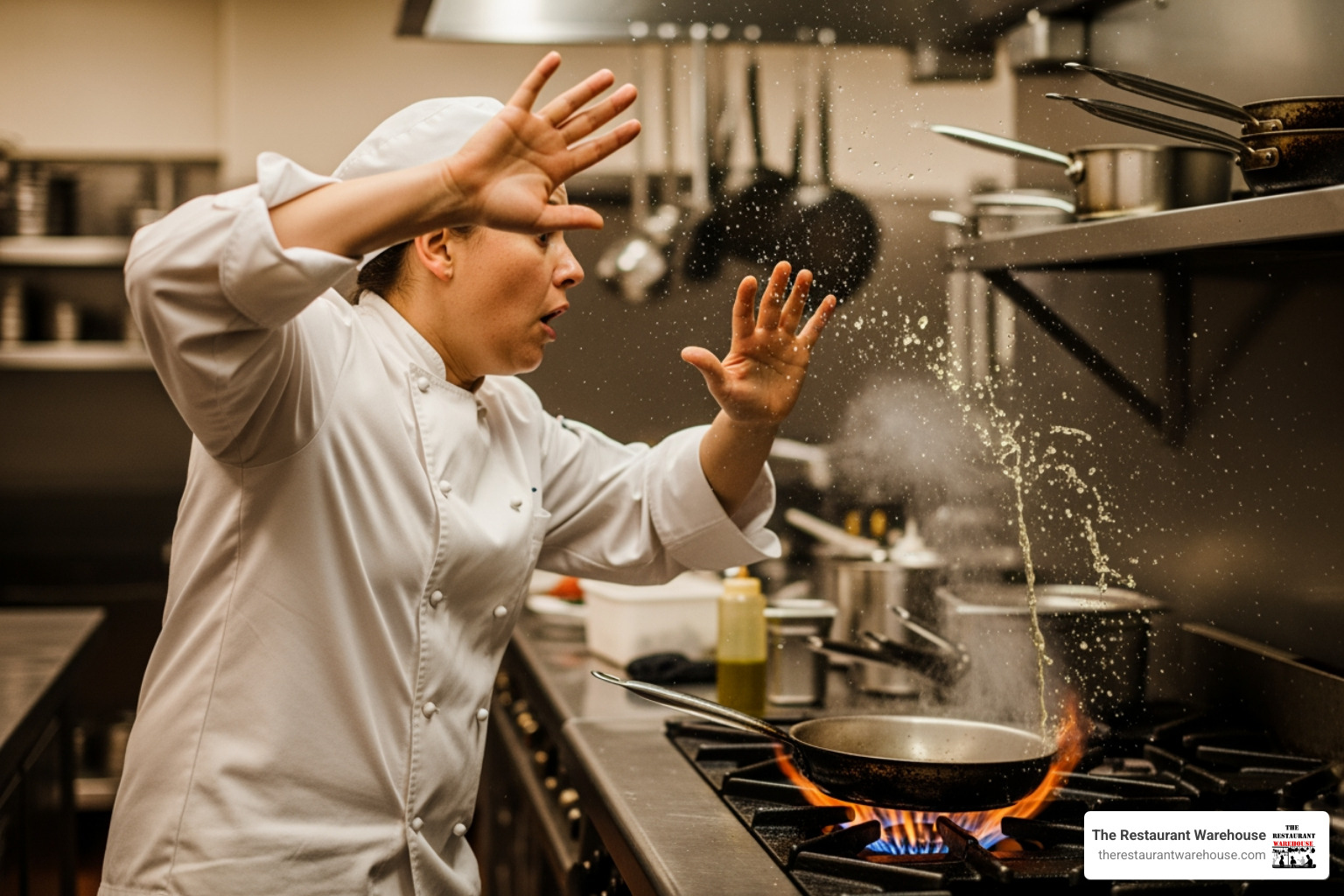
When you invest in a quality restaurant chef uniform, you're not just buying clothing—you're investing in the safety, health, and productivity of your kitchen team. While a crisp uniform looks impressive, its true value lies in how it protects staff, maintains hygiene, and enables peak performance.
A Shield in the Heat: Safety Features of a Restaurant Chef Uniform
The kitchen is an environment of intense heat and constant motion, making protection a priority. The thick cotton fabric of traditional chef coats acts as an insulator, creating a barrier between a chef's skin and the threat of burns from steam, hot liquids, or accidental contact with hot surfaces.
The iconic double-breasted design provides an extra layer of fabric across the chest and stomach, the areas most vulnerable to splashes. This second layer can be the difference between a close call and a serious injury. Similarly, long sleeves serve as an essential shield for the arms, protecting against splatters and accidental brushes with hot pans.
Perhaps the most critical safety feature is worn on the feet. Non-slip shoes are the foundation of kitchen safety. Commercial kitchen floors are notoriously slippery due to water, grease, and spills. The specialized treads on proper chef shoes are designed to grip these treacherous surfaces, giving your team the stability to move quickly and safely, which is invaluable during a busy service.
Maintaining a Clean Kitchen: The Role of Uniforms in Hygiene
If safety is one pillar of a great uniform, hygiene is the other. A proper restaurant chef uniform is vital for maintaining the sanitary conditions that health inspectors and customers demand. Clean uniforms create a barrier that helps in preventing cross-contamination, minimizing the risk of transferring bacteria from personal clothing into the kitchen. This is why the importance of wearing clean attire daily cannot be overstated.
There's a reason most chef coats are white or another light-colored fabric. These pale colors make stains and dirt immediately visible, acting as an early warning system for contamination. When a spill is easy to see, it's addressed quickly, ensuring standards remain high.
Professional chef uniforms are made from washable and durable materials designed to withstand industrial laundering. These fabrics can endure high-temperature washing and strong detergents, which are necessary for proper sanitation. The FDA Food Code guidelines on food handler attire clarify that proper clothing is a fundamental part of food safety, making professional uniforms a requirement for protecting public health.
Comfort is Key: Impact on Chef Performance
Comfort isn't a luxury in a chef uniform—it's a performance necessity. An uncomfortable chef is a distracted and less productive one. The connection between comfort and culinary excellence is direct and undeniable.
This comfort is achieved through thoughtful fabric selection. Breathable fabrics like cotton or poly-cotton blends allow air to circulate, letting body heat escape. Many modern uniforms also incorporate moisture-wicking technology to pull perspiration away from the skin, keeping chefs dry and cool. Some designs even include strategically placed mesh panels for ventilation in high-heat zones like the back and underarms.
Movement is just as important as temperature regulation. The kitchen demands constant bending, reaching, and pivoting. Ergonomic design and flexible materials that incorporate stretch fibers allow chefs to move without restriction, reducing fatigue. When chefs are comfortable and not fighting their clothing, they can maintain better focus during long, grueling shifts. This translates directly to better food, faster service, and a more positive kitchen culture.
Ready to outfit your team with uniforms that prioritize both safety and comfort? Contact us today to discuss your kitchen's specific needs and find quality chef apparel at wholesale prices.
Selecting the Perfect Restaurant Chef Uniform for Your Team
Outfitting your culinary team with the right restaurant chef uniform is about balancing protection, comfort, and style while fitting within your budget. Let's walk through the key considerations that will help you make the best choice for your team.
Choosing the Right Materials
The fabric you choose is the foundation of your uniform's performance. Different materials offer different strengths, and understanding them will help you select apparel that works for your kitchen.
- 100% Cotton: A traditional favorite, cotton is naturally breathable and comfortable. It absorbs moisture well, helping to keep chefs cool. However, it can wrinkle easily and may be more prone to staining.
- Polyester/Cotton Blends: These blends are the workhorse of many professional kitchens. They combine the comfort of cotton with the durability, wrinkle resistance, and stain resistance of polyester, offering a great balance of performance and practicality.
- Fabrics with Spandex/Elastane: A small percentage of stretch fibers provides the flexibility needed for the constant motion of a busy kitchen, allowing chefs to bend and reach without restriction.
- Modern Technical Fabrics: These innovative textiles may offer advanced features like cooling properties, improved moisture-wicking, or antimicrobial treatments to keep uniforms fresher for longer.
Also, consider the fabric's weight. Lightweight weaves are ideal for hot kitchens, maximizing airflow. Heavier weaves offer more substantial protection and durability, which may be better for certain roles or cooler environments.
Uniforms by Role: From Executive Chef to Line Cook
Different roles in the kitchen have different needs, and their uniforms should reflect that.
- Executive Chef: As the face of the kitchen, the executive chef's uniform should signal authority. This often means premium fabrics, a more formal style, and custom embroidery with their name, title, or the restaurant's logo.
- Sous Chefs and Line Cooks: For the team on the front lines, durability and function are paramount. Their uniforms must withstand constant use and frequent washing. Short-sleeve options are popular for staying cool and allowing freedom of movement.
- Pastry Chefs: Pastry work often involves less exposure to intense heat, so lighter-weight fabrics are a good choice. Some pastry departments opt for darker colors like gray or black, which do a better job of hiding flour and sugar dust than traditional white.
Current Trends in Chef Apparel Design
The restaurant chef uniform continues to evolve, blending tradition with contemporary style and function.
- Modern Fits: Many chefs now prefer more custom, custom fits that look polished and professional without the shapeless silhouette of older uniforms. Tapered coats and cleaner pant lines offer a sharp appearance while maintaining mobility.
- Expanded Color Palette: While white and black remain classics, the color palette has expanded to include charcoal grays, navy blues, and earthy tones. This allows restaurants to align their team's apparel with their brand identity and decor.
- Sustainability: There is a growing trend toward sustainable and recycled fabrics. Uniforms made from organic cotton, hemp, or textiles created from recycled materials appeal to restaurants committed to reducing their environmental footprint without sacrificing quality.
Branding, Care, and Sourcing: The Logistics of Uniform Management
Beyond selecting the perfect pieces, managing your restaurant chef uniform program involves branding, maintenance, and sourcing. Getting these details right ensures a smooth operation and protects your investment.
The Power of a Branded Uniform
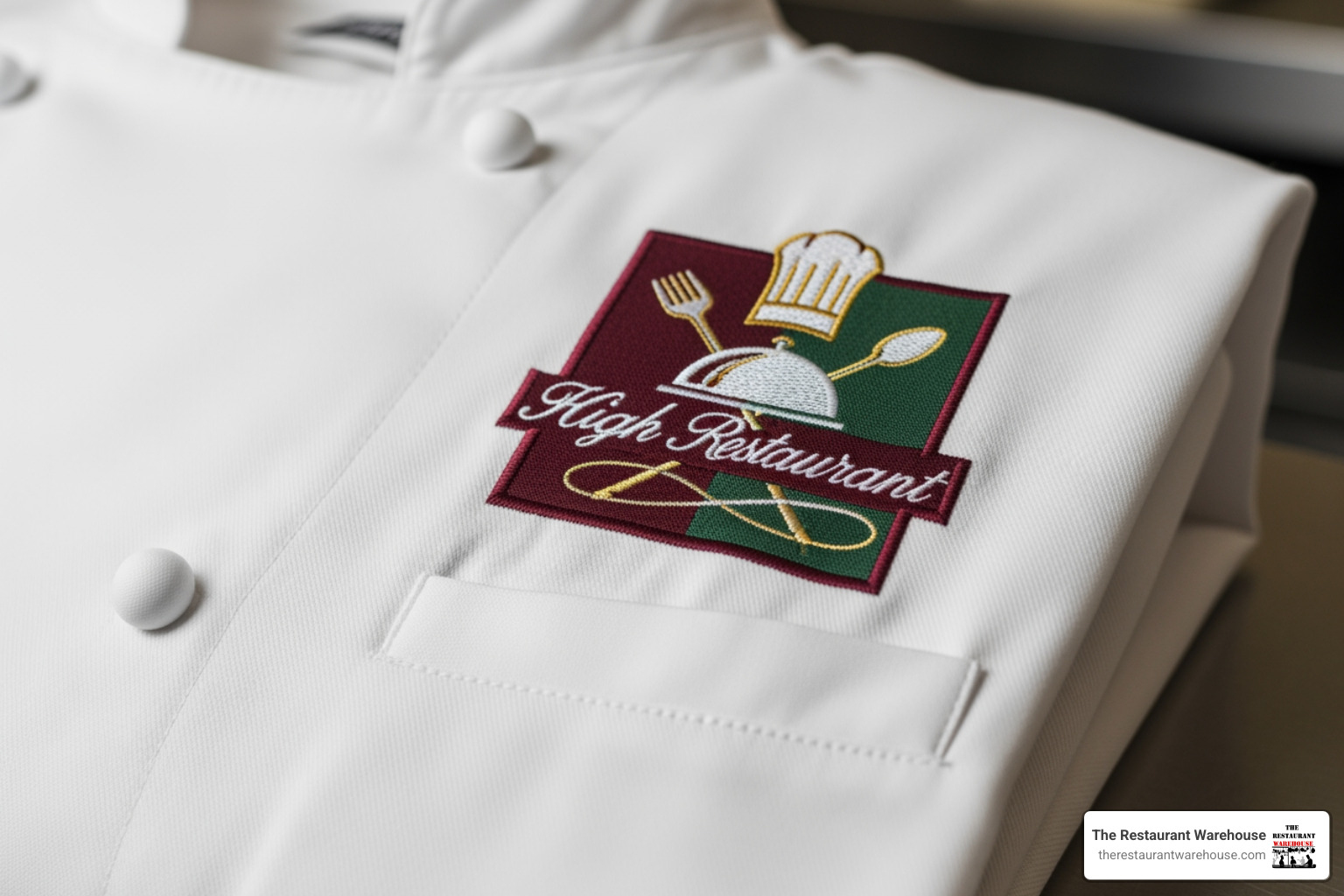
Think about the immediate impression of a team dressed in crisp, matching uniforms featuring the restaurant's logo. It signals professionalism and consistency. A branded uniform tells customers you value attention to detail and quality.
This investment also fosters team unity and pride. When everyone wears the same distinctive uniform, it reinforces that they are part of a shared mission, which can build camaraderie and improve kitchen culture. From a customer's perspective, professional attire improves perception and trust, making them more confident in your restaurant's commitment to hygiene and service.
Customization options like embroidery are what transform generic workwear into a powerful branding tool. Adding your restaurant's logo to chef coats or embroidering names on the chest reinforces your brand identity every time a chef is visible to guests.
Care and Maintenance for Longevity
Even the highest quality uniforms won't last without proper care. A thoughtful maintenance program protects your investment and keeps your team looking sharp.
- Washing and Drying: Always follow the manufacturer's care labels. Most chef uniforms benefit from hot water washes for sanitization. Avoid overloading the washing machine and use lower heat settings when drying to prevent shrinking and extend the garment's life.
- Stain Treatment: Pre-treating common kitchen stains like oil, wine, or tomato sauce as soon as possible is key. Keep a stain treatment kit accessible and train your team on how to address spills immediately.
- Repair or Replace: Regularly inspect uniforms for damage. Minor issues like loose buttons or small tears can be mended. However, once a garment has extensive damage, persistent stains, or thin, worn-out fabric, it's time to replace it to maintain a professional look and ensure its protective function isn't compromised.
Many restaurants consider a managed laundry service versus in-house care. A professional service handles cleaning, sanitization, pressing, and repairs, ensuring consistency and freeing up staff time. While there is a cost, it can be more economical than in-house laundering when you factor in labor, utilities, and the cost of laundry machines.
Sourcing Your Ideal Restaurant Chef Uniform
The supplier you choose matters as much as the uniforms themselves. You need a partner who understands the foodservice industry and can deliver on quality, selection, and value.
- Quality: Look for durable, professional-grade fabrics with reinforced stitching. A quality garment will last longer, saving you money over time.
- Sizing Variety: A good supplier offers a comprehensive range of sizes to ensure every team member gets a comfortable, professional fit. Ill-fitting uniforms can be uncomfortable and unsafe.
- Price: You want the best value for your budget. Look for suppliers who offer competitive pricing without sacrificing quality. Bulk purchasing options can also generate significant savings.
Ready to outfit your team with professional, durable chef uniforms? Contact us today to discuss your specific needs and find our wholesale pricing options.
Frequently Asked Questions about Chef Uniforms
We talk to restaurant owners and managers every day, and certain questions about restaurant chef uniforms come up time and again. Let's tackle the most common ones so you can outfit your team with confidence.
How often should chef uniforms be washed?
This one's simple: chef uniforms should be washed after every single shift. There are no exceptions. This isn't just about appearance—it's a critical matter of food safety.
During a shift, a uniform accumulates food particles, grease, sweat, and potentially harmful bacteria. A clean uniform is essential for preventing the transfer of bacteria and allergens from one day to the next, protecting both your staff and your customers. Starting each shift with a fresh, professionally laundered uniform is a fundamental requirement for meeting health codes and maintaining a sanitary kitchen.
Can we customize our chef uniforms with our restaurant's logo?
Absolutely, and it's highly recommended. Most uniform suppliers offer customization services, with embroidery being the most popular and professional option. Adding your restaurant's logo is one of the smartest branding moves you can make.
Customization transforms a generic uniform into a powerful piece of your brand identity. It signals professionalism to your customers and shows you take pride in your establishment. Internally, customized uniforms foster a strong sense of team pride and belonging. When your chefs wear your logo, they become ambassadors for your brand, which can boost morale and performance.
What is the most important feature to look for in a chef's shoe?
If you can only pick one feature, it must be a certified non-slip or slip-resistant sole. Nothing is more important for kitchen footwear.
Kitchen floors are inherently hazardous, frequently exposed to water, grease, and spills. Slips and falls are among the most common and serious injuries in a commercial kitchen. A proper chef's shoe with a superior-traction sole is your team's best defense against these accidents. The specialized treads are engineered to grip wet and greasy surfaces, giving chefs the stability they need to move safely.
While other features like comfort, water resistance, and reinforced toe caps are also very important for protection and long-term foot health, none of them matter if a chef can't stay upright. Safety always comes first, and in the kitchen, it starts from the ground up.
Conclusion
Outfitting your culinary team with the right restaurant chef uniform is a strategic investment in your kitchen's safety, hygiene, team morale, and brand image. It's about more than just looking professional—it's about providing your staff with the functional apparel they need to excel in a demanding environment.
By focusing on high-quality materials, functional design that protects against hazards, and a comfortable fit that allows for unrestricted movement, you empower your team. A well-outfitted staff feels confident, works more efficiently, and takes pride in their role. That confidence is reflected in the quality of their work and contributes to a more cohesive kitchen culture.
From the protective double-breasted coat to the essential non-slip shoes, every element of the uniform works together to create a safer and more professional kitchen. Choosing the right apparel demonstrates your commitment to excellence in every aspect of your operation.
At The Restaurant Warehouse, we understand that running a successful restaurant means making smart investments. That's why we're committed to providing quality restaurant supplies at wholesale prices, helping you outfit your team without breaking the budget. We are here to support your success with fair pricing and expert guidance.
Ready to outfit your culinary team with professional uniforms that deliver on both quality and value? Contact us today to discuss your specific needs and find how our wholesale pricing can help you equip your entire kitchen staff.
About The Author

Sean Kearney
Sean Kearney is the Founder of The Restaurant Warehouse, with 15 years of experience in the restaurant equipment industry and more than 30 years in ecommerce, beginning with Amazon.com. As an equipment distributor and supplier, Sean helps restaurant owners make confident purchasing decisions through clear pricing, practical guidance, and a more transparent online buying experience.
Connect with Sean on LinkedIn, Instagram, YouTube, or Facebook.