

How Long Does a Commercial Oven Last? The Hot Truth Revealed
Why Your Commercial Solar Panel Investment Matters
How long does a commercial solar panel system last? This is a fundamental question for any business owner considering a transition to renewable energy. It's a significant capital investment, and understanding its longevity is crucial for calculating its true return on investment (ROI). The encouraging answer is that a high-quality commercial solar panel system is a long-term asset, with the panels themselves engineered to last 25 to 30 years or more under a performance warranty.
Quick Answer: Commercial Solar System Component Lifespan
- Solar Panels (Modules): 25-30+ years (performance warranty typically guarantees 80-90% output at year 25)
- String Inverters: 10-15 years
- Microinverters / Power Optimizers: 20-25 years
- Racking & Mounting System: 25-30+ years
Your commercial solar installation is far more than just an energy-saving appliance; it's the power plant for your business and a strategic financial asset. Built with robust, weather-resistant materials, these systems are designed to withstand decades of exposure to the elements while reliably generating clean electricity. They represent a commitment to sustainability, energy independence, and long-term financial predictability.
However, the system's ultimate lifespan is not a single, fixed number. It is heavily influenced by a range of factors that are within your control or should be considered during the planning phase. The quality of the components, the expertise of the installers, the local climate, and, most importantly, the diligence of your maintenance schedule will determine whether your system performs optimally for three decades or experiences premature failures and underperformance.
Understanding these interconnected factors is not merely about avoiding system breakdowns. It's about maximizing your financial return, ensuring predictable energy costs for a generation, meeting corporate sustainability goals, and guaranteeing that your power plant operates at peak efficiency day after day, year after year. This knowledge empowers you to make informed decisions from the very beginning, safeguarding your investment for the long haul.
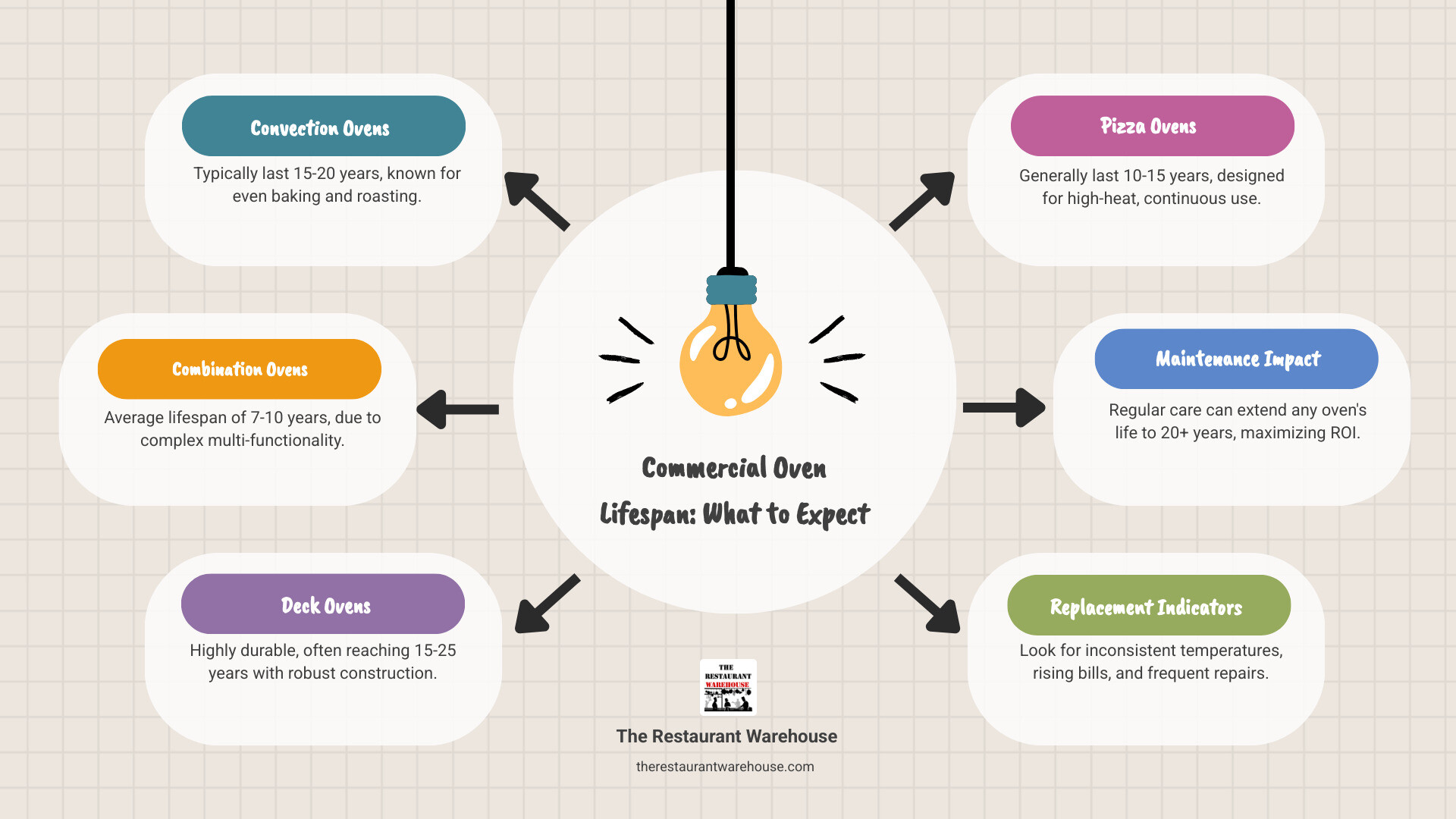
Simple how long does a commercial solar panel system last word guide:
What is the Average Lifespan of a Commercial Solar Panel System?
Commercial solar panel systems are remarkably durable energy-generating assets, constructed from industrial-grade materials designed to endure decades of harsh weather while consistently producing power. This inherent robustness is what makes them a cornerstone investment for businesses aiming for long-term energy cost savings and sustainability.
General Lifespan Expectations and Warranties
So, how long does a commercial solar panel system last in practice? The industry-standard benchmark for the solar panels themselves is 25 to 30 years. This figure is directly tied to the manufacturer's performance warranty. A typical performance warranty guarantees that the panels will still produce at a certain percentage of their original rated power after 25 or 30 years—usually in the range of 80% to 90%. This is not a cliff where the panels stop working; it's a guarantee of minimum performance. Many systems will continue to generate a substantial amount of electricity for years, even decades, beyond their warranty period, albeit at a gradually declining rate of efficiency. This annual decline in performance is known as the degradation rate, which for modern, high-quality panels is typically between 0.3% and 0.5% per year.
However, a solar energy system is more than just its panels. It's a collection of critical components working in concert, each with its own distinct lifespan. Understanding the longevity of each part is essential for a realistic financial forecast.
How do different types of solar components affect how long a system lasts?
The term "commercial solar system" encompasses several key technologies. The lifespan of the entire system is often dictated by the longevity of its most critical—and most frequently replaced—components.
Here's a detailed breakdown of how different components stack up:
| Component Type | Average Lifespan (Years) | Key Factors Affecting Lifespan |
|---|---|---|
| Solar Panels (Mono/Poly) | 25-30+ | Material quality, degradation rate, climate, physical damage |
| String Inverters | 10-15 | Operating temperature, component quality, maintenance, grid stability |
| Microinverters | 20-25 | Lower operating stress, advanced sealing, manufacturer quality |
| Power Optimizers | 20-25 | Similar to microinverters, less complex electronics |
| Racking/Mounting | 25-30+ | Material (aluminum/steel), corrosion resistance, fastener quality |
| Wiring & Connectors | 20-30 | UV resistance, proper installation, protection from elements/pests |
Let's explore these key components in more detail:
Solar Panels (Photovoltaic Modules): These are the workhorses of the system, built to last. They consist of silicon cells protected by tempered glass, an aluminum frame, and layers of encapsulant and backsheet material. Their primary failure mode is a slow, predictable degradation of performance. Monocrystalline panels, known for higher efficiency, and polycrystalline panels both offer similar lifespans, backed by 25- to 30-year performance warranties.
-
Inverters (The Brains): This is arguably the most critical electronic component and the one with the shortest lifespan. It converts the Direct Current (DC) electricity produced by the panels into Alternating Current (AC) electricity that your facility can use.
- String Inverters: These centralized units handle the power from a whole 'string' of panels. Due to the high power loads and heat they manage, their lifespan is typically 10 to 15 years. They are a planned replacement item in any long-term financial model for a solar project.
- Microinverters and DC Power Optimizers: These are smaller devices attached to each individual panel (or pair of panels). They operate under less thermal and electrical stress, which contributes to a much longer lifespan of 20 to 25 years, often with warranties to match. This technology adds resilience, as the failure of one unit doesn't impact the rest of the system.
Racking and Mounting Systems (The Skeleton): This is the physical structure that holds the panels to your roof or on the ground. Made from corrosion-resistant materials like aluminum or galvanized steel, a well-engineered racking system is designed to withstand local wind, snow, and seismic loads for 25 to 30 years or more, effectively matching the life of the panels it supports.
Key Factors That Influence How Long a Commercial Solar System Lasts

While component warranties provide a baseline expectation for lifespan, the true longevity and performance of your commercial solar system are determined by a combination of product quality, installation excellence, and environmental conditions. Just like any major infrastructure asset, its operational life is not guaranteed; it's earned through careful planning and execution.
Component Quality and Manufacturer Reputation
Not all solar equipment is created equal. Investing in high-quality components from reputable, financially stable (or "bankable") manufacturers is the single most important step in ensuring a long system life. Look for Tier 1 manufacturers, which are typically large, vertically integrated companies known for their investment in R&D and automated manufacturing. Key indicators of quality include:
- Advanced Technology: Panels with technologies like PERC (Passivated Emitter and Rear Cell) or TOPCon offer higher efficiency and often better performance in high temperatures, reducing long-term degradation.
- Robust Materials: The quality of the EVA (ethylene vinyl acetate) encapsulant and the backsheet is critical for protecting the solar cells from moisture ingress and UV damage over decades.
- Comprehensive Warranties: A strong manufacturer's warranty is a sign of confidence. Pay close attention to both the performance warranty (guaranteeing power output) and the product warranty (covering defects in materials and workmanship). A 25-year product warranty is superior to a 12- or 15-year one.
Proper Installation and Workmanship
A flawless installation by certified, experienced professionals is non-negotiable. Even the highest-quality panels and inverters can fail prematurely if installed incorrectly. Critical aspects of a quality installation include:
- Structural Integrity: The racking system must be installed according to engineering specifications to handle maximum local wind and snow loads. All roof penetrations must be perfectly sealed to prevent leaks for decades.
- Correct Torque and Connections: Every nut, bolt, and electrical connection must be torqued to the manufacturer's exact specifications. Loose connections can lead to high resistance, heat, and potential fire hazards.
- Meticulous Wire Management: Wires must be secured properly within the racking, protected from sharp edges, and not left to sag or lie on the roof surface where they can be damaged by water, ice, or pests. Using high-quality, UV-resistant cabling is essential.
Environmental and Climatic Conditions
Where your system is located plays a significant role in its longevity. A robust system is designed for its environment, but extreme conditions will inevitably test its limits over time.
- Extreme Heat: High ambient temperatures accelerate the natural degradation of solar panels and put significant stress on inverter electronics. Proper airflow and ventilation behind panels and around inverters are crucial to dissipate heat and prolong component life.
- Snow, Ice, and Hail: The physical weight of heavy, wet snow can stress panel frames and racking. The freeze-thaw cycle can exacerbate tiny microcracks in panels. While panels are tested for hail impact, unusually large hailstones can cause damage.
- High Winds: In hurricane-prone or high-wind regions, the racking system's engineering and installation are put to the ultimate test. A failure here can be catastrophic.
- Saline or Corrosive Atmospheres: For installations near the coast, salt mist can accelerate the corrosion of metal frames, racking, and electrical enclosures. Specifying components with improved corrosion resistance is vital in these areas.
The Ultimate Maintenance Checklist to Extend Your System's Life
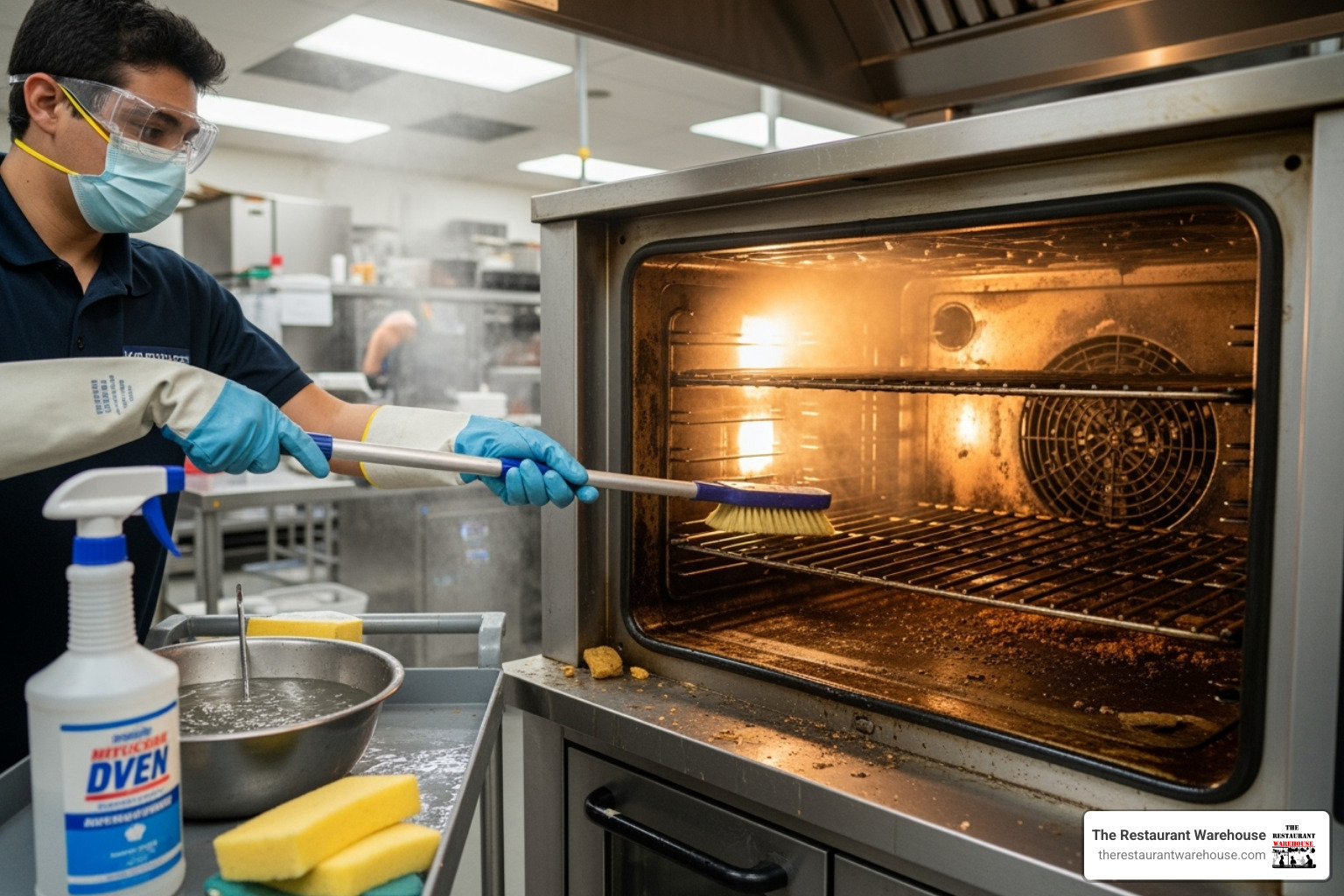
The secret to ensuring your commercial solar system reaches—and exceeds—its 30-year expected lifespan is proactive and preventative maintenance. Viewing maintenance not as a cost, but as an investment in asset protection, is the key to maximizing energy production, ensuring safety, and achieving the highest possible return on your investment.
How does regular maintenance impact how long a commercial solar system lasts?
Regular, documented maintenance directly and profoundly impacts how long a commercial solar system lasts in several critical ways:
- Maximizes Energy Production: Cleaning away dust, pollen, bird droppings, and other soiling ensures that the maximum amount of sunlight reaches the solar cells. This directly translates to higher energy output and greater financial savings.
- Reduces Component Stress: Keeping inverter vents clear of debris prevents overheating, a leading cause of electronic failure. Identifying and tightening loose connections prevents arcing and heat buildup that can degrade components.
- Ensures System Safety: Regular inspections can identify potential hazards like damaged wiring, compromised waterproofing, or pest infestations before they lead to electrical faults or fires.
- Catches Minor Issues Early: A small crack in a panel, a loose bolt on the racking, or an early sign of corrosion can be addressed cheaply and easily when caught early. Left unchecked, these can cascade into major, costly system failures.
- Preserves Warranty Coverage: Many manufacturer warranties require proof of regular inspection and maintenance. Neglecting this can give a manufacturer grounds to deny a future warranty claim.
Routine Monitoring and Visual Inspections (Monthly)
Consistency is key. The facility manager or a designated employee should perform these simple checks regularly:
- Monitor Performance Data: Log into your system's monitoring portal (Datalogger) at least weekly. Look for any inverter error codes or alerts. Compare the system's current output to historical data for the same time of year. A sudden, unexplained drop in production warrants a closer look.
- Visual Panel Inspection: From the ground or a safe vantage point, visually scan the array. Look for any obvious debris, heavy soiling, shading from new vegetation, or signs of physical damage like cracked glass.
- Inverter Check: Ensure the area around your string inverter(s) is clear of debris, boxes, or anything that could obstruct airflow. Listen for any unusual noises.
Semi-Annual or Annual Maintenance Tasks
These more in-depth checks should be performed at least once a year, ideally twice in harsher climates:
- System Cleaning: Depending on your location's rainfall and dust levels, your panels may require professional cleaning. Soiling can reduce output by 5% to 20% or more. Use a qualified service that uses de-ionized water and proper equipment to avoid scratching the glass or causing thermal shock.
- Inspect Racking and Mounting: Visually inspect the entire racking system for any signs of corrosion, shifting, or loose hardware. Check that all roof penetrations and flashings remain watertight.
- Check Electrical Enclosures: Open and inspect combiner boxes and disconnects. Look for any signs of water ingress, corrosion, or melted/discolored wires, which indicate a loose connection.
When to Schedule Professional Inspections
Some tasks require the expertise and specialized equipment of a certified solar technician.
-
Schedule Annual or Bi-Annual Tune-ups: A professional technician should conduct a comprehensive annual service. This is the most critical part of your maintenance plan. This service should include:
- Torque Checks: Verifying that all major electrical connections in the inverters and combiner boxes, as well as the mechanical fasteners on the racking, are tightened to the correct specifications.
- Thermal Imaging (Thermography): Using an infrared camera to scan the panels, connections, and inverters. This can identify "hot spots"—areas of high resistance or malfunctioning cells—that are invisible to the naked eye and can be precursors to failure.
- IV Curve Tracing: A diagnostic test that measures the voltage and current characteristics of your solar strings to ensure they are performing to specification.
- Inverter Diagnostics: Checking the inverter's event logs, cleaning filters, and ensuring all internal components are functioning correctly.
Repair or Replace? Key Signs Your Commercial Solar System is Failing
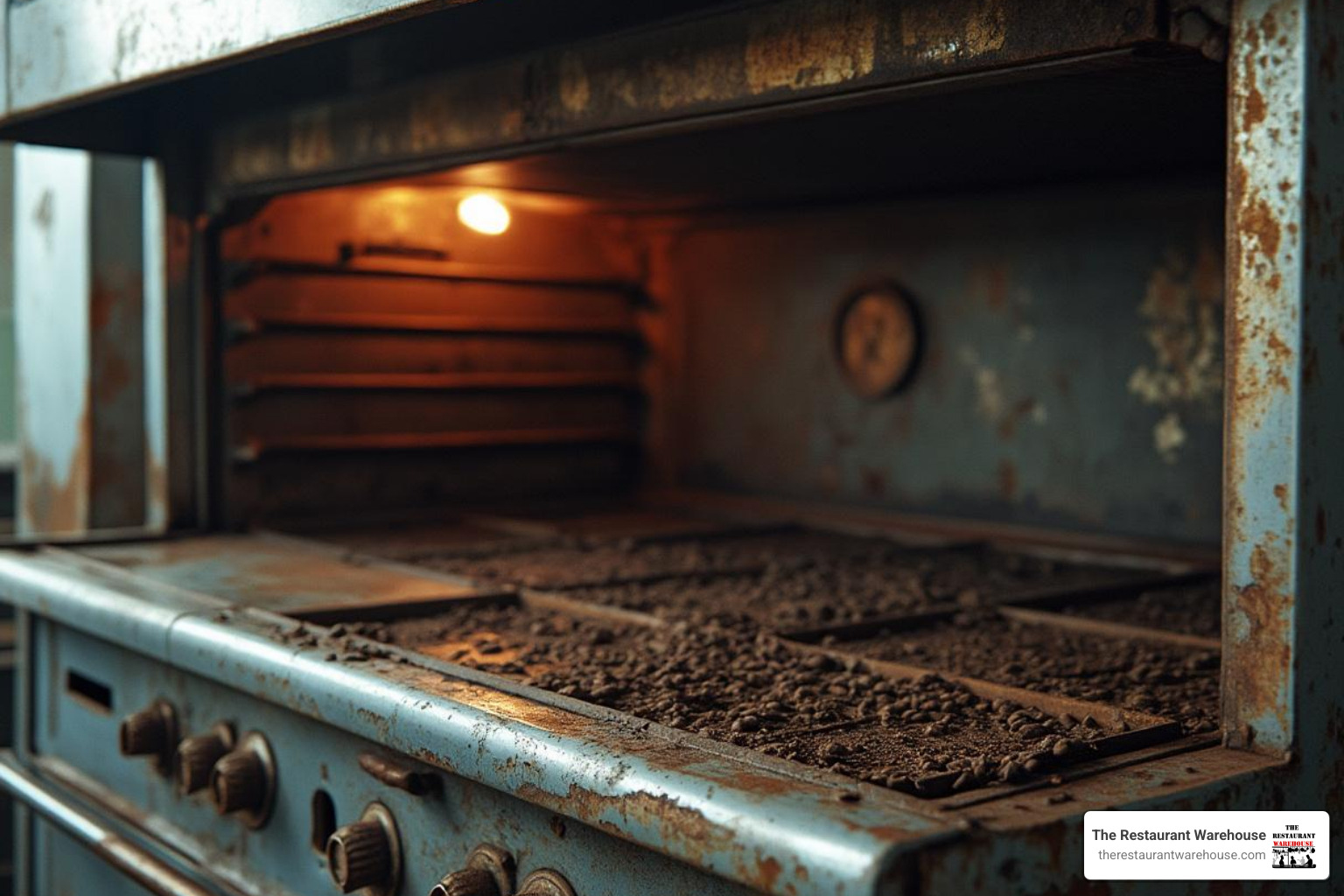
Every long-term asset eventually reaches a point where a critical decision must be made: is it more economical to continue repairing it, or is it time for a strategic replacement or upgrade? For a commercial solar system, this decision point often arrives after the first decade of operation. It's not just about a single repair bill; it's a complex calculation involving lost production, advancing technology, and long-term financial strategy. Recognizing the signs that your system is moving from a reliable asset to a potential liability is crucial for making a timely and intelligent financial move.
Telltale Signs of a Declining Solar System
Your system will provide clear signals when its performance or integrity is compromised. Paying close attention to your monitoring data and conducting regular physical inspections will help you spot these red flags before a minor issue becomes a major outage.
- Steadily Decreasing Energy Output: While a small, predictable annual degradation is normal (0.3-0.5%), a sudden or accelerated drop in production is a major warning sign. This indicates potential issues like widespread panel degradation (PID/LID), inverter malfunction, or severe soiling.
- Frequent Inverter Faults: The inverter is the electronic heart of your system. If it begins to trip or report faults frequently, especially after it's out of its 10-15 year warranty period, it's a strong indicator that its internal components are failing.
- Rising Utility Bills: The most obvious financial indicator. If your electricity bills are creeping up despite consistent usage patterns, it means your solar system is no longer offsetting as much of your consumption as it should be.
- Visible Physical Degradation: Look for signs of wear that go beyond normal aging. This includes widespread "snail trails" (microcracks), browning or discoloration of cells, delamination (the backsheet peeling away), or significant corrosion on panel frames and racking.
- Obsolescence and Lack of Parts: If your inverter fails after 12 years, the original manufacturer may no longer produce that model or its replacement parts, forcing you into a more significant upgrade.
The Hidden Costs of an Obsolete System
Keeping an aging, underperforming solar system online can have significant hidden costs that erode your initial ROI:
- Lost Opportunity Cost: Every kilowatt-hour your system doesn't produce is a kilowatt-hour you have to buy from the utility, often at a much higher price. This lost revenue can add up to thousands of dollars per year.
- Increased Maintenance Costs: Chasing down recurring problems in an old system can lead to escalating technician call-out fees and repair bills.
- Safety Risks: Degraded wiring, failing components, and compromised waterproofing can increase the risk of electrical faults and fires.
Benefits of Upgrading or "Repowering"
Instead of a simple one-for-one replacement, consider "repowering" your system. This strategic upgrade can breathe new life into your investment.
- Improved Energy Efficiency: Solar panel efficiency has improved dramatically. Replacing 15-year-old 250W panels with new 450W panels in the same footprint can massively increase your system's total capacity and energy harvest.
- Advanced Technology: New inverters offer higher efficiencies, better monitoring capabilities, and advanced grid-support functions.
- Reset the Warranty Clock: A new set of panels and inverters comes with brand new 25-year and 10-15 year warranties, respectively, providing peace of mind and predictable costs for the next phase of the system's life.
- Take Advantage of New Incentives: A significant system upgrade may qualify for new tax credits or local incentives that weren't available during your initial installation.
Frequently Asked Questions about Commercial Solar System Lifespan
Here are answers to some of the most common and important questions business owners have about the longevity and long-term value of their commercial solar panel systems.
What features should I look for in a new system for maximum durability?
When investing in a new commercial solar system, prioritizing durability from the outset is key to a long and productive life. Focus on these features:
- Tier 1, Bankable Panels: Choose panels from a manufacturer with a long history, strong financial standing, and a reputation for quality control. This ensures they will be around to honor their long-term warranties.
- High-Quality Product Warranty: Look for a product warranty (covering defects) of at least 15 years, with 25 years being the gold standard. This is often more critical than the performance warranty.
- Corrosion-Resistant Racking: If you are anywhere near a coastal environment, specify racking with a higher-grade anodized aluminum or galvanized steel finish to resist salt mist corrosion.
- Reputable Inverter with Long Warranty: For string inverters, choose a top brand and consider purchasing an extended warranty to cover its full 10-15 year expected life. For maximum longevity and resilience, microinverters or power optimizers with 25-year warranties are the premium choice.
- Robust Monitoring: A system with panel-level monitoring provides incredible insight, allowing you to pinpoint any underperforming panels immediately.
Is it more cost-effective to repair or replace an old string inverter?
This is a common decision point at the 10-15 year mark. Follow this logic: If the string inverter is still under warranty, a repair or warranty replacement is the obvious choice. However, if it is out of warranty, replacement is almost always more cost-effective than repair. An out-of-warranty repair is often a temporary fix for a component that is already near the end of its operational life. Investing that money into a brand-new, more efficient inverter with a fresh 10-year warranty is a much smarter long-term financial decision.
Can a commercial solar system really last 30 years or more?
Yes, absolutely. The core components—the solar panels and the racking—are engineered for this kind of longevity. Many of the earliest solar panels installed in the 1970s and 1980s are still producing power today. The key is to think of it as a system with different component lifecycles. You should fully expect the panels and racking to last for 30-40 years. To achieve this, you must plan for one or two replacements of the string inverter during that time. With diligent maintenance and planned component swaps, the system as a whole can serve as a reliable power plant for your business for a generation or more.
What happens when the panel's 25-year performance warranty expires?
The expiration of the performance warranty does not mean the panels stop working. It simply means the manufacturer is no longer contractually guaranteeing a specific minimum output level (e.g., 85% of the original rating). The panels will continue to generate clean, free electricity every day the sun shines. They will continue their slow, predictable degradation, but they will likely have many years of valuable, productive life remaining. The end of the warranty is a milestone, not an expiration date for the asset itself.
Conclusion: Maximizing Your Solar Investment
We've explored the critical question of how long a commercial solar panel system lasts, and the answer is both encouraging and nuanced. The key takeaway is that while these systems are engineered for remarkable durability, their ultimate lifespan and financial return are directly in the hands of the business owner who invests in them.
Here's a recap of the essential insights for maximizing your solar asset:
- Lifespan is Component-Specific: A solar system is not a single entity. The panels and racking are 25-30+ year assets, while the inverter is a critical component with a shorter, 10-15 year replacement cycle that must be planned for.
- Quality is the Foundation: The longevity of your system begins with the choice of high-quality components from bankable manufacturers and a flawless installation by certified professionals. Cutting corners here will inevitably shorten the system's productive life.
- Proactive Maintenance is Non-Negotiable: Regular monitoring, cleaning, and professional annual inspections are not expenses; they are the most effective investments you can make to protect your primary investment, ensuring it operates safely and at peak performance for decades.
- Recognize the Signs of Aging: Be prepared to make strategic decisions. Know the indicators of system decline—from falling production to inverter faults—and understand when it's time to repair, repower with new technology, or fully replace the system.
- Upgrading is an Opportunity: The end of one component's life is a chance to capitalize on the rapid advancements in solar technology, boosting your system's efficiency and power output for its next phase of operation.
A reliable commercial solar panel system is the heart of a modern, sustainable business's energy strategy. It is a powerful tool for controlling costs, achieving environmental goals, and securing a competitive advantage. By investing in its quality and its ongoing care, you are not just maintaining a piece of equipment; you are safeguarding a strategic asset that will deliver value for a generation.
Making an informed decision is paramount. We are here to help you understand the technology, calculate the long-term value, and choose a durable, efficient system that will maximize your return on investment for decades to come.
About The Author

Sean Kearney
Sean Kearney used to work at Amazon.com and started The Restaurant Warehouse. He has more than 10 years of experience in restaurant equipment and supplies. He graduated from the University of Washington in 1993. He earned a BA in business and marketing. He also played linebacker for the Huskies football team. He helps restaurants find equipment at a fair price and offers financing options. You can connect with Sean on LinkedIn or Facebook.
Leave a comment