

Finding Your Ideal Hot Beverage Machine for Commercial Use
Why Commercial Hot Beverage Dispensers Are Essential for Your Foodservice Business
A hot beverage dispenser is a commercial-grade machine meticulously designed to heat, hold, and serve hot drinks like coffee, tea, hot water, and a variety of specialty beverages. In today's fast-paced world, customer expectations have shifted. They demand not only quality but also speed and convenience. As the popularity of coffee, tea, and other hot drinks continues to soar, these dispensers have evolved from a simple convenience into an indispensable cornerstone of modern foodservice. They are the silent workhorses that empower businesses to meet and exceed customer expectations, turning a simple beverage offering into a seamless and profitable experience. When choosing the best hot beverage dispenser for your operation, it's crucial to consider several key factors that align with your specific service style and volume.
Quick Selection Guide:
- Coffee Shops & Cafés: High-capacity coffee urns (50-100 cup capacity) for batch brewing or multiple airpots for offering different roasts and facilitating self-service.
- Catering & Events: Insulated beverage dispensers (5-10 gallon capacity) are non-negotiable, as they hold optimal temperatures for 4-6 hours without electricity.
- Restaurants & Buffets: Plumbed-in hot water towers that can deliver up to 100 cups of near-boiling water per hour are ideal for tea stations and self-service areas.
- Specialty Drinks: Dedicated hot chocolate or multi-flavor dispensers with gentle heating and agitation systems are essential for milk-based beverages.
Key Features to Prioritize:
- Capacity that precisely matches your peak demand
- Durable stainless steel construction for longevity and hygiene
- Precise digital temperature controls for unwavering consistency
- Components designed for easy cleaning and disassembly
- NSF certification to ensure food safety compliance
For budget-conscious restaurant owners and managers, investing in the right hot beverage dispenser is about far more than just serving hot drinks. It's a strategic decision that directly impacts your bottom line by improving operational efficiency, significantly reducing staff workload, guaranteeing consistent product quality, and ultimately enhancing customer satisfaction—all while keeping energy costs firmly under control. Commercial hot beverage dispensers streamline your entire beverage service by minimizing manual preparation time. Instead of having staff brew individual cups or constantly monitor kettles, they can focus on more valuable, customer-facing tasks while patrons help themselves to perfectly heated beverages. Modern dispensers featuring programmable settings and automatic water refills are essential tools for any busy commercial foodservice environment.
Why Invest in a Commercial Hot Beverage Dispenser?
Running a successful foodservice operation is a perpetual balancing act between delivering superior quality, ensuring rapid service, and managing costs effectively. A commercial hot beverage dispenser is a strategic asset that addresses all three of these priorities, fundamentally transforming how you serve coffee, tea, and other popular hot drinks. This investment goes beyond simply keeping beverages warm—it's about creating a more efficient, consistent, and sustainable business model.
Boosting Operational Efficiency and Speed
Visualize your busiest service period: the morning rush, the lunch-hour peak, or a packed event. Every moment your staff spends manually brewing individual pots of coffee, refilling kettles, or waiting for water to boil is a moment they are not engaging with customers or handling other critical tasks. A hot beverage dispenser completely rewrites this operational equation. Instead of your team being tethered to brewing equipment, they can direct customers to well-organized self-service stations or quickly dispense drinks from high-capacity units that hold dozens, or even hundreds, of servings at the perfect temperature, ready to go.
The time savings are not just marginal; they are substantial. Consider a cafe serving 100 cups of tea during a two-hour morning rush. Manually boiling water for each order could take 1-2 minutes per cup, effectively monopolizing a staff member's time and creating a significant service bottleneck. A commercial hot water dispenser, by contrast, can deliver up to 100 cups per hour of near-boiling water on demand. This immense capacity means your staff can serve more customers in less time, with less physical effort and stress. This streamlined workflow frees up your team to focus on what truly matters: creating exceptional customer experiences, upselling products, and maintaining a clean and welcoming environment. This boost in efficiency directly translates to higher table turnover, increased sales, and improved staff morale.
Ensuring Beverage Consistency and Quality
How do you guarantee that the first cup of coffee served at 7 a.m. tastes just as rich and satisfying as the hundredth cup served hours later? Inconsistency in temperature or holding time can lead to over-extraction, bitterness, or lukewarm drinks, all of which compromise taste and damage your reputation. A quality hot beverage dispenser eliminates this guesswork through precise temperature control. Advanced digital thermostats allow you to set and maintain exact temperatures throughout the entire service period, ensuring every single cup meets your high standards. No more customer complaints about lukewarm coffee or bitter tea.
This level of precision reduces human error and guarantees a consistent quality that builds customer trust and fosters a positive brand perception. When customers know they can rely on you for the same great-tasting coffee every single time they visit, they transition from casual visitors to loyal regulars. Consistency is a cornerstone of brand loyalty, and a reliable dispenser is a key tool in achieving it.
Enhancing Sustainability and Reducing Waste
In today's market, sustainability is not just a buzzword; it's a value that resonates with customers and offers tangible benefits to your operating costs. A hot beverage dispenser can be a powerful ally in your efforts to run a greener operation. Many modern dispensers are equipped with intelligent energy-saver modes that automatically reduce power consumption during slower periods, significantly lowering your monthly electricity bills. Insulated dispensers take this a step further by using vacuum technology to maintain beverage temperatures for hours without any continuous electricity use, making them an incredibly eco-friendly choice for catering and off-site events.
Waste reduction extends beyond just energy consumption. By using a bulk dispensing system, you can eliminate the environmental and financial costs associated with individual single-use sugar packets, creamers, and disposable filters. Furthermore, setting up an appealing self-service station naturally encourages customers to use their own reusable mugs, which can dramatically reduce your consumption of single-use paper or plastic cups and contribute to a more sustainable image for your brand.
Types of Hot Beverage Dispensers for Your Business
Choosing the right hot beverage dispenser is a critical decision that hinges on your specific operational needs, the variety of beverages you plan to serve, and your required volume. The market offers a vast array of options, from compact countertop units perfect for small offices to large-capacity urns built for high-traffic events. Understanding the main categories will empower you to find the ideal match for your business.
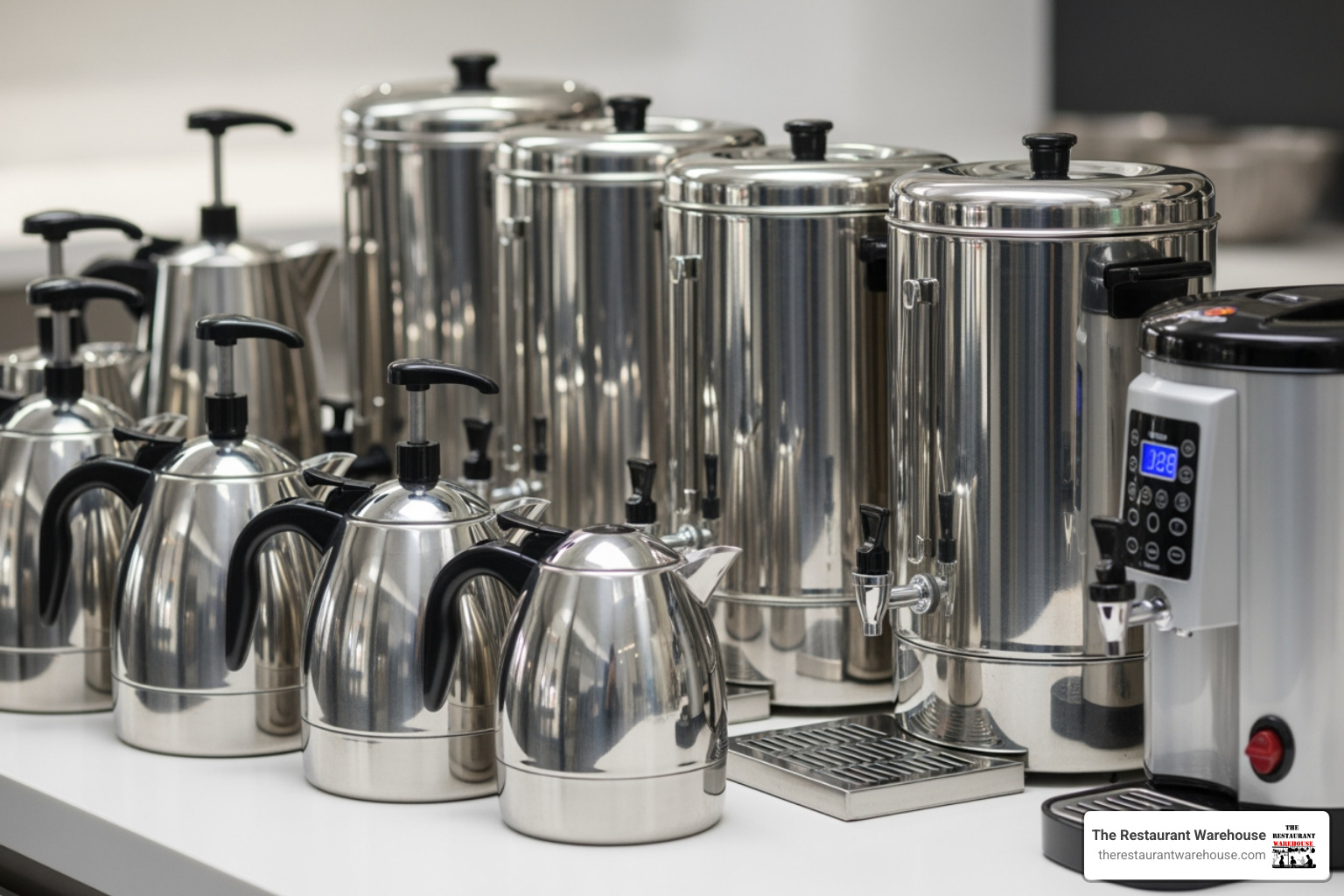
Insulated vs. Non-Insulated Dispensers
The primary distinction in dispensers lies in how they maintain heat: through insulation or with a continuous power source.
Insulated dispensers are the undisputed workhorses of the catering and mobile foodservice world. These units feature double-wall vacuum insulation that masterfully traps heat, keeping beverages at their optimal serving temperature for 4 to 6 hours—or even longer—without needing any electricity. This makes them invaluable for outdoor events, corporate drop-off catering, festival booths, or any situation where a power outlet is unavailable or inconvenient. The process is simple: you brew your coffee or heat your water, transfer it to the pre-heated insulated dispenser, and you are equipped to serve for hours on end, ensuring quality from the first cup to the last.
Non-insulated dispensers, conversely, rely on a continuous internal heating element to maintain the beverage's temperature. These are typically electric coffee urns or hot water towers that must remain plugged into a power source. While they lack the portability of their insulated counterparts, they excel in permanent or semi-permanent installations such as hotel breakfast buffets, conference center refreshment stations, office breakrooms, and self-service coffee bars in convenience stores. Because they can keep beverages hot indefinitely as long as they are powered, they are the perfect solution for all-day service environments where a constant, reliable supply of hot drinks is required.
Coffee Urns and Airpots
When it comes to high-volume coffee service, coffee urns are the heavy-duty champions. These large-capacity units typically brew and hold anywhere from 50 to 100 cups or more of coffee at once. This makes them an essential piece of equipment for busy breakfast buffets, large conferences, community gatherings, and catered events. Their substantial capacity means fewer brewing cycles and refills are needed during peak service times, which frees up staff to attend to other duties. Many urns are made of gleaming stainless steel, which not only signals quality and abundance to customers but is also durable and easy to clean. They come in single-wall (more affordable) and double-wall (better insulated and more energy-efficient) varieties.
Airpots offer a more portable and versatile solution. These are insulated, self-contained carafes that keep pre-brewed coffee or tea hot for several hours without an external heating element. Their pump-action or gravity-fed dispensing mechanism makes them incredibly user-friendly and perfect for office break rooms, small meeting spaces, or as satellite beverage stations placed away from a main counter to improve customer flow. Airpots are generally easier to clean than large urns, take up minimal counter space, and allow you to offer multiple beverage options (e.g., regular, decaf, hot water) simultaneously. They are available with either a glass lining, which offers superior heat retention but is more fragile, or a stainless steel lining, which is far more durable and better suited for rigorous commercial use.
Hot Water and Specialty Dispensers
Hot water dispensers are the unsung heroes of a versatile beverage program. By providing instant, on-demand access to large volumes of near-boiling water, they are a game-changer for any operation. Capable of delivering up to 100 cups per hour, these countertop towers are perfect for establishments serving a high volume of tea, instant coffee, hot cereals like oatmeal, or instant soups. Most models are designed to be connected directly to your water line, and they automatically refill and reheat as water is dispensed, ensuring an endless supply during peak hours. Integrating a water filtration system with these units is highly recommended to improve taste and prevent mineral buildup.
For certain beverages, hot chocolate machines and other specialty drink dispensers are not just a luxury—they are a necessity. If you have ever tried to hold hot chocolate in a standard coffee urn, you are familiar with the disastrous results: the milk and sugar scorch against the direct heating element, creating an unpleasant burnt flavor and a stubborn, difficult-to-clean residue. Dedicated hot chocolate machines solve this problem with gentle heating systems and continuous stirring or whipping mechanisms that keep the mixture perfectly smooth, creamy, and at an ideal temperature. Many models feature attractive, transparent bowls that merchandise the swirling product, which acts as a powerful visual cue that naturally encourages impulse purchases and boosts sales. These dispensers can also be used for other delicate beverages like mulled cider or broths.
Key Features to Consider When Choosing Your Hot Beverage Dispenser
When you're ready to invest in a hot beverage dispenser, the specific features you prioritize will have a direct and lasting impact on your daily operations, customer satisfaction, and long-term profitability. Navigating the options can seem daunting, but focusing on what truly matters will help you select the perfect unit for your business.
Capacity and Volume: Matching a Dispenser to Your Needs
Getting the capacity right is the most critical first step. A dispenser that is too small will require constant refilling during your busiest hours, leading to service delays, staff stress, and frustrated customers. Conversely, a unit that is too large will waste energy heating beverages that may sit for too long, degrading in quality and leading to product waste. To make the right choice, start by carefully assessing your peak demand. A small café, office, or low-volume catering service might be well-served by a 2.5 to 5-gallon hot beverage dispenser (which yields approximately 40 to 80 standard cups). A bustling restaurant buffet, hotel, or large-scale catering operation should look at 5 to 10-gallon units (or even larger) to handle hundreds of servings without interruption. For hot water dispensers, the key metric is cups per hour, with high-performance units delivering 100 cups or more. Before making a final decision, always measure your available counter or storage space, ensuring you leave adequate clearance around the unit for safe operation, refilling, and cleaning.
Material and Durability
The material of your dispenser directly affects its lifespan, heat retention capabilities, and ease of sanitation. In the commercial foodservice industry, stainless steel is the undisputed champion for good reason. It is incredibly durable, resisting the dents, dings, and corrosion that are inevitable in a busy environment. Crucially, its non-porous surface does not absorb flavors or odors, meaning today's coffee won't taste like yesterday's tea. It is also easy to clean and sanitize. Look for dispensers made from high-quality 18/8 or 304-grade stainless steel, especially for any surfaces that come into contact with the beverage. While some plastic components are common, a primarily stainless steel body ensures longevity. Always prioritize models that are NSF certified. This certification from NSF International is your guarantee that the product has been rigorously tested to meet strict public health and safety standards, confirming that its materials are food-safe and its design facilitates proper, thorough cleaning.
Temperature Control and Safety Features
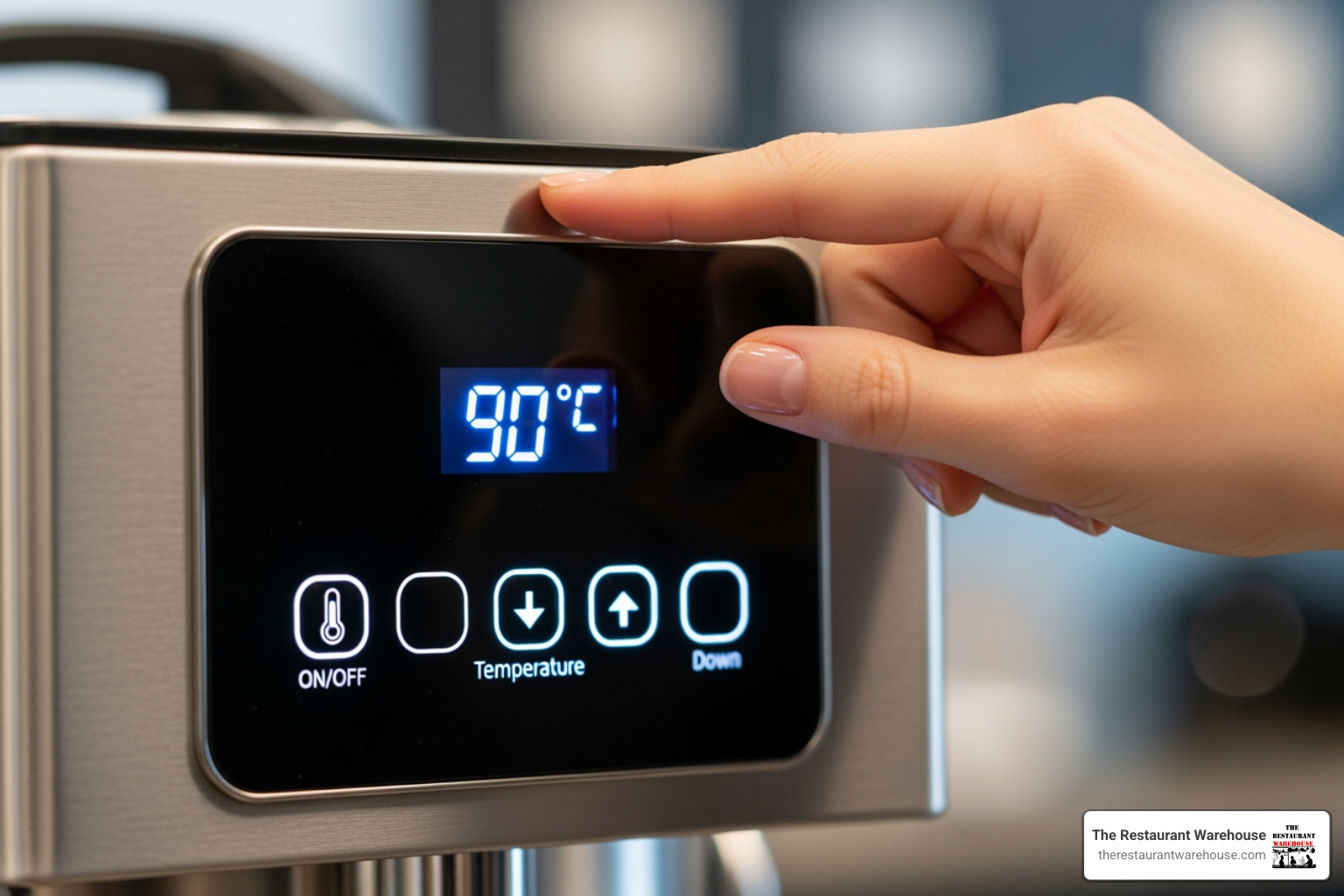
Serving beverages at the correct, consistent temperature is paramount for both quality and safety. Digital thermostats and programmable settings are game-changers for achieving this consistency. They allow you to dial in and lock precise temperatures for different beverages—for example, holding coffee at an ideal 175-185°F to preserve its flavor without burning it, while holding hot water at a near-boiling 200°F for perfect tea extraction. This level of control eliminates guesswork and ensures every cup tastes exactly as it should.
Safety features are non-negotiable, especially in self-service settings. Look for drip-proof spigots that prevent messy and hazardous puddles on your counter and floor. Locking lids are essential on portable insulated units to prevent spills during transport and to improve heat retention. For electric models, automatic shut-off or boil-dry protection is a critical feature that prevents the unit from dangerously overheating if the water level runs too low, protecting the heating element from damage. Many modern dispensers also feature cool-touch exteriors or handles, which are vital for reducing the risk of burns in environments where customers are serving themselves. According to the FDA, hot beverages should be held at 135°F or above to prevent microbial growth and ensure food safety.
Operation, Maintenance, and Best Practices
Your hot beverage dispenser is a valuable asset, but its performance and longevity are directly tied to how well you operate and maintain it. Proper care is the secret to ensuring consistently great-tasting beverages, reliable day-in-day-out service, and a longer lifespan for your investment. With a solid understanding of how these machines work and a disciplined, regular maintenance routine, keeping your dispenser in peak condition is surprisingly straightforward.
How to Properly Operate Your Hot Beverage Machine
Maximizing the performance of your hot beverage dispenser begins with understanding its specific design and capabilities. If you are using an insulated, non-electric dispenser, remember that it is designed to hold heat, not to create it. For best results, always pre-heat the interior of the dispenser by filling it with hot water for a few minutes before emptying it and adding your pre-heated beverage. Water quality also makes a tremendous difference in both flavor and machine health. If your dispenser is connected to a water line or if you use a model with a built-in water filtration system, be sure to replace the filter cartridges according to the manufacturer's recommended schedule. Filtered water not only produces a better-tasting final product but also significantly reduces the buildup of limescale and other minerals. Take the time to familiarize yourself with all the settings on your unit, from temperature controls to energy-saving modes, to optimize its performance. Finally, proper placement is key; always position your dispenser on a stable, level surface with adequate ventilation around electric units to prevent overheating.
Essential Cleaning and Maintenance Routines
A clean dispenser is non-negotiable for both flavor integrity and public health. A strict cleaning schedule is the best way to prevent issues.
- Daily Cleaning (End of Day): This should be an automatic part of your closing procedure. Empty any remaining beverage and thoroughly rinse the interior with hot water. Wipe down all external surfaces, paying close attention to the spigot and dispensing area. Clean the drip tray with soap and water. This simple 5-minute task prevents residue from drying and bacteria from growing.
- Weekly Deep Cleaning: Once a week, perform a more thorough cleaning. Disassemble the spigot, gaskets, and any other removable parts. Wash the interior and all components with a mild, food-safe detergent and a soft brush to scrub any crevices. Rinse everything thoroughly with clean water to remove any soap residue. Allow all parts to air dry completely before reassembling to prevent mold and mildew growth.
- Descaling (As Needed): If you operate in an area with hard water, descaling is your most important preventative maintenance task. Mineral deposits (limescale) will build up on heating elements and interior walls, acting as an insulator that forces the machine to work harder, wastes energy, and can eventually cause equipment failure. Follow the manufacturer's specific descaling instructions, which typically involve running a cycle with a commercial descaling solution. The frequency will depend on your water hardness and usage, but it can range from monthly to quarterly.
What Beverages Work Best in Certain Dispensers?
Not every hot beverage dispenser is designed to handle every type of drink. Using the wrong dispenser for a beverage can lead to poor quality, difficult cleaning, and even permanent damage to your equipment.
- Coffee Urns and Airpots: These are the designated workhorses for brewed coffee, herbal teas, and plain hot water. Their design is optimized for holding water-based liquids at a consistent temperature.
- Hot Water Dispensers: These units are specifically engineered to do one thing perfectly: provide a continuous supply of near-boiling water. They are ideal for tea bags, instant coffee, Americanos, oatmeal, and instant soups.
- Milk-Based Beverages (Hot Chocolate, Lattes): This is the most critical distinction. Standard coffee urns and hot water dispensers that use direct, high-wattage heating elements are not suitable for any beverage containing milk or cream. The dairy proteins and sugars will scorch on contact with the hot element, creating a burnt taste and leaving a stubborn, caked-on residue that is nearly impossible to clean and can ruin the dispenser. For these drinks, you must invest in a specialty hot chocolate machine that uses gentle heating and a constant agitation system, or alternatively, use a fully insulated server to hold the pre-heated beverage without applying any additional direct heat.
Ready to find the right equipment for your needs? Contact us today to discuss your specific needs!
Understanding Costs and Making a Smart Purchase
When you're considering a commercial hot beverage dispenser, understanding the investment upfront helps you make a smart, informed decision. There's a wide range of options to fit different budgets, and at The Restaurant Warehouse, we believe in offering wholesale pricing without the retail markup.
What is the typical price range for a hot beverage dispenser?
The price for a hot beverage dispenser is broad, and knowing where your needs fall is key.
- Entry-level commercial models (under $500): These include basic 50-cup coffee urns or smaller insulated dispensers. They are adequate for smaller cafés or offices with moderate use.
- Mid-range models ($500 to $1,500): This is where you'll find robust insulated dispensers, larger coffee urns with better temperature control, and hot water dispensers with digital features. The materials are typically superior, offering a great balance of features and affordability.
- High-end commercial units ($1,500+): This level includes high-volume hot water dispensers, sophisticated multi-flavor beverage dispensers, or specialized hot chocolate machines. These units are built for continuous, heavy-duty use and feature advanced programmable settings and energy-efficient modes.
It is critical to understand that residential versus commercial-grade equipment is not just about price—it's about safety, longevity, and performance. A residential unit is not designed for the rigors of commercial use. Commercial units meet stringent safety standards, carry NSF certification, and are engineered for high-volume demands. That cheap home model will cost you more in replacements and potential safety issues down the road.
Factors That Influence Dispenser Cost
Understanding what drives the price of a hot beverage dispenser helps you decide where to invest.
- Capacity: A 2.5-gallon dispenser costs less than a 10-gallon commercial urn. Your volume needs should drive this decision.
- Material Construction: Stainless steel is the gold standard. While food-grade plastic dispensers cost less initially, stainless steel units offer better heat retention and a longer lifespan.
- Brand Reputation: Established manufacturers have earned their standing through reliable performance and solid warranties. You're buying proven reliability.
- Advanced Features: Digital temperature controls, automatic water refills, and programmable settings add cost but often pay for themselves in efficiency and convenience.
Thinking beyond the initial price tag is the smartest approach. A more expensive, well-built, energy-efficient machine often saves you money over its lifespan through reduced repair costs and lower energy bills. At The Restaurant Warehouse, we help foodservice operators find that balance between upfront investment and long-term value.
Frequently Asked Questions about Hot Beverage Dispensers
How often should a commercial hot beverage dispenser be cleaned?
Daily cleaning is not just recommended; it is absolutely crucial for any commercial food service operation. At the end of every single day of use, you need to empty and thoroughly rinse out your hot beverage dispenser and wipe down all external surfaces, especially the spigot. Think of it this way – you wouldn't serve a customer from a coffee cup that hasn't been washed in days, and the same principle applies to the equipment holding the beverage. This daily rinse prevents coffee oils and other residues from building up and turning rancid, which would contaminate the flavor of fresh beverages.
Beyond this daily routine, you must schedule a deeper clean at least once a week. This involves using a food-safe detergent to scrub the interior and disassembling the spigot to clean all the small parts and gaskets where bacteria can hide. Furthermore, you'll need to perform descaling regularly. This process removes mineral deposits (limescale) from hard water that build up on heating elements, reducing the machine's efficiency and eventually causing it to fail. Regular, disciplined cleaning isn't just about better taste—it's about preventing costly breakdowns, ensuring food safety, and protecting your investment.
Can you put milk or hot chocolate in any hot beverage dispenser?
The short and emphatic answer is no, you absolutely cannot put milk-based beverages in just any hot beverage dispenser. This is one of the most common and costly mistakes made with this type of equipment. Standard coffee urns and most hot water dispensers use powerful, direct heating elements to maintain temperature. When milk, cream, or sugary mixes come into contact with these hot surfaces, the proteins and sugars scorch almost instantly. This process (a combination of the Maillard reaction and caramelization) creates a foul, burnt taste that ruins the beverage and leaves a stubborn, caked-on residue that can be impossible to remove and can permanently damage your dispenser's heating element. If you plan to serve hot chocolate, chai lattes, or other milk-based drinks, you must invest in a specialty hot chocolate machine specifically designed with gentle heating and an agitation system, or use a non-electric insulated server to hold pre-heated drinks without the risk of scorching.
How long do insulated dispensers keep beverages hot?
This is the key feature where insulated dispensers truly excel. A high-quality, commercial-grade insulated hot beverage dispenser can typically maintain a hot serving temperature for 4 to 6 hours, with some premium models holding for up to 8 hours without any external power source. This remarkable heat retention makes them the ideal and often only solution for off-site catering events, outdoor festivals, long corporate meetings, or any mobile application where electricity isn't readily available or convenient. The exact duration of heat retention will depend on a few variables, such as the starting temperature of the beverage (hotter lasts longer), the ambient room temperature, and how frequently the dispenser is opened to serve. Nonetheless, their reliability and portability make them an indispensable favorite among professional caterers and event planners.
Conclusion
Finding the perfect hot beverage dispenser for your operation comes down to understanding your unique needs. We've explored everything from the efficiency gains of commercial coffee urns to the portability of insulated dispensers and the convenience of hot water towers.
The key takeaways? Capacity matters—match your dispenser to your peak demand. Material quality counts—stainless steel construction offers durability and hygiene. And don't overlook temperature controls and safety features that ensure every cup is served perfectly and safely.
Balancing features and budget is where the real art comes in. A high-end model might cost more upfront, but it can provide long-term value through reduced labor costs, lower energy bills, and consistently satisfied customers.
At The Restaurant Warehouse, we understand that every dollar matters. That's why we supply commercial beverage equipment at wholesale pricing, cutting out the high commissions and retail overhead. Your beverage service is often the first impression you make. The right hot beverage dispenser makes that service consistently excellent.
Explore our complete collection of beverage solutions by checking out our Juice Dispensers Guide.
Ready to upgrade your beverage service? Book a Strategy Call with our experts today! We'll walk you through your options and help you find a solution that works for your specific operation.
About The Author

Sean Kearney
Sean Kearney is the Founder of The Restaurant Warehouse, with 15 years of experience in the restaurant equipment industry and more than 30 years in ecommerce, beginning with Amazon.com. As an equipment distributor and supplier, Sean helps restaurant owners make confident purchasing decisions through clear pricing, practical guidance, and a more transparent online buying experience.
Connect with Sean on LinkedIn, Instagram, YouTube, or Facebook.