


Donut Concession Trailers: The Sweet Path to Profit
Why Donut Concession Trailers Are Taking Over the Mobile Food Scene
A donut concession trailer offers entrepreneurs one of the most profitable entry points into the mobile food business. This is achieved by combining low operational costs with high customer demand and exceptional profit margins. The key benefits include high profitability from low-cost ingredients, the mobile flexibility to go where customers are, low overhead compared to brick-and-mortar shops, and a scalable business model.
The mobile donut industry is booming. While traditional donut shops face rising real estate costs, trailer operators enjoy the freedom to chase profitable locations and events. From farmers markets to corporate catering, a mobile kitchen can serve fresh, hot donuts wherever customers gather. Donuts are one of the most profitable food items you can serve, as their low-cost ingredients (flour, sugar, oil) allow successful operators to maintain food costs under 25% while charging premium prices.
This guide will walk you through starting your donut concession trailer business, from choosing equipment to marketing strategies.
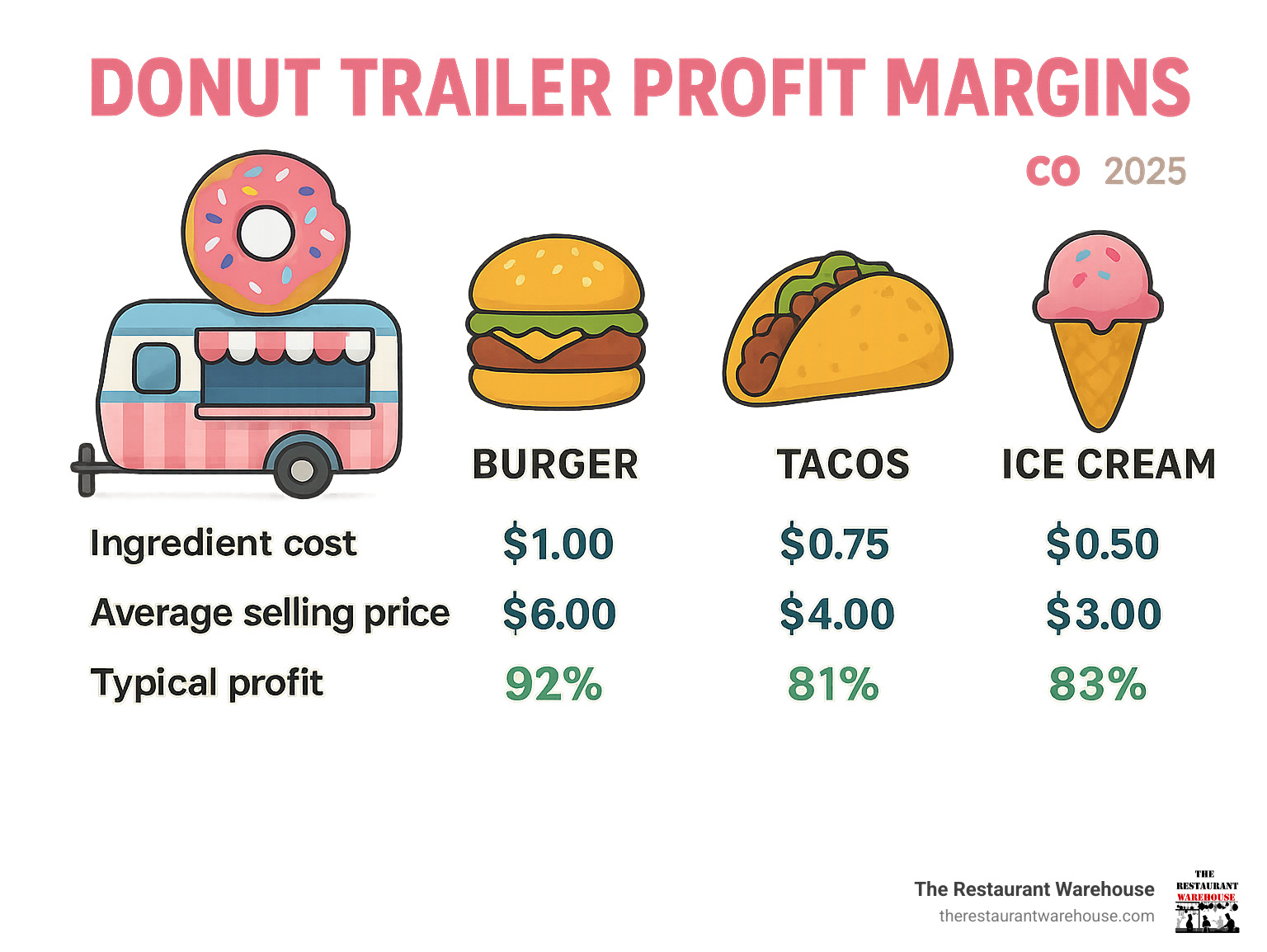
Donut concession trailer terms made easy:
Why a Donut Trailer is a Sweet Business Venture
The mobility and flexibility of a donut concession trailer create opportunities that brick-and-mortar shops can't match. When a festival comes to town, you're there. If the weather is perfect for outdoor dining, you can position yourself in a busy park. This adaptability means you're never stuck in a slow location—you can literally chase the crowds.
What makes donut trailers particularly appealing is their incredibly high profitability combined with surprisingly low ingredient costs. The basic ingredients for donuts—flour, sugar, yeast, and oil—are among the cheapest food items you can buy wholesale. Yet customers happily pay premium prices for fresh, hot donuts, especially when they're beautifully decorated or feature unique flavors.
The lower overhead compared to brick-and-mortar operations is a game-changer. There's no monthly rent, property taxes, or expensive utility bills. Your biggest recurring costs are fuel and supplies, which scale directly with your business activity. Event catering for weddings, corporate gatherings, and festivals opens up entirely different revenue streams, providing consistent foot traffic and the chance to build a loyal following.
The Profitability of Donuts on Wheels
The financial potential of a donut concession trailer is genuinely impressive. High-profit margins are built into the business model. While a gourmet donut might sell for $3-5, your actual food cost might be just 50 cents to $1 per donut. The magic happens when you master upselling with beverages. A customer who stops for a donut can become a larger sale when they add a coffee, which has its own incredible margins. When comparing operational costs to traditional donut shops, the advantages are clear. A downtown shop might pay thousands in monthly rent before selling a single donut, while your trailer costs you nothing when not in use.
The Freedom of a Mobile Business
The lifestyle benefits of a mobile donut business are significant. You truly set your own schedule, allowing for a better work-life balance. The ability to go where the customers are transforms how you think about business. Instead of hoping customers find you, you position yourself where hungry people already gather, like food truck parks, business districts, or college campuses. This creates diverse work environments that keep the job interesting. Most importantly, the less financial risk than a storefront cannot be overstated. If a location isn't profitable, you simply don't return. This flexibility, combined with direct customer interaction, helps build genuine relationships and loyalty that large franchises struggle to match.
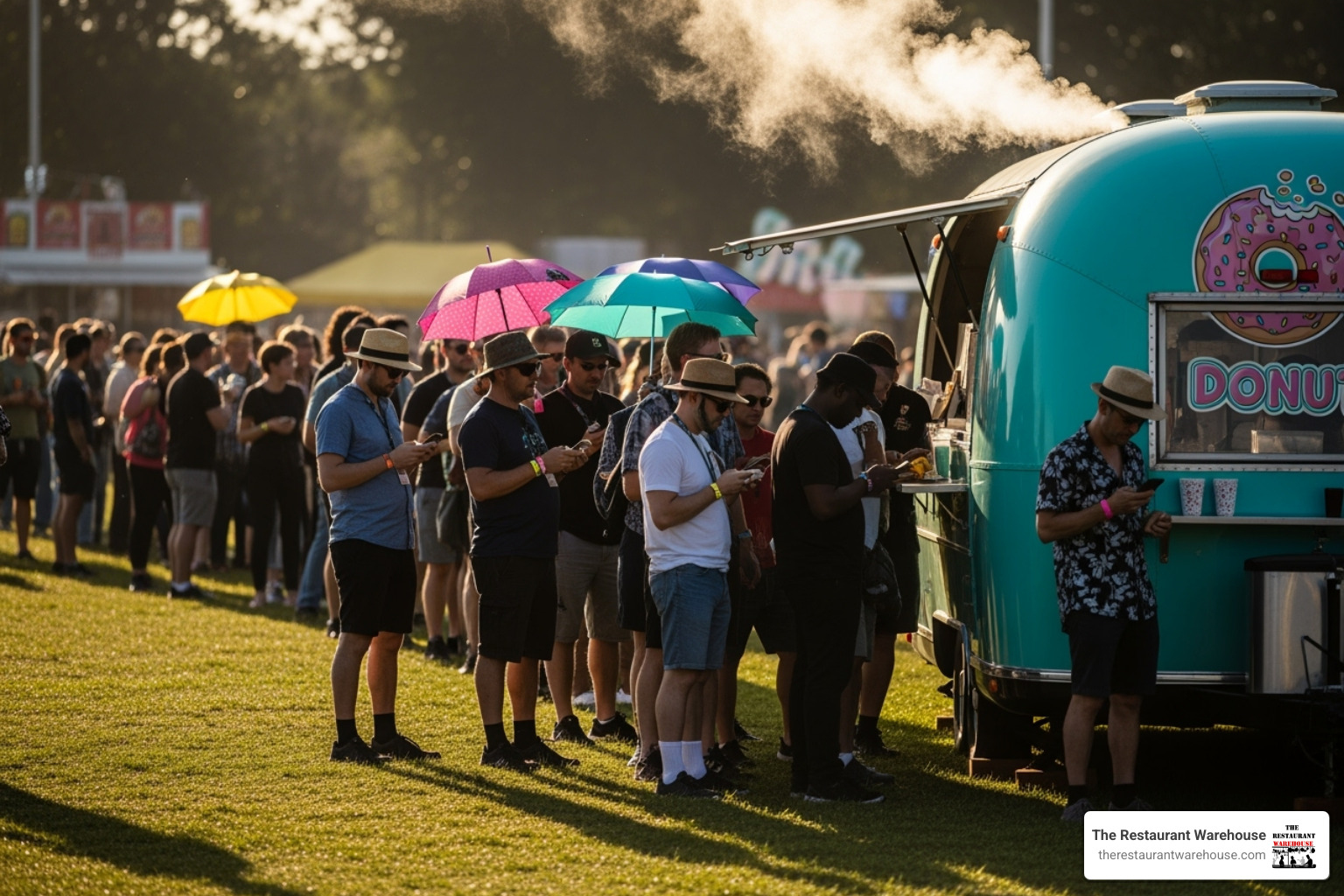
Designing Your Dream Donut Concession Trailer
Designing your donut concession trailer is where your vision comes to life. It's about creating an inviting space that reflects your brand and optimizes your workflow for maximum efficiency. An eye-catching trailer wrap with custom graphics can transform your mobile unit into a moving billboard, making a memorable impression and building brand recognition wherever you go.
Essential Equipment for Your Mobile Donut Kitchen
Equipping your donut concession trailer properly is crucial for efficiency and safety. While the specific setup will vary, some core pieces of equipment are must-haves.
- Donut Fryer: The heart of the operation. Consider your expected volume. An automated fryer can produce hundreds of donuts per hour with minimal labor, ideal for high-traffic events. A manual fryer offers more control but requires more skill and attention. You'll also choose between gas (propane) and electric models; gas often heats faster, but electric can be safer and required by some indoor event venues.
- Dough Mixer: A commercial-grade planetary mixer is essential for preparing donut dough consistently and saving time. A 20-quart model is a good starting point for most trailers, allowing you to mix batches large enough to meet demand without taking up excessive space.
- Proofing Cabinet: This is not a piece of equipment to skip. A proofer provides a controlled temperature and humidity environment, which is vital for allowing dough to rise properly. This ensures a consistently light, airy, and delicious final product, regardless of the weather outside.
- Ventilation and Hood System: A commercial-grade ventilation hood must be installed directly above your fryer. This is a critical component of your fire suppression system and is required by health and fire departments to safely remove grease-laden vapor, heat, and smoke.
- Finishing Stations: This includes stainless steel work tables for glazing, icing, and decorating. Organize your toppings, sprinkles, and drizzles in easy-to-access containers to create an efficient assembly line.
- Commercial Refrigeration: You'll need at least one under-counter refrigerator for milk, cream, and other perishable ingredients, and a freezer for storing pre-made dough or other items. The size will depend on your menu and how often you restock.
- Sinks: Health codes universally require a dedicated hand-washing sink and a 3-compartment sink (for washing, rinsing, and sanitizing utensils and equipment). Ensure you have adequate fresh and grey water tanks to service them.
- Fire Suppression System: An ANSI/UL 300 compliant, certified fire suppression system is a non-negotiable safety feature, especially with hot oil fryers. This is a legal requirement that will be checked during every inspection.
For more information on essential restaurant kitchen equipment, we encourage you to explore our resources on restaurant kitchen equipment checklist.
Choosing the Right Trailer Size and Layout
The size and layout of your donut concession trailer will significantly impact your efficiency. Common sizes range from compact 8x8 models to expansive 8x32 units, with popular choices like 8.5x14 and 8x20 offering a good balance of space and maneuverability. When planning the interior, map out your workflow from dough prep to final sale. A logical flow prevents bottlenecks and minimizes steps. Place your fryer under the hood vent, your mixer and prep tables nearby, and your finishing station close to the service window. A service window for ordering and another for pick-up can help manage long lines and improve customer experience. Also, consider the towing vehicle, as the trailer's weight will dictate the type of truck or SUV you'll need.
New vs. Used Donut Concession Trailers
One of the biggest decisions is whether to buy a new or used donut concession trailer.
- New Trailers: Offer complete customization and come with warranties, providing peace of mind. They are built to the latest standards, which can make health inspections smoother. However, they are a significant investment, often ranging from $50,000 to over $100,000.
- Used Trailers: The biggest advantage is cost savings, with some units available for a fraction of the price of a new one. This can significantly reduce startup capital. However, they come with risks like older equipment and limited customization. A thorough inspection is vital. Check for structural integrity, equipment condition, and health code compliance before purchasing.
The Dough: Cost, Funding, and Finding Your Trailer
Understanding the financial reality of starting a donut concession trailer business is essential. The mobile food industry offers a more affordable entry point than traditional restaurants, but it still requires careful planning and realistic budgeting. There's flexibility based on your vision and budget.
| Setup Size | Estimated Initial Investment |
|---|---|
| Small | $20,000 - $45,000 |
| Medium | $45,000 - $80,000 |
| Large | $80,000 - $150,000+ |
Breaking Down the Startup Costs
When planning your donut concession trailer budget, several key expenses must be considered. The trailer purchase price is typically your biggest single expense. Next are equipment costs for fryers, mixers, and refrigeration. If you don't have one, a suitable vehicle for towing is another significant line item. You'll also need to budget for licensing and permits, which vary significantly by city and state. This category includes your business license, health department permit, food handler's permits for all staff, a seller's permit for collecting sales tax, and special event permits for festivals or markets. Business insurance is another critical line item, including general liability, commercial auto, and property insurance for your trailer and equipment. Finally, account for your initial inventory and supplies (flour, sugar, oil, toppings, cups, napkins) and a marketing and branding budget for your trailer wrap, menu design, and initial promotional efforts.
Securing Funding for Your Business
Once you know your costs, you need to secure funding for your donut concession trailer. You have several options:
- Personal Savings: The most straightforward path, giving you complete control and avoiding debt.
- Small Business Loans: The SBA and traditional banks offer loans, but you'll need a solid business plan, good credit, and often some form of collateral.
- Equipment Financing: This is an attractive option where the loan is secured by the equipment itself. It can be easier to obtain than a traditional loan and helps preserve your cash for operational expenses.
- Lease-to-Own Programs: Allows you to make manageable monthly payments while using the equipment and building equity over time.
No matter which route you choose, crafting a solid business plan is non-negotiable. This document is your strategic roadmap and your primary tool for persuading lenders. A comprehensive business plan should include an Executive Summary (a concise overview of your business), a Company Description (your mission and legal structure), a Market Analysis (detailing your target audience and competition), an Organization and Management section (outlining your team), a detailed description of your Product Line (your donut menu), your Marketing and Sales strategy, and, most importantly, your Financial Projections (including startup costs, projected revenue, and cash flow analysis).
Where to Find Donut Trailers for Sale
The hunt for the perfect donut concession trailer can be exciting. You have several options for finding your mobile donut shop:
- Online Marketplaces: Specialized websites make it easy to compare options across different price ranges and locations.
- Custom Trailer Builders: These companies can create a unique trailer that perfectly matches your operational needs and brand identity.
- Local Classifieds and Auctions: These can yield surprising finds but require more legwork and careful inspection.
- Food Truck Associations and Forums: Networking can lead to great deals from other operators who are upgrading or changing direction.
When evaluating any trailer, ask for detailed specifications and maintenance records. For used units, a professional inspection is a small cost that can save you from expensive surprises.
Rolling Towards Success: Operations and Marketing
Once you have your donut concession trailer, success depends on smart operations and creative marketing. It's not just about making great donuts—it's about creating an experience that keeps customers coming back. Unlike a traditional shop, you get to chase the crowds and create excitement wherever you go.

Crafting an Irresistible Menu
Your menu is your calling card. For a donut concession trailer, find the sweet spot between familiar favorites and exciting innovations. Classic donuts like glazed, chocolate frosted, and cinnamon sugar provide steady sales, but gourmet donuts with unique flavors (e.g., maple bacon, lavender honey, or crème brûlée) can command premium prices and create social media buzz. Mini donuts are also strategic, as they cook faster, are perfect for sharing, and encourage multiple purchases. Developing signature flavors and offering seasonal specials (like pumpkin spice in the fall or peppermint bark in the winter) will set you apart and give customers a reason to return. Don't forget the power of high-quality coffee and fresh-squeezed lemonade. Sourcing beans from a local roaster can become a key selling point. These beverages have excellent profit margins and turn a quick donut purchase into a more substantial and satisfying transaction.
Mastering Mobile Operations
Running a successful donut concession trailer requires mastering logistics. Finding profitable locations is a daily treasure hunt. Scout farmers markets, food truck parks, and business districts during lunch hours. The real money, however, often lies in booking private events like weddings, corporate gatherings, and festivals, which offer high-volume sales and guaranteed payment. Navigating health codes and permits is critical; keep a binder with all your documentation in the trailer at all times. Maintain good relationships with local health officials. Implement a strict inventory management system using the First-In, First-Out (FIFO) method to minimize waste. Develop strong relationships with your suppliers to ensure consistent quality and pricing. Finally, have a contingency plan. What happens if your generator fails or you run out of a key ingredient? Thinking through these scenarios beforehand will save you from disaster during a busy service.
Marketing Your Mobile Donut Shop
Marketing a donut concession trailer requires constantly reminding people where to find you. Creating a memorable brand is about defining the personality of your business—are you fun and whimsical, or artisanal and sophisticated? Your eye-catching trailer wrap is your most powerful marketing tool, acting as a 24/7 mobile billboard. Building a social media presence on platforms like Instagram and Facebook is non-negotiable. Post high-quality photos of your donuts daily, use relevant hashtags, and always tag your location. Run contests and engage with followers' comments to build a loyal community. Collaborate with local businesses; for example, partner with a nearby office building for a "Donut Friday" or a local brewery for a donut-and-beer pairing event. Create a simple website with your weekly schedule, menu, and contact information for private bookings. Finally, implement a simple loyalty program, like a punch card, to turn first-time customers into devoted regulars.
A Brief History of the Humble Donut
Before diving into the modern donut concession trailer business, let's explore how these treats became beloved staples. The story begins with ancient civilizations experimenting with fried dough. However, the direct ancestor of the American donut arrived with Dutch influence in colonial America. Dutch settlers brought their "olykoeks" (oily cakes), which were round balls of fried dough.
These early versions often remained raw and doughy in the center. This problem led to a key innovation. The invention of the donut hole is credited to Hanson Crockett Gregory, a ship captain, in 1847. Legend says he punched holes in the center of the dough to allow it to cook evenly, creating the iconic ring shape.
From these humble beginnings, donuts grew in popularity across America, becoming a quintessential snack in the 20th century. More recently, donuts have experienced a modern evolution into a gourmet treat. Today's donut makers push creative boundaries with unique flavors and premium ingredients. This evolution has made donuts a perfect mobile food staple. Their historical popularity, variety, and excellent profit margins make them ideal for donut concession trailer operations. When you operate a mobile donut business, you're continuing a tradition that spans centuries, bringing joy directly to communities.
Frequently Asked Questions about Donut Concession Trailers
Starting a donut concession trailer business brings up lots of questions. Here are answers to some of the most common ones.
How profitable is a donut trailer business?
The profitability of a donut concession trailer is one of its biggest attractions. The business model is built on low-cost ingredients like flour, sugar, and oil, yet customers pay premium prices for the finished product. A simple donut might cost 30 cents in ingredients but sell for $2-$3, while gourmet options can command $5-$10 each. When you add high-margin beverages like coffee, profit margins can be 60% or higher for successful operators. The combination of low costs, high prices, and mobility makes this one of the most profitable mobile food concepts.
What are the most important pieces of equipment for a donut trailer?
For a donut concession trailer, several pieces of equipment are non-negotiable. The most critical items are a reliable donut fryer, a heavy-duty dough mixer, and adequate commercial refrigeration. For health and safety compliance, you will need a hand-washing sink, a 3-compartment sink, and, most importantly, a certified fire suppression system. This safety equipment is a legal requirement and could save your business and your life.
How much does a fully-equipped donut trailer cost?
The cost of a fully-equipped donut concession trailer varies dramatically. A small, used trailer might be your entry point, typically ranging from $20,000 to $45,000. A medium-sized setup, whether a well-equipped used trailer or a new one with standard features, will typically run $45,000 to $80,000. For a large, custom-built trailer with top-of-the-line equipment and premium branding, you can expect to invest $100,000 to $150,000 or more. Remember to budget an additional 20-30% of your trailer cost for other startup expenses like permits, insurance, a towing vehicle, and initial inventory.
What are the biggest challenges of running a donut trailer?
While rewarding, the business has its challenges. The biggest problems often include long hours, especially with early morning prep for fresh dough. Weather dependency is a major factor; a rainy day can ruin sales at an outdoor event. Finding consistently profitable locations can be a constant struggle, requiring research and trial and error. Finally, mechanical issues with your trailer, towing vehicle, or generator can bring business to a halt, making contingency planning and regular maintenance essential.
How do I handle food safety and health inspections?
Proactively managing food safety is key to passing health inspections and protecting your customers. Develop a Hazard Analysis Critical Control Point (HACCP) plan that identifies potential food safety risks and how to control them. Maintain meticulous records, including temperature logs for your refrigerator and freezer. Implement a strict daily and weekly cleaning schedule for all surfaces and equipment. Ensure all staff are trained on proper food handling, hand washing, and cross-contamination prevention. Keep all your permits and licenses organized and accessible. A clean, organized trailer and knowledgeable staff will make a positive impression on any health inspector.
Conclusion
Starting your journey with a donut concession trailer opens the door to a sweet and profitable future. This business opportunity is compelling due to the combination of incredibly low ingredient costs and high customer demand, which creates excellent profit margins. The math works beautifully in your favor when you work with basic ingredients but sell a premium product.
The flexibility of a mobile donut business sets it apart. You are not tied to a single location and its high rent. Instead, you have the freedom to chase the crowds and position your donut concession trailer where hungry customers are gathering. This entrepreneurial freedom is perhaps the most exciting aspect of all. You are building something that is truly yours, setting your own schedule and connecting directly with customers.
The path to success requires thoughtful planning and quality equipment. At The Restaurant Warehouse, we understand that every piece of equipment in your mobile kitchen needs to work reliably. We are committed to helping entrepreneurs succeed by providing commercial restaurant equipment at wholesale prices. By cutting out the high commissions and retail overhead, we offer affordable pricing that can make a real difference.
Your dream of owning a profitable mobile donut business can become a reality. With the right equipment and solid planning, you can build a thriving enterprise.
Ready to get started? Start building your mobile kitchen with the right equipment and take the first step toward your sweet success story.
About The Author

Sean Kearney
Sean Kearney is the Founder of The Restaurant Warehouse, with 15 years of experience in the restaurant equipment industry and more than 30 years in ecommerce, beginning with Amazon.com. As an equipment distributor and supplier, Sean helps restaurant owners make confident purchasing decisions through clear pricing, practical guidance, and a more transparent online buying experience.
Connect with Sean on LinkedIn, Instagram, YouTube, or Facebook.