
Commercial Refrigerators

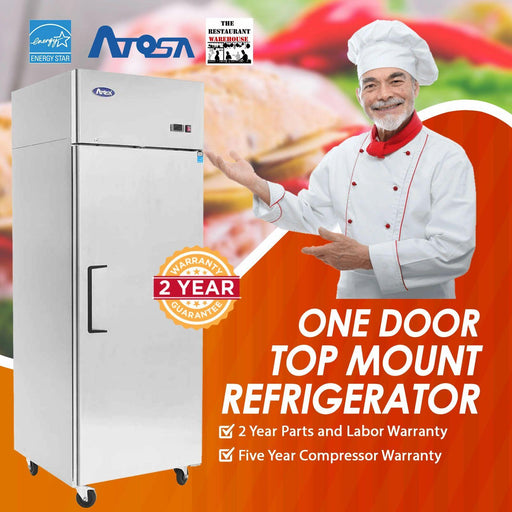
Atosa MBF8004GR 29-Inch One Door 21.4 cu. ft. Commercial Refrigerator
Atosa
Original price
$2,943.00
Original price
$2,943.00
-
Original price
$2,943.00
Original price
$2,943.00
Current price
$2,121.00
$2,121.00
-
$2,121.00
Current price
$2,121.00
Atosa MBF8004GR Commercial Refrigerator for Sale Atosa MBF8004GR commercial refrigerator for sale is designed for restaurants and...
View full details
Original price
$2,943.00
Original price
$2,943.00
-
Original price
$2,943.00
Original price
$2,943.00
Current price
$2,121.00
$2,121.00
-
$2,121.00
Current price
$2,121.00
Save 28%

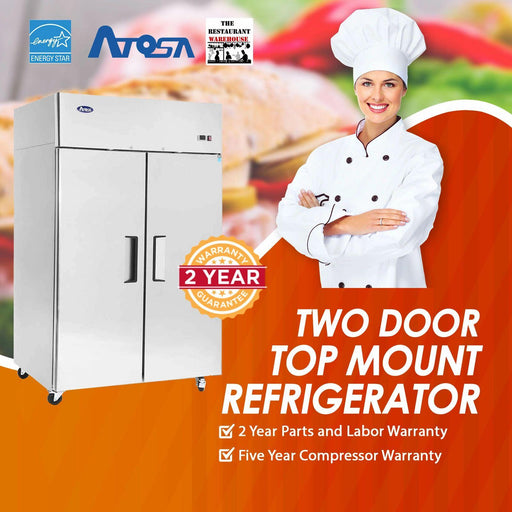
Atosa MBF8005GR 52-Inch Two Door 43.2 cu. ft. Commercial Refrigerator
Atosa
Original price
$4,154.00
Original price
$4,154.00
-
Original price
$4,154.00
Original price
$4,154.00
Current price
$2,993.00
$2,993.00
-
$2,993.00
Current price
$2,993.00
Atosa MBF8005GR 52-Inch Two-Door Commercial Reach-In Refrigerator for Sale Atosa MBF8005GR commercial reach-in refrigerator for s...
View full details
Original price
$4,154.00
Original price
$4,154.00
-
Original price
$4,154.00
Original price
$4,154.00
Current price
$2,993.00
$2,993.00
-
$2,993.00
Current price
$2,993.00
Save 28%
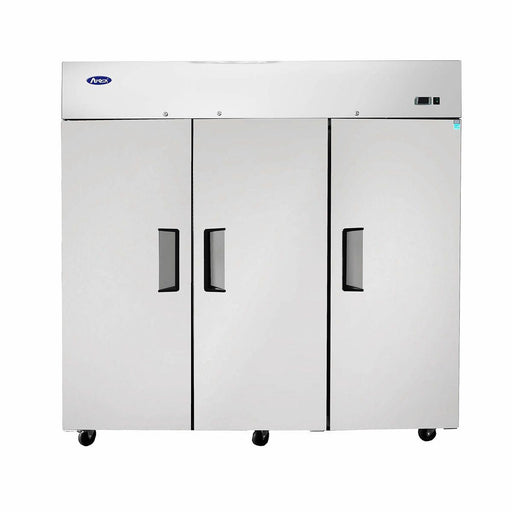
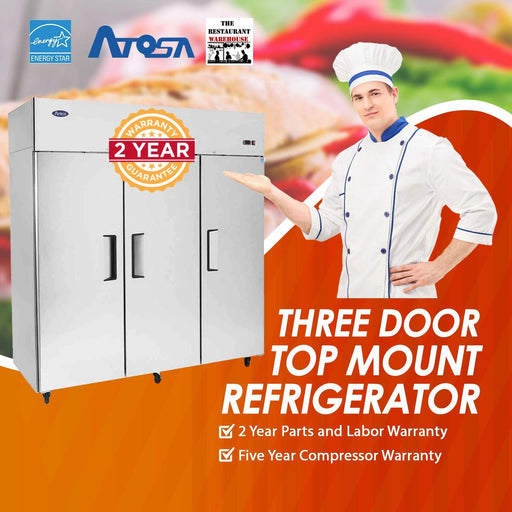
Atosa MBF8006GR 78-Inch Three Door 64.9 cu. ft. Commercial Refrigerator
Atosa
Original price
$6,393.00
Original price
$6,393.00
-
Original price
$6,393.00
Original price
$6,393.00
Current price
$4,607.00
$4,607.00
-
$4,607.00
Current price
$4,607.00
Atosa MBF8006GR 78-Inch 3-Door Commercial Reach-In Refrigerator for Sale Atosa MBF8006GR commercial reach-in refrigerator for sal...
View full details
Original price
$6,393.00
Original price
$6,393.00
-
Original price
$6,393.00
Original price
$6,393.00
Current price
$4,607.00
$4,607.00
-
$4,607.00
Current price
$4,607.00
Save 28%
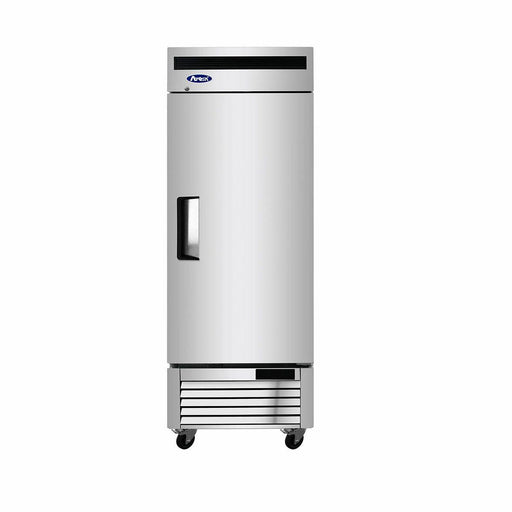
Atosa MBF8505GR 27-Inch One Door 19.1 cu. ft. Commercial Refrigerator
Atosa
Original price
$3,058.00
Original price
$3,058.00
-
Original price
$3,058.00
Original price
$3,058.00
Current price
$2,204.00
$2,204.00
-
$2,204.00
Current price
$2,204.00
Atosa MBF8505GR 27-Inch One Door Commercial Reach-In Refrigerator – ENERGY STAR® Need a compact, ENERGY STAR® commercial refrigerato...
View full details
Original price
$3,058.00
Original price
$3,058.00
-
Original price
$3,058.00
Original price
$3,058.00
Current price
$2,204.00
$2,204.00
-
$2,204.00
Current price
$2,204.00
Save 28%
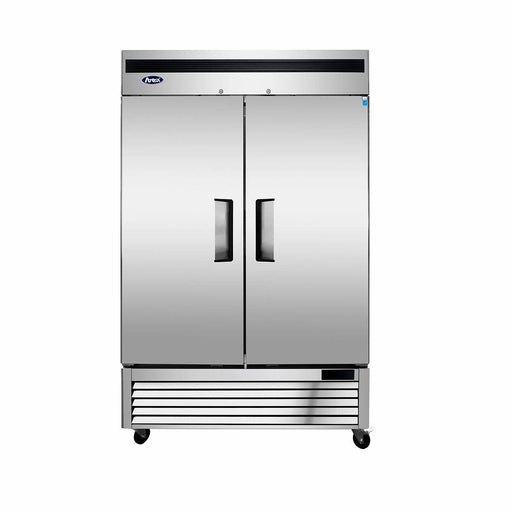
Atosa MBF8507GR 54-Inch Two Door 43.8 cu. ft. Commercial Refrigerator
Atosa
Original price
$4,325.00
Original price
$4,325.00
-
Original price
$4,325.00
Original price
$4,325.00
Current price
$3,117.00
$3,117.00
-
$3,117.00
Current price
$3,117.00
Atosa MBF8507GR 54-Inch Two Door Commercial Upright Refrigerator – ENERGY STAR Rated The Atosa MBF8507GR is a 54-inch, two-door c...
View full details
Original price
$4,325.00
Original price
$4,325.00
-
Original price
$4,325.00
Original price
$4,325.00
Current price
$3,117.00
$3,117.00
-
$3,117.00
Current price
$3,117.00
Save 28%
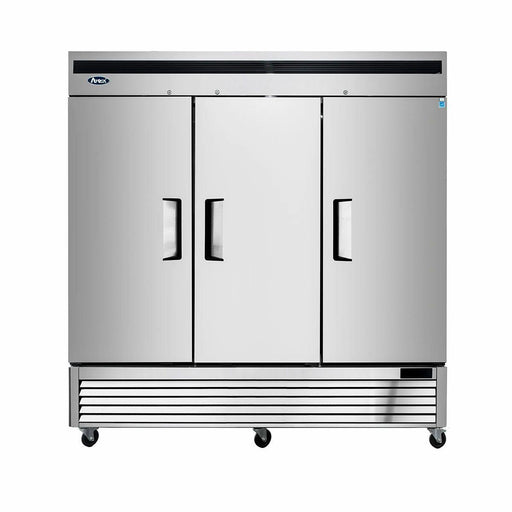
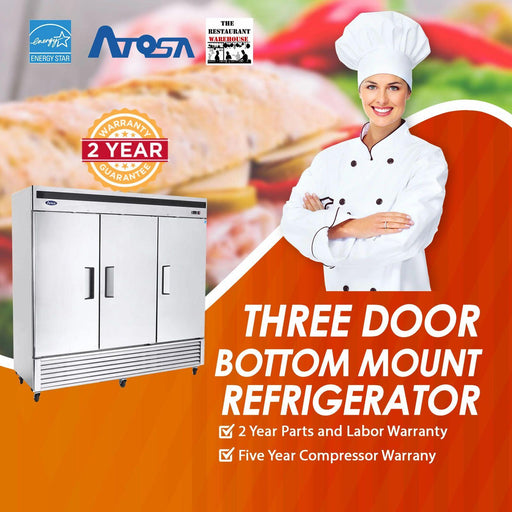
Atosa MBF8508GR 82-Inch Three Door 67.99 cu. ft. Commercial Refrigerator
Atosa
Original price
$6,734.00
Original price
$6,734.00
-
Original price
$6,734.00
Original price
$6,734.00
Current price
$4,852.00
$4,852.00
-
$4,852.00
Current price
$4,852.00
Atosa MBF8508GR 82" 3-Door Commercial Reach-In Refrigerator (ENERGY STAR®) – 67.99 Cu. Ft. Need high-capacity refrigerated storage...
View full details
Original price
$6,734.00
Original price
$6,734.00
-
Original price
$6,734.00
Original price
$6,734.00
Current price
$4,852.00
$4,852.00
-
$4,852.00
Current price
$4,852.00
Save 28%
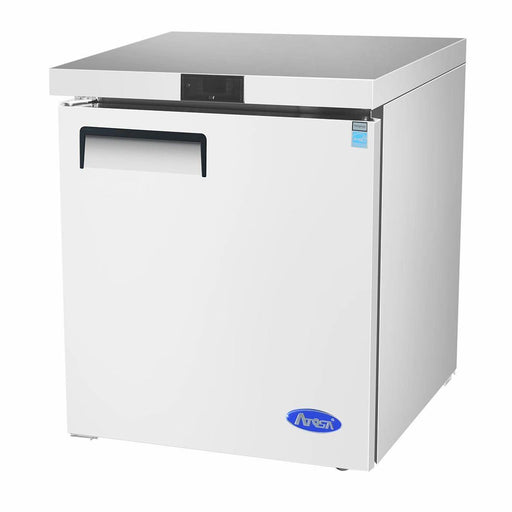
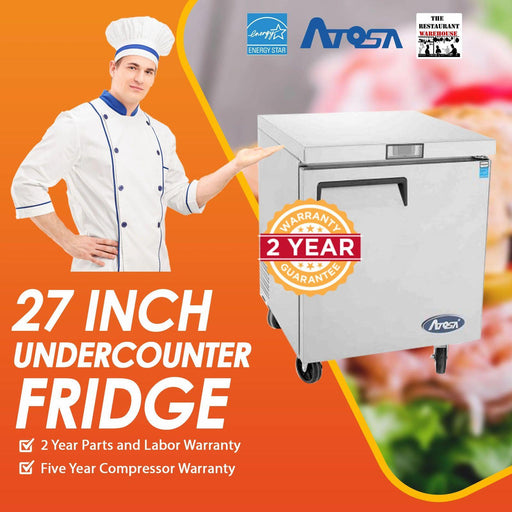
Atosa USA MGF8401GR Undercounter 27-Inch One Door Refrigerator - Energy Star Rated
Atosa
Original price
$1,982.00
Original price
$1,982.00
-
Original price
$1,982.00
Original price
$1,982.00
Current price
$1,429.00
$1,429.00
-
$1,429.00
Current price
$1,429.00
Product Update: The Atosa MGF8401GR has been replaced by the new Atosa AUR27SD - same 27-inch undercounter footprint, upgraded electronic controlle...
View full details
Original price
$1,982.00
Original price
$1,982.00
-
Original price
$1,982.00
Original price
$1,982.00
Current price
$1,429.00
$1,429.00
-
$1,429.00
Current price
$1,429.00
Save 28%
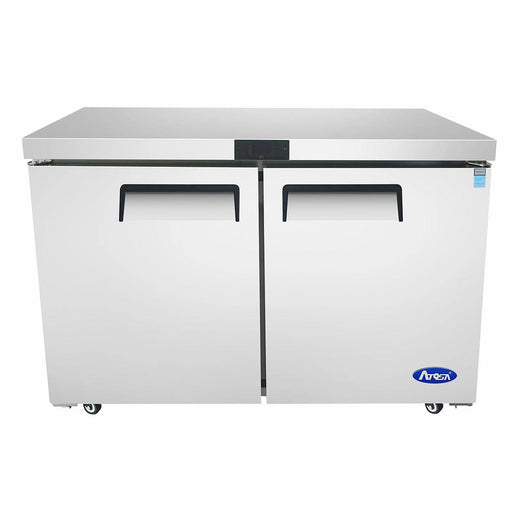
Atosa USA MGF8402GR Undercounter 48-Inch Two Door Refrigerator - Energy Star Rated
Atosa
Original price
$2,831.00
Original price
$2,831.00
-
Original price
$2,831.00
Original price
$2,831.00
Current price
$2,040.00
$2,040.00
-
$2,040.00
Current price
$2,040.00
Product Update: The Atosa MGF8402GR has been replaced by the new Atosa AUR48SD — same 48-inch undercounter footprint, upgraded electronic controlle...
View full details
Original price
$2,831.00
Original price
$2,831.00
-
Original price
$2,831.00
Original price
$2,831.00
Current price
$2,040.00
$2,040.00
-
$2,040.00
Current price
$2,040.00
Save 28%
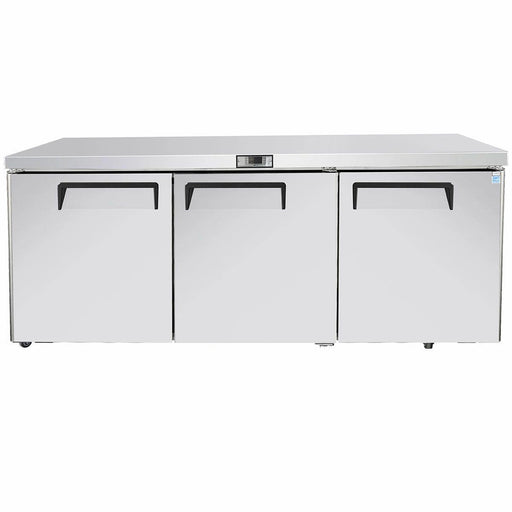
Atosa USA MGF8404GR Undercounter 72-Inch Three Door Refrigerator - Energy Star Rated
Atosa
Original price
$3,680.00
Original price
$3,680.00
-
Original price
$3,680.00
Original price
$3,680.00
Current price
$2,652.00
$2,652.00
-
$2,652.00
Current price
$2,652.00
Product Update: The Atosa MGF8404GR has been replaced by the new Atosa AUR72SD — same 72-inch undercounter footprint, upgraded electronic controlle...
View full details
Original price
$3,680.00
Original price
$3,680.00
-
Original price
$3,680.00
Original price
$3,680.00
Current price
$2,652.00
$2,652.00
-
$2,652.00
Current price
$2,652.00
Save 28%
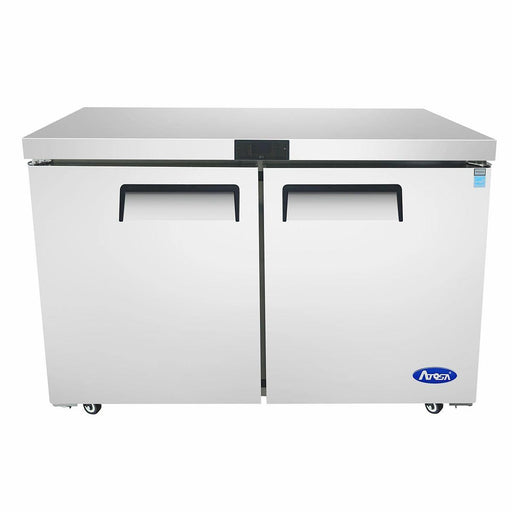
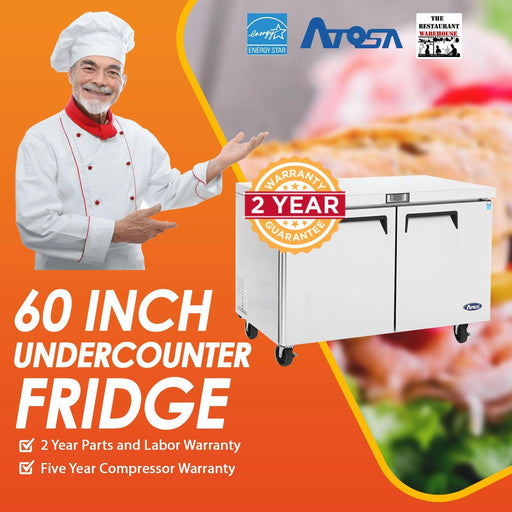
Atosa USA MGF8403GR Undercounter 60-Inch Two Door Refrigerator - Energy Star Rated
Atosa
Original price
$3,396.00
Original price
$3,396.00
-
Original price
$3,396.00
Original price
$3,396.00
Current price
$2,447.00
$2,447.00
-
$2,447.00
Current price
$2,447.00
Product Update: The Atosa MGF8403GR has been replaced by the new Atosa AUR60SD — same 60-inch undercounter footprint, upgraded electronic controlle...
View full details
Original price
$3,396.00
Original price
$3,396.00
-
Original price
$3,396.00
Original price
$3,396.00
Current price
$2,447.00
$2,447.00
-
$2,447.00
Current price
$2,447.00
Save 28%
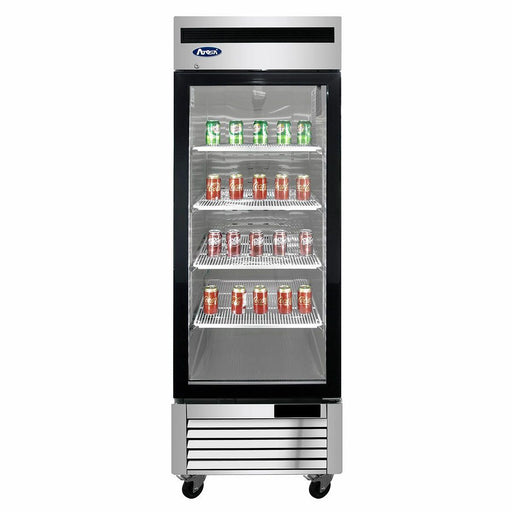
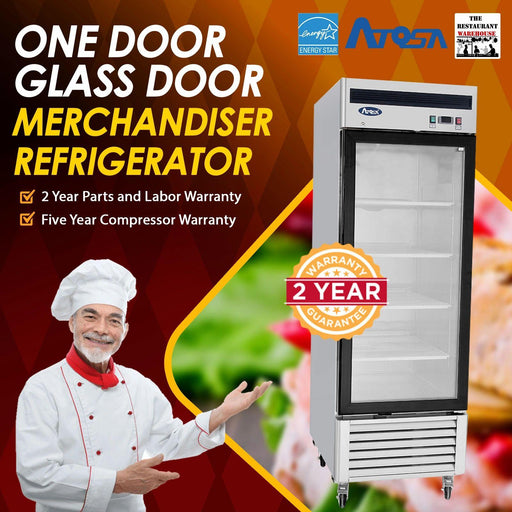
Atosa USA MCF8705GR 27-Inch Glass Single Door Merchandiser Upright Refrigerator
Atosa
Original price
$3,285.00
Original price
$3,285.00
-
Original price
$3,285.00
Original price
$3,285.00
Current price
$2,367.00
$2,367.00
-
$2,367.00
Current price
$2,367.00
Atosa MCF8705GR 27-Inch Glass Door Merchandiser Refrigerator (Single Door, Bottom Mount, ENERGY STAR) In stock Ships in 1 business day...
View full details
Original price
$3,285.00
Original price
$3,285.00
-
Original price
$3,285.00
Original price
$3,285.00
Current price
$2,367.00
$2,367.00
-
$2,367.00
Current price
$2,367.00
Save 28%
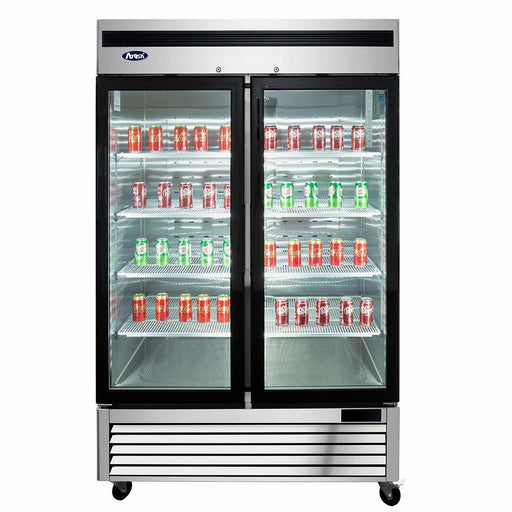
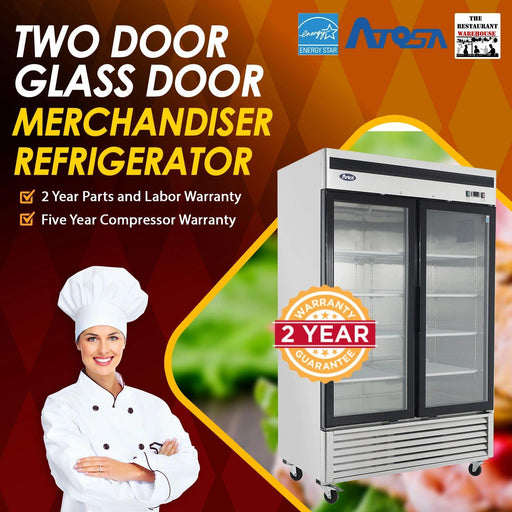
Atosa USA MCF8707GR 55-Inch Glass Two Door Merchandiser Upright Refrigerator
Atosa
Original price
$4,785.00
Original price
$4,785.00
-
Original price
$4,785.00
Original price
$4,785.00
Current price
$3,448.00
$3,448.00
-
$3,448.00
Current price
$3,448.00
Atosa MCF8707GR 55-Inch Two Glass Door Merchandiser Refrigerator – Bottom Mount Status: In stock Shipping: Ships in 1 business...
View full details
Original price
$4,785.00
Original price
$4,785.00
-
Original price
$4,785.00
Original price
$4,785.00
Current price
$3,448.00
$3,448.00
-
$3,448.00
Current price
$3,448.00
Save 28%
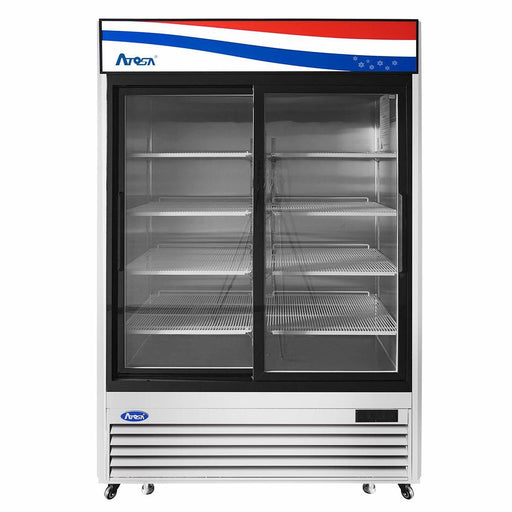
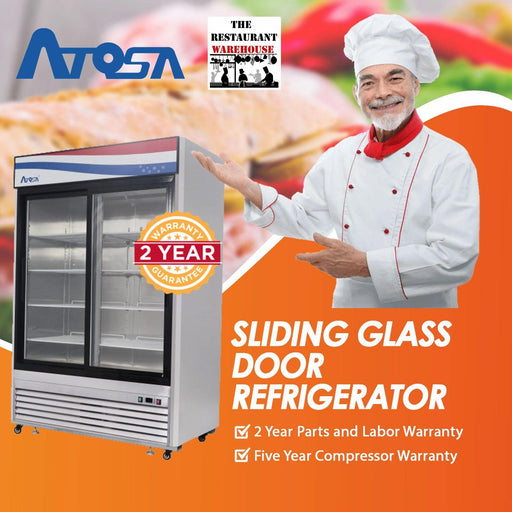
Atosa USA MCF8709GR Sliding Glass Merchandiser 55-Inch Two Door Refrigerator
Atosa
Original price
$4,696.00
Original price
$4,696.00
-
Original price
$4,696.00
Original price
$4,696.00
Current price
$3,384.00
$3,384.00
-
$3,384.00
Current price
$3,384.00
Atosa MCF8709GR 55-Inch Sliding Glass Two Door Merchandiser Refrigerator The Atosa MCF8709GR is a professional-grade 55-inch sliding glass door m...
View full details
Original price
$4,696.00
Original price
$4,696.00
-
Original price
$4,696.00
Original price
$4,696.00
Current price
$3,384.00
$3,384.00
-
$3,384.00
Current price
$3,384.00
Save 28%


Atosa AUR27SD 27 inch Undercounter Refrigerator
Atosa
Original price
$1,982.00
Original price
$1,982.00
-
Original price
$1,982.00
Original price
$1,982.00
Current price
$1,429.00
$1,429.00
-
$1,429.00
Current price
$1,429.00
Atosa AUR27SD 27" Undercounter Refrigerator — One-Section Reach-In The Atosa AUR27SD is a 27-inch one-section undercounter refrigerator that gives...
View full details
Original price
$1,982.00
Original price
$1,982.00
-
Original price
$1,982.00
Original price
$1,982.00
Current price
$1,429.00
$1,429.00
-
$1,429.00
Current price
$1,429.00
Save 28%


Atosa AUR36SD 36 inch Undercounter Refrigerator
Atosa
Original price
$2,560.00
Original price
$2,560.00
-
Original price
$2,560.00
Original price
$2,560.00
Current price
$1,845.00
$1,845.00
-
$1,845.00
Current price
$1,845.00
Atosa AUR36SD 36" Undercounter Refrigerator — Two-Section Reach-In The Atosa AUR36SD is a 36-inch two-section undercounter refrigerator built for ...
View full details
Original price
$2,560.00
Original price
$2,560.00
-
Original price
$2,560.00
Original price
$2,560.00
Current price
$1,845.00
$1,845.00
-
$1,845.00
Current price
$1,845.00
Save 28%


Atosa AUR48SD 48 inch Undercounter Refrigerator
Atosa
Original price
$2,831.00
Original price
$2,831.00
-
Original price
$2,831.00
Original price
$2,831.00
Current price
$2,040.00
$2,040.00
-
$2,040.00
Current price
$2,040.00
Atosa AUR48SD 48" Undercounter Refrigerator — Two-Section Reach-In The Atosa AUR48SD is a 48-inch two-section undercounter refrigerator built for ...
View full details
Original price
$2,831.00
Original price
$2,831.00
-
Original price
$2,831.00
Original price
$2,831.00
Current price
$2,040.00
$2,040.00
-
$2,040.00
Current price
$2,040.00
Save 28%


Atosa AUR60SD 60 inch Undercounter Refrigerator
Atosa
Original price
$3,396.00
Original price
$3,396.00
-
Original price
$3,396.00
Original price
$3,396.00
Current price
$2,447.00
$2,447.00
-
$2,447.00
Current price
$2,447.00
Atosa AUR60SD 60" Undercounter Refrigerator — Two-Section Reach-In The Atosa AUR60SD is a 60-inch two-section undercounter refrigerator built for ...
View full details
Original price
$3,396.00
Original price
$3,396.00
-
Original price
$3,396.00
Original price
$3,396.00
Current price
$2,447.00
$2,447.00
-
$2,447.00
Current price
$2,447.00
Save 28%


Atosa AUR72SD 72 inch Undercounter Refrigerator
Atosa
Original price
$3,680.00
Original price
$3,680.00
-
Original price
$3,680.00
Original price
$3,680.00
Current price
$2,652.00
$2,652.00
-
$2,652.00
Current price
$2,652.00
Atosa AUR72SD 72" Undercounter Refrigerator — Three-Section Reach-In The Atosa AUR72SD is a 72-inch three-section undercounter refrigerator built ...
View full details
Original price
$3,680.00
Original price
$3,680.00
-
Original price
$3,680.00
Original price
$3,680.00
Current price
$2,652.00
$2,652.00
-
$2,652.00
Current price
$2,652.00
Save 28%


Atosa AUR27D2 27 inch Undercounter Refrigerator with Drawers
Atosa
Original price
$2,120.00
Original price
$2,120.00
-
Original price
$2,120.00
Original price
$2,120.00
Current price
$1,528.00
$1,528.00
-
$1,528.00
Current price
$1,528.00
Atosa AUR27D2 27" Undercounter Refrigerator with Drawers — 2-Drawer Base The Atosa AUR27D2 is a 27-inch two-drawer undercounter refrigerator engin...
View full details
Original price
$2,120.00
Original price
$2,120.00
-
Original price
$2,120.00
Original price
$2,120.00
Current price
$1,528.00
$1,528.00
-
$1,528.00
Current price
$1,528.00
Save 28%


Atosa AUR36D2 36 inch Undercounter Refrigerator with Drawers
Atosa
Original price
$3,434.00
Original price
$3,434.00
-
Original price
$3,434.00
Original price
$3,434.00
Current price
$2,475.00
$2,475.00
-
$2,475.00
Current price
$2,475.00
Atosa AUR36D2 36" Undercounter Refrigerator with Drawers — 2-Drawer Base The Atosa AUR36D2 is a 36-inch two-drawer undercounter refrigerator engin...
View full details
Original price
$3,434.00
Original price
$3,434.00
-
Original price
$3,434.00
Original price
$3,434.00
Current price
$2,475.00
$2,475.00
-
$2,475.00
Current price
$2,475.00
Save 28%


Atosa AUR48D4 48 inch Undercounter Refrigerator with Drawers
Atosa
Original price
$4,813.00
Original price
$4,813.00
-
Original price
$4,813.00
Original price
$4,813.00
Current price
$3,468.00
$3,468.00
-
$3,468.00
Current price
$3,468.00
Atosa AUR48D4 48" Undercounter Refrigerator with Drawers — 2-Section, 4-Drawer Base The Atosa AUR48D4 is a 48-inch two-section, four-drawer underc...
View full details
Original price
$4,813.00
Original price
$4,813.00
-
Original price
$4,813.00
Original price
$4,813.00
Current price
$3,468.00
$3,468.00
-
$3,468.00
Current price
$3,468.00
Save 28%


Atosa AUR60D4 60 inch Undercounter Refrigerator with Drawers
Atosa
Original price
$5,600.00
Original price
$5,600.00
-
Original price
$5,600.00
Original price
$5,600.00
Current price
$4,035.00
$4,035.00
-
$4,035.00
Current price
$4,035.00
Atosa AUR60D4 60" Undercounter Refrigerator with Drawers — 2-Section, 4-Drawer Base The Atosa AUR60D4 is a 60-inch two-section, four-drawer underc...
View full details
Original price
$5,600.00
Original price
$5,600.00
-
Original price
$5,600.00
Original price
$5,600.00
Current price
$4,035.00
$4,035.00
-
$4,035.00
Current price
$4,035.00
Save 28%


Atosa AUR72D6 72 inch Undercounter Refrigerator with Drawers
Atosa
Original price
$6,653.00
Original price
$6,653.00
-
Original price
$6,653.00
Original price
$6,653.00
Current price
$4,794.00
$4,794.00
-
$4,794.00
Current price
$4,794.00
Atosa AUR72D6 72" Undercounter Refrigerator with Drawers — 2-Section, 6-Drawer Base The Atosa AUR72D6 is a 72-inch two-section, six-drawer underco...
View full details
Original price
$6,653.00
Original price
$6,653.00
-
Original price
$6,653.00
Original price
$6,653.00
Current price
$4,794.00
$4,794.00
-
$4,794.00
Current price
$4,794.00
Save 28%

Commercial refrigerators provide cold storage for foodservice businesses. Choose a format around your menu, inventory, kitchen layout, and the exact model’s operating requirements rather than treating every commercial cabinet as interchangeable.
Browse reach-in, undercounter, worktop, prep-table, merchandiser, and walk-in options below. Check individual product specifications for certifications and warranty terms, and confirm stock, freight services, and delivery timing before ordering.
What Makes a Refrigerator "Commercial"?
Shop for a refrigerator specified for your intended foodservice use. Compare its operating-temperature range, construction, sanitation and electrical listings, loading arrangement, and installation requirements.
- Operating conditions: Check the approved ambient conditions and intended use in the manufacturer’s documentation.
- Cabinet and doors: Compare finishes, hinges, gaskets, and cleaning access on the actual model.
- Storage and airflow: Check shelf loading, pan compatibility, and required clear space inside and around the cabinet.
- Controls: Confirm temperature-display, adjustment, and alarm features.
- Commercial use: Verify the applicable listings and warranty coverage for your operation rather than relying on a “commercial-style” description.
Discuss equipment acceptance with your local authority before buying for a regulated foodservice operation. Check the manufacturer’s warranty separately; a product’s appearance does not establish its coverage.
Types of Commercial Refrigerators
The first decision when buying a commercial refrigerator is choosing the right format for how you actually work. There is no universally best type: the right choice depends on your menu, your kitchen layout, and your service model.
Reach-In Refrigerators
A reach-in is a vertical, front-loading commercial refrigerator that sits on the kitchen floor and gives cooks fast one-hand access during service. Reach-ins are the primary daily-service refrigerator in most restaurants, available in one-door, two-door, and three-door configurations to match menu volume. If you need a large-capacity workhorse fridge that a line cook can reach into hundreds of times a shift, start with a commercial reach-in refrigerator.
Undercounter Refrigerators
Use an undercounter refrigerator to place refrigerated storage beneath a suitable counter or near a workstation. Measure the actual opening and follow the model’s ventilation instructions before choosing from our commercial undercounter refrigerators.
Worktop Refrigerators
A worktop refrigerator combines refrigerated undercounter storage with a heavy stainless prep surface on top, giving you two pieces of equipment in one footprint. Worktops are common in prep areas, sandwich lines, and any station where the cook needs both cold storage and workspace within arm's reach. Explore commercial worktop refrigerators when floor space is limited and you need refrigeration plus prep in a single unit.
Refrigerated Prep Tables
Compare a sandwich prep table or pizza prep table when your menu relies on ingredient assembly. Check the specified pan layout, cutting surface, and refrigerated backup storage against your preparation routine.
Glass Door Merchandisers
Merchandisers are commercial refrigerators with glass doors, built to display product to customers in a retail or grab-and-go setting. Glass door merchandisers and open-air merchandisers are the right choice for cafés, delis, convenience stores, hotel grab-and-go stations, and any operation where customers pick refrigerated product themselves.
Bar Refrigeration
Compare back bar coolers, bottle coolers, and other beverage-storage formats around your service arrangement. Verify the actual height, depth, temperature range, and intended contents rather than assuming every model will fit beneath an existing bar.
Walk-In Coolers
Consider walk-in coolers when bulk deliveries and case storage call for a different arrangement than individual cabinets. Compare the space, installation, access, and operating costs with the reach-in capacity you would otherwise need.
Dual-Temp Fridge and Freezer Combo
If you need refrigerated and frozen storage in one cabinet, review the Atosa MBF8129GR. Check each compartment’s capacity, temperature specifications, electrical requirements, and current price before comparing it with separate refrigerator and freezer purchases.
Plan Bulk Storage and Service Storage Together
Before adding another refrigerator, identify where your team loses time during receiving, preparation, and service. Use the table below to decide which storage problem you need the equipment to solve.
| What you need to improve | What to compare |
|---|---|
| Holding cases and backup ingredients between deliveries | Compare a reach-in refrigerator with walk-in storage, based on inventory, available space, and access. |
| Keeping frequently used ingredients near a workstation | Compare an undercounter refrigerator with a worktop arrangement that fits the station. |
| Organizing ingredients for assembly | Compare the pan layout, cutting surface, and backup storage of a prep table with your menu. |
| Keeping drinks separate from kitchen ingredients | Review bar refrigeration around your beverage inventory and service layout. |
| Supporting several busy stations | Compare one central cabinet with smaller units at selected stations, including the purchase, energy, and maintenance costs of each layout. |
Walk through a typical rush with the people who use the equipment. Check who opens each door, where restocking takes place, and whether the proposed location creates an avoidable crossing point.
Self-Contained vs Remote Refrigeration Systems
Compare the installation arrangement as well as the cabinet. Self-contained equipment houses its refrigeration components with the unit, while a remote arrangement locates condensing equipment separately; confirm the details for the system you are considering.
For either arrangement, review ventilation, electrical requirements, heat management, and access for service. Have a qualified installer assess a remote system and obtain a complete installation quote before comparing it with a self-contained option.
Refrigerants: R290 vs R404A
Check the refrigerant specified on the exact model, especially when comparing new equipment with an older used unit. Ask a qualified refrigeration technician about servicing requirements, local support, and any rules that apply to the equipment.
For energy-efficient equipment with lower-global-warming-potential refrigerants, consult ENERGY STAR’s commercial refrigeration guidance. Do not assume a refrigerant name alone establishes the cabinet’s efficiency, certification, or operating cost.
How to Choose the Right Commercial Refrigerator
Compare storage needs, kitchen fit, interior features, electrical requirements, and service support before you select a model.
Size Your Refrigerator Around Peak Inventory
Start with the busiest stock day between deliveries, not just the number of meals you serve. List the cases, containers, prepared ingredients, and backup stock you expect to refrigerate at the same time.
Build your storage plan around four checks:
- Delivery schedule: Count the inventory remaining when the next delivery arrives, including any overlap between old and new stock.
- Menu and preparation: List bulky produce, dairy, proteins, sauces, and prepared pans separately. Include the extra storage needed before a busy weekend or catered event.
- Existing refrigeration: Decide what belongs in bulk storage and what needs to stay close to a service station. Avoid counting the same inventory twice when sizing several units.
- Working room: Plan space for stock rotation, access, and the model’s required interior airflow. Do not assume every inch of an empty cabinet should be filled.
Before choosing a larger refrigerator, check whether reorganizing storage or adding refrigeration at a specific station would solve the actual problem. Use your inventory list to compare models rather than buying on door count alone.
Check the Cabinet, Working Space, and Delivery Route
Measure the installation opening at several points and record the smallest usable width, depth, and height. Compare those measurements with the exact model’s drawing, checking whether the listed dimensions include handles, hinges, legs, or casters.
Then check three areas that an empty floor outline does not show:
- Operating space: Confirm the door can open far enough to remove your largest container and the shelves. Check hinge position and whether an open door would obstruct another station or walkway.
- Ventilation and service access: Use the manufacturer’s installation instructions for clearances and condenser access. Do not apply one blanket clearance allowance to every refrigerator.
- Delivery route: Measure doorways, corridors, turns, thresholds, and any elevator along the route from unloading to final placement. Confirm the delivery arrangement and any unpacking or authorized disassembly before the truck arrives.
For an undercounter installation, measure the actual underside of the counter rather than assuming a standard counter height guarantees a fit. For a tall reach-in, include overhead shelving, pipes, and other obstructions in your measurements.
Check What Fits Inside, Not Just the Cubic Feet
Make a list of the containers you actually use and compare it with each model’s interior specifications. Include the width and depth of pans, the height of covered containers, and the space needed to lift or slide them out.
- Shelves: Confirm usable shelf dimensions, adjustment positions, included shelf count, and rated load.
- Pans and racks: Verify support for your exact pan size and orientation. Do not assume a wide cabinet automatically includes compatible pan slides.
- Door access: Check the clear opening and any center mullion against your largest container.
- Cleaning: Look for removable components and accessible surfaces that suit your cleaning routine.
- Controls and alerts: Confirm which temperature-display and alarm features the specific model includes, rather than assuming them from the brand or product category.
Use rated capacity to narrow your options, then compare a practical loading plan. If pan compatibility is uncertain, confirm it before placing the order.
Check Your Electrical Supply
Check the model’s voltage, frequency, phase, amperage, plug configuration, and circuit requirements before ordering. Have a qualified electrician confirm that the installation meets the manufacturer’s instructions and applicable electrical requirements; do not assume a nearby outlet is suitable.
Check Warranty Coverage and Local Service
Read the current warranty for the exact model and intended installation. Compare parts, labor, and compressor coverage separately, and ask about registration requirements, exclusions, and the process for obtaining authorized service.
Before ordering, confirm who would handle a repair in your area and how to obtain common replacement parts. Keep the invoice, model and serial numbers, warranty documents, and maintenance records together so you can provide them when requesting support.
Refrigeration for Home-Based Food Businesses
Before buying refrigeration for a home-based baking, catering, or meal-prep business, confirm that the proposed menu, production methods, storage location, and premises are permitted by the responsible authorities. Cottage-food and other home-kitchen programs have different rules. Buying a commercial refrigerator does not authorize a food business or automatically satisfy licensing or inspection requirements.
Size equipment around peak inventory, containers, and the approved workflow. Separate holding already-cold food from cooling hot batches; a larger storage refrigerator does not guarantee a safe cooling process. Compare the installation's electrical supply, ventilation, ambient conditions, loaded weight, delivery access, and noise expectations with the selected model's requirements.
Before ordering, obtain written confirmation of warranty and service coverage for the specific location and intended business use. Have the installer confirm the installation scope, and ask your insurer about the proposed equipment and activity. Do not assume commercial-use coverage extends to a home installation or that equipment approval replaces approval of the operation.
What Certifications to Look For
Verify listings for the exact model and its intended use rather than assuming every cabinet has the same certifications. Check sanitation and electrical-safety documentation and confirm acceptance with your local authority.
For efficiency, use the ENERGY STAR commercial refrigerator guidance and verify the exact model’s certification. Compare published energy consumption and check utility rebate eligibility before buying; do not assume every refrigeration format qualifies.
Compare Commercial Refrigerator Brands
Compare commercial refrigerator brands at the model level rather than relying on a brand-wide price or warranty promise. Put each shortlisted model’s usable storage, dimensions, energy data, written warranty, service support, and current quote side by side.
Commercial refrigerator brands buyers commonly compare include Atosa, True, Turbo Air, Hoshizaki, Traulsen, Beverage-Air, Everest, Migali, Maxx Cold, Arctic Air, Avantco and Koolmore. For how Atosa compares with each of them, see the brand comparison on our Atosa refrigerator collection.
Where to Start: Atosa Refrigerators by Format
| If you need | Start with |
|---|---|
| One-door reach-in | MBF8004GR (29", top-mount) or MBF8505GR (27", bottom-mount) |
| Two-door reach-in | MBF8005GR (52", top-mount) or MBF8507GR (54", bottom-mount) |
| Three-door reach-in | MBF8006GR (78", top-mount) or MBF8508GR (82", bottom-mount) |
| Storage under a counter | AUR27SD (27" undercounter) |
| Refrigerated base under cooking equipment | MGF8450GR (48" chef base) |
| Sandwich or salad prep | MSF8302GR (48" sandwich prep table) |
| Customer-facing display | MCF8705GR (27" glass-door merchandiser) |
How Atosa Compares to True
The Restaurant Warehouse no longer sells True equipment, but we keep True model pages available for reference. If you are replacing or specifying a True refrigerator, start with our True model reference and Atosa alternatives page and send us the True model number. We can suggest a similarly configured Atosa refrigerator and explain the differences in format, storage, installation and warranty before you order.
Commercial Refrigerator Pricing
Use current product listings or a written quote for the model you intend to order. Compare cabinet format, capacity, door configuration, included equipment, and installation requirements before deciding whether two prices represent comparable purchases.
Ask for the total delivered and installed cost where applicable. For used equipment, request its condition, service history, available warranty, and a qualified assessment rather than assuming a standard discount makes it the better value.
Compare the Total Cost, Not Just the Purchase Price
Compare shortlisted refrigerators over the same ownership period. Build a simple budget that includes the quoted equipment price, applicable taxes, delivery services, installation work, energy use, and expected maintenance.
For an electricity estimate, multiply the model’s published daily energy consumption in kWh by 365 and by your electricity rate per kWh. Treat that result as a comparison estimate, not a guaranteed utility bill, and use comparable energy-rating information for each model.
Check the items outside the headline price:
- Site preparation: Confirm whether electrical work, access changes, or other installation services are needed.
- Delivery and removal: Ask what the quote includes and whether moving the equipment into position or removing an old unit costs extra.
- Service and parts: Check local repair availability and replacement-part support.
- Business continuity: Consider how you would protect inventory and maintain service if that cabinet became unavailable.
Choose the lowest-cost option that meets your storage and operating needs, not simply the lowest sticker price. If upfront cash is the constraint, compare the full terms of financing or renting, including payment obligations and the route to ownership where applicable.
Ways to Acquire Your Commercial Refrigerator
Compare an outright purchase with restaurant equipment financing and equipment rental options around your cash flow and expected use. Review eligibility, total payments, contract length, service responsibilities, return conditions, and any purchase option before committing.
Ask about the specific equipment and program you want rather than assuming every product qualifies for identical terms. Discuss any tax treatment with your accountant.
Delivery, Installation, and Lead Time
Confirm current availability, expected dispatch and delivery timing, and the freight services included in your quote. Arrange receiving access, unloading, movement into the building, and installation separately where those services are not included.
Follow the manufacturer’s instructions for unpacking, positioning, leveling, electrical connection, startup, and loading. Do not substitute a blanket waiting period for the exact model’s instructions; verify that the cabinet reaches its required operating condition before loading food.
Commercial Refrigerators Built for Real Kitchens
Choose refrigeration around the food you store, the people using it, and the practical requirements of the installation. Browse the products above and compare exact specifications before committing to a cabinet.
If you would like help narrowing the selection, tell us what you plan to store and where the unit will go. We can help you identify the next specifications and purchasing details to check.
Frequently Asked Questions About Commercial Refrigerators
What is a commercial refrigerator?
A commercial refrigerator is cold-storage equipment intended for commercial use. Choose a model whose specified operating conditions, construction, listings, and warranty match your foodservice operation, then verify its installation requirements.
Can I use a commercial refrigerator at home?
Check the exact model’s permitted installation conditions and warranty terms before purchasing for residential use. Confirm dimensions, noise expectations, ventilation, electrical requirements, and service coverage rather than assuming commercial-use coverage applies at home.
How long does a commercial refrigerator last?
Service life varies with the model, operating conditions, workload, and maintenance history. Follow the manufacturer’s cleaning and service instructions and have deteriorating performance assessed rather than relying on a guaranteed lifespan.
What temperature should a commercial refrigerator be set to?
The FDA Food Code generally calls for cold holding of time/temperature control for safety food at 41°F or below, subject to its specified exceptions. Follow local requirements and the equipment instructions, and verify food temperatures rather than assuming the controller display alone establishes safe holding.
Do commercial refrigerators need to be NSF certified?
Check the sanitation listing required for your intended use with your local authority, and verify the exact model’s documentation before purchasing. Do not assume that all refrigeration formats or all products from one manufacturer have identical listings.
How much electricity does a commercial refrigerator use?
Use the exact model’s published energy-consumption data to compare equipment, then multiply daily kWh by 365 and your electricity rate for a planning estimate. Treat the result as an estimate rather than a guaranteed bill and verify the model’s ENERGY STAR certification separately.
What size commercial refrigerator do I need?
Start with the maximum inventory you expect to hold between deliveries, including prepared food and backup ingredients for busy periods. Compare that inventory with the model’s usable shelf space, container compatibility, and required airflow, then check the exterior dimensions and delivery route before ordering.
What's the difference between a commercial refrigerator and a residential refrigerator?
Compare intended use, construction, operating conditions, sanitation and electrical listings, storage arrangement, and warranty terms. Select equipment documented for your foodservice application instead of assuming that a residential cabinet or a commercial-looking finish establishes suitability.
Should I buy a new or used commercial refrigerator?
Compare the full purchase and installation cost, documented condition, energy data, warranty, and service support. For a used cabinet, ask a qualified technician to assess it and account for any repairs or missing components before comparing the price with a new model.
How do I clean and maintain a commercial refrigerator?
Use the model’s instructions for approved cleaning methods and service intervals. Include condenser access, door-gasket inspection, interior cleaning, and temperature checks in your maintenance plan, and leave electrical or refrigeration-system work to qualified service personnel.
Does Atosa make a dual-temp fridge and freezer combo?
Review the Atosa MBF8129GR dual-temp model if you need refrigerated and frozen compartments in one cabinet. Confirm current specifications, compartment capacities, and installation requirements on the product documentation before ordering.
How does Atosa compare to True Refrigeration on price?
Compare current quotes for models with comparable format, usable storage, and installation requirements. Include warranty and local service arrangements rather than relying on a fixed price multiple between brands.
What are the best commercial refrigerator brands?
Commonly compared brands include Atosa, True, Turbo Air, Hoshizaki, Traulsen, Beverage-Air, Arctic Air and Avantco. The best choice is the specific model that fits your storage needs, budget and service support. See the brand comparison on our Atosa refrigerator collection for how Atosa compares with each.
Should I buy a residential top-freezer refrigerator for my restaurant?
Choose equipment documented and accepted for your intended foodservice use. Confirm sanitation and electrical requirements, operating conditions, and warranty coverage before considering a residential unit; if you need both storage temperatures, compare purpose-built commercial options.
Will my sheet pans fit in a commercial refrigerator?
Check the exact model’s shelf or pan-slide specifications against your pan dimensions and preferred loading orientation. Also confirm the clear door opening and whether the necessary shelves, slides, or racks are included.
What should I check before ordering a replacement refrigerator?
Record the current unit’s model, dimensions, electrical requirements, and the problems you want the replacement to solve. Then verify the new model’s specifications, delivery route, ventilation requirements, container fit, warranty, and delivery arrangements rather than assuming a similar-looking refrigerator will be interchangeable.