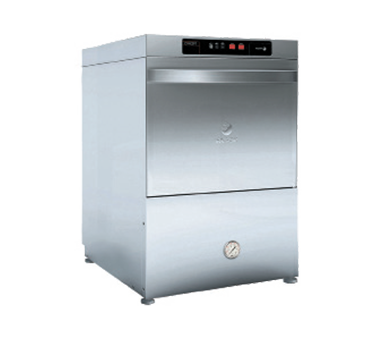
Commercial Dishwasher Guide: Types, Features & Costs
Running a restaurant means tackling endless dirty dishes. A commercial dishwasher is key for any busy food service business. It's more than just a time-saver; it's an investment in efficiency and hygiene. This guide breaks down the different types of commercial dishwashers and key features to consider. Whether you're opening a new place or upgrading your current setup, we'll help you choose the perfect machine to keep your kitchen running smoothly.
Key Takeaways
- Match Your Dishwasher to Your Kitchen's Reality: Pinpoint your busiest service's dish volume and the types of wares you clean most often. This clarity helps you select a dishwasher with the right capacity and features, ensuring it meets your demands without wasting resources.
- Calculate the True Cost for Long-Term Savings: Evaluate the total cost of ownership, including ongoing utility, detergent, and maintenance expenses, not just the initial purchase price. Investing in an efficient, durable model can lead to significant long-term savings, and financing options can make this more accessible.
- Keep Your Machine Humming with Smart Habits: Train your team on correct loading techniques and cycle selection, and establish a consistent maintenance routine. Proper operation and regular care are essential for optimal cleaning performance, extending the machine's life, and ensuring it's always prepared for service.
What is a Commercial Dishwasher?
Okay, let's talk about what exactly a commercial dishwasher is. If you're running a busy restaurant, hotel, or any food service spot, you're no stranger to the mountain of dirty dishes that can pile up. A commercial dishwasher isn't just a larger version of the one you might have at home; it's a robust, heavy-duty machine specifically engineered to clean a high volume of dishes, glasses, and utensils efficiently and quickly. Think of it as a true workhorse, built to withstand the demanding environment of a professional kitchen. These machines are fundamental to keeping your operations running smoothly and ensuring your customers always have sparkling clean tableware. When you're looking to equip your kitchen for success, understanding this essential piece of equipment is a great first step.
They come in various types and sizes, from compact undercounter models perfect for smaller cafes or bars, to large conveyor systems designed for high-capacity operations like hospitals or large banquet halls. The key is that they are built for speed, durability, and consistent results, day in and day out. Unlike residential models that might run a cycle once a day, commercial units can power through multiple cycles per hour, using higher temperatures and stronger detergents to sanitize effectively. This rapid turnaround is crucial for maintaining a steady supply of clean dishes during peak service times. Plus, they are typically constructed from stainless steel for longevity and ease of cleaning, ensuring they can handle the rigors of a busy kitchen environment. Understanding these differences helps you appreciate why a dedicated commercial unit is a smart move for any serious food service business. This reliability is what sets them apart and makes them indispensable in a commercial setting where time is money and hygiene is non-negotiable.
Why Your Business Needs a Commercial Dishwasher
So, why should you consider investing in a commercial dishwasher, or upgrading your current setup? For starters, it’s a significant improvement to your kitchen's efficiency. Putting a high-quality unit to work can lead to substantial savings in labor costs – just think about all those hours your team could save from scrubbing pots and pans! Beyond that, these machines are designed for superior cleaning performance, easily tackling tough, caked-on food soils that manual washing might not fully remove. This level of cleanliness isn't just about appearances; it's crucial for meeting health and safety standards, which, as you know, are absolutely paramount in the foodservice industry. Consistently clean dishes contribute to higher customer satisfaction and a better reputation. If the initial investment is a concern, options like restaurant equipment financing can make acquiring this vital asset more manageable for your business.
How a Commercial Dishwasher Benefits Your Bottom Line
Let's get into the tangible ways a commercial dishwasher benefits your daily operations. The most immediate advantage you'll notice is the significant saving in time and labor. By automating the dishwashing process, these machines free up your valuable staff members, allowing them to concentrate on other critical tasks like food preparation, customer service, or maintaining other areas of the kitchen, especially during those hectic peak hours. For any high-volume establishment, a commercial dishwasher often moves from being a mere convenience to an absolute necessity for maintaining workflow. While there's an upfront cost, it’s important to weigh that against the ongoing expense of manual dishwashing, which can be quite considerable over time. A commercial unit helps to balance this, often proving to be the more economical and efficient choice in the long run, making your kitchen a more productive and less stressful place for your team.
Types of Commercial Dishwashers
Picking the right commercial dishwasher for your restaurant or foodservice business can feel like a big decision, but it doesn't have to be overwhelming! Once you understand the main types available, you'll be much closer to finding the perfect fit for your kitchen's needs and space. Think of it like choosing any other essential piece of restaurant equipment; the goal is to find a machine that works efficiently, saves you time, and keeps your dishes sparkling clean.
Different commercial dishwashers are designed to handle varying volumes of dishes, different types of wares (from delicate glasses to greasy pots), and fit into specific kitchen layouts. Some are compact powerhouses perfect for smaller cafes, while others are built to tackle mountains of dishes in bustling, high-traffic restaurants. We'll walk through the most common categories so you can see which one aligns best with your daily operations. This way, you can ensure you're investing in a machine that will truly support your team and contribute to a smooth-running kitchen.
Single vs. Double Rack Dishwashers: Choosing the Right Fit
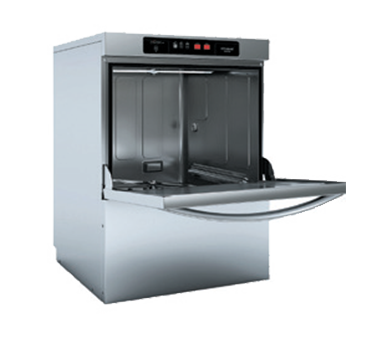
Single and double rack dishwashers are often what come to mind when you picture a standard commercial dishwasher. These are the workhorses found in many small to medium-sized establishments. A single rack machine, as the name suggests, washes one rack of dishes at a time. This is great for a steady, predictable flow.
Double rack models can handle two racks, offering a bit more capacity and flexibility. For instance, you might wash dishes in one rack and glasses in another simultaneously, which can be a real time-saver during busy shifts. These are generally door-type machines where you slide the rack in, close the door, and start the cycle. They offer a solid balance of cleaning power and footprint, making them a popular choice if your dish volume is consistent but not overwhelming.
Standard Single and Double Rack Dishwashers
Single and double rack dishwashers are often what come to mind when picturing a standard commercial dishwasher. These workhorses, found in many small to medium-sized establishments, efficiently handle the demands of busy service periods. Choosing between the two depends largely on your volume and workflow.
A single rack machine washes one rack of dishes at a time. This setup is ideal for a steady, predictable flow of dishes, particularly beneficial for smaller restaurants or cafes where the dish volume is manageable but still requires a reliable and efficient cleaning solution. If your needs are modest and space is tight, a single rack dishwasher might be the perfect fit.
Double rack models handle two racks simultaneously, offering increased capacity and flexibility. You could wash dishes in one rack and glasses in the other—a real time-saver during peak hours. These are generally door-type machines—slide the rack in, close the door, and start the cycle—making them user-friendly and efficient. If you experience rushes and need higher throughput, a double rack dishwasher offers a significant advantage. Explore our selection of refrigerators and freezers to complement your dishwashing setup.
Both single and double rack dishwashers are typically constructed from durable stainless steel, ensuring longevity and ease of cleaning—essential in a fast-paced kitchen. They’re designed for superior cleaning performance, effectively tackling tough, caked-on food that manual washing might miss. This level of cleanliness is crucial for meeting health and safety standards and contributes to higher customer satisfaction. Whether you choose a single or double rack model, investing in one of these machines can significantly enhance your kitchen's efficiency, allowing your staff to focus on other critical tasks while ensuring your tableware remains sparkling. Browse our collection of deep fryers to complete your kitchen equipment needs.
Undercounter & Glasswashers: Maximize Your Space
If space is at a premium in your kitchen, or if you need a dedicated machine for a specific task, undercounter dishwashers and glasswashers are fantastic options. Undercounter models are compact units designed to fit neatly beneath a standard counter, much like a residential dishwasher but built with commercial-grade power and speed. They are perfect for coffee shops, bars, or smaller restaurants where you need quick access to clean dishes without sacrificing valuable floor space.
Glasswashers are specialized machines designed specifically for, you guessed it, glassware. They use gentler water pressure and specific temperature settings to ensure your glasses come out spotless and sanitized without etching or breaking. If you run a bar or an establishment where pristine glassware is crucial to the customer experience, a dedicated glass washer machine can be a real game-changer, keeping your stemware sparkling.
High-Volume Dishwashing: Conveyor & Flight Type
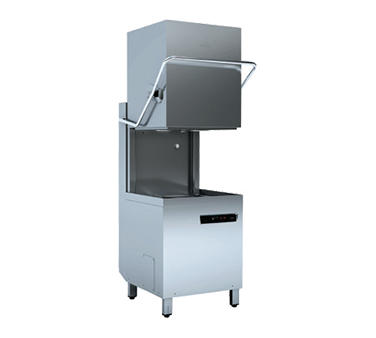
For large, bustling operations like busy restaurants, cafeterias, or institutional kitchens, conveyor or flight-type dishwashers are the heavy lifters. These machines are designed for continuous, high-volume warewashing. With a conveyor dishwasher, racks of dishes are loaded onto a conveyor belt that moves them through pre-wash, wash, rinse, and final rinse/sanitizing zones. Flight-type machines are even larger and operate similarly but without racks; dishes are placed directly onto the conveyor.
These systems offer incredible throughput, ensuring a constant supply of clean dishes even during peak hours. Brands like Hobart often emphasize benefits such as superior wash performance and improved operational efficiency for these larger units, which are essential when you're serving hundreds or thousands of meals a day. Investing in such a system is a significant step, and exploring restaurant equipment financing can make it more manageable for your budget.
Pot, Pan & Utensil Washers: Heavy-Duty Cleaning
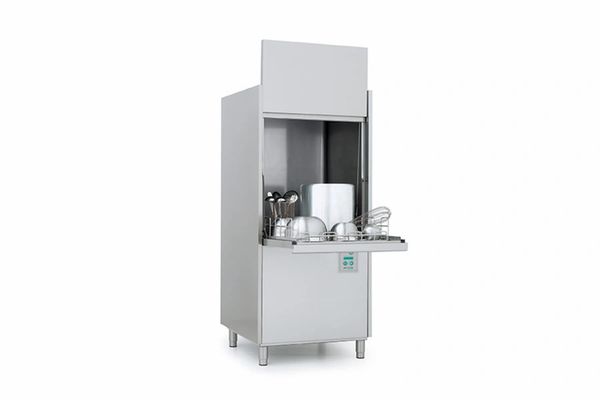
Sometimes, standard dishwashers just aren't cut out for the really tough jobs, like cleaning heavily soiled pots, pans, and large kitchen utensils. That's where dedicated pot, pan, and utensil washers come in. These machines are built with larger door openings to accommodate bulky items and often feature more powerful spray jets and longer, more intensive wash cycles to break down baked-on food and grease from items like your trusty deep fryers.
If your kitchen staff spends a significant amount of time manually scrubbing pots and pans, investing in one of these specialized washers can free up valuable labor, improve sanitation, and make a tough job much easier. They are designed to handle the items that would overwhelm or simply not fit in other types of commercial dishwashers, ensuring everything in your kitchen gets thoroughly cleaned.
Features of Pot and Pan Washers
Pot and pan washers are the heavy-duty champions of the commercial dishwashing world. They’re designed to tackle the toughest cleaning jobs in your kitchen, freeing up staff and ensuring even the most stubborn grease and grime are banished. Let’s take a look at some key features that set these workhorses apart:
High-Pressure Wash Systems: Pot and pan washers boast powerful spray systems that deliver intense water pressure to blast away baked-on food and grease. These aren’t your average dishwashing jets; they’re designed to handle the heavy-duty cleaning required for pots, pans, and large utensils. Think deep fryers, roasting pans, and stockpots—items that would typically require hours of strenuous scrubbing.
Large Capacity and Door Openings: Forget struggling to fit oversized items into a standard dishwasher. Pot and pan washers are built with spacious interiors and extra-large door openings specifically to accommodate bulky cookware. This means you can efficiently clean large stockpots, sheet pans, and other awkward-shaped items without a fuss.
Durable Construction: These machines are built to withstand the rigors of a busy commercial kitchen. Expect robust stainless steel construction that’s resistant to corrosion and built for long-lasting performance. This durability ensures your investment will provide reliable service for years to come, even with constant use. Investing in quality equipment upfront, like those available at The Restaurant Warehouse, can save you money on repairs and replacements down the line.
Booster Heaters: Maintaining high water temperatures is crucial for effective sanitization. Many pot and pan washers include booster heaters to ensure the water reaches the necessary temperature to eliminate bacteria and comply with health and safety regulations. This feature provides peace of mind and contributes to a healthier kitchen environment.
Automated Cycles: Streamline your cleaning process with automated wash cycles. These pre-programmed cycles take the guesswork out of dishwashing, ensuring consistent results every time. Simply load the machine, select the appropriate cycle, and let the washer do the work. This frees up your staff to focus on other essential tasks, improving overall kitchen efficiency.
Industrial Dishwashers for High-Volume Operations
For large, bustling operations like busy restaurants, cafeterias, or institutional kitchens, conveyor or flight-type dishwashers are the true workhorses. These machines are designed for continuous, high-volume warewashing, making them essential for serving hundreds or thousands of meals a day. With a conveyor dishwasher, racks of dishes are loaded onto a conveyor belt that moves them through pre-wash, wash, rinse, and final rinse/sanitizing zones. Flight-type machines operate similarly but on a larger scale, often without racks, placing dishes directly onto the conveyor. This setup ensures a constant supply of clean dishes, even during the busiest periods. Brands like Hobart are known for their superior wash performance and improved operational efficiency in these larger units. If the initial investment seems substantial, exploring restaurant equipment financing can make acquiring this vital equipment more manageable.
Ventless Dishwashers: Ideal for Kitchens Without Hoods
Ventless dishwashers offer a practical solution for kitchens where traditional ventilation systems are a challenge. Designed to operate without a vent hood, they're a smart choice for smaller establishments, kitchens with limited space, or locations where building codes restrict venting options. These units use advanced technology to clean and sanitize dishes effectively while minimizing steam and heat release, maintaining a comfortable working environment and reducing installation costs. For an even more efficient use of space, consider combining a ventless dishwasher with undercounter freezers or refrigerators to optimize your kitchen layout.
Must-Have Commercial Dishwasher Features
Alright, so you're ready to find the perfect commercial dishwasher. It's a big decision, and the right features can make a world of difference in your daily operations. Think of it like choosing any other essential piece of restaurant equipment; you want something that fits your specific needs, works efficiently, and won't let you down during a busy service. It's not just about getting dishes clean; it's about saving time, energy, and money in the long run. When you start comparing models, you'll see a lot of different bells and whistles. Some are nice-to-haves, but others are absolute musts for a bustling kitchen.
We're talking about features that ensure your dishes are not just sparkling, but also hygienically clean, and that the machine itself is easy for your team to use and maintain. For instance, the type of heating element, water consumption per cycle, and the materials used in construction can significantly impact performance and longevity. You'll also want to consider the layout of your kitchen and workflow. Does a pass-through model make more sense than an undercounter unit? How will the dishwasher integrate with your existing setup, including warewashing tables and dishracks? Taking the time to think through these details will help you select a machine that truly supports your kitchen's rhythm and output, making every shift a little smoother. Let's break down some of the key features you'll want to keep an eye out for to make sure you get a machine that’s a true asset to your business.
Save with ENERGY STAR Commercial Dishwashers
If you're looking to keep your operating costs down and be a bit kinder to the planet, seeking out an ENERGY STAR certified commercial dishwasher is a smart move. These models are specifically designed to use less electricity and water compared to standard units, all without sacrificing that critical cleaning power. Over time, these savings can really add up on your utility bills, giving your budget a little breathing room. Brands like Hobart often feature ENERGY STAR certified models, which are well-regarded for their dependability and efficiency. Choosing an energy-efficient dishwasher means you're making a responsible choice that benefits both your bottom line and the environment. It’s a win-win!
Matching Cycles, Capacity & Speed to Your Workflow
Not all kitchens are created equal, and your dishwasher should absolutely reflect your unique operational demands. Take a moment to think about your peak hours: how many dishes, glasses, and utensils are you actually washing? Commercial dishwashers come with a variety of cycle options, from high-temperature sanitizing rinses perfect for heavily soiled items to gentler cycles designed for delicate glassware. You'll also find different sizes and rack capacities. It's truly crucial to match these features to your kitchen's output. A cozy little café might do perfectly well with a compact undercounter unit, while a high-volume restaurant will likely need something much larger and faster to keep service running smoothly without a hitch.
Place Settings and Capacity for Different Dishes
When you’re shopping for a commercial dishwasher, one of the first things you’ll want to consider is its capacity. How many place settings can it handle in a single cycle? This is usually measured in terms of standard place settings, and you'll find models ranging from compact units designed for smaller cafes, handling around seven place settings, to larger machines capable of washing 14 or more at once. Think about your busiest periods and how many dishes you typically need to clean in a given timeframe. This will help you determine the capacity you need to keep up with demand. Some models are designed with adjustable racks or taller clearances to accommodate larger plates, platters, or glassware. If you frequently use oversized items, look for a model that can comfortably fit them without compromising cleaning effectiveness.
Extra Wash Functions for Specialized Needs
Most commercial dishwashers offer a range of wash cycles and functions beyond the standard heavy, medium, and light options. These specialized cycles can be incredibly useful for tackling different types of soiling and various kinds of tableware. For example, a high-temperature sanitizing cycle is essential for ensuring proper hygiene, while a delicate cycle is perfect for glassware or other fragile items. Some models might also offer eco-friendly cycles that use less water and energy, which can be a great way to reduce your utility bills over time. Look for features like adjustable wash times and temperatures, which give you more control over the cleaning process and allow you to fine-tune the settings to match your specific needs. Having these extra wash functions at your fingertips can make a big difference in ensuring everything from delicate wine glasses to heavily soiled pots and pans comes out sparkling clean. Many manufacturers include these extra features, so research what best suits your business.
Typical Cycle Times
Knowing how quickly a commercial dishwasher can complete a cycle is crucial for maintaining a steady flow of clean dishes, especially during those busy rush periods. Cycle times can vary significantly depending on the type and model of the dishwasher. Undercounter dishwashers, for instance, are designed for speed and can often wash 20 to 55 racks per hour. Door-type dishwashers, which include single and double rack models, typically handle anywhere from 30 to 350 racks daily. For high-volume operations, conveyor dishwashers are the real workhorses, capable of processing a staggering 350 to 1,000 racks per day. Specialized machines like glass washers can clean up to 2,000 glasses per hour, while pot washers can handle around 30 pots per hour. Understanding these typical cycle times will help you choose a machine that aligns with your kitchen's pace and ensures you always have a supply of clean tableware ready to go.
Temperature and Sanitization: Ensuring Clean Dishes
This is a big one, especially when it comes to health and safety in your establishment. Your commercial dishwasher must consistently reach the temperatures required to properly sanitize your wares, ensuring you meet all health code standards. Look for machines that boast features like temperature assurance systems; these are designed to guarantee that the water heats to the correct level for effective sanitization every single cycle. Some advanced models also offer automatic deliming, which is a fantastic feature that helps prevent scale buildup. This not only keeps your machine running efficiently but also ensures it continues to sanitize hygienically. These sanitization features are non-negotiable for keeping your customers safe and your establishment compliant.
Recommended Final Rinse Temperature
Maintaining the correct final rinse temperature is crucial for proper sanitization. Your dishwasher's final rinse needs to reach a temperature between 180-195°F (82-90°C). This high heat ensures that all your dishes, glasses, and utensils are effectively sanitized, meeting health and safety standards. This is the final, crucial step in ensuring your tableware is hygienically clean and ready for your customers. A consistent final rinse temperature, as highlighted in this commercial dishwasher guide, is non-negotiable for maintaining a healthy and compliant kitchen.
Ideal Wash Cycle Temperature
The ideal wash cycle temperature should be around 150°F (65°C). This temperature effectively breaks down food residues, ensuring clean dishes. It's the workhorse part of the cycle, where the heavy lifting of removing food particles happens. Maintaining this ideal wash temperature, as explained in resources like PartsFe's guide, is key for consistently clean dishes and maximizing your detergent's effectiveness. A properly functioning wash cycle sets the stage for a successful final rinse and sanitized tableware.
Durability and Easy Controls: Simplifying Dishwashing
A commercial dishwasher is a significant investment, and you definitely want one that’s built to withstand the rigors of a busy kitchen environment day in and day out. Look for sturdy construction, often featuring stainless steel components, which can handle heavy daily use and resist corrosion. Beyond sheer durability, carefully consider how easy the machine is for your staff to operate. User-friendly controls and clear, intuitive displays can significantly reduce training time and minimize the chance of operational errors. Some modern dishwashers even feature technologies that reduce the need for pre-scraping dishes, saving your team valuable time and physical effort. A machine that’s both tough and simple to use will quickly become a much-appreciated workhorse in your kitchen.
Stainless Steel Interiors for Enhanced Durability
Durability is key when investing in a commercial dishwasher. You need a machine that can handle the constant wear and tear of a busy kitchen. That's why stainless steel interiors are a must-have. Stainless steel is incredibly resilient, resisting rust, corrosion, and the inevitable bumps and scrapes of a fast-paced environment. Plus, it's easy to clean, essential for maintaining hygiene standards. A stainless steel interior ensures your dishwasher withstands the daily grind, performing at its best for years. This robust construction is a hallmark of quality commercial dishwashers, contributing to their longevity and overall value.
Smart Features for Enhanced Control
Even commercial dishwashers are getting smarter! Many models now come with Wi-Fi connectivity and smart features that offer a new level of control and monitoring. Imagine tracking water and energy usage remotely, troubleshooting minor issues from your phone, or receiving alerts if the machine needs maintenance. These smart capabilities streamline operations and contribute to cost savings. Some smart dishwashers offer advanced diagnostics and reporting, giving you valuable insights into your warewashing processes, helping you optimize efficiency. If you're looking for a cutting-edge solution, exploring smart dishwasher options can be a game-changer.
Drawer Dishwashers for Flexibility
If you're looking for ultimate flexibility in your dishwashing setup, drawer dishwashers are a fantastic innovation. Available in single or double drawer configurations, they allow you to wash different types of wares simultaneously. Need to run a quick cycle for glasses while tackling a load of heavily soiled dishes? No problem! Each drawer operates independently, giving you precise control over wash cycles and temperatures. This saves time and optimizes water and energy usage, as you're only running the cycles you need. Their sleek design suits kitchens where space is at a premium or a more customized workflow is desired. This adaptability makes drawer dishwashers a smart choice for businesses with diverse warewashing needs.
Top Commercial Dishwasher Brands
Choosing the right commercial dishwasher for your restaurant is a big decision, and it helps to know who the key players are in the industry. Think of it like picking a reliable car – you want a brand known for performance, durability, and features that suit your specific needs. Different manufacturers have different strengths. Some excel in creating ultra-efficient machines, others are known for their rugged construction, and some focus on specialized cleaning for delicate items.
Getting familiar with these top brands will give you a clearer picture of what’s available and help you compare your options more effectively. This way, you can feel confident that you’re investing in a piece of equipment that will not only get your dishes sparkling clean but will also be a dependable workhorse in your busy kitchen for years to come. We'll look at several leading names, highlighting what makes each one stand out. This will give you a solid foundation as you start to narrow down your choices and find that perfect fit for your establishment's unique demands.
The Restaurant Warehouse
When you're on the hunt for commercial dishwashers that are built tough and ready for the daily demands of a busy kitchen, The Restaurant Warehouse is a name you'll want to know. We pride ourselves on offering a variety of machines constructed from heavy-duty stainless steel. This focus on robust materials means our dishwashers are designed for impressive durability and a long operational life, easily handling the wear and tear of a high-traffic restaurant. If you're looking to shop restaurant equipment that balances quality with affordability, you'll find our selection offers practical, hardworking solutions designed to keep your operations running smoothly without stretching your budget too thin.
Freezers
Choosing the right commercial freezer is crucial for any foodservice business. It's the backbone of your inventory storage, ensuring your ingredients stay fresh, safe, and ready to use. A reliable freezer protects your investment in high-quality ingredients and prevents costly spoilage. When selecting a freezer, pay close attention to features like precise temperature control and ample storage capacity. Consistent temperatures are key to maintaining food quality, and having enough space helps you organize your inventory efficiently. A well-organized freezer minimizes waste and streamlines your kitchen’s workflow. No more digging through a packed freezer to find what you need! At The Restaurant Warehouse, we offer a range of freezers designed to meet the diverse needs of the foodservice industry, so you can find the perfect fit for your kitchen.
Refrigerators
Commercial refrigerators are essential for keeping perishable ingredients fresh and at safe temperatures. Reliable temperature control is paramount in preventing bacterial growth and ensuring your ingredients are always ready for use. When choosing a refrigerator, consider the size and layout of your kitchen. A unit that fits seamlessly into your workflow will improve efficiency and accessibility. Think about how often you access certain ingredients and organize your refrigerator accordingly. This thoughtful placement can save valuable time during busy service periods. Check out The Restaurant Warehouse's selection of refrigerators to find the right model for your specific needs.
Deep Fryers
Deep fryers are a workhorse in many kitchens, allowing you to quickly and efficiently cook a wide variety of menu items. From crispy fries and golden chicken tenders to perfectly fried appetizers, a reliable deep fryer is essential. When selecting a deep fryer, look for models that offer precise temperature control for even cooking. Easy-to-clean features are also a huge plus, simplifying maintenance and keeping your kitchen running smoothly. Browse The Restaurant Warehouse's collection to find one that meets your kitchen's demands.
Shop All Restaurant Equipment
Equipping your kitchen with the right tools is an investment in your business's success. From dishwashers and ranges to prep tables, every piece of equipment plays a role in your kitchen's efficiency and productivity. Investing in high-quality, durable equipment can significantly improve your workflow and the quality of your food. At The Restaurant Warehouse, we offer a wide selection of restaurant equipment designed to meet the diverse needs of the foodservice industry. Whether you're outfitting a new restaurant or upgrading your existing kitchen, we have the equipment you need. Shop our collection today and discover how the right equipment can transform your kitchen.
Hobart
Hobart has earned a stellar reputation in the commercial kitchen sphere, and it's easy to see why. They are widely recognized for producing high-quality commercial dishwashers that expertly marry efficiency with sophisticated technology. Many of their models come with user-friendly features like digital touch pads, simplifying operation for your staff. Hobart dishwashers are specifically engineered to stand up to the rigorous demands of high-volume establishments. So, if your restaurant consistently serves a large number of guests and processes a mountain of dishes, exploring Hobart’s offerings is a smart move. Their commitment to reliability means you’re getting a machine built to perform consistently under pressure.
Hobart's Key Benefits: Performance, Safety, Efficiency, and Value
Hobart is a leading brand in commercial dishwashers, known for durability and dependability. A key feature of their machines is energy efficiency, with many models boasting the ENERGY STAR® certification, which can lead to significant savings on your utility bills. Hobart's commitment to innovation has also earned them industry recognition, including awards like the FCSI Innovative Product of the Year. But it's not just about accolades; Hobart emphasizes practical benefits that directly impact your bottom line: superior wash performance, enhanced food safety, operational efficiency, and high lifetime value. These commercial dishwashers are designed for ease of use, saving your staff time and ultimately reducing labor costs. Features like temperature assurance and automatic deliming contribute to food safety and minimize the need for constant monitoring, ensuring your dishes are hygienically clean every time.
Hobart Support and Services
Investing in a commercial dishwasher is a significant decision, and Hobart understands the importance of comprehensive support. They provide resources that go beyond the initial purchase, including training programs to help your staff maximize the machines' effectiveness. Hobart's service network ensures that expert assistance is available should you encounter any issues. They also offer digital resources, making it easy to find manuals, troubleshooting tips, and other helpful information. To explore the full range of Hobart dishwashers and find the model that best fits your needs, visit the Hobart website. You can also contact Hobart directly for expert assistance or to request a quote. Their team is ready to help you find the perfect dishwashing solution for your specific requirements.
Ecolab
Ecolab approaches kitchen hygiene from a broader perspective, offering more than just dishwashing machines; they aim to provide comprehensive cleaning and sanitation solutions. When it comes to their commercial dishwashers, a primary design focus is ensuring that your establishment can consistently meet stringent hygiene standards, which is crucial in any food service environment. Beyond just powerful cleaning, Ecolab also places a strong emphasis on energy efficiency in their equipment. This dual focus means you can maintain an impeccably clean and safe kitchen while also managing your energy use effectively, offering a significant benefit to your operational costs and environmental footprint.
Meiko
If innovative technology and energy conservation are high on your list of priorities, Meiko is a brand that certainly deserves your attention. Their commercial dishwashers are well-regarded for integrating cutting-edge features aimed at optimizing cleaning performance while simultaneously reducing operational expenses, particularly energy consumption. Meiko provides a diverse portfolio of models, thoughtfully designed to cater to various types of food service operations, from cozy cafes to expansive dining halls. This wide selection ensures that virtually any establishment can find a Meiko dishwasher that aligns perfectly with its specific cleaning requirements and sustainability goals.
Jackson
Jackson dishwashers are engineered with a clear focus on delivering high performance and unwavering reliability, qualities that have made them a popular choice among busy restaurants where downtime is simply not an option. If your kitchen regularly faces a substantial volume of dishes, Jackson models are built to process them quickly and efficiently, keeping your service flowing without a hitch. This capability is vital for maintaining smooth operations, especially during peak service hours. Opting for a Jackson dishwasher means you're investing in a machine designed to keep pace with the demanding environment of a commercial kitchen, empowering your team to stay efficient.
Champion
Champion is another formidable name in the commercial dishwasher arena, known for the robust build and operational efficiency of its machines. They present a versatile range of models, thoughtfully designed to meet a wide array of kitchen needs and spatial configurations. Whether your setup calls for a compact undercounter unit to maximize limited space or a high-capacity conveyor machine to handle significant dish volumes, Champion likely has a suitable option. This adaptability makes them a practical choice for many different types of food service establishments, ensuring you can find a dishwasher that fits your specific operational workflow and kitchen layout.
CMA Dishmachines
For establishments prioritizing user-friendly operation alongside energy-efficient performance, CMA Dishmachines is a brand well worth considering. They are recognized for designing commercial dishwashers that are straightforward for kitchen staff to use effectively, while also being mindful of energy and water consumption. CMA offers a solid selection of machines suitable for various scales of operation, from smaller, more intimate cafes to large, high-traffic restaurants. This flexibility ensures that businesses of different sizes can find a CMA dishwasher that meets their cleaning demands efficiently, without unnecessary complexity or excessive resource use, helping to streamline kitchen tasks.
Calculating Commercial Dishwasher ROI
Okay, let's talk money. Investing in a commercial dishwasher is a significant step, so it's smart to understand all the financial aspects. It’s not just about the sticker price; it’s about what this machine will do for your business in the long run. We’re looking for a workhorse that not only cleans dishes but also contributes positively to your bottom line through efficiency and savings.
Understanding Commercial Dishwasher Costs & Financing
The initial cost of a commercial dishwasher can vary quite a bit, typically from around $2,000 to over $20,000. This range depends on several things: the type of dishwasher (like an undercounter or a larger conveyor model), its size and capacity, any special features it might have, and the brand. While it might be tempting to go for the cheapest option, remember that a higher-quality, more efficient unit can lead to real savings down the line. Think about reduced labor costs because your staff spends less time washing dishes, increased productivity during busy shifts, and the peace of mind that comes with meeting health standards. If the upfront cost is a concern, many suppliers offer restaurant equipment financing options to help manage the investment.
Entry-Level Dishwasher Prices
If you're starting out or working with a tighter budget, you'll likely be focusing on entry-level commercial dishwashers. These typically fall within the $2,000 to $5,000 range. This price point generally gets you a reliable undercounter or single-rack model, perfect for smaller cafes, bars, or restaurants with a moderate dish volume. Remember, even at this level, factors like capacity, features (like built-in detergent dispensers or booster heaters), and brand reputation can influence the final price. It's always a good idea to compare a few different models to find the best balance of features and affordability for your specific needs. A slightly higher initial investment in a more efficient model could lead to long-term savings on your utility bills, so factor that into your decision.
Installation Costs: Plumbing, Electrical, and Ventilation
Don't forget to factor in installation costs when budgeting for your new dishwasher. Getting your shiny new machine up and running involves more than just plugging it in. You'll need to consider plumbing hookups for water supply and drainage, electrical connections to power the unit, and potentially ventilation modifications, especially for high-temperature models. These costs can range from a few hundred dollars for a simple undercounter installation to several thousand for more complex setups involving extensive plumbing or electrical work. For example, installing a larger conveyor dishwasher in a brand-new restaurant build-out will likely be more expensive than swapping out an existing undercounter unit in an established cafe. Getting a professional assessment of your space and installation needs is always recommended before making a purchase. Plan to budget anywhere from $2,900 to $15,000+ for installation, depending on the complexity of the job.
Renting or Leasing a Commercial Dishwasher
If buying outright isn't the right move for you at this moment, renting or leasing a commercial dishwasher is another path to consider. The monthly lease cost will depend on factors like the specific model you choose, its features, and the terms of your agreement. This can be a good way to get the equipment you need without a large initial capital outlay. However, it's important to do the math for your specific situation. Over the entire lifespan of the dishwasher, renting or leasing can sometimes end up costing more than if you had purchased it. So, weigh the immediate benefits of lower upfront costs against the total long-term expenditure before making a decision.
Long-Term Costs & Savings
Beyond the purchase or lease price, you'll want to think about the ongoing operational costs. On average, running a commercial dishwasher might cost between $100 to $200 per month. This figure includes utilities like water and electricity, which can vary based on your local rates and the machine's efficiency. Detergent is another regular expense; for instance, if a machine uses about three gallons of detergent a month and the average cost per gallon is $11, you're looking at around $33 monthly just for soap. By understanding these long-term operational costs, you can better calculate the true return on your investment and see how an efficient dishwasher can save you money over time compared to manual washing or an older, less efficient machine.
Average Lifespan of a Commercial Dishwasher
When investing in a commercial dishwasher, understanding its lifespan is crucial for planning your kitchen's long-term needs. On average, a commercial dishwasher lasts between 10 to 15 years. This longevity depends on several factors, including the machine's quality, how often you use it, and how well you maintain it. Choosing a high-quality model from a reputable supplier like The Restaurant Warehouse can be a smart investment for long-term reliability.
Regular maintenance and proper use can significantly extend the life of your dishwasher. Regular cleaning and servicing prevent issues that might lead to premature failure. Training your staff on correct loading techniques and cycle selection also makes a big difference. Investing in a durable, well-maintained machine contributes to a longer lifespan and ensures it's always ready to handle the demands of your foodservice operation. This proactive approach maximizes your investment and minimizes disruptions to your workflow.
Factors Affecting Total Commercial Dishwasher Cost
Several elements play into the total cost of having a commercial dishwasher, whether you buy or lease. The size and type of the dishwasher are primary factors, as larger or more specialized units generally cost more. The efficiency of the machine will also impact your monthly bills; an ENERGY STAR certified model, for example, might have a higher purchase price but could save you money on water and electricity. Don't forget to factor in the cost of water and electricity in your specific area, as these utility rates can significantly influence your operating expenses. It's a dynamic market, with the global commercial dishwasher sector valued at billions and growing, meaning new technologies and options are always emerging when you shop restaurant equipment.
Choosing the Perfect Commercial Dishwasher
Picking the perfect commercial dishwasher for your restaurant is a big step, but it doesn’t have to be overwhelming. Think of it like finding the right team member – you need reliability, efficiency, and a good fit for your specific kitchen. When you’re ready to shop for restaurant equipment, it’s easy to get caught up in all the features and models. However, by focusing on a few key areas first, you can confidently select a machine that will keep your operations sparkling and support your business for years to come. Let's walk through what you need to consider to make a smart choice. This isn't just about buying a piece of machinery; it's about investing in the smooth, daily function of your entire establishment. Taking the time to choose wisely now means fewer headaches and more efficiency down the road.
Assessing Your Dishwashing Needs
Before you even start browsing different dishwasher models, take a moment to really understand what your kitchen demands. One of the most common missteps is getting a machine that’s either too small or, believe it or not, too large and powerful for your actual daily use, leading to wasted energy and resources. How many dishes, glasses, and utensils are you washing on your busiest day? Consider the types of items too – are you dealing with delicate wine glasses, heavily soiled pots and pans from your deep fryers, or a steady stream of mixed tableware? Knowing this will help you find a dishwasher that can effectively handle your workload without a hitch, ensuring everything comes out spotless every time. Jot down your estimates; this information is golden when comparing options.
Space Planning and Installation
Next up, let’s talk about where your new dishwasher will live. Take a good look at your kitchen layout. Do you have a dedicated spot, or will it need to fit neatly under a counter? Measure the available space carefully – height, width, and depth are all crucial. Don't forget to account for door swing and the necessary clearance for easy loading and unloading, as well as access for maintenance. Beyond just the physical footprint, consider the installation requirements. You'll need to check your existing plumbing and electrical setups to ensure they’re compatible with the models you’re considering. Planning this out now will save you a lot of potential headaches later and ensure a smooth integration into your kitchen flow.
Maintenance, Support & Warranty
A commercial dishwasher is a significant investment, so you’ll want to think about its long-term care and the support you’ll receive after the purchase. What does the routine maintenance look like, and how easy is it to perform? Are parts readily available if something goes wrong? It's really important to understand the warranty terms – what’s covered, for how long, and what the process is for making a claim. Also, find out about the manufacturer's or supplier's support services. Knowing you have reliable help available can provide a lot of peace of mind, especially in a busy kitchen environment. If you're exploring ways to manage the upfront cost, understanding the support and warranty can also be a factor in your restaurant equipment financing decisions.
Using Dishwashers in Different Settings
While it might seem like a simple swap, using a dishwasher designed for one setting (home or commercial) in the other can lead to some serious issues. Let's break down why sticking with the right tool for the job is so important.
Considerations for Installing a Commercial Dishwasher at Home
Thinking about putting a commercial dishwasher in your home kitchen? While the idea of super-fast dishwashing might be tempting, there are some important plumbing and electrical considerations to keep in mind. Commercial dishwashers often require different plumbing setups than residential ones. They typically can’t use plastic or PVC pipes and fittings because of the high water temperatures. The increased water pressure they use can also be too much for standard home plumbing. You'll likely need to upgrade your plumbing system to handle the demands of a commercial unit, which can add significantly to the installation cost. Similarly, the electrical requirements might be different. A commercial dishwasher often needs a higher voltage or a dedicated circuit, so you'll want to consult with a qualified electrician to ensure your home's wiring is up to the task. Consider the sheer size and noise level. Commercial units are built for heavy-duty use and can be quite a bit louder than their residential counterparts. Before you take the plunge, carefully weigh the pros and cons and consider whether a high-end residential dishwasher might be a better fit for your needs.
Why You Shouldn’t Use a Home Dishwasher in a Commercial Kitchen
Using a home dishwasher in a commercial kitchen isn’t just impractical; it could actually be a health code violation. Commercial dishwashers are built to handle a much higher volume of dishes and are designed for heavy, daily use. They use higher temperatures and stronger detergents to sanitize effectively, meeting the stringent hygiene standards of a professional food service environment. A home dishwasher simply isn’t built for this kind of workload. It’s likely to break down under the pressure, leading to costly repairs and downtime. Plus, its cleaning power and sanitizing capabilities are unlikely to meet health code requirements, putting your business at risk. Commercial dishwashers are specifically designed for the demands of a professional kitchen, ensuring both efficiency and sanitation.
Maximizing Your Commercial Dishwasher's Performance
Once you've chosen the perfect commercial dishwasher, the next step is making sure it works hard for you, day in and day out. Getting the best performance isn't just about the machine itself; it's about how you use and care for it. A little attention to detail here can make a huge difference in cleanliness, efficiency, and the lifespan of your equipment. Think of it as setting your dishwasher, and your kitchen, up for success.
Training Your Staff on Proper Use
Investing in a quality commercial dishwasher is a significant step, and proper staff training is key to getting the most out of that investment. When your team knows the ins and outs of the machine, they can operate it efficiently and ensure sparkling results every time. Make sure everyone understands the correct way to load racks to maximize water exposure, the importance of pre-scraping dishes to avoid clogs, and how to select the appropriate wash cycles. This not only helps in achieving cleaner dishes but also prevents unnecessary wear and tear, potentially saving you from future equipment financing concerns for premature replacements.
Regular Care and Maintenance
Just like any hardworking piece of kitchen equipment, your commercial dishwasher needs consistent care to keep it in top shape. Regular maintenance is absolutely crucial for its longevity and efficiency. Establish a routine for daily tasks like cleaning filters and checking spray arms for blockages. Periodically, you'll also want to descale the machine to prevent mineral buildup, especially in hard water areas. Keeping up with these simple tasks helps prevent bigger problems, ensures your dishwasher is sanitizing effectively, and can even reduce energy and water consumption by allowing it to operate at peak performance.
De-Liming Procedures
Regular de-liming is essential for maintaining the efficiency of your commercial dishwasher. This process removes mineral buildup, which is especially important in areas with hard water. Think of it like cleaning your coffee maker—it just works better when it’s free of gunk! A consistent de-liming schedule keeps your machine running at peak performance and prolongs its lifespan. Check your dishwasher's manual for specific de-liming instructions, as the process can vary between models. Generally, it involves using a de-liming solution and running a special cycle. How often you de-lime depends on your water hardness and usage frequency, but aim for at least monthly.
Using a Dishwasher Thermometer
To ensure your commercial dishwasher effectively sanitizes dishes, use a dishwasher thermometer. This simple tool verifies the water reaches the required temperature for proper sanitation, typically around 160°F (71°C). Regularly checking these temperatures helps maintain compliance with health and safety standards and gives you confidence that your dishes are truly clean and safe for your customers. It's a small investment that protects your business and reputation.
Proper Detergent Usage
Always use commercial-grade detergent specifically designed for commercial dishwashers. Regular dish soap isn't suitable—it might not provide adequate cleaning power and could create excessive suds, interfering with the wash cycle. Think of it like using the right oil in your car—the wrong kind can cause problems. The right detergent ensures optimal cleaning, maintains your machine's efficiency, and protects your investment. It's a simple step that keeps your dishes sparkling and your dishwasher running smoothly.
Water and Detergent Best Practices
Managing your resources effectively is smart business, and this definitely applies to your dishwasher's water and detergent usage. Commercial dishwashers are powerful, but that doesn't mean they have to be wasteful. Start by choosing the right type and concentration of detergent for your machine and water hardness. Train your staff to use the correct amount – more isn't always better and can lead to residue or unnecessary costs. For instance, some dishwashers might use around 3 gallons of detergent a month. Ensuring dishes are properly scraped before loading also reduces the amount of water and detergent needed for a thorough clean, helping you control operational expenses as detailed in many commercial dishwasher guides.
Common Commercial Dishwasher Mistakes to Avoid
Choosing and using a commercial dishwasher might seem straightforward, but a few common missteps can lead to headaches and unnecessary costs down the line. Trust me, I've seen it happen! Being aware of these potential pitfalls from the start will help you make a smarter investment and keep your kitchen running like a well-oiled machine. Let's look at some frequent blunders so you can sidestep them and keep your operations sparkling.
Debunking Commercial Dishwasher Myths
One of the biggest myths I see floating around is that restaurant owners think they can get by with a smaller, less powerful dishwasher than they actually need. It's tempting to try and save a bit on the initial purchase, I get it. However, underestimating your dishwashing volume is a classic recipe for trouble. Picture your busiest dinner rush – if your dishwasher can't keep up, you'll quickly face a mountain of dirty dishes, which slows down your service and definitely frustrates both your staff and your customers. It's far better to accurately assess your dishwashing needs upfront and select a model that can comfortably handle your peak demand. This simple step ensures smooth sailing even when your kitchen is in high gear.
Avoiding Pitfalls When Choosing & Using a Commercial Dishwasher
When you start to shop for restaurant equipment, the sheer number of commercial dishwasher models, features, and brands can feel a bit overwhelming. It's easy to want to rush into a decision just to get it over with, but taking your time to understand the potential pitfalls can save you a lot of stress and money in the long run. A major oversight many operators make is not fully considering the maintenance and operating costs. Different models come with varying energy and water consumption levels, not to mention specific cleaning and upkeep requirements. These ongoing expenses can really add up and impact your budget if you don't factor them in from the get-go.
Another crucial point is selecting the right type of dishwasher for your specific establishment. For instance, the choice between a high-temperature or low-temperature machine, or deciding if an undercounter model versus a conveyor system is more appropriate, will greatly influence your kitchen's efficiency. Making the wrong choice here can lead to annoying bottlenecks in your workflow or a machine that doesn't quite fit your space or operational style. Always consider how a particular dishwasher will integrate into your daily routine and truly support your team.
Related Articles
- Best Restaurant Dishwashers: 2024 Guide
- Your Guide to Buying Commercial Dishwashers in 2024
- Restaurant Dishwasher: Your Smart Buying Guide
- Commercial Dishwasher Guide: Types, Features & Costs
- Washing Machine for Dishes: The Ultimate Guide
Frequently Asked Questions
I've heard commercial dishwashers are just bigger versions of home ones. Is that true? Oh, that's a common thought, but they're actually quite different! While a home dishwasher might run once a day, a commercial unit is a real powerhouse, designed to blast through many loads of dishes super quickly, often in just a few minutes per cycle. They also use much higher temperatures to properly sanitize everything, which is a must for health codes in any food business. Think of them as specialized athletes built for endurance and speed in a demanding kitchen environment, not just for casual clean-ups.
The prices for commercial dishwashers seem high. How can a new restaurant afford one? I completely understand that the initial investment can feel like a big hurdle, especially when you're starting out. Many businesses find that looking into restaurant equipment financing options can make acquiring essential gear much more manageable. Plus, when you factor in the time and labor costs saved from manual washing, and the efficiency gained during busy services, a good commercial dishwasher often pays for itself over time by helping your kitchen run more smoothly.
My café has very limited space. Are there any commercial dishwashers that could work for me? Absolutely! You're definitely not alone in dealing with a cozy kitchen. There are fantastic undercounter commercial dishwashers designed specifically for smaller spaces. They fit neatly under a standard counter but still pack the punch of a commercial-grade machine, giving you fast, sanitized results. Some places even opt for specialized glasswashers if bar space is tight but sparkling glassware is a priority. You can find some great compact options when you shop restaurant equipment.
When does it make sense to get one of those huge conveyor dishwashers? That's a great question! Those big conveyor systems are truly for high-volume heroes. If your establishment is consistently serving a large number of guests – think busy restaurants, cafeterias, or large event spaces – and you're constantly fighting to keep up with a mountain of dishes, then it's probably time to consider one. They are designed for a continuous flow of racks, ensuring you always have clean dishes ready, even during your absolute busiest rushes.
What's one common oversight restaurant owners make after buying a commercial dishwasher? One thing I often see is underestimating the importance of consistent staff training and regular maintenance. You can have the best machine in the world, but if your team isn't loading it correctly, using the right cycles, or if basic cleaning tasks are skipped, you won't get the best performance or lifespan out of it. Making sure everyone knows how to use and care for the dishwasher properly is a simple step that makes a huge difference in keeping things running smoothly and avoiding bigger issues down the road.
About The Author
Sean Kearney
Sean Kearney used to work at Amazon.com and started The Restaurant Warehouse. He has more than 10 years of experience in restaurant equipment and supplies. He graduated from the University of Washington in 1993. He earned a BA in business and marketing. He also played linebacker for the Huskies football team. He helps restaurants find equipment at a fair price and offers financing options. You can connect with Sean on LinkedIn or Facebook.
Leave a comment