7 Best Beer Cooler Box Models for Any Occasion
The perfect cooler for a week-long camping trip is likely overkill for your restaurant’s patio, and the one for the patio won’t cut it for a large catering event. The truth is, there’s no single "best" cooler—there’s only the best cooler for the job at hand. Your choice depends entirely on how you plan to use it. Do you need extreme ice retention for multi-day events, or is lightweight portability for quick setup and breakdown more important? Thinking about your primary use case is the first step to narrowing down the options. This guide will help you match the features of a beer cooler box to your specific needs, ensuring your drinks are always perfectly chilled for any occasion.
Key Takeaways
- Choose for the Job, Not Just the Brand: The best cooler is the one that fits your specific needs. Consider how you'll use it most—whether for short trips or multi-day events—to prioritize features like ice retention, size, and portability over just a popular name.
- Performance Starts Before You Pack: Get the most out of any cooler by preparing it properly. Pre-chilling the cooler and its contents, using a mix of block and cubed ice, and eliminating empty air space will dramatically extend how long everything stays cold.
- Simple Maintenance Protects Your Investment: A cooler's lifespan depends on consistent care. Regular cleaning with mild soap, ensuring it's completely dry before storage, and propping the lid open prevents odors and damage, making your equipment last for years.
What Makes a Great Beer Cooler?
A beer cooler might seem like a simple box, but the right one can make a huge difference in your service quality and efficiency. Whether you're stocking up for a patio rush, catering an event, or just need extra cold storage, certain features separate the best coolers from the rest. It’s not just about keeping things cold; it’s about durability, convenience, and finding the perfect fit for your specific needs. Let's break down the key elements to look for so you can make a smart investment for your business.
Insulation and Ice Life
The number one job of a cooler is to keep your beer cold, and that all comes down to insulation. A great cooler maintains low temperatures for a long time, ensuring every bottle or can you serve is perfectly chilled. High-quality models use thick, dense foam insulation in the walls and lid to create a strong thermal barrier. This means your ice lasts longer, and you spend less time and money refilling it during a long shift or event. For commercial settings, look for coolers that can circulate cold liquid or have superior ice retention ratings, often measured in days. This is the same principle behind our commercial refrigerators, where consistent, reliable cooling is non-negotiable.
Choosing the Right Size
When it comes to size, bigger isn't always better. You'll want to pick a cooler that matches the amount of beer you typically need to store. An oversized, half-empty cooler has a lot of air space, which makes the ice melt faster. A cooler that’s too small means you can’t stock enough for your customers. Think about your average use case—are you storing a few six-packs for a small patio or dozens for a large event? Also, remember to store your beer upright to protect its quality. Measure your available storage space and consider the cooler's footprint before you buy any new restaurant equipment.
Portability: Wheels, Handles, and Straps
Think about how you'll be moving your cooler. If it’s going to stay in one spot behind the bar, portability might not be a top concern. But if you’re using it for catering, outdoor events, or just moving it from storage to the service area, you’ll want features that make it easy to transport. Many commercial coolers come with sturdy wheels or casters, which are a lifesaver when the cooler is fully loaded. For smaller models, look for comfortable, well-designed handles or shoulder straps. These simple features can prevent a lot of strain and make your workflow much smoother.
Durability and Construction
In a busy restaurant or event environment, your equipment needs to be tough. A great beer cooler is built to last, with a rugged exterior that can handle bumps, drops, and constant use. Look for models made from rotomolded plastic, which is the same process used for making industrial-strength kayaks. This construction ensures there are no seams, making the cooler incredibly strong. The hardware matters, too. Check for heavy-duty latches, sturdy hinges, and non-slip feet. A well-built cooler is a long-term investment that can withstand the rigors of professional use, just like our commercial-grade freezers.
Don't Forget the Extras
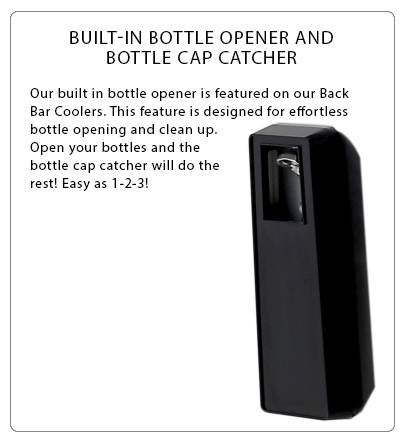
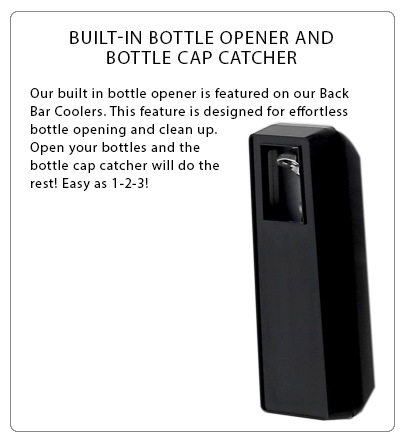
Sometimes, it’s the small details that make a big difference in daily use. Many modern coolers come with thoughtful features that add a ton of convenience. A built-in drain plug is essential for easy cleaning and emptying melted ice without having to tip a heavy cooler over. Some models include features like integrated bottle openers, cup holders, or even interior dividers to help you organize your drinks. These extras might seem minor, but they can streamline your process and improve the overall user experience. When you’re comparing models, consider which of these additional features will genuinely make your job easier.
Top Beer Cooler Brands to Know
When you start looking for a beer cooler, you'll quickly notice a few brand names that pop up again and again. Each one has carved out a niche, whether it's through rugged construction, innovative features, or an unbeatable price point. Understanding what each brand brings to the table will help you narrow down your options and find the perfect fit for your needs, whether you're stocking a commercial kitchen or just planning a weekend camping trip.
From premium models that promise to keep ice frozen for days to convenient, ice-free solutions, the market is full of great choices. We'll walk through some of the top players, including our own commercial-grade selections, so you can see how they stack up. This will give you a solid foundation for choosing a cooler that not only meets your performance expectations but also fits your budget and your specific restaurant equipment needs.
The Restaurant Warehouse Selection
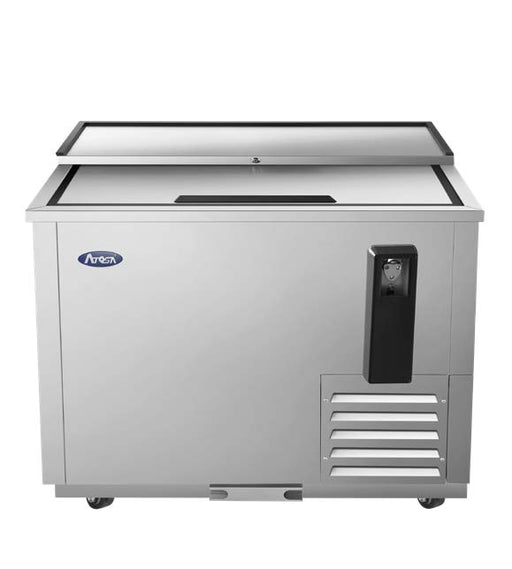
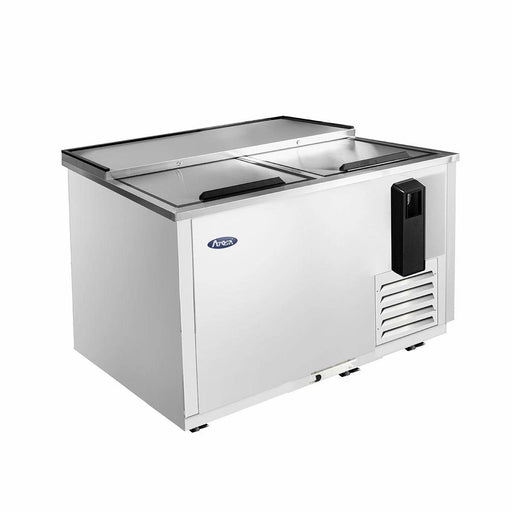
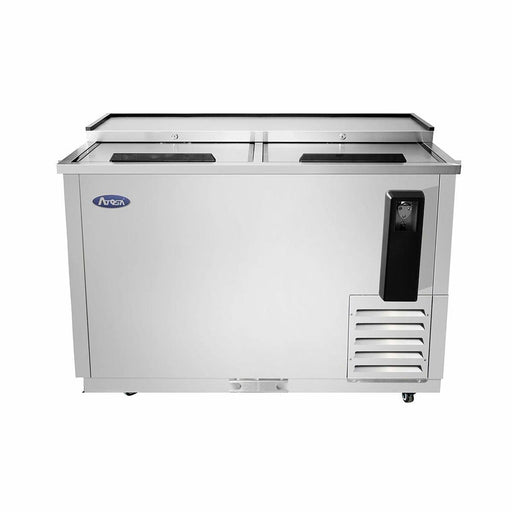
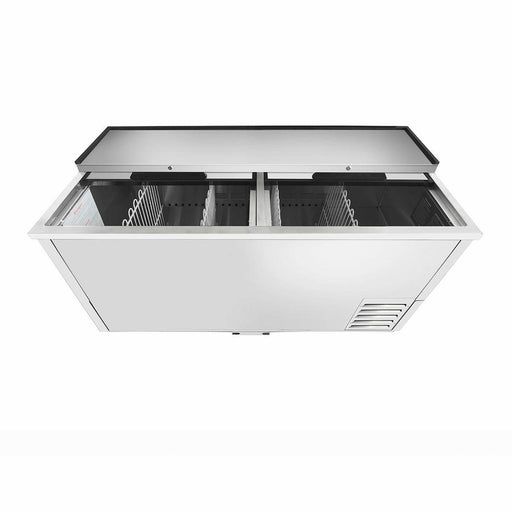
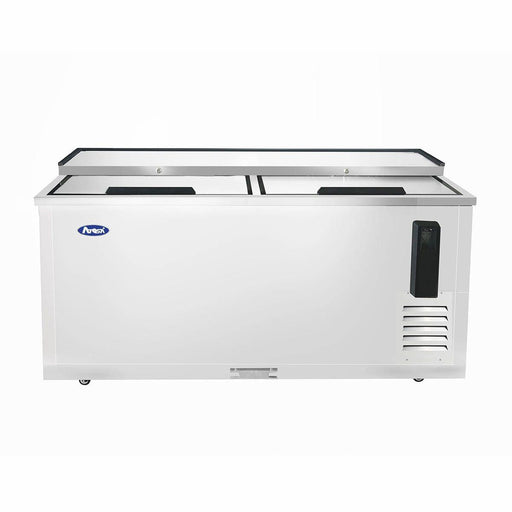
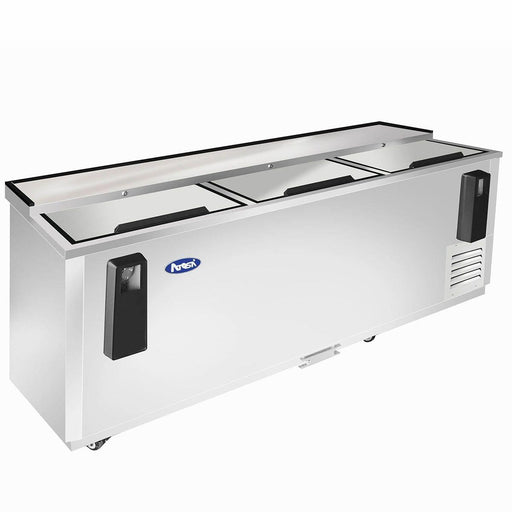
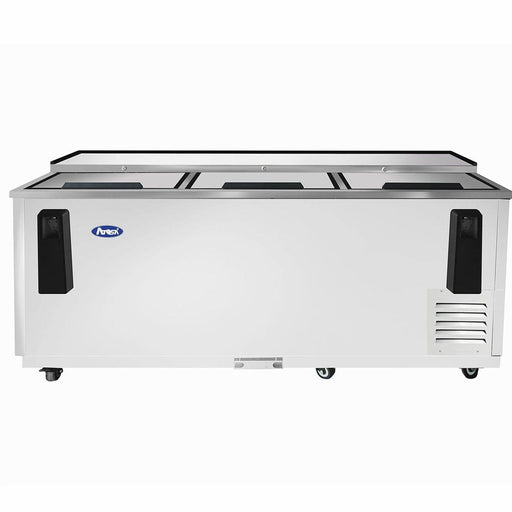
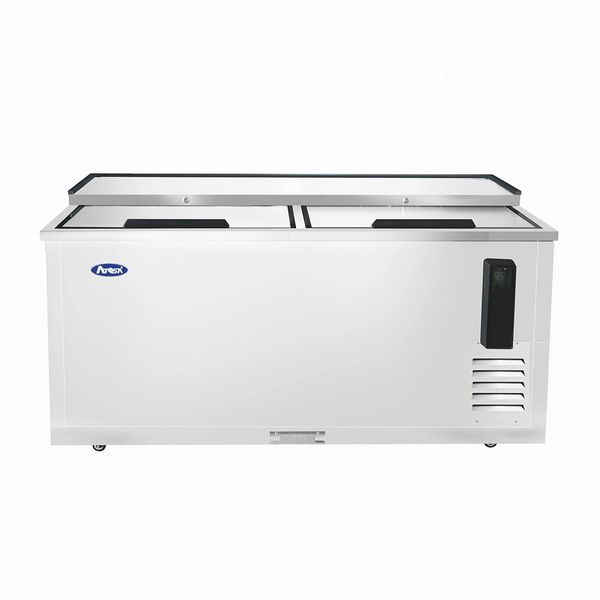
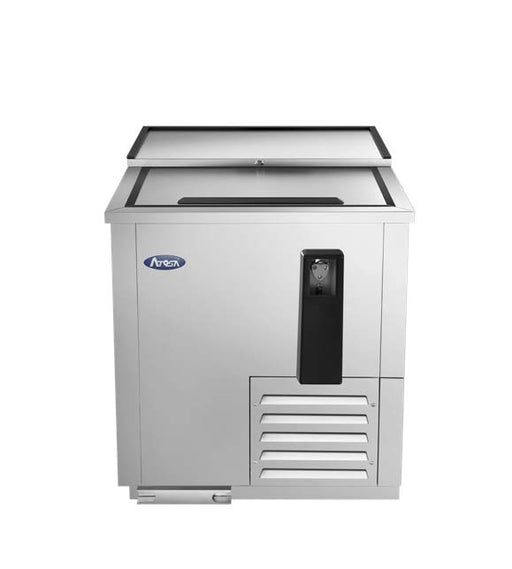
For businesses in the foodservice industry, a standard cooler often isn't enough. You need something designed for display and high-volume use. That's where commercial ice bin merchandisers come in. These units are specifically built to keep beverages ice-cold while showcasing them to customers, making them perfect for checkout lines, outdoor patios, or event spaces. At The Restaurant Warehouse, our beverage coolers are built to withstand the daily demands of a busy environment, ensuring your drinks stay chilled and accessible for easy sales.
YETI: The Premium Standard
YETI has become synonymous with high-performance coolers, and for good reason. They are known for their incredibly tough, rotomolded construction and superior ice retention. A model like the YETI Roadie 24 is a great example of their design philosophy: it’s compact enough to fit behind a car seat, tall enough to hold wine bottles upright, and can hold 18 beers with plenty of ice. While they come with a premium price tag, YETI coolers are an investment in long-lasting quality. If you need a cooler that can handle rough conditions and keep contents cold for days on end, YETI is a top contender.
Coleman: Reliable and Affordable
Coleman is a classic brand that has been a staple at picnics and campsites for generations. They offer reliable, no-frills coolers at a very accessible price point. A simple model like the Party Circle Cooler is perfect for day trips, keeping ice for up to 12 hours without breaking the bank. While they may not have the extreme ice retention of more expensive brands, Coleman coolers are a practical and affordable solution for casual use. They are a fantastic choice if you need a dependable cooler for backyard barbecues or short outings and don't require multi-day cooling power.
Dometic: Professional-Grade Cooling
If your needs lean more toward professional or extreme use, Dometic is a brand to consider. Their coolers, like the Cool-Ice series, are built to handle harsh environments. With thick, refrigeration-grade foam insulation and a rotomolded design, these iceboxes are made to endure bumpy rides, dust, and hot weather while keeping food and drinks fresh. Dometic coolers are a favorite among serious campers, overlanders, and caterers who need professional-grade performance they can rely on in any condition. They offer a great balance of durability and powerful insulation for demanding situations.
Kanga: The Ice-Free Innovator
For those who hate dealing with melted ice, Kanga offers a clever solution. The Kanga Kase Mate is an iceless cooler designed to wrap around a cold case of beer, seltzer, or soda. It uses a three-layer insulating system to keep beverages cold for up to seven hours without any ice. This makes it incredibly lightweight and convenient for tailgates, beach trips, or any event where you want to grab a case and go. It’s not meant for multi-day trips, but for short-term, hassle-free cooling, Kanga’s innovative approach is hard to beat.
What Size Cooler Do You Actually Need?
Picking the right cooler size can feel a bit like a Goldilocks situation—you don’t want one that’s too big and bulky to carry, but you also don’t want one that’s too small to hold what you need. Cooler capacity is usually measured in the number of 12-ounce cans it can hold or by its internal volume in quarts. The best way to decide is to think about how you’ll actually use it. Are you packing lunch for one, bringing drinks for the whole team, or stocking a commercial event?
Your answer will point you toward the perfect size. A massive cooler is great for a week-long camping trip but overkill for a picnic in the park. On the other hand, a small personal cooler won’t cut it for a family reunion. Let’s break down the common sizes and what they’re best for, so you can find the one that’s just right for you.
For You: 12-24 Can Capacity
If you need a cooler for solo adventures or packing your own lunch, the 12- to 24-can range is your sweet spot. These are typically compact, lunchbox-style coolers that are easy to grab and go. A cooler like the Kanga BrewBox is designed to perfectly fit a 12-pack, making it ideal for bringing a few drinks to a friend’s house or for a quiet afternoon outdoors. This size is all about personal convenience. It’s lightweight, doesn’t take up much space in your car, and holds just enough for one or two people without any wasted space.
For Small Groups: 24-48 Can Capacity
Planning a beach day with friends or a family picnic? A cooler that holds between 24 and 48 cans is probably what you need. This mid-size range offers a great balance of capacity and portability. It’s large enough to hold drinks and snacks for a small group of four to six people for an afternoon. For example, some backpack coolers can easily accommodate a 24-pack of cans or a mix of drinks and food. This size is versatile enough for most casual get-togethers, giving you plenty of cold storage without requiring a team lift to move it.
For Large Gatherings: 48+ Can Capacity
When you’re in charge of drinks for a tailgate, a backyard barbecue, or a weekend camping trip with the whole crew, you’ll want to go big. A cooler with a capacity of 48 cans or more ensures you won’t run out of cold beverages. These larger models can range from around 5 cubic feet to massive 30-cubic-foot chests. While they are heavier and bulkier, their generous space is essential for keeping a large party happy and hydrated. You’ll have plenty of room for drinks, food, and all the ice needed to keep things chilled for days.
For Commercial Use: 100+ Can Capacity
For restaurant owners, caterers, or event planners, standard consumer coolers just won’t do. Commercial needs demand commercial-grade capacity, which means looking at coolers that can hold 100 cans or more. These heavy-duty coolers come in various forms, including barrel-shaped merchandisers, large floor models, and even countertop units designed for service. When you’re running a business, these coolers are essential pieces of restaurant equipment. They provide the reliable, high-volume cold storage you need to serve customers at festivals, outdoor events, or busy patio services, ensuring your beverages are always perfectly chilled.
Find the Best Beer Cooler for Any Occasion
The best beer cooler isn’t a one-size-fits-all solution. The heavy-duty cooler that’s perfect for a week-long camping trip would be overkill for a casual afternoon at the beach. Choosing the right one comes down to where you’re going, how long you’ll be there, and how many drinks you need to keep cold. Before you even start looking at brands or models, think about your primary use case. Are you looking for extreme ice retention for off-grid adventures, or do you need something lightweight and easy to carry for a party? Maybe you need a high-capacity option for backyard barbecues that can serve a crowd. Matching the cooler’s features to the occasion ensures your drinks are perfectly chilled every time, without you having to haul around more than you need. It's the same principle as outfitting a kitchen—you wouldn't buy a massive walk-in freezer for a small cafe. It's about finding the right tool for the job. This guide will help you identify the key features for different activities, so you can invest in a cooler that truly meets your needs, whether you're serving customers on a patio or just friends in your backyard. Let’s break down the best options for a few common scenarios.
Camping and Outdoor Trips
When you’re out in the wilderness, your cooler needs to be tough. Durability and top-tier insulation are non-negotiable. Look for models with rotomolded construction, which can handle being bumped around in a truck bed or at a campsite. A great example is the Yeti Roadie 24, known for its rugged build and ability to keep ice for days. For serious outdoor trips, you need a cooler that can protect your provisions from the elements and wildlife. A quality cooler is a key piece of gear, just as essential as a good tent. Investing in durable restaurant equipment follows the same logic—you need it to perform reliably, day in and day out.
Beach Days and Pool Parties
For a day of fun in the sun, convenience is your top priority. You don’t need a cooler that can survive a bear attack; you need one that’s light enough to carry across hot sand or a crowded pool deck. The Coleman 8.5 Litre Party Circle Cooler is a perfect example—it’s lightweight, easy to handle, and keeps drinks cold for up to 12 hours, which is more than enough for an afternoon hangout. Look for coolers with comfortable handles and a compact design. For these shorter events, you can prioritize portability over long-term ice retention, making your setup and cleanup much simpler.
Tailgating and Sporting Events
Tailgating requires a strategic approach. You need a cooler that’s compact enough to fit in a packed car but spacious enough to hold drinks for your crew. The Kanga BrewBox is a smart choice because it’s lunchbox-sized but can fit a 12-pack, making it incredibly easy to transport. For these events, efficiency is key. You want quick access to cold drinks without taking up too much space. If you’re serving food, having reliable equipment like portable deep fryers can turn a simple tailgate into a memorable meal, ensuring your hot food is as impressive as your cold drinks.
Backyard Barbecues
At a backyard barbecue, your cooler becomes a social hub. Since you don’t have to worry about portability, you can opt for a larger portable ice chest or beverage cooler. These models are designed to hold a high volume of drinks and provide easy access for guests, so you aren’t stuck playing bartender all day. A good beverage cooler not only keeps drinks perfectly chilled but also adds to the festive atmosphere of an outdoor gathering. For restaurant owners creating a patio space, having commercial-grade refrigerators and beverage bins is essential for serving customers efficiently and keeping drinks at the perfect temperature.
Festivals and Public Events
If you’re heading to a multi-day festival, a high-quality cooler is a worthwhile investment. You’ll need something with exceptional ice retention, as some models can keep beer cold for up to five days. This is crucial when you don’t have access to a store for ice refills. Look for coolers with thick insulation, a tight-sealing lid, and durable construction to withstand the crowds and elements. For long events, performance is everything. It’s similar to how a restaurant relies on its commercial freezers to preserve ingredients over time—the right equipment ensures quality from start to finish.
Price vs. Performance: What to Expect
When you’re shopping for a beer cooler, it’s easy to get sticker shock. Prices can range from a casual twenty bucks to several hundred dollars. So, what does that extra money actually get you? The main difference between a budget-friendly cooler and a high-end one comes down to two things: ice retention and durability. A more expensive cooler is built with thicker insulation and tougher materials, meaning it will keep your drinks cold for days longer and withstand more wear and tear from being loaded in and out of trucks or used at busy events.
However, that doesn't mean you need to spend a fortune to get a great cooler. The best choice depends entirely on how you plan to use it. For a simple backyard party, a basic model will do the job just fine. But if you’re catering an outdoor wedding or heading out on a multi-day trip, investing in a high-performance model is worth it. Think of it like any other piece of restaurant equipment; you choose the tool that fits the job. Let's break down what you can expect at each price point so you can find the right balance of features and value for your needs.
Budget-Friendly Options (Under $50)
You can find some surprisingly effective coolers in the under-$50 range. These models are perfect for casual use, like a day at the beach or a picnic in the park. While they won’t keep ice frozen for a week, they offer decent insulation for short-term cooling. For example, the Igloo 10-gallon water cooler is a versatile and affordable choice often used for home brewing. Some of the best budget coolers can even hold ice for a few days under the right conditions. These coolers are lightweight and straightforward, making them a practical choice when you just need to keep things chilled for an afternoon.
Mid-Range All-Rounders ($50-$150)
This price range is the sweet spot for most people, offering a great balance of performance, durability, and cost. Mid-range coolers typically feature better insulation and more robust construction than their budget counterparts. You’ll find models with thicker walls, sturdier handles, and more secure latches. A great example is the Igloo MaxCold Cooler, which is known for its impressive ice retention without a premium price tag. These all-rounders are ideal for weekend camping trips, tailgating, or as a reliable backup for your business’s outdoor events. They provide a significant step up in performance without requiring a huge investment.
High-Performance Models ($150+)
When you need guaranteed performance for several days, it’s time to look at high-end coolers. These models are built for serious use, featuring advanced insulation and rugged, roto-molded construction that makes them nearly indestructible. They are designed to keep ice frozen for a week or more, even in hot weather. If your business depends on keeping beverages and food at safe temperatures for catering or multi-day events, this is the category for you. For permanent or large-scale cooling needs, you might even consider dedicated commercial refrigerators to ensure consistent, reliable temperature control.
What Really Affects Performance?
So, what makes one cooler outperform another? It’s all in the design and materials. The most critical factor is insulation—thicker, higher-quality foam in the walls and lid traps cold air more effectively. Construction also plays a huge role; roto-molded coolers are made from a single piece of plastic, making them incredibly durable and eliminating seams where cold air can escape. Finally, look at the details. A tight-fitting lid with a rubber gasket creates a perfect seal, while sturdy latches keep it shut securely. Understanding these elements will help you choose the best cooling equipment for any situation.
How to Prioritize Features for Your Needs
With so many cooler options out there, it’s easy to get overwhelmed. The secret to finding the right one is to stop looking at every feature and start focusing on what you actually need. Are you running a catering business that requires moving hundreds of cans, or do you just need something for a weekend camping trip? Thinking about your primary use case will help you decide which features are must-haves and which are just nice-to-haves. Let's break down the most common choices you'll face.
Ice-Free vs. Traditional Ice
The choice between ice-free and traditional coolers is all about convenience versus cooling power. Ice-free models are designed to keep pre-chilled drinks cold for hours without any ice, which means no messy meltwater and more space for beverages. They’re perfect for short events or tailgates where you want to grab and go. On the other hand, traditional coolers that use ice can keep contents cold for days. This makes them the go-to for longer trips or commercial settings where you need sustained temperature control for a multi-day event. If long-lasting cold is your priority, a classic ice chest is your most reliable option.
Wheels vs. Handles
How you plan to move your cooler is a bigger deal than you might think. For small coolers, sturdy handles are fine. But when you’re dealing with a large, fully-stocked cooler for your business, wheels are a must. Imagine hauling a 100-can cooler across a parking lot—casters make that task manageable instead of a back-breaking chore. Many commercial ice chests and other types of restaurant equipment are designed with mobility in mind. Prioritize wheels if you know you’ll be transporting heavy loads frequently. It’s a simple feature that saves a lot of physical strain during setup and breakdown.
Hard vs. Soft Coolers
Your choice between a hard or soft cooler depends on durability and use case. Soft coolers are lightweight, flexible, and easy to store, making them ideal for picnics or casual outings. They’re great for carrying a 12-pack and a few snacks. Hard coolers, however, are built for toughness and superior insulation. Their rigid construction protects contents from getting crushed and provides a better seal, so ice lasts longer. For any professional foodservice application, from catering to outdoor bars, a durable hard cooler is the standard. It can withstand the demands of a busy environment while keeping your products perfectly chilled.
Tech Features: Temperature Control and Monitoring
For a casual user, "cold" is good enough. But in a professional setting, precision is key. Serving a beer at the wrong temperature affects its taste and quality. This is where tech features come in. Some high-end coolers and commercial refrigerators offer digital temperature controls and external displays, letting you monitor the internal climate without opening the lid. This is crucial for maintaining consistency, especially for craft beers with specific serving requirements. While these features add to the cost, they provide a level of quality control that is invaluable for any business that takes its beverage service seriously.
Get the Most Out of Your Cooler
A high-quality cooler is a fantastic investment, but its performance really comes down to how you use it. Just like any piece of professional restaurant equipment, a little technique goes a long way. Think of your cooler as a portable refrigerator—it’s designed to maintain cold temperatures, not create them from scratch. With a few simple strategies, you can keep your drinks perfectly chilled and your food fresh for much longer, whether you're catering an outdoor event or just enjoying a day off.
The key is to work with your cooler, not against it. This means preparing your cooler and its contents beforehand, packing everything strategically, and being mindful of how you handle it during use. These tips will help you get the absolute best performance out of your cooler, ensuring everything inside stays as cold as possible for as long as possible. Let’s walk through the steps to make your cooler work smarter, not harder.
Pre-Cooling and Ice Tips
First things first: always pre-cool your cooler. If it’s been sitting in a warm storage room or a hot car, it has a lot of heat to lose before it can start keeping things cold. The night before you plan to use it, bring your cooler inside and fill it with some sacrificial ice or a few frozen jugs of water. This will chill the insulation itself, giving you a huge head start. When you’re ready to pack, dump the sacrificial ice and start fresh. Also, make sure everything you plan to put inside is already cold. A cooler’s job is much easier when it’s just maintaining the chill from your refrigerators. And once your ice starts to melt, resist the urge to drain the water. That cold water is still below freezing and helps insulate the remaining ice, making it last longer.
How to Pack Your Cooler Like a Pro
How you pack your cooler makes a world of difference. Start by creating a solid base layer of block ice or frozen ice packs on the bottom, as they melt slower than cubed ice. Before you even bring your beer to the cooler, make sure it’s been stored upright in a cool, dark place to preserve its quality. When you’re ready to pack, place your drinks and food items on top of the ice base. Then, fill in all the gaps with cubed ice, making sure to get it in between cans and containers. Air is the enemy of cold, so the less empty space, the better. Finish with a final layer of ice on top. This method ensures that cold air circulates evenly and everything stays consistently chilled.
Keeping Things Cold Longer
Once your cooler is packed, your job is to protect that precious cold air. The most important rule is to keep the lid closed as much as possible. Every time you open it, you’re letting warm air in and forcing the cooler to work harder. When you do need to grab something, be quick about it. It also helps to keep the cooler out of direct sunlight. Tuck it under a table, an awning, or even a blanket to shield it from the sun’s rays. Inconsistent temperatures are a major challenge for any cooler, so maintaining a stable environment is crucial for keeping your beer at the perfect serving temperature and your food safe. For multi-day events, be prepared to top off the ice as it melts.
Common Mistakes to Avoid
A few common missteps can quickly ruin your cooler’s performance. One of the biggest is trying to cool down warm drinks and food inside the cooler—always pre-chill everything first. Another issue is over-freezing drinks. While it might seem like a good shortcut, putting a beer in commercial freezers for too long can cause it to explode, creating a huge mess and wasting product. You should also avoid leaving large air pockets, as they speed up melting. Finally, improper storage can lead to lingering odors that affect the taste of your drinks. Always clean your cooler thoroughly after use and make sure it’s completely dry before storing it with the lid slightly ajar to prevent musty smells.
How to Make Your Cooler Last
A good cooler is an investment, whether it's a portable unit for events or a commercial back bar cooler for your establishment. Just like any other piece of essential restaurant equipment, a little bit of care goes a long way in extending its life and ensuring it performs at its best. Consistent maintenance means your cooler will keep beverages perfectly chilled, operate efficiently, and save you from the headache of unexpected replacements. Think of it this way: the time you spend on upkeep protects both the quality of the drinks you serve and the money you spent on the cooler itself. These simple habits will help you get years of reliable service from your cooler.
Cleaning and Sanitizing Basics
Keeping your cooler clean is the first step to making it last. For routine cleaning, a simple solution of mild soap and warm water is all you need. Wipe down all interior and exterior surfaces, paying special attention to corners where grime can build up. It’s also a great practice to clean up any spills as soon as they happen to prevent sticky residues and potential mold growth. For commercial refrigerators, make sure to also check and clear any drain lines to prevent clogs. A clean cooler not only looks better but also prevents unwanted flavors from transferring to your beverages.
How to Store Your Cooler
Proper storage is key, especially for portable coolers that aren't in use year-round. Before you put it away, make sure the cooler is completely clean and dry on the inside. Storing it while wet is a recipe for mildew and musty smells. Prop the lid open slightly to allow air to circulate and keep the interior fresh. For fixed commercial coolers, "storage" is more about placement. Try to position the unit in a spot with good airflow, away from heat-generating equipment like ovens or deep fryers. This helps the compressor run more efficiently and prevents it from overworking.
How to Prevent Odors and Stains
No one wants a cooler that imparts a funky smell or taste. The best way to prevent odors and stains is by staying on top of your cleaning routine and wiping up spills immediately. If you do notice a lingering smell, you can place an open box of baking soda inside to absorb it—this works for both portable and commercial units. Bad odors are often a direct result of poor maintenance, so regular cleaning is your best defense. This simple step ensures that every beer you serve tastes exactly as it should, without any off-flavors from its environment.
Fixing Common Problems
If your cooler isn't holding its temperature, a few common issues could be the cause. For portable coolers, one of the biggest mistakes is draining the cold water as the ice melts. That icy water is still below freezing and helps insulate the remaining ice, keeping everything colder for longer. For commercial units, check that the door seals are tight and free of cracks, as gaps can let cold air escape. Also, ensure the unit isn't overpacked, which can block airflow and lead to inconsistent cooling. Regular checks can help you catch these small problems before they turn into bigger, more expensive ones.
Where to Find the Best Deals on Beer Coolers
Finding the right beer cooler at the right price is a big win for any business. A quality cooler is an investment, but it doesn't have to break the bank. With a little strategy, you can find excellent deals that help you keep your drinks perfectly chilled and your budget in check. Whether you're buying your first unit or upgrading your entire lineup, knowing where and when to look can save you a significant amount of money. Let's walk through a few of the best ways to score a great deal on your next beer cooler.
The Restaurant Warehouse Equipment Financing
Sometimes, the best "deal" isn't about the lowest price tag but about manageable payments. If you need a high-quality commercial cooler now but want to protect your cash flow, exploring restaurant equipment financing is a smart move. This approach allows you to get the equipment you need to operate effectively without a massive upfront cost. Instead, you can spread the expense over time with predictable monthly payments. It’s an ideal solution for new businesses getting off the ground or established spots looking to upgrade their refrigerators and freezers without draining their capital.
Where to Look for Seasonal Sales
Patience can pay off, especially when it comes to seasonal sales. Many suppliers offer discounts around major holidays like Black Friday, Memorial Day, or at the end of a season. This is the perfect time to purchase equipment you’ve been eyeing. I recommend signing up for email newsletters from your favorite equipment suppliers so you’re the first to know when a sale drops. Planning your purchase around these events can lead to substantial savings, allowing you to invest in a higher-quality model or simply keep more money in your pocket for other business needs.
Buying in Bulk for Your Business
If your business needs more than one cooler, buying in bulk is one of the most effective ways to save. Many suppliers offer wholesale pricing or volume discounts when you purchase multiple units at once. This is especially helpful if you're outfitting a new restaurant, opening a second location, or doing a complete overhaul of your bar area. When you shop for restaurant equipment, always ask if a discount is available for a larger order. This simple question can reduce your cost per unit and make a big difference to your bottom line.
Related Articles
- The Best Cooler for Beer: A Buyer's Guide
- Bottle Cooler 101: Your Ultimate 2025 Guide
- Commercial Keg Cooler | Atosa MKC23 | Lease to own bar equipment
Frequently Asked Questions
Is it really worth spending more on a high-end cooler? For professional use, absolutely. While a budget cooler works fine for a casual afternoon, a high-performance model is an investment in reliability. The extra cost gets you superior insulation that keeps ice frozen for days, not hours, and rugged construction that can handle the demands of a busy event or kitchen. Think of it as the difference between a tool you use once and one you depend on for your business every single day.
What's the most common mistake people make when using a cooler? The biggest mistake is trying to cool down warm items inside the cooler. A cooler is designed to maintain cold, not create it. Always pre-chill your beverages and the cooler itself with some sacrificial ice overnight. Another common error is draining the cold water as the ice melts. That icy water is still helping to insulate the remaining ice, so leaving it in will actually keep things colder for longer.
How do I choose between a hard cooler and a soft cooler for my business? Your choice comes down to durability versus portability. Soft coolers are fantastic for their light weight and easy storage, making them ideal for small catering drop-offs or personal use. For any serious commercial application, however, a hard cooler is the standard. Its rigid, tough construction offers far better insulation and protects your products from being crushed during transport.
How can I make the ice in my cooler last as long as possible? It all comes down to preparation and packing. Start by pre-chilling your cooler, then use a combination of block ice on the bottom and cubed ice to fill in the gaps. Air is the enemy of cold, so pack everything tightly to eliminate empty space. Once it's packed, keep the cooler in the shade and resist the urge to open the lid constantly. Every time you open it, you let warm air in.
Besides size, what's the most important feature for a commercial-use cooler? Durability is the most critical feature. In a professional setting, your equipment needs to be tough enough to handle constant use. Look for models with rotomolded construction, heavy-duty latches, and sturdy hinges. Beyond that, practical features like wheels for easy transport and a drain plug for simple cleaning can make a huge difference in your daily workflow.
About The Author
Sean Kearney
Sean Kearney used to work at Amazon.com and started The Restaurant Warehouse. He has more than 10 years of experience in restaurant equipment and supplies. He graduated from the University of Washington in 1993. He earned a BA in business and marketing. He also played linebacker for the Huskies football team. He helps restaurants find equipment at a fair price and offers financing options. You can connect with Sean on LinkedIn or Facebook.
Leave a comment