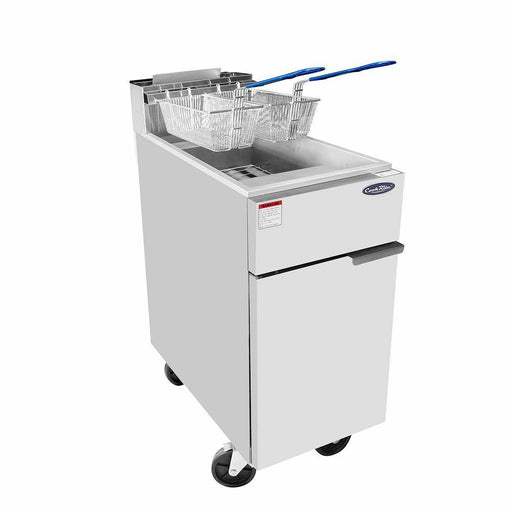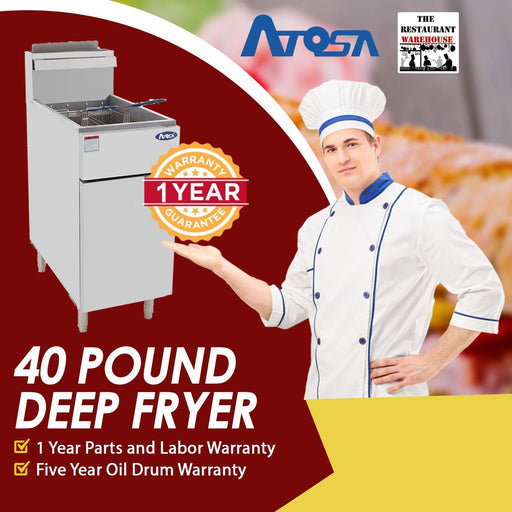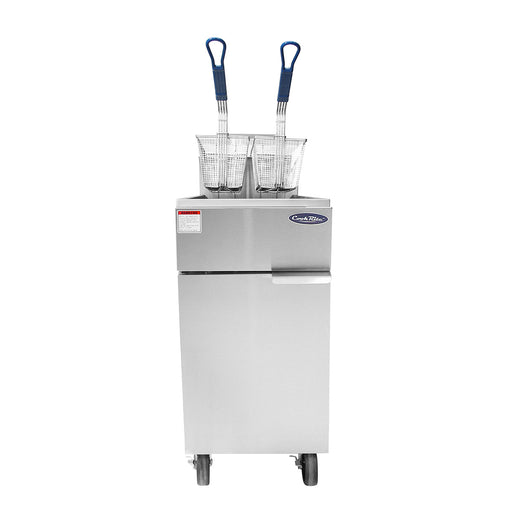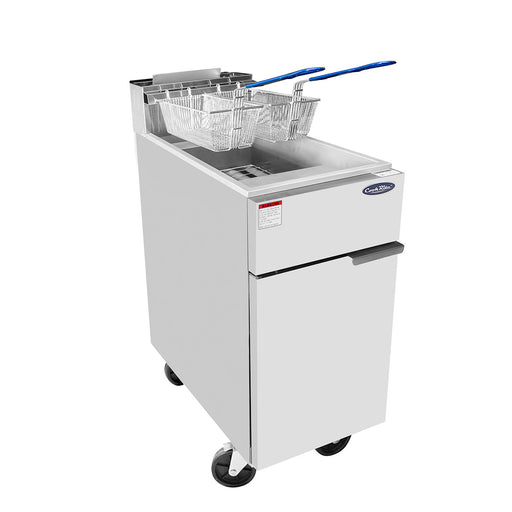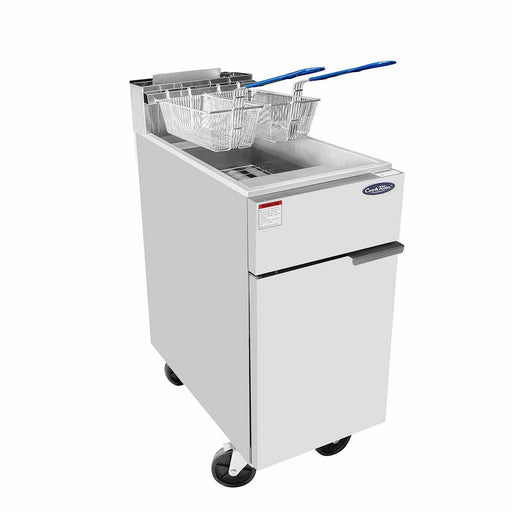
Choosing the Perfect 40 Lb Gas Fryer for Your Kitchen
In your kitchen, consistency is everything. Customers come back for that perfectly golden-brown order of fries they loved last time. The machine at the heart of it all is your fryer. If your current setup is pumping out greasy food or just can’t keep up with the dinner rush, it’s time for an upgrade. A powerful 40 lb gas fryer solves these problems with its quick recovery time and steady heat. This guide cuts through the noise, showing you exactly what to look for so you can choose a machine that delivers delicious, reliable results every single time.
Key Takeaways
- Look Beyond the Oil Capacity: A fryer's real power lies in its BTU rating and recovery time, not just how much oil it holds. A fast recovery time is the secret to consistently crispy food and is essential for keeping up with a busy service without serving greasy results.
- Smart Features Protect Your Budget and Your Team: Prioritize fryers with built-in filtration systems and automatic safety shut-offs. Filtration drastically cuts down on your oil costs over time, while robust safety features are a non-negotiable investment in the well-being of your staff and kitchen.
- Daily Maintenance is Your Key to Longevity: A commercial fryer can last for a decade with the right care. Make daily oil filtering and a thorough wipe-down a standard part of your closing routine to ensure consistent food quality, prevent costly repairs, and protect your investment.
Is a 40 lb Gas Fryer Right for Your Kitchen?
If you’re outfitting a commercial kitchen, a 40 lb gas fryer is likely on your radar. It’s a popular, versatile piece of equipment for a reason. This size hits the sweet spot for many restaurants, from bustling diners to quick-service spots, by offering a great balance of cooking capacity and kitchen footprint. But before you add one to your cart, let's walk through why it might be the perfect workhorse for your team and what you need to consider to make a confident choice. Making the right decision now will help you serve up perfectly crispy food for years to come.
Enjoy Powerful and Efficient Frying
When the dinner rush hits, you need equipment that can keep up. Gas fryers are built to cook large amounts of food quickly, and a 40 lb model is no exception. A quality fryer can cook 1.5 to 2 times its oil weight in food per hour. That means a 40-pound fryer can produce between 60 and 80 pounds of perfectly fried food every hour. This kind of output ensures your kitchen can handle high-volume periods without missing a beat, keeping both your cooks and your customers happy. If you need reliable performance under pressure, exploring different deep fryers is a great place to start.
How a Gas Fryer Saves You Money
Running a restaurant means keeping a close eye on your budget, and your equipment plays a big role in your bottom line. Investing in a new, efficient gas fryer can lead to significant savings over time. Modern fryers can cut your oil costs by up to 40%, which adds up quickly and improves your kitchen’s profitability. While gas fryers are known for their power, it's a common misconception that they are always cheaper to run than their electric counterparts. It’s important to weigh the initial investment against your daily operational costs. If you're planning a purchase, looking into restaurant equipment financing can make it easier to get the high-quality gear you need without a huge upfront expense.
Matching Fryer Size to Your Menu
A fryer is a big commitment, so it’s essential to make sure it’s the right fit for your specific setup. Before you buy, grab a tape measure and check your available space against the fryer’s dimensions. You’ll need to account for proper clearance and ventilation. Beyond size, think about your menu. Are you frying pre-breaded frozen items or fresh, hand-battered foods? Choosing the wrong type of fryer can lead to slower cook times and higher operational costs. Taking the time to assess your needs will help you shop restaurant equipment with confidence and find the perfect match for your kitchen's workflow.
Commercial vs. Home Fryers: What's the Difference?
While a home fryer might work for a small batch of fries on a Saturday night, it simply can't handle the demands of a professional kitchen. The difference comes down to three key areas: power, durability, and safety. Commercial fryers are engineered for continuous, high-volume use, with powerful heating elements that keep the oil at a consistent temperature, even when you drop in a basket of frozen onion rings. This rapid recovery time is the secret to perfectly crispy food, not greasy, soggy results. A home unit, on the other hand, will struggle to get back to temperature, which slows down your ticket times and lowers your food quality. Investing in professional-grade deep fryers is a foundational step for any serious food business.
Beyond performance, commercial fryers are built to last. They are typically constructed from heavy-duty stainless steel that can withstand the heat, grease, and constant cleaning of a busy kitchen environment. With proper care, a commercial fryer is a long-term investment that can serve your restaurant for a decade. They also come equipped with essential safety features that you won’t find on a home model, such as high-temperature shut-off switches to prevent fires. These features aren't just nice to have; they are critical for protecting your staff, your kitchen, and your business. When you’re outfitting your kitchen, choosing equipment designed for the job is always the right call.
What to Look For in a 40 lb Gas Fryer
When you’re shopping for a new fryer, it’s easy to get caught up in the price tag and brand name. But the real value lies in the features that make your kitchen safer, more efficient, and more profitable. A great fryer isn't just a piece of equipment; it's a workhorse that should make your job easier and your food taste better. Let’s break down the essential features you should look for to make sure you’re getting a machine that will serve you well for years to come.
Nail the Perfect Temperature Every Time
Consistency is everything in a professional kitchen. To get that perfect golden-brown crisp every time, you need a fryer that gives you exact control over the heat. Look for models that allow you to easily set the cooking temperature anywhere from 200 to 400 degrees Fahrenheit. This range gives you the versatility to cook delicate items at lower temperatures and quickly fry up heartier foods without burning them. Precise control means less guesswork, fewer mistakes, and a consistently delicious product your customers will love. It’s the key to ensuring your food is always cooked to perfection.
Safety Features You Can't Ignore
A busy kitchen is a hazardous environment, and a fryer full of hot oil is one of its biggest risks. That’s why safety features aren’t just nice to have—they’re non-negotiable. A critical feature to look for is an automatic safety shut-off system. This mechanism prevents the oil from overheating to dangerous levels, which is a primary cause of kitchen fires. Other features like a high-limit thermostat and cool-to-the-touch exteriors add extra layers of protection for your staff. Investing in a fryer with robust safety features is an investment in the well-being of your team and the security of your entire operation.
Look for NSF Certification
When you're buying equipment for a commercial kitchen, you'll see the letters "NSF" a lot. This isn't just jargon; it's a critical seal of approval. NSF certification means a third-party organization has tested the fryer to ensure it meets strict standards for public health and safety. This certification covers everything from the materials used in construction to whether the design is easy to clean and sanitize. For you, this is a guarantee that the equipment is built for the demands of a professional food environment. It ensures surfaces won't harbor bacteria and that the unit is designed for safe operation, which is essential for passing health inspections and protecting your customers. When you shop restaurant equipment, always look for that NSF mark.
Watch Out for Lid Condensation
Here’s a small detail that makes a huge difference in food quality: condensation. When hot steam rises from the fryer, it can collect as water droplets on the underside of a cool lid. If that water drips back into the hot oil, it can cause dangerous splattering and, just as bad, turn your crispy food soggy. A well-designed fryer will have features to manage this, like a vented lid or a design that channels condensation away from the oil. It might seem like a minor point, but preventing water from getting into your fryer oil is key to achieving that perfect, golden-brown texture and keeping your kitchen staff safe from hot oil splashes. Pay attention to the lid design when you're comparing models.
How to Spot a Fryer That's Built to Last
Your fryer will be put through its paces every single day, so it needs to be tough enough to handle the heat, grease, and constant use. The best deep fryers are made from high-quality stainless steel—including the pot, front, door, and sides. Stainless steel is the industry standard for a reason: it’s incredibly durable, resists rust and corrosion, and is simple to clean and sanitize. A well-built fryer with solid construction will withstand the demands of a commercial kitchen, ensuring you get a machine that offers longevity and reliable performance day in and day out.
Common Materials: Stainless vs. Galvanized Steel
As you compare different fryers, you'll notice two materials mentioned often: stainless steel and galvanized steel. For any part of the fryer that faces the daily grind, stainless steel is the only way to go. It’s significantly stronger and more resistant to rust and corrosion, which is a must-have in a hot, steamy kitchen environment. Plus, its smooth, non-porous surface makes it simple to wipe down and keep sanitized, which is a big win for food safety. You might see galvanized steel—which is just regular steel with a protective zinc coating—used for components like the back panel. This helps keep the overall cost down, but that zinc coating can wear off over time, leaving the steel underneath vulnerable. When you're investing in a workhorse for your kitchen, make sure the fry pot, front, and doors are all stainless steel. It’s the key to getting a durable machine that’s truly built to last.
Manage Your Frying Oil Like a Pro
Cooking oil is one of the biggest recurring expenses associated with frying. A fryer designed with smart oil management can make a significant impact on your bottom line. Look for models with a "cool zone" at the bottom of the fry pot. This area collects crumbs and sediment below the heating elements, keeping them out of the hot oil. This simple design feature prevents food particles from burning, which extends the life of your cooking oil and keeps it tasting fresh. Modern fryers are engineered to help your oil last longer, saving you money without sacrificing food quality.
Why Built-in Filtration Is a Game-Changer
Filtering your oil regularly is the single best thing you can do to extend its life and maintain the quality of your fried foods. While you can always filter oil manually, a fryer with a built-in filtration system makes the process faster, safer, and much more convenient. These systems drain the oil, filter out impurities, and pump it back into the fry pot with just the flip of a switch. Regularly filtering your oil is essential for saving money, as fresh oil is a major kitchen expense. A built-in system encourages more frequent filtering, which means better-tasting food and significant long-term savings.
Key Design Features to Consider
Beyond the core specs like power and safety, the smaller design details of a fryer can have a surprisingly big impact on your kitchen’s daily workflow. These features often separate a good fryer from a great one, making the cooking process smoother, cleaner, and more intuitive for your staff. Paying attention to these elements when you’re shopping will help you find a machine that not only cooks well but also fits seamlessly into your operational rhythm. From the style of the burners to the placement of a basket hook, these thoughtful details are what turn a piece of equipment into a reliable partner during a busy service.
Tube Style vs. Open Pot Burners
When you start comparing different deep fryers, you'll notice two main burner designs: tube style and open pot. A tube-style fryer has heating tubes running through the oil, which creates a "cool zone" at the bottom for sediment to collect without burning. This makes it the ideal choice for frying high-sediment foods like fresh, hand-battered chicken or fish, as it helps the oil last longer. An open-pot fryer, on the other hand, has no tubes inside the pot, leaving a wide-open, smooth surface that is much easier to clean. This design is perfect for kitchens that primarily fry low-sediment items like french fries or pre-breaded products. Your menu should be the deciding factor here.
Helpful Details: Oil Level Marks and Basket Hangers
Sometimes it’s the simplest features that make the biggest difference during a hectic shift. Look for a fry pot with clear oil level marks etched into the side. These lines take the guesswork out of filling the fryer, preventing dangerous overfills or underfilling that can scorch your oil and damage the heating elements. Another small but crucial feature is a sturdy basket hanger. This allows your team to hang freshly cooked baskets above the hot oil to drain, which results in a crispier final product and less oil waste. It also provides a secure resting spot for hot baskets, keeping your cooks safe and their stations organized.
Advanced Features: Programmable Controls and Auto-Refills
If consistency and efficiency are your top priorities, it’s worth looking at fryers with more advanced features. Programmable controls allow you to save specific time and temperature settings for different menu items. This means your fries, wings, and onion rings will come out perfectly cooked every single time, no matter who is working the fryer station. Some high-end models even offer automatic oil-refill systems that monitor oil levels and top them off as needed. This feature ensures optimal cooking conditions at all times and protects the fryer from damage caused by low oil levels, making it a smart investment for high-volume kitchens.
Let's Talk Tech: What the Specs Mean
When you’re looking at different fryers, the list of technical specifications can feel a little intimidating. But these numbers aren’t just jargon—they directly impact how your fryer performs during a busy service. Understanding a few key specs will help you choose a machine that cooks food efficiently, keeps up with demand, and fits perfectly into your kitchen’s workflow. Let’s look at the four most important technical details: power, capacity, size, and gas supply.
BTUs and Power: What Do They Mean?
BTU stands for British Thermal Unit, which is just a way of measuring heat output. For a gas fryer, a higher BTU rating means more power. This power determines how quickly the fryer heats oil from a cold start and, more importantly, how fast it recovers its temperature after you drop in a batch of frozen fries. A quick recovery is essential for cooking food evenly and preventing it from becoming greasy. Power output can range from 26,500 BTU for small models to over 600,000 BTU for huge systems. For a 40 lb model, look for a strong BTU rating to ensure your deep fryers can handle constant use without slowing you down.
Understanding the 90,000 BTU Standard
When you're comparing models, you'll often see 90,000 BTU listed as a standard, and for good reason. This level of power is a huge asset in a busy kitchen because it allows for incredibly quick recovery times. After you drop in a basket of food, the oil temperature needs to bounce back fast to ensure everything cooks evenly and comes out crispy, not greasy. A fryer with a 90,000 BTU rating can produce between 60 and 80 pounds of perfectly fried food every hour, making it a true workhorse during high-volume service. Choosing one of these powerful deep fryers ensures your kitchen can handle the dinner rush without sacrificing food quality or service speed.
Balancing Oil Capacity and Recovery Time
While this guide focuses on 40 lb fryers, that number only tells you how much oil the unit holds. The more important metric is how much food it can cook per hour. This is all about recovery time. A great fryer can cook 1.5 to 2 times its oil weight in food per hour. That means a 40-pound fryer should be able to produce 60 to 80 pounds of perfectly cooked food every hour. A fast recovery time ensures the oil temperature stays consistent, giving you that crispy, golden-brown finish your customers love. When a fryer recovers slowly, food absorbs more oil and comes out soggy.
Will It Fit? Measuring Your Kitchen Space
Before you fall in love with a fryer, make sure it will actually fit in your kitchen. The most powerful fryer in the world won’t do you any good if you can’t squeeze it into your cook line. Before you buy, measure your available space carefully and check the fryer's dimensions. The good news is that many powerful models are designed with a slim footprint to save valuable kitchen real estate. Think about your workflow, too. Consider where the fryer will sit in relation to your prep tables, freezers, and the service window to ensure your team can work efficiently and safely.
Typical Width of a 40 lb Fryer
When you're planning your kitchen layout, knowing the exact dimensions is key. For most 40 lb gas fryers, you can expect the width to be quite standard, typically falling between 15.5 and 16 inches. This relatively narrow profile is a huge advantage in tight kitchen spaces, allowing you to maximize your cooking power without sacrificing your entire cook line. While the width is a great starting point, don't forget to check the full specs for depth and height to ensure you have enough room for proper ventilation and safe operation. Having these precise measurements will help you confidently select the right commercial deep fryers that will fit perfectly into your kitchen's design and workflow.
Is Your Kitchen's Gas Supply Ready?
This is a crucial step you can’t afford to skip. Your new gas fryer needs to be compatible with your kitchen’s existing gas supply for it to operate safely and effectively. For gas fryers, check the gas line size needed—it’s usually a 3/4-inch or 1-inch connection. You also need to confirm that your building’s gas supply can handle the fryer’s BTU load, especially if you plan on running multiple pieces of gas restaurant equipment. If you’re unsure, it’s always best to consult with a licensed plumber or gas fitter to inspect your setup and ensure everything is up to code.
Fryers That Don't Need Electricity
How Thermostatic Millivolt Controls Work
In some kitchen setups, like food trucks or locations with spotty power, relying on electricity isn't always an option. That’s where gas fryers with millivolt controls come in. These clever machines operate entirely without an electrical hookup, giving you the freedom to fry anywhere. They use a thermostatic millivolt control system that allows you to precisely adjust the temperature between 200 and 400 degrees Fahrenheit. This means you get the same level of control and cooking consistency you'd expect from any high-end fryer, but with the added benefit of being completely off-grid. It’s a game-changing feature for anyone who needs reliable performance in a less-than-predictable environment.
So, how does it work without being plugged in? The secret is the pilot light. In a millivolt system, the standing pilot light does more than just ignite the main burners; it also heats a small device called a thermopile. This thermopile generates a tiny amount of electricity—just a few millivolts—which is enough to power the gas valve and thermostat. It’s a self-contained system that creates its own power to function. This simple yet brilliant design makes these deep fryers incredibly reliable, as there are no complex electrical components to worry about failing during a busy service.
This independence from the electrical grid doesn't mean you have to compromise on safety. Fryers with millivolt controls are still equipped with essential safety mechanisms, like automatic shut-off systems and high-limit thermostats, that prevent the oil from overheating. These features are also powered by the millivolt current, ensuring your kitchen and staff are protected. By choosing a fryer with this type of control system, you’re investing in a piece of restaurant equipment that is not only efficient and consistent but also fundamentally dependable and safe, no matter where you set up shop.
Which Gas Fryer Brands Can You Trust?
When you’re ready to invest in a new gas fryer, the number of brands on the market can feel overwhelming. But in the world of commercial kitchens, reputation is everything. Choosing a well-regarded brand isn’t about status; it’s about securing a piece of equipment that’s reliable, efficient, and built to withstand the pressures of daily service. The top brands have earned their place by consistently delivering on performance, incorporating smart technology, and understanding what chefs and restaurant owners truly need to succeed. They are the names you hear over and over again for a reason.
From innovators focused on energy savings to workhorses known for their sheer durability, there’s a brand that aligns with every kitchen’s priorities. We’ll walk through some of the most trusted names in the industry, including Frymaster, Pitco, Vulcan, Imperial, and American Range. Each one brings something unique to the table, whether it’s cutting-edge features that extend oil life or a rugged build that promises years of service. Understanding these differences will help you select one of the best deep fryers that not only fits your budget but also becomes a dependable part of your kitchen’s engine.
Our Top-Rated Fryer Brands
At The Restaurant Warehouse, we’ve seen firsthand which brands stand up to the heat. We stock the fryers that our customers, from bustling diners to high-end restaurants, trust day in and day out. Our curated selection focuses on brands that strike the perfect balance between performance, durability, and value. We believe you shouldn't have to compromise on quality to get a fair price. The brands we carry are chosen because they are proven performers that help your kitchen run smoothly and efficiently, making them a smart investment for any foodservice business. When you shop restaurant equipment with us, you can be confident you're getting a reliable product.
Frymaster
Frymaster is a name that’s practically synonymous with innovation in the frying world. This brand is a top choice for kitchens that prioritize efficiency and cutting-edge technology. Frymaster fryers are engineered to deliver high performance while often using less energy, which can make a real difference in your monthly utility bills. They are especially known for their precise temperature controls and fast recovery times, ensuring that every batch of food is cooked to consistent perfection, even during the busiest rush. If you’re looking for a smart fryer that helps you save on oil costs and delivers reliable results, Frymaster is a brand worth serious consideration.
Pitco
If you’re looking for a fryer that’s built to last and simple to operate, Pitco is a name that consistently comes up. Renowned for their durability, Pitco fryers are true kitchen workhorses designed to handle the demands of a high-volume environment without skipping a beat. Their designs often focus on ease of use, which means your team can get up to speed quickly with minimal training. Many Pitco models also feature built-in filtration systems, a game-changing feature that makes it easy to extend the life of your cooking oil. This saves you significant money over time and ensures your fried foods always taste fresh.
Vulcan
Vulcan has earned its stellar reputation in the foodservice industry by producing high-quality, powerful, and efficient equipment, and their fryers are no exception. This is a brand that chefs and kitchen managers trust to perform under pressure. Vulcan fryers are designed to maintain consistent temperatures during high-volume cooking, so you can count on them during your peak hours. They blend robust construction with energy-efficient performance, making them a solid, long-term investment. For a busy kitchen that needs a reliable and powerful fryer, a Vulcan is a choice you can depend on. A quality machine like this is a significant purchase, which is why we offer restaurant equipment financing to help you get the tools you need.
Imperial
When your kitchen demands equipment that can take a beating, Imperial is the brand to look for. Their fryers are specifically built for heavy-duty use, making them an ideal choice for the busiest and most demanding restaurant environments. Imperial focuses on creating robust, powerful machines that don’t back down from a challenge. Beyond their rugged construction, these fryers often include thoughtful features that improve cooking efficiency and enhance kitchen safety. For restaurant owners who need a no-nonsense, powerful fryer that can keep up with constant use, Imperial offers a dependable and solid solution that’s built for the long haul.
American Range
American Range is known for its robustly constructed equipment that delivers consistently high performance. Their fryers are designed to meet the rigorous demands of any commercial kitchen, providing the reliable cooking power you need to keep service moving. One of the standout qualities of American Range is its focus on ease of maintenance. The straightforward design makes cleaning and upkeep simpler, which is a huge plus for any busy kitchen manager looking to minimize downtime. If you need a strong, high-performing fryer that is also practical and easy to care for, American Range offers an excellent balance of power and user-friendly maintenance.
Ultrafryer
Ultrafryer is a brand that truly understands the demands of a high-volume kitchen, engineering its deep fryers for maximum efficiency and performance. They are known for their impressive oil capacity, with some models holding between 70 and 110 pounds, making them perfect for operations that need to push out large quantities of food without delay. What really sets them apart is their focus on smart technology like the UltraClear filtration systems. This built-in feature is a game-changer for managing oil costs, as it extends the life of your oil while ensuring your food always tastes fresh. With robust safety features like automatic shut-off systems and durable stainless steel construction, an Ultrafryer is a smart investment in productivity, safety, and long-term savings.
How to Install Your New Fryer Safely
Bringing a new gas fryer into your kitchen is a big step, and installing it correctly is just as important as choosing the right model. Proper installation isn't just about getting the fryer to work—it's about protecting your staff, your kitchen, and your investment. Taking the time to get this right from the start prevents major headaches and hazards down the road. Think of it as setting the foundation for countless perfectly fried dishes to come.
Why Proper Ventilation is Non-Negotiable
Proper ventilation is non-negotiable for a gas fryer. A commercial-grade hood and ventilation system is essential for removing grease-laden vapor, heat, and fumes from your kitchen. This keeps your air quality safe and reduces fire risk. Every city and state has its own rules, so your first step is to check your local codes. If you can’t find specific local guidelines, the installation must follow the National Fuel Gas Code. Make sure your ventilation system is professionally installed and capable of handling the output of your new fryer.
A Quick Guide to Safe Gas Line Connection
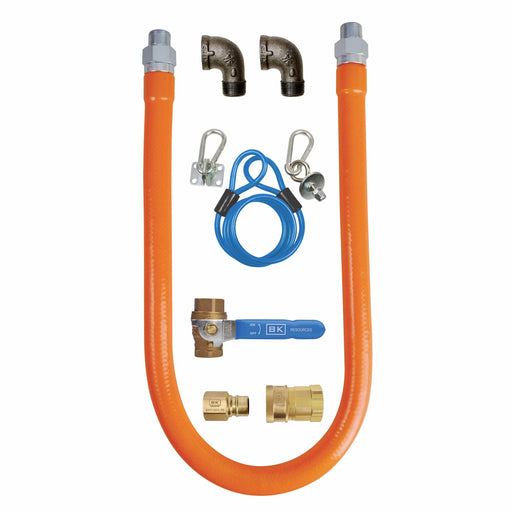
A secure gas connection is critical for safe operation. A gas leak is a serious hazard, and this is one area where you can't afford to cut corners. The gas line must be the correct size for your fryer model to ensure adequate fuel supply without pressure drops. All connections need to be properly tightened and sealed to prevent leaks. After the fryer is connected, a professional should always use a gas leak detection solution on all fittings and joints to confirm that the line is completely secure before you ever turn the fryer on.
Don't Forget Local Safety Codes
While modern deep fryers are designed with incredible safety features, they can only protect you if they’re installed correctly. Your fryer needs adequate clearance from walls and other equipment to prevent heat damage and reduce fire risk. Always follow the manufacturer's specific installation requirements, which you can find in the user manual. Complying with these standards isn't just about following rules; it’s about creating a safe workspace for your team and ensuring your equipment operates as intended for years to come.
Your Simple Installation Checklist
When it comes to installation, here’s the bottom line:
Do: Hire a qualified and certified technician to install your gas fryer. These professionals understand local codes, gas line requirements, and ventilation needs. They can ensure everything is set up safely and correctly from day one.
Don't: Attempt to install a gas fryer yourself unless you are trained and certified to do so. The risks of an improper installation—including gas leaks and fire hazards—are far too high. A professional installation is a small price to pay for peace of mind.
Gas vs. Electric: Which Fryer Is for You?
Deciding between a gas and an electric fryer is one of the first major choices you'll make. Both have their place in a professional kitchen, but they operate very differently. The best fit for you comes down to your kitchen's setup, your menu, and your local utility costs. Gas fryers connect to a natural gas or propane line, using an open flame to heat the oil. Electric fryers use heating elements submerged directly in the oil, much like a giant version of a home deep fryer.
While this guide focuses on the benefits of a 40 lb gas fryer, understanding the alternative helps you make a confident choice. Gas models are known for their raw power and quick response, making them a favorite in high-volume settings. Electric models, on the other hand, can offer precision and are sometimes easier to install if you don't have a gas line handy. Let's break down the key differences so you can see why a gas fryer might be the perfect workhorse for your kitchen.
Which Type is More Energy Efficient?
When you look at your monthly bills, the type of energy your fryer uses makes a difference. Gas fryers often have lower day-to-day operating costs because natural gas is typically cheaper than electricity. If your restaurant is already set up with a gas line, tapping into it is an economical choice. However, it's worth noting that electric fryers can be more energy-efficient in a technical sense, as their heating elements are submerged directly in the oil, leading to less heat loss. Still, for most restaurants, the lower price of natural gas makes gas deep fryers the more budget-friendly option over the long haul.
The Secret to Perfectly Crispy Food
Here’s where gas fryers really shine. They are incredibly powerful, which leads to a faster "recovery time." Recovery time is how quickly the oil heats back up to the ideal frying temperature after you’ve dropped in a basket of cold or frozen food, like french fries or chicken wings. A quick recovery is the secret to perfectly crispy, golden-brown food that isn’t greasy. When oil temperature drops too much and stays low, food absorbs more oil as it cooks. Gas fryers use a powerful flame that brings the temperature back up almost instantly, ensuring every batch is as crisp and delicious as the last. This consistent performance is essential for maintaining food quality during a busy service.
Breaking Down the Daily Operating Costs
It’s a common belief that gas fryers are always cheaper to run, and for the most part, that holds true. While a high-efficiency electric fryer might use its energy more effectively, the actual cost of that energy is usually higher. Natural gas prices tend to be lower and more stable than electricity rates, which can make your monthly operational budget more predictable. When you're planning your restaurant's finances, this predictability is a huge plus. The initial investment in a gas fryer might be comparable to an electric one, but the long-term savings on your utility bills can add up significantly. Considering restaurant equipment financing can also help manage the upfront cost, making a high-quality gas fryer an accessible and smart financial decision.
How Fast Does It Heat Up?
In a busy kitchen, time is everything. Gas fryers typically heat up from a cold start much faster than their electric counterparts. When you're opening up for the day or need to get a second fryer going during an unexpected rush, you don't have time to wait around. A gas fryer’s open flame gets the oil to the right temperature quickly, so your team can start cooking sooner. This speed is a major advantage that helps your kitchen run more smoothly and efficiently. It means less downtime and more time spent serving customers, which is exactly what you need when the orders start piling up. This quick startup makes gas models a reliable choice for any fast-paced food service operation.
Gas vs. Electric: A Performance Showdown
Traditionally, gas fryers have been the go-to for high-volume cooking. If your menu relies heavily on fried foods—think a burger joint with tons of fries or a chicken spot—a gas fryer’s power is unmatched. They are built to handle the constant demand of dropping basket after basket without losing temperature. Electric fryers were often seen as better for smaller batches or more delicate items that require precise temperature control. While modern electric fryers have become much more powerful, gas models remain the undisputed champions for pure, heavy-duty performance. When you need a reliable workhorse that can keep up with your busiest hours, a gas fryer is almost always the right call. It’s the kind of foundational restaurant equipment that supports a fast, efficient, and profitable kitchen.
Simple Maintenance for Your Gas Fryer
A high-quality gas fryer is a workhorse in any commercial kitchen, but even the best equipment needs regular care to perform at its peak. Consistent maintenance isn't just about cleanliness; it's about protecting your investment, ensuring food quality, and keeping your kitchen safe. Neglecting your fryer can lead to inconsistent results, higher oil costs, and even dangerous flare-ups. On the other hand, a well-cared-for machine will reward you with perfectly crispy food, lower operational expenses, and a much longer lifespan, often lasting a decade or more with the right attention.
By creating simple, repeatable habits, you can extend the life of your fryer, save money on oil, and avoid costly emergency repairs. Think of it as a small daily commitment that pays off big in the long run. This isn't about adding complicated tasks to your team's already busy schedule. It's about integrating smart, efficient practices into your daily workflow. From daily cleaning routines and proper oil management to knowing when to call in a professional, every step you take contributes to a more efficient and profitable kitchen. Let's walk through the essential practices to keep your restaurant equipment running smoothly.
A Quick Daily Cleaning Routine
To get the most out of your fryer and keep its warranty intact, daily cleaning is non-negotiable. It doesn't have to be a huge chore. At the end of each day, give the exterior a thorough wipe-down to remove grease and food particles. Clean the fryer baskets, removing any built-up residue. Most importantly, filter the oil after every busy shift. This simple step prevents flavor transfer and extends the life of your oil. A clean fryer not only looks better but also operates more efficiently and safely, preventing grease buildup that can become a fire hazard. Make it a closing duty for your kitchen staff.
How to Properly Manage and Filter Oil
Cooking oil is one of the bigger recurring costs in a kitchen that does a lot of frying. Managing it properly is key to protecting your profit margins. Regularly filtering your oil is the best way to make it last longer, saving you from having to replace it as often. Filtering removes food particles that burn and break down the oil, which can ruin the taste of your food. Many modern deep fryers come with built-in filtration systems that make this process quick and easy. If your model doesn't have one, using a portable filter machine is a great alternative. This small effort keeps your food tasting fresh and your oil costs down.
Set Up an Easy Maintenance Schedule
Consistency is everything when it comes to equipment longevity. A well-maintained commercial fryer can easily last 8 to 12 years before needing any major work. The key is a simple, easy-to-follow schedule. This includes the daily cleaning and oil filtering we've already covered. Beyond that, plan for a weekly "boil out," where you deep-clean the fry pot with a special cleaning solution. Finally, schedule a professional service check once a year. A technician can calibrate thermostats, check safety components, and catch small issues before they become expensive breakdowns. This proactive approach keeps your fryer running reliably day in and day out.
Know When It's Time to Call a Pro
While daily maintenance is something your team can handle, some jobs are best left to the pros. Always call an authorized service technician for installations and repairs. This is crucial for safety, especially when dealing with gas lines, and it also protects your warranty. A professional can diagnose tricky problems like inconsistent temperatures or pilot lights that won't stay lit. They can also offer valuable advice on how to maintain your specific model to prevent future issues. Trying to DIY a complex repair can lead to more damage or create a dangerous situation, so when in doubt, make the call. It's a smart investment in your kitchen's safety and efficiency.
How to Troubleshoot Common Fryer Issues
Many common frying issues can be avoided with good technique and awareness. If your food is coming out greasy or unevenly cooked, check your oil temperature—it might be too low. Another frequent mistake is overcrowding the fryer basket. This drops the oil temperature too quickly, leading to soggy results. Be sure to filter your oil frequently, as old, dirty oil won't cook effectively. Finally, make sure you've chosen the right fryer size for your volume. An undersized fryer will constantly struggle to keep up, leading to slow recovery times and poor food quality. Paying attention to these details will help you troubleshoot on the fly and maintain consistency.
How to Make a Smart Fryer Investment
A new fryer is more than just another piece of equipment; it's an engine for your menu and a major factor in your kitchen's workflow. Making the right choice means thinking like an investor. You want a machine that not only performs well day-to-day but also delivers real value for your business over the long haul. This involves setting a realistic budget, exploring your payment options, and understanding what makes a fryer a truly worthwhile purchase. A smart investment pays off in perfectly crispy results and a healthier bottom line. Let's walk through how to choose a fryer that works as hard as you do.
How to Set a Realistic Budget
First things first, let's talk money. The price for a commercial fryer can swing wildly depending on its size, brand, and features. While you can find some smaller units for under $500, high-end systems with built-in filtration can cost thousands. For a reliable 40 lb gas fryer, you should plan for a budget that reflects the quality and features you need. Think about your daily output. A high-volume kitchen needs a durable, efficient machine, which might mean a higher upfront cost. I recommend browsing a collection of deep fryers to get a feel for current prices and see how features like tube or open-pot designs affect the cost. This will help you set a realistic number to work with.
Typical Price Range for Commercial Fryers
The cost of a commercial gas fryer can vary significantly, with prices starting as low as $469 for a basic model and soaring to over $45,000 for highly advanced, multi-unit systems. This wide range is driven by factors like brand reputation, construction quality, and special features such as built-in oil filtration. For a dependable 40 lb gas fryer that can handle the demands of a busy kitchen, you should expect to invest somewhere in the middle of that spectrum. While it's tempting to go for the cheapest option, remember that a slightly higher upfront cost for a more efficient and durable model can save you money in the long run on oil and repairs. If a larger initial investment feels daunting, exploring restaurant equipment financing can help you get the quality machine you need without straining your cash flow.
Specific Model and Cost Examples
To give you a clearer picture, let's look at a few examples. A model like the General Commercial Deep Fryer GFF3-40, which holds 40 lbs of oil, is priced around $1,303. Other popular 40 lb models, such as the Dukers DCF3-LPG and the Avantco FF40, typically feature a powerful 90,000 BTU heating system, which is a great benchmark for ensuring fast recovery times. While prices for these specific units can fluctuate, they give you an idea of the features you can expect in this mid-range category. As you compare options, you'll notice that most reliable 40 lb fryers share similar specs, with price differences often coming down to brand, warranty, and additional features like automatic shut-offs. Seeing these real-world examples helps you better understand what your budget can get you when you start looking at different deep fryers.
What Are Your Financing Options?
You don't have to pay the full sticker price all at once. Many restaurants choose to finance their big-ticket items to keep cash flow healthy. You can often buy, lease, or even rent commercial fryers. Buying means you own the asset outright, which is great for your balance sheet. Leasing, on the other hand, gives you lower monthly payments and the ability to upgrade your equipment every few years. It’s a great way to get top-tier equipment without the hefty initial investment. Take a moment to look into restaurant equipment financing to see which path makes the most sense for your business goals and financial situation.
What to Look for in a Warranty
A solid warranty is your safety net. It’s the manufacturer’s promise that their product is built to last. A well-maintained commercial fryer can serve your kitchen for 8 to 12 years, so you want a warranty that protects you from unexpected repair costs during that time. When you're comparing models, look beyond the length of the warranty. What does it actually cover? Check for details on parts, labor, and any specific components like the fry tank. A comprehensive warranty that covers key parts for several years shows that the manufacturer stands behind their work, giving you peace of mind with your purchase and protecting your investment for the long term.
How to Calculate Your Fryer's ROI
How do you know if a fryer is worth the price? You calculate its potential return on investment. A great fryer isn't an expense; it's a revenue-generator. In fact, the right fryer can pay for itself in as little as one year. To figure this out, think about a few things. How much will you save on oil with an efficient filtration system? How much faster can you serve customers with a fryer that has excellent recovery time? Less downtime for repairs and cleaning also means more time making money. When you factor in these efficiencies, you’ll see how a quality fryer quickly contributes to your profits and justifies its initial cost.
Avoid These Common Buying Mistakes
We all want to avoid buyer's remorse, especially on a major purchase. A few common missteps can lead to a lot of frustration down the line. One of the biggest is underestimating your capacity needs and ending up with a fryer that can't keep up with your dinner rush. Another is ignoring energy efficiency, which can lead to surprisingly high gas bills. Before you even start browsing, measure your kitchen space carefully and check the fryer's dimensions to ensure a perfect fit. Taking the time to assess your needs, read reviews, and understand the specs will help you find the right piece of restaurant equipment and avoid a costly mistake.
Considering Real-World Usability and Cleaning
It’s easy to get focused on BTUs and oil capacity, but don't overlook how a fryer will function in the real world. A machine that is difficult to clean will inevitably be neglected, leading to poor food quality, higher oil costs, and even safety hazards from grease buildup. Think about the end of a long, busy shift. A fryer with a user-friendly design makes daily maintenance a quick, manageable task rather than a dreaded chore. This small convenience has a huge impact, ensuring your fryer operates efficiently and safely. A well-maintained machine can last for a decade or more, making ease of cleaning a critical factor in your long-term investment.
When you're comparing models, look for features that simplify the cleaning process. Smooth, welded seams and rounded corners inside the fry pot prevent food particles and grime from getting trapped. An easily accessible drain valve is also essential for quick oil filtering and boil-outs. While you can always filter oil manually, fryers with built-in filtration systems are a game-changer, making the process faster and safer for your staff. As you browse different deep fryers, picture your team breaking it down for cleaning. The simpler that process is, the more consistently it will be done right, which directly protects your oil budget and the taste of your food.
Understanding What's Included and Return Policies
When you invest in a major piece of equipment like a fryer, the excitement of its arrival can be quickly followed by confusion if you don't know what to expect. Understanding what comes in the box and what the return policy looks like *before* you click "buy" is a crucial part of making a smart purchase. This isn't the most glamorous part of shopping, but getting clear on these details ahead of time can save you from major headaches and unexpected costs down the road. It ensures a smooth process from delivery to your first batch of perfectly cooked fries.
What Typically Comes with a New Fryer?
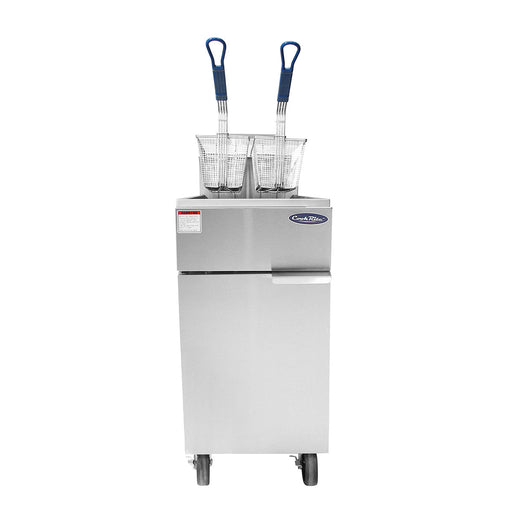
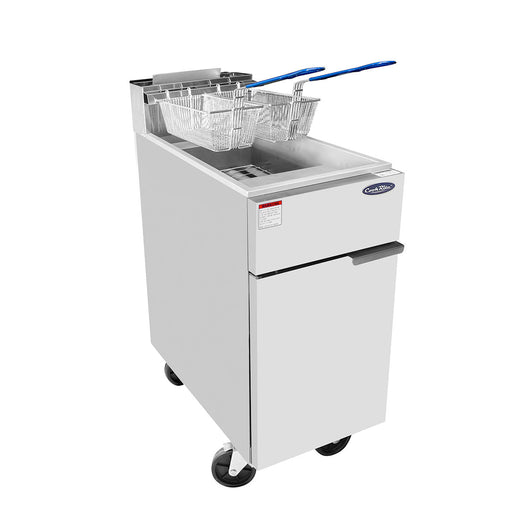
When your new fryer arrives, it will typically come with all the essential accessories you need to get started right away. You can expect to find at least two nickel-plated fryer baskets, which are the workhorses of any frying station. These baskets often feature heat-resistant, plastic-coated handles to protect your staff's hands from the hot oil. Many floor models also include a set of four casters, or wheels, which make it much easier to move the heavy unit for cleaning underneath. Some manufacturers might also include a clean-out rod to help with maintenance. Knowing what’s included helps you plan, so you can be sure you have everything you need before your new deep fryers are delivered.
Understanding Return Policies for Fryers
It's important to know that return policies for large commercial equipment are usually much stricter than what you might be used to with smaller items. Many suppliers will only accept a return if the fryer arrives damaged or is faulty right out of the box. Because of this, you should inspect your delivery thoroughly the moment it arrives, before you even sign for it if possible. If you do find any damage, take clear pictures from multiple angles immediately. This documentation is almost always required to process a refund or get a replacement unit. Always read the seller's return policy carefully before you shop restaurant equipment to avoid any surprises.
Tips for Getting the Most From Your Fryer
Bringing a new 40 lb gas fryer into your kitchen is a great first step, but the real magic happens in how you use it every day. Getting the most out of your equipment isn't just about turning it on; it's about mastering the techniques that lead to perfectly crispy food, an efficient workflow, and a safer kitchen. From temperature management to daily maintenance, a few smart habits can make a world of difference. These practices will help you serve up consistently delicious results, save money on oil, and keep your fryer running like new for years to come. Let's walk through the key steps to becoming a true frying pro.
How to Master Your Fryer's Temperature
Think of your fryer's temperature dial as your secret weapon for crispy, golden-brown perfection. Maintaining the right oil temperature is essential for getting that ideal texture without the grease. When the oil is too cool, food absorbs it and becomes soggy. When it's too hot, the outside burns before the inside is cooked. For most items, a temperature between 350°F and 375°F is the sweet spot. A quality gas fryer will help you hold that temperature steady, but it's always a good idea to double-check with a calibrated thermometer. This simple step ensures every batch comes out just as delicious as the last.
Finding the Perfect Batch Size
When the dinner rush hits, it’s tempting to load up the fryer basket to get orders out faster. But overcrowding is one of the biggest mistakes you can make. Piling in too much food at once causes the oil temperature to drop dramatically. This leads to longer cooking times and greasy, unevenly cooked food—exactly what you want to avoid. The key is to fry in smaller, manageable batches. This allows the oil to maintain its heat and circulate freely, giving each piece of food the space it needs to cook quickly and crisp up perfectly. You'll get a better product and a more efficient workflow in the long run.
Simple Tricks to Keep Your Oil Fresh
High-quality cooking oil is a significant expense, so making it last is smart for your bottom line. The best way to do that is through regular filtration. Filtering your oil at the end of every day removes leftover food particles and sediment that can burn, break down the oil, and transfer off-flavors to your food. Clean oil not only lasts longer but also produces a better-tasting, more consistent product. Many modern deep fryers come with built-in filtration systems that make this daily task quick and easy, saving you time and money while protecting the quality of your menu items.
Build These Daily Safety Habits
A commercial fryer is a powerful piece of equipment, and safety should always be top of mind. Start by making sure your team understands the basics: never leave a hot fryer unattended, and always keep water and other liquids far away from the hot oil to prevent dangerous splattering. It's also crucial to operate the fryer within the manufacturer's recommended temperature range. Cooking oil has a flash point where it can ignite, and commercial fryers are designed to stay well below that dangerous threshold. Keeping a Class K fire extinguisher nearby is a non-negotiable part of a safe kitchen setup.
How to Maximize Your Fryer's Efficiency
In a busy kitchen, speed and consistency are everything. That’s where your fryer’s recovery time comes into play. Recovery time is how quickly the oil returns to its ideal cooking temperature after you drop in a batch of cold or frozen food. A fryer with a fast recovery time cooks food more efficiently, which means you can turn out more orders during peak hours. It also results in less greasy food because the items spend less time soaking in cooler oil. Investing in a powerful 40 lb gas fryer with excellent recovery capabilities is a direct investment in your kitchen's productivity and the quality of your food.
Related Articles
- Commercial Deep Fryer for Sale: A Buyer's Guide
- Commercial Fryers: Your Ultimate Buying Guide
- Commercial Fryer 101: The Ultimate Guide
- Commercial Fryer: What to Know Before You Buy
Frequently Asked Questions
How do I know if a 40 lb fryer is the right size for my restaurant? A 40 lb fryer is a versatile choice, but the best way to know if it’s right for you is to look at your menu and your busiest hours. A good rule of thumb is that a 40 lb fryer can produce about 60 to 80 pounds of food per hour. If your menu is heavy on fried items and you have a consistent dinner rush, this size can likely keep up. If you’re a smaller cafe with only one or two fried appetizers, you might be able to use a smaller model, but for most full-service restaurants, a 40 lb fryer hits that sweet spot of capacity and efficiency.
Is a gas fryer always cheaper to operate than an electric one? In most cases, yes, but it’s not a universal rule. The cost-effectiveness of a gas fryer comes down to your local utility prices, as natural gas is typically less expensive than electricity. While an electric fryer might be slightly more efficient in how it uses energy, the lower cost of gas usually results in a smaller utility bill. The real advantage of gas, however, is its power and fast recovery time, which keeps your kitchen moving during peak hours and produces a crispier, more consistent product.
What's the single most important maintenance task to extend my fryer's life? Without a doubt, it’s filtering your oil daily. This one habit has a massive impact on both your food quality and your bottom line. Filtering removes the tiny food particles that burn and break down the oil, which prevents flavor transfer and keeps your food tasting fresh. It also dramatically extends the life of your cooking oil, which is a major recurring expense. If you make time for just one maintenance task every day, make it this one.
Besides the brand, what's one feature I absolutely shouldn't compromise on? Look for a robust safety system, specifically an automatic high-limit shut-off. This feature is non-negotiable because it prevents the oil from overheating to its flashpoint, which is a primary cause of kitchen fires. While features like built-in filtration and precise temperature dials are fantastic for efficiency and quality, nothing is more important than the safety of your staff and your business. A reliable safety shut-off is your most critical line of defense.
I found a great deal on a used fryer. Is it a good idea? It can be tempting, but I would advise you to be very cautious. A used fryer might save you money upfront, but it often comes with hidden costs. You won't get a manufacturer's warranty, and you have no idea how well the previous owner maintained it. A new, energy-efficient fryer with a solid warranty can save you significant money on oil and repairs over time, often making it the smarter long-term investment. The peace of mind that comes with a reliable, new machine is usually worth the initial cost.
About The Author
Sean Kearney
Sean Kearney used to work at Amazon.com and started The Restaurant Warehouse. He has more than 10 years of experience in restaurant equipment and supplies. He graduated from the University of Washington in 1993. He earned a BA in business and marketing. He also played linebacker for the Huskies football team. He helps restaurants find equipment at a fair price and offers financing options. You can connect with Sean on LinkedIn or Facebook.
Leave a comment