
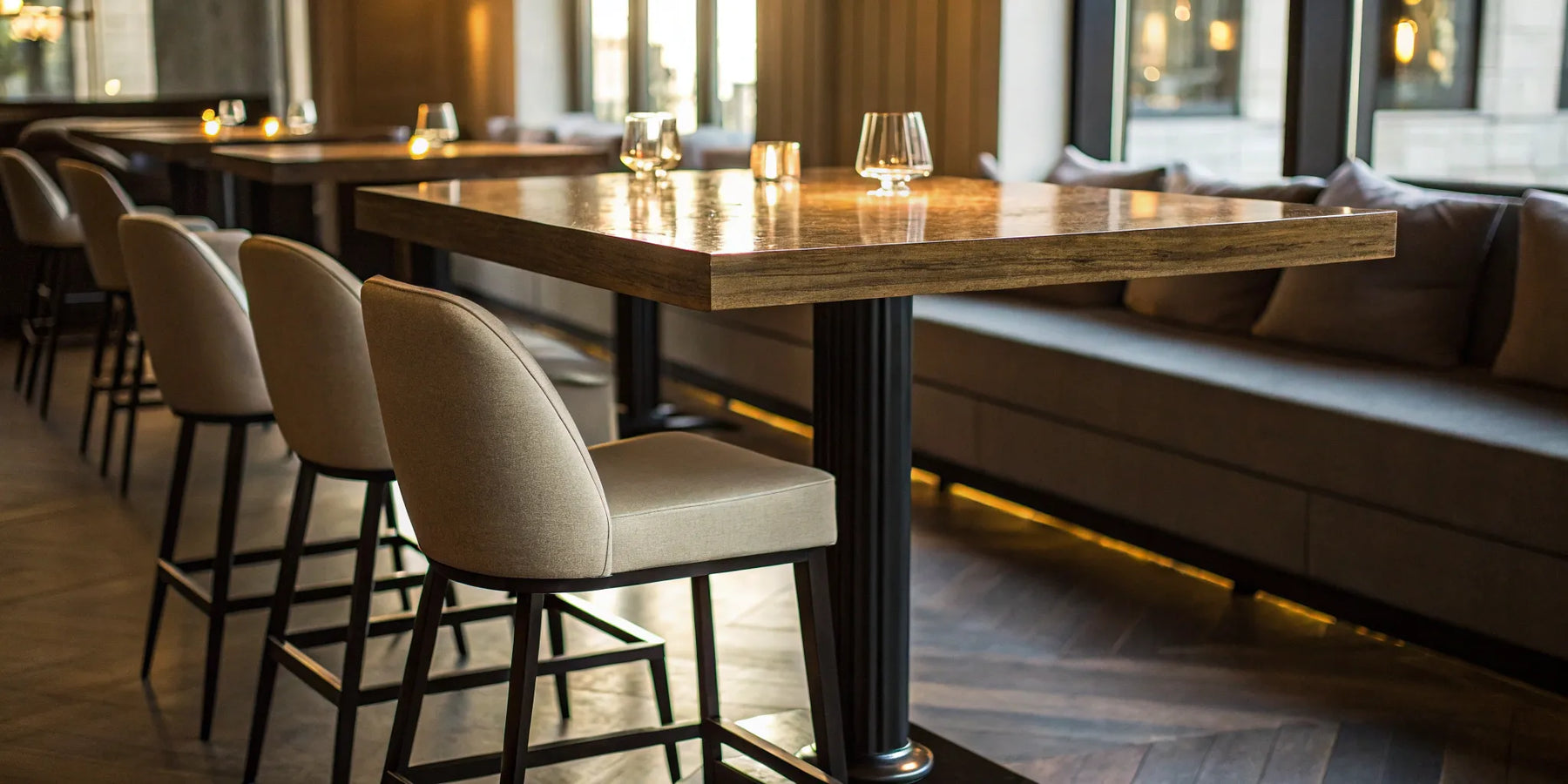
What is a High Top Table in a Restaurant? A Complete Guide
Every square foot in your restaurant is valuable real estate. Making the most of your floor plan without creating a cramped, cluttered environment is a constant challenge for owners and managers. This is where a smart seating strategy becomes your greatest asset. So, what is a high top table in a restaurant? It’s far more than just a tall piece of furniture; it’s a strategic tool for maximizing your capacity, improving traffic flow, and boosting your revenue potential. These tables, often paired with bar stools, allow you to create distinct, energetic zones and fit more happy customers into your space, turning underused nooks into profitable seating areas.
Key Takeaways
- Define Your Flow and Vibe: Use high top tables strategically to maximize seating in smaller areas and create distinct zones. Their height adds visual interest and fosters a more social, casual atmosphere, which can completely change how guests interact with your space.
- Prioritize Comfort with the Right Stool Pairing: A high top table is only as good as its seating. Ensure guest comfort by choosing bar stools with a seat height roughly 12 inches below the tabletop and consider adding backrests or footrests to encourage longer stays.
- Plan for Inclusivity and Stability: To create a welcoming environment for everyone, mix high tops with accessible standard-height tables to meet ADA guidelines. Always invest in sturdy, well-balanced bases to prevent wobbly tables, ensuring a safe experience for guests and staff.
What Is a High Top Table?
If you’ve ever grabbed a quick bite at a casual cafe or enjoyed a drink at a bar, you’ve likely sat at a high top table. Often called bar tables or pub tables, these are simply tables that are taller than standard dining furniture. They create a more relaxed, social, and dynamic atmosphere compared to traditional seating. You can find them everywhere from bustling food courts to upscale lounges, making them one of the most versatile pieces of restaurant equipment you can invest in.
Choosing the right tables is about more than just filling a room; it’s a strategic decision that impacts your restaurant's flow, capacity, and overall vibe. High tops can break up the monotony of a dining room filled with standard-height tables, creating visual interest and different "zones" for your guests. Whether you want to build a lively bar area or offer a casual spot for customers to wait for a table, high tops are a fantastic and flexible solution. They encourage mingling and can make a space feel more open and less formal, which might be exactly the feel you're going for.
Key Dimensions and Height
The defining feature of a high top table is its height. Standard dining tables are typically 28 to 30 inches tall, but high tops stand significantly taller, usually between 40 and 42 inches from the floor to the tabletop. This extra height is what gives them their distinct look and feel.
Because of their elevation, they require taller seating. The perfect bar stool for a 40- to 42-inch table should have a seat height of about 30 inches. This leaves enough legroom for your guests to sit comfortably without feeling cramped. Getting these dimensions right is key to ensuring a positive customer experience, so always measure and match your tables and stools carefully.
Common Designs and Materials
When it comes to materials, you have plenty of options to match your restaurant's look and budget. The right choice depends on your aesthetic goals, durability needs, and how much maintenance you’re willing to do. Common materials for high top tables include solid wood for a warm, classic feel, and laminate for a budget-friendly, easy-to-clean surface that comes in countless colors and patterns.
Metal bases, often made of steel or aluminum, are popular for their strength and industrial look, while stone tops like granite or quartz offer a premium, durable finish. For outdoor patios, you’ll want weather-resistant materials like treated wood, powder-coated aluminum, or recycled plastic. Think about your restaurant's daily wear and tear to select a material that will last.
Popular Types and Styles
High top tables come in a wide range of styles, allowing you to perfectly match them to your restaurant's theme. An industrial style, with its raw metal and reclaimed wood, can give your space an edgy, urban vibe. If you’re aiming for a sleek and minimalist look, a modern high top with clean lines and simple shapes in neutral colors is a great choice.
For a cozier, more traditional setting, you might opt for a rustic or vintage style with distressed wood finishes. The style you choose is a direct reflection of your brand. It’s one of the first things a customer notices, setting the tone for their entire dining experience. Your tables aren't just functional—they're a core part of your restaurant's design story.
Where to Use High Top Tables in Your Restaurant
High top tables are incredibly versatile, and knowing where to place them can completely change the flow and feel of your restaurant. You can use them to create distinct zones, manage guest traffic, and add visual interest to your floor plan. Whether you're running a bustling bar, a family-friendly diner, or a cozy cafe with a patio, there's a strategic spot for high tops. Let's look at the most effective places to use them.
Bar and Lounge Areas
This is the classic home for high top tables, and for good reason. They create a natural, energetic transition zone between your entrance and the main dining room. As design experts note, "[h]igh top seating is often placed near a bar area, but it's usually set apart from the main, busy bar," giving guests a place to enjoy a drink without being in the thick of the service area. This setup encourages a social, standing-room-friendly vibe, making it the perfect spot for patrons waiting for a table or for groups who want a more casual, mingling experience. It’s an easy way to add seating that feels both relaxed and dynamic.
Casual Dining Spaces
Don't limit high tops to just the lounge. Sprinkling them in your main dining area can break up the visual monotony of standard-height tables and create semi-private nooks. For family-friendly spots, they offer a surprising perk. As one furniture specialist notes, "[h]igh-top tables can be a good height for placing infant high chairs, allowing everyone to eat together comfortably." This small detail makes your space more accommodating and flexible, helping you serve a wider range of guests. It's a smart way to ensure your layout works in harmony with all your other restaurant equipment.
Patios and Outdoor Settings
High top tables are a fantastic choice for outdoor spaces. Their elevated height gives diners a better view over railings, making your patio feel more open and scenic. Because they typically have a smaller footprint, they are perfect for maximizing seating on a narrow patio or sidewalk cafe. Their versatility is a major plus. As one supplier points out, "High top seating is very flexible and can fit many different types of places, like busy steakhouses, trendy coffee shops, and even outdoor dining areas." This adaptability makes them a smart investment for almost any restaurant looking to create an inviting outdoor experience.
Why Choose High Top Tables for Your Restaurant?
Deciding on your restaurant's seating is about more than just aesthetics; it’s a strategic choice that impacts your floor plan, atmosphere, and even your bottom line. High top tables, in particular, offer a unique set of advantages that can transform your space. From a purely practical standpoint, they can be a game-changer for maximizing a small footprint. But their benefits go beyond simple space-saving. High tops can cultivate a more casual, social vibe, encouraging guests to mingle and stay a while.
They also offer operational perks for your team, making service smoother and more efficient. By blending high tops with other seating arrangements, you can create a dynamic environment that looks great and functions beautifully. When you're outfitting your space, thinking through how every piece of restaurant equipment contributes to the overall guest experience is key. High tops are a versatile tool in your design toolkit, helping you build a welcoming and profitable restaurant.
Maximize Your Floor Space
If you're working with a cozy dining room or want to fit more customers into your bar area, high top tables are your best friend. Because they typically have a smaller footprint than traditional dining tables, you can arrange them more efficiently to increase your seating capacity. This is a huge advantage for smaller restaurants where every square foot counts. By fitting in a few extra tables, you can serve more guests during peak hours, which directly translates to higher potential revenue. It’s a simple way to make your layout work harder for you without making the space feel cramped.
Encourage a Social Atmosphere
High top tables naturally create a more relaxed and communal environment. Their height puts seated guests closer to eye level with people standing at the bar or walking by, which can spark conversations and create a lively, social buzz. This informal setup is perfect for bar and lounge areas where you want to foster a casual, friendly vibe. Unlike formal dining tables, high tops signal to guests that it’s okay to mingle. This can make your restaurant the go-to spot for after-work drinks or casual get-togethers, building a community around your brand.
Improve Service Efficiency
A well-planned layout with high top tables can make your staff's job much easier. The space saved by smaller tabletops can create wider, clearer pathways for servers to move through, especially during a busy service. This means less bumping into chairs and a quicker, more direct route for taking orders and delivering food. Plus, the elevated height of the tables can be more ergonomic for your team. Servers can place drinks and plates on the table with less bending and reaching, reducing physical strain over a long shift and contributing to a more efficient workflow.
Add a Modern Aesthetic
High top tables are an easy way to give your restaurant a stylish, contemporary look. They add visual interest and dimension to a room, breaking up the uniformity of standard-height seating. This variation creates a more dynamic and sophisticated space. Whether you’re aiming for an industrial-chic bar, a sleek urban cafe, or a rustic pub, you can find high tops that complement your vision. Mixing them with booths and low tables allows you to create a functional and visually appealing layout that feels both intentional and inviting, showing guests you’ve thought through every detail of their experience.
Increase Revenue Potential
Ultimately, the benefits of high top tables can lead to a healthier bottom line. By maximizing your floor space, you can increase your seating capacity and serve more customers, especially during your busiest times. The social atmosphere they foster can also lead to longer stays and larger checks. Offering a variety of seating options makes your restaurant more appealing to a wider range of guests, from those seeking a quick drink to groups settling in for the evening. Investing in the right furniture mix is a smart financial decision, and flexible restaurant equipment financing can help you get the setup you need to succeed.
How to Choose the Right High Top Setup
Find the Perfect Bar Stools
The right bar stool is more than just a seat; it’s a crucial part of the high top experience. To ensure your guests are comfortable, pair your tables with stools of the appropriate height. As a rule of thumb, there should be about 12 inches of space between the stool seat and the underside of the tabletop. Since high top tables are typically 40 to 42 inches tall, you’ll want to look for bar stools with a seat height of around 30 inches. Don’t forget to consider features like backrests and footrests, which can significantly improve comfort for guests who plan to linger. The right stool not only complements your table but also encourages patrons to settle in and enjoy their time.
Plan Your Space and Layout
High top tables are fantastic for making the most of your floor plan. Because they have a smaller footprint, you can often fit more seating without making the room feel crowded. The elevated height also creates a "bird's-eye view," which can make your dining area feel more open and dynamic. Before you buy, measure your space and map out where each table will go. Be sure to leave clear pathways for staff and guests to move around easily. You can use high tops to visually separate different zones, like creating a distinct, energetic bar area that flows into a more traditional dining space. A well-thought-out restaurant layout can dramatically improve both atmosphere and function.
Select Your Materials and Design
Your choice of material for high top tables sets the tone for your space and impacts your daily operations. When selecting your tabletops and bases, think about your restaurant's aesthetic, your budget, and how much maintenance you’re prepared to handle. Materials like solid wood offer a warm, classic feel, while laminate is budget-friendly and easy to clean. Metal or stone can provide a sleek, modern look. Your decision should balance style with practicality. Consider how different table top materials will hold up to spills, scratches, and constant cleaning, ensuring they look great for years to come.
Prioritize Durability
In a busy restaurant, furniture takes a beating. That’s why durability should be a top priority when choosing your high top tables. Look for tables built with sturdy bases made from powder-coated steel, aluminum, or cast iron, as these materials offer excellent stability and can withstand heavy traffic. A wobbly table is a major annoyance for guests and can even be a safety hazard. While more durable options might seem like a bigger initial expense, they are a smart investment that will save you money on replacements and repairs down the road. If you're planning a significant purchase, exploring restaurant equipment financing can help you get the quality pieces you need without straining your budget.
Keeping Your High Top Seating Safe and Accessible
High top tables can bring great energy to your space, but it's crucial to think about every guest's experience. Creating a safe and accessible environment isn't just good hospitality—it's good business. When you plan your high top areas thoughtfully, you ensure that everyone, from your staff to your customers, can enjoy the space comfortably and safely. Let's walk through the key considerations to make sure your high top seating is a positive feature for all.
Understand ADA Compliance
First things first, let's talk about the Americans with Disabilities Act (ADA). High top tables and bar stools are generally not accessible for guests who use wheelchairs or have mobility challenges. To meet legal requirements and be truly welcoming, you must provide accessible seating options. The general rule is that at least 5% of your seating must be accessible. This means offering standard-height tables that are easy to approach. Mixing your seating styles ensures you can accommodate everyone and avoid potential legal issues. For detailed guidance, it's always a good idea to review the official ADA standards for restaurants.
Ensure Customer Comfort
Comfort is key to a great dining experience. While high tops are stylish, their stools can be less comfortable than traditional chairs, especially for longer stays. Many bar stools lack significant back support, which can be an issue for some guests, including seniors or those with back problems. When selecting your stools, look for options with small backs, footrests at the right height, and perhaps some cushioning. Also, consider the purpose of the seating. High tops are perfect for a quick drink at the bar but might not be the best choice for a lengthy, multi-course dinner.
Implement Safety Measures
Safety should always be a top priority. The height of bar stools introduces a risk of falling, which can be particularly dangerous for older patrons or children. You can reduce this risk by choosing high-quality, sturdy stools with a wide, stable base that won't tip over easily. Make sure the floor area around your high tops is always clear, dry, and well-lit to prevent trips and slips. By taking these simple precautions, you create a secure environment where guests can relax and enjoy themselves without worry.
Manage Traffic Flow
A well-planned layout is essential for a smooth-running restaurant. High top tables can sometimes create tight spaces if not arranged properly. It's important to leave ample room between tables and along main pathways. This gives your servers enough space to move efficiently, deliver food, and clear dishes without bumping into guests. Good traffic flow also makes the experience more pleasant for customers, who won't feel cramped or crowded. When planning your layout, think about how all your restaurant equipment and furniture will work together to create a functional and inviting space.
Common Challenges with High Top Tables
High top tables can be a fantastic addition to your restaurant, but it's smart to go in with your eyes open. While they offer a modern look and can improve your floor plan, they also come with their own set of considerations. Thinking through these potential challenges beforehand helps you make the best choice for your space, your staff, and every guest who walks through your door. This isn't about talking you out of them; it's about being prepared. By understanding the common hurdles—like accessibility, long-term comfort, and maintenance needs—you can plan effectively and find creative solutions. A little foresight goes a long way in protecting your investment and ensuring your seating arrangement enhances the dining experience rather than detracts from it. For example, while high tops create a social, casual vibe, that might not fit every restaurant concept. And while they can seem easy to clean, choosing the right materials is crucial for longevity. Getting these details right means creating a welcoming atmosphere where every customer feels valued and comfortable. Let's break down a few key areas to keep on your radar so you can make an informed decision that benefits your business in the long run.
Accessibility for All Guests
One of the most significant considerations with high top tables is accessibility. For guests who use wheelchairs or have other mobility challenges, getting into a high bar stool can be difficult or even impossible. This isn't just about comfort; it's about creating an inclusive environment and following ADA guidelines for public accommodations. Excluding a portion of your potential customers is never good for business. The best approach is often a blended one. By offering a mix of standard-height tables and high tops, you ensure that every guest feels welcome and has a comfortable place to enjoy their meal, regardless of their physical needs.
Long-Term Comfort Concerns
Let's be honest: not all bar stools are created equal. Many styles lack the back support of a traditional dining chair, which can become a real issue for guests during a long, leisurely dinner. Patrons with back problems or older guests might find them uncomfortable after just a short time, potentially cutting their visit short. If your high tops are in a quick-turnaround bar area, this might be less of a factor. But for spaces where you want guests to linger, consider investing in high-quality bar stools with better ergonomic designs, including solid backrests and footrests. Prioritizing comfort shows your guests you care about their entire experience.
Upkeep and Maintenance
While high tops are often praised for being easy to clean—no need to bend down as far!—they still require consistent upkeep to look their best. Daily use leads to spills, scuffs, and general wear and tear that can take a toll on any piece of furniture. Establishing a regular cleaning and maintenance routine is key to protecting your investment and ensuring your dining area always looks sharp and inviting. When you shop for restaurant equipment, prioritizing durable, non-porous materials from the start can make this job much easier. A well-maintained table not only looks better but also contributes to a safer, more hygienic environment for everyone.
Social Seating Dynamics
High top tables naturally create a more casual, fluid, and social atmosphere. Their height puts standing and seated guests at a similar eye level, which can encourage mingling and make interactions with servers feel more direct and less formal. This can be a huge plus for a lively bar or a casual eatery where you want to foster a bustling energy. However, this laid-back vibe isn't right for every concept. If you're aiming for a quiet, intimate, or formal dining experience, the open and social nature of high tops might feel out of place. It’s all about matching your furniture to the specific ambiance you want to cultivate for your brand.
How to Make High Tops Work for Your Restaurant
Adding high-top tables is more than just buying new furniture; it’s a strategic design choice that can transform your dining area. To get it right, you need a clear plan that considers your space, your customers, and your budget. By thinking through your layout and the atmosphere you want to create, you can make high tops a successful and profitable part of your restaurant. Here’s a straightforward guide to integrating them effectively.
Assess Your Space
Before you start shopping, take a good look at your floor plan. High-top tables often have a smaller footprint than standard dining tables, making them an excellent solution for tight corners or narrow rooms. Grab a tape measure and identify underused areas where a few high tops could add seating without disrupting traffic flow. Think about small nooks, waiting areas, or that awkward spot by the window. Because they add vertical dimension to a room, they can also make a small space feel larger and more dynamic, helping you maximize your seating capacity without feeling cramped.
Optimize Your Layout
Placement is everything. High tops naturally fit well in bar and lounge areas, extending the social zone and encouraging guests to linger. They also work perfectly placed along walls or windows, offering patrons a view while keeping main walkways clear. Use them to create distinct zones within your restaurant—a casual, high-energy section separate from your main dining room. As you plan, think about how you can shop for restaurant equipment that complements this layout, ensuring that service stations and other essential pieces are positioned for an efficient workflow between staff and guests.
Create the Right Vibe
High-top seating instantly signals a more casual, modern, and social environment. The elevated height puts standing and seated guests at a similar eye level, which makes conversation feel more natural and encourages mingling. This creates a lively, communal atmosphere that’s perfect for happy hours, casual bites, or customers who are just stopping in for a quick drink. If you want to build a vibrant bar scene or a relaxed dining space, the informal nature of high tops can help you achieve that specific energy and attract a crowd that enjoys a more dynamic social setting.
Plan Your Budget
Your budget will guide your material and design choices. Start by calculating the total cost, remembering to include bar stools for each table. Materials like laminate are often more affordable, while solid wood, reclaimed materials, or metal tops can create a more premium look at a higher price point. Consider durability and maintenance needs alongside aesthetics—a busy bar needs tables that can withstand heavy use. If you need help managing the upfront cost, you can explore restaurant equipment financing to make the investment more manageable without compromising on the quality and style you want.
Related Articles
- Bar Table Buying Guide: Find the Perfect Fit
- Best Bar Table: Find the Perfect Fit
- 48 Inch Round Bar Height Table: A Buyer's Guide
Frequently Asked Questions
How much space should I actually leave around my high top tables? A good rule of thumb is to leave at least 36 inches of clearance for main pathways where staff and guests will be walking frequently. For the space between occupied chairs, aim for about 24 inches so guests can slide in and out without bumping into their neighbors. Planning your layout with a tape measure before you buy will save you a lot of headaches and ensure your dining room has a comfortable, easy flow.
Are high top tables comfortable enough for guests who want to eat a full dinner? They absolutely can be, but it all comes down to the bar stools you choose. For areas where you expect guests to linger over a meal, invest in high-quality stools that have solid back support and a well-placed footrest. If your high tops are primarily for a quick-turnover bar area, you can get away with simpler, backless styles. The key is to match the comfort level of the seating to its intended use.
What's the most common mistake restaurant owners make with high top seating? The biggest mistake is forgetting about stability and comfort. It’s easy to get caught up in a cool design and overlook the practical experience for your guests. A wobbly table or a hard, backless stool can ruin an otherwise great visit. Always prioritize sturdy, well-built tables and pair them with comfortable, appropriately sized stools to ensure your customers feel secure and relaxed.
Do I have to provide other seating options if I have high tops? Yes, you absolutely should. High top seating is not accessible for all guests, including those who use wheelchairs or have mobility issues. To be compliant with ADA guidelines and create a truly welcoming space for everyone, it's essential to offer a mix of seating. Blending high tops with standard-height tables ensures that every customer can find a comfortable spot to enjoy your restaurant.
How can I make sure my high tops and bar stools match correctly? The most important measurement is the gap between the stool seat and the tabletop. You want about 12 inches of space for comfortable legroom. Since most high tops are 40 to 42 inches tall, look for bar stools with a seat height of around 30 inches. Beyond height, consider the overall footprint. Make sure the stool's base is not so wide that it creates a tripping hazard or prevents it from tucking neatly under the table when not in use.
About The Author

Sean Kearney
Sean Kearney used to work at Amazon.com and started The Restaurant Warehouse. He has more than 10 years of experience in restaurant equipment and supplies. He graduated from the University of Washington in 1993. He earned a BA in business and marketing. He also played linebacker for the Huskies football team. He helps restaurants find equipment at a fair price and offers financing options. You can connect with Sean on LinkedIn or Facebook.
Leave a comment