

The Ultimate Guide to Restaurant Table Top Grills: Cook Your Own Culinary Journey
The Sizzle of Interactive Dining: A New Era of Engagement
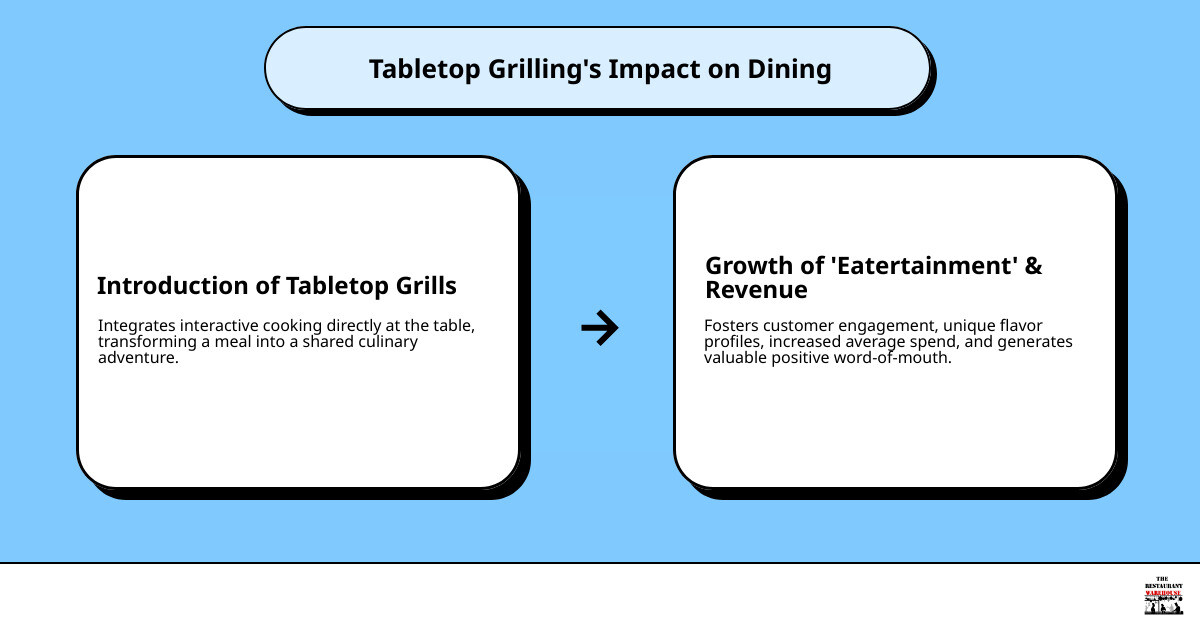
In the changing landscape of the culinary world, a restaurant table top grill represents more than just a cooking appliance; it signifies a paradigm shift in the dining experience. This innovative concept empowers your guests to become the chefs, changing a simple meal into a dynamic, multi-sensory event. By placing the cooking process directly at the table, you invite diners to engage with their food in a way that is personal, memorable, and profoundly satisfying.
This unique dining approach offers a multitude of benefits that resonate with modern consumer desires for authenticity and experience:
- Deeply Interactive Dining: Guests are no longer passive recipients of a finished plate. They control the heat, the cooking time, and the doneness of each morsel. This hands-on process is inherently fun, fostering conversation, collaboration, and a vibrant, communal atmosphere at every table.
- Unforgettable Unique Appeal: In a crowded marketplace, a tabletop grilling concept immediately sets your restaurant apart. It’s a powerful differentiator that creates a memorable visit, sparking curiosity and attracting adventurous diners looking for something beyond the traditional.
- Profound Customer Engagement: The act of cooking fosters a deeper connection to the meal. Diners become invested in the culinary process, leading to a greater sense of ownership and pride in their creation. This psychological shift dramatically boosts satisfaction and builds a stronger emotional bond with your brand.
- Significant Operational Perks: Beyond the guest experience, these grills can revolutionize your back-of-house workflow. By decentralizing the cooking of main courses, you can alleviate pressure on your kitchen staff, reduce ticket times, and potentially increase table turnover during peak hours.
Imagine the ambiance: the gentle sizzle of marinated meats, the enticing aroma of caramelizing vegetables, and the buzz of happy guests sharing a collective activity. A restaurant table top grill is not merely a piece of equipment; it's a catalyst for creating an immersive environment. This approach, often termed "eatertainment," taps into the growing demand for dining experiences that are as entertaining as they are delicious. For restaurant owners, this translates into a powerful unique selling proposition that not only attracts a steady stream of new patrons but also cultivates a loyal following of regulars who return for the one-of-a-kind experience.
Types of Restaurant Table Top Grills: Finding Your Perfect Heat Source
When selecting a restaurant table top grill, the heat source you choose is a foundational decision that will define your entire concept. Each type offers a distinct set of characteristics, influencing everything from flavor profiles and cooking styles to operational requirements and the overall ambiance of your dining room. A thoughtful choice ensures you can perfectly execute your culinary vision.
Electric Tabletop Grills
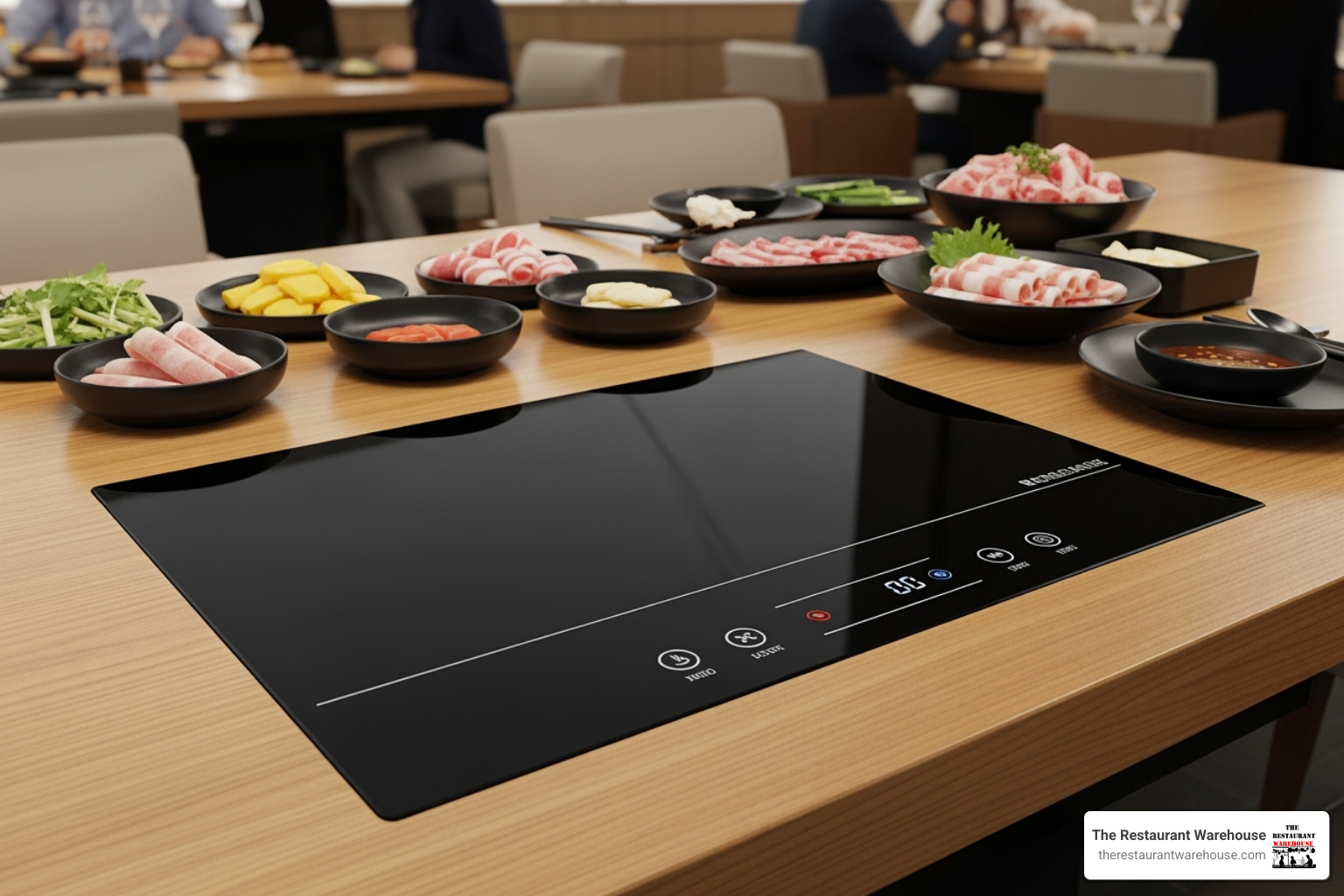
For maximum convenience and safety in an indoor setting, electric models are an exceptional choice. Their plug-and-play simplicity makes them incredibly versatile; tables can be reconfigured without the constraints of gas lines, offering unparalleled flexibility in seating arrangements. This is ideal for restaurants that host private parties or need to adapt their layout frequently.
What truly sets electric grills apart is their precise and consistent temperature control. Guests can easily dial in the exact heat level required, from a gentle warming to a high-temperature sear. This consistency minimizes the chance of user error and ensures a positive cooking experience. Operationally, electric grills are a boon for maintaining indoor air quality. They produce minimal smoke and no combustion fumes, which can significantly simplify ventilation requirements and create a more comfortable atmosphere for guests. Many modern units also feature advanced infrared heating elements, which heat up faster and provide more even cooking than traditional coil elements. Safety is paramount, with most commercial-grade models including features like heat-resistant handles, non-slip bases, automatic shut-off timers, and overload protection, providing peace of mind for both staff and customers.
More info about the Best Electric Griddles
Gas-Powered Tabletop Grills
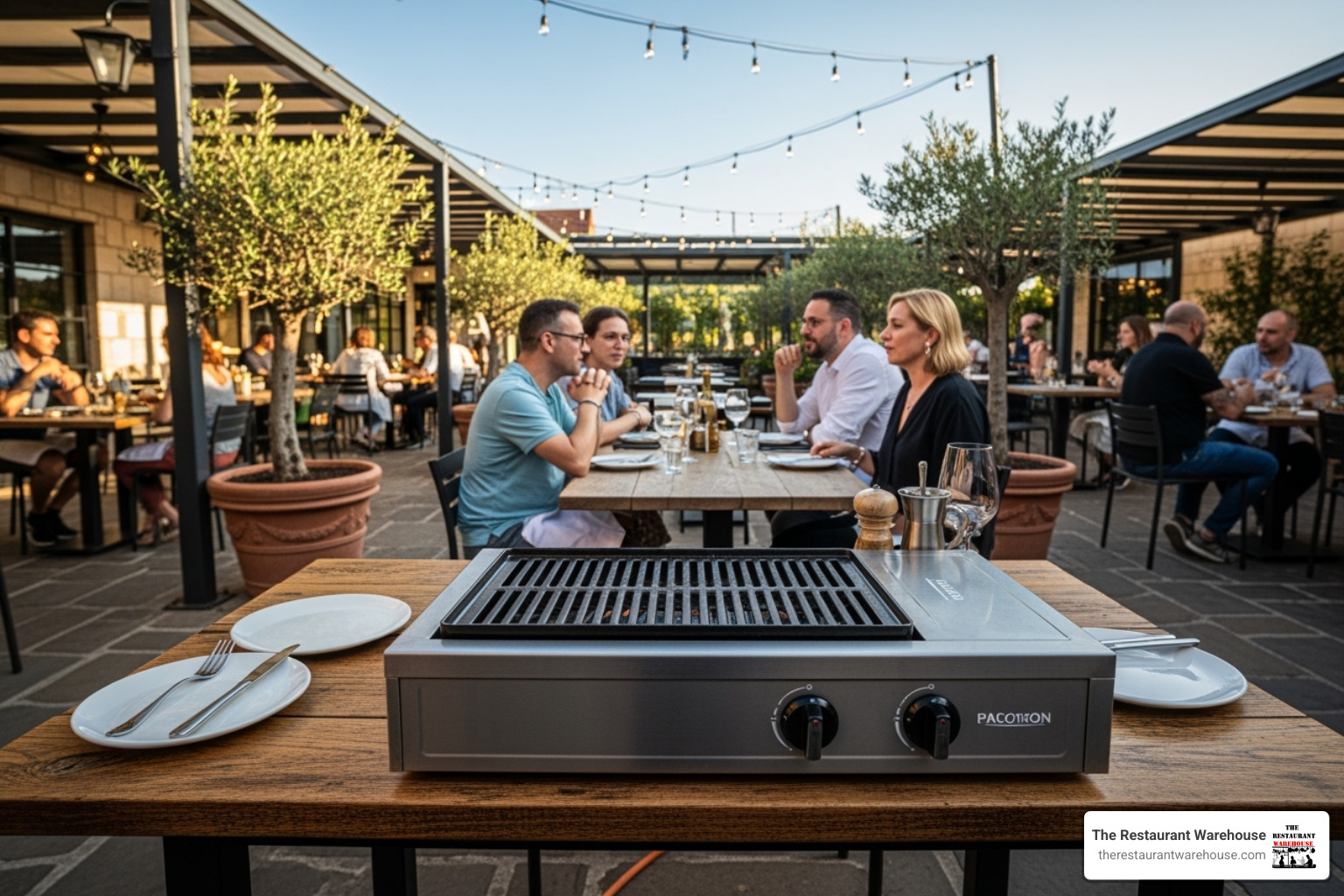
Gas-powered grills deliver the quintessential flame-grilled experience, producing the beautiful char marks and smoky aroma that many diners crave. Their high heat capabilities are best, allowing customers to achieve a perfect, crusty sear on steaks and burgers while keeping the interior juicy and tender. This intense, responsive heat, measured in BTUs (British Thermal Units), gives guests a sense of professional cooking power right at their fingertips.
Portability is a key advantage for units powered by propane tanks, allowing you to easily set up grilling stations on an outdoor patio or for special events. For a more permanent indoor solution, built-in models can be connected to your restaurant's natural gas line, providing a continuous and cost-effective fuel source. The authentic flame-kissed flavor is a major draw for concepts centered around barbecue, steakhouse fare, or Korean BBQ. While gas grills necessitate robust ventilation to safely manage combustion gases and smoke, the investment pays dividends in customer excitement and the ability to market an authentic open-flame cooking experience.
A guide to Propane Cooking Stoves
Charcoal and Binchotan Grills
For the ultimate in traditional flavor and culinary theater, charcoal and Binchotan grills are in a class of their own. This method is deeply rooted in global culinary traditions like Japanese yakiniku and Korean gogi-gui. Traditional charcoal grilling imparts a complex, smoky flavor that is impossible to replicate with other heat sources, attracting food connoisseurs and those seeking an authentic cultural experience.
Binchotan charcoal lifts this experience to a premium level. Hailing from Japan, this ultra-dense, white charcoal is revered for its unique properties: it burns at an extremely high, steady temperature for hours with virtually no smoke or flame-ups. This intense, clean heat instantly sears the outside of meats and seafood, locking in natural juices and creating a perfect caramelized crust. The theatrical aspect of cooking over glowing coals is a powerful draw, turning the meal into a mesmerizing event. While charcoal grills demand the most stringent safety protocols and ventilation systems, the unparalleled flavor and ritualistic experience can become the cornerstone of a high-end, destination restaurant.
Hot Stone (Lava Rock) Grilling
Hot stone grilling offers a unique and dramatic presentation that is both interactive and incredibly efficient. The concept involves heating dense volcanic rocks in a specialized high-temperature heating unit to over 400°C (750°F) and then delivering them to the table on a custom-designed platter. The visual and auditory impact is immediate and spectacular, as guests watch and hear their food sizzle to perfection on the superheated stone.
Operationally, this method is brilliant for streamlining kitchen workflow. The kitchen staff's role shifts to prepping and portioning high-quality raw ingredients, while the cooking itself is handled by the guest. This efficiency is paired with pure entertainment. The sustained, even heat of the volcanic stone ensures consistent cooking results, giving customers complete control over the doneness of their food. Furthermore, this method produces minimal smoke, making it an excellent choice for dining rooms where extensive ventilation is not feasible. The inherent theater of hot stone grilling naturally extends the dining experience, encouraging guests to linger and often leading to higher spending on drinks and desserts. It is exceptionally well-suited for premium proteins like filet mignon, Ahi tuna, and large sea scallops, positioning your restaurant as a go-to spot for special occasions.
The Business Case: Why a Restaurant Table Top Grill is a Smart Investment
A restaurant table top grill is far more than an equipment purchase; it's a strategic investment in a dining concept that can fundamentally improve your customer experience, streamline operations, and drive significant profitability. By adopting this model, you are investing in a powerful engine for growth that delivers value across every facet of your business.
Enhancing the Customer Experience and Engagement
Today's diners are hungry for experiences, not just meals. A tabletop grill masterfully transforms passive consumers into active creators, a concept known as "eatertainment." This shift empowers guests, giving them control over their cooking process and turning the meal into a fun, social, and deeply satisfying event. The interactive nature of grilling fosters a lively, communal atmosphere that strengthens bonds between guests at the table.
This experience is also inherently visual and shareable. In the age of social media, every table becomes a potential content creation studio. Guests eagerly capture and share photos and videos of their sizzling creations, generating a stream of authentic, user-generated marketing that money can't buy. This customer empowerment is a powerful tool for satisfaction; when diners cook their own food to their exact preference, satisfaction rates soar and complaints about food being over or undercooked are virtually eliminated.
Boosting Profitability and Operational Efficiency
Tabletop grills offer a compelling and multifaceted financial return. A significant and commonly reported benefit is an increased average spend per guest. When customers are engaged in the cooking experience, they are more inclined to order premium items like wagyu beef, fresh seafood platters, and elaborate combination meals. It's not uncommon for restaurants with this model to see check averages increase by 20-30% or more.
Table turnover rates can also see a marked improvement. Since the main course cooking begins as soon as the ingredients arrive, the overall dining duration can be shortened without guests feeling rushed. This efficiency allows you to serve more parties during your busiest shifts, maximizing revenue per seat. Internally, your kitchen staff benefits from a significantly reduced workload. With proteins and main items being cooked at the table, your line cooks are freed up to focus on crafting exceptional appetizers, side dishes, and desserts with greater care and consistency. This can lead to reduced stress in the kitchen and potentially lower labor costs. Furthermore, food waste is drastically reduced. Because customers cook only what they intend to eat and to their own liking, food returns become a rarity. This improves overall staff efficiency, as servers spend less time resolving issues and more time providing attentive service and upselling high-margin items like beverages and desserts.
Learn about Griddle Commercial options
Marketing Your New Tabletop Grilling Menu
The visual and interactive nature of a restaurant table top grill makes it incredibly easy to market. The experience itself is your best advertisement. Leverage this by building a robust social media campaign centered on action shots, sizzling videos, and time-lapses of guests enjoying the process. Encourage user-generated content by creating a unique hashtag and running photo contests for the best-looking grilled creation.
Menu engineering becomes a creative exercise in building value. Design a dedicated "Grill-It-Yourself" section that is exciting and easy to steer. Create tiered combo platters for groups (e.g., "The Carnivore's Feast," "The Seafood Celebration") that offer a complete, high-value experience and simplify the ordering process. These packages can significantly boost your average ticket size. Implement special promotions to build buzz and drive traffic on slower nights, such as "All-You-Can-Grill Tuesdays" or date-night specials that include a grilling platter and a bottle of wine. The ultimate goal is to create shareable moments that turn your customers into enthusiastic brand ambassadors, amplifying your marketing reach organically and cementing your restaurant's reputation as an innovative and must-visit dining destination.
Choosing the Right Equipment for Your Establishment
Selecting the perfect restaurant table top grill is a critical decision that requires a careful analysis of your menu concept, physical space, budget, and operational capacity. There is no one-size-fits-all solution; the best choice is the one that aligns seamlessly with your business goals. This guide will walk you through the essential factors to consider, empowering you to make a well-informed investment.
Key Features to Consider for a restaurant table top grill
When you begin comparing models, focus on these key features that will directly impact performance, safety, and daily operations.
- Size and Capacity: The physical dimensions of the grill must be appropriate for your table sizes and typical party numbers. A grill that is too small will frustrate a large group, while one that is too large may be inefficient for couples. Consider offering different sizes for different tables.
- Cooking Surface Material: The material dictates heat performance, durability, and cleaning protocols. Cast iron is prized for its superior heat retention and even distribution but requires regular seasoning to prevent rust and maintain its non-stick properties. Stainless steel, often used for electric griddles, is non-reactive, durable, and easy to clean. Rolled or carbon steel is a fantastic all-around choice, offering excellent heat retention and developing a natural non-stick patina over time with proper seasoning.
- Power Source and Rating: Your choice of electric or gas will be dictated by your restaurant's infrastructure. For gas grills, consider the BTU (British Thermal Unit) rating, which indicates heat output—higher BTUs mean faster heating and searing capabilities. For electric grills, check the wattage and whether they require standard or specialized electrical outlets.
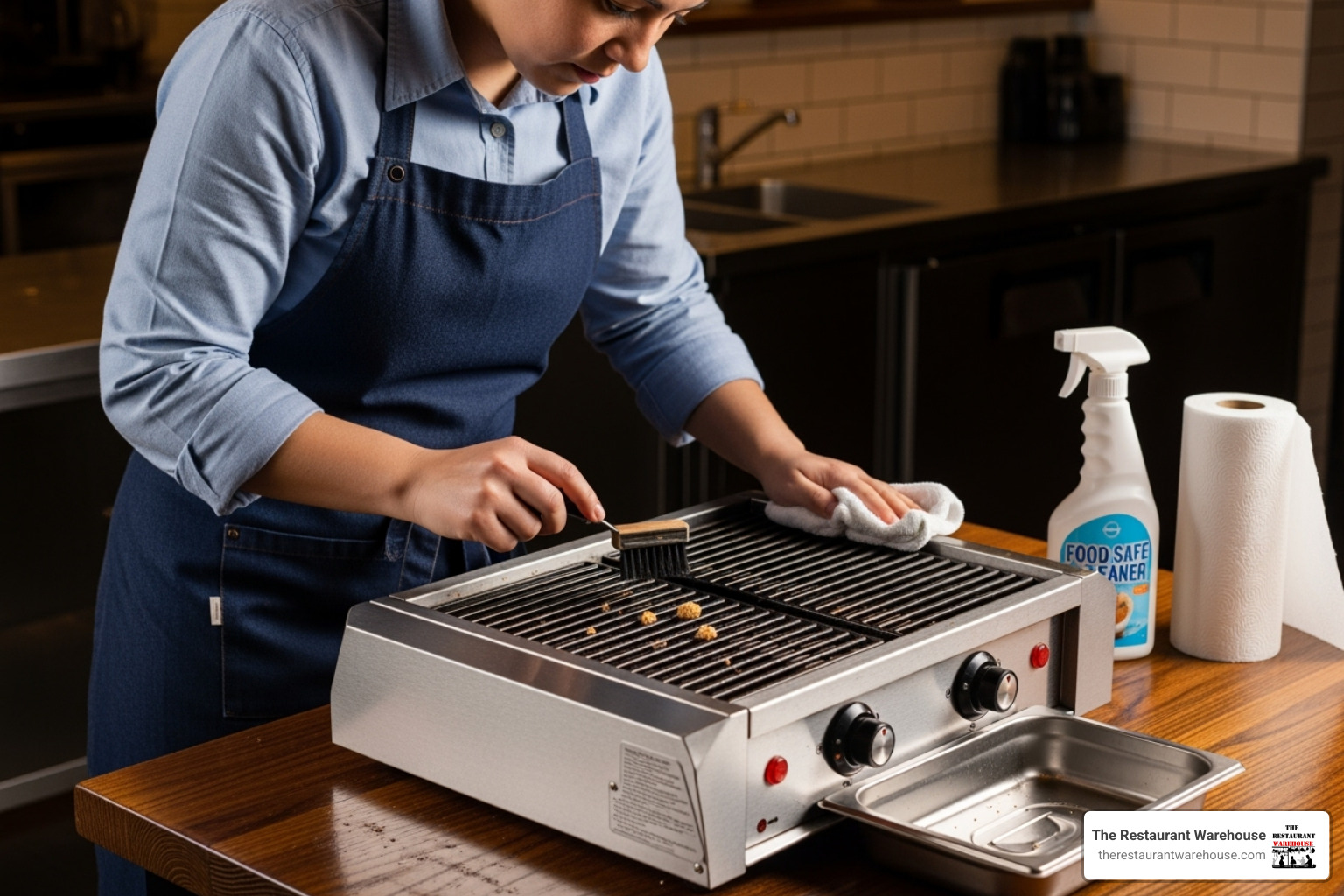
- Ease of Cleaning and Maintenance: This is crucial for operational efficiency. Look for models with removable drip trays, non-stick surfaces, and minimal crevices where grease and food particles can accumulate. Dishwasher-safe components are a significant plus. The easier a grill is to clean, the more likely your staff will maintain it properly.
- Safety Certifications: Ensure any equipment you purchase is certified for commercial use by recognized bodies like NSF International (for sanitation) and UL (for electrical safety). This is non-negotiable for passing health and safety inspections.
To help you visualize the trade-offs, here is an expanded comparison of the main grill types:
| Feature | Electric Tabletop Grill | Gas-Powered Tabletop Grill | Charcoal/Binchotan Grill | Hot Stone (Lava Rock) Grill |
|---|---|---|---|---|
| Heat Source | Electricity (Coil or Infrared) | Propane or Natural Gas | Charcoal, Binchotan | Pre-heated volcanic stones |
| Flavor Profile | Neutral, clean; allows ingredients to shine | Classic flame-grilled, smoky char | Intense, complex smoke flavor; highly authentic | Pure, clean sear; locks in natural juices |
| Best For | Indoor use, precise cooking, low smoke, high versatility | Outdoor/well-ventilated areas, authentic BBQ, high heat | Specialty concepts (Yakiniku, KBBQ), premium flavor focus | High-end concepts, theatrical dining, minimal smoke |
| Upfront Cost | Low to Moderate | Moderate | Moderate to High (grills + ventilation) | High (stones + specialized heating unit) |
| Ventilation | Minimal (good airflow, check local codes) | Moderate to High (exhaust hoods required indoors) | High (robust, dedicated ventilation systems are mandatory) | Minimal (some steam/vapor control beneficial) |
| Maintenance | Easy; wipe down, empty drip tray | Moderate; burner/grate cleaning, gas line checks | High; daily ash disposal, intensive grate cleaning | Moderate; stone heating, transport, and careful cleaning |
A guide to Countertop Griddles
Safety and Ventilation: A Top Priority for any restaurant table top grill
Introducing open cooking into the dining room makes safety and ventilation your absolute top priorities. Neglecting this area can have severe consequences for your guests, staff, and business.
Ventilation requirements are dictated by the grill type and, most importantly, by your local health and fire codes. Always consult with your local authorities and a licensed HVAC professional before purchasing or installing any equipment.
- Electric Grills: These are the most straightforward for indoor use. They produce minimal smoke and no combustion fumes. In some cases, a robust existing HVAC system may suffice, but many jurisdictions will still require a Type II exhaust hood, which is designed to remove steam, heat, and odors.
- Gas and Charcoal Grills: These produce significant smoke, grease-laden vapors, and combustion byproducts (like carbon monoxide). For indoor use, they unequivocally require a powerful Type I exhaust hood over each table. These hoods are equipped with grease filters and fire suppression systems. An alternative is a downdraft ventilation system, which is built into the table and pulls smoke downwards, away from diners. While aesthetically cleaner, downdraft systems can be more expensive and complex to install and maintain.
Staff Training is Non-Negotiable: Your team is your first line of defense. Implement a rigorous training program that covers: safe grill operation, how to properly instruct guests, identifying and managing flare-ups, emergency shut-off procedures, and first aid for minor burns.
Maintenance Requirements for Longevity
Consistent, thorough maintenance is essential to protect your investment, ensure food safety, and deliver a high-quality guest experience. Develop a clear maintenance schedule and train your staff to adhere to it strictly.
- Daily Tasks (End of Service): Turn off and cool down all units. Scrape all food debris from cooking surfaces. Empty, wash, and sanitize all grease traps and drip trays. Wipe down grill exteriors and surrounding table surfaces.
- Weekly Tasks: Perform a deeper clean of the cooking surfaces. For cast iron or carbon steel, this is a good time to re-season the surface (apply a thin layer of oil and heat it to create a protective, non-stick layer). For gas grills, inspect burners and gas connections for any blockages or leaks.
- Monthly Tasks: Conduct a thorough inspection of all components. Check electrical cords for fraying or damage. Disassemble and deep clean parts as recommended by the manufacturer. For hot stone systems, inspect each stone for cracks or fissures that could compromise its integrity.
Proper maintenance prevents equipment failure, reduces fire risk, and ensures that every guest has a safe and enjoyable cooking experience.
Frequently Asked Questions about Restaurant Table Top Grills
As you consider integrating a restaurant table top grill concept, many practical questions will arise. Addressing these concerns proactively will help you plan effectively and launch your new dining experience with confidence. Here are answers to some of the most common inquiries.
How do you ensure food safety when customers cook their own food?
Food safety in an interactive dining setting is a shared responsibility between the restaurant and the guest, with the restaurant establishing a robust framework for success. The foundation is clear, concise guest instruction. This can be delivered through well-designed menu cards, table talkers, and verbal guidance from your staff. Instructions should cover recommended cooking times for different proteins, the importance of cooking foods like poultry thoroughly, and how to avoid cross-contamination.
Operationally, you must provide separate, clearly identifiable utensils for raw and cooked food. A simple color-coding system (e.g., red tongs for raw meat, black tongs for cooked meat) is highly effective. All ingredients must be of the highest quality and maintained at safe temperatures until the moment they are served. Your staff plays a crucial role in active but unobtrusive monitoring. They should be trained to watch for unsafe practices and offer friendly guidance, ensuring a safe and enjoyable experience for everyone, especially first-time guests.
What kind of ventilation is needed for indoor tabletop grills?
Ventilation is one of the most critical and complex aspects of implementing an indoor restaurant table top grill. The specific requirements are non-negotiable and are strictly dictated by local fire, building, and health codes.
- Electric Grills: As they produce minimal smoke and no combustion byproducts, they have the least stringent requirements. However, commercial cooking of any kind often requires some form of mechanical ventilation. A Type II hood, designed for heat and steam, may be required. Always verify with your local authorities.
- Gas and Charcoal Grills: These are a different matter entirely. Due to the production of grease-laden vapors, smoke, and carbon monoxide, they mandate powerful ventilation. The standard solution is a Type I commercial exhaust hood installed over each table or cluster of tables. An alternative is a downdraft system integrated into the table itself, which pulls contaminants down and away from the dining area. These systems are effective but represent a significant investment in equipment and installation.
Crucial Advice: Before you spend a single dollar on equipment, you must consult with your local fire marshal, health department, and a qualified commercial HVAC engineer. They will provide the exact specifications you need to meet to operate legally and safely.
Can any menu item be adapted for a restaurant table top grill?
While a restaurant table top grill is remarkably versatile, it excels with certain types of food. The ideal items are those that cook relatively quickly and benefit from direct, high-heat cooking. Think thinly sliced marinated meats (like beef bulgogi or pork belly), cubed items for skewers (chicken, steak, vegetables), seafood (shrimp, scallops, calamari), and a wide array of vegetables (bell peppers, onions, zucchini, mushrooms).
Items that are generally not suitable for tabletop grilling include those requiring long, slow cooking times (like a bone-in pork shoulder), dishes that need precise multi-stage cooking techniques, or anything that needs to be deep-fried or boiled. The beauty of this concept lies in its speed and simplicity. A smart strategy is to offer a dedicated interactive grilling menu that complements your existing menu of kitchen-prepared dishes. This gives customers a choice and allows both your kitchen and the tabletop concept to shine.
What are the initial investment costs to consider?
The upfront investment for a tabletop grilling concept can vary dramatically based on the scale of your operation and the type of grill you choose. Key costs include: the grills themselves (ranging from a few hundred dollars for electric models to over a thousand for high-end built-in units), custom table fabrication or modification, the crucial ventilation system (which can be the most expensive component, often running into tens of thousands of dollars for a full dining room), and any necessary upgrades to your gas or electrical systems. It's essential to budget comprehensively for equipment, installation, and professional consultation fees.
Conclusion: Fire Up Your Restaurant's Success
Throughout this comprehensive exploration of the restaurant table top grill, one thing has become abundantly clear: this is not merely a trend, but a strategic evolution in the art of hospitality. Adopting this concept is about more than updating your equipment; it's about fundamentally reimagining your restaurant's identity, changing it into a dynamic destination that captivates guests and sets you apart in a competitive culinary landscape.
We've digd into the diverse world of tabletop technology. We've seen how electric tabletop grills provide a gateway to interactive dining with best convenience and safety, allowing for incredible operational flexibility. We've appreciated how gas-powered units deliver that authentic, flame-grilled flavor that ignites excitement and makes any patio or dining room feel like a vibrant barbecue. For those seeking the pinnacle of authenticity, charcoal and Binchotan grills offer a transportive experience, connecting guests to ancient cooking traditions and creating flavors that are simply sublime. And we've marveled at the pure theater of hot stone grills, which turn every meal into a spectacular, sizzling event.
However, the true power of this investment lies in the compelling business case. The numbers and operational benefits are undeniable. We've discussed how these grills can significantly boost your average spend per table, accelerate turnover on your busiest nights, and create a more efficient, less stressful kitchen environment. When your guests are joyfully grilling their own perfectly portioned proteins, your kitchen team is empowered to focus their craft on creating flawless appetizers, sides, and desserts. This translates into tangible benefits: less food waste, fewer complaints, and happier customers who feel a sense of pride and ownership over their meal.
The critical considerations of safety and ventilation, while initially seeming complex, are the bedrock of a successful and sustainable operation. By prioritizing these elements from day one—consulting with experts, investing in the right systems, and implementing rigorous staff training—you are building a foundation of trust and professionalism that protects your guests, your team, and your brand.
Your marketing narrative writes itself. Every sizzle, every perfectly charred morsel, every shared laugh over the grill becomes a story your guests are eager to tell. This organic, word-of-mouth promotion, amplified through social media, is the most powerful marketing tool available, building your reputation as a destination for fun, flavor, and community.
The maintenance routines we've outlined are not chores; they are rituals of excellence. The daily cleaning, the weekly seasoning, the monthly inspections—these are the small, consistent actions that ensure your restaurant table top grill equipment performs flawlessly for years, delivering a perfect experience every single time.
As you contemplate this exciting venture, The Restaurant Warehouse is here to support your vision. We understand the unique pressures and opportunities that restaurant owners face. Our commitment is to provide the high-quality, foundational equipment you need at direct, wholesale pricing, enabling you to invest smartly in your growth without unnecessary financial strain.
The movement toward experiential dining is a fundamental shift in guest expectations. By embracing the restaurant table top grill, you are not just keeping up with the times; you are positioning your establishment at the forefront of this movement. You are creating a space where meals become memories, where cooking fosters community, and where every guest leaves already looking forward to their next visit.
Explore our complete guide to Commercial Griddles
About The Author

Sean Kearney
Sean Kearney is the Founder of The Restaurant Warehouse, with 15 years of experience in the restaurant equipment industry and more than 30 years in ecommerce, beginning with Amazon.com. As an equipment distributor and supplier, Sean helps restaurant owners make confident purchasing decisions through clear pricing, practical guidance, and a more transparent online buying experience.
Connect with Sean on LinkedIn, Instagram, YouTube, or Facebook.