Let's be honest, propane often comes with a bit of baggage. You might have heard concerns about safety, installation complexity, or high costs that make you hesitant. These common myths can prevent you from considering what might be the most efficient and powerful option for your kitchen. We're here to set the record straight. Modern commercial propane ovens stoves are built with advanced safety features and offer incredible long-term value through energy savings. This article will bust the most persistent myths and give you the facts about performance, maintenance, and affordability so you can choose your equipment with complete confidence.
Key Takeaways
Master Your Heat with Instant Control: Propane offers immediate and precise command over your flame, which is essential for producing consistent, high-quality dishes. This responsiveness helps your kitchen run more efficiently, especially during the busiest shifts.
Keep Your Kitchen Operational, No Matter What: Since propane doesn't depend on the electrical grid, your cooking line can stay active during a power outage. This same independence makes it the ideal fuel for mobile businesses like food trucks and caterers.
Prioritize Professional Upkeep for Long-Term Value: While propane equipment can have a higher initial cost, it often leads to lower utility bills. Protect this investment by using professional installation and sticking to a regular maintenance schedule to ensure safety and peak performance.
What Is a Commercial Propane Stove?
Think of a commercial propane stove as the powerhouse of a professional kitchen, especially in places where a natural gas line isn't an option. These specialized cooking appliances run on liquid propane gas, making them incredibly versatile for food trucks, catering businesses, or restaurants located off the main gas grid. They are designed to meet the intense demands of a commercial setting, delivering high, consistent heat in an instant. This is crucial when you have a full ticket rail and hungry customers waiting.
Unlike the stove in your home kitchen, a commercial propane range is built for relentless performance and speed. It’s the kind of equipment that can handle non-stop use during a dinner rush without breaking a sweat. Whether you're searing, sautéing, or simmering, the immediate and powerful flame gives you the control you need to execute dishes perfectly every time. For any kitchen that values efficiency and robust performance, a propane stove is a smart, reliable investment.
How Propane Powers a Professional Kitchen
Propane is a chef’s best friend when it comes to cooking, primarily because it offers incredibly precise heat control. You can go from a roaring boil to a gentle simmer with the turn of a knob, giving you the responsiveness needed for delicate sauces or a perfect sear. This level of control is why so many professionals prefer cooking with gas. Beyond performance, propane appliances are also known for their energy efficiency, which can help keep your utility bills in check—a welcome bonus for any business owner. Using propane can also contribute to better air quality in your kitchen by reducing emissions, making it a more comfortable environment for your staff.
Commercial vs. Residential Models: Key Differences
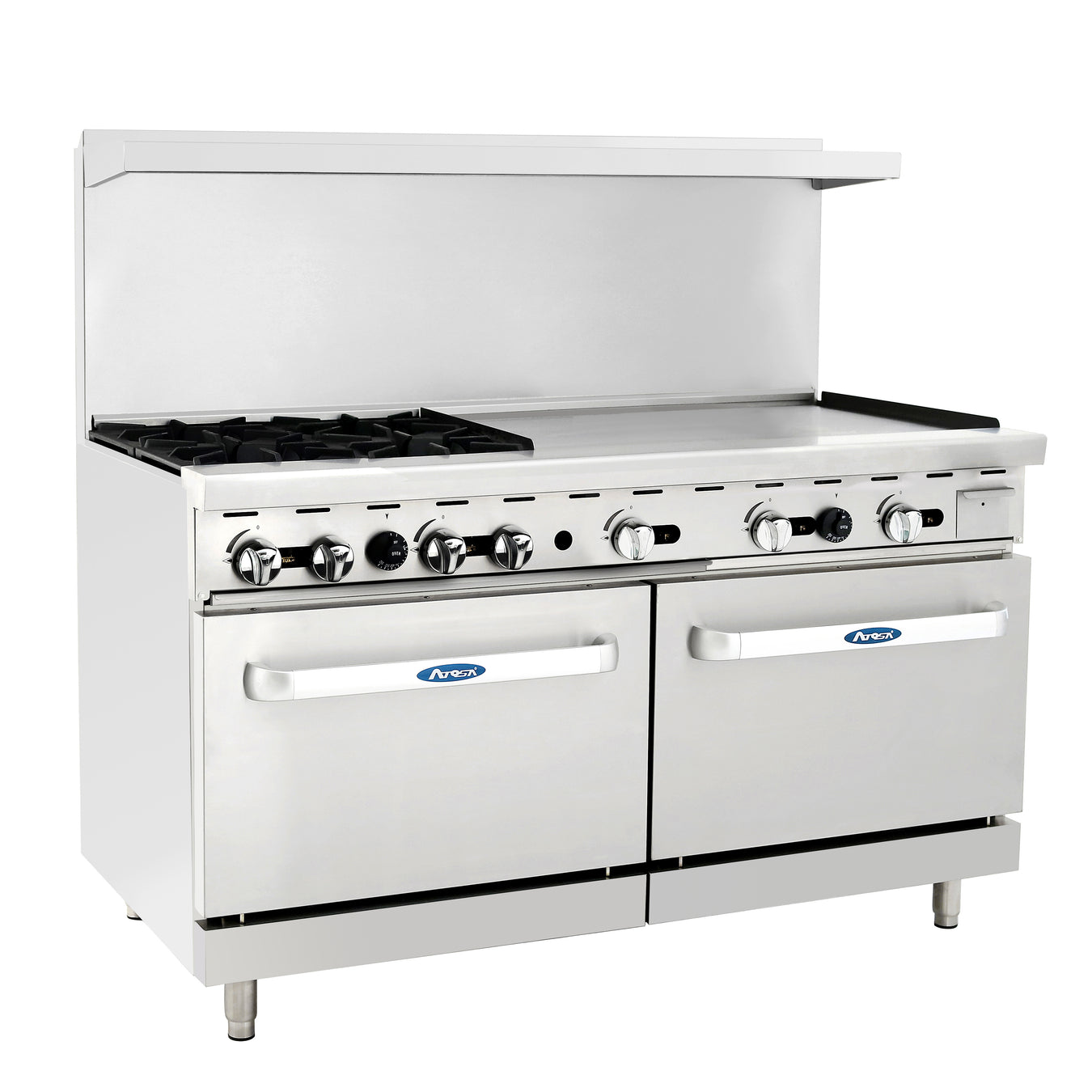
Putting a residential stove in a commercial kitchen is like bringing a knife to a sword fight—it’s simply not built for the job. The difference comes down to durability, power, and features. Commercial models are constructed from heavy-duty materials to withstand constant use and abuse. They deliver significantly higher heat output (measured in BTUs) for faster cooking and recovery times. You’ll also find features on commercial stoves that you won't see on residential ones, like built-in griddles, multiple ovens, and convection capabilities, all designed to maximize a professional kitchen's output and versatility.
Why Choose Propane for Your Commercial Kitchen?
When you're outfitting a commercial kitchen, every decision impacts your workflow, your menu, and your bottom line. The choice between propane and other fuel sources is a big one, and for good reason. Propane offers a unique combination of power, precision, and reliability that many professional chefs swear by. It’s not just about turning on a burner; it’s about having a fuel source that works as hard as you do, from the morning prep rush to the last order of the night. Let's break down the specific advantages that make propane a top contender for any serious culinary operation.
Cook Faster and More Efficiently
In a busy kitchen, time is money. Propane equipment gets you cooking faster with instant heat, eliminating the frustrating wait for burners or ovens to reach temperature. This immediate response means your team can turn tables quicker and manage high-volume orders without missing a beat. Beyond speed, propane appliances are known for their energy efficiency, which can lead to lower utility bills over time. By using less energy to produce powerful, consistent heat, you can invest those savings back into other areas of your business, whether it's expanding your menu or upgrading other equipment.
Gain Superior Heat Control and Precision
Ask any chef what they value most in a cooktop, and they’ll likely say "control." Propane delivers exactly that. Unlike electric ranges that can be slow to respond, propane gives you instant, precise control over the flame. You can go from a rolling boil to a gentle simmer in a split second with a simple turn of a knob. This level of precision is crucial for everything from searing a perfect steak to gently melting chocolate without scorching it. This control ensures consistent results dish after dish, which is the hallmark of a great restaurant. It allows your culinary team to execute their vision without fighting their equipment.
Stay Operational During Power Outages
Nothing brings a dinner service to a screeching halt faster than a power outage. While an electric kitchen would be completely down, a kitchen running on propane can keep the heart of the operation—the cooking line—fully functional. This independence from the electric grid is a massive advantage, turning a potential disaster into a minor inconvenience. You can continue to serve your customers, protect your revenue, and maintain your reputation for reliability. While your refrigerators and lights might be out, your propane-powered ranges and fryers will keep the hot food coming.
The Go-To Choice for Food Trucks and High-Volume Cooking
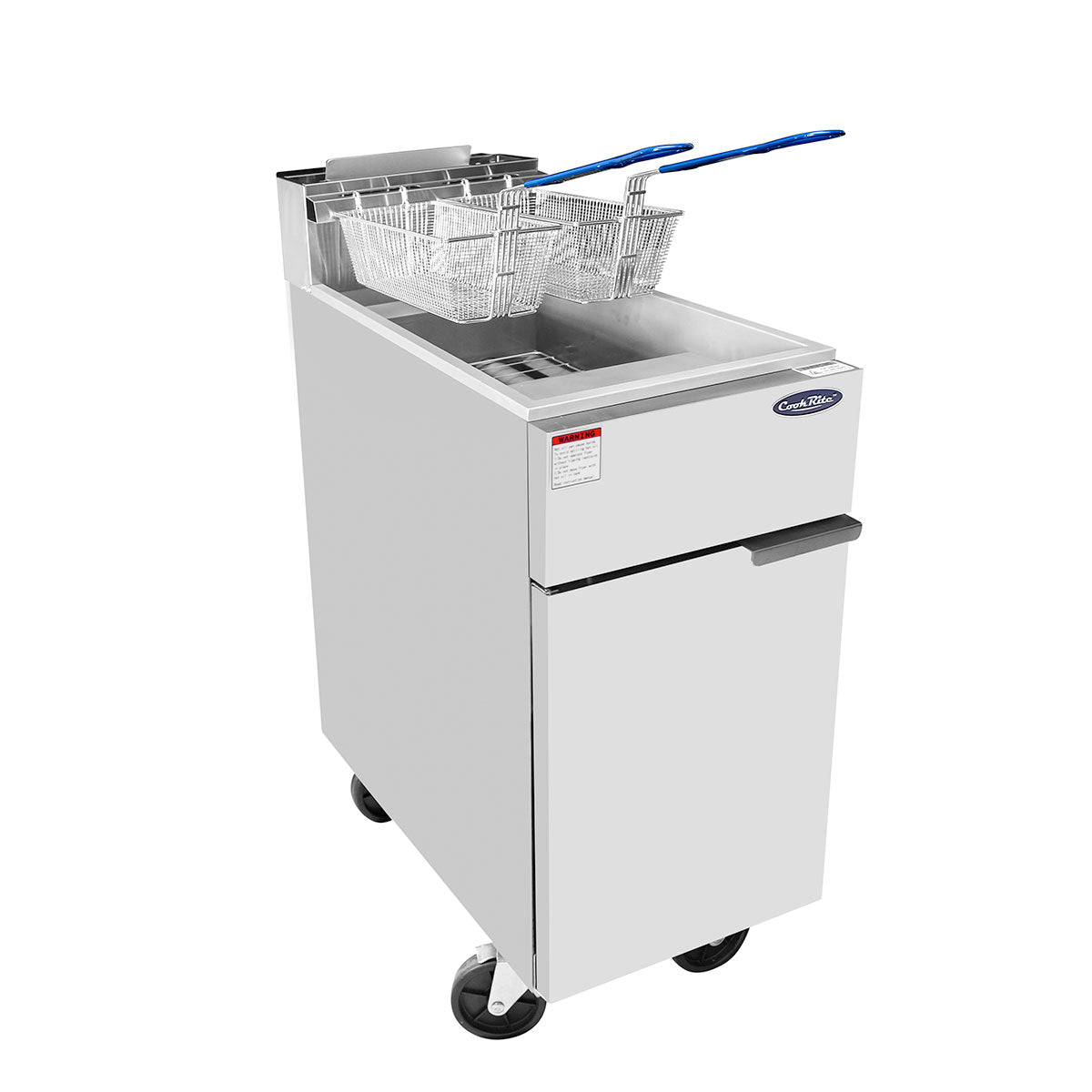
Propane’s versatility makes it the undisputed champion for mobile kitchens like food trucks, catering businesses, and pop-up food stalls. Since it doesn't rely on a connection to a natural gas line, you can set up a powerful, professional-grade kitchen anywhere. The same power that makes it great for mobile operations also makes it a workhorse in high-volume brick-and-mortar restaurants. When you need to run multiple deep fryers, griddles, and ranges at full tilt for hours, propane provides the consistent, high-energy output required to keep up without faltering.
What to Look for in Commercial Propane Equipment
Once you’ve decided that propane is the right fuel for your kitchen, the next step is choosing the right gear. Picking out a new oven or stove is about more than just finding something that fits in your space; it’s about finding a workhorse that can keep up with your busiest shifts. The right equipment can make your workflow smoother and your dishes more consistent. To help you make a smart investment, let’s walk through the key features you should have on your checklist.
Understanding BTU Ratings and Heat Output
When you’re browsing for propane equipment, you’ll see the term “BTU” everywhere. BTU stands for British Thermal Unit, and it’s simply a measure of heat output. A higher BTU means more power. Commercial burners offer a huge range, from a gentle 3,500 BTU for simmering delicate sauces to a powerful 22,000 BTU for getting a perfect, hard sear on a steak. Think about your menu and the cooking techniques you use most often. Having a range with versatile burners gives you the precise control you need to execute every dish perfectly, from low-and-slow braises to high-heat wok cooking.
Choosing the Right Size and Capacity
Before you fall in love with a piece of equipment, make sure it will physically fit in your kitchen and meet your output needs. Measure your space carefully, accounting for clearance on all sides. Commercial propane ranges come in various widths, typically from 24 to 48 inches, to suit different kitchen layouts. Beyond the footprint, consider the oven’s internal capacity. Will it hold multiple sheet pans for baking or a large roasting pan for your Sunday special? Choosing the right size ensures your equipment works with your space, not against it, helping you manage high-volume service without a hitch.
Essential Safety Features and Ventilation
Safety should always be your top priority, especially when working with gas. Proper ventilation is non-negotiable. Your kitchen must have a professionally installed ventilation hood to pull harmful gases, grease, and excess heat out of the cooking area. This not only keeps your staff safe but also creates a more comfortable working environment. It’s also crucial to establish a routine for checking your gas lines for any leaks. A simple soap-and-water test can help you spot potential issues before they become serious problems. Regular maintenance and a well-ventilated space are the cornerstones of a safe, professional kitchen.
Why Heavy-Duty Construction Matters
A commercial kitchen is a demanding environment, and your equipment needs to be tough enough to handle the pressure. Look for gear made from high-quality stainless steel. This material is the industry standard for a reason: it’s durable, resists rust and stains, and is easy to clean, keeping your kitchen looking professional. Heavy-duty construction means your investment will withstand the rigors of daily use for years to come. Because quality equipment is a significant purchase, exploring restaurant equipment financing can be a smart way to get the durable tools you need without a massive upfront cost.
Propane vs. Electric: Which Is Right for Your Kitchen?
Choosing between propane and electric equipment is one of the biggest decisions you'll make for your commercial kitchen. It impacts everything from your monthly utility bills to the quality of the food you serve. While electric ranges and ovens have their place, many professional chefs stand by propane for its power, precision, and reliability. Both have their pros and cons, and the right choice depends on your budget, cooking style, and long-term operational goals. Let's break down how they compare in the areas that matter most: cost, performance, and maintenance. By looking at the full picture, you can confidently select the equipment that will set your kitchen up for success.
Comparing Upfront Investment and Long-Term Costs
Let’s talk numbers. The initial price tag for propane equipment and its installation can sometimes be higher than for electric models. However, it's crucial to look beyond that first invoice. Propane is often more affordable than electricity, which means you could see significant savings on your energy bills month after month. Over the lifespan of the equipment, these lower operational costs can easily offset the higher initial investment. If the upfront cost is a hurdle, flexible restaurant equipment financing can help you get the gear you need now without straining your budget, making that long-term saving strategy much more attainable.
A Head-to-Head on Cooking Performance
When it comes to performance, propane is a clear favorite in many professional kitchens. Why? It all comes down to control. Propane cooking equipment gives you instant, precise heat that you can adjust on the fly. This is essential for everything from achieving the perfect sear on a steak to gently simmering a delicate sauce. Unlike electric burners that take time to heat up and cool down, propane responds immediately. This efficiency doesn't just improve your cooking—it also helps manage your energy bills. Because propane appliances are so energy-efficient, you use less fuel to get the job done, which is a win for both your kitchen's workflow and your bottom line.
Maintenance Demands and Equipment Lifespan
There's a common myth that propane appliances are difficult to maintain, but that's simply not the case. The truth is, all commercial restaurant equipment requires consistent care to perform safely and efficiently. Whether you choose propane or electric, regular maintenance is essential for ensuring a long and productive lifespan. A simple daily cleaning routine and scheduled professional inspections will keep your propane stove or oven in top condition. With proper care, heavy-duty propane equipment is built to withstand the demands of a busy kitchen for years, making it a reliable and durable investment.
Common Myths About Propane Equipment, Busted
When you’re outfitting a commercial kitchen, you hear a lot of opinions. Propane equipment, in particular, is surrounded by some persistent myths that can make it hard to decide what’s best for your business. Let's clear the air and look at the facts behind these common misconceptions so you can choose your equipment with confidence.
Myth: Propane is Unsafe or Difficult to Install
The biggest hesitation people have about propane often comes down to safety. There's a common belief that gas stoves are risky or contribute to poor air quality. While any kitchen equipment needs to be handled correctly, modern propane appliances are built with incredible safety features. The key is professional installation. Getting your propane stove or oven installed by a certified technician is a straightforward process that ensures everything is hooked up correctly and safely, giving you peace of mind and a reliable cooking station.
Myth: It's Too Expensive and Inefficient
Many people assume that propane is the more expensive option. While the initial investment for the equipment and installation can sometimes be higher than electric, the long-term savings tell a different story. Propane is often more affordable than electricity, which means your utility bills will be lower over the life of the appliance. For a busy restaurant, those operational savings add up quickly. If you're concerned about the upfront cost, exploring restaurant equipment financing can make it much more manageable to get the high-performance gear you need.
Myth: It's Unreliable and Hard to Maintain
Another myth is that propane appliances are finicky and require constant, specialized maintenance. The truth is, propane equipment is built to be a workhorse in a demanding kitchen environment. Like any piece of professional gear, from deep fryers to refrigerators, it needs regular care to perform at its best. A simple routine of daily cleaning and scheduled professional check-ups is all it takes to keep your propane stove running efficiently and safely for years. This consistent performance is exactly why so many chefs depend on it.
How to Properly Maintain Your Propane Equipment
Propane equipment is a workhorse in any commercial kitchen, but like any valuable tool, it needs consistent care to perform at its best. Proper maintenance isn't just about keeping things clean; it's about ensuring safety, maximizing efficiency, and extending the life of your investment. A well-maintained propane stove or oven will cook more evenly, use fuel more efficiently, and be far less likely to cause unexpected downtime during a busy service. Think of it as part of your kitchen's daily rhythm. By creating simple, repeatable routines for your team, you can protect your staff, your customers, and your bottom line.
Neglecting maintenance can lead to inconsistent cooking results, higher energy bills, and even dangerous gas leaks or equipment failure. The good news is that keeping your gear in prime condition doesn't have to be complicated. It boils down to a combination of daily diligence from your staff and periodic check-ins from a professional. Let's walk through the essential steps to keep your restaurant equipment in top shape, from daily checks to professional servicing. These practices will help you get the most out of your propane appliances for years to come, ensuring they remain a reliable asset rather than a potential liability.
Your Daily Cleaning and Inspection Checklist
A few minutes of inspection at the start or end of each day can prevent major headaches down the road. Make this checklist a non-negotiable part of your kitchen's opening and closing procedures. First, regularly clean the burner grates and surfaces to remove any food debris or grease buildup, which can interfere with flame quality. Next, do a quick visual check of the gas lines and connections for any signs of wear or damage. You can also perform a simple leak test with soapy water—bubbles indicate a leak. Finally, inspect the ignition system to ensure it’s clean and functioning correctly for a reliable startup every time.
Scheduling Professional Maintenance and Calibration
While your team can handle the daily upkeep, some tasks are best left to the experts. It’s crucial to have a licensed professional install your propane range correctly, ensuring all gas connections and ventilation systems meet safety codes from day one. Beyond installation, schedule professional maintenance at least once a year. During these visits, a technician can perform a deep clean, check for hidden issues, and calibrate your equipment. Proper calibration ensures your oven temperatures are accurate and your burners are operating at peak efficiency, which is key for consistent cooking results and managing fuel costs. This small investment can prevent costly emergency repairs and keep your kitchen running smoothly.
Critical Safety Protocols for Your Staff
Safety should always be the top priority in a kitchen, especially when working with gas. Train your entire staff on these critical safety protocols for handling propane equipment. First, make sure your kitchen is always well-ventilated to prevent any harmful gases from building up. Proper airflow is essential. Second, instill the habit of turning off the gas supply to the range after service is over. This simple step is one of the most effective ways to prevent gas leaks. Finally, ensure everyone knows the location of the fire extinguisher and how to use it. Having one nearby is a must for any commercial kitchen, and regular training drills can make all the difference in an emergency.
Where to Find Your Next Propane Oven or Stove
Once you’ve decided that propane is the right choice for your kitchen, the next step is finding the perfect equipment. From top-tier brands to flexible payment options, here’s what you need to know to make a smart purchase.
Top Brands to Consider for Your Kitchen
When you're looking for a propane stove that can handle the demands of a commercial kitchen, it's smart to focus on brands known for durability and performance. Brands like THOR Kitchen, for example, build professional liquid propane ranges designed to deliver excellent cooking results while adding a sleek look to your kitchen. The key is to find equipment that combines power with reliability. At The Restaurant Warehouse, we stock a wide selection of top-tier restaurant equipment to ensure you can find the perfect fit for your culinary needs, whether you're outfitting a new space or upgrading an old favorite.
Finding the Best Deals and Financing Options
High-quality equipment is an investment, but it doesn't have to break the bank. Keep an eye out for sales events, where you can often find discounts of 28% or more on new propane ranges. This can make a significant difference in your startup or renovation budget. If you need help managing the upfront cost, look into restaurant equipment financing. Financing allows you to get the equipment you need now and pay for it over time, which is a great way to preserve your cash flow for other essential expenses like inventory and staffing. It makes top-of-the-line gear much more accessible for businesses of all sizes.
What to Know About Warranties and Installation
Once you've chosen your new stove, the final steps are installation and understanding your warranty. While having a professional install your gas stove is typically quick and hassle-free, it's not a DIY project. A certified technician will ensure everything is connected safely and up to code. Before they arrive, be sure you understand the warranty that comes with your equipment. Know what it covers and for how long. Regular maintenance is also essential for keeping your stove running efficiently and safely for years to come. A little preventative care goes a long way in protecting your investment and keeping your kitchen productive.
Is a propane stove actually safe to use in a fast-paced commercial kitchen? Absolutely. Modern commercial propane equipment is designed with numerous safety features. The most important factor for safety is proper, professional installation. A certified technician will ensure your gas lines are secure and your ventilation is up to code, which is essential for removing fumes and heat. When installed and maintained correctly, a propane stove is a perfectly safe and reliable tool for any professional kitchen.
I'm on a tight budget. Is electric a cheaper option than propane? While the initial purchase price of an electric range might sometimes be lower, it's important to look at the total cost over time. Propane is often a more affordable fuel than electricity, which means you could see lower monthly utility bills. Over the life of the equipment, these savings can really add up. If the upfront cost is a concern, financing options can help you get the powerful, efficient equipment you need without a huge initial cash outlay.
What does the BTU rating on a stove really mean for my cooking? Think of BTUs (British Thermal Units) as a simple measure of cooking power. A higher BTU rating means more heat, which translates to faster boiling, quicker recovery times, and the ability to get a hard sear on meats. A lower BTU is perfect for delicate tasks like simmering sauces or melting butter. Having a range with burners that offer a wide variety of BTU ratings gives you the versatility and precise control you need to execute your entire menu perfectly.
How much daily maintenance does a propane stove actually require? It’s less than you might think and should be a simple part of your kitchen's closing routine. The key is consistency. At the end of each day, your team should wipe down all surfaces and clean the burner grates to prevent grease and food buildup. This not only keeps your kitchen clean but also ensures the burners light properly and provide an even flame. This small daily habit prevents bigger problems and keeps your equipment running efficiently.
Can I use a residential propane stove in my small cafe or food truck? It’s strongly advised that you don’t. Residential stoves are not built to withstand the constant, heavy use of a commercial environment. They lack the power, durability, and safety certifications required for a professional kitchen. A commercial-grade stove is constructed from heavy-duty materials and delivers the high, consistent heat you need to serve customers quickly and safely. It's an investment in your business's efficiency and longevity.
Sean Kearney used to work at Amazon.com and started The Restaurant Warehouse. He has more than 10 years of experience in restaurant equipment and supplies. He graduated from the University of Washington in 1993. He earned a BA in business and marketing. He also played linebacker for the Huskies football team. He helps restaurants find equipment at a fair price and offers financing options. You can connect with Sean on LinkedIn or Facebook.







Leave a comment