

How Much Dough for a Commercial Wood Fired Pizza Oven?
Understanding the Investment: How Much Does a Wood-Fired Pizza Oven Cost?
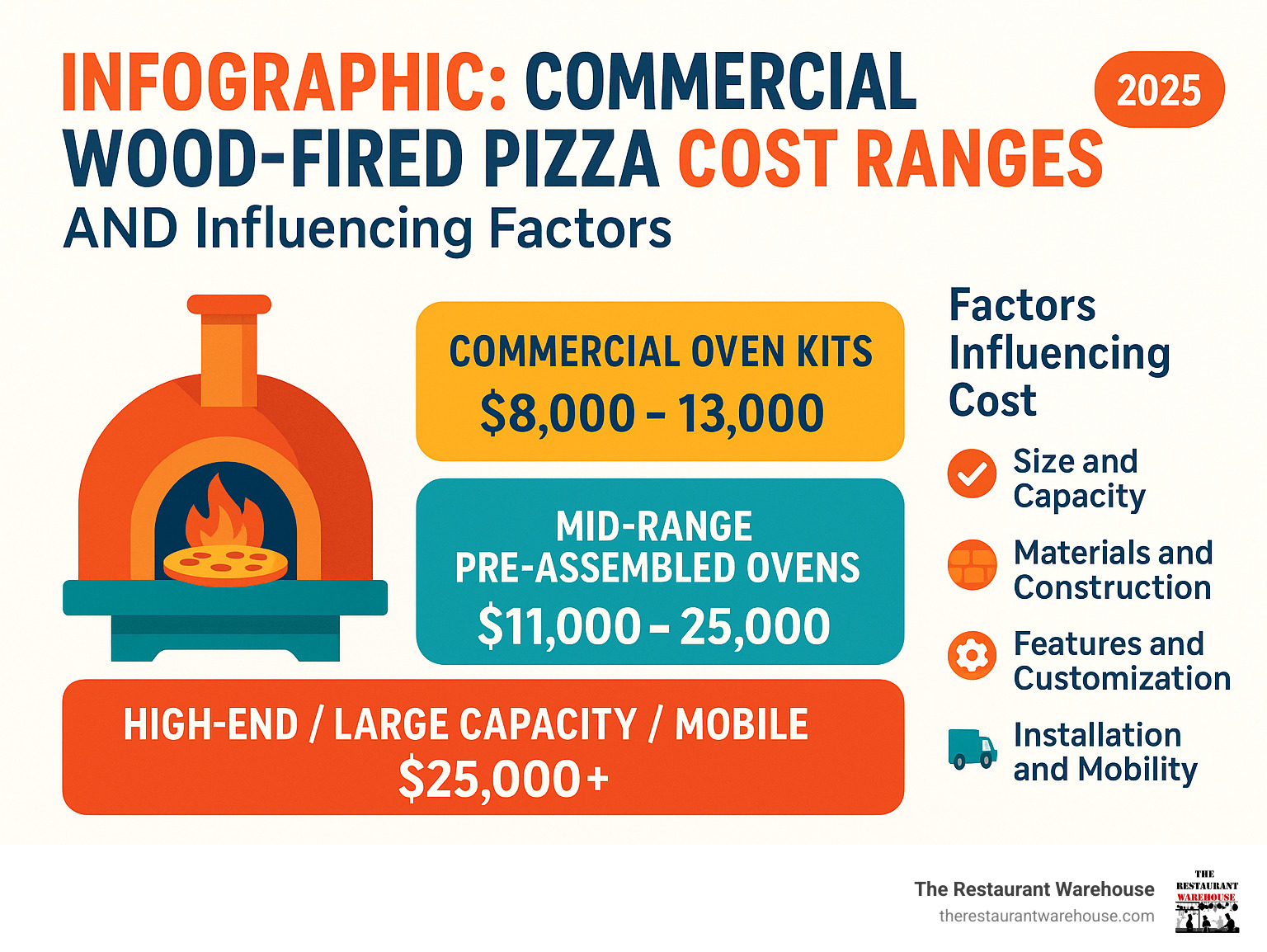
So, how much does a wood-fired pizza oven cost? For any home chef, backyard enthusiast, or family looking to lift their outdoor cooking, the answer spans a surprisingly wide spectrum. The dream of pulling a perfectly blistered, smoky, and delicious pizza from a roaring oven is more accessible than ever, but the cost depends heavily on the type, size, and style of oven you choose. Here’s a general overview of the price ranges you can expect for a residential wood-fired oven:
- Portable & Countertop Ovens: These compact and convenient models are the most affordable entry point, typically ranging from $300 to $2,000. They are perfect for small spaces, renters, or those who want to test the waters of high-temperature cooking.
- DIY Oven Kits: For the hands-on homeowner, modular or masonry kits offer a rewarding project and a high-quality result for $1,500 to $5,000. These kits provide the core components, allowing you to customize the final look.
- Pre-Assembled & Freestanding Ovens: Offering a blend of convenience and performance, these factory-built ovens arrive ready to be placed and fired up. Expect to invest between $2,000 and $10,000 for these popular models.
- High-End & Custom Built-In Ovens: At the pinnacle of outdoor kitchen design, these ovens are permanently integrated into your landscape. Prices start around $5,000 and can easily exceed $20,000, reflecting bespoke designs, premium materials, and professional masonry work.
A wood-fired pizza oven is far more than just a cooking appliance; it's an investment in a lifestyle. It becomes the heart of your backyard, a gathering place for friends and family, and a gateway to a new world of culinary exploration. The unparalleled flavor it imparts to food creates unforgettable meals, and the oven itself stands as a beautiful and functional centerpiece. Investing in a quality wood-fired oven is a decision that pays dividends in shared experiences, delicious food, and the pure joy of cooking with live fire. It's a powerful tool that provides a unique culinary edge to your home cooking.
The Price Spectrum: Finding the Right Home Wood-Fired Oven for Your Budget
When you ask, how much does a wood-fired pizza oven cost, the answer lies within a diverse landscape of options designed for every type of home and budget. Generally, you can expect to spend anywhere from $300 for a basic portable unit to over $20,000 for a fully custom, professionally installed masterpiece. This vast range exists because there are many paths to achieving authentic, high-heat cooking in your own backyard. Let's explore the distinct categories to help you find the perfect fit for your culinary ambitions and financial plans.
Portable & Countertop Ovens: $300 - $2,000
This category has revolutionized backyard pizza making, making it accessible to almost everyone. Dominated by innovative brands like Ooni, Gozney, and Solo Stove, these ovens are compact, efficient, and incredibly user-friendly. They are typically constructed from stainless steel and use various fuels—some run on wood pellets or kindling, others on propane, and many offer multi-fuel capabilities. Their main advantage is speed and convenience; they can reach temperatures of over 900°F (500°C) in as little as 15-20 minutes. While they lack the immense thermal mass of their larger masonry cousins, they excel at cooking Neapolitan-style pizzas in 60-90 seconds. They are the perfect choice for those with limited space, renters who can't install a permanent structure, or anyone wanting a low-cost, low-commitment way to start their pizza journey.
DIY & Modular Oven Kits: $1,500 - $5,000
For the dedicated DIYer, building your own pizza oven is a deeply rewarding experience. Modular and masonry oven kits provide a fantastic middle ground between starting from scratch and buying a finished product. These kits typically include the most critical, hard-to-fabricate parts: a cast refractory dome (often in interlocking pieces), the cooking floor (made of firebrick or engineered material), high-temperature mortar, and insulation materials like ceramic fiber blankets. You are responsible for building a sturdy base and applying the final exterior finish, which gives you complete creative control. You can encase it in brick, cover it with stucco, or adorn it with custom tile work. This approach significantly reduces the cost compared to a pre-assembled oven of similar size and quality, with the savings coming from your own labor. It's a substantial project, but the result is a high-performance, permanent oven that is truly your own.
Pre-Assembled & Freestanding Ovens: $2,000 - $10,000
This is the most popular category for homeowners seeking a permanent, high-quality oven without the lengthy construction process of a DIY kit. These ovens are built in a factory to exacting standards and arrive at your home either fully assembled or in a few large pieces that are simple to put together. They often come with their own metal stand, making placement easy, or they can be set on a custom-built countertop. The aesthetics are a major selling point, with beautiful finishes ranging from classic terracotta and painted stucco to intricate mosaic tiles. These ovens boast excellent heat retention thanks to thick refractory domes and substantial insulation, allowing you to cook for hours and even use the residual heat for baking bread the next day. They represent a fantastic balance of performance, convenience, and style, making them a stunning and functional addition to any patio or outdoor kitchen.
High-End & Custom Built-In Ovens: $5,000 - $20,000+
At the apex of the residential market are custom built-in wood-fired ovens. These are not just appliances; they are architectural features, seamlessly integrated into a comprehensive outdoor living space. The process often involves collaboration with a landscape architect, designer, or specialized mason. The oven itself might be a high-end modular core, around which a unique structure is built to match the home's aesthetic. The possibilities are limitless—from rustic stone facades to sleek, modern concrete designs. These ovens are typically larger, offering more cooking space and incredible thermal mass for all-day cooking events. The cost reflects the premium materials, extensive skilled labor, and the bespoke nature of the project. For those asking how much does a wood fired pizza oven cost when seeking the ultimate in performance and design, this category represents the pinnacle of home culinary investment, creating a permanent and valuable feature for your property.
What Key Factors Determine the Cost of a Wood-Fired Pizza Oven?
Beyond the broad categories of portable, kit, or pre-assembled, several critical factors influence the final price tag of a wood-fired pizza oven. Understanding these elements is key to making an informed choice, ensuring you get the best value and performance for your specific needs and how you plan to cook.
Size, Capacity, and Cooking Surface
The physical size of the oven is one of the most significant cost drivers. A larger oven requires substantially more raw materials—more refractory cement, more firebrick, and more insulation—all of which increase the price. Size directly correlates with capacity. A small countertop oven might only fit a single 10-inch pizza, perfect for a couple or small family. A mid-size backyard oven with a 32-inch internal diameter can comfortably cook two pizzas at once, making it ideal for small gatherings. A large, 42-inch oven can handle three to four pizzas simultaneously, turning your backyard into a pizzeria for larger parties. When considering size, think realistically about how many people you'll typically be cooking for. A bigger oven costs more upfront and also requires more fuel and a longer time to heat up, so bigger isn't always better for everyone.
Materials and Construction Quality
The quality and type of materials used are paramount, directly impacting the oven's durability, heat retention, performance, and, consequently, its price. An oven must endure thermal shock and maintain blistering temperatures of 900°F (500°C) and above.
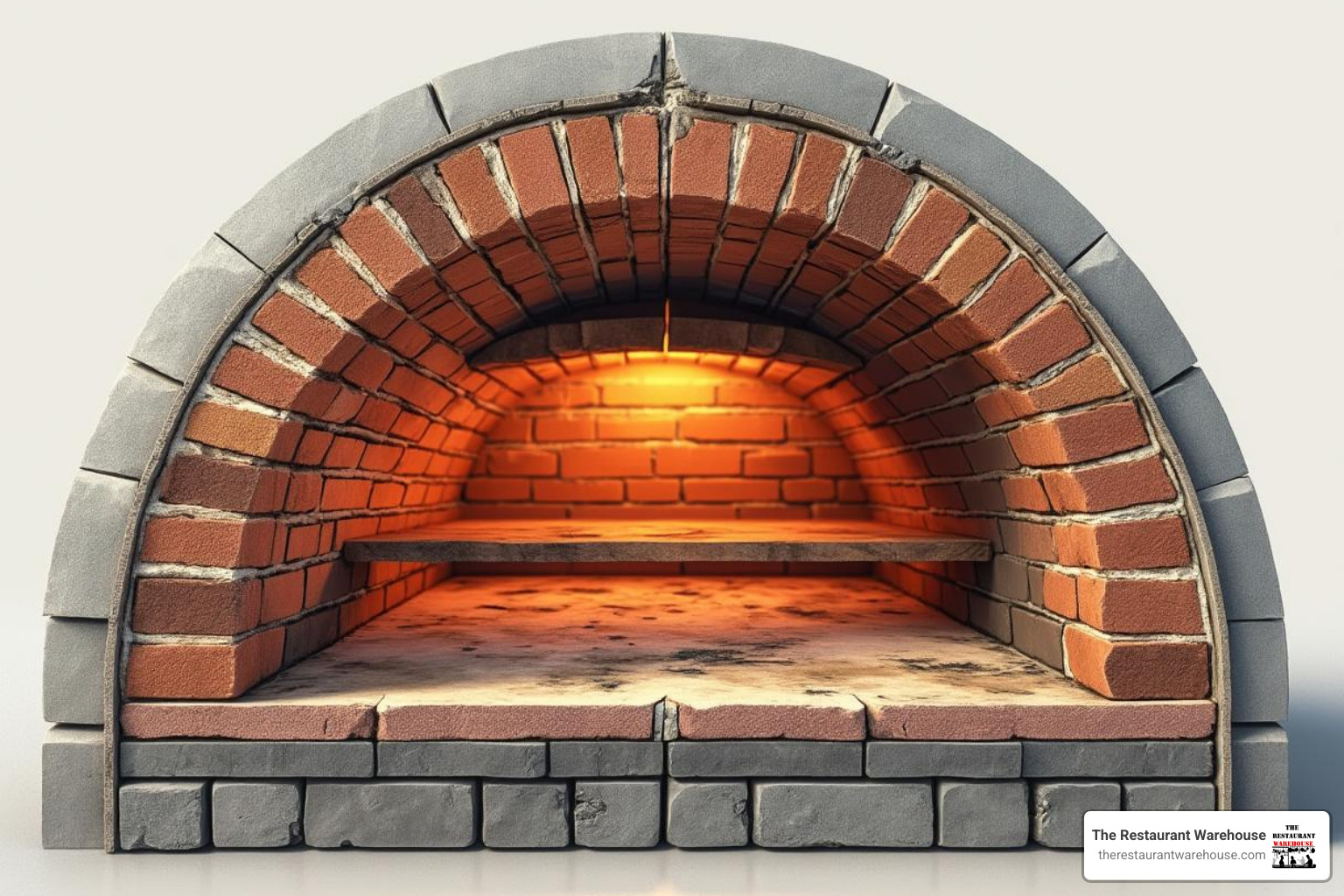
- Refractory Materials: The heart of the oven is its dome and hearth (floor), which are made from refractory materials designed to withstand extreme heat. High-end ovens use high-alumina refractory concrete or dense firebrick. These materials are excellent at absorbing, storing, and radiating heat evenly, which is crucial for cooking pizzas quickly and achieving a perfect crust. Cheaper alternatives may crack or degrade over time.
- Hearth/Floor Material: The cooking floor is especially important. Many of the best ovens use specific types of firebrick or engineered stone tiles for the hearth. These materials have the ideal thermal conductivity to pull moisture from the dough and create a crisp, leopard-spotted char (known as 'leoparding') on the bottom of the crust without burning it.
- Insulation: This is a critical, often unseen, component. Superior insulation separates a great oven from a mediocre one. High-quality ovens use multiple layers of insulation, typically a thick blanket of ceramic fiber (like Kaowool) over the dome and a rigid, high-temperature calcium silicate or ceramic fiber board under the hearth. This combination traps heat inside the oven for hours, meaning it uses far less wood to stay hot and the exterior remains cool and safe to the touch. Poorly insulated ovens bleed heat, require constant feeding of wood, and can be a safety hazard.
- Exterior Shell and Finish: The outer layer protects the insulation and provides the oven's aesthetic. This can range from a simple powder-coated steel shell on a pre-assembled model to elaborate, hand-applied stucco or custom mosaic tile work on a high-end oven. The complexity and quality of this finish contribute significantly to the overall cost.
- Dome Shape: The classic low-slung Neapolitan or Pompeii-style dome is not just for looks. This specific geometry is engineered to promote convection, forcing hot air to roll down from the top and cook the pizza toppings evenly while the hearth cooks the base. This efficient heat circulation is a hallmark of a well-designed oven.
Advanced Features and Fuel Type
Modern ovens often come with features that improve convenience and versatility, which can add to the cost.
- Fuel Source (Wood, Gas, or Hybrid): While traditionally wood-fired, many residential ovens now offer the option of a built-in gas burner (natural gas or propane). A gas-assist feature allows for faster, easier preheating and provides consistent, easily controllable heat, which is great for beginners or for maintaining temperature during a long party. Hybrid ovens that can burn wood and gas simultaneously offer the ultimate in flexibility—the convenience of gas with the added smoky flavor of wood. These dual-fuel systems are more complex and therefore more expensive.
- Digital Temperature Controls: Ovens equipped with gas burners often include digital thermometers and control panels to precisely monitor and set the internal temperature.
- Design and Portability: Features that improve portability, like integrated carts with wheels, or design elements like decorative chimney caps and doors, will also influence the final price.
Wood-Fired Ovens: A Deeper Look at Cost and Performance
Understanding how much does a wood-fired pizza oven cost requires looking beyond the initial purchase price. It's an investment in a cooking method that delivers unparalleled flavor and a unique social experience. To truly grasp its value, it's helpful to compare it to other common home cooking appliances and consider the ongoing operational aspects.
How Does a Wood-Fired Oven Compare to Other Cooking Methods?
A wood-fired oven occupies a special place in the culinary world, offering performance that other devices can't replicate. Its cost reflects this unique capability. Here’s how it stacks up against other ways you might cook a pizza at home:
| Cooking Method | Initial Cost | Flavor Profile | Max Temp | Cook Time (Pizza) | Versatility |
|---|---|---|---|---|---|
| Wood-Fired Oven | High ($1,500 - $20k+) | Smoky, charred, complex, authentic ('terroir') | 900°F+ | 60-90 seconds | Excellent (Pizza, bread, roasts, searing) |
| Portable Pizza Oven (Gas/Pellet) | Low-Medium ($300 - $2k) | Clean, slightly charred (no wood smoke) | 900°F+ | 60-90 seconds | Good (Primarily pizza and flatbreads) |
| Grill (Gas/Charcoal w/ Stone) | Medium ($300 - $3k) | Smoky (charcoal) or grilled, often uneven | 500-650°F | 5-10 minutes | Very Good (Grilling, smoking, some baking) |
| Home Kitchen Oven | Varies (part of home) | Basic, baked flavor, no char or smoke | 500-550°F | 10-15 minutes | Excellent (General purpose baking/roasting) |
While a high-quality wood-fired oven carries the highest initial cost, the table reveals why. It's the only method that combines extremely high temperatures with the authentic, nuanced flavor of wood smoke. The intense radiant heat from the dome and conductive heat from the hearth work together to cook a pizza in under two minutes, creating a crust that is simultaneously crisp, chewy, and tender—a texture that is impossible to achieve in a conventional 500°F oven. A grill can impart smoke flavor but lacks the overhead radiant heat to cook toppings properly before the base burns. A portable oven can match the heat but often lacks the thermal mass and the authentic wood-smoke element. The wood-fired oven is in a class of its own for creating the ultimate pizza experience.
Operating Costs and Long-Term Value
Beyond the sticker price, it's wise to consider the ongoing costs and long-term benefits.
- Fuel: Your primary ongoing cost will be wood. For the best results, you need seasoned, dense hardwoods like oak, maple, or fruitwoods, which burn hot and clean. The cost can vary depending on your location and whether you buy it by the cord, in bundles, or by the box. However, a well-insulated, efficient oven uses surprisingly little wood once it's up to temperature, often requiring just a few logs per hour to maintain its heat.
- Maintenance: These ovens are remarkably durable but require simple, regular maintenance. This includes sweeping out ash from the hearth after each use, cleaning the flue periodically to prevent creosote buildup, and inspecting the masonry for any small cracks that may develop over time (which are often normal and easily repaired with high-temperature mortar).
- Lifespan and Durability: A well-built masonry or refractory oven is a long-term investment that can last for decades. Unlike many modern appliances with complex electronics that can fail, a wood-fired oven is a simple, robust structure. Its longevity means the cost, when amortized over its lifespan, can be quite reasonable.
- Social Value and Entertainment: The true 'return on investment' for a home pizza oven isn't financial. It's measured in memorable evenings spent with family and friends, the 'theater' of the open flame, and the joy of sharing food you've crafted by hand. This social and experiential value is a significant part of its appeal and a key reason why owners feel it's worth every penny.
Beyond the Sticker Price: Budgeting for the Full Installation
When you're calculating how much does a wood-fired pizza oven cost, it's crucial to look beyond the price of the oven itself. Several additional expenses are necessary for a safe, functional, and beautiful installation. Factoring these into your initial budget will help you avoid unexpected costs down the road.
Foundation, Installation, and Ventilation
This is often the most significant additional cost, especially for permanent ovens. Portable ovens, of course, require no installation, but for kits and pre-assembled models, the setup is a major consideration.
- Foundation: A permanent wood-fired oven is incredibly heavy, with many pre-assembled models weighing over 2,000-3,000 lbs. They require a substantial, level, and non-combustible foundation. This typically means pouring a reinforced concrete slab. If you're building a larger base structure from concrete blocks to hold the oven at counter height, the foundation needs to be even more robust. The cost of concrete work and masonry can add several hundred to a few thousand dollars to your project.
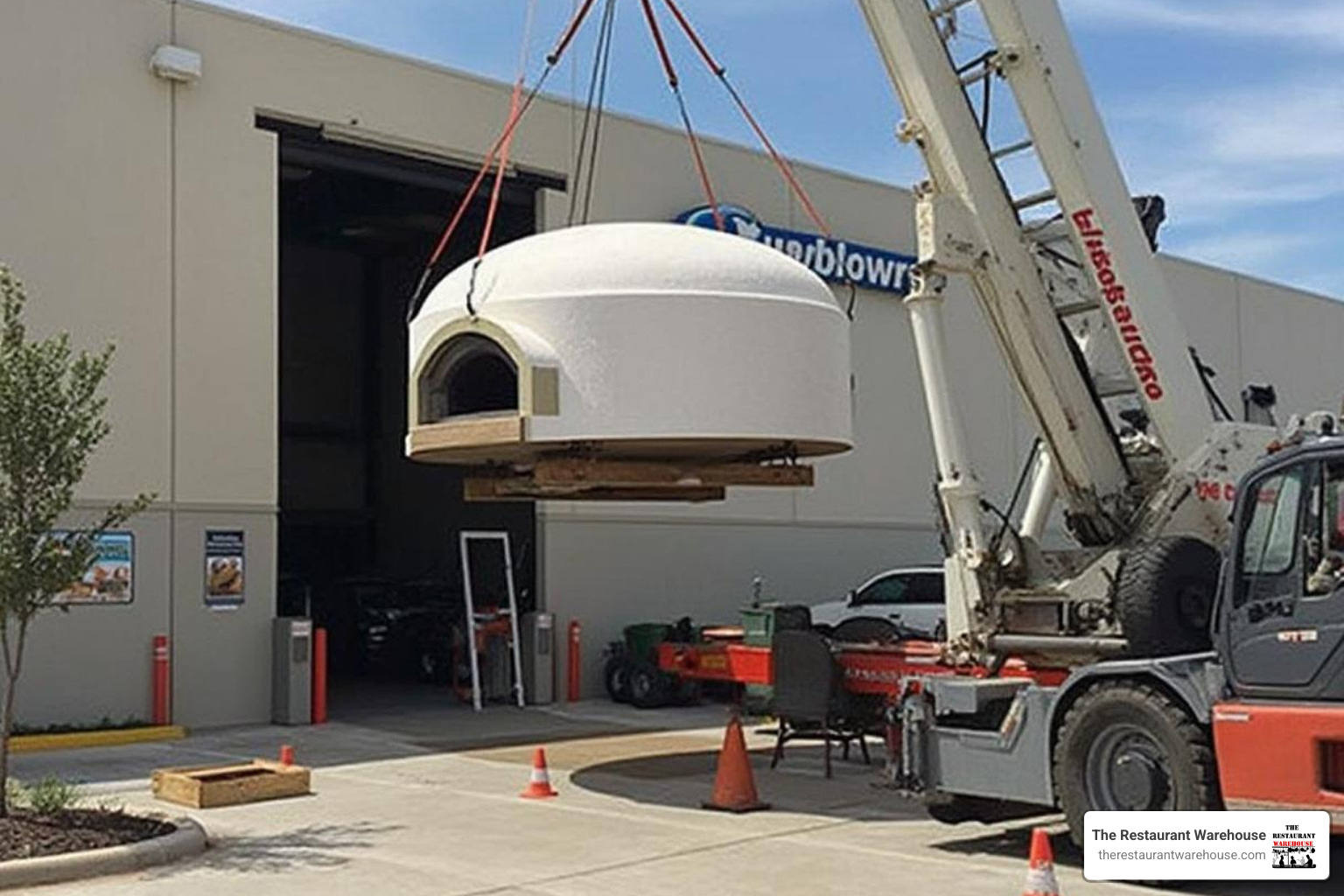
- Placement and Lifting: Getting a heavy, pre-assembled oven into your backyard can be a logistical challenge. Unless you have direct, wide access for a forklift, you may need to hire a small crane or a specialized moving crew to lift the oven over fences or into its final position. This can be a significant, often overlooked, expense.
- Ventilation and Chimney: Proper ventilation is critical for safety and performance. The oven needs a chimney to draw smoke up and away from the cooking area and your outdoor living space. You'll need to consider local building codes and HOA regulations regarding chimney height and proximity to property lines or combustible structures (like a patio cover or your house). For installations under a covered patio, you'll need a more expensive, double-wall insulated chimney pipe that can safely pass through the roof structure.
Essential Accessories and Tools
Once your beautiful new oven is in place, you're not quite ready to bake. You'll need a set of specialized tools to manage the fire and the food safely and efficiently. These are not optional; they are essential for operating a high-temperature oven.
Budget for a quality set of tools, which should include:
- Pizza Peels: You'll need at least two. A large placement peel (often made of wood or aluminum) for sliding raw pizzas into the oven, and a smaller, round turning peel (usually metal) for rotating the pizzas inside the hot oven to ensure they cook evenly.
- Ember Rake and Ash Shovel: A long-handled rake is used to move the hot coals to the side of the oven to create a clear space for cooking, and a shovel is for removing the cool ash the next day.
- Wire Brush: A brass-bristle brush is used to sweep the cooking hearth clean of any ash or debris before you place a pizza on it.
- Infrared Thermometer: This is a crucial tool. A handheld infrared 'gun' allows you to get an instant, accurate reading of the hearth temperature, which is the key to knowing when the oven is ready for pizza.
Many manufacturers offer tool sets, which can be a convenient way to get everything you need at once.
Shipping, Delivery, and Financing
Don't forget the final leg of the journey. Because of their size and weight, larger ovens are shipped via freight, which can add several hundred dollars or more to the final cost. Always confirm shipping fees before you purchase.
When the oven arrives, inspect it immediately for any damage that may have occurred during transit. Check the dome, arch, and especially the fragile cooking stones. If you see any issues, document them with photos and contact the supplier right away before signing off on the delivery.
Given that a quality oven is a significant purchase, many retailers and manufacturers offer financing options. Services like Affirm, Klarna, or dedicated financing plans can allow you to spread the cost over time, making the investment more manageable and allowing you to get the oven of your dreams without depleting your savings.
The Return on Investment: Why a Wood-Fired Oven is Worth the Dough
After carefully considering how much does a wood-fired pizza oven cost, it's natural to ask: is it worth it? Unlike a typical appliance purchase, the value of a wood-fired oven is measured less in dollars and cents and more in flavor, experiences, and the joy it brings to your life. The return on this investment is a profound improvement of your home, cooking, and social life.
The 'Lifestyle' ROI: More Than Just Pizza
A wood-fired oven is a catalyst for connection and culinary creativity. Its true value lies in the experiences it creates:
- Unparalleled Flavor and Culinary Exploration: The combination of intense heat and wood smoke creates flavors that are simply unattainable with conventional cooking methods. The perfect pizza crust—crisp, airy, and kissed with char—is just the beginning. You'll find the magic of roasting vegetables until they are sweet and caramelized, searing steaks with a perfect crust, and baking artisan breads with an incredible oven spring and crackling crust. It pushes you to become a better, more intuitive cook.
- The Ultimate Backyard Centerpiece: A wood-fired oven has a magnetic pull. It becomes the focal point of your outdoor space, a place where people naturally gather. The mesmerizing glow of the fire, the aroma of wood smoke, and the theater of cooking create a captivating ambiance that turns a simple dinner into a memorable event. It encourages you to spend more time outdoors, entertaining friends and connecting with family.
- A Versatile and Engaging Hobby: Mastering a wood-fired oven is a rewarding journey. Learning to build and manage a fire, understanding how the heat moves within the dome, and perfecting your dough recipe becomes a deeply satisfying hobby. It’s an active, hands-on process that connects you to a timeless way of cooking, offering a welcome escape from the digital world.
- Creating Lasting Traditions: Pizza nights become a cherished ritual. Holiday gatherings are liftd with unique, wood-fired dishes. You're not just making food; you're creating a tradition and building a bank of warm memories for your family and friends that will last a lifetime.
How does the efficiency of a wood-fired oven contribute to its value?
The brilliant, ancient design of a wood-fired oven is inherently efficient, which adds to its long-term value and enjoyment.
- Incredible Heat Retention: A well-made oven with substantial thermal mass and high-quality insulation is like a thermal battery. Once heated, it can retain its cooking temperature for hours with minimal additional fuel. Many ovens will still be over 300°F the next morning, perfect for slow-roasting a pork shoulder or baking a batch of morning rolls using the residual heat. This efficiency saves you fuel and effort.
- Fast Pre-heat and Recovery Times: While a large masonry oven can take over an hour to fully heat-soak, its efficiency shines during cooking. The stored heat in the dome and hearth allows it to recover temperature almost instantly after you remove a pizza, so you can cook pizza after pizza without any delay—a key factor when you have a crowd of hungry guests.
- Lower Fuel Consumption: Because a well-insulated oven holds heat so effectively, it requires significantly less wood to maintain its temperature compared to a poorly built or uninsulated oven. This translates to lower ongoing fuel costs and less time spent managing the fire.
- Cooking Versatility from a Single Fire: The oven's ability to cycle through different cooking temperatures as it cools down makes it incredibly versatile. You can use the peak heat (900°F+) for Neapolitan pizza, then as it cools to around 600°F, it's perfect for roasting meats and vegetables. As it drops further to 400-500°F, you can bake bread, and finally, use the low residual heat for slow-cooking or dehydrating. This allows you to cook an entire multi-course meal using the energy from a single fire.
Conclusion: Making the Right Investment for Your Home
When asking the question, "how much does a wood-fired pizza oven cost?", you are starting on a journey to bring a timeless culinary tradition into your own home. We've seen that the price can range dramatically—from a few hundred dollars for a portable unit to upwards of $20,000 for a bespoke, built-in masterpiece. This wide spectrum ensures that there is a wood-fired oven for nearly every budget and ambition.
The final cost is shaped by clear factors: the oven's type (portable, kit, pre-assembled, or custom), its size and capacity, the quality of its materials like refractory concrete and ceramic insulation, and any advanced features like gas-assist burners.
While a quality wood-fired oven represents a significant upfront investment, its true worth transcends the initial price tag. The value is found in the long-term enjoyment and lifestyle improvement it provides. The authentic flavor it imparts, the theatrical ambiance it creates for gatherings, and the sheer versatility it offers for culinary exploration are powerful benefits. Remember to budget for the complete project, including the foundation, potential installation help, ventilation, and the essential tools that will make your cooking experience a success.
The return on this investment is measured in shared meals, new family traditions, and the deep satisfaction of mastering the art of fire and food. Choosing the right oven is about more than just comparing prices; it's about investing in your home, your passion for cooking, and a future filled with countless delicious memories. By carefully considering your space, budget, and how you dream of using it, you can make an informed decision and bring home the perfect wood-fired oven to ignite your culinary creativity.
About The Author

Sean Kearney
Sean Kearney used to work at Amazon.com and started The Restaurant Warehouse. He has more than 10 years of experience in restaurant equipment and supplies. He graduated from the University of Washington in 1993. He earned a BA in business and marketing. He also played linebacker for the Huskies football team. He helps restaurants find equipment at a fair price and offers financing options. You can connect with Sean on LinkedIn or Facebook.
Leave a comment