


From Corner to Counter: Your Guide to the Perfect Kitchen Bench Shelf
Why Every Kitchen Needs a Wooden Bench Shelf
A wooden bench shelf is a versatile piece of furniture that combines seating and storage, making it a valuable addition to kitchens, entryways, and mudrooms. By serving multiple purposes, it maximizes utility in smaller areas and helps create organized, functional spaces.
Key Benefits of a Wooden Bench Shelf:
- Dual Functionality: Provides both comfortable seating and accessible storage.
- Space-Saving Design: Ideal for small rooms by combining two functions in one piece.
- Natural Aesthetic: Adds warmth and character with the beauty of real wood grain.
- Organizational Power: Keeps shoes, bags, cookbooks, or kitchen supplies tidy and out of sight.
- Durability: Solid wood construction offers years of reliable use.
The demand for multi-purpose furniture is growing as homeowners seek smart solutions for modern living. With the storage bench market projected to reach $1.5 billion by 2027, it's clear that this type of furniture addresses real-world space challenges effectively.
Whether you're outfitting a cozy breakfast nook or organizing a busy entryway, the right wooden bench shelf can transform a cluttered corner into a functional, beautiful space. From rustic reclaimed timber to sleek modern finishes, these benches adapt to any style while solving everyday storage problems.
Why a Wooden Bench Shelf is the Ultimate Kitchen Upgrade
In today's homes, every square foot matters. That's why a wooden bench shelf isn't just another piece of furniture—it's a smart solution that earns its place by performing two jobs at once. It provides a comfortable place to sit while also offering valuable storage, making your space more organized and breathable.
The Beauty of Dual-Functionality
Imagine a busy morning in your kitchen. A bench offers a spot for a quick breakfast, while the storage underneath—whether open shelves, drawers, or a lift-top compartment—keeps everyday clutter like reusable bags, shoes, or kids' backpacks neatly tucked away. This dual-purpose design is transformative, freeing up countertops and floor space. Small appliances you only use occasionally, extra table linens, or that random collection of items that never had a home can finally be contained. When furniture works this hard, it changes the entire feel of your room, turning potential chaos into calm efficiency. It’s not just about hiding things; it’s about creating intuitive systems for your daily life, where everything has a logical and accessible home.
A Style That Grows With You
Wood brings a natural warmth and timeless appeal that manufactured materials can't replicate. The visible grain and honest texture of a wooden bench shelf make a room feel more welcoming and grounded. Wood's versatility is its true superpower. A distressed pine bench can create rustic farmhouse charm, while a piece with clean lines in maple or oak fits seamlessly into a modern aesthetic. For a Scandinavian look, consider light woods like ash or birch with simple, unadorned lines. A Mid-Century Modern space would welcome the rich tones of a walnut or teak bench with tapered legs. If your style leans industrial, a bench made from reclaimed timber paired with a dark metal frame makes a powerful statement. Because it adapts so readily to your personal style, a wooden bench feels like a custom part of your home, not a generic, mass-produced item.
Built to Last for Generations
Investing in a solid wooden bench shelf means you're buying furniture that can withstand years of daily use. Unlike particle board that can sag or veneers that chip, solid wood like oak, maple, or walnut stands strong. These materials resist dents and scratches and often develop a beautiful patina over time, adding to their character as they age. This graceful aging process means the bench doesn't just get old; it gains a story. Should life happen—a scratch here or a water ring there—solid wood can be sanded, refinished, and restored to its original glory. This repairability is a key advantage over disposable furniture. It’s a piece that grows with you, making it a sustainable investment that can be enjoyed for years and even passed down to the next generation.
The Organizational Game-Changer
Beyond its good looks, a wooden bench shelf is a secret weapon against clutter. In the kitchen, it can hold cookbooks, serving dishes, or small appliances, keeping your counters clear. In an entryway, it becomes the designated spot for shoes, bags, and mail. This organizational power streamlines your daily routine, ensuring everything has its place—accessible but out of the way. A wooden bench shelf doesn't just add furniture to your home; it adds function, beauty, and breathing room.
Ergonomics and Everyday Comfort
Comfort matters. Standard seat height (about 18–20 inches) works for most adults, but consider cushion thickness and table clearance if the bench will live in a breakfast nook. Softened front edges (a slight radius or chamfer) can improve comfort for longer sits, while rounded corners are safer for homes with kids. If multiple people will use the bench daily, look for a design with a supportive seat panel or slats beneath the seat to minimize flex over time.
Sustainability and Indoor Air Quality
If eco-conscious choices are important to you, look for sustainably sourced woods and low-VOC finishes. Water-based finishes reduce odors and off-gassing, and they dry quickly, making them practical for busy households. Reclaimed or responsibly harvested wood options add character, reduce waste, and align with long-term sustainability goals.
Safety and Stability
For households with children or pets, prioritize stability and anchoring. Anti-tip brackets or discreet wall fasteners can be useful for taller storage benches or benches used beneath windows. Leveling feet help compensate for uneven floors, ensuring the bench sits solidly and won’t rock when people sit down.
Looking to organize your kitchen from top to bottom? Explore more ideas in our guide to durable metal shelving and see how mixed materials can work together for a cohesive, efficient space.
Choosing Your Perfect Wooden Bench Shelf: A Buyer's Guide
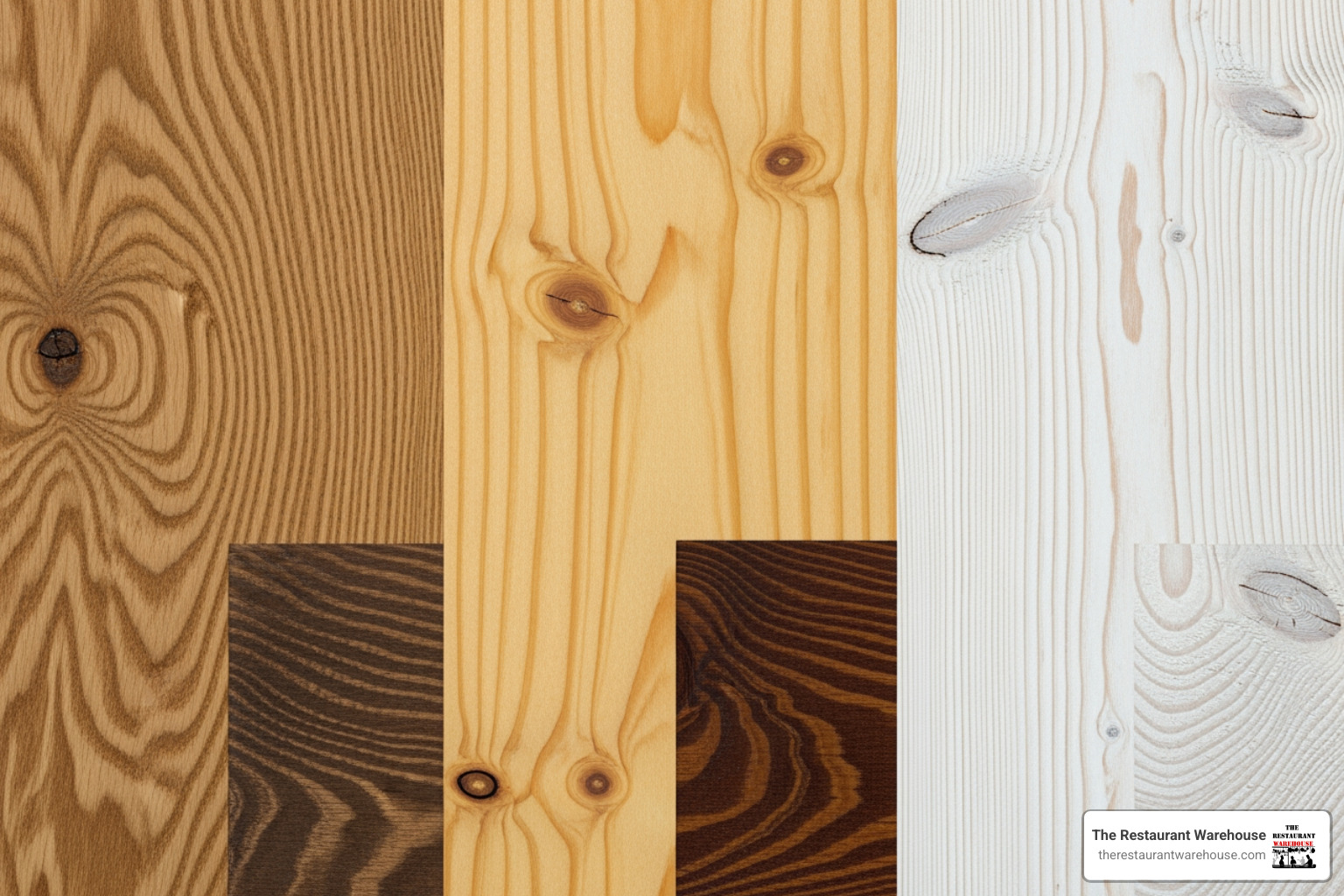
Finding the right wooden bench shelf requires matching the design, material, and size to your specific needs. Whether it's for a breakfast nook or a busy entryway, understanding your options will help you select the perfect piece.
Decoding the Designs: Types of Storage Benches
Storage benches come in several styles, each designed to solve different organizational challenges.
- Open-Shelf Benches: These offer easy, grab-and-go access, making them perfect for storing frequently used items like shoes in an entryway. The open space is also great for decorative baskets, which can add a stylistic touch while concealing clutter.
- Cubby Benches: Featuring divided compartments, cubby benches are ideal for households where each person can have their own designated spot for shoes and bags. They work well with fabric or wicker bins to keep items organized and out of sight.
- Lift-Top Benches: For those who prefer a clean, uncluttered look, lift-top benches provide generous hidden storage under a hinged seat. They are perfect for stashing bulky items like extra blankets, seasonal decor, or pillows.
- Drawer Benches: Offering a more refined, furniture-like appearance, benches with drawers are excellent for organizing smaller essentials like keys, mail, and charging cables, keeping them contained and easy to find.
Material Matters: Selecting the Right Wood
The type of wood you choose affects your bench's appearance, durability, and how it ages over time.
- Hardwoods: Woods like oak, maple, and walnut are known for their exceptional durability and strength. Oak features a prominent grain, maple has a finer texture that takes stain well, and walnut offers rich, dark tones. These woods are a long-term investment.
- Softwoods: Pine is a popular and affordable softwood, prized for its rustic charm and distinctive knots. It’s lighter than hardwoods and takes paint and stain well, making it highly customizable for various decor styles.
- Sustainable Woods: For an eco-friendly choice, consider reclaimed timber or acacia. Reclaimed wood, salvaged from old structures, has a unique history and character. Acacia is a durable, fast-growing hardwood with beautiful grain patterns.
The finish protects the wood and defines its final look. Stains improve the natural grain, while paints offer endless color possibilities. A simple oil finish can bring out the wood's natural beauty.
Sizing It Up: Finding the Right Dimensions
A bench that doesn't fit the space properly will look out of place. Always measure your area before buying.
- Standard Sizes: Most benches are 3 to 6 feet long, 18-20 inches high (standard seat height), and 14-20 inches deep. These dimensions provide comfortable seating without obstructing walkways.
- Measure Your Space: For a kitchen nook, ensure there's enough clearance around the table. In a hallway, check that the bench depth won't block traffic. For placement under a window, measure the height from the floor to the windowsill for a built-in look.
- Scale and Proportion: The bench should feel appropriate for the room's size. A large bench can overwhelm a small entryway, while a tiny bench might look lost in a spacious living room. Choose a size that is substantial enough to be functional without dominating the space.
Construction Quality: What to Look For
- Joinery: Mortise-and-tenon, dowels, or dovetails in load-bearing areas generally indicate better durability than simple butt joints. Reinforced corner blocks under the seat add long-term stability.
- Seat Support: Look for substantial seat panels or slats with cross-bracing. Thicker seat material (for example, 1 inch or more on hardwood) is more resistant to deflection.
- Leg Design: Solid wood legs with a wide stance disperse weight better. If the bench is long, a center support or fifth leg can reduce sagging over time.
- Hardware: Full-extension drawer slides, soft-close hinges, and quality screws/bolts reduce wear and tear. Hidden fasteners create a clean look while keeping hardware protected.
- Leveling and Safety: Adjustable feet help on uneven floors. For taller benches or those used beneath windows, consider discreet wall anchors.
Finish Options and Care Considerations
- Stain + Topcoat: Highlights grain while protecting against spills. Polyurethane or conversion varnish offers robust protection; water-based versions keep colors lighter and reduce odor.
- Painted Finishes: Great for color coordination and a smooth, modern look. Choose durable enamel or catalyzed finishes in high-traffic areas.
- Oil/Wax: Improves natural beauty and is easy to refresh, though it requires more frequent upkeep and offers lighter protection against moisture.
Ready to transform your space with the perfect wooden bench shelf? Contact us to discuss your specific needs and find furniture solutions that combine style, durability, and smart functionality. For more on wood options and seating finishes, explore our overview of wood chairs and finishes, and if you’re planning a seating nook, our Bar Table Dimensions Guide can help you visualize comfortable clearances and proportions.
Styling Your Bench Shelf in the Kitchen and Beyond
A wooden bench shelf is a wonderfully adaptable piece of furniture that can serve different roles throughout your home. One day it’s providing seating in a breakfast nook, and the next it’s organizing your mudroom. This versatility makes it one of the smartest furniture investments you can make.
The Kitchen Command Center
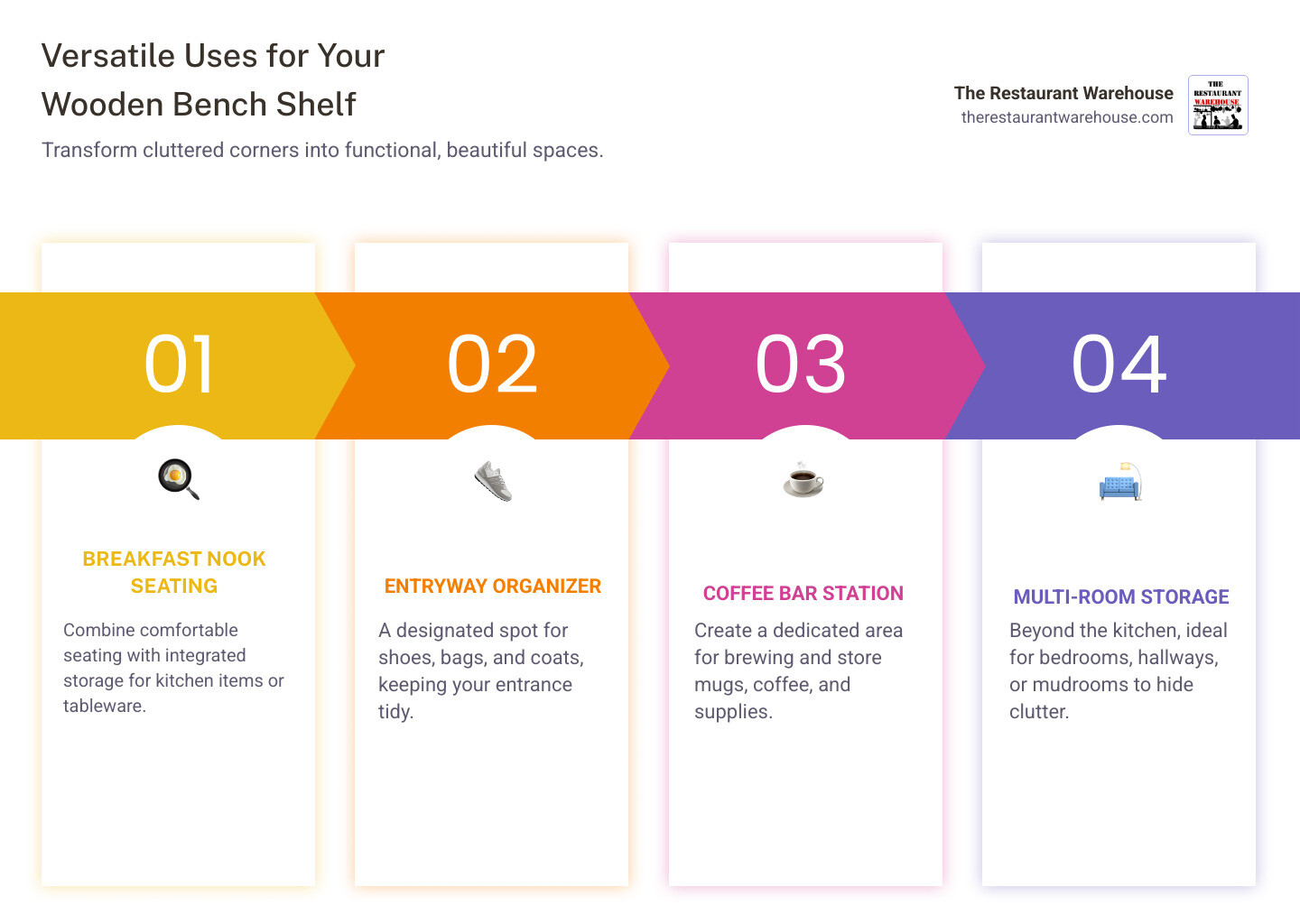
In the kitchen, a wooden bench shelf brings together practicality and style to improve your daily life. As breakfast nook seating, it creates an intimate setting that encourages conversation. To make it truly inviting, add plush cushions and a cozy throw that complement your kitchen’s color scheme.
As an entryway organizer, the bench becomes a landing pad when you come home. The shelf underneath provides shoe storage to keep floors clear, while the seat is a perfect bag drop-off zone. For coffee lovers, the bench can be transformed into a dedicated coffee bar station. The top surface holds your coffee maker and grinder, while the shelf below stores beans, mugs, and other supplies, streamlining your morning routine.
Improve everyday usability with a few small upgrades:
- Use lidded baskets to corral loose items like mail, pet leashes, or kids’ gloves. Choose materials that match your decor: woven seagrass for a coastal vibe, wire mesh for an industrial look, or soft fabric bins for a family-friendly touch.
- Add a narrow tray made of ceramic or wood for keys and wallets, and a surge-protected power strip for discreet device charging if your bench sits near an outlet.
- Keep a washable, textured runner beneath the bench in high-traffic spaces to trap dirt and reduce floor scuffs. This also helps visually anchor the bench in the space.
Versatile Uses Beyond the Kitchen
The utility of a wooden bench shelf extends far beyond the kitchen. It can find a new purpose in almost any room.
- Bedroom: Placed at the foot of the bed, it’s a spot to lay out clothes or sit while getting ready. The end-of-bed storage is ideal for extra blankets, linens, or decorative pillows. Coordinate the bench's wood tone with your headboard or nightstands for a cohesive look.
- Living Room: In a smaller living room, a sturdy bench can serve as a coffee table alternative, with storage for remotes and magazines. Place a large tray on top to create a stable surface for drinks and decor. It can also function as a plant stand by a window or be pulled into the conversation area for extra seating when guests arrive.
- Hallway: A bench in a long hallway breaks up the visual monotony and provides a practical place to pause. The storage underneath can hold seasonal items or decorative bins, keeping the space tidy and functional.
- Mudroom: In a high-traffic mudroom, a durable wooden bench shelf is essential. It provides a place to sit while taking off muddy boots and offers storage for outdoor gear. A bench made of solid hardwood will stand up to the daily wear and tear of this busy zone, proving that investing in quality construction pays off.
Coordinated Styling Tips
- Color and Texture: Pair warm woods with cool textiles (like slate or denim blues) for balance, or use creamy neutrals to soften dark walnut tones. Textured pillows add depth without visual clutter.
- Seasonal Rotation: Swap pillow covers, throws, and basket labels with the seasons to keep the space feeling fresh. Store out-of-season items inside lift-top or drawer benches.
- Small-Space Tricks: Keep the bench depth modest in narrow hallways, and use low-profile bins so the storage looks intentional, not overfilled.
- Renter-Friendly: Rely on removable hooks or leaning mirrors above the bench to create a compact command center without drilling into walls.
Ready to transform your space with versatile storage solutions? At The Restaurant Warehouse, we understand how the right pieces can maximize both function and style. We can help you find furniture that works for your home. Pair your bench with a coordinating dining table to create a cozy, cohesive breakfast nook.
The DIY Route: Building Your Own Bench Shelf
For those with some woodworking experience, building your own wooden bench shelf can be a rewarding project. It allows you to create a piece that perfectly fits your space and style, offering a level of customization that off-the-shelf options can't match.
Why Go DIY?
Building your own bench offers several advantages. You have complete control over the dimensions, materials, and finish, ensuring the final piece is exactly what you envisioned. DIY can also be a cost-effective solution, as raw materials and your own labor often cost less than a pre-made solid wood bench. Above all, there's immense personal satisfaction in creating a functional piece of furniture with your own hands that will be used and appreciated for years.
Getting Started: Tools and Materials
Most DIY bench projects require basic woodworking tools. You'll need a measuring tape, a saw (a miter saw provides the most accurate cuts, but a circular or hand saw will work), a drill/driver, wood glue, and clamps. For joinery, a pocket-hole jig is highly recommended for creating strong, hidden joints. For finishing, have sandpaper in various grits (e.g., 120, 180, 220), a random orbit sander to speed up the process, wood filler for covering screw holes, and tack cloths for dust removal. Always prioritize safety by wearing safety glasses, hearing protection, and gloves.
Materials will depend on your design but typically include lumber (like affordable pine or more durable hardwoods like oak or poplar), plywood for panels or the seat, wood screws of appropriate length, and your choice of stain, paint, or a protective finish. For a lift-top design, you'll also need sturdy hinges and possibly soft-close lid supports for safety.
The Building Process
A successful project starts with a detailed plan. Sketch your design, note all dimensions, and create a precise cut list before you begin. The construction process generally involves:
- Cutting Your Pieces: Carefully cut all your lumber and plywood pieces to size according to your cut list. Measure twice, cut once.
- Building the Frame: Assemble the main structure, which typically consists of four legs connected by aprons (horizontal supports under the seat). Use wood glue on every joint and secure with screws. Pocket holes are excellent for creating strong, invisible joints on the inside of the frame.
- Installing Shelves and Dividers: Add any internal shelves or dividers according to your plan. Ensure everything is square and level before permanently attaching.
- Attaching the Top: Secure the seat to the frame. For a solid top, you can attach it from underneath through the aprons. For a lift-top, install the hinges carefully.
- Finishing: This is the most critical step for a professional look. Fill any visible screw holes with wood filler and let it dry. Sand all surfaces smooth, starting with a lower grit sandpaper and moving to a higher grit. Remove all dust with a tack cloth before applying your chosen stain, paint, or sealant. Apply multiple thin coats for the best result.
- Adding Hardware: Attach hinges for a lift-top or any other hardware like drawer pulls or hooks.
For anyone taking on a woodworking project, it's crucial to follow safety best practices. Authoritative sources, like the OSHA Woodworking eTool, provide essential information for working safely.
Design and Durability Tips
- Use hardwood for the seat if you expect daily seating; softwood components can still work for side panels or interior dividers.
- Add a center support leg or a reinforced cross-brace under longer seats (60 inches and above) to prevent sagging over time.
- Pre-finish interior parts (like the inside of cubbies) before final assembly to get even coverage in tight spaces.
- Consider soft-close lid supports on lift-top designs for safety and a premium feel, especially in homes with children.
- Ensure your design has adequate bracing. Aprons connecting the legs directly under the seat add significant stability and prevent the legs from wobbling.
Finishing for Real Life
- Sand progressively (120 → 180 → 220 grit) and remove all dust between coats for a silky-smooth finish.
- Choose a durable topcoat where spills are likely. Film-forming finishes like water-based polyurethane offer excellent protection, dry quickly, and keep the wood's natural color. Oil-based polyurethane provides a warmer, amber tone and is also very durable but takes longer to dry and has a stronger odor. Penetrating oil finishes are easy to apply and repair but offer less protection against moisture.
- Allow finishes to cure fully before heavy use; follow product guidance for dry and cure times. Curing can take several days to a few weeks, even if the surface feels dry to the touch.
If a DIY project isn't on your agenda, we can help. For a wide selection of ready-made furniture that combines style and durability, contact us at The Restaurant Warehouse to find the perfect storage solution for your home.
Frequently Asked Questions about Wooden Bench Shelves
When considering a wooden bench shelf, many people have questions about care, durability, and materials. Here are straightforward answers to some of the most common inquiries.
How do I care for and maintain my wooden bench?
Proper care will ensure your wooden bench shelf lasts for years. Maintenance is simple and just requires regular attention.
- Regular Cleaning: Wipe the bench with a soft, damp cloth in the direction of the wood grain. For tougher grime, use a mild soap-and-water solution, but be sure to dry the surface completely afterward.
- Prevent Water Damage: Wipe up spills immediately to prevent water from soaking into the wood and causing rings or warping. In high-moisture areas like a mudroom or entryway, consider a water-resistant finish like polyurethane.
- Dust Frequently: Dust can be abrasive. Use a soft, dry cloth or microfiber duster weekly to prevent fine scratches and keep the surface looking its best.
- Address Scratches: Minor surface scratches can often be concealed with a wood repair marker or a wax stick that matches the finish. For deeper marks on solid wood, a light sanding and reapplication of the finish may be necessary.
- Manage Sunlight Exposure: Direct, prolonged sunlight can fade the finish and dry out the wood, potentially leading to cracks. Position your bench away from intense sun or use window coverings to filter the light.
- Control Humidity: Wood expands and contracts with changes in humidity. Try to maintain a stable indoor environment to minimize this movement and prevent joints from loosening or panels from cracking over time.
For deeper insights into wood behavior (movement, moisture, durability), the USDA Forest Service’s Wood Handbook: Wood as an Engineering Material is a comprehensive reference.
How much weight can a typical wooden bench shelf hold?
The weight capacity of a wooden bench shelf depends on several factors, so it's always best to check the manufacturer's specifications. Key factors include:
- Wood Type: Hardwoods like oak, maple, and acacia are inherently stronger and can support more weight than softwoods like pine.
- Construction: The quality of the joinery (e.g., mortise-and-tenon vs. simple screws) and the sturdiness of the legs are critical. Benches with reinforced legs, corner blocks, and aprons will be significantly stronger.
- Design: The thickness of the wood, the length of the unsupported span of the seat, and the number and placement of legs all contribute to its stability. A longer bench without a central support leg will have a lower weight capacity.
As a general guideline, a well-constructed solid wood bench can typically hold between 250 to 500 pounds on the seat. The shelf underneath will have a lower weight capacity, often between 25 to 50 pounds, so avoid overloading it with excessively heavy items.
What's the difference between a solid wood and a wood veneer bench?
Understanding this distinction is key to choosing a bench that meets your expectations for quality, longevity, and price.
- Solid Wood: A bench made of solid wood is constructed entirely from natural wood planks. This makes it exceptionally durable and repairable. Scratches and dents can be sanded out and refinished, allowing the piece to last for generations. Solid wood is generally more expensive due to material and labor costs but is a true long-term investment.
- Wood Veneer: Veneer furniture is made by gluing a very thin layer of real wood onto a core of a composite material like MDF (medium-density fiberboard) or particle board. This creates the appearance of solid wood at a lower cost. However, veneer is less durable. Deep scratches or chips can expose the core material and are difficult to repair. While high-quality veneer can be a good budget-friendly option, it lacks the longevity and repairability of solid wood.
- Laminate/Melamine: This is the most budget-friendly option, where a printed plastic layer that looks like wood is fused to a particle board core. It is resistant to stains and easy to clean but cannot be repaired if chipped or scratched, and it lacks the authentic look and feel of real wood.
Should I choose a cushioned seat or solid wood seat?
It depends on how you’ll use the bench. Cushions increase comfort for longer sitting sessions and introduce color and texture. Look for cushions made with high-density foam, which will hold its shape better over time. If you opt for cushions, removable, machine-washable covers made from performance fabrics are ideal for easy cleaning. A solid wood seat, on the other hand, is easier to wipe clean, showcases the natural beauty of the wood grain, and offers maximum durability.
How do I protect my floors from scratches?
Add self-adhesive felt pads or screw-in rubber glides to the bottom of the bench legs. If your floors are uneven, consider adjustable leveling feet so the bench doesn’t rock, which can cause scuffs over time. In entryways and mudrooms, a durable, washable rug runner will catch grit and moisture that could otherwise scratch flooring.
Still have questions or want custom recommendations? Contact our team and we’ll help you choose the right size, style, and finish for your space.
Conclusion: Finding the Right Storage Solution for Your Space
Now that you've explored the options, you're ready to choose a wooden bench shelf that will improve your home. This versatile piece is more than just furniture; it's a practical solution that combines seating and storage to make your space more organized and inviting.
A wooden bench shelf offers the dual functionality needed in modern homes, saving space while tackling clutter. Its natural warmth adds timeless character, and its durability ensures it will be a part of your home for years to come. Whether it's creating a cozy breakfast nook, an organized entryway, or a functional mudroom, a bench can transform your daily routine.
As you make your final decision, remember the key factors:
- Material: Choose a wood that fits your budget and durability needs, from long-lasting hardwoods like oak to rustic pine.
- Size: Measure your space carefully to ensure a perfect fit and a balanced look.
- Style: Select a design—whether open-shelf, cubby, or lift-top—that best suits your organizational needs.
At The Restaurant Warehouse, we are dedicated to helping you find smart, durable furniture solutions for your home. We believe in providing quality that lasts, and our team is here to help you find exactly what you need. Ready to find the perfect storage solution? Contact us for personalized recommendations and next-step guidance.
About The Author

Sean Kearney
Sean Kearney is the Founder of The Restaurant Warehouse, with 15 years of experience in the restaurant equipment industry and more than 30 years in ecommerce, beginning with Amazon.com. As an equipment distributor and supplier, Sean helps restaurant owners make confident purchasing decisions through clear pricing, practical guidance, and a more transparent online buying experience.
Connect with Sean on LinkedIn, Instagram, YouTube, or Facebook.