

Equip Your Kitchen Right with These Trusted Suppliers
Why Your Kitchen Equipment Supplier Matters
When launching or upgrading a foodservice business, finding reliable kitchen equipment suppliers is crucial.
- Kitchen equipment suppliers provide everything from large cooking ranges and commercial refrigerators to smallwares and janitorial supplies.
- They offer essential services like design consultation, installation, maintenance, and financing options.
- Choosing the right supplier ensures you get quality gear, competitive prices, and ongoing support for your business's success.
Your kitchen is the heart of your business. The equipment you use directly impacts your efficiency, food quality, and ultimately, your bottom line. Investing in the right tools and partnering with a trusted supplier is a smart move.
This guide will help you understand the types of equipment available. It will also show you how to pick a supplier that truly fits your needs. We'll explore value-added services and key considerations for your investment.
Kitchen equipment suppliers terms to learn:
The Essential A-Z of Commercial Kitchen Equipment
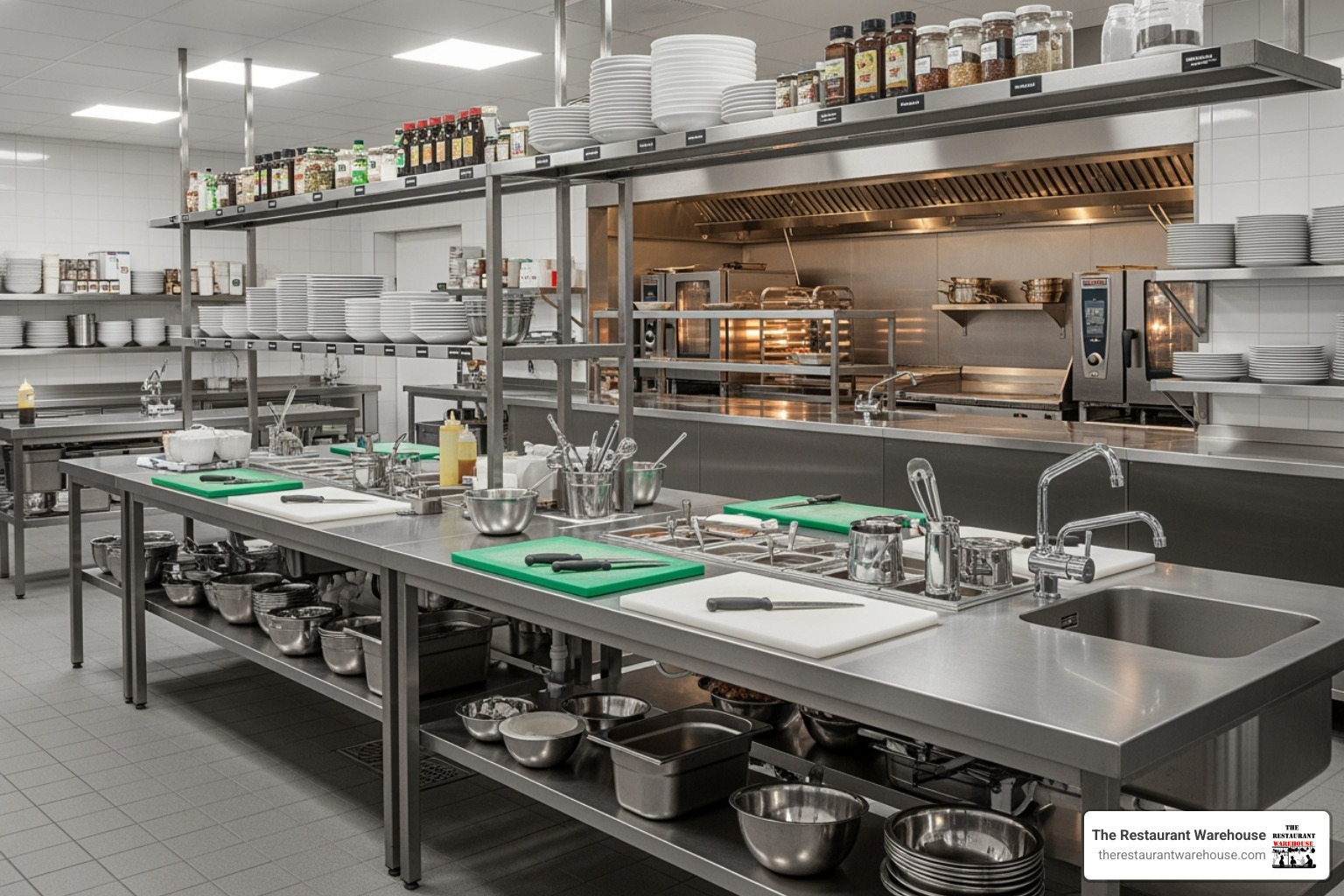
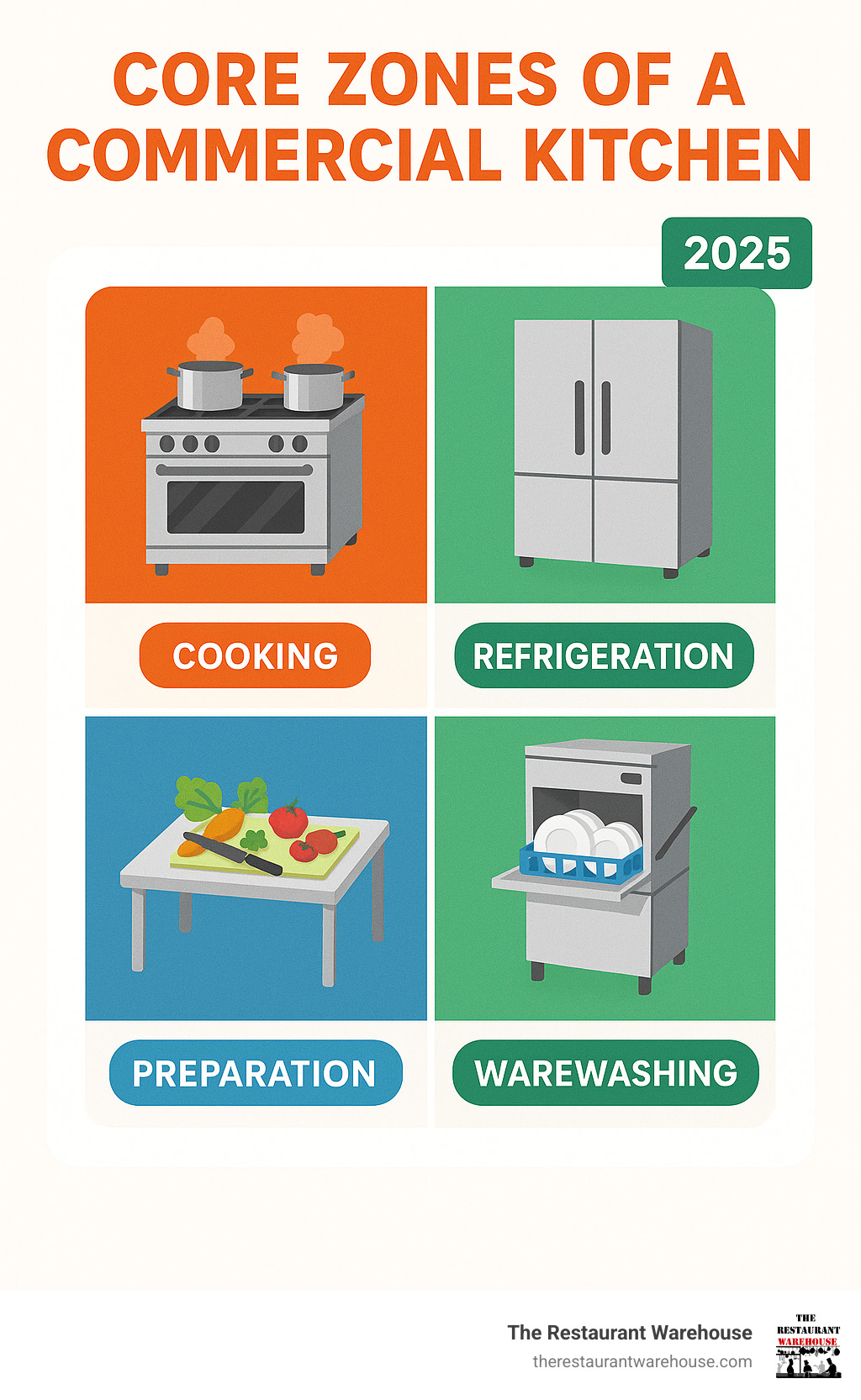
Setting up a commercial kitchen requires fitting many pieces together. Your menu, customer volume, space, and budget determine what you need. Kitchen equipment suppliers like us can help you solve this puzzle. We think of kitchens in zones, each with essential equipment.
Cooking & Baking Equipment
This is the heart of your kitchen, where the right tools bring your menu to life.
- Ranges: The workhorse of the cookline, providing multiple burners for sautéing, boiling, and simmering. Models vary from 4-burner units for smaller cafes to 12-burner behemoths for high-volume restaurants, forming the backbone of hot food production.
- Griddles: A flat-top surface essential for diners, breakfast spots, and burger joints. Their large, even heating surface is perfect for cooking multiple items at once, from pancakes and eggs to cheesesteaks and searing meats.
- Charbroilers: For creating classic grill marks and imparting a distinct smoky flavor that's impossible to replicate otherwise. They are ideal for steaks, chicken, and vegetables.
- Commercial Fryers: A must-have for fried foods, available in various sizes and configurations, from compact countertop models for low-volume needs to large floor-model fryers with multiple baskets and advanced filtration systems to extend oil life and improve food quality.
- Tilting Skillets: One of the most versatile pieces of equipment, a tilting skillet can braise, sauté, simmer, fry, and griddle large batches of food. Its tilting mechanism makes it easy and safe to pour out liquids or transfer cooked food.
- Salamander Broilers: These compact, high-temperature broilers are typically mounted above a range. They are perfect for finishing dishes, melting cheese, toasting bread, or caramelizing the top of a crème brûlée quickly.
- Mixers: From heavy-duty planetary mixers for dough and batter to immersion blenders for soups and sauces. The right mixer saves immense labor and ensures product consistency.
- Proofing Cabinets: Provide a controlled, warm, and humid environment for dough to rise properly, essential for any operation that bakes its own bread or pizza dough.
Refrigeration & Storage
Proper storage is crucial for food safety, quality, and inventory management.
- Walk-in Coolers & Freezers: For high-volume, bulk cold storage, allowing businesses to buy ingredients in larger quantities at better prices. These are custom-built or come in standard sizes to fit specific kitchen layouts.
- Reach-in Refrigerators & Freezers: Keep ingredients accessible in the prep line, ensuring chefs have what they need within arm's reach to maintain service speed.
- Undercounter Freezers: Space-saving cold storage that fits neatly under work tables, maximizing kitchen efficiency by placing frozen items at the point of use.
- Ice Machines: Essential for beverages, food displays, and chilling ingredients. The type and size depend on your daily ice consumption needs, from small undercounter units to large modular heads.
- Food Prep Tables: Provide durable, sanitary stainless steel work surfaces, often with integrated refrigeration below to keep ingredients cold and fresh during preparation.
- Dunnage Racks: Keep bulk items like flour sacks, canned goods, and boxes safely off the floor to meet health codes and prevent pest issues.
- Wall Shelving: Maximizes vertical storage space for an organized kitchen, keeping tools, containers, and dry goods easily accessible.
Food Preparation & Sinks
Efficient prep work is the key to a smooth and rapid service.
- Food Processors: Quickly chop, slice, shred, and puree large quantities of ingredients, drastically reducing manual labor and prep time.
- Commercial Slicers: Ensure consistent portions for meats and cheeses, which helps with cost control and provides a professional presentation.
- Work Tables: Provide dedicated, durable stainless steel space for chopping, assembling, and plating, forming the primary work surfaces in any kitchen.
- Compartment Sinks: The standard three-compartment setup for manual warewashing: washing in the first basin with hot, soapy water, rinsing in the second with clean water, and sanitizing in the third with a chemical solution or hot water. This is a fundamental requirement for health code compliance in nearly every jurisdiction.
- Hand Sinks: A required, dedicated sink used only for handwashing to prevent cross-contamination between food, surfaces, and staff. These must be conveniently located in prep and cooking areas.
- Disposers: Help manage food waste efficiently and prevent drain clogs by grinding up food scraps before they enter the plumbing system.
Warewashing & Janitorial
A clean kitchen is a safe, compliant, and efficient kitchen.
- Commercial Dishwashers & Glasswashers: Clean large volumes of dishes, glassware, and utensils quickly and effectively. High-temp models use hot water to sanitize, while low-temp models use chemical sanitizers.
- Booster Heaters: Ensure that the rinse water in a high-temp dishwasher reaches the required 180°F (82°C) temperature for proper sanitization.
- Grease Traps: A critical component that prevents fats, oils, and grease (FOG) from entering and clogging the municipal plumbing system, a requirement in most areas.
- Mop Sinks: A dedicated, floor-level basin for filling mop buckets and disposing of dirty water, keeping janitorial tasks separate from food prep and warewashing sinks.
- Chemical Dispensers: Ensure safe and accurate mixing and use of cleaning solutions, which improves safety, controls costs, and ensures effective sanitation.
Smallwares & Tabletop Supplies
These are the supporting tools and final touches for your kitchen and dining room.
- Cookware & Bakeware: Durable pots, pans, and sheet trays designed to withstand the rigors of daily commercial use.
- Chef Knives & Cutting Boards: The most essential hand tools for any chef, crucial for safe and efficient food prep. Color-coded cutting boards are often used to prevent cross-contamination.
- Dinnerware, Glassware, & Flatware: The first physical impression your guests have of your establishment. The choice of material and style should align with your brand and concept.
- Serving Utensils: Tongs, ladles, spoodles, and spatulas for safe, efficient, and portion-controlled service in both the kitchen and front-of-house.
The beauty of working with experienced kitchen equipment suppliers is that we understand how all these pieces work together. We've seen what works, what doesn't, and what you actually need versus what looks cool in a catalog.
Beyond the Price Tag: Value-Added Services from Suppliers
When you're looking for kitchen equipment suppliers, it's easy to get caught up in comparing just the prices of products. But the real value of a great supplier goes far beyond that first cost. A dedicated supplier offers helpful services that bring lasting value and crucial support, giving you peace of mind and keeping your operations running smoothly.
Design and Layout Consultation
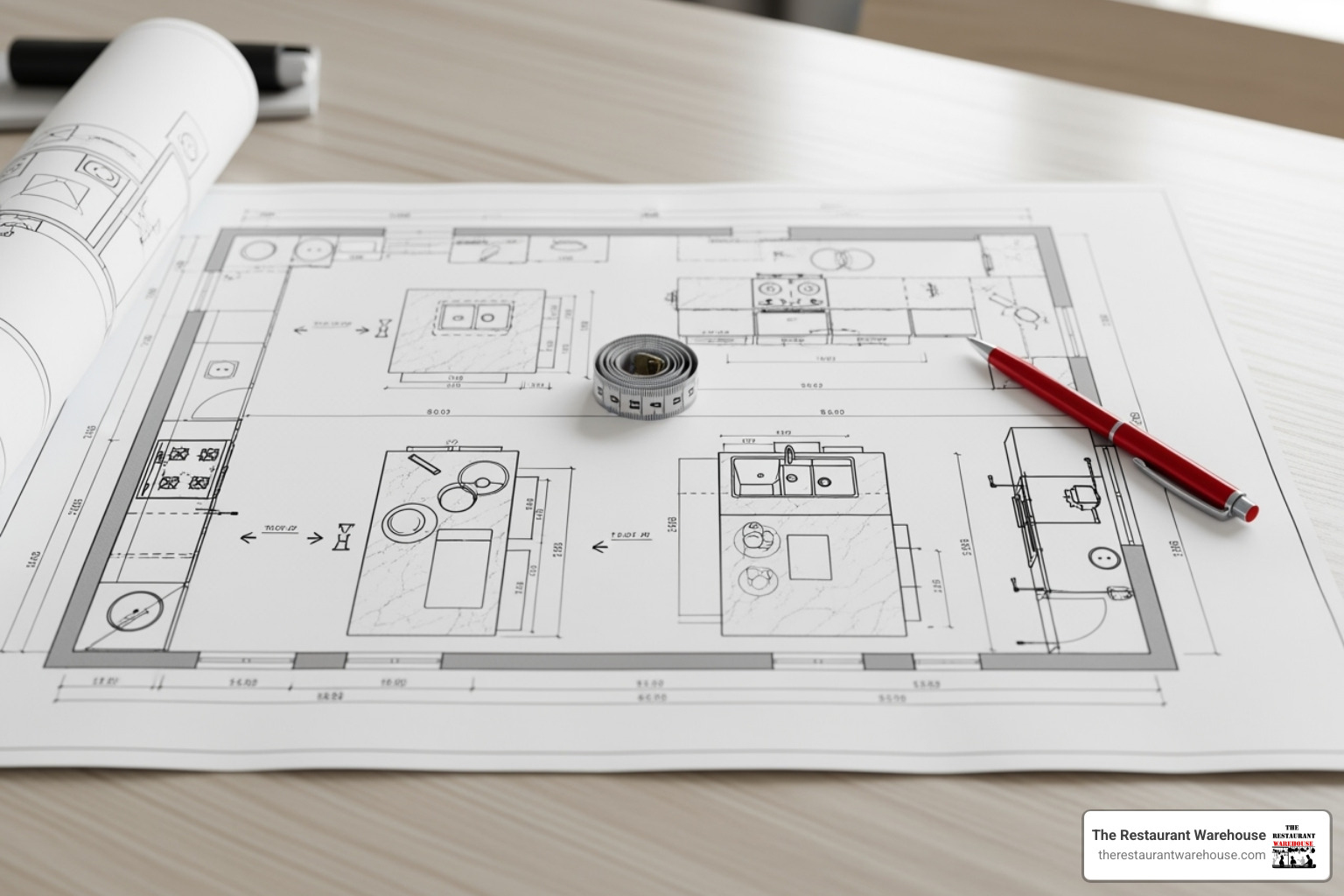
Getting your kitchen space just right is crucial for efficiency and meeting health codes. Good kitchen equipment suppliers can help with this.
They are experts in space optimization, helping you get the most out of every square foot. They understand kitchen workflow, from receiving to service, which leads to better workflow efficiency. A well-designed kitchen means less wasted movement and a more productive team. Many suppliers have deep knowledge of health code compliance and can ensure your design meets all necessary standards. Some even offer 3D renderings so you can visualize the space. For new businesses, some suppliers offer turn-key solutions, handling everything from design and equipment sourcing to professional installation.
Installation and Maintenance
Once you have your equipment, proper setup and upkeep are key to its longevity and performance.
Reputable kitchen equipment suppliers offer professional installation services to ensure everything is set up correctly and safely. Regular equipment servicing helps your gear last longer and prevents expensive breakdowns. Many suppliers offer routine maintenance checks and are ready for emergency repairs. Preventative maintenance plans can keep your equipment in top shape over the long haul. Your supplier should also be there to help you with warranty support and provide knowledgeable technical assistance when issues arise.
Financing and Logistics
Paying for major equipment and getting it to your door are important parts of setting up your kitchen.
Buying large equipment is a big investment. Many kitchen equipment suppliers offer or can help you find equipment financing options, such as leasing programs, which can help you manage your cash flow. Getting your equipment delivered safely and on time is also crucial. Look for suppliers with robust shipping and delivery services. For complex orders, some suppliers offer order staging, where they gather all your items at their warehouse before shipping everything together. This simplifies logistics, especially for large projects or international shipments.
How to Choose the Right Kitchen Equipment Suppliers for Your Business

Finding the right kitchen equipment suppliers is one of the smartest investments you'll make. Think of it less like shopping and more like choosing a business partner who'll support your success for years to come. The key is knowing what to look for when you're vetting potential partners.
Evaluating Product Range and Quality
A reliable supplier should be a one-stop shop for your kitchen needs.
- Brand Availability: Look for a wide range of trusted brands that fit your budget and performance requirements.
- New vs. Used Equipment: Decide if you need new equipment with full warranties or if inspected used equipment can offer savings. Ensure any used items come with some form of warranty.
- NSF Certification: This is non-negotiable for commercial equipment, as it ensures compliance with public health standards. For detailed sanitation guidelines, check out the FDA's authoritative guide to food service sanitation.
- Material Quality: Stainless steel is the industry standard for a reason—it's durable, hygienic, and easy to clean.
Comparing Pricing Models of kitchen equipment suppliers
Don't just focus on the sticker price; consider the total cost.
- Wholesale Pricing: As dedicated kitchen equipment suppliers, we skip high retail markups and commissions, passing the savings directly to you.
- Bulk Discounts: Ask about better pricing for large orders when outfitting an entire kitchen.
- Shipping Costs: A low price tag can be misleading if shipping fees are high. Always confirm the total delivered cost.
- Price Match Guarantees: Some suppliers offer these, but the cheapest option isn't always the best value when you factor in service and support.
Assessing Customer Service and Support
Great service is crucial for a long-term partnership.
- Staff Expertise: Work with people who understand commercial kitchens and can offer expert guidance.
- Responsiveness & After-Sales Support: You need a supplier who responds quickly and provides help with troubleshooting, technical issues, and warranty claims after the sale.
- Return Policy: Understand the return policy upfront to avoid future headaches.
Checking Reputation and Reliability for kitchen equipment suppliers
A supplier's track record speaks volumes.
- Industry Experience & Longevity: A supplier that has been in business for years is more likely to be stable and knowledgeable.
- Online Reviews & Testimonials: See what other customers are saying about their experiences, especially regarding service and problem resolution.
- Case Studies: These can provide real-world examples of how a supplier handles projects and supports its clients.
Choosing kitchen equipment suppliers is about finding a partner who is invested in your success. The right one becomes an extension of your team, offering expertise and support that helps your kitchen run smoothly.
Key Investment Considerations for Your Commercial Kitchen
Investing in your commercial kitchen is a huge step, and it's one of the smartest decisions you'll make for your business. The right equipment directly impacts your kitchen's efficiency, the quality of your food, and your long-term profitability. It's not just about buying tools; it's about making smart choices that will pay off for years to come.
Before you start shopping, keep these key factors in mind to help you choose the right gear and partner with the best kitchen equipment suppliers.
- Budgeting: Get clear on how much you can spend. This will guide your decisions between new or used equipment and help you prioritize essential purchases.
- Space Constraints: Measure your kitchen carefully. You need enough room for the equipment, plus space for your staff to work safely and efficiently.
- Menu Requirements: Your menu dictates the type and size of equipment you need. A pizzeria has different needs than a fine-dining restaurant or a bakery.
- Energy Efficiency: Look for ENERGY STAR certified equipment to save on utility bills. More efficient equipment reduces long-term operating costs. For more details, check out the ENERGY STAR guide for commercial kitchens.
- Staff Skill Level: Choose equipment that matches your team's experience. Complex machinery may require extra training, while simpler tools can improve workflow for any crew.
- Long-term ROI: Think beyond the initial price. Factor in ongoing costs like energy use, maintenance, and potential repairs. The cheapest option isn't always the most cost-effective in the long run.
Speaking of initial costs versus long-term value, one of the biggest questions you'll face is whether to buy new or used equipment. Here's a quick comparison to help you weigh your options:
| Feature | New Commercial Kitchen Equipment | Used Commercial Kitchen Equipment |
|---|---|---|
| Cost | Higher initial investment. | Lower upfront cost. |
| Warranty | Full manufacturer's warranty. | Limited or no warranty ("as-is"). |
| Lifespan & Reliability | Maximum lifespan and reliability. | Shorter, less predictable lifespan. |
| Technology & Efficiency | Latest energy-efficient technology. | Older models, often less efficient. |
| Condition | Pristine, perfect for open kitchens. | May have cosmetic wear and tear. |
| Availability | Order any model, but may have lead times. | Limited to available stock. |
| Financing | Easier to finance or lease. | Can be more difficult to finance. |
Frequently Asked Questions about Kitchen Equipment Suppliers
What's the benefit of buying from a wholesale supplier versus a retail store?
Wholesale suppliers offer lower prices by avoiding high retail overhead and sales commissions. They provide direct access to a wider range of commercial-grade equipment and often have bulk purchasing discounts, making them more cost-effective for businesses.
Should I buy new or used kitchen equipment?
This depends on your budget and specific needs. New equipment comes with a full manufacturer's warranty and the latest technology. High-quality used equipment from a reputable supplier can offer significant cost savings, but it's crucial to ensure it has been thoroughly inspected and comes with a limited warranty. Some suppliers inspect, service, and detail used equipment to a like-new condition and may provide a limited warranty.
How important is a supplier's physical location?
In the age of e-commerce, a supplier's physical location is less critical than their logistical capabilities. A reliable online supplier with efficient, nationwide shipping can be a better partner than a local store with a limited inventory. Focus on shipping costs, delivery speed, and the accessibility of their customer service team. While some may prefer to visit a showroom, for many, the convenience and broader selection of an online wholesale supplier outweigh the need for a local storefront.
Conclusion
Choosing the right kitchen equipment suppliers isn't just about finding the lowest prices or the nearest location. It's about building a strategic partnership that will support your foodservice business for years to come. Think of it as choosing a teammate who'll be there when your fryer breaks down during the dinner rush or when you're expanding to a second location.
Throughout this guide, we've explored how every piece of equipment matters. Your heavy-duty range needs to work seamlessly with your ventilation system. Your refrigeration units must keep pace with your menu's demands. Even the smallest cutting board plays its part in food safety and efficiency.
The smart approach involves assessing your specific needs first. What does your menu actually require? A pizza shop has different equipment needs than a fine dining restaurant or a busy café. Understanding your workflow, volume, and space constraints helps you make decisions that actually fit your operation.
Looking beyond the product itself makes all the difference. The best kitchen equipment suppliers offer design consultation to help you maximize your space. They provide professional installation so your equipment works properly from day one. They're there for maintenance and repairs when you need them most. Some even offer financing options that help manage your cash flow during those crucial early months.
Long-term value and support should guide your decision. A supplier with decades of industry experience understands the challenges you face. They know which brands hold up under commercial use and which ones might let you down. They respond quickly when you have questions and stand behind what they sell.
At The Restaurant Warehouse, we've built our business around understanding these needs. We supply commercial restaurant equipment and food service supplies at wholesale pricing because we skip the high retail markups and commissions that inflate costs elsewhere. This means you get quality equipment without the premium price tag.
Your kitchen is the heart of your business. The equipment you choose and the supplier you partner with directly impact your success. Take time to evaluate your options carefully, ask the right questions, and choose a supplier who truly understands the foodservice industry.
Ready to dive deeper into specific equipment categories? Explore our complete guide to commercial kitchen equipment for more details and find how the right equipment can transform your operation.
About The Author

Sean Kearney
Sean Kearney used to work at Amazon.com and started The Restaurant Warehouse. He has more than 10 years of experience in restaurant equipment and supplies. He graduated from the University of Washington in 1993. He earned a BA in business and marketing. He also played linebacker for the Huskies football team. He helps restaurants find equipment at a fair price and offers financing options. You can connect with Sean on LinkedIn or Facebook.
Leave a comment