


The Smart Guide to Buying Restaurant Smallwares
Your customers may never see the inside of your kitchen, but they experience the results of every tool you use. The consistency of their favorite dish, the perfect sear on their steak, and the speed of service all begin with the equipment in your team's hands. The small, handheld tools known as smallwares are the direct link between your chef's vision and the plate that arrives at the table. This is why buying restaurant smallwares is about more than just stocking shelves; it's about investing in your customer's experience. This guide covers seven critical areas to consider, from choosing materials that ensure food safety to selecting servingware that reflects your brand.
Why Restaurant Smallwares Are Your Kitchen's Secret Weapon
Restaurant smallwares are the essential hand-held tools and small equipment used daily in commercial kitchens for food preparation, cooking, and serving. These items include everything from knives and cutting boards to mixing bowls and serving utensils—basically any tool that isn't a major appliance.
While many restaurant owners focus their budget on large-scale items, smallwares are the real workhorses of your kitchen. They directly impact your staff's efficiency, food quality, and ultimately, your customer's dining experience. These items may seem minor, but they account for a significant portion of your operational effectiveness. The global market for kitchen smallwares is projected to reach $15.5 billion by 2027, a clear indicator that savvy operators understand their importance.
The challenge? Choosing the right smallwares can be overwhelming. With thousands of options, how do you know which items are worth the investment? Which materials will withstand the harsh conditions of a commercial kitchen? And how can you get quality tools without overpaying?
This guide will walk you through seven critical things you need to know before purchasing restaurant smallwares. You'll learn how to select durable, food-safe items that improve your kitchen's workflow, comply with health codes, and align with your brand—all while staying within budget. I'm Sean Kearney from The Restaurant Warehouse, and I've spent years helping restaurant owners outfit their kitchens with the right tools for their unique needs.
1. What Are Smallwares (And Why Do They Matter)?
Picture this: It's the Friday night dinner rush, and your line cook reaches for a spatula—only to find the handle loose and the edge warped. That's when you realize that restaurant smallwares aren't just "nice to have" items. They're the backbone of everything that happens in your kitchen.
Restaurant smallwares are the hand-held tools and smaller pieces that your staff uses countless times every shift. We're talking about knives for prep, mixing bowls for signature dishes, whisks for perfect sauces, and serving utensils that present food beautifully. These aren't the flashy, big-ticket items, but they're the true workhorses of your operation.
Think about your chef's daily routine. They need sharp knives, sturdy cutting boards, measuring cups for precise portions, and quality pots and pans that heat evenly. Without these fundamental tools, even the most talented cook is working at a disadvantage. The impact on staff workflow is hard to overstate. When your team has the right tools, they work faster, more safely, and with greater confidence.
What many owners miss is that smallwares directly affect food quality. A warped baking sheet cooks items unevenly. A bent ladle makes consistent portioning impossible. High-quality tools enable your staff to execute dishes perfectly every time, and that consistency is what keeps customers coming back.
Yes, purchasing a complete set of quality smallwares requires an upfront investment. But the return is tangible. Durable, well-chosen tools last longer, perform better, and ultimately save you money by reducing replacement costs and improving efficiency. For a deeper look at building your inventory, check out our Smallwares Restaurant Guide.
The bottom line? Restaurant smallwares are essential for daily operations. They empower your staff, maintain quality standards, and deliver the customer experience that sets your restaurant apart. Treat them as the critical investment they are.
Who Uses Smallwares? More Businesses Than You Think
It’s easy to picture a bustling restaurant kitchen when you think of smallwares, but their reach extends far beyond that. Any business involved in food preparation relies on these essential tools. Think about your local coffee shop with its milk frothing pitchers, the neighborhood bakery with its precise measuring cups and spatulas, or the hotel catering a large event. Even places you might not expect, like hospital kitchens, school cafeterias, and supermarkets with deli counters, depend on high-quality smallwares for food safety and efficiency. The right commercial kitchen tools are the backbone of any foodservice operation, ensuring every meal is prepared correctly and safely, whether it's a gourmet dish or a simple sandwich.
2. Your Essential Smallwares Checklist
Equipping a commercial kitchen means focusing on the smaller tools that make every day possible. The world of restaurant smallwares is vast, so understanding the main categories helps you make informed purchasing decisions.
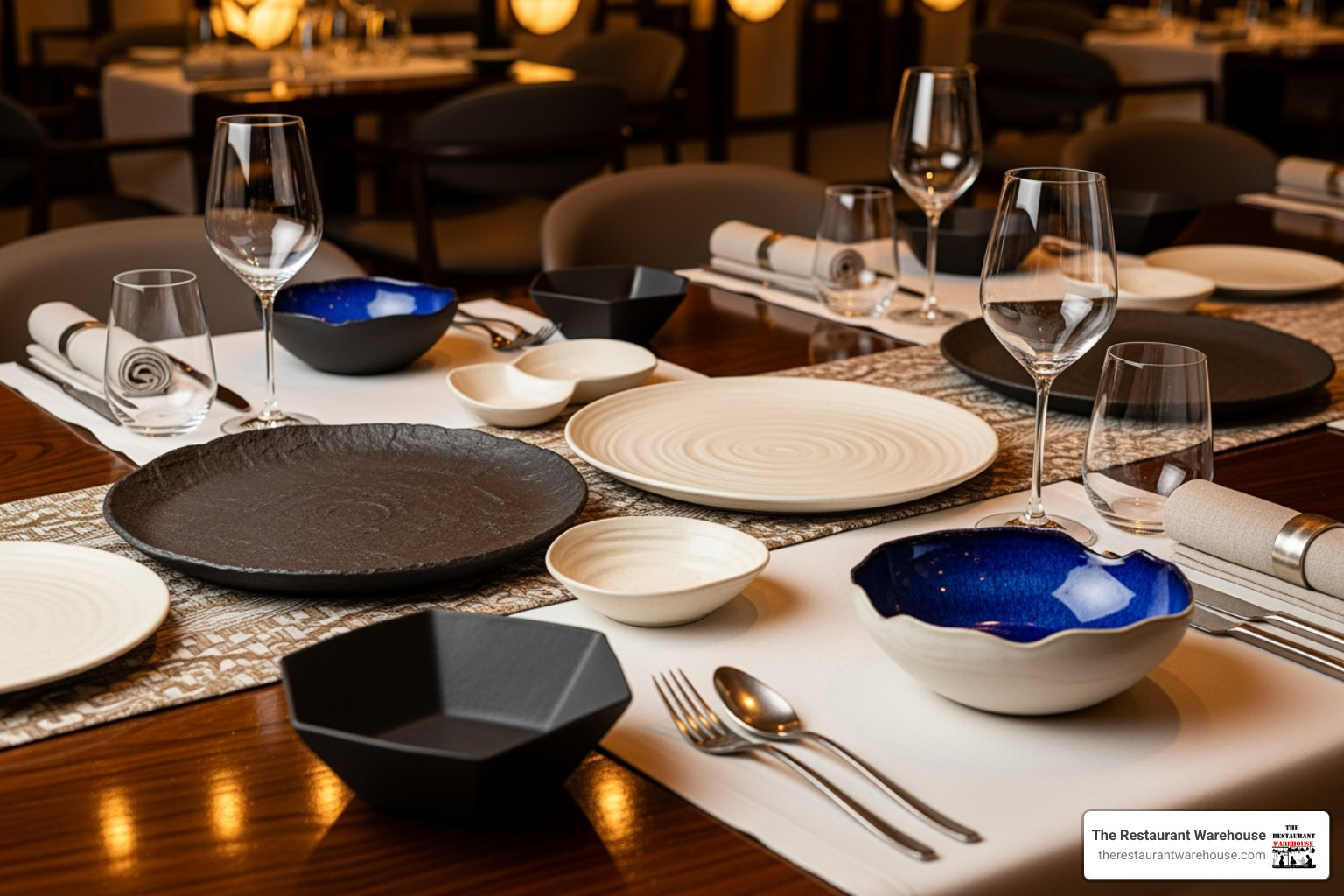
From the moment ingredients enter your kitchen to the final presentation, smallwares are involved. You'll need a comprehensive selection covering prep work, cooking, serving, storage, and safety. For a deeper dive into these essentials, explore our Kitchenware Utensils Essentials.
Essential Food Prep Tools
Efficient food prep is the bedrock of successful service. These are the essentials that empower your team to transform raw ingredients quickly and safely.
- Knives: Professional-grade chef's knives, paring knives, and serrated knives are a must.
- Cutting Boards: Use color-coded cutting boards to prevent cross-contamination—a non-negotiable for food safety.
- Mixing & Measuring: Stock various sizes of mixing bowls, along with whisks, spatulas, peelers, and graters. Precision tools like measuring cups and spoons ensure recipe consistency.
These tools are essential for speed, accuracy, and safety. For a full rundown, refer to our Essential Kitchen Utensils.
Must-Have Cooking and Bakeware
Here, durability and performance are paramount. Your cookware must withstand intense heat and constant use.
- Cookware: You'll need robust stockpots for soups, versatile saucepans, and durable frying pans for searing. Roasting pans are crucial for larger preparations.
- Bakeware: Sturdy baking sheets that resist warping, specialized pizza screens, and various molds for desserts and bread are vital for consistent results and reduced waste.
Investing in commercial-grade items is one of the smartest investments you can make. Find more in our Commercial Cooking Utensils Guide.
Servingware That Wows Your Guests
Serving and front-of-house smallwares are your last chance to impress guests and reflect your brand's aesthetic.
- Serving Utensils: Professional platters, bowls, tongs, and ladles facilitate easy and hygienic serving. Portion servers are invaluable for managing food costs.
- Tabletop Items: Details like menu holders and check presenters contribute to the overall professionalism of your dining area, reinforcing your brand's attention to quality.
For guidance on these crucial items, explore our Utensils in a Kitchen Guide.
Specialty Tools for Your Niche (Pizza, Baking, and More)
Beyond the general essentials, your specific menu will demand its own set of specialized tools. If you’re running a pizzeria, you’ll need more than a standard knife and pan. Think pizza peels for moving pies, dough dockers to prevent bubbling, and sharp cutters for clean slices. A bakery requires its own unique toolkit, from pastry brushes and rolling pins to specific baking molds that ensure every item is consistent. Investing in these niche smallwares isn’t an extra expense; it’s fundamental to creating an authentic product efficiently. The right tools allow your team to execute your menu as intended, which directly impacts the quality and consistency that keeps your customers returning.
Bar and Beverage Supplies
Remember that your bar is a major profit center, and it needs the right smallwares to function smoothly. A successful beverage program is built on speed and precision, which is only possible with the proper equipment. High-quality shakers, jiggers for accurate measurements, strainers, and bar spoons are the workhorses behind the bar. These tools ensure every drink is made consistently, which is vital for both customer satisfaction and managing your liquor costs effectively. When you shop restaurant equipment, investing in durable, professional-grade bar supplies will pay off by reducing replacement needs and keeping your bartenders efficient during the busiest hours.
3. Does Quality Really Matter? (Yes, Here's Why)
When selecting restaurant smallwares, it's easy to gravitate toward the cheapest option. But in a commercial kitchen, price alone tells you almost nothing about value. The real measure of worth comes from the material, quality, and durability.
Kitchen tools are subjected to scalding water, hot surfaces, hard drops, and industrial-strength cleaning chemicals daily. Residential-grade tools aren't engineered for this punishment and will fail quickly, forcing constant replacements and disrupting workflow. Quality smallwares also impact safety and food consistency. A flimsy knife is a hazard, and a warped pan ruins dishes.
Ergonomics—how comfortable and safe tools are to use during long shifts—is another key factor. Well-designed utensils reduce fatigue and prevent injuries. Also, look for NSF certification, which verifies that items meet rigorous public health standards for safety and sanitation. This is often required by health inspectors. You can learn about NSF certification for food equipment from NSF International.
Prioritizing durability means thinking long-term. Commercial-grade items cost more upfront but deliver a far better return on investment. For guidance, explore our Pro Kitchen Tools collection.
A Quick Guide to Smallware Materials
The material of your restaurant smallwares determines their performance, lifespan, and maintenance needs.
| Material | Durability | Heat Conductivity | Maintenance | Average Cost |
|---|---|---|---|---|
| Stainless Steel | Excellent | Moderate | Easy to clean, rust-resistant | Moderate to High |
| Aluminum | Good | Excellent | Can react with acidic foods, dents easily | Low to Moderate |
| Cast Iron | Excellent | Excellent (retains heat) | Requires seasoning, rusts if not cared for | Moderate to High |
| Plastic | Varies (good to excellent) | Low | Easy to clean, can stain/scratch/melt | Low |
| Silicone | Good | Very Low | Easy to clean, heat-resistant, flexible | Moderate |
- Stainless Steel: The workhorse of professional kitchens due to its durability, corrosion resistance, and ease of cleaning. Look for 18/8 or 18/10 grades for better rust resistance.
- Aluminum: An exceptional heat conductor, ideal for pots and pans. Anodized aluminum is harder and non-reactive, solving the softness and reactivity issues of basic aluminum.
- Cast Iron: Offers incredible heat retention, perfect for searing. It requires seasoning to maintain its non-stick surface but can last for generations.
- High-Heat Plastics: Essential for food safety, especially color-coded cutting boards. Lightweight and affordable, but replace when they show deep scoring or damage.
- Silicone: Flexible and highly heat-resistant, making it perfect for spatulas, baking molds, and oven mitts. It's non-stick and won't absorb odors.
Why You Need Commercial-Grade Quality
There's a world of difference between residential and commercial-grade restaurant smallwares. Commercial items are built with thicker materials and reinforced construction to withstand the punishment of professional kitchens. They are designed to survive high-temperature commercial dishwashing cycles and harsh cleaning chemicals without degrading.
Ergonomics is another critical aspect. Commercial tools feature comfortable, non-slip handles and balanced weight to reduce strain and fatigue, which is a safety issue, not just a comfort one. The durability of commercial-grade items translates directly into fewer replacements, saving you money and preventing operational disruptions.
4. How Smallwares Affect Your Speed and Profit
The smallest investments in your kitchen can yield the biggest returns. Restaurant smallwares are strategic assets that directly shape your kitchen's efficiency and profitability.
Even the most talented chef is slowed down by a dull knife or a warped pan. The right smallwares empower your team to work faster, smarter, and more consistently. The global market for kitchen smallwares is projected to reach $15.5 billion by 2027, proving that savvy operators understand these "small" items deliver outsized value. For a curated selection of tools that make a difference, explore our Must-Have Kitchen Tools.
Work Smarter: Speed Up Your Kitchen Workflow
During a dinner rush, well-chosen restaurant smallwares prove their worth.
- Ergonomic handles reduce fatigue, which translates to speed and safety.
- Task-specific tools eliminate workarounds, saving time and improving results (e.g., a pizza wheel vs. a chef's knife).
- Efficient prep tools like sharp knives and quality peelers dramatically reduce prep time.
- Standardized measuring tools ensure consistent results, which reduces remakes and builds customer trust.
- An organized kitchen, where tools are easily accessible, reduces stress and keeps the workflow smooth.
All of this adds up to improved staff speed and confidence. They're not fighting their equipment—they're working in harmony with it.
Smart Smallware Buys for a Healthier Bottom Line
The right restaurant smallwares make your operation more profitable through smart cost-saving mechanisms.
Portion control tools like spoodles and dishers are game-changers for managing food costs. They ensure every serving is the intended size, preventing accidental over-serving that eats into profits. One restaurant I consulted with reduced food waste by 10% in one month just by implementing strict portion control.
Proper smallwares also reduce food waste in other ways. Tight-sealing storage containers extend shelf life, and efficient prep tools minimize scraps. Every bit of food saved from the trash is profit.
Finally, investing in durable items saves money long-term. A $20 commercial-grade spatula that lasts two years is far cheaper than a $5 residential one that needs monthly replacement. Commercial-grade smallwares are an investment that pays dividends month after month by outlasting cheaper alternatives and reducing replacement costs.
Need help choosing tools that boost your bottom line? Contact Us for personalized advice!
5. Keeping It Clean: Smallwares and Food Safety
Food safety is the foundation of trust between a restaurant and its customers. Restaurant smallwares are critical for maintaining health codes, preventing cross-contamination, and ensuring safe food handling.
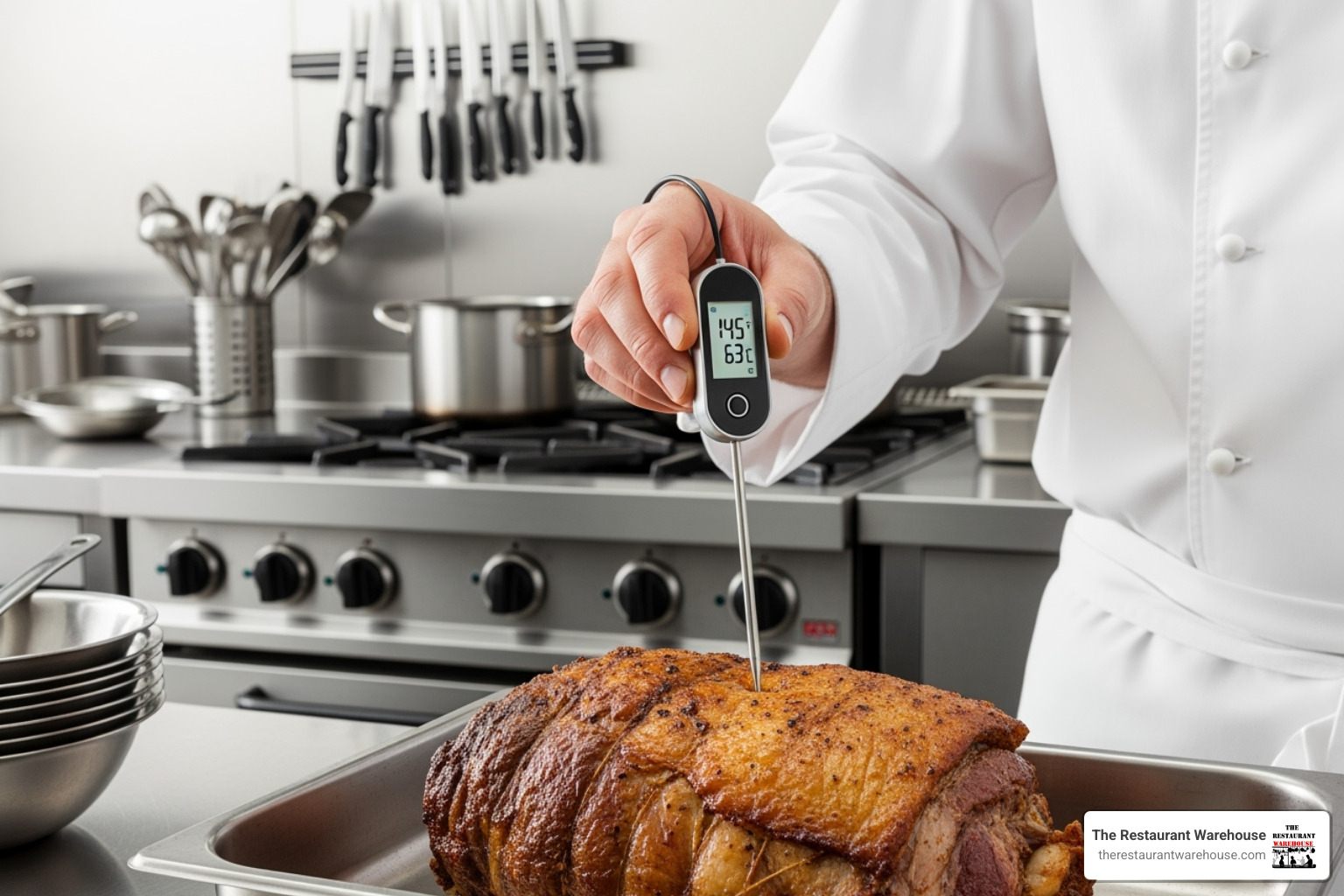
Every item that touches food must be food-safe, cleanable, and used correctly to minimize risk. The materials matter enormously for regulatory compliance and customer wellbeing. The FDA provides comprehensive guidance on Food Contact Substances that helps clarify the standards your smallwares must meet.
How to Prevent Cross-Contamination with Your Tools
Cross-contamination can devastate a restaurant's reputation. The right restaurant smallwares are your frontline defense.
- Color-coded cutting boards are the gold standard. Assigning colors to food types (e.g., red for raw meat, green for produce) creates a simple, effective visual system to prevent mix-ups.
- Designated utensils for different food categories, such as separate tongs for raw and cooked foods, eliminate a common contamination pathway.
- Dedicated allergen-free smallwares (often purple) are a lifesaver for customers with dietary restrictions, showing you take their safety seriously.
Tools for Safe Temps and Handling
Keeping food out of the temperature danger zone (40°F - 140°F) is simple with the right tools.
- Digital food thermometers are non-negotiable. They provide scientific proof that food is cooked to and held at safe temperatures.
- Kitchen timers are powerful compliance tools, tracking cooking times and alerting staff when items need to be checked.
- Chilling paddles help rapidly cool large batches of hot food, reducing the time bacteria have to multiply.
- Cut-resistant and heat-resistant gloves protect your staff from injury, which prevents contamination and keeps your team working safely and efficiently.
- Proper food storage labels showing contents and prep dates are essential for inventory rotation and health code compliance.
Making Your Smallwares Last: Care and Maintenance
You've invested in durable, commercial-grade restaurant smallwares because you know quality matters for performance and safety. But that investment doesn't stop at the purchase. Proper care and maintenance are what ensure those tools deliver a real return over the long haul. A well-maintained kitchen is a safer, more efficient, and more profitable one. Neglecting your smallwares leads to premature replacements, inconsistent food quality, and even potential safety hazards for your staff. Think of it this way: you wouldn't buy a high-performance car and then skip the oil changes. The same principle applies to the workhorses of your kitchen.
A Simple Routine for Longevity
Keeping your smallwares in top condition doesn't require a complicated system. It just needs a consistent routine built on three simple habits: clean, inspect, and store. When your entire team adopts this mindset, your tools will last longer, perform better, and keep your kitchen running smoothly. This routine protects your equipment from the daily wear and tear of a busy commercial environment and ensures every tool is ready for service when your staff reaches for it. It's about creating a culture of care that respects the tools of the trade and understands their value in producing great food.
The foundation of this routine is simple. First, clean tools immediately after every use to prevent food from drying on and making sanitation difficult. Pay attention to material-specific needs—stainless steel can handle a commercial dishwasher, but you'll need to properly season and care for cast iron to prevent rust. Next, inspect your equipment regularly. Check for loose handles on pans, nicks in spatula blades, or warping on baking sheets. A damaged tool isn't just ineffective; it's a safety risk. Finally, store everything properly. Use knife blocks or magnetic strips to protect blades, hang utensils to prevent them from getting bent in a drawer, and stack pots and pans neatly to avoid scratches and dents. Proper storage makes tools easy to find and keeps them in prime condition.
6. Match Your Smallwares to Your Restaurant's Vibe
Think about a restaurant where you felt instantly transported. Those details weren't accidents. Restaurant smallwares are a critical part of your restaurant's story.
Every fork, plate, and serving platter sends a message about your brand. These items aren't just functional; they're ambassadors that shape your guests' perception. While your kitchen staff values a great spatula, your guests judge you by what they see and touch at their table. For guidance on how these pieces work together, check out our Restaurant Supply Guide.
Choosing Tools That Fit Your Brand
Your restaurant's concept should guide every purchasing decision. A mismatch between your smallwares and your theme can create a jarring experience.
- Fine Dining: Exude elegance with delicate china, polished silver flatware, and crystal glassware. Serving pieces should be sleek and minimalist.
- Rustic Bistro: Create warmth with textured ceramic bowls, wooden serving boards, and sturdy stoneware that feels homey and inviting.
- Modern Cafe: Accept clean lines with stainless steel pitchers, neutral-toned ceramic mugs, and simple white plates that let fresh ingredients shine.
- Upscale Bar: Signal craft with crystal mixing glasses, artisanal jiggers, and unique glassware. These tools are part of the performance.
- Pizzeria: Reinforce an authentic, casual vibe with pizza peels, wide serving spatulas, and rustic wooden boards for presentation.
How to Create an Unforgettable Tabletop
The tabletop is your final opportunity to make an impression. Every element matters.
- Plates and Bowls: The shape, size, and color should complement your food. A vibrant salad pops on a white plate, while a rustic stew feels right in a textured bowl.
- Flatware: Quality, well-balanced flatware feels substantial and communicates that you care about every detail of the dining experience.
- Glassware: Serving beverages in the proper style of glass shows attention to detail and improves the experience.
These details work together to create a cohesive look that reinforces your brand. When your restaurant smallwares align with your concept, they transform a good meal into a memorable one.
7. Smart Strategies for Buying Restaurant Smallwares
When stocking your kitchen with restaurant smallwares, how you buy is as important as what you buy. With the right purchasing strategies, you can reduce costs while ensuring your team always has the tools they need.
Smart purchasing isn't about cutting corners; it's about understanding the supply chain and leveraging it to your advantage. Strategic buying can save thousands of dollars annually while improving operational consistency. For a comprehensive look at sourcing, check out our Restaurant Supply Essentials.
Tailoring Smallwares to Your Menu and Space
Before you buy a single tool, look at your menu—it’s your ultimate shopping list. The smallwares you need are dictated entirely by the dishes you plan to serve. A steakhouse requires specific steak knives and grill tools, while a bakery needs an arsenal of baking sheets, whisks, and spatulas. Choosing equipment that directly supports your menu items empowers your team to work faster and produce consistent, high-quality food. When your tools fit the task, your kitchen runs more smoothly, and your dishes come out perfectly every time. Don't forget to consider your physical space. A compact kitchen benefits from multi-functional tools and stackable storage solutions that maximize every square inch. Thoughtful planning ensures you shop for restaurant equipment that fits both your culinary vision and your operational reality.
Does Buying Wholesale Actually Save Money?
Buying restaurant smallwares wholesale or in bulk is essential for maintaining healthy profit margins.
- Lower Cost Per Unit: The most immediate benefit. Purchasing a case of mixing bowls instead of one or two drops the price per bowl significantly, often by 30-40%.
- Consistent Inventory: Buying in bulk creates a buffer, preventing emergency runs to retail stores during a rush.
- Supplier Relationships: Regular wholesale customers often receive better service, priority shipping, and early access to new products.
- Shipping Savings: Consolidating orders into fewer, larger shipments reduces overall shipping costs. Many suppliers offer free shipping above a certain order value.
Wholesale purchasing forces you to plan for future needs, reducing waste and giving you better control over your cash flow.
Where to Find Reliable Suppliers
Choosing the right supplier is a partnership in your success.
Online restaurant supply stores have revolutionized kitchen outfitting. The convenience of browsing thousands of products, comparing prices, and reading reviews is invaluable. At The Restaurant Warehouse, we've built our model around accessible wholesale purchasing with transparent pricing.
When evaluating suppliers, look for clear wholesale pricing models, a wide selection to consolidate orders, and reliable direct shipping benefits. A good supplier understands the pressures of the foodservice industry, offers products that meet safety standards, and can answer technical questions. They are invested in helping your restaurant succeed.
Ready to stock your kitchen with high-quality, affordable tools? Explore our extensive collection of restaurant smallwares today!
What to Look for in a Supplier
Finding the right supplier for your restaurant smallwares is about more than just finding the lowest price. You're looking for a partner who understands the demands of a commercial kitchen and is committed to your success. A great supplier simplifies your purchasing process, provides reliable products, and offers the support you need to keep your operation running smoothly. They should be a resource you can count on, not just a checkout page. When you're vetting potential suppliers, focus on a few key areas that separate the transactional vendors from the true partners who will help your business thrive.
Product Selection and Quality Reviews
A top-tier supplier should offer a diverse range of products, from essential prep tools to specialized cookware. Having access to a wide selection of restaurant equipment from a single source saves you an incredible amount of time and simplifies logistics by consolidating your orders. Instead of juggling multiple vendors and shipments, you can get everything you need in one place. Look for a supplier that carries a deep inventory of commercial-grade items designed to withstand the rigors of a professional kitchen. Pay close attention to customer reviews on their site, as they provide honest, real-world feedback on product durability and performance, helping you make confident purchasing decisions.
Financing and Payment Options
Outfitting or upgrading a kitchen is a major capital expense, and a good supplier gets that. Look for partners who offer flexible payment solutions to help you manage cash flow. The ability to finance your equipment allows you to get the high-quality tools you need right away without draining your capital reserves. This is especially critical for new restaurants or those undergoing a renovation. Options like restaurant equipment financing can make the difference between compromising on quality and investing in durable, efficient tools that will pay for themselves over time. A supplier that provides these options demonstrates a real understanding of the financial realities of running a restaurant.
Frequently Asked Questions about Restaurant Smallwares
What's the difference between commercial and residential smallwares?
The difference is survival in a professional kitchen. Commercial-grade restaurant smallwares are built with thicker, more durable materials to withstand constant, high-volume use. They can handle extreme temperatures and harsh cleaning chemicals. Many carry NSF certification, verifying they meet public health and safety standards, which you can learn about from NSF. Commercial tools also feature ergonomic designs to reduce staff fatigue and prevent injuries during long shifts.
How often should I replace my kitchen smallwares?
The lifespan of your restaurant smallwares depends on the material, use frequency, and maintenance. However, some general guidelines apply.
- Plastic items like cutting boards and storage containers often need replacing every 6-12 months. Look for deep scratches, warping, or staining that can harbor bacteria.
- Metal items like quality stainless steel bowls and pans can last for years with proper care.
The key is regular inspection. Periodically check for warping, cracks, rust, or any damage that makes an item unsafe or difficult to clean. Proactively replacing worn tools prevents service disruptions and safety hazards. Our Kitchen Utensils Guide offers more detail.
What are the most essential smallwares for a new restaurant?
If you're opening a new restaurant, start with the fundamentals. Your foundation should include:
- Prep Tools: High-quality chef's knives, paring knives, and serrated knives; color-coded cutting boards; stainless steel mixing bowls in various sizes; and precise measuring tools (cups and spoons).
- Utensils: Heat-resistant spatulas, utility tongs, ladles, and whisks.
- Cookware: A core selection of commercial-grade stockpots, saucepans, and frying pans.
- Safety & Storage: NSF-certified food storage containers with tight lids and at least one reliable digital food thermometer.
These core items will enable your team to handle most kitchen tasks efficiently and safely from day one. You can add specialized tools as your menu and operation evolve.
Ready to Stock Your Kitchen?
We've covered the seven key considerations for selecting restaurant smallwares. These tools are far from minor players; they are the backbone of a well-equipped, efficient, and profitable kitchen.
Your major appliances may be the engine, but smallwares are the oil that keeps everything running smoothly. When you invest wisely—prioritizing quality materials, food safety, and brand alignment—you're investing in your staff's efficiency, your customers' experience, and your restaurant's bottom line. Durable tools reduce costs, portion control items protect margins, and ergonomic designs keep your team productive.
At The Restaurant Warehouse, we understand what restaurant owners need. We know that quality doesn't have to come with an astronomical price tag. That's why we offer an extensive range of wholesale restaurant smallwares designed to help your business thrive. We've eliminated the middleman markups, passing those savings directly to you.
Your kitchen deserves the best, and so does your bottom line. By applying what you've learned, you're positioning your restaurant for long-term success.
Ready to equip your kitchen with the quality tools it deserves? Explore our extensive collection of restaurant smallwares today and see how affordable excellence can be. For personalized guidance, contact our team—we're here to help you make choices that will serve your restaurant well for years to come.
Key Takeaways
- Invest in Quality Tools to Improve Workflow: Smallwares directly impact your kitchen's speed and consistency. Investing in durable, ergonomic tools empowers your staff to work more efficiently, which improves service and protects your bottom line.
- Prioritize Durability and Safety Over Initial Cost: Commercial-grade smallwares are built to withstand the demands of a professional kitchen. They last longer and meet health code standards, saving you money on frequent replacements and ensuring a safe food environment.
- Match Your Smallwares to Your Menu and Brand: Your tools should support the dishes you create and reflect your restaurant's unique vibe, from the kitchen to the tabletop. Strategic purchasing allows you to get the right equipment without compromising your budget.
Related Articles
About The Author

Sean Kearney
Sean Kearney is the Founder of The Restaurant Warehouse, with 15 years of experience in the restaurant equipment industry and more than 30 years in ecommerce, beginning with Amazon.com. As an equipment distributor and supplier, Sean helps restaurant owners make confident purchasing decisions through clear pricing, practical guidance, and a more transparent online buying experience.
Connect with Sean on LinkedIn, Instagram, YouTube, or Facebook.